
In today’s digital world, credit cards and mobile payments dominate travel, yet some destinations still rely heavily on cash. From small towns to remote regions, using cash can make your experience smoother, avoid hidden fees, and help you connect with locals who prefer traditional transactions. Travelers should plan, carry local currency, and understand where cash is necessary. These 12 destinations showcase unique cultures, markets, and experiences where being prepared with physical money ensures hassle-free travel, authentic interactions, and even spontaneous adventures without relying on cards.
1. Marrakech, Morocco
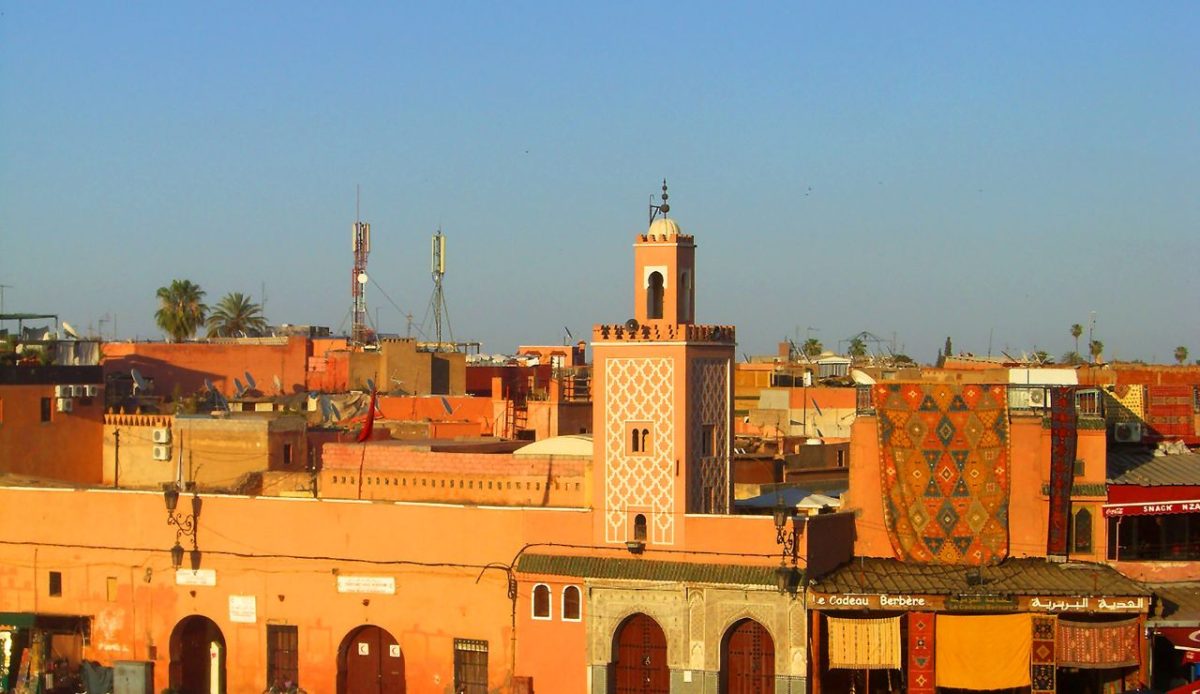
In Marrakech, Morocco, cash is king, especially in the bustling souks. Street vendors, local artisans, and small eateries often do not accept cards. Carrying Moroccan dirhams allows you to negotiate prices, explore hidden stalls, and enjoy authentic cuisine without stress. Cash ensures smoother transportation payments, such as taxis or horse-drawn carriage rides. Markets like Jemaa el-Fnaa come alive with haggling, where cash enables spontaneity and local interaction. Traveling with adequate currency helps visitors fully enjoy Morocco’s vibrant culture, avoiding payment issues and connecting with friendly locals.
2. Ubud, Bali
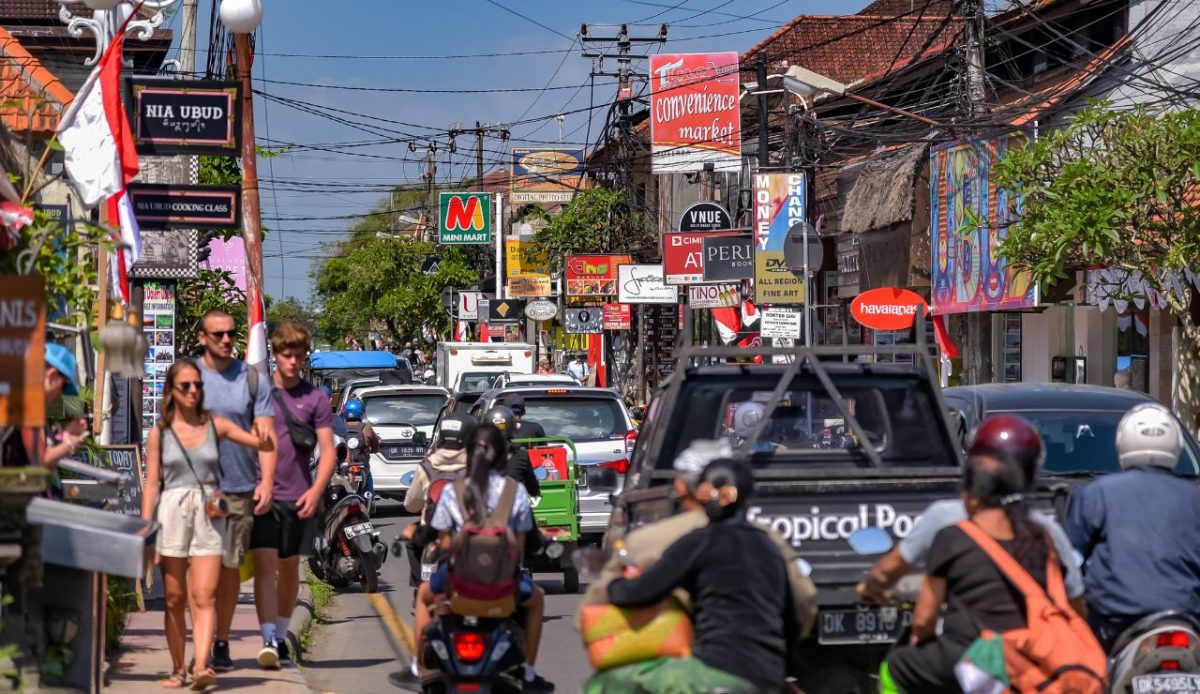
Ubud’s markets, warungs, and traditional craft shops often rely on cash transactions. While some restaurants accept cards, most local experiences, yoga classes, scooter rentals, and street food require cash. Using cash allows travelers to support local vendors and negotiate better deals. Small donations at temples, tips for guides, and entrance fees also frequently require bills or coins. Carrying Indonesian rupiah ensures smooth participation in cultural experiences, helping travelers connect with the community authentically. Cash readiness enhances convenience, flexibility, and immersion in Ubud’s unique atmosphere.
3. Siem Reap, Cambodia
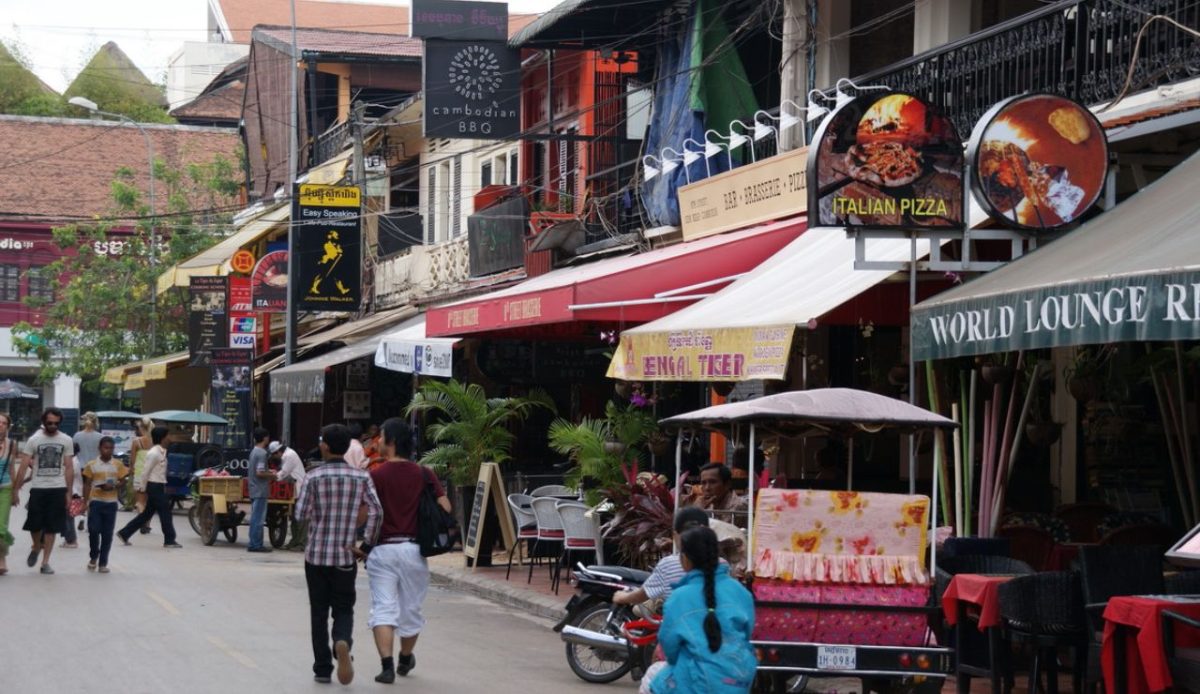
In Siem Reap, cash is essential for exploring the Angkor temples and local markets. Many tuk-tuk drivers, street vendors, and small restaurants prefer riel or US dollars. Having cash allows for easy bargaining at souvenir stalls and smooth payment for guided tours. While ATMs exist, relying solely on cards can be limiting, especially in remote temple areas. Carrying small denominations ensures fair transactions and reduces stress. Using cash in Siem Reap supports local businesses directly, allowing travelers to enjoy authentic cultural experiences without the inconvenience of digital payment restrictions.
4. Oaxaca, Mexico
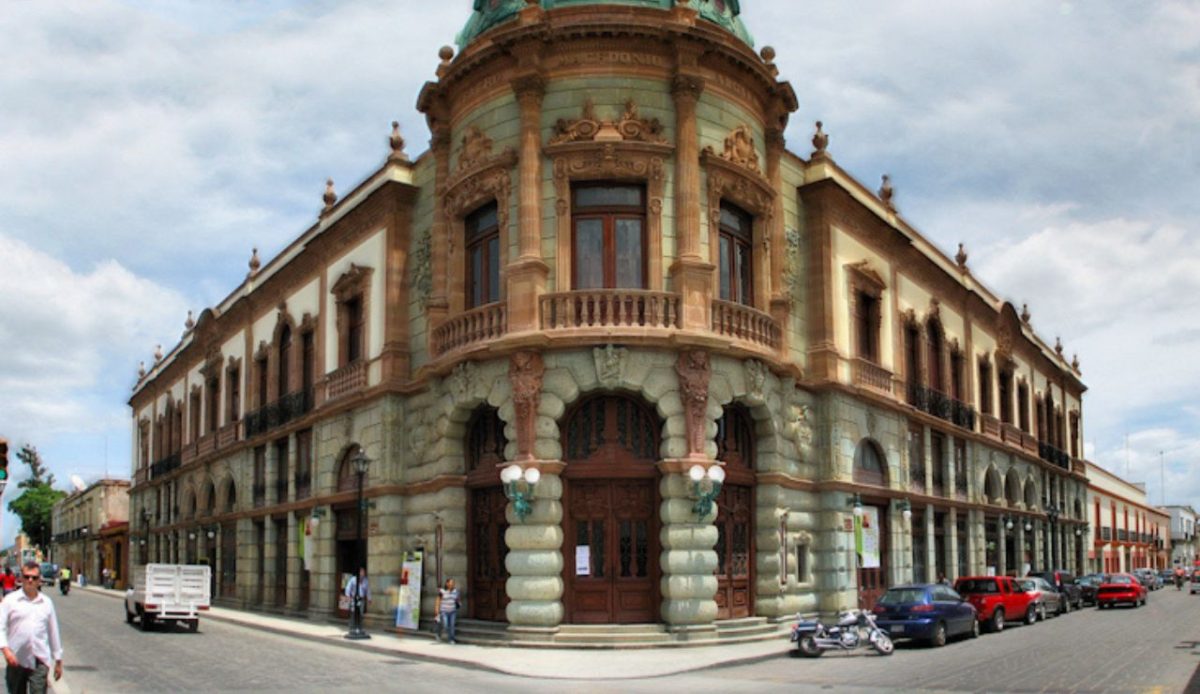
Oaxaca’s colorful streets, traditional markets, and local eateries are best navigated with cash in hand. Small artisans and food stalls often don’t accept cards. Cash allows visitors to negotiate prices for handcrafted goods and pay for public transportation easily. Festival tickets, local events, and street performances often require physical currency. Carrying pesos ensures a seamless experience in local neighborhoods, while also supporting family-run businesses. Travelers can enjoy authentic Oaxacan culture, from vibrant markets to culinary delights, without relying on digital payments that may be inconvenient or unavailable.
5. Varanasi, India
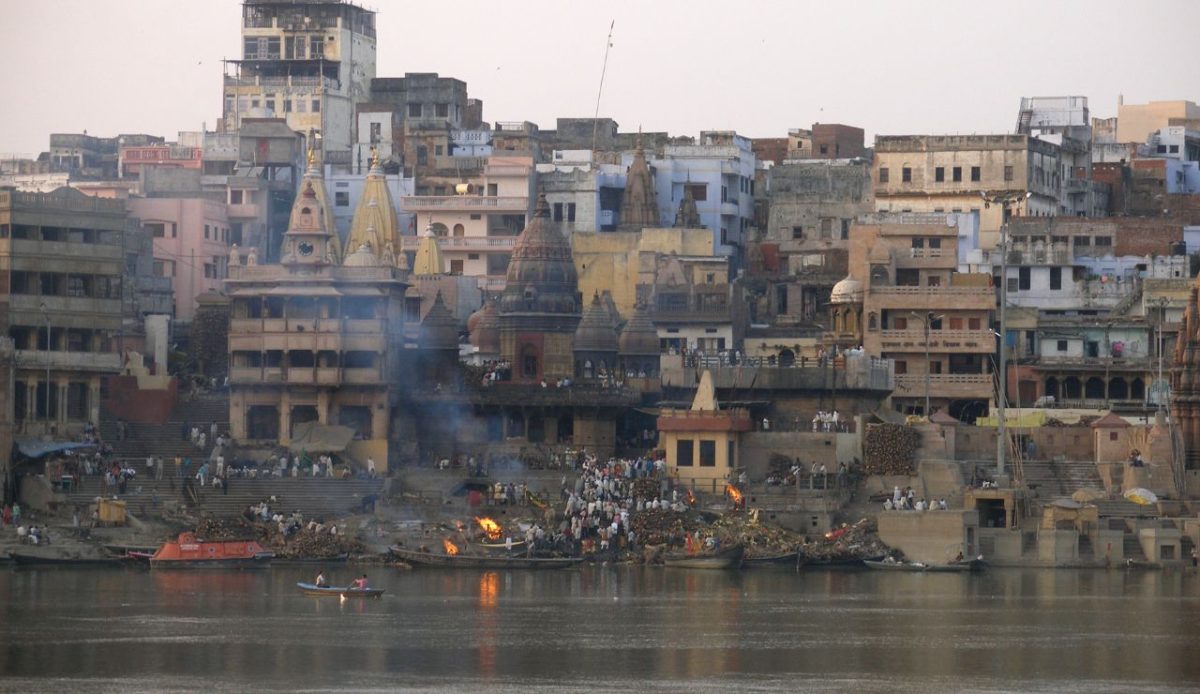
Varanasi, one of India’s holiest cities, functions primarily in cash for small shops, riverfront ceremonies, and local transportation. Many boat operators on the Ganges, street vendors, and temples expect rupees for offerings or donations. Using cash allows travelers to tip guides, pay for photography permissions, and purchase handicrafts easily. Relying solely on cards may limit access to authentic experiences. Carrying Indian currency ensures convenience, smoother bargaining, and cultural immersion. In Varanasi, cash facilitates both practical transactions and meaningful engagement with the city’s vibrant traditions.
6. Santorini, Greece
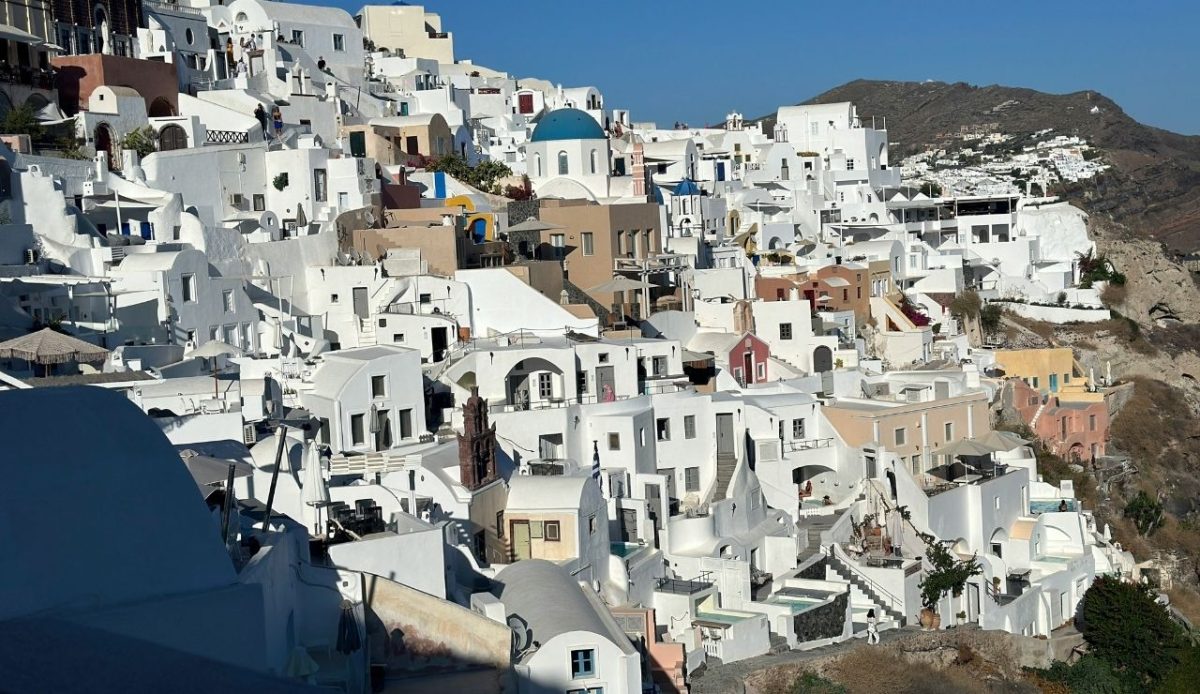
While popular Santorini restaurants may accept cards, smaller cafes, local ferries, and souvenir shops prefer cash. Carrying euros helps travelers pay small fees, avoid service charges, and tip local staff. Vendors in traditional villages often favor cash, especially for impromptu purchases or handmade goods. Cash allows flexible exploration of hidden beaches, hiking trails, and charming streets without digital payment issues. Using physical currency ensures a smoother, more immersive experience, supporting local businesses while allowing visitors to enjoy the island’s breathtaking scenery and authentic Greek charm.
7. Hanoi, Vietnam
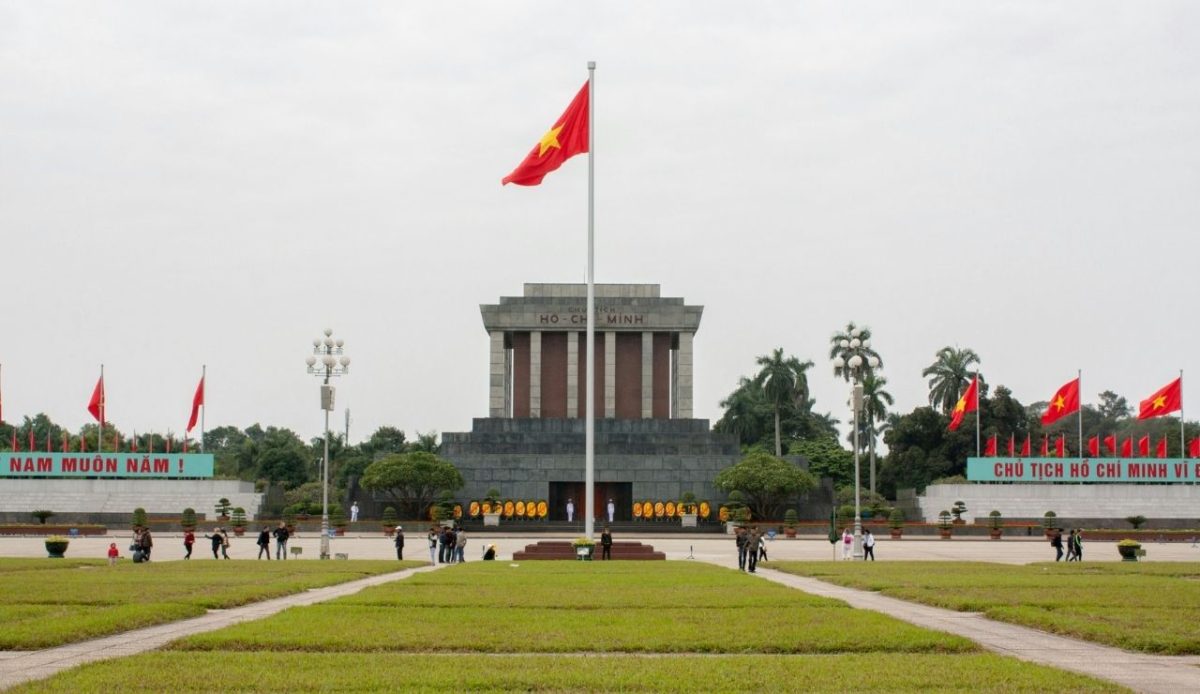
Hanoi’s bustling streets, markets, and street food stalls operate primarily on cash transactions. Local vendors, motorbike rentals, and small eateries rarely accept cards. Carrying Vietnamese dong allows travelers to navigate night markets, pay for local transport, and enjoy authentic meals without hassle. Small denominations facilitate bargaining and smooth payments. Using cash enables a closer connection to Hanoi’s culture and daily life, supporting family-run businesses. Prepared travelers can explore the city comfortably, from Hoan Kiem Lake to hidden alleys, without worrying about digital payment limitations.
8. La Paz, Bolivia
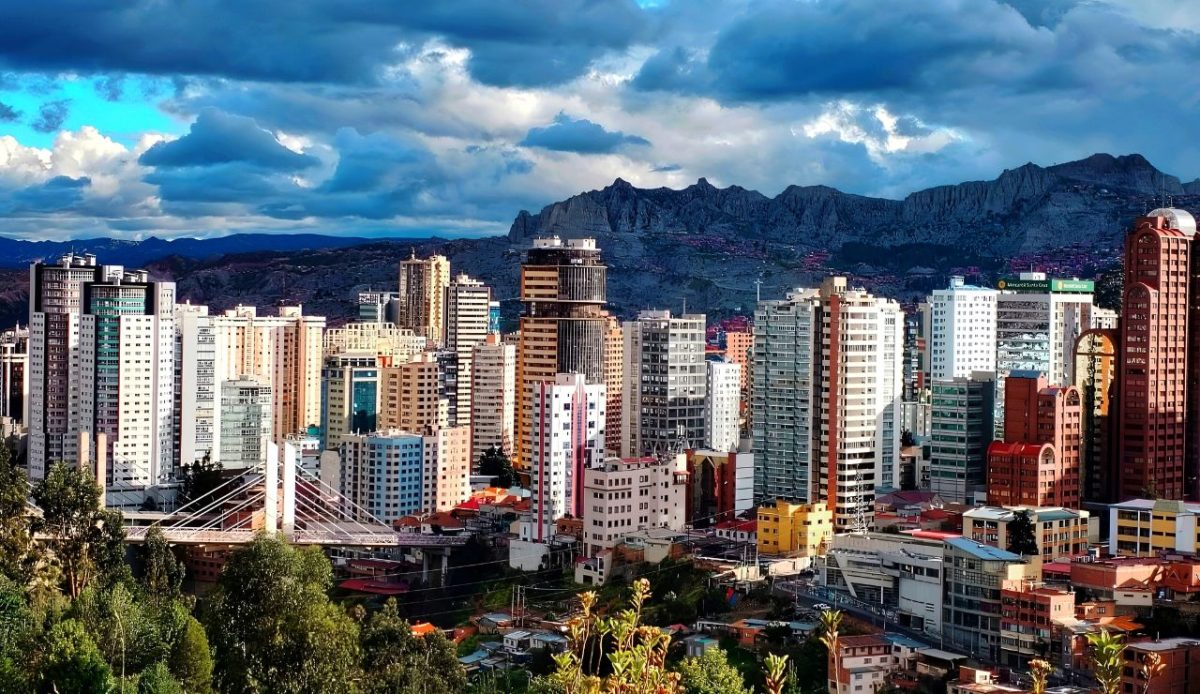
La Paz relies heavily on cash for everyday transactions, especially in local markets, street food stalls, and public transport. Many small vendors, taxis, and family-run restaurants rarely accept cards, making Bolivian bolivianos essential for smooth travel. Having cash allows visitors to pay entrance fees, buy local crafts, and tip guides without hassle. It also enables bargaining at bustling markets and fosters direct engagement with friendly locals. Exploring La Paz’s steep streets, colorful neighborhoods, and cultural landmarks is easier and more authentic when you carry adequate physical currency.
9. Zanzibar, Tanzania
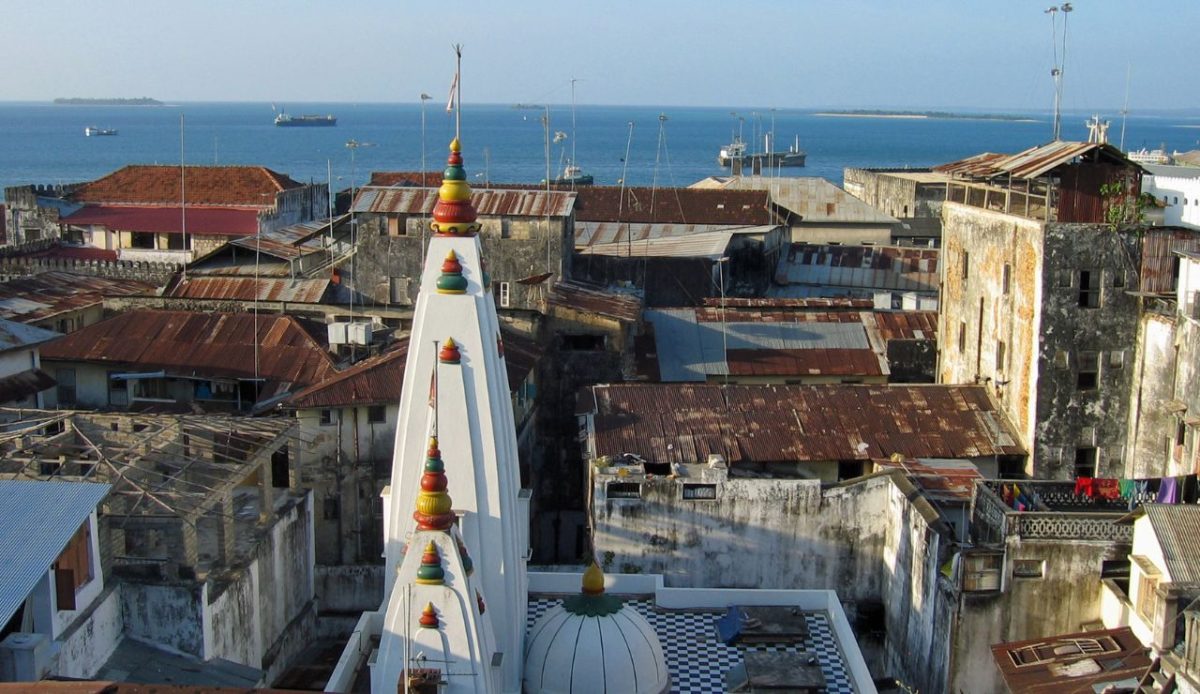
In Zanzibar, cash is essential for local markets, spice tours, and small restaurants. Tanzanian shillings are preferred, especially in rural areas and for beach excursions. Ferry rides, guided tours, and transport often require cash. Having physical currency allows travelers to tip guides, purchase handmade crafts, and navigate street vendors easily. Using cash also fosters direct interaction with locals, enhancing cultural immersion. Zanzibar’s stunning beaches, historic Stone Town, and friendly community are best explored with a wallet of local currency for flexibility and authentic experiences.
10. Cusco, Peru
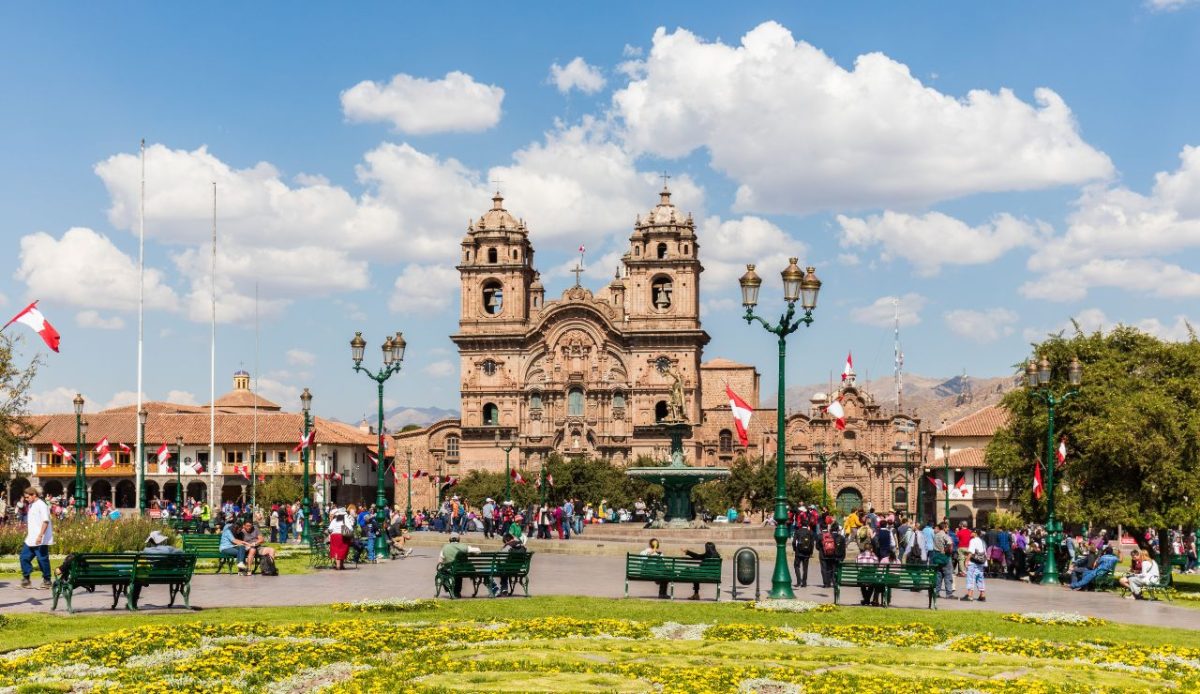
Cusco relies heavily on cash for small markets, local eateries, and day trips to Machu Picchu. While ATMs exist, carrying Peruvian soles ensures smooth transactions for taxis, souvenirs, and tips. Street vendors, local artisans, and small guides often don’t accept cards. Cash enables travelers to navigate cobblestone streets comfortably, discover hidden shops, and engage directly with locals. Having physical currency allows flexibility in spontaneous adventures, supports small businesses, and helps travelers fully immerse themselves in Cusco’s rich history, vibrant markets, Andean culture, and colorful festivals.
11. Kathmandu, Nepal
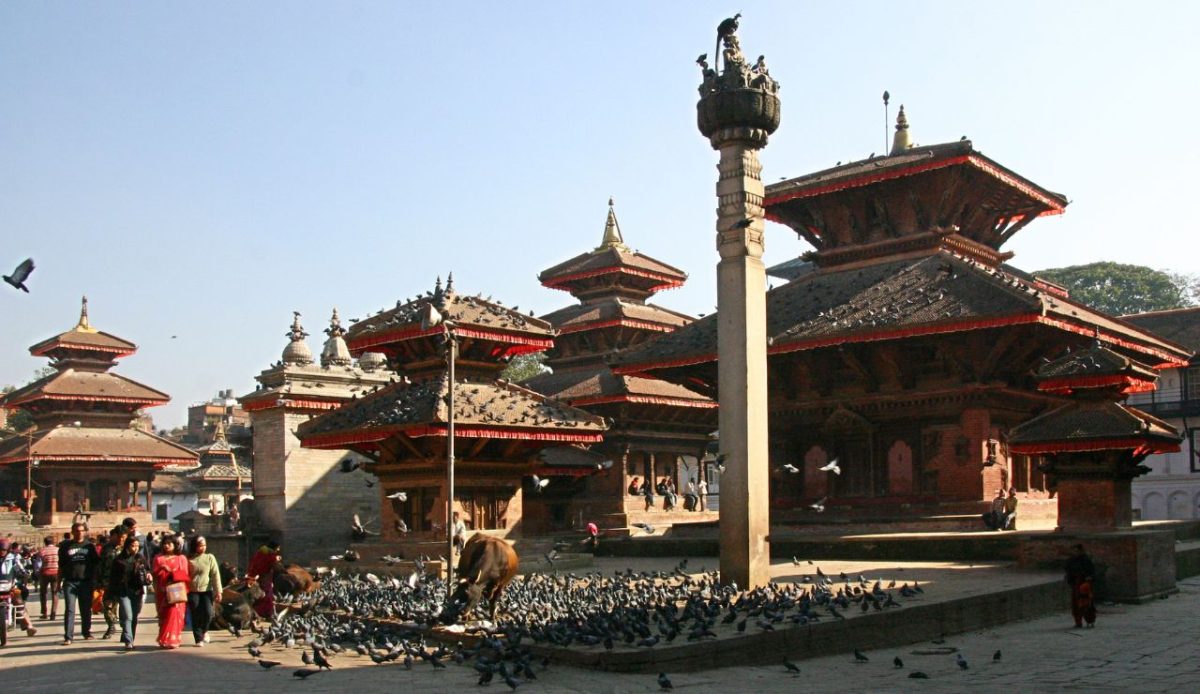
Kathmandu’s streets, bazaars, and temples operate largely on cash. Nepali rupees are essential for local transport, street food, and small shops. Tipping guides, hiring porters, and purchasing handicrafts are smoother with physical currency. Digital payments may be limited in remote areas or traditional markets. Carrying cash ensures flexibility, convenience, and authentic engagement with locals. From the bustling Thamel district to historic squares, cash allows travelers to enjoy Nepal’s vibrant culture and scenic surroundings without disruptions or reliance on digital banking infrastructure.
12. Hoi An, Vietnam
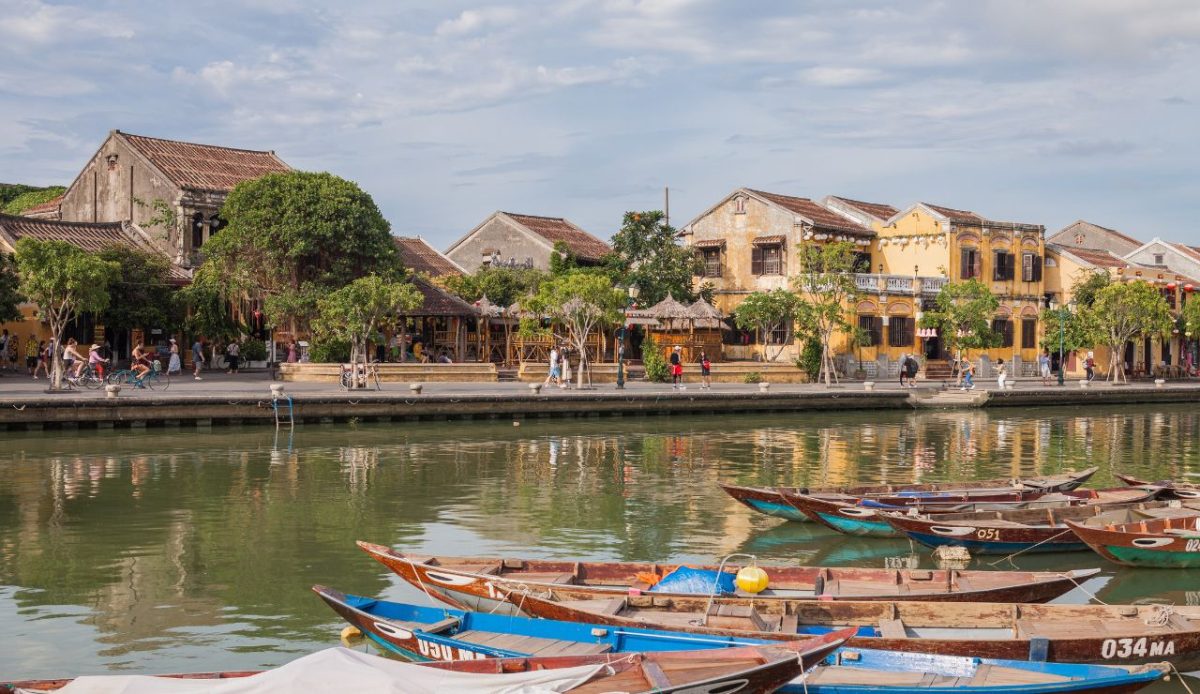
Hoi An’s charming lantern-lit streets, markets, and local restaurants often prefer cash. Physical Vietnamese dong helps visitors pay tailors, street vendors, and ferry operators easily. Carrying cash allows smooth participation in cultural activities like cooking classes and lantern-making workshops. Small denominations facilitate bargaining in markets and purchasing souvenirs. Using cash ensures hassle-free exploration of this UNESCO World Heritage city, supporting local businesses and enjoying authentic experiences. Hoi An’s pedestrian-friendly layout, colorful streets, and welcoming locals make cash indispensable for travelers.
