
SLMPD posts a homicide feed that lists incidents by neighborhood inside the City of St. Louis. The update dated February 14, 2026, reports 12 homicides year to date, spread across ten neighborhoods in the current incident list.
This article treats a nightmare as a place where official counts show lethal violence right now, or where 2025 totals show that risk stayed high across many months. The goal is to rely on published numbers, then explain conditions that raise exposure for residents and visitors.
Neighborhood lines matter because St. Louis County is separate from the city, and totals cannot be merged. Each section ties the location to either the 2026 incident list or to the highest 2025 neighborhood counts published by SLMPD.
1. Mount Pleasant
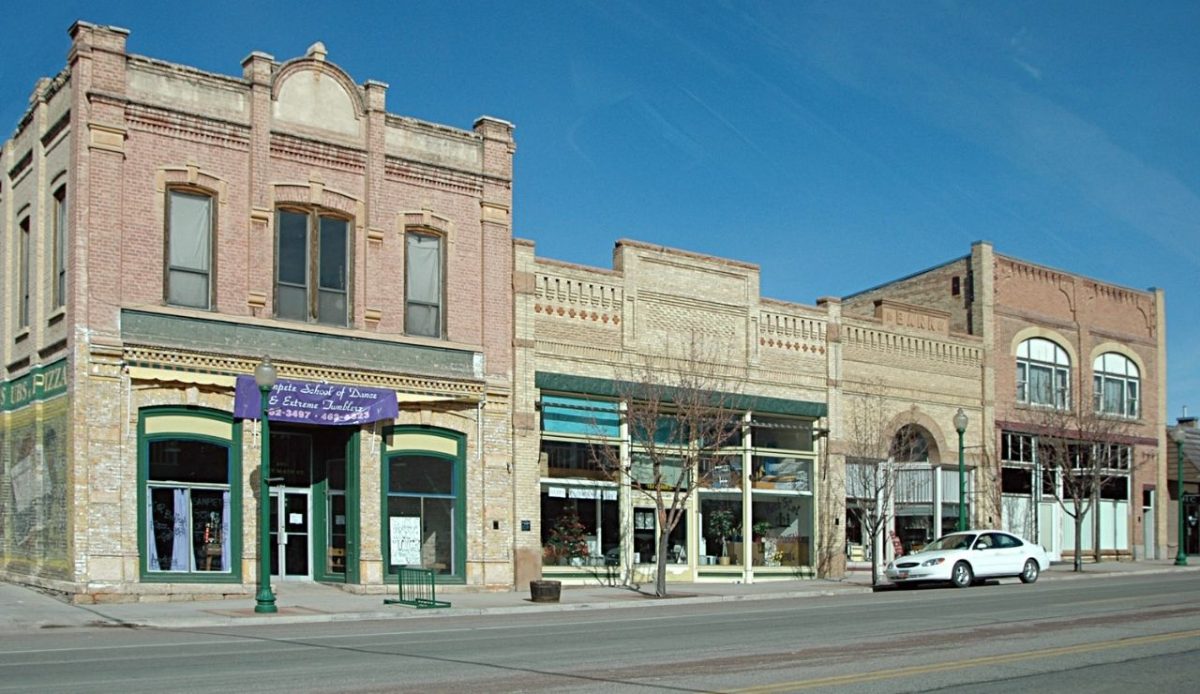
In the Feb 14 SLMPD homicide feed, Mount Pleasant shows two killings in 2026 so far. Early clustering matters because it can reflect active conflicts instead of a slow build across the year.
The neighborhood sits in south St. Louis near I-55 and several connector streets. Quick access routes can shorten the time between an argument and gunfire, and they also let suspects move away before officers arrive.
Risk rises where vacant structures and poorly lit alleys reduce guardianship after dark. Targeted code enforcement and lighting upgrades can help, but the current count already shows why residents should treat late-hour disputes as high stakes.
2. West End
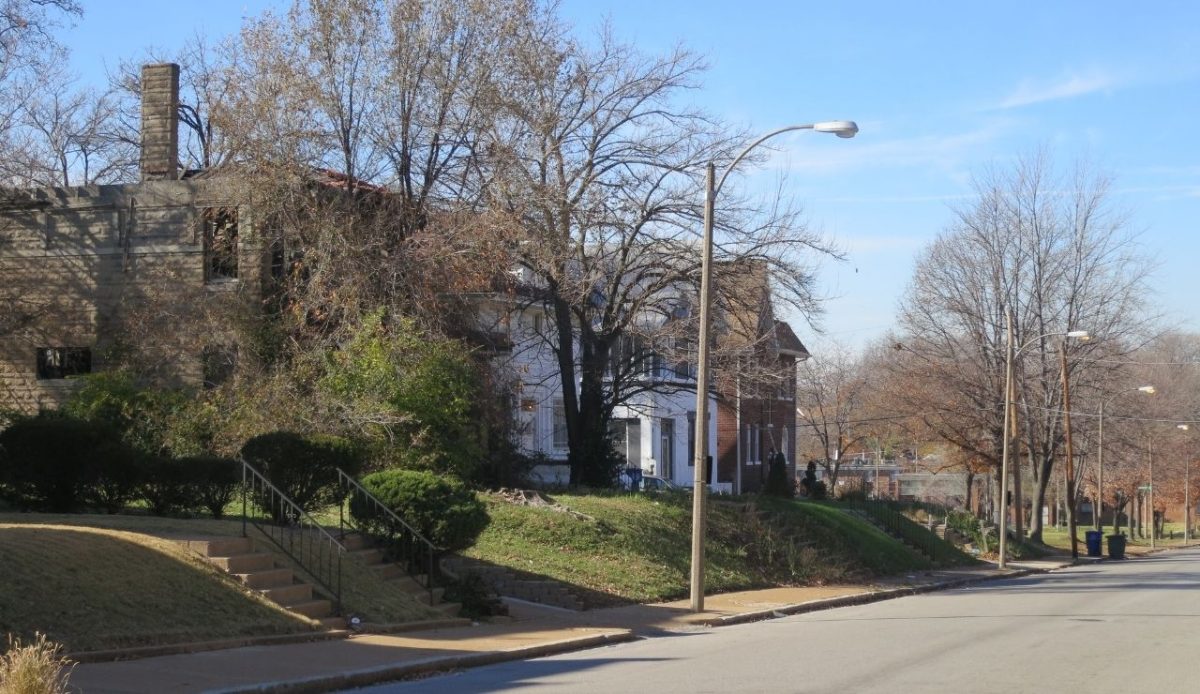
West End is also counted at two killings in the same mid February 2026 SLMPD update. When the same place appears twice so early, it may indicate retaliation patterns or repeated disputes in a tight social network.
West End lies in north St. Louis and has a dense street grid with many cut-through routes. High connectivity increases encounters among people who already know each other, which is common in city homicide case files.
Vacant lots and underused commercial parcels can limit informal oversight at night. Strong results usually come from sustained patrol on hot corners, fast work on illegal gun cases, and outreach that interrupts conflict before it turns lethal.
3. Baden
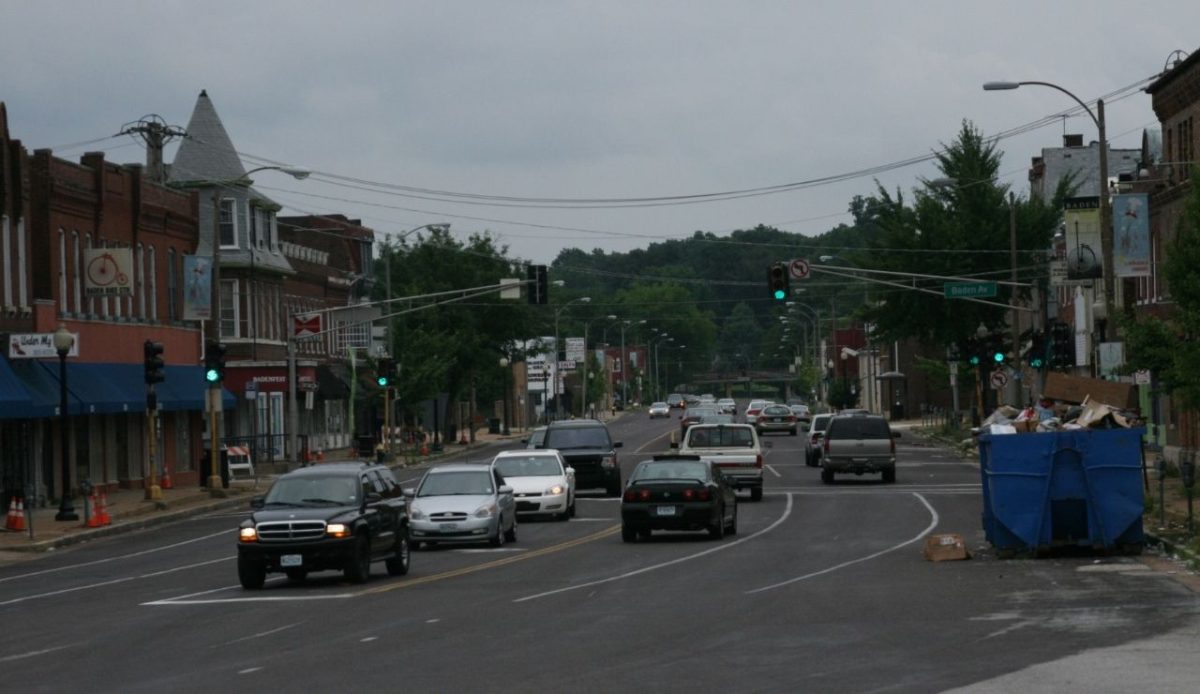
Baden shows up a single time in the 2026 neighborhood incident list released in mid February by SLMPD. One case does not define a full year, yet it places Baden on the current map while many other areas remain at zero.
Baden mixes residential blocks with rail lines and industrial frontage near the river. Transitional land use can lower nighttime activity, and fewer eyes nearby can allow a shooting to occur with limited immediate witnesses.
Movement corridors also connect Baden to the adjacent north city districts. Prevention often depends on visible patrol, fast dispatch after shots are fired, and community reporting that helps detectives identify suspects before a case grows cold.
4. Central West End
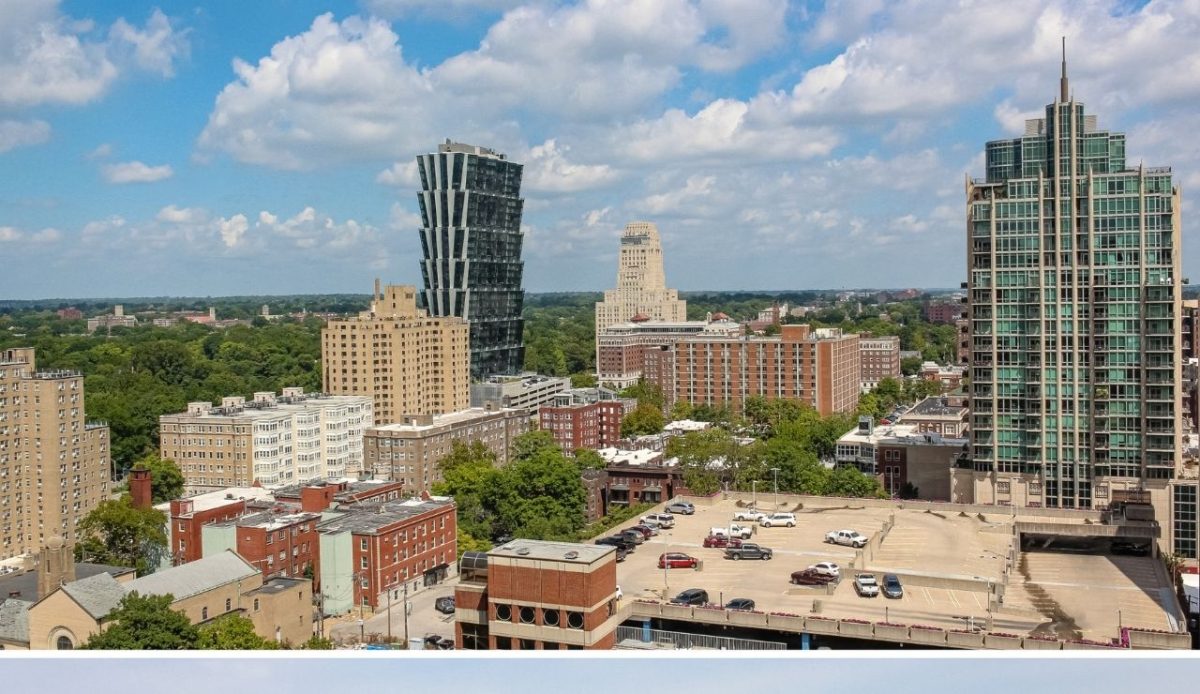
Central West End is marked with one homicide incident in the SLMPD report printed on Feb 14. Because the district draws workers, patients, and nightlife crowds, even isolated violence can affect perceived safety well beyond the resident base.
Hospitals, restaurants, and bars concentrate people during late hours. Crime generator research shows that heavy alcohol service can raise assault risk when conflicts spill to sidewalks, ride pickups, or nearby parking areas.
Risk control depends on visible guardianship and managed closing time dispersal. Quick medical response also limits fatalities in shootings and stabbings. The current tally is small, yet it shows that well-resourced districts are not immune when crowd dynamics turn volatile.
5. Covenant Blu Grand Center
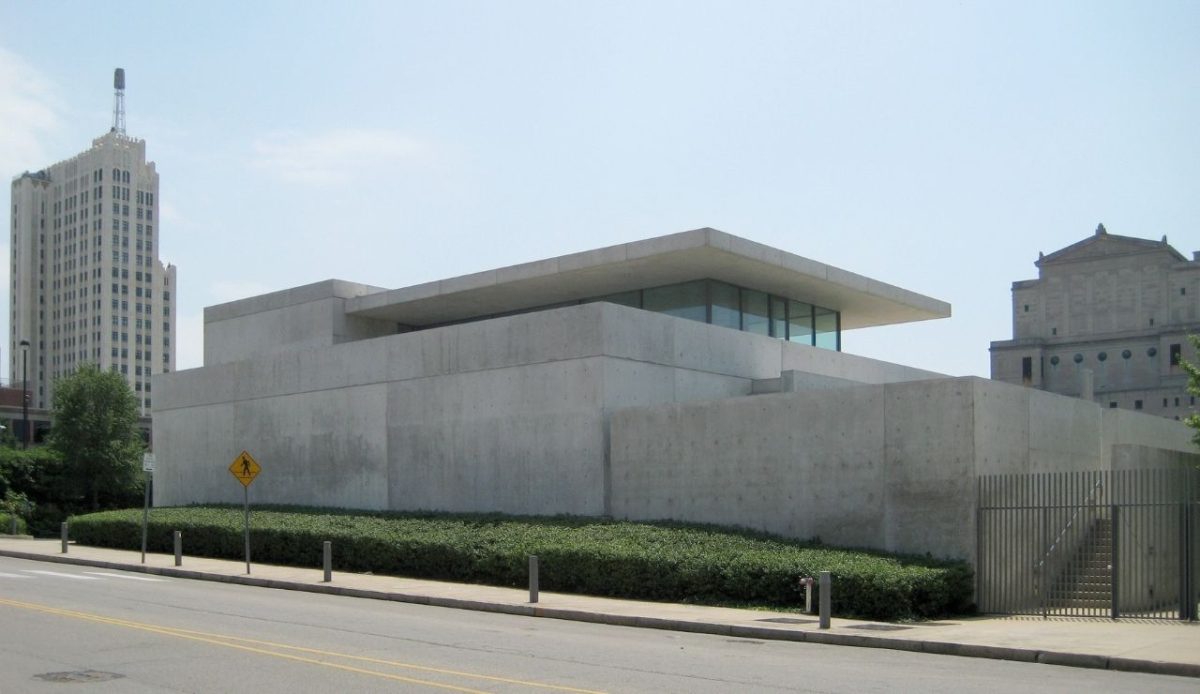
Covenant Blu Grand Center appears with a single fatal case in the SLMPD neighborhood totals for early 2026. The area sits near theaters, colleges, and major arterial streets that connect Midtown to the central corridor.
Large events change routine movement patterns. When crowds arrive and leave in waves, small disputes can escalate in a compressed window, and suspects can blend into traffic or transit flow within minutes.
Safety in venue-heavy districts often depends on coordinated staffing, lighting, and camera coverage shared across properties. One killing is enough to flag a present risk, especially when it occurs near spaces that draw visitors unfamiliar with block-level conditions.
6. Downtown
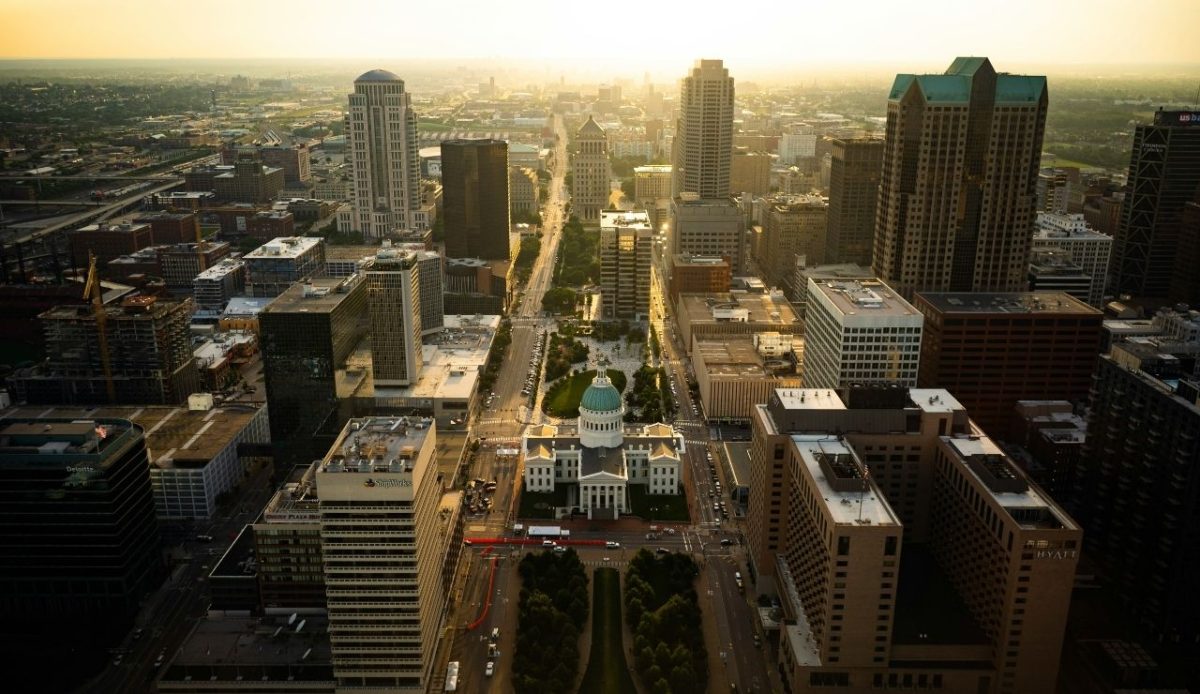
SLMPD lists one 2026 homicide for Downtown in its mid February update. As the business and tourism core, it has a transient population, so risk can shift quickly with events and late-hour crowd density.
Entertainment blocks concentrate alcohol sales, rideshare pickups, and pedestrian traffic. Hot spot studies find that violence can cluster near a small set of addresses where people compete for space, get separated from friends, or argue over transportation.
Prevention includes managed street closures during major events, visible foot patrols, and fast prosecution of gun crimes tied to repeat offenders. The count is low, but it confirms that central districts can see lethal incidents when crowds and conflict overlap.
7. Skinker DeBaliviere
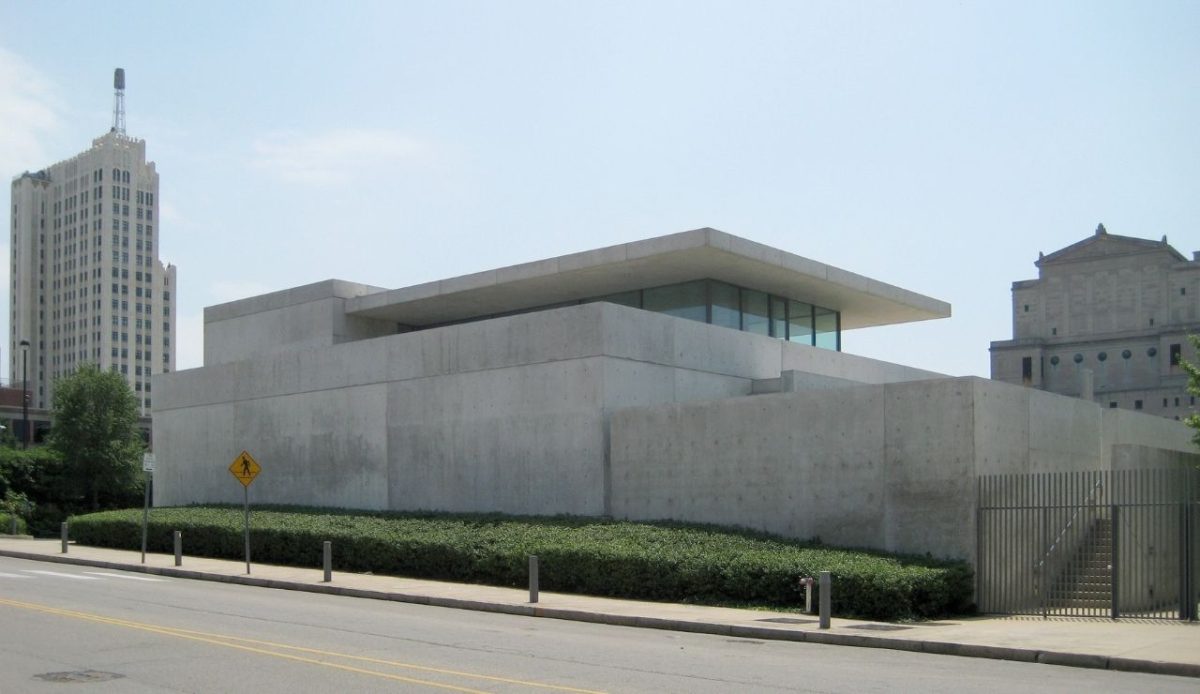
The SLMPD neighborhood table shows a single 2026 homicide for Skinker and DeBaliviere. The district includes MetroLink access and borders major institutions, which increases daily inflow beyond residents.
Transit nodes can act as convergence points where different groups intersect. Routine activity research suggests that when guardianship is inconsistent, conflict can emerge around stops, parking edges, or nearby convenience retail.
Risk is not uniform across the whole district. It often concentrates near a few blocks with late-hour foot traffic and limited staffing. Focused patrol at key nodes, improved lighting, and rapid follow-up on illegal gun carrying are measures tied to preventing repeat incidents.
8. Soulard
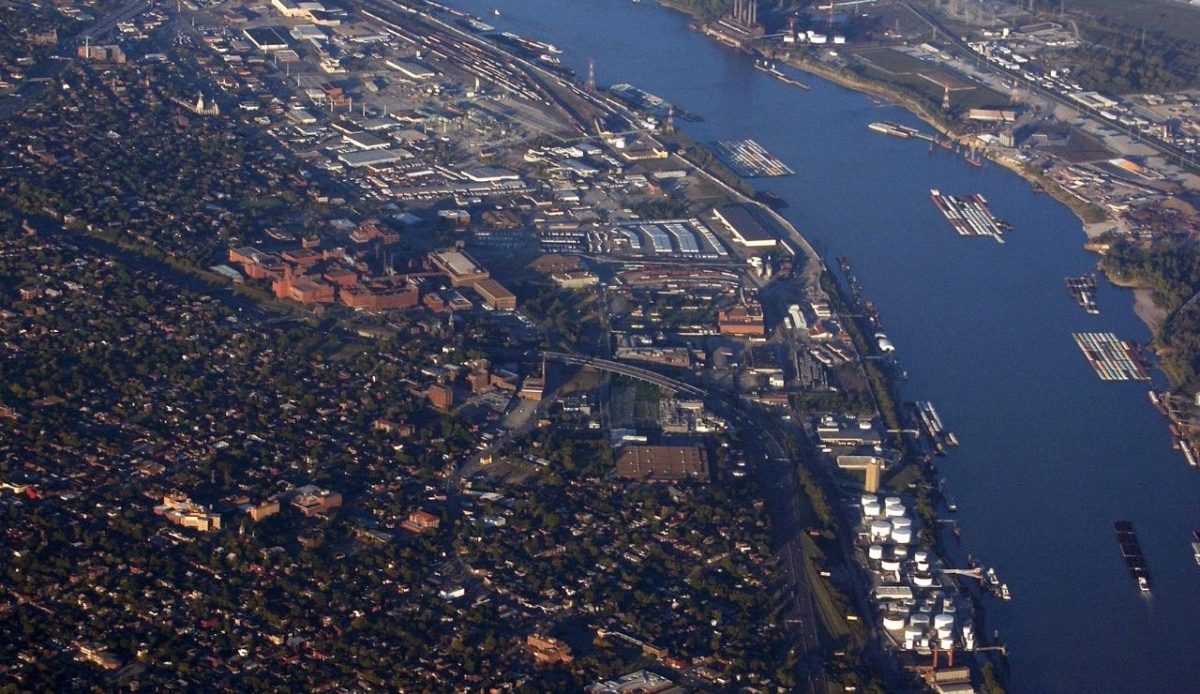
Soulard is listed with one killing in the current SLMPD neighborhood count for 2026. The neighborhood is a dense mix of historic housing and high-volume nightlife, which can increase exposure during weekend peak hours.
Bars, music venues, and festivals draw visitors who may not know the safest routes back to their cars or rentals. Alcohol impaired judgment increases the likelihood that arguments turn physical, and the presence of firearms can turn a fight into a fatal shooting.
Effective controls center on crowd management and rapid separation of conflicts outside venues. Consistent enforcement against illegal carrying, coordinated security, and well-lit walking corridors can reduce the risk that late-hour disputes become deadly.
9. The Gate District
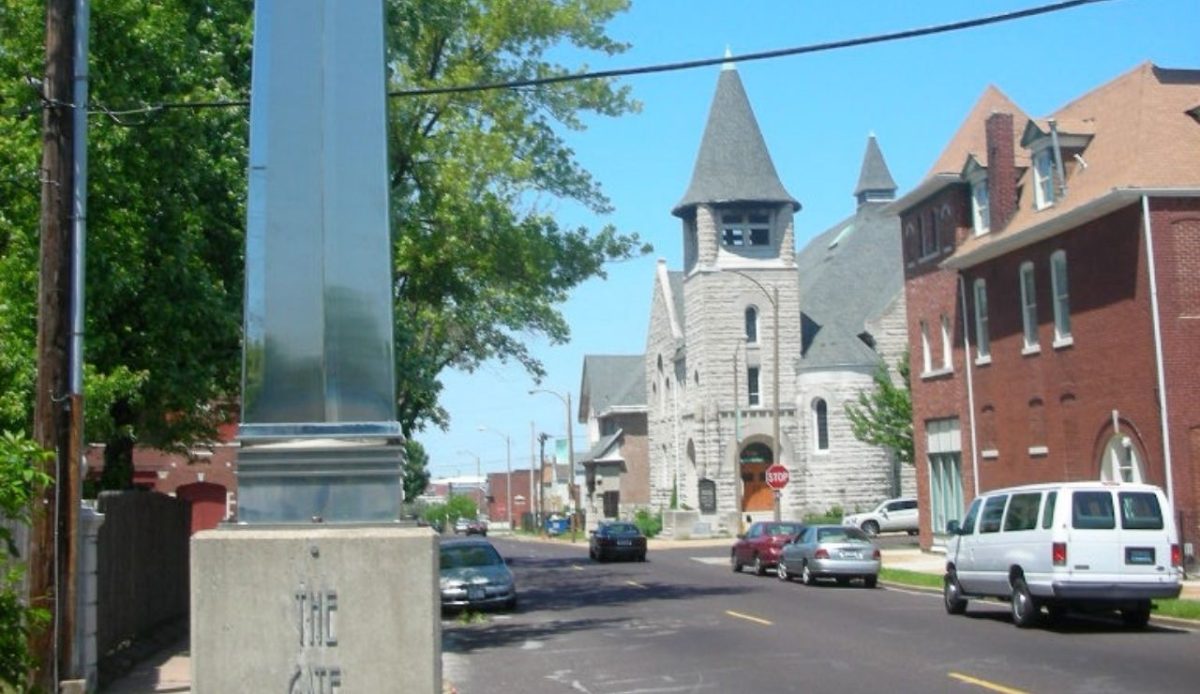
The Gate District appears in the 2026 SLMPD summary with one fatal incident recorded so far. It sits near major roadways and the central corridor, so traffic and visitor flow can be heavy even on weeknights.
Where residential streets meet medical and institutional land uses, daily routines shift across the day. That flux can leave brief periods with fewer informal guardians, especially near parking structures and blocks with low street activity.
A practical response here is place-based coordination. Property managers, city services, and police can align on lighting, camera coverage, and rapid cleanup after disorder, which reduces cues that attract repeat offending. The current incident makes the district relevant now.
10. Tower Grove East
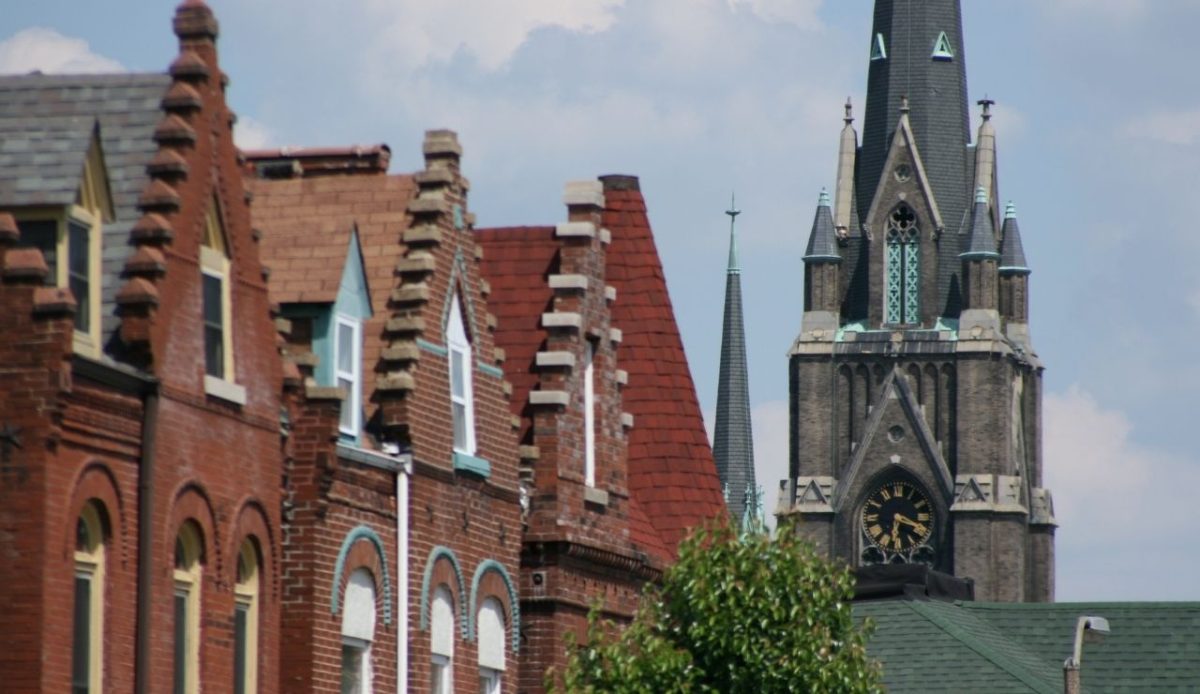
Tower Grove East appears once in the SLMPD homicide feed for 2026 to date. The area has rapid housing change alongside pockets of hardship, which can put long-term residents and newcomers on the same blocks with different risk expectations.
The neighborhood sits near busy commercial streets and a major park that draws evening activity. Dense parking and limited sight lines can turn small disputes over noise, cars, or personal slights into quick violence.
Prevention works best when it targets micro places rather than the whole label. Better lighting on problem corners, swift response to gunfire calls, and support for conflict mediation groups can reduce the chance that the next dispute ends in a killing.
11. Dutchtown
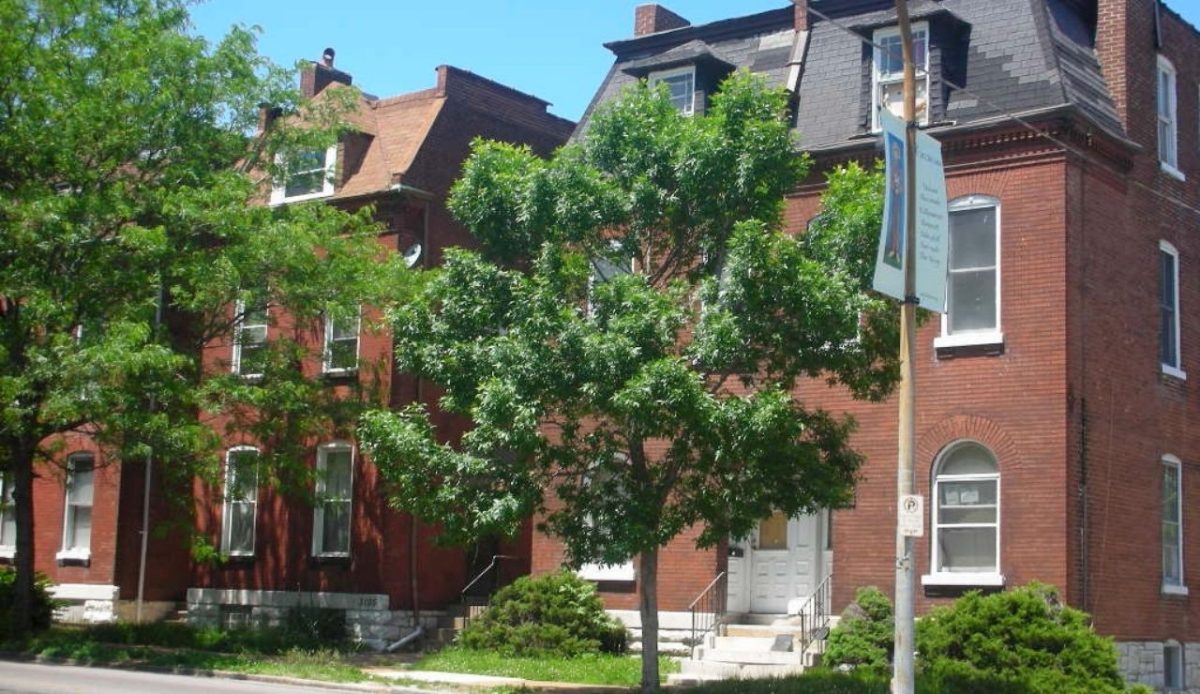
In the 2025 SLMPD final homicide report, Dutchtown shows 12 incidents, the highest neighborhood total for that year. Even if early 2026 has not yet placed it on the current list, the most recent full-year count signals ongoing risk.
Dutchtown is large, with dense housing and several commercial corridors. Size matters because more streets and more late-hour gathering places increase the number of settings where disputes can occur and where guns can circulate.
Reducing harm depends on focusing on the few blocks that drive the total. Blight removal, nuisance property action, and sustained work against repeat violent groups have strong support in hot spot research. The 2025 figure keeps Dutchtown in the deadly conversation now.
