
Social media can turn a quiet place into a must-do pin overnight. When that happens, the problem often isn’t visitors, it’s volume arriving faster than roads, bins, water systems, and locals can cope with.
These towns didn’t become “bad,” but the experience changed: longer queues, higher prices, stricter rules, and a growing gap between real life and the photo everyone came to copy. Businesses adapt fast, residents less so.
Below are 11 once-sleepy spots where online fame amplified pressure on housing, nature, and daily routines. If you go, aim for off-peak hours, follow local guidance closely, and treat communities like homes, not backdrops.
1. Hallstatt, Austria
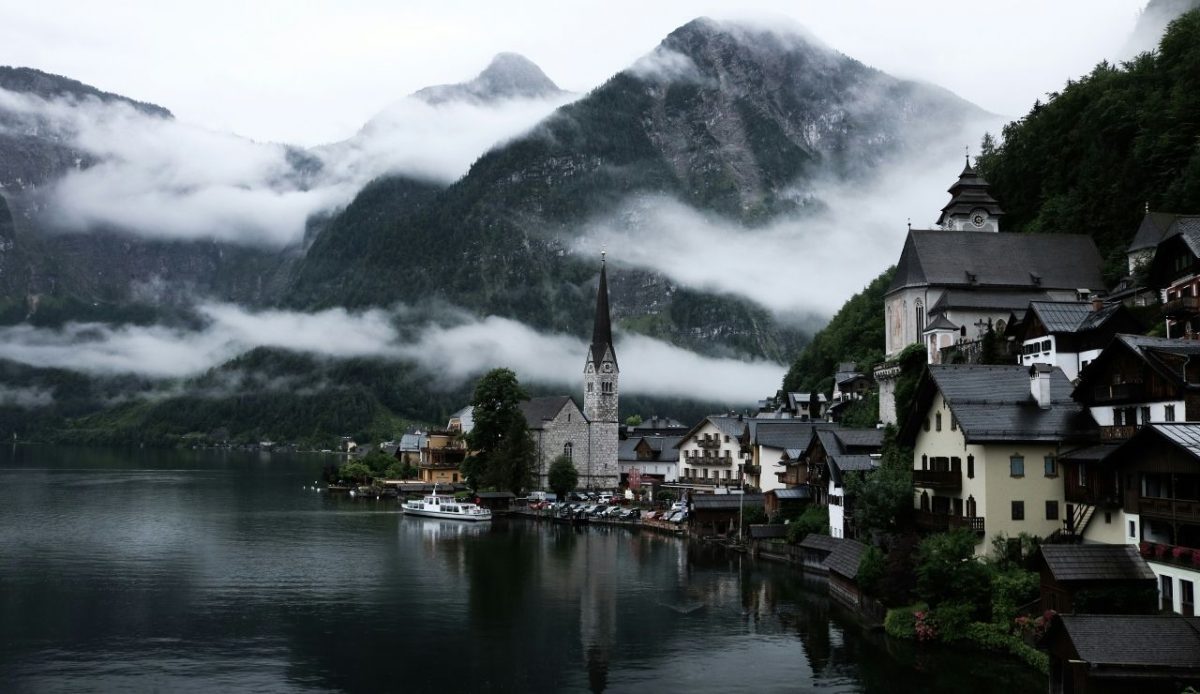
Once a quiet lakeside village, Hallstatt became a global postcard after endless “fairy-tale Austria” posts. Day-trippers now arrive in dense waves, often staying only long enough for the same waterfront angle.
That turnover strains narrow streets, parking, and basic services, while short stays can mean less spending spread across the town. Residents have pushed for calmer traffic flow, signage, and more respectful behavior.
Visit early or overnight, skip peak summer weekends, and explore the salt-mine history, small museums, and hillside trails beyond the viewpoint. A slower itinerary helps reduce crowding and shares more benefits locally too.
2. Oia, Santorini, Greece
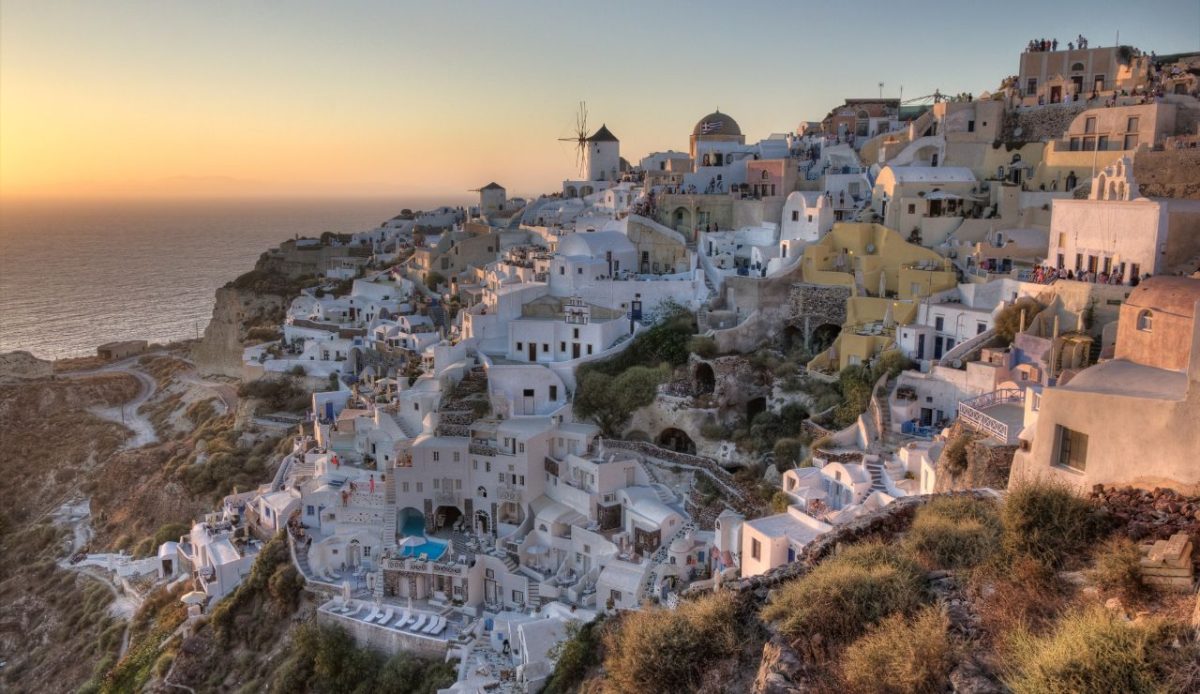
Oia’s sunset has always drawn travelers, but Instagram made the blue-domed rooftops a global checklist item. At peak hour, the village can feel like a slow-moving queue, with crowds packed into narrow lanes.
Overcrowding affects everything from noise to waste management, and photo-chasing can block doorways and private terraces. Cruise schedules can spike numbers at once, compressing the whole experience into a single hour.
To enjoy Santorini without the crush, go at sunrise, book a quieter dining slot, and spend time in less-busy villages inland. Respect barriers and homes, your best photo shouldn’t come from someone else’s doorstep. At all.
3. Manarola & Riomaggiore, Italy
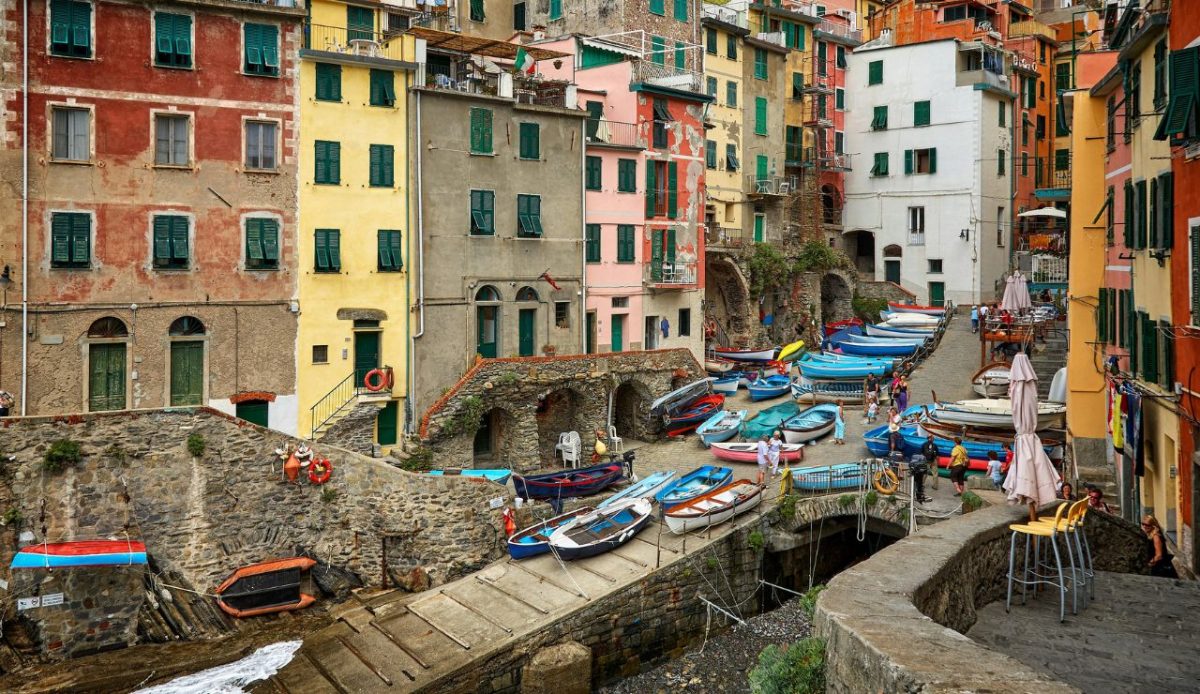
Cinque Terre’s cliffside villages look unreal on a phone screen, especially the colorful harbors of Manarola and Riomaggiore. Viral posts encourage day trips that hop between towns in a rush, creating train bottlenecks.
With limited road access, the rail line carries the load, and platforms can crowd quickly. Footpaths and viewpoints wear down under heavy traffic, while rental demand pushes prices up for locals and workers.
Stay overnight, walk lesser-used trails when open, and travel outside midsummer if you can. Buying local meals, using refill points, and moving patiently helps keep the villages livable year-round and the scenery protected.
4. Dubrovnik, Croatia
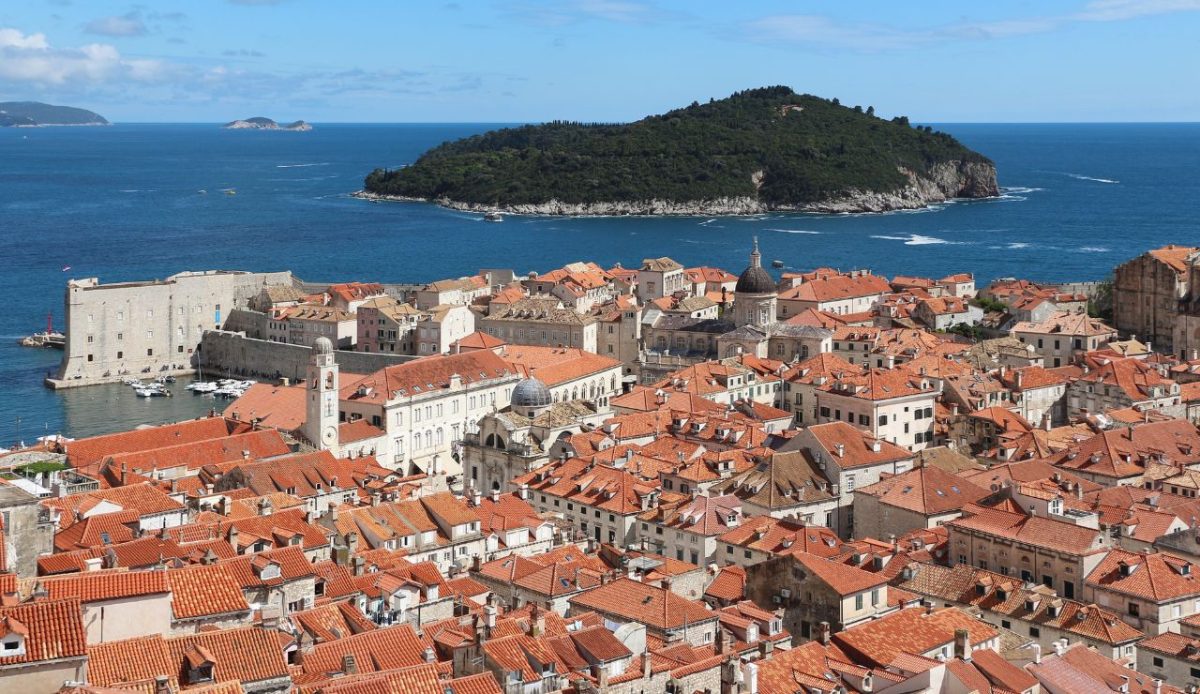
Dubrovnik’s Old Town was famous long before social media, but TV exposure and constant posting turned it into a high-traffic set piece. Cruise ship arrivals can flood the medieval streets in short bursts, shrinking space fast.
That pressure shows up in crowding on the walls, higher restaurant prices, and a feeling of being shepherded through a living city. Local officials have used timed entry ideas and visitor caps to manage peaks.
Go early, book wall walks outside midday, and spend time in neighborhoods beyond the main gate. When you treat Dubrovnik as a city with schools and errands, not a backdrop, the trip feels better for everyone. There too.
5. Tulum, Mexico
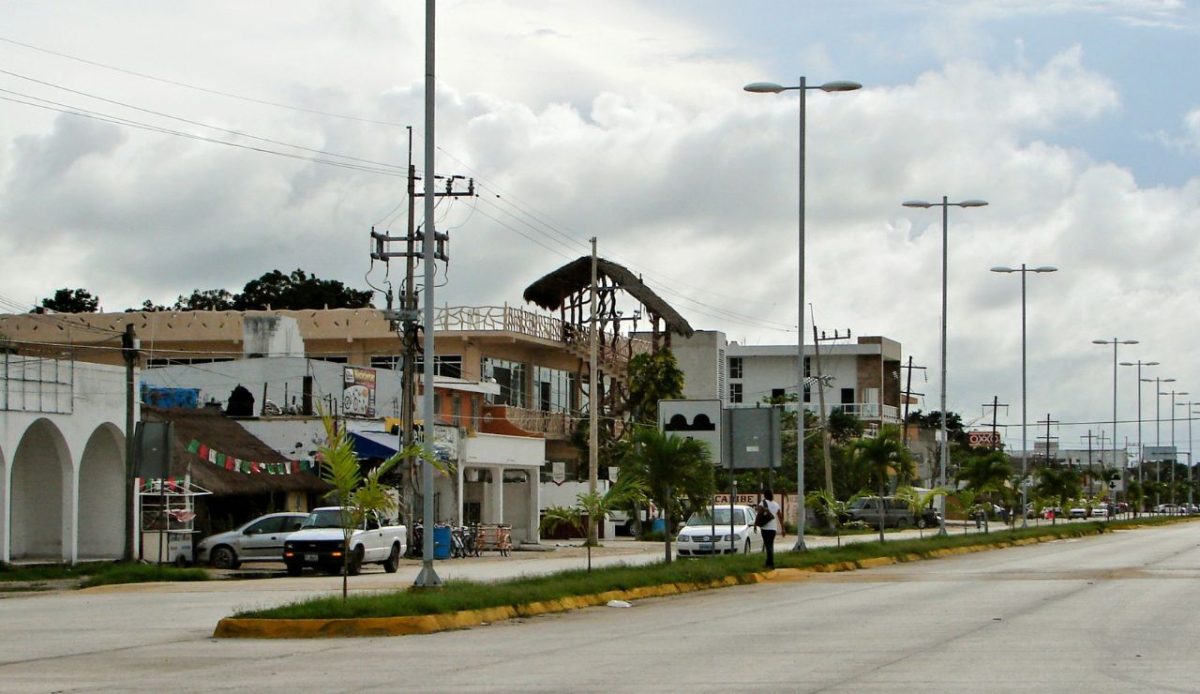
Tulum’s shift from laid-back beach town to social-media symbol happened fast, fueled by beach clubs, boho aesthetics, and “eco-luxury” branding. The result can be heavy traffic, higher costs, and crowded cenotes.
Rapid growth puts stress on water and waste systems, and construction can change the feel of the coastline. Visitors also report more rules around photos and access, as businesses try to manage demand and protect spaces.
For a calmer visit, choose shoulder season, book cenotes early, and consider staying in town rather than only beachfront strips. Support operators that explain sustainability clearly, and keep wildlife and dunes off-limits.
6. Canggu, Bali, Indonesia
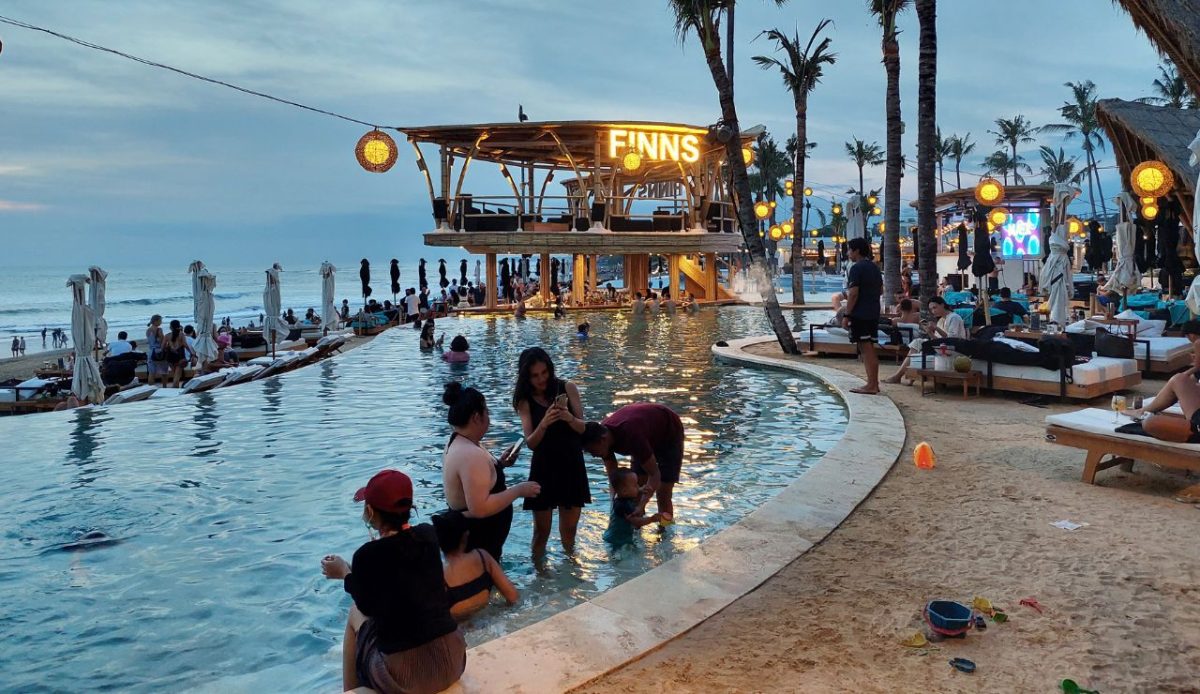
Canggu, Bali, became a magnet for remote-work culture and social feeds full of smoothie bowls, beach sunsets, and scooter selfies. Popular streets now clog with traffic, and noise can spill into residential areas.
Short-term rentals and fast development can raise housing pressure for locals, while beaches and waterways face litter and runoff during busy periods. The online image often skips the realities of infrastructure catching up.
Travel responsibly by staying longer in one area, using reputable transport, and choosing businesses that manage waste well. Explore beyond the hottest cafes, rice fields, temples, and quieter coastlines reward slower pacing.
7. Lake Louise, Alberta, Canada
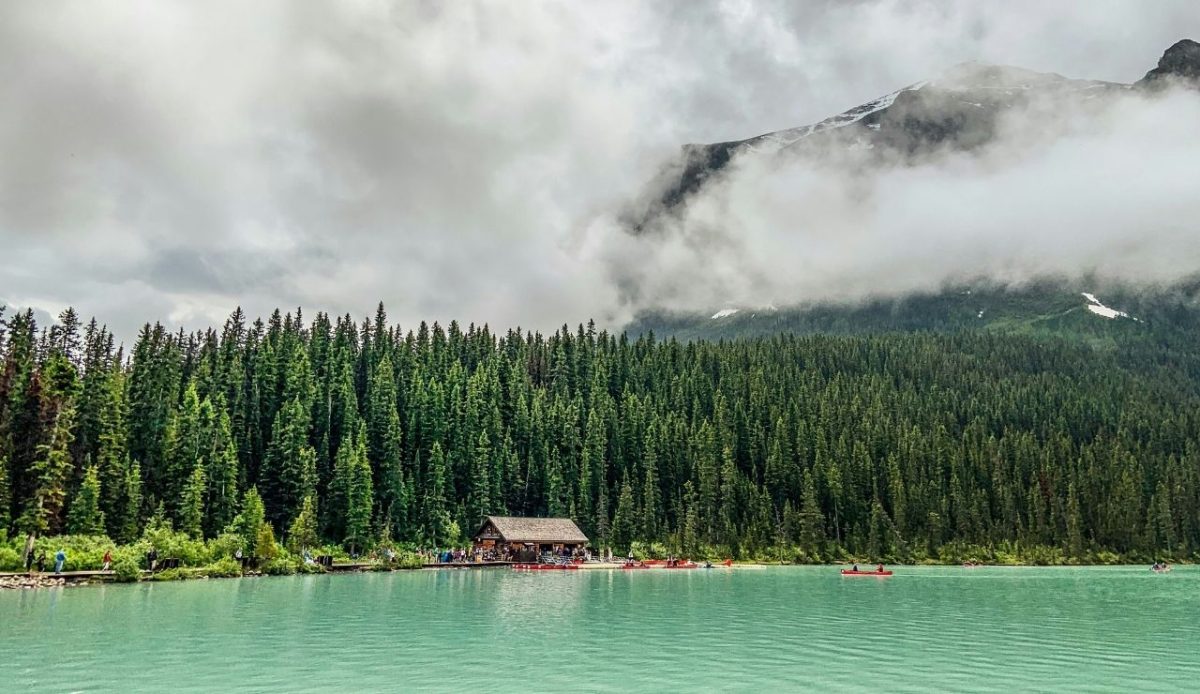
Lake Louise, in Canada’s Banff National Park, went from a classic stop to a social-media trophy shot. The iconic turquoise lake draws huge summer crowds, and parking lots can fill early, triggering road delays.
High foot traffic puts pressure on trails, shoreline areas, and wildlife corridors, while nearby services work hard to handle spikes. Parks staff use shuttles, timed access, and clear rules to protect sensitive zones.
Plan ahead: reserve shuttles where required, start at dawn, and consider nearby hikes that spread visitors out. Staying on trails, carrying out trash, and giving animals distance keeps the scenery stunning and safe. For all.
8. Vík, Iceland
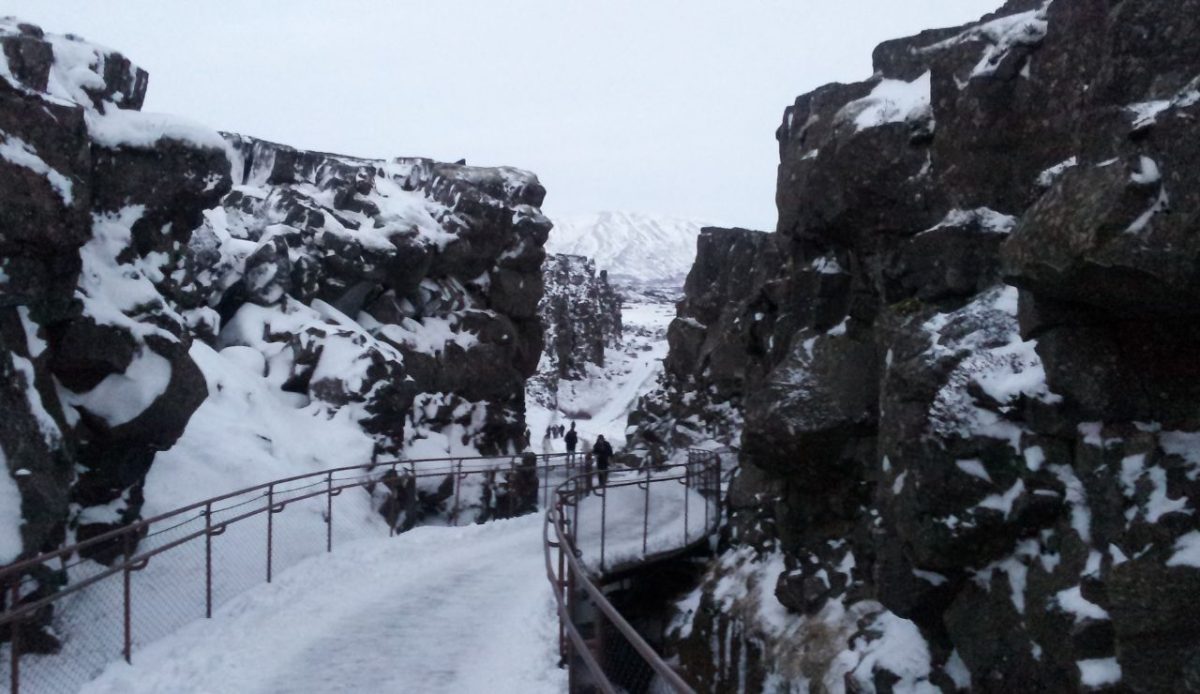
Vík sits near some of Iceland’s most photographed scenery, including Reynisfjara’s black-sand beach and basalt columns. Viral reels can make the area feel busier than its small size and services suggest, especially on Ring Road itineraries.
Crowds concentrate at the same pull-offs, creating parking stress and safety risks near powerful waves. The “sneaker wave” hazard is real, and staff regularly warn visitors who step too close for a shot.
Go with weather and safety in mind, not just lighting. Visit at off-peak times, follow signage, and keep a wide buffer from the shoreline. You’ll get better photos anyway, and you’ll leave with a story, not a scare.
9. Chefchaouen, Morocco
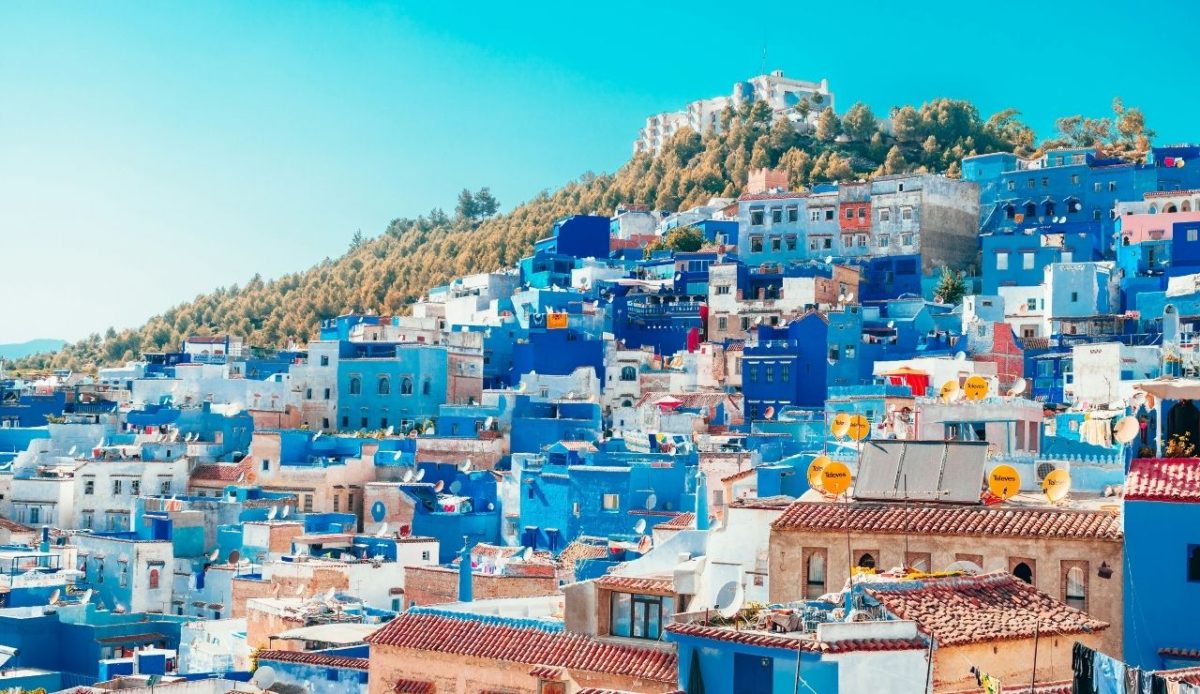
Chefchaouen’s blue-washed lanes were once a relaxed mountain-town surprise. Social media turned specific corners and stairways into photo stages, and visitors often chase the same “perfect” street instead of the town itself.
That focus can create crowding in tiny alleys, tension around private doorways, and pressure on residents who still live and work there daily. Some spots now discourage tripod setups and intrusive posing.
To keep the experience respectful, ask before photographing people or homes, and step aside when streets narrow. Spend time in local cafes, markets, and viewpoints rather than only the bluest wall, and you’ll see more of the place.
10. Positano, Italy
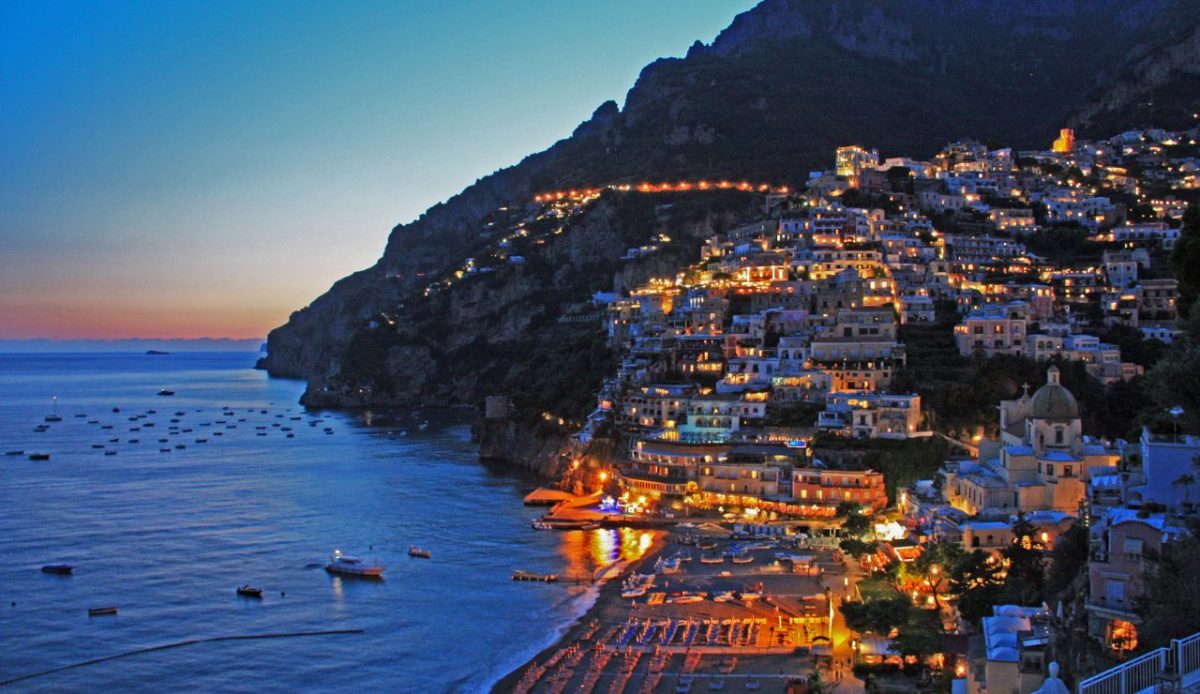
Positano’s vertical streets and pastel buildings already drew visitors, but social media intensified demand for the same stairway shots and beach angles. In peak season, small lanes can back up, and restaurant lines stretch.
High demand fuels higher room rates and day-trip surges from nearby hubs, making the town feel like it’s operating on reservation mode. Locals face crowding on buses, limited parking, and a constant squeeze on public space.
Consider shoulder months, book meals at off-hours, and explore nearby walks that disperse crowds. If you’re taking photos, keep doorways clear and move on quickly, Positano works best when everyone shares the view.
11. Giethoorn, Netherlands
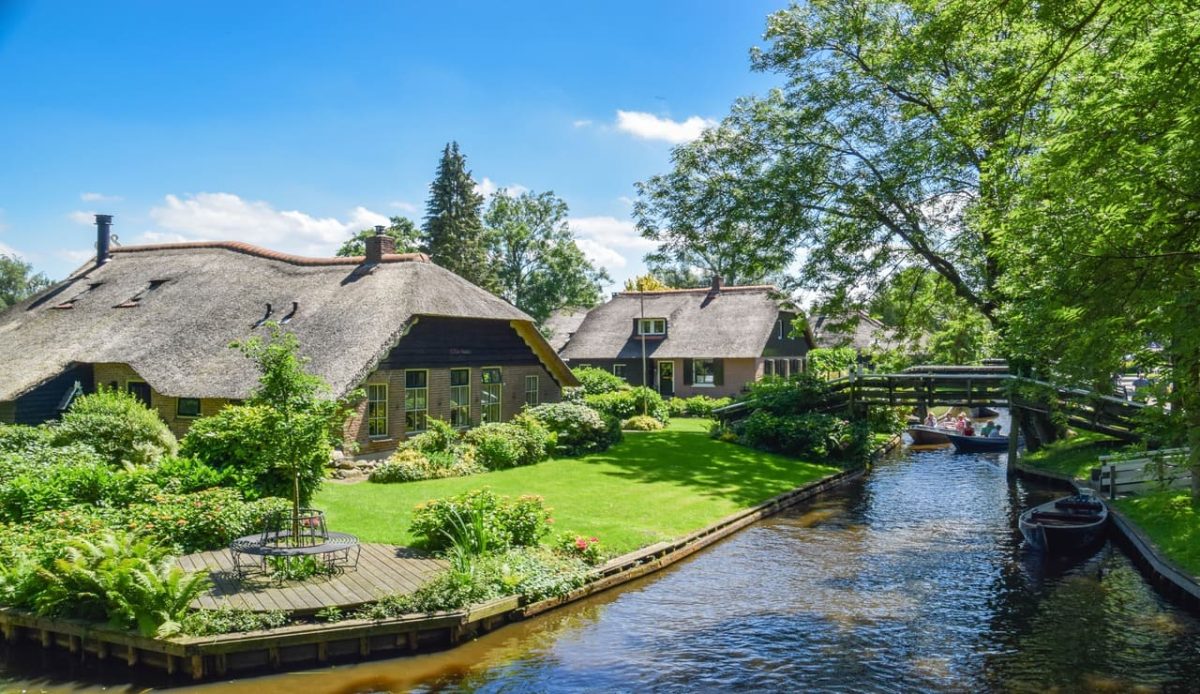
Giethoorn’s canals and thatched cottages earned it the “Dutch Venice” nickname, and social media boosted it into a day-trip sensation. On busy weekends, the waterways can feel like traffic lanes, with boats bunching up.
That congestion raises noise, slows movement, and increases the chance of minor collisions, while footpaths crowd at bridges and cafes. Many visitors arrive for a quick loop, which can overwhelm the village without benefiting it evenly.
Visit midweek, rent boats only if you’re comfortable steering, and keep speeds low. Walking routes, museums, and quieter canal stretches offer the same charm with less friction, and a longer stay supports local businesses more reliably.
