
One scroll can make a place look flawless, even when the visit runs on constraints.
Online images favor wide lenses, careful cropping, and off-hour timing. That style removes lines, security steps, parking hunts, and the surrounding streetscape that a visitor cannot avoid once on site.
This article tracks the expectation gap with concrete mechanisms. Each destination is real, heavily photographed, and often described as less satisfying in person because access systems, crowd pressure, or local weather patterns change the viewpoint and the time a visitor can comfortably stay. The goal is clarity, not ridicule, so planning can be realistic today.
1. Lombard Street, San Francisco
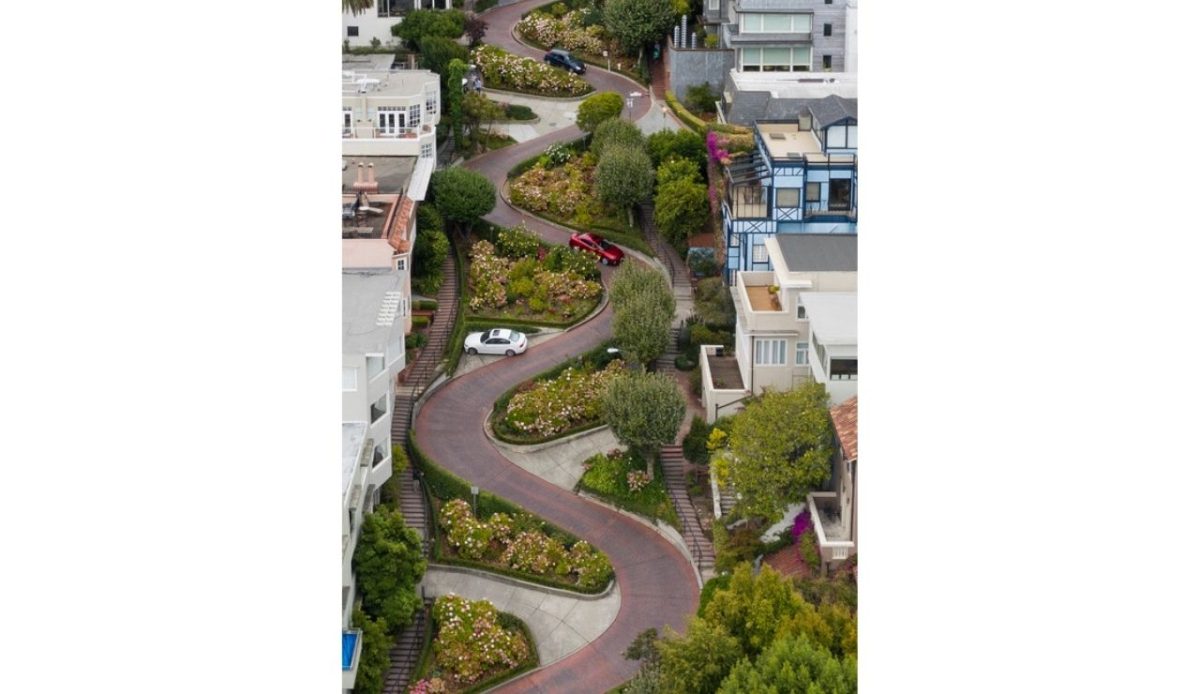
The crooked turns look peaceful online, but the block behaves like a managed choke point.
Most photos are shot from above and cropped tight, so the long vehicle queue and the packed sidewalks vanish. In person, you meet slow-moving traffic, people stopping for shots, and narrow curb space that forces constant stepping aside.
The mismatch comes from demand and layout. The street is short, one lane in places, and bordered by homes, so crowd control is used to reduce conflicts. Parking nearby is scarce, adding more time to a simple visit. A clean curve image usually needs early morning and a lull between groups, conditions that are hard to match.
2. Welcome to Fabulous Las Vegas Sign, Nevada
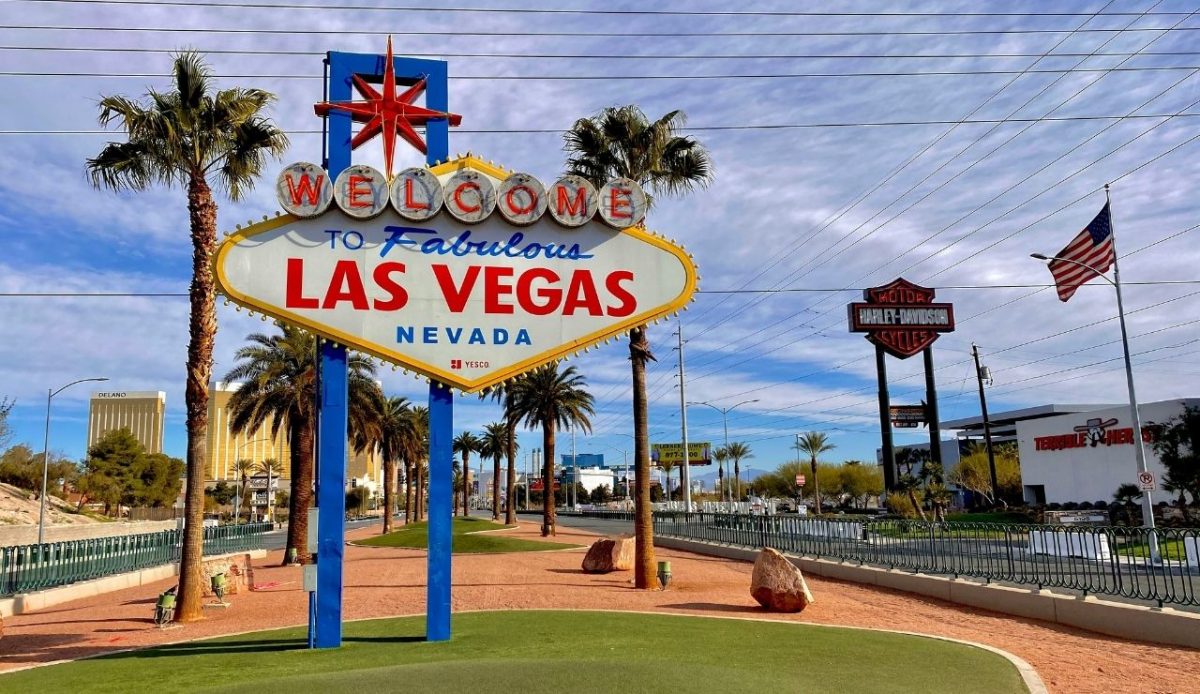
That classic Las Vegas sign shot feels instant online, yet the real stop runs on a queue.
Images center the letters and hide the setting, which is a narrow median beside fast traffic. Visitors wait for their turn, step into a small marked area, and then move out so the next group can pose. The sound and exhaust also change the mood.
The gap is caused by throughput design. Space is limited, shade is rare, and safety barriers restrict where you can stand. Parking nearby fills quickly, so a quick photo can take far longer than expected. A crisp image suggests an open roadside moment, but the visit is usually a brief, managed routine for most people.
3. Empire State Building Observatory, New York
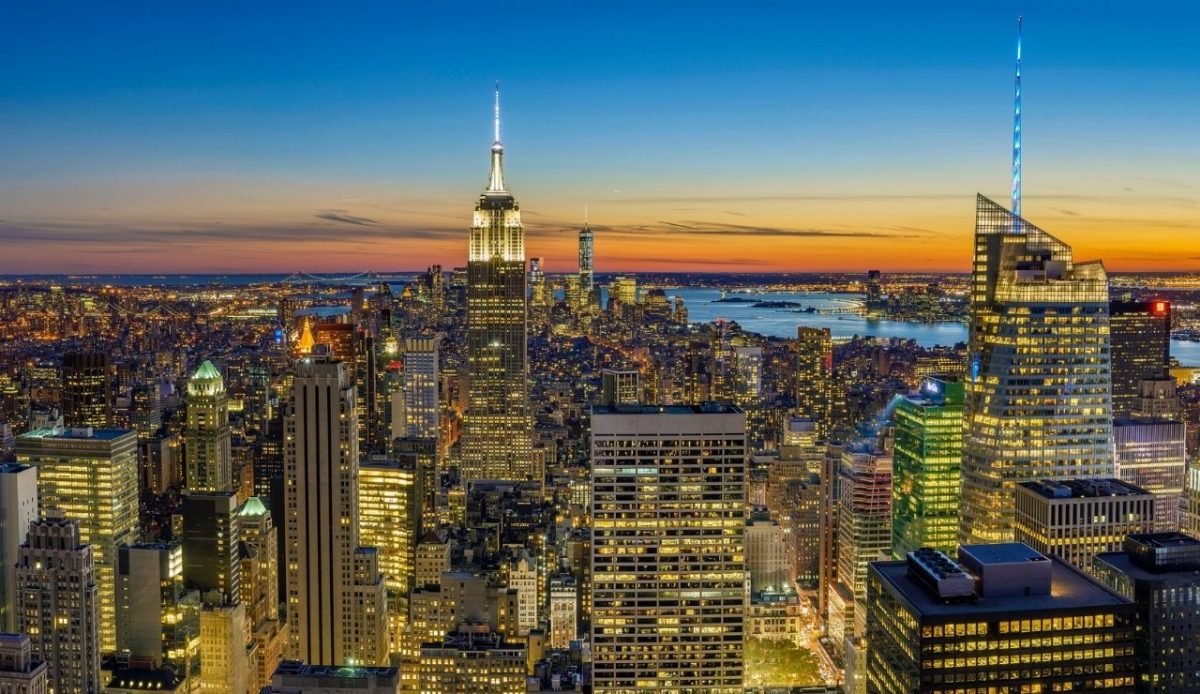
The skyline view looks effortless online, but the observatory is reached through layers of control.
Photos show the windows and the city beyond, not the security screening, timed tickets, and indoor lines that shape the visit. Once upstairs, visitors are directed around the deck, and space at the rail is shared and constantly shifting. Glass reflections and wind can also affect viewing.
The mismatch is a capacity problem. The building must process large volumes safely, so movement is guided and waiting is built in. A single clear shot can be taken in seconds, yet the path to that moment often takes much longer than expected, especially at peak hours.
4. Plymouth Rock, Massachusetts
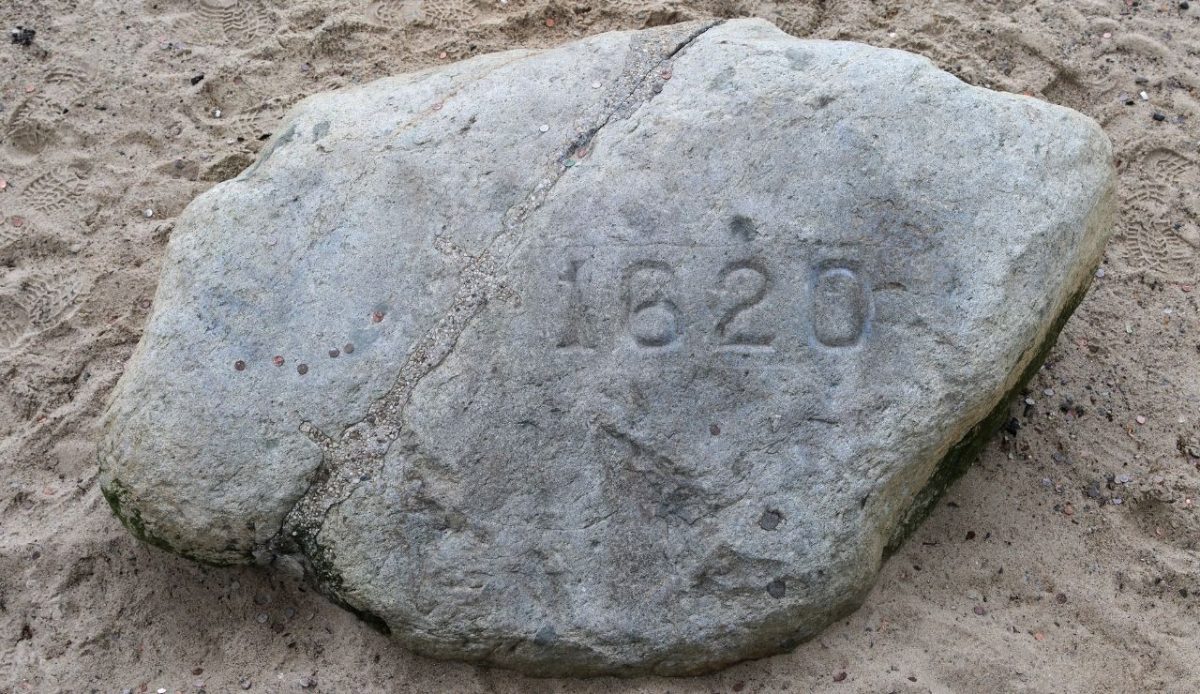
The name carries huge weight online, but the object itself is modest and tightly contained.
Pictures often rely on close framing and dramatic captions, which amplify expectation. On site, the rock sits below street level behind a protective barrier, with limited room to gather and few angles that change what you see. Even good light does not add much detail.
The gap comes from scale and symbolism. A landmark can be historically central while remaining visually small. The camera can crop out the enclosure and make the stone feel dominant, yet the in-person stop is quick, with most time spent approaching and leaving rather than observing. That contrast drives the letdown many first-timers report.
5. Hollywood Walk of Fame, Los Angeles
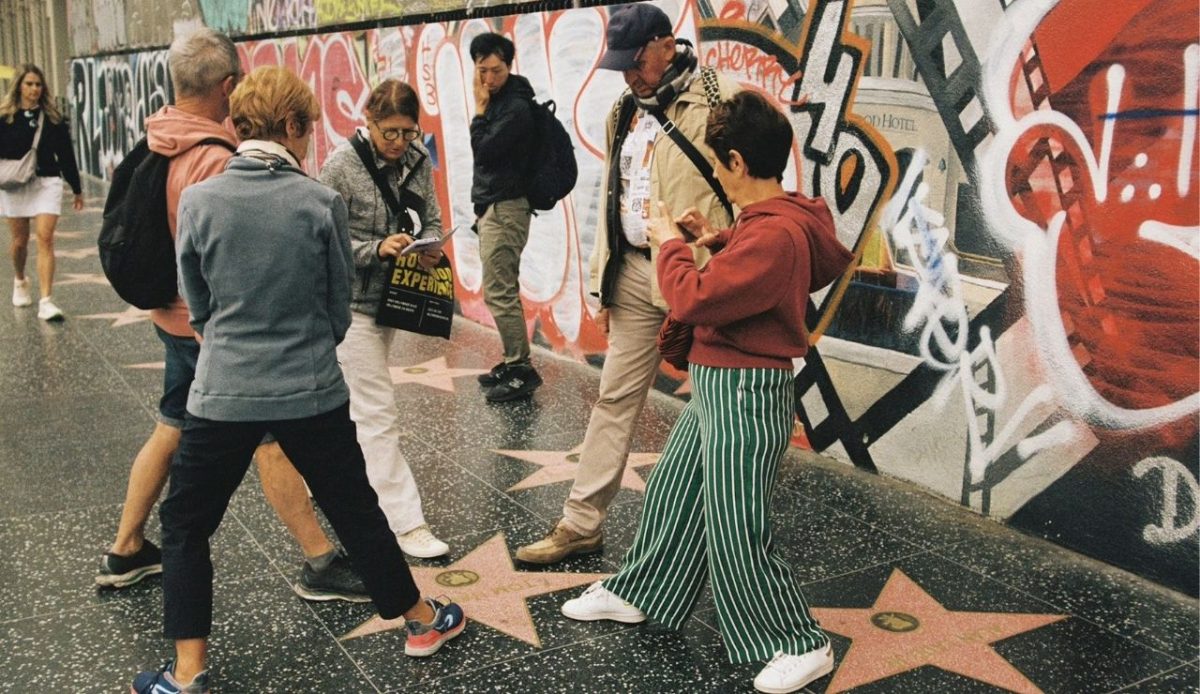
A single star photo looks polished online, but the Walk of Fame is a busy city sidewalk.
Posts isolate one name and remove everything else. In person, the corridor includes street vendors, tour groups, traffic noise, and constant foot flow that makes stopping hard. The surface also blends into ordinary pavement between stores.
The mismatch is created by cropping and context. The attraction is spread across many blocks, so the experience depends on what else is happening around you. A tight shot can suggest glamour, yet the real visit is shaped by congestion, solicitation, and the normal messiness of an active commercial district today for visitors.
6. Times Square, New York
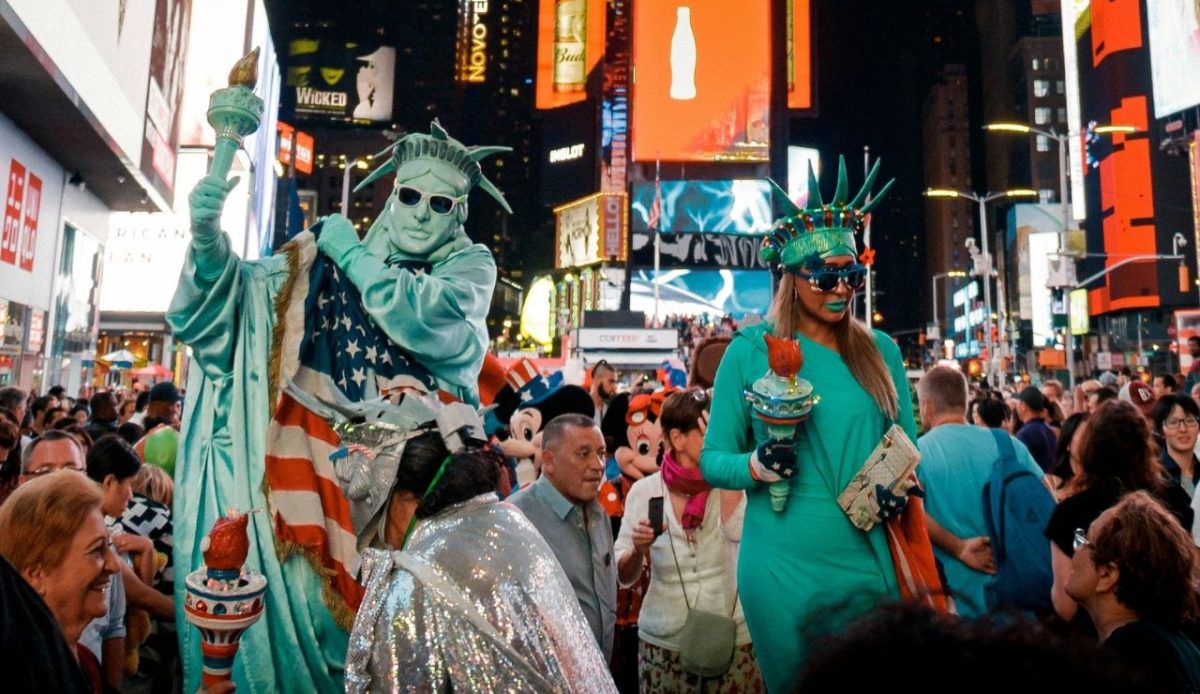
Times Square looks like a bright, open stage online, but the ground-level view is a moving crowd.
Photos taken from above flatten the scene and hide how foot traffic compresses space. In person, you navigate bottlenecks, street performers, and police managed zones, with limited chances to pause without blocking flow.
The gap is driven by density and perspective. The screens are huge, yet they are best seen from a distance, while visitors stand inside the tightest circulation area. A dramatic picture can be captured from one fixed spot, but the real experience is often brief, noisy, and more about finding a path through than taking it in fully.
7. Cloud Gate, Chicago
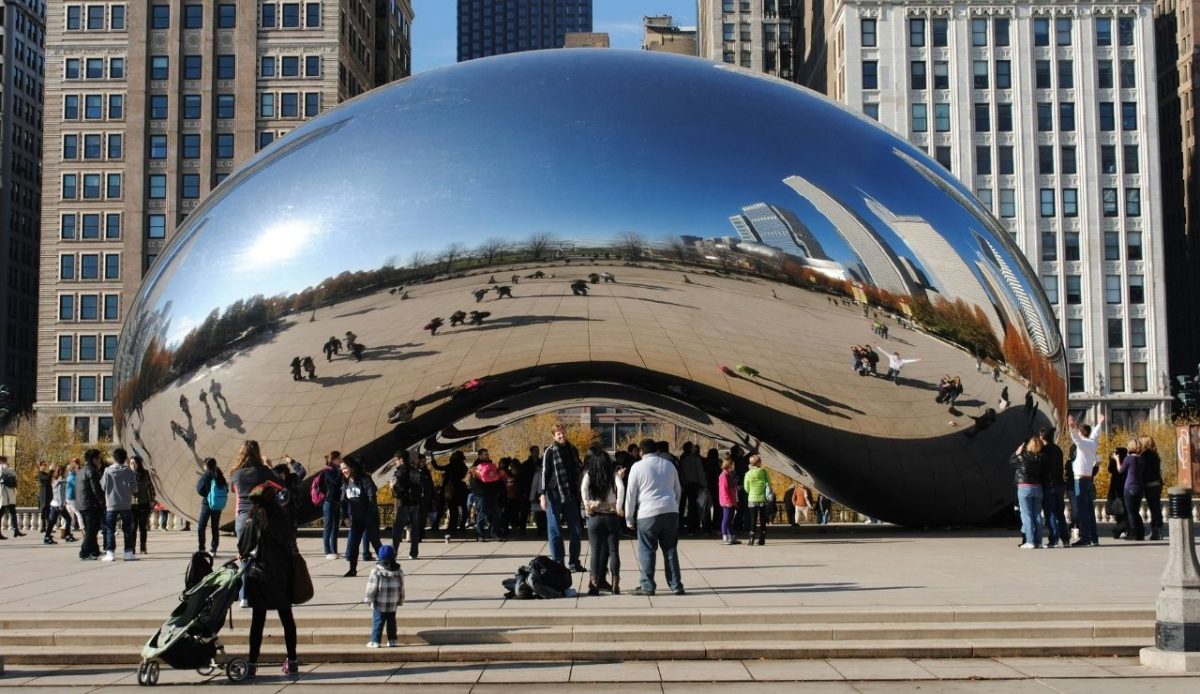
Cloud Gate seems like a quiet mirror online, but the sculpture is usually surrounded.
Most images are taken at dawn or edited to erase people, creating a smooth reflection. At typical hours, visitors cluster close to the surface, and the plaza becomes a ring of phones that block angles and slow movement. Fingerprints and glare can also reduce the crisp look.
The mismatch comes from limited viewing geometry. The best reflections require space and time, yet the attraction is free, central, and always in demand. Temporary barriers during maintenance can narrow access further. One clean photo can suggest private access, but the on-site reality is shared and crowded for long stretches.
8. Golden Gate Bridge Viewpoints, California
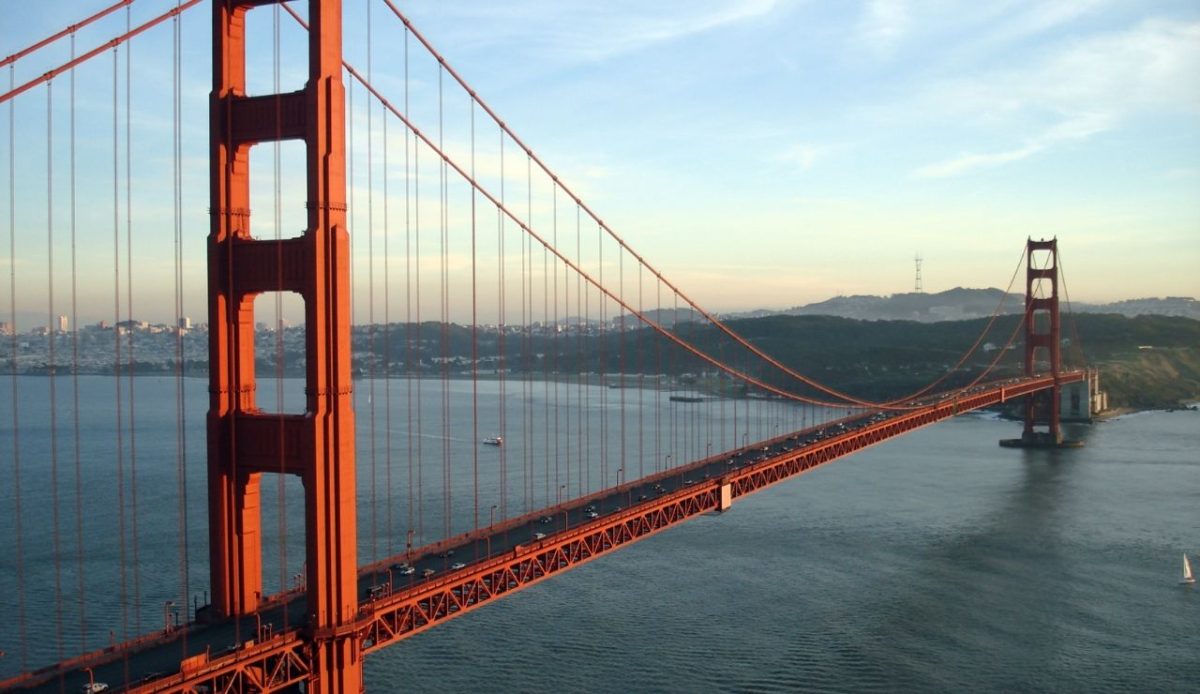
The bridge looks crystal clear online, but visibility can change in minutes at the viewpoints.
Many posts are captured on rare blue sky days, with the span framed against open water. In person, marine fog can cover towers, wind can cut visits short, and traffic noise competes with the scenic idea sold by quiet images. Crowds at photo pullouts can add friction.
The gap is explained by weather patterns and framing. Fog is common in summer and can erase the postcard look without warning. Photographers wait for a window and then publish the best seconds. Visitors arriving on a normal schedule may see only partial structure, making the scene feel less dramatic than expected.
9. Niagara Falls State Park, New York
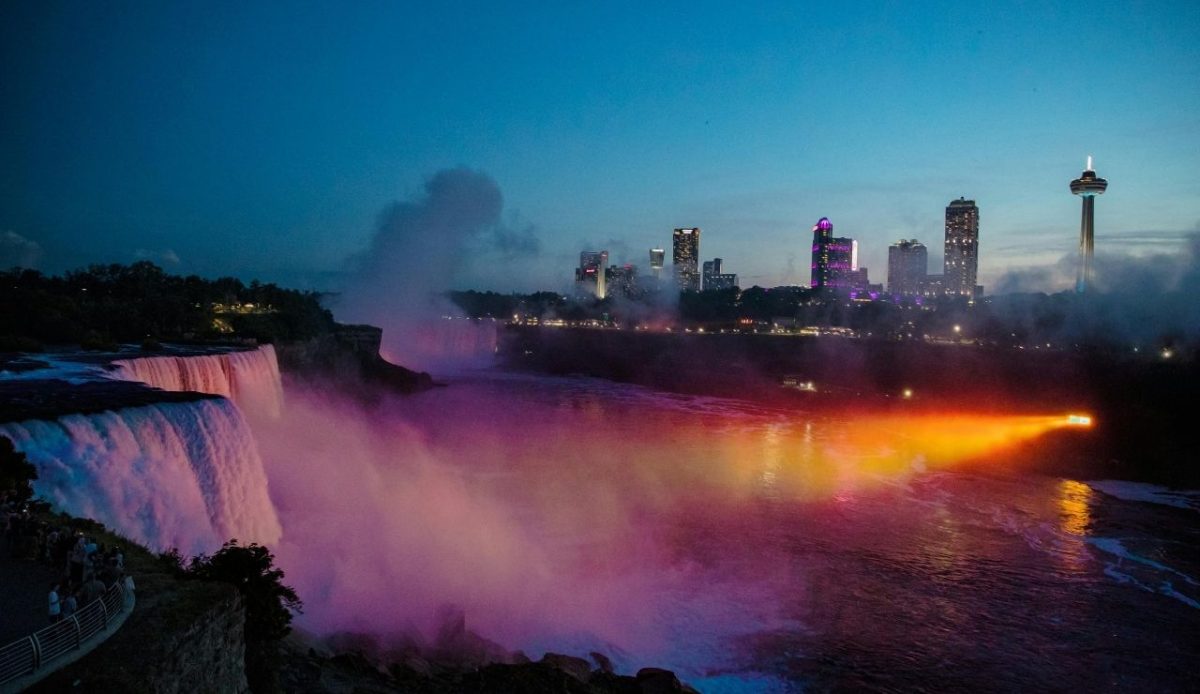
The falls look serene online, but the closest viewpoints often feel like a managed corridor.
Wide shots taken from a distance make space look unlimited. At peak times, visitors are funneled onto narrow rails and wet walkways, and the roar of water plus tour schedules create a hurried rhythm that photos do not convey.
The mismatch is created by concentration. People want the same edge spots and the same angle, so density rises fast near prime platforms. Mist, ponchos, and spray also change what a camera captures versus what the eyes experience. The waterfall remains powerful, yet the viewing experience can feel cramped compared with the open scenes that circulate online.
10. Grand Canyon South Rim Viewpoints, Arizona
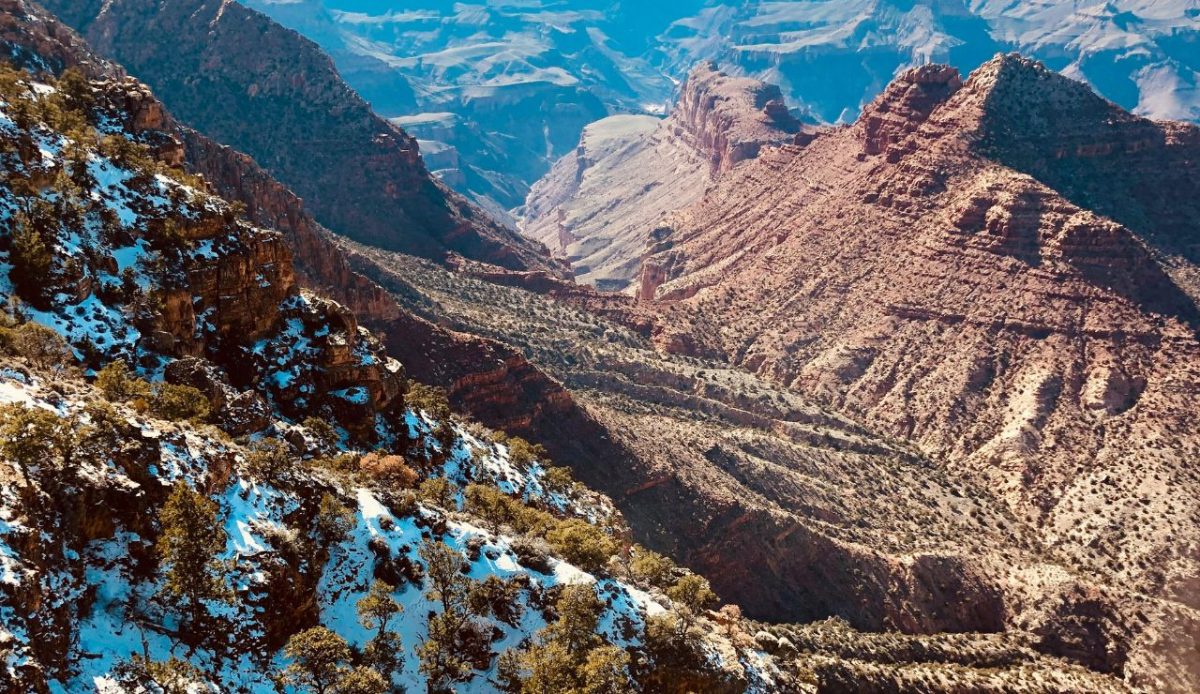
The canyon looks endless online, but the most shared rim points operate like transit stops.
Photos imply empty overlooks with unlimited time. In person, parking fills early, shuttle timing governs arrivals, and the main viewpoints draw dense clusters that compress the quiet feeling many expect from the images.
The gap comes from infrastructure and demand. The South Rim concentrates services and first-time visitors into a few accessible overlooks, so movement and waiting are built into the visit. A wide-angle shot can hide the crowd just outside the frame, yet the on-site experience is shaped by lines at railings, photo turns, and the need to keep pathways clear.
