
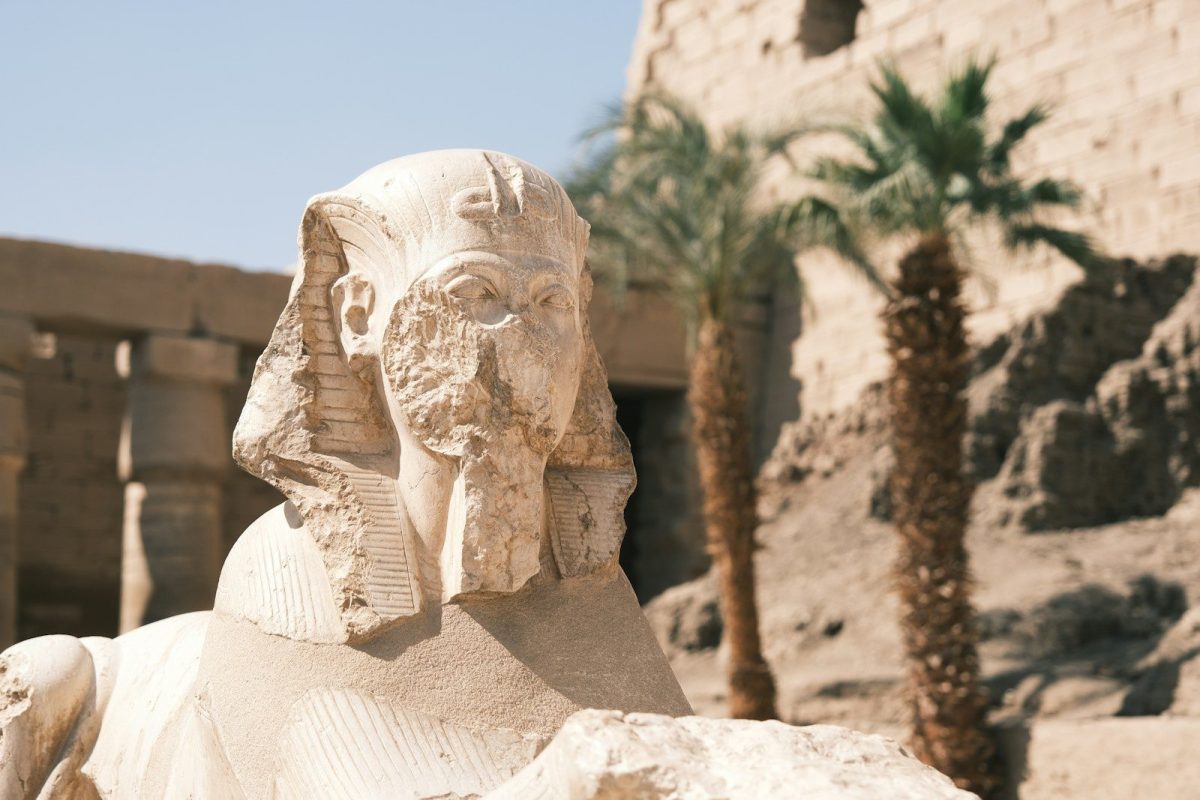
For thousands of years, Karnak Temple has amazed visitors with its huge columns, giant statues, and long history. Now, a new study has helped researchers learn even more about this famous place.
The research was published in Antiquity and gives fresh clues about how the temple changed over 3,000 years. Scientists studied old soil, river sediments, and broken pottery pieces to understand the area better.
Here are some of the biggest discoveries from the new research.
1. Karnak may have started as a small island
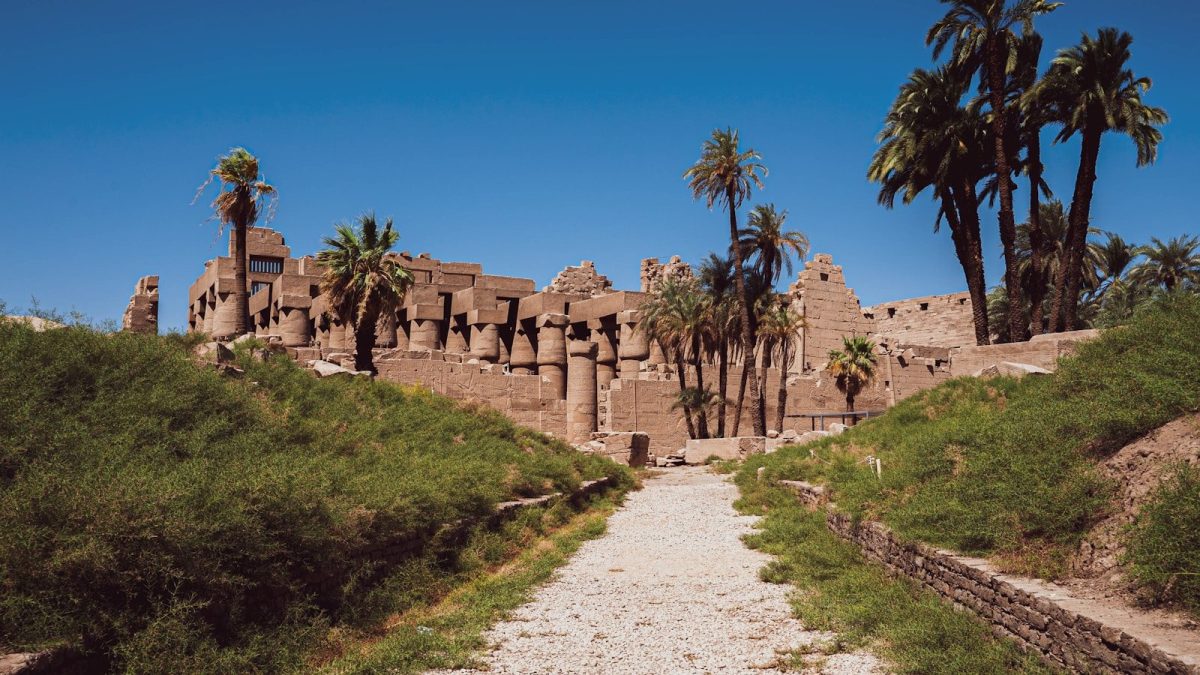
Researchers believe the temple area was once surrounded by Nile floodwaters. Long ago, the land may have looked like a small island rising above the river.
This fits with ancient Egyptian beliefs about creation. Egyptians believed the first land appeared from deep waters at the beginning of the world.
2. The temple’s location may have had a special meaning
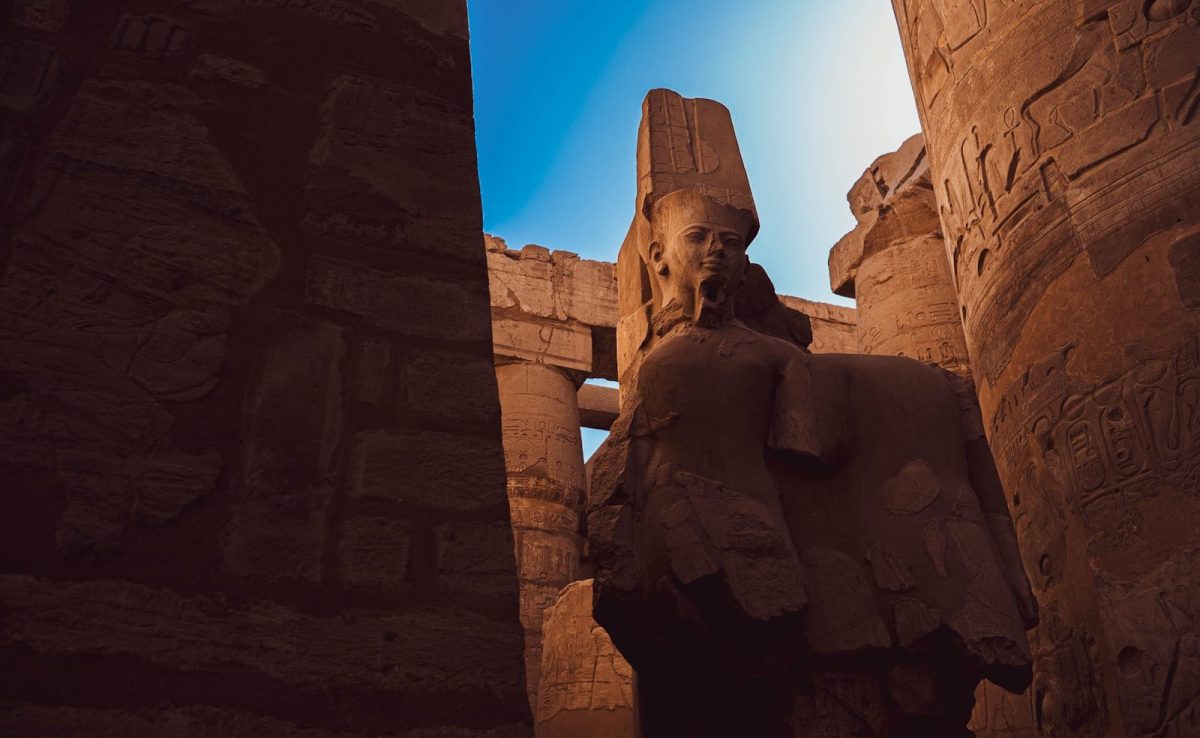
The study suggests the builders may have chosen the site on purpose because it matched their religious stories.
The idea of land rising from water was very important in ancient Egyptian mythology. Building a sacred temple in a place like this could have carried strong spiritual meaning.
3. The area flooded often in ancient times
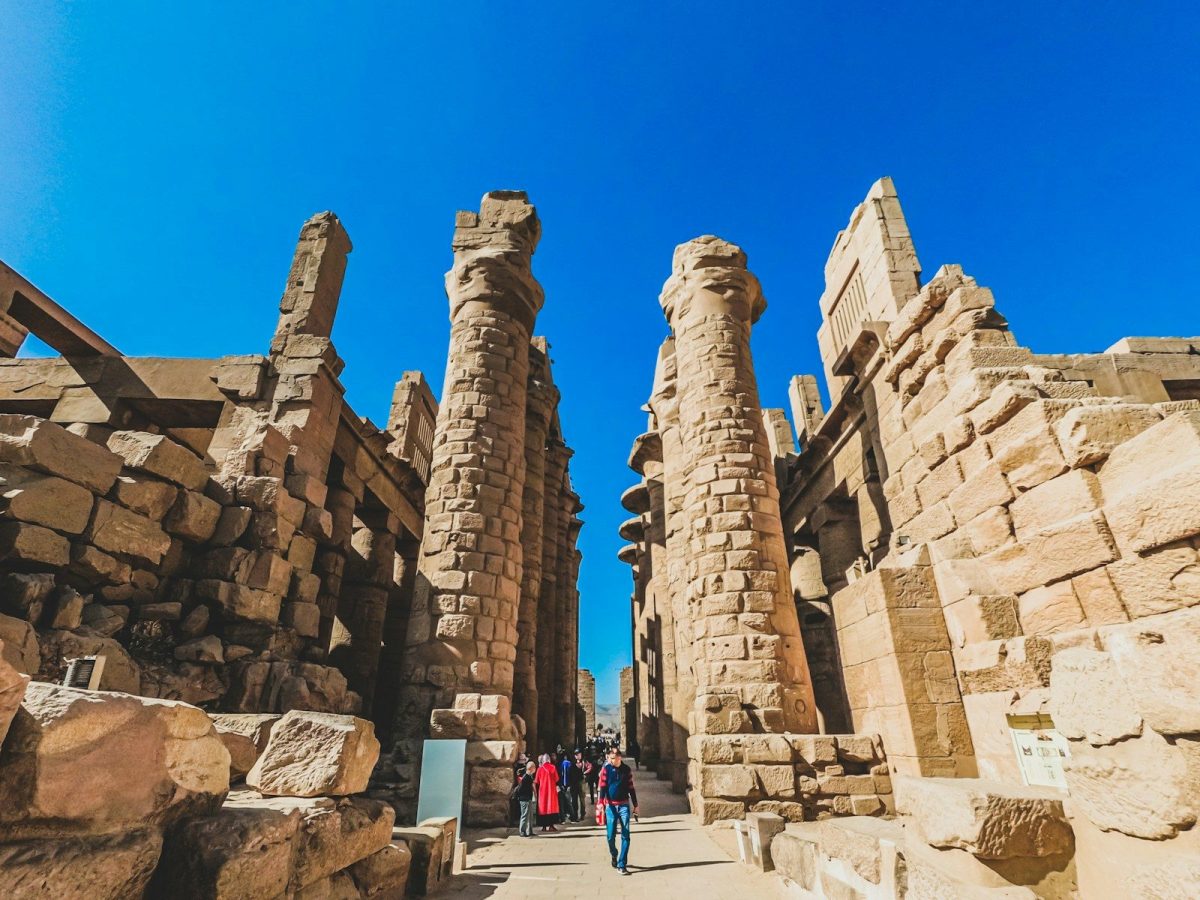
Scientists found signs that the land near Karnak flooded many times before about 2520 BCE.
Because of these floods, the area was likely not safe for permanent homes at first. The land slowly became more stable over time.
4. The Nile River helped shape the temple
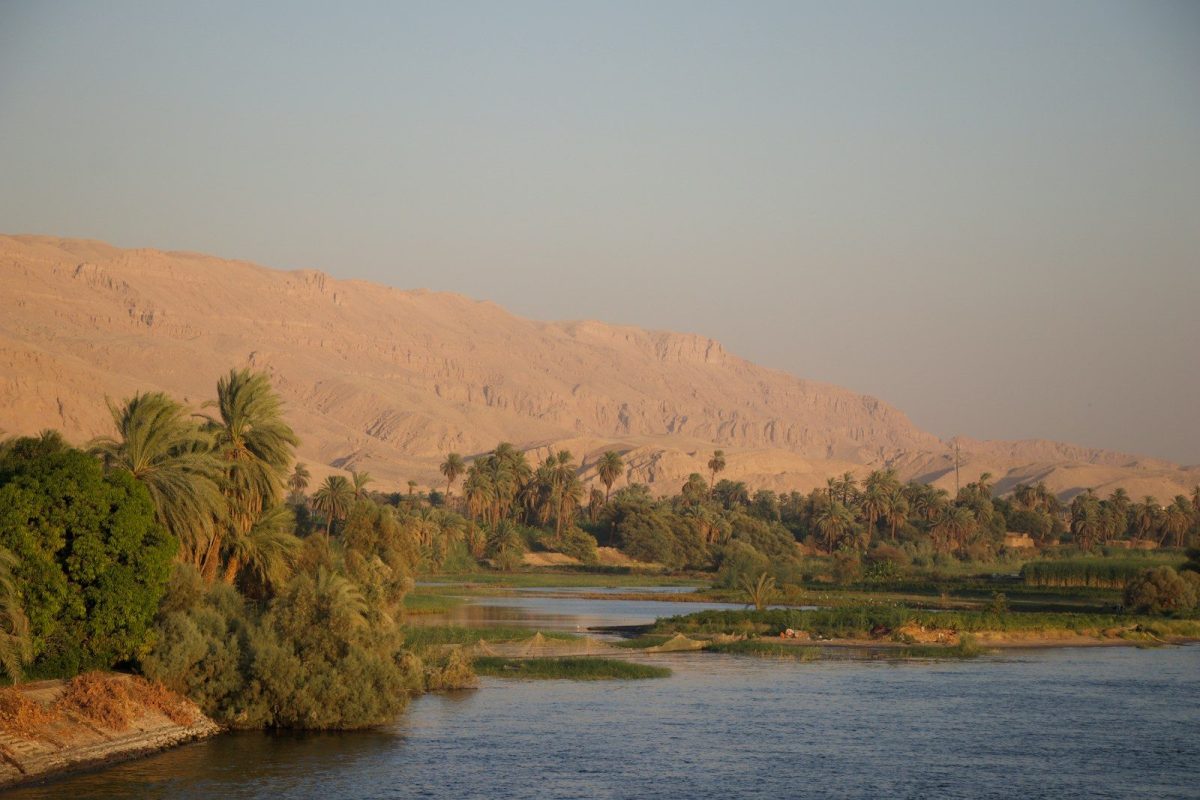
The Nile River played a huge role in Karnak’s growth.
As river channels moved and filled with mud, builders used the new land for more temples and structures. Old riverbeds slowly became building ground.
5. Karnak became one of Egypt’s biggest religious centers

Over many centuries, the temple grew into one of the most important religious places in ancient Egypt.
The site stood in Thebes, which was once the religious capital of the country. Kings and priests added new buildings for generations.
6. The temple honored several Egyptian gods

Karnak was not built for only one god. Different parts of the temple honored important Egyptian deities like Amun-Ra, Montu, and Mut.
The largest area was dedicated to Amun-Ra, who was one of the most powerful gods in ancient Egyptian religion.
7. Some of the oldest remains were found near the Sacred Lake

The earliest building remains were discovered in the eastern part of the complex, close to the Sacred Lake.
Researchers found mudbrick walls and pottery pieces there. These remains may date back to the First Intermediate Period or the early Eleventh Dynasty.
8. Many mysteries still remain

Even after nearly 150 years of excavation work, researchers say there is still a lot they do not fully understand about Karnak’s landscape.
Past studies were based on scattered information collected over many years. This made it hard to build a complete picture of the temple’s early surroundings.
9. The new study used geoarchaeology
The research team used geoarchaeology, which combines archaeology with the study of soil and land changes.
By examining sediments and ceramics, scientists were able to track how the environment around Karnak changed over thousands of years.
10. Research at Karnak is still continuing

Experts say understanding Karnak’s history depends on learning more about the natural environment around it.
New studies will continue with support from the Egypt Exploration Society and permission from Egypt’s Ministry of Tourism and Antiquities.
Today, Karnak Temple remains one of Egypt’s most famous landmarks. Millions of people visit every year to see its giant halls, ancient carvings, and towering columns.
This new research shows that the temple’s story is even older and more connected to nature than many people once believed.
