
Amsterdam is renowned for its canals, bicycles, and world-class museums, but many of its most fascinating features are hidden in plain sight. Beyond the iconic sights, the city is a blend of centuries-old ingenuity, quirky traditions, and modern innovations that make it uniquely captivating. From underground engineering to eco-friendly floating homes, these lesser-known facts reveal how Amsterdam’s residents adapt creatively to urban challenges. For travelers willing to look beyond guidebook highlights, these secrets offer a deeper, richer understanding of the city’s character, history, and lifestyle.
1. Amsterdam Sits on Millions of Wooden Poles
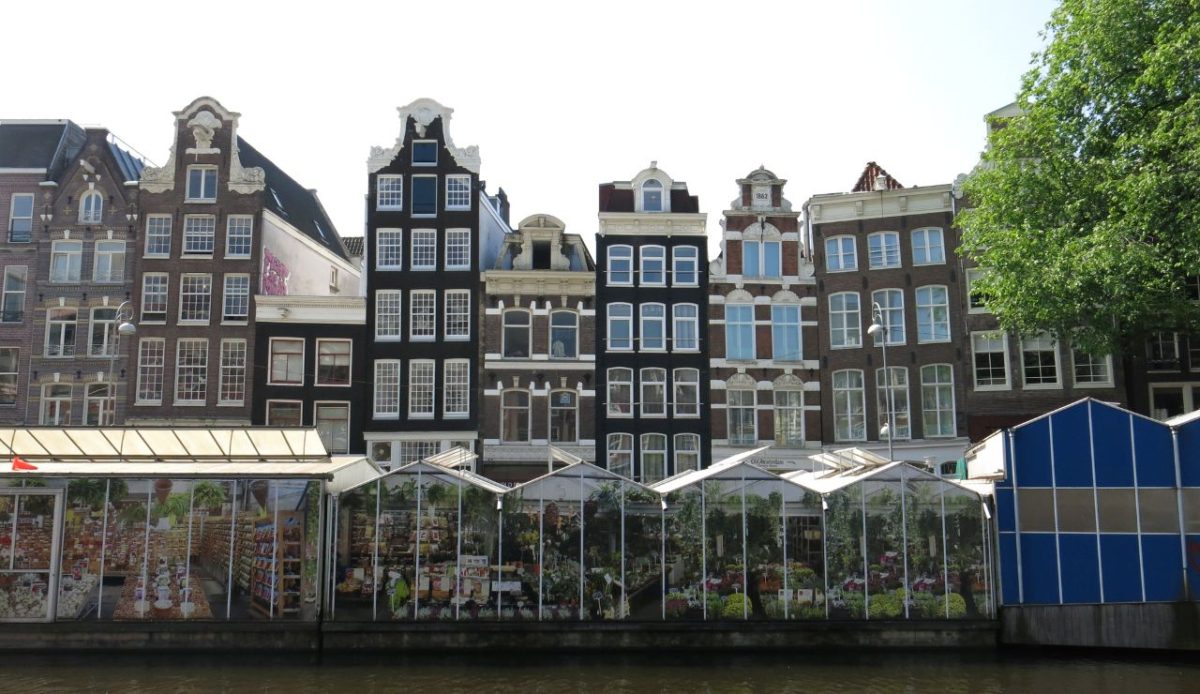
Few visitors realize that Amsterdam’s entire infrastructure rests atop millions of wooden poles driven deep into soft, marshy soil. Early engineers created these foundations to prevent heavy brick buildings from sinking. Modern constructions still rely on reinforced concrete or steel versions of this concept. This innovative engineering ensures centuries-old homes, offices, and canals remain stable today. Walking through neighborhoods, you are effectively strolling over an underground forest of supporting timber, a hidden marvel that quietly sustains the city’s iconic architecture and picturesque canals.
2. The Canals Are Clean Enough to Swim In
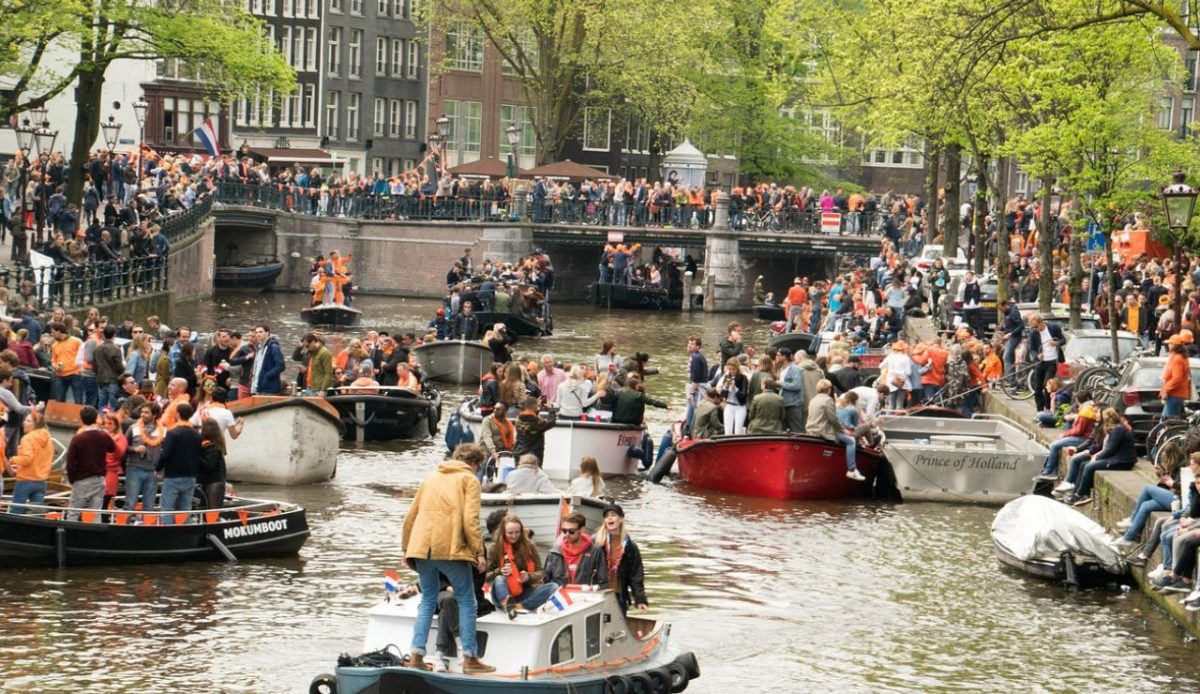
Amsterdam’s canals were historically polluted, but environmental initiatives over recent decades have transformed them. Today, strict regulations, water filtration systems, and continuous circulation keep these waterways remarkably clean. In certain areas, locals and visitors can safely swim, paddleboard, or kayak. Festivals and events sometimes feature supervised canal swimming, highlighting the city’s commitment to sustainability. This transformation demonstrates Amsterdam’s ability to balance urban life with environmental care. The canals are no longer just scenic; they reflect civic pride, ecological progress, and careful water management.
3. Over 1,200 Bridges Connect the City
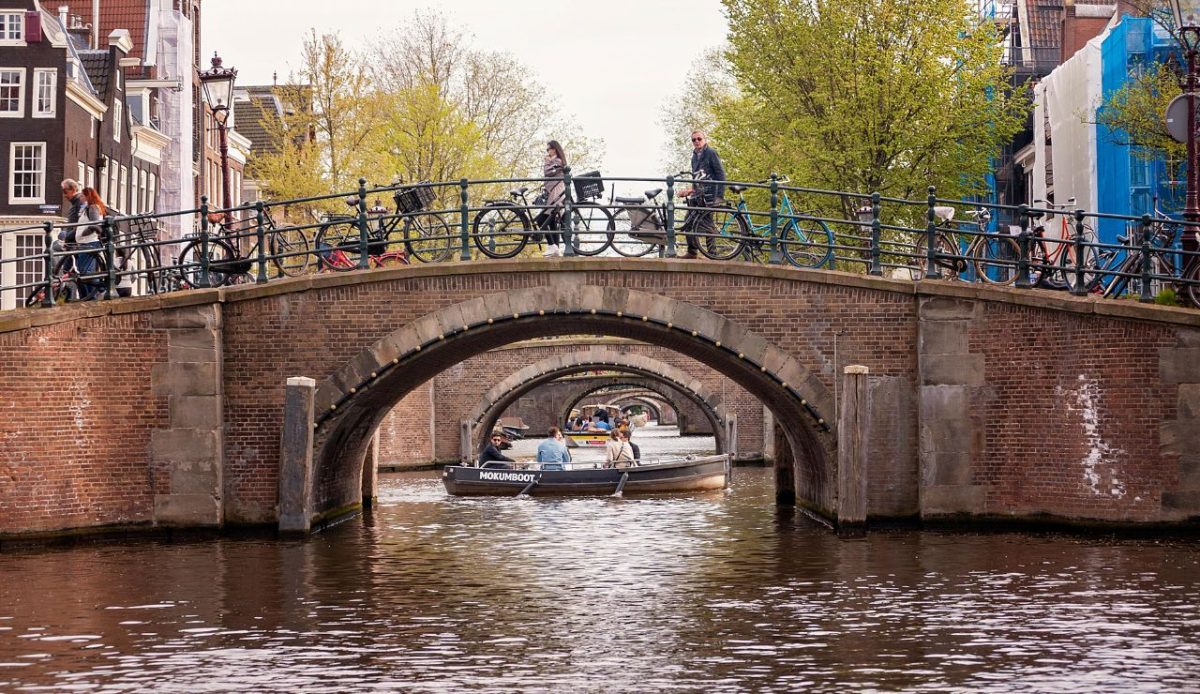
Amsterdam’s charm comes in part from its extensive network of over 1,200 bridges spanning canals, rivers, and waterways. Many are movable drawbridges allowing boats to pass, while older stone and iron bridges preserve centuries of craftsmanship. In dense neighborhoods, you can see several bridges at once from a single viewpoint, creating the city’s iconic layered streetscape. These bridges facilitate transportation for pedestrians, cyclists, and vehicles, symbolizing Amsterdam’s long maritime history. Each bridge reflects both practical infrastructure and architectural beauty, which makes the city photogenic.
4. It has the Oldest Stock Exchange in the World
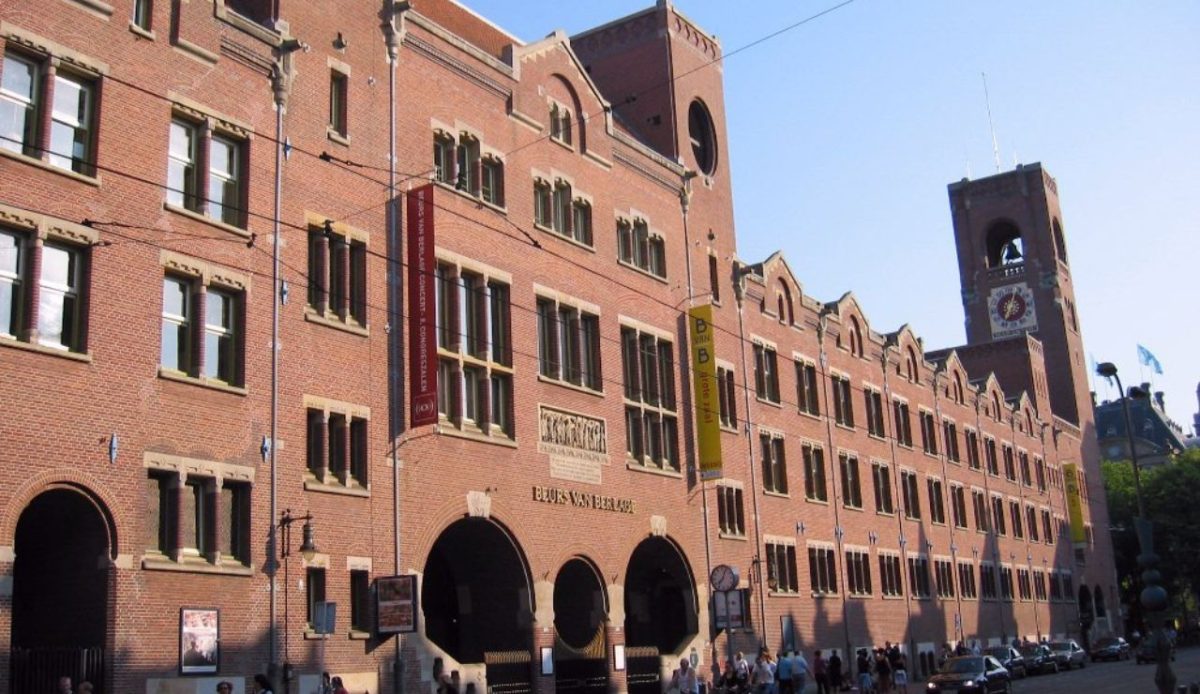
While famous for its cultural history, Amsterdam also played a central role in global finance. The Amsterdam Stock Exchange, established in 1602 by the Dutch East India Company, is widely regarded as the world’s first modern stock exchange. It pioneered public trading, corporate shares, and innovative investment practices that shaped global economics. Today, the historic financial district preserves this legacy, linking modern business to centuries of entrepreneurial spirit. Walking these streets reminds visitors that Amsterdam’s influence extends beyond art and architecture into the foundations of the global economy and modern capitalism.
5. Bikes Outnumber People by a Wide Margin
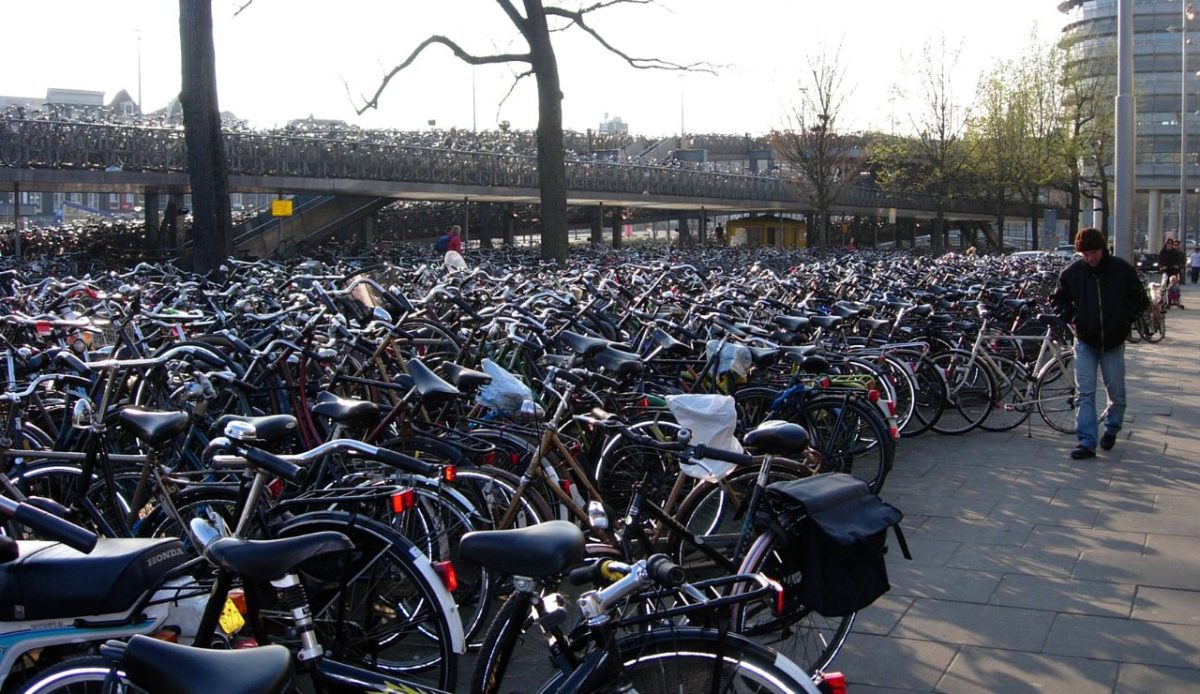
Bicycles dominate Amsterdam’s streets, exceeding the number of residents in the city. With extensive bike lanes, secure parking, and a culture built around two wheels, cycling is the primary mode of transport for many locals. Visitors will notice constant streams of riders commuting to work, school, or leisure destinations at all hours. This bicycle culture reduces traffic congestion, improves air quality, and shapes urban planning. For travelers, cycling offers the fastest, most immersive way to explore neighborhoods, canals, and parks. Amsterdam’s commitment to bikes illustrates its sustainable and practical approach to city living.
6. Many Buildings Lean on Purpose
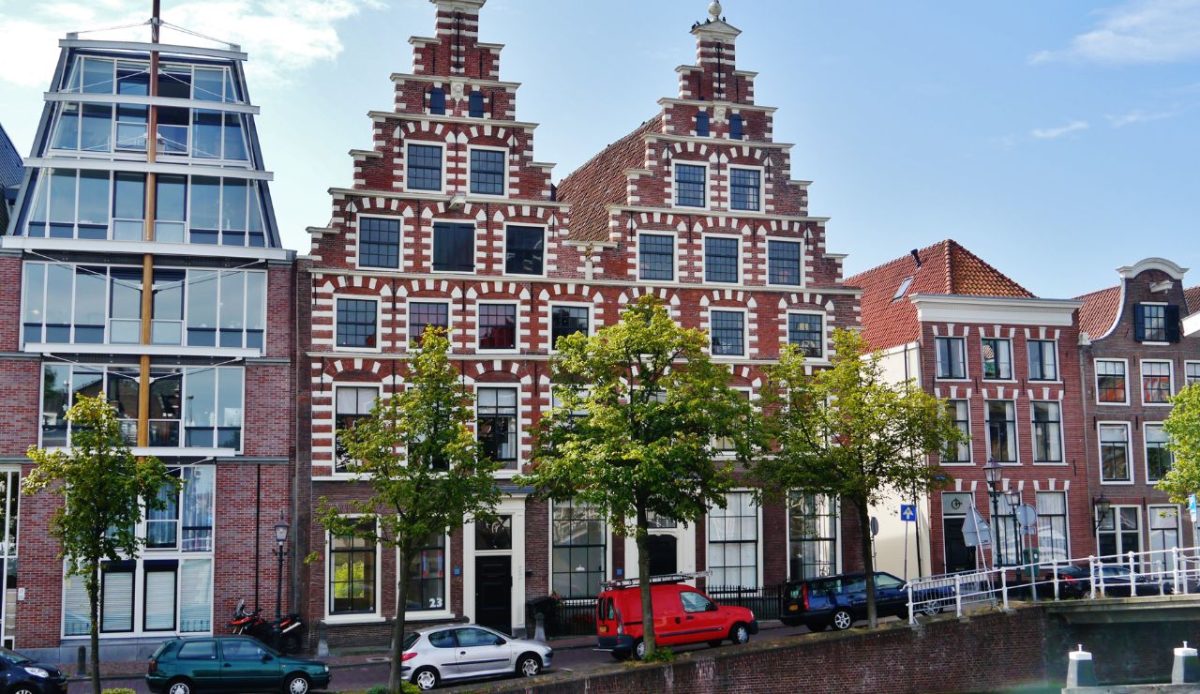
Amsterdam’s iconic leaning houses often confuse tourists, but many tilts were intentional. Merchants designed façades that lean forward slightly to facilitate hoisting goods into upper floors using rooftop hooks, as staircases were too narrow for heavy loads. Some houses also lean due to gradual settling on soft soil, adding to the picturesque effect. These architectural quirks showcase the city’s history as a trading hub, where practicality and design blended seamlessly. Today, the leaning buildings remain a functional legacy and charming visual feature, reflecting centuries of adaptive urban engineering.
7. The City Has an Entire Floating Neighborhood
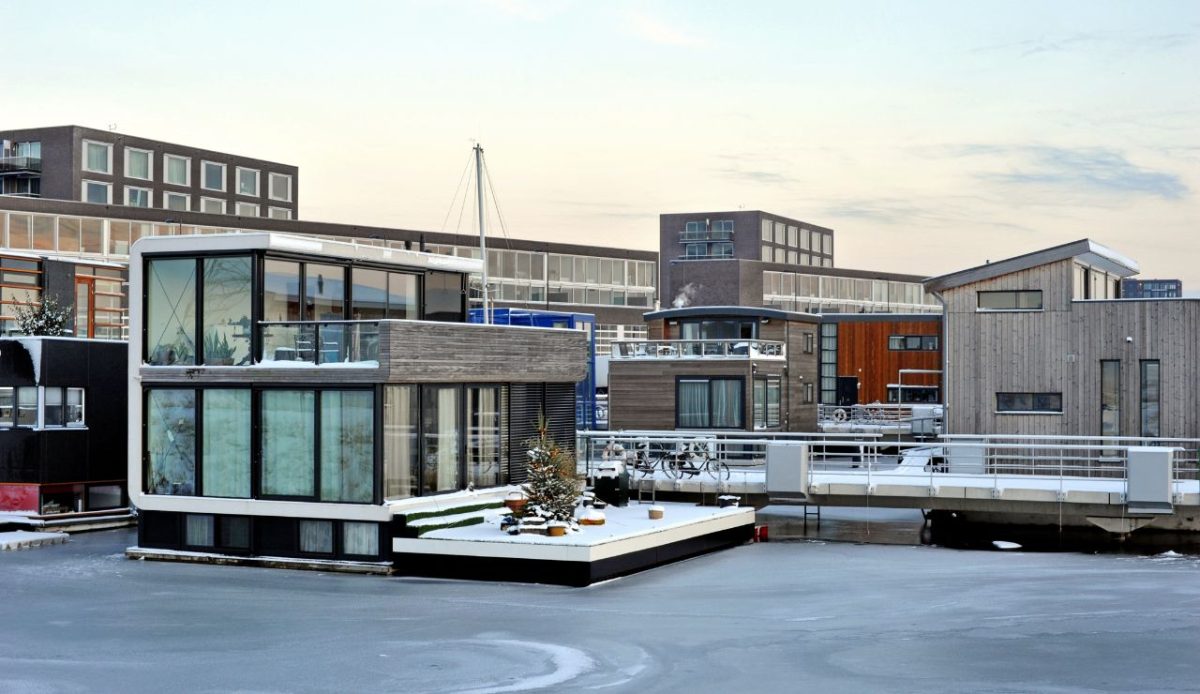
Amsterdam continues to innovate with its floating neighborhoods, particularly in IJburg, where houses rest on buoyant platforms in the water. These eco-friendly homes include modern amenities while addressing housing shortages and rising water levels. Residents enjoy unique waterfront views and access to canals that connect seamlessly with city life. The floating communities combine sustainability with creative design, offering both comfort and environmental foresight. This approach exemplifies Amsterdam’s ability to adapt urban living to climate challenges, proving the city is forward-thinking without sacrificing charm or practicality.
8. Cats Rule a Dedicated Boat Sanctuary
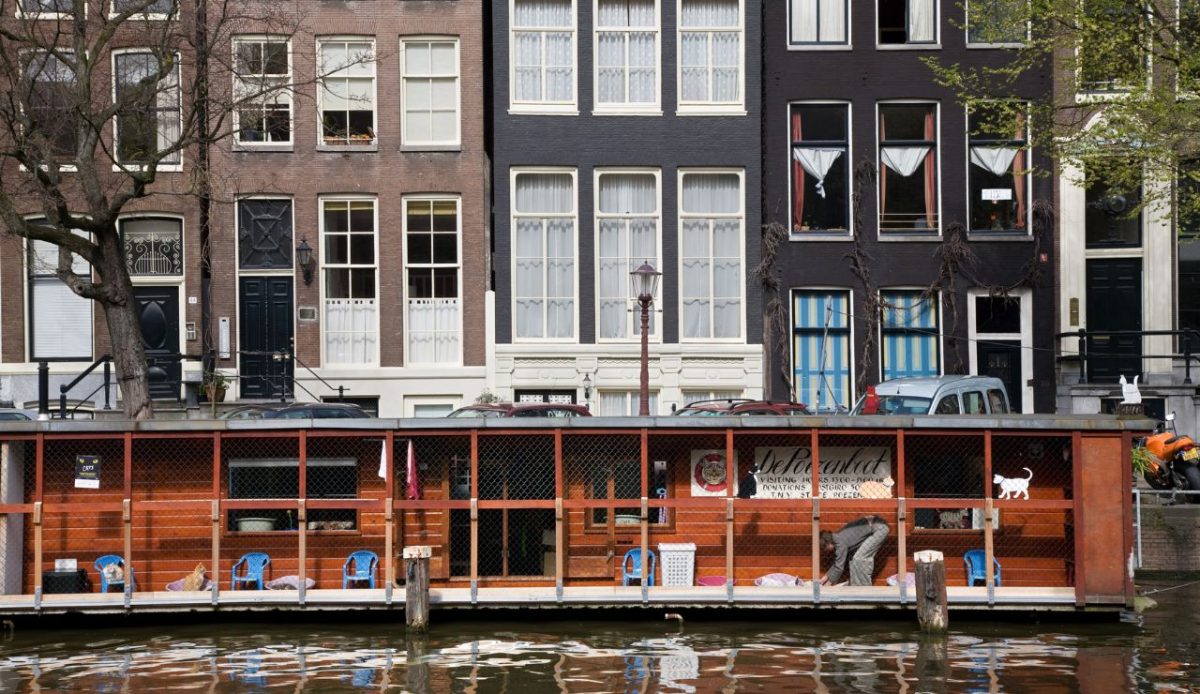
The Catboat, or “De Poezenboot,” is a floating sanctuary in Amsterdam’s Singel canal dedicated to abandoned and stray cats. Since the 1960s, volunteers have cared for cats on board, providing adoption services and shelter in a unique, floating environment. Visitors can interact with the animals and support the initiative, creating a charming and heartwarming stop. The Catboat exemplifies Amsterdam’s creativity and community spirit, using waterways for unconventional purposes. It highlights the city’s quirky, compassionate culture, showing that even canals can serve as spaces for innovation, care, and connection.
9. The City Has More Museums per Square Kilometer Than Anywhere Else
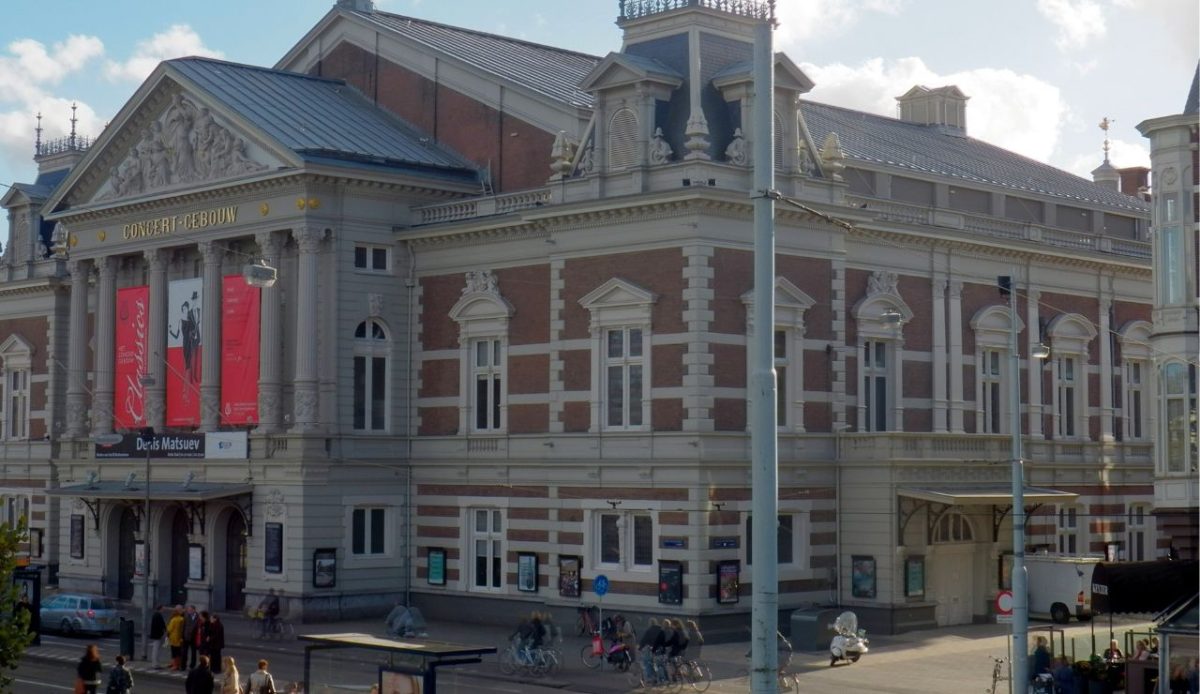
Amsterdam’s compact size hides an astonishing number of museums, offering something for every interest. Famous institutions like the Rijksmuseum and Van Gogh Museum are complemented by smaller gems, including the Houseboat Museum, Museum of Bags and Purses, and quirky local exhibits. This density allows visitors to explore art, history, and culture within walking distance, creating a rich, immersive experience in a single day. It reflects the city’s dedication to cultural preservation and accessibility, offering educational and entertaining experiences that make Amsterdam a uniquely concentrated hub of learning and creativity.
10. The Red Light District Is Also One of the Oldest Neighborhoods
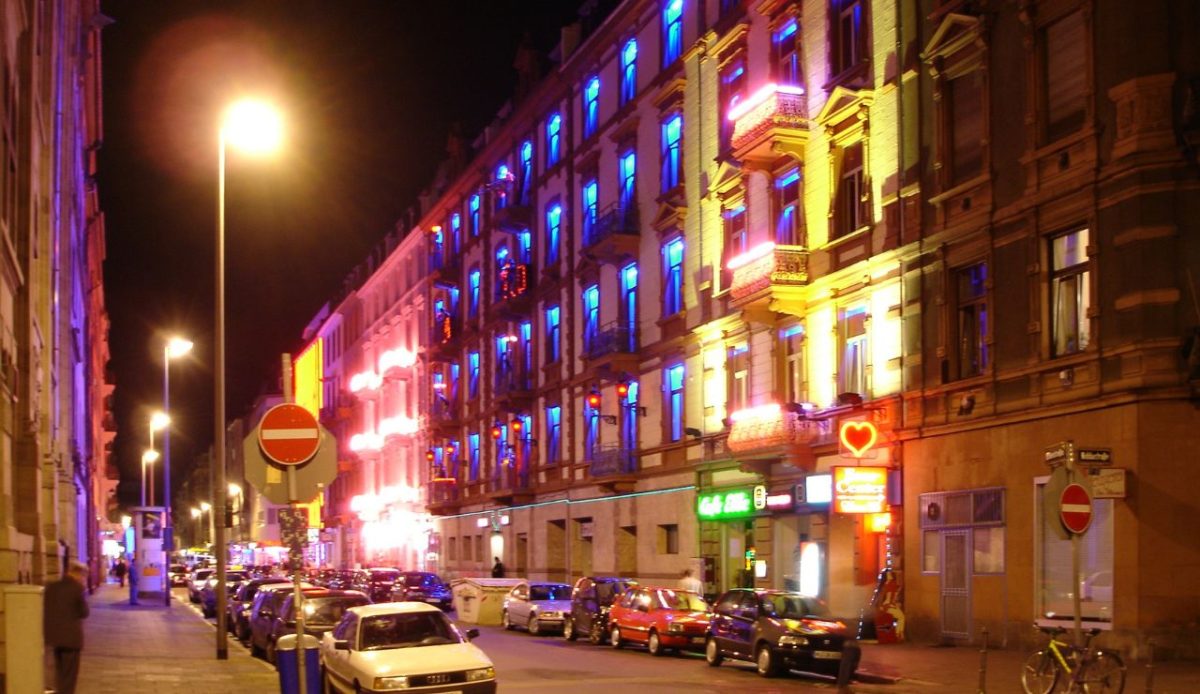
Tourists often associate the Red Light District with nightlife, but it’s one of Amsterdam’s oldest neighborhoods, rich in history and architecture. Cobblestone streets, historic buildings, and centuries-old churches coexist with modern businesses and entertainment venues. Residents and cultural institutions share space with the district’s attractions, creating a layered urban environment. This area shows how Amsterdam balances tradition and modernity, offering visitors a glimpse of the city’s evolution over centuries. The district’s historical depth often surprises newcomers expecting only nightlife.
