
These European destinations often enter travel plans as secondary stops, short add-ons, or places people assume can be covered quickly. Feedback across Reddit threads, Instagram travel accounts, YouTube vlogs, and long-form reviews shows a clear pattern. Travelers frequently arrive with modest expectations and leave ranking these places among their most rewarding experiences. What makes them stand out is not scale or hype, but how daily life, history, and walkability come together once time is spent on the ground. Each destination below is consistently described as more interesting after visiting than it appeared during planning.
1. Riga, Latvia
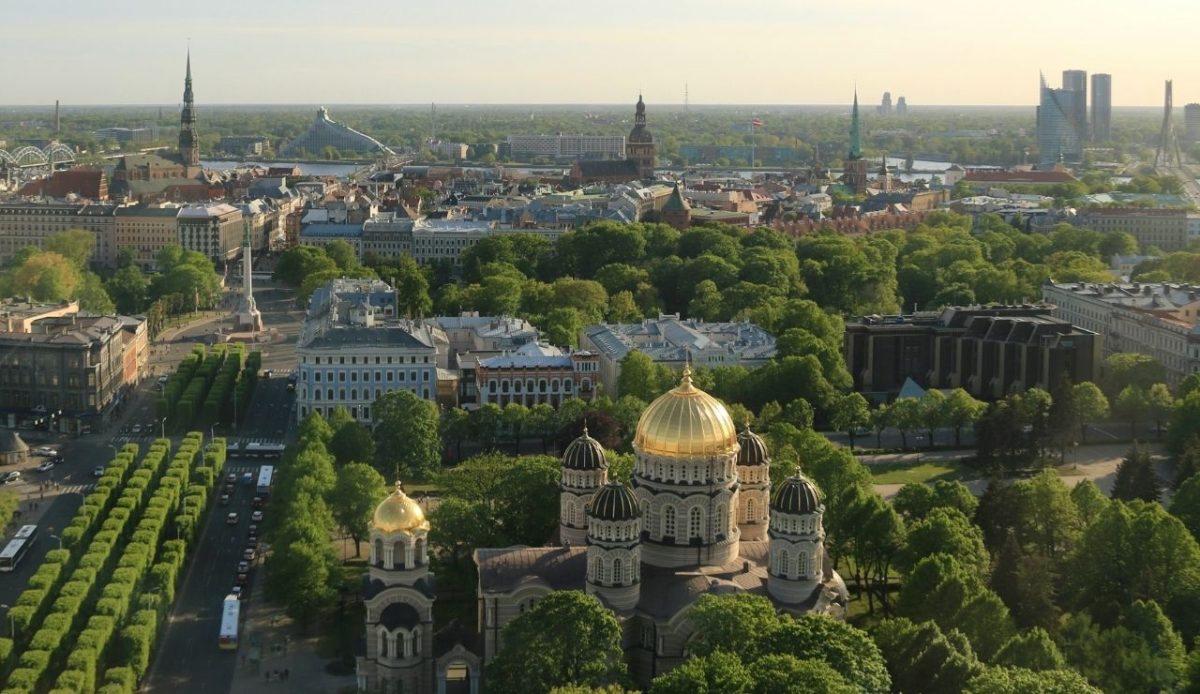
Riga often delivers a more developed experience than travelers expect when planning a brief stop. Long stretches of Art Nouveau buildings give the city a clear identity that becomes noticeable during ordinary walks. The compact center allows easy movement between museums, markets, and cafés, reducing the need for transport or detailed planning. Visitors frequently mention how reasonable prices and steady cultural access improve the pace of exploration. Evenings feel grounded, with activity centered on public spaces rather than large entertainment zones. Many travelers later note that Riga felt more structured and accessible than assumed once they spent time navigating it on foot.
2. Gdańsk, Poland
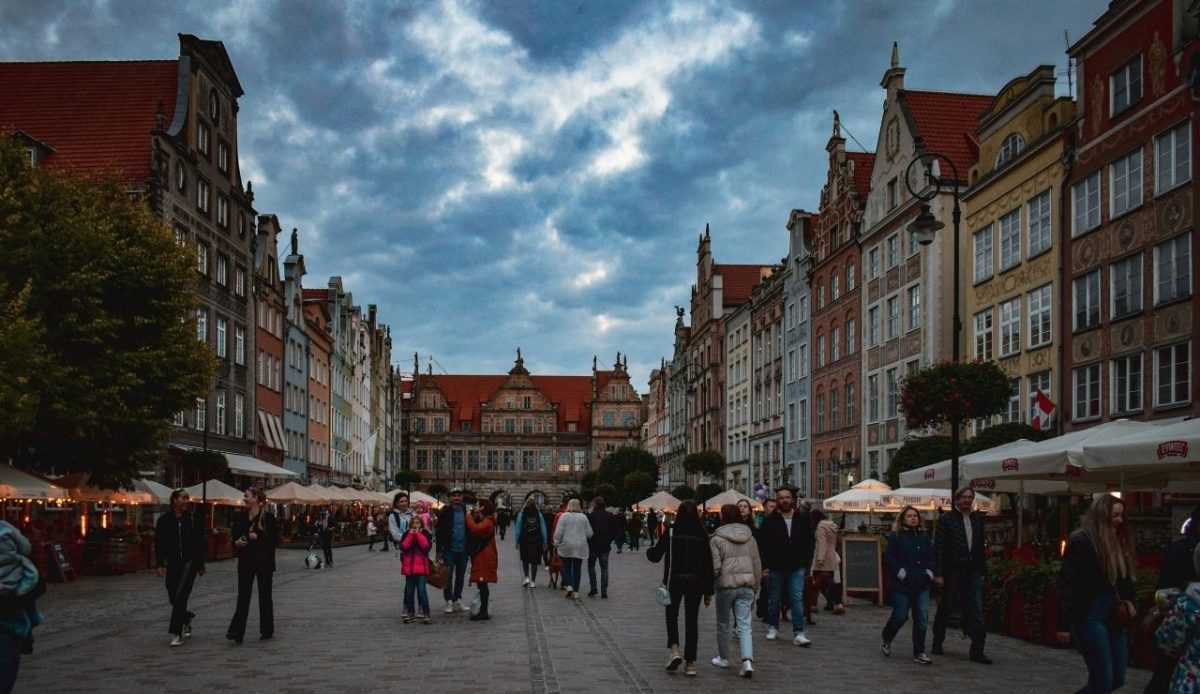
Gdańsk often gives visitors a stronger sense of depth than expected from a coastal city known for short stops. Reconstructed streets reflect heritage and modern identity, showing how maritime activity and history remain visible in daily areas rather than being limited to museums. The riverfront offers a clear view of how the port shapes movement through the city. Travelers mention that evenings feel active but not crowded, allowing steady exploration. Dining areas and walking paths connect naturally, helping visitors settle into the pace. Many people leave, noting that Gdańsk felt more layered and complete than assumed when planning.
3. Wrocław, Poland
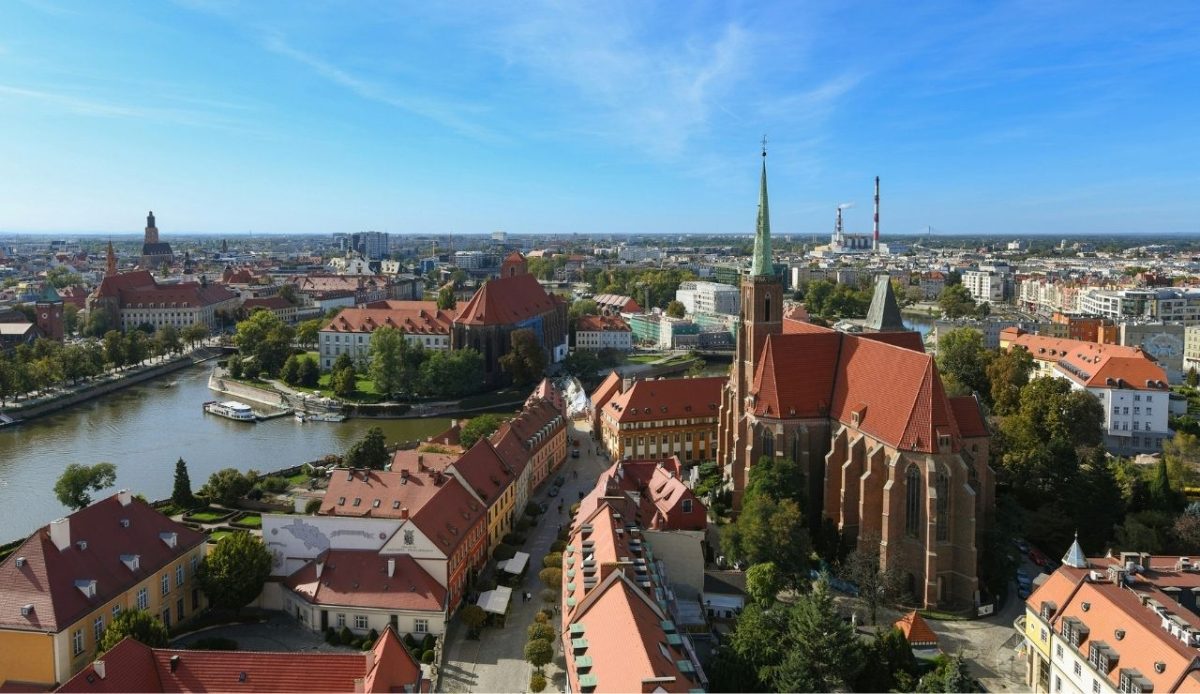
Wrocław often surprises travelers by making exploration feel natural without strict plans. Bridges, canals, and islands create steady shifts in direction that encourage walking rather than targeted sightseeing. Visitors say the city feels intuitive, with cafés, courtyards, and public squares appearing at useful intervals. This structure reduces fatigue and maintains interest across long days. The small gnome figures add character without dominating the experience. Travelers frequently comment that Wrocław felt more engaging and organized than expected once they understood how easily the city supports movement on foot.
4. Bologna, Italy
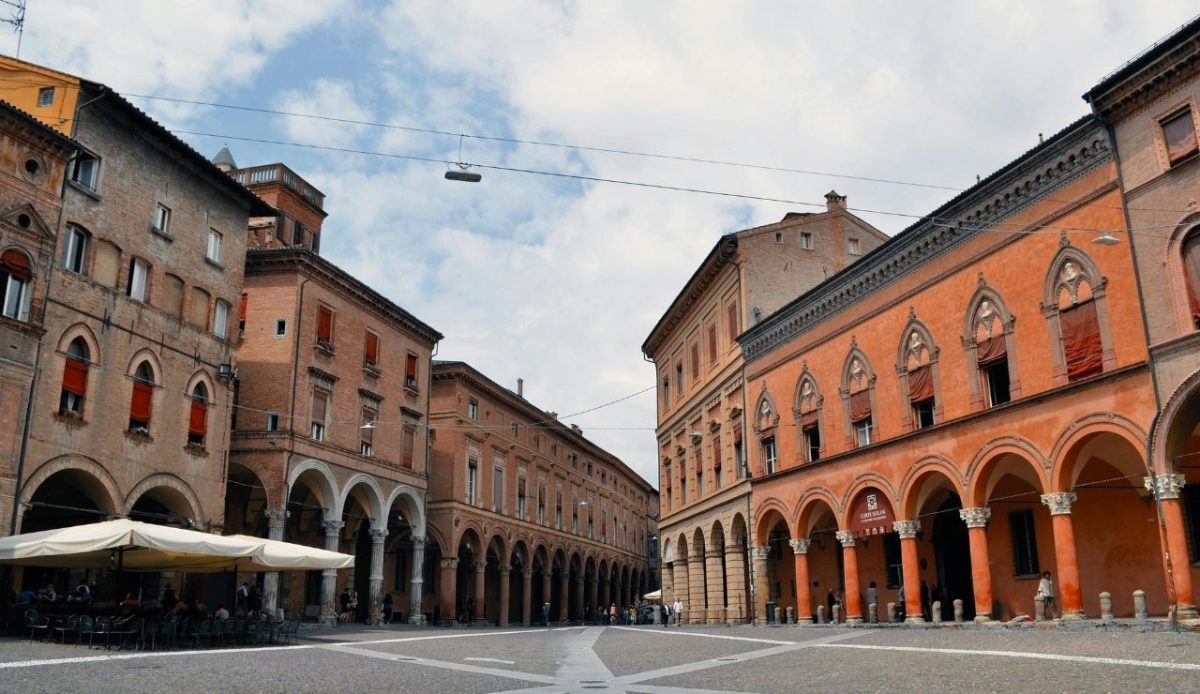
Bologna exceeds expectations by presenting daily routines as a central part of the visit rather than relying on headline attractions. Long portico-covered walkways support uninterrupted movement, revealing markets, towers, and libraries along the route. Food culture earns praise for consistency, giving meals a reliable quality that visitors remember. The student population adds steady activity in public spaces, creating rhythm throughout the year. Travelers often describe the city as easy to understand and navigate, noting how daily life appears natural. Many leave feeling they experienced a grounded version of Italy that aligned with expectations.
5. Valencia, Spain
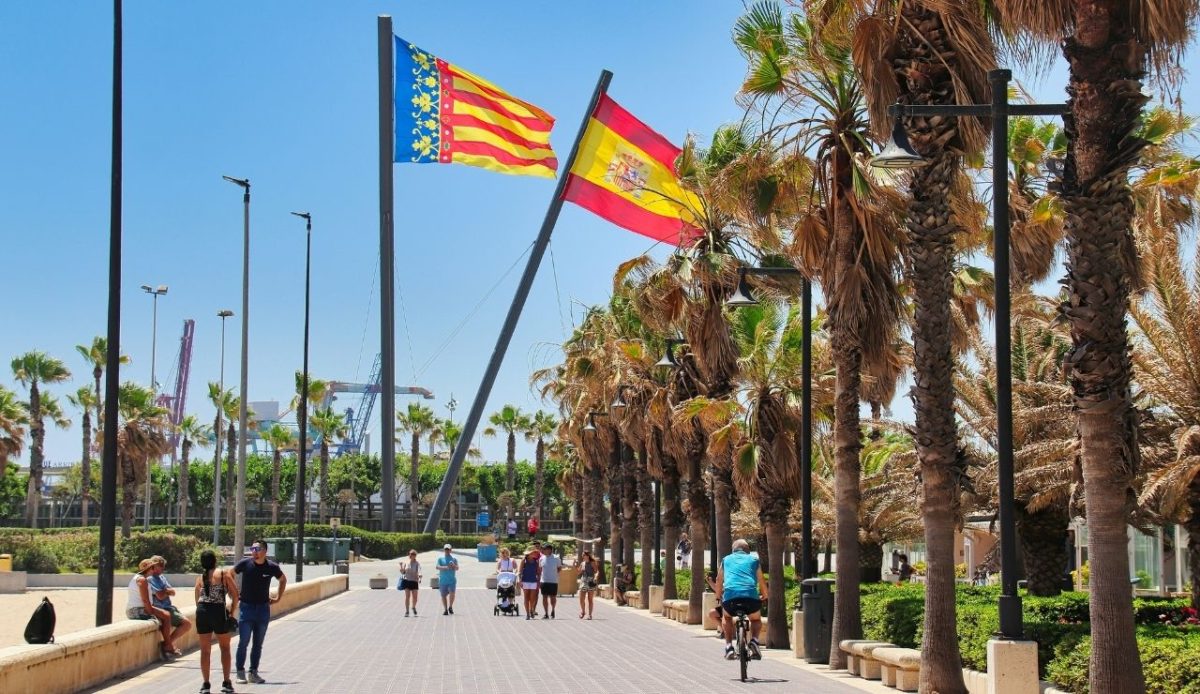
Valencia reshapes expectations by offering a wider range of experiences than many travelers anticipate. Historic districts connect cleanly with modern civic spaces, letting visitors shift between cultural areas, beaches, and parks without long routes. People often admit they underestimated how much time the city requires once exploring begins. Gardens, plazas, and waterfront paths maintain steady activity across seasons, supporting comfortable pacing. Food traditions rely on regional practices, giving the city a sense of continuity. Many visitors comment that Valencia felt more organized and versatile than expected.
6. Ljubljana, Slovenia
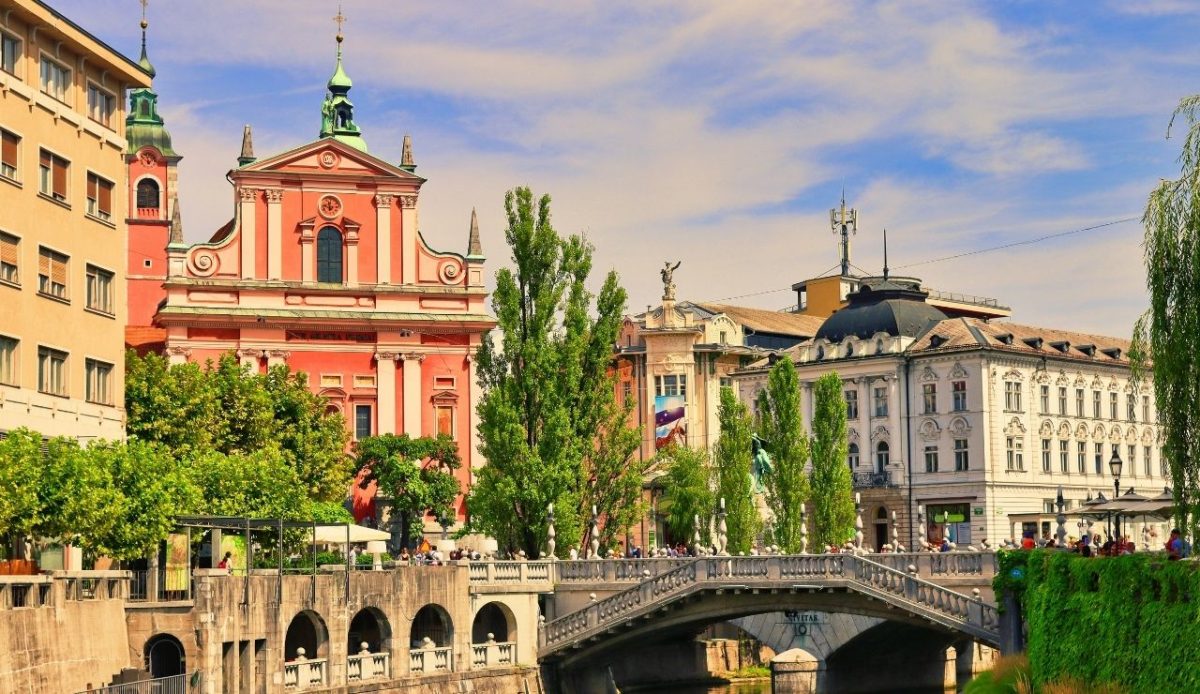
Ljubljana impresses visitors by making exploration feel straightforward and manageable. The compact, car-free center lets travelers rely on walking, with riverside paths and bridges forming a clear network. Architectural styles blend smoothly, keeping attention on movement rather than navigation. Reviews note how intuitive the layout feels, even during brief stays. Day trips to lakes and alpine areas are simple to arrange, adding variety without logistical effort. Many travelers mention covering more ground than planned while maintaining a relaxed pace, leaving with a stronger impression than expected.
7. Mostar, Bosnia and Herzegovina
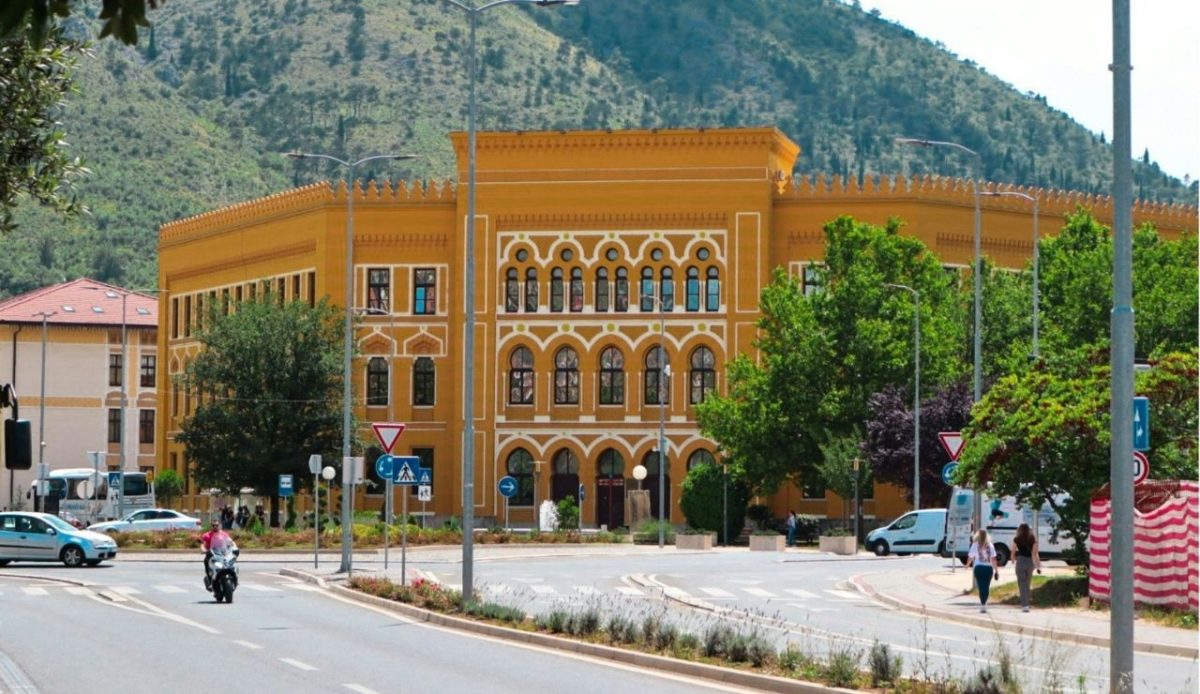
Mostar often leaves visitors with a deeper impression once attention moves beyond the well-known bridge. Residential streets, shops, and river paths show how history influences daily routines without dominating them. The compact layout allows travelers to explore key areas quickly while still gaining insight into the city’s past and present. Online reviews often mention how the atmosphere carries emotional weight even without a guided explanation. Cafés and markets provide additional context that photos cannot. Many travelers note their visit felt more meaningful after spending time away from the main viewpoint, revealing a city that rewards slower observation.
8. Brașov, Romania
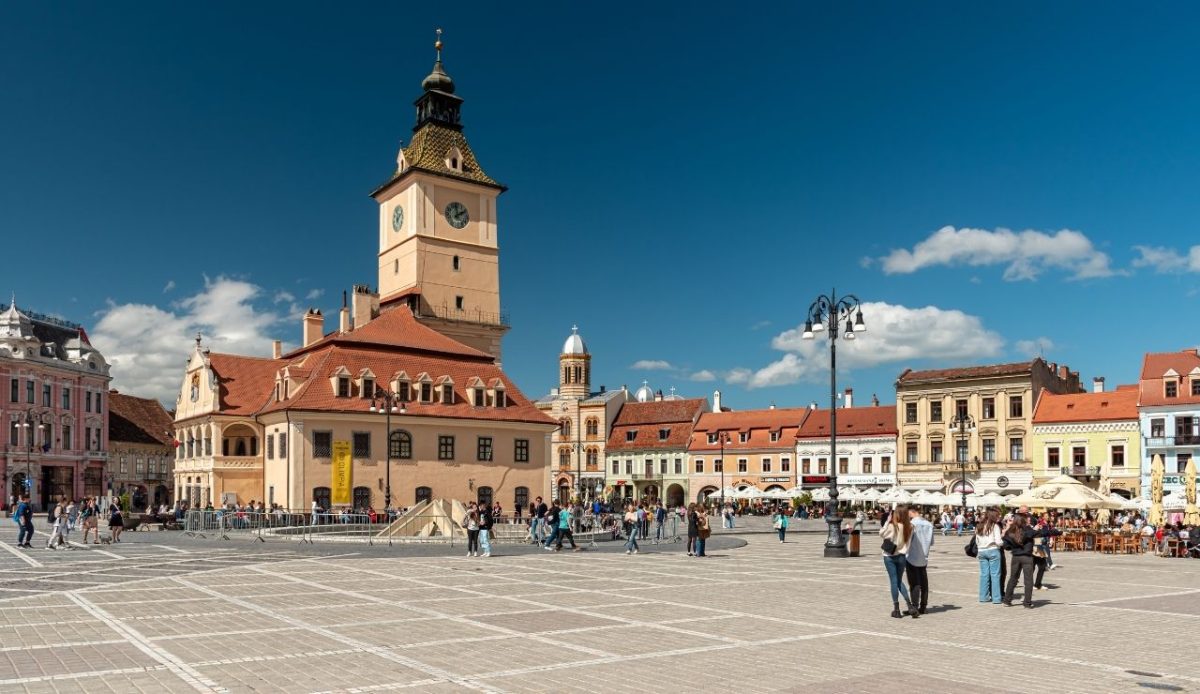
Brașov stands out because its layout and surrounding geography fit together in a way that supports steady exploration. Forested slopes rise close to the Old Town, creating a clear backdrop that is easy to navigate. Travelers often comment on how accessible outdoor trails are from central squares, allowing smooth shifts between historic routes and nature walks. Social posts describe the environment as comfortable, encouraging longer stays. Cafés and public spaces appear at helpful intervals, giving visitors places to pause. Many people extend their visits because the city maintains interest through pacing and setting instead of a long list of required sites.
9. Tomar, Portugal
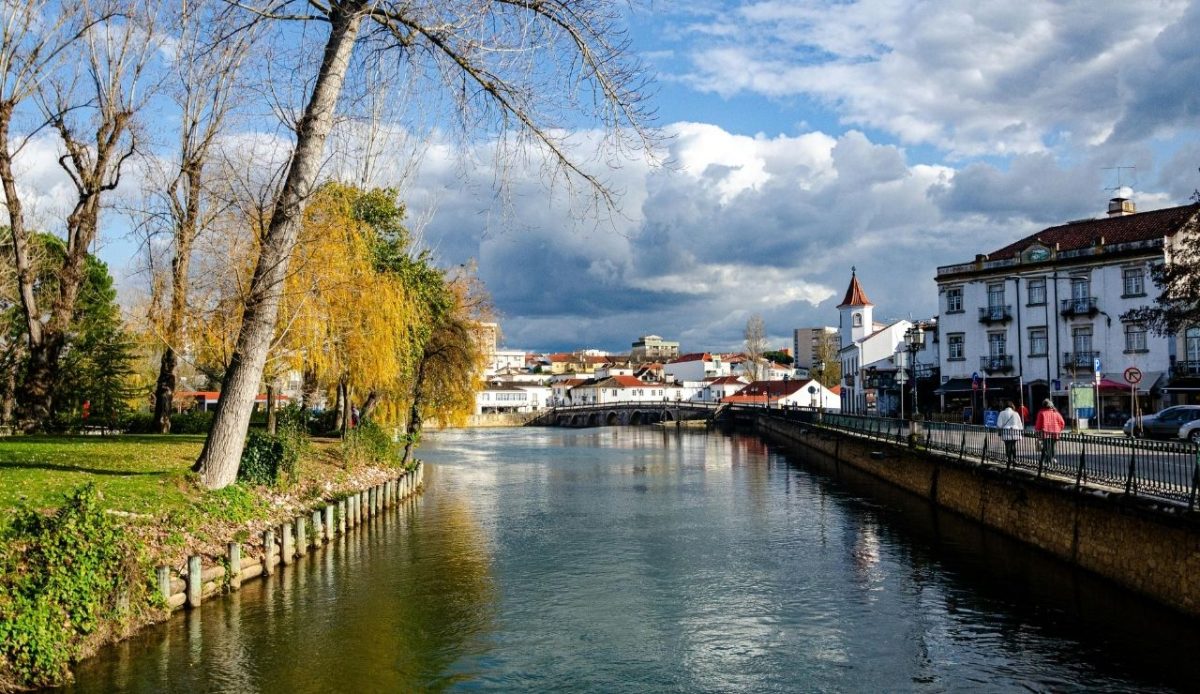
Tomar exceeds expectations by offering more historical depth than its size suggests. The former Templar complex provides a central anchor, while smaller streets and river paths reveal additional layers. Travelers often note that quieter areas hold as much interest as major landmarks. Social media feedback highlights how little planning is needed, as the town connects naturally and feels easy to navigate. Many visitors appreciate that exploration stays manageable without becoming repetitive. Tomar appeals strongly to those seeking history presented through daily settings rather than staged routes, making the experience more grounded than anticipated.
10. Brisighella, Italy
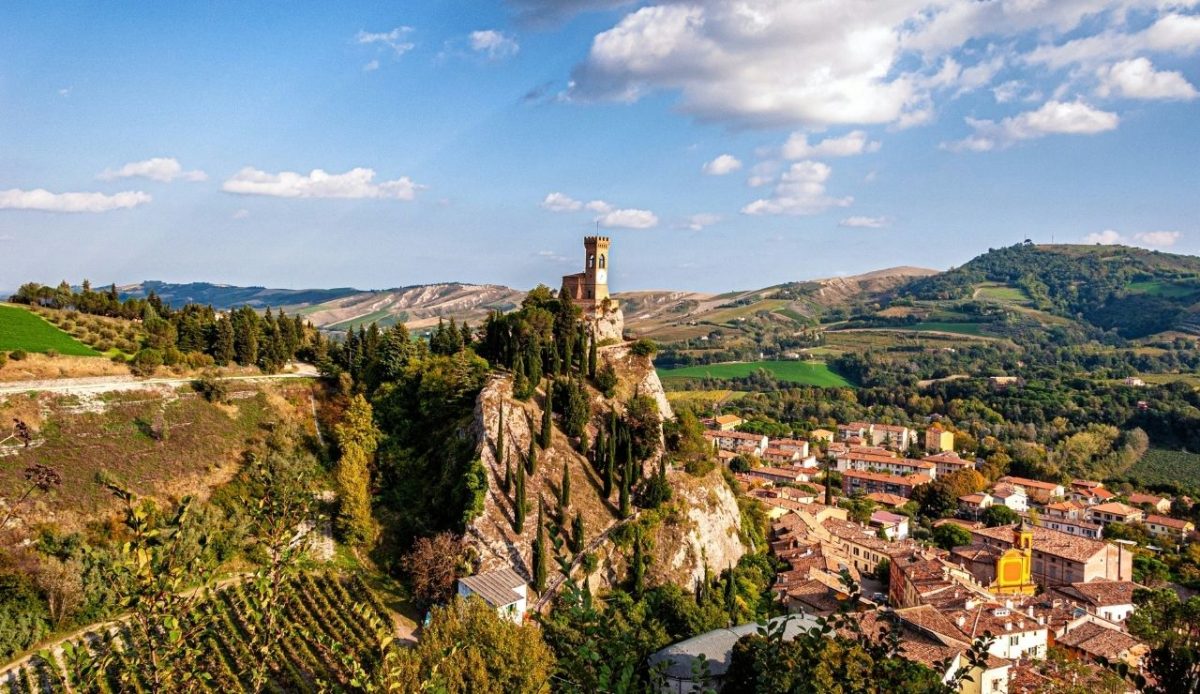
Brisighella surpasses expectations through gradual discovery rather than immediate impact. Stone walkways lead visitors through hillside routes and residential areas, revealing new views at a steady pace. Travelers often mention that unscripted walks became the highlight of their stay because the town encourages movement without relying on major attractions. Local food traditions appear naturally in everyday routines instead of being staged for visitors. The calm environment helps travelers slow their pace. Many describe Brisighella as a welcome break from crowded Italian destinations, offering structure and interest without needing a full itinerary.
11. Nafplio, Greece
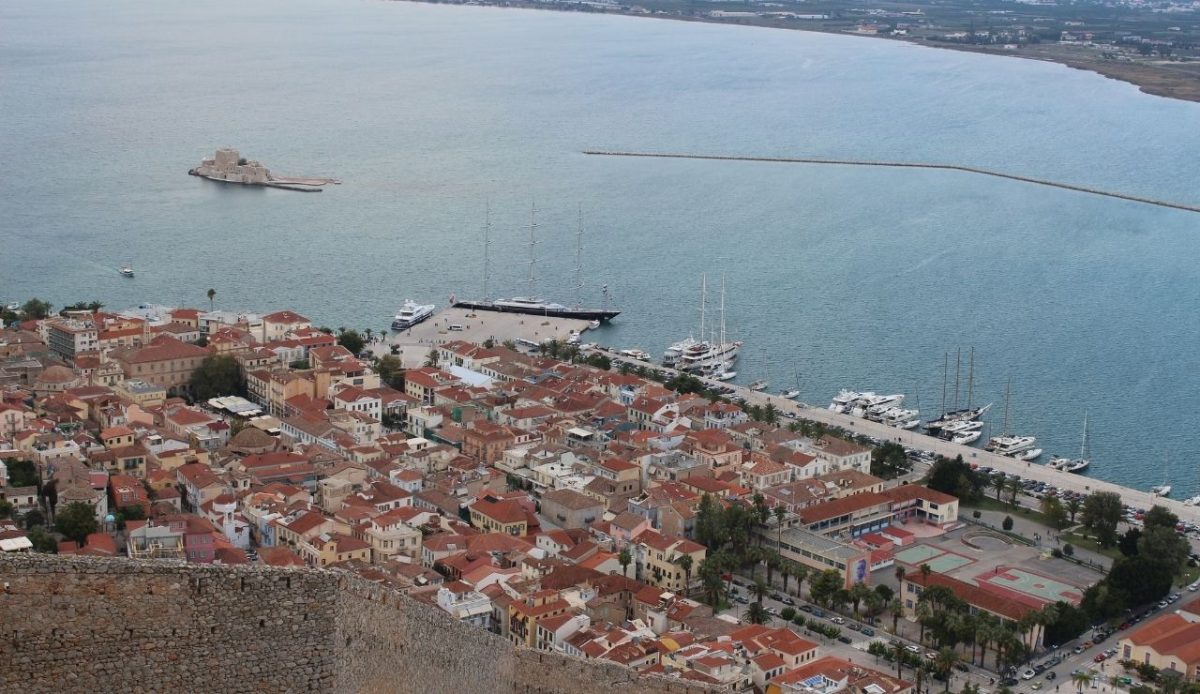
Nafplio often leaves visitors with a clearer understanding of its appeal once they spend a full day walking through the center and along the waterfront. Streets, squares, and harbor paths connect smoothly, allowing movement without complicated planning or long transfers. The gradual climb toward the fortress offers shifting views that show how the town’s history aligns with its coastline. Travelers often mention that evenings feel calmer once day visitors leave, making the setting more comfortable. Many later admit they underestimated how much time the town deserved and wish they had planned extra days.
12. Vis, Croatia
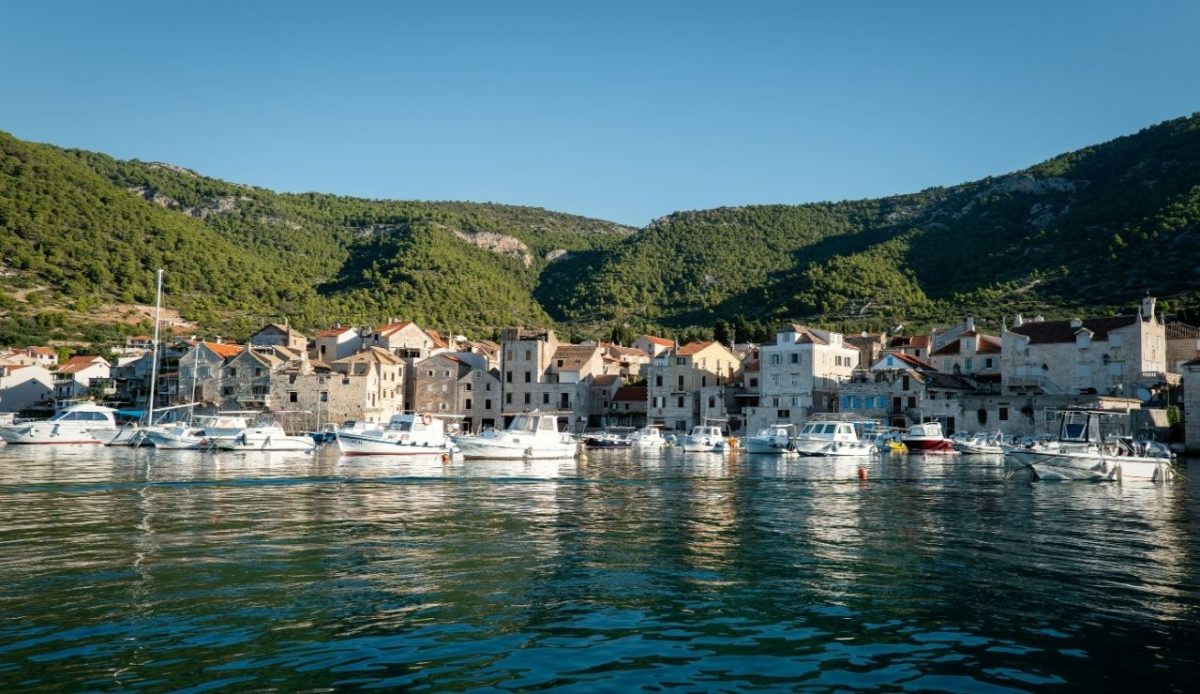
Vis often reshapes expectations because the slower pace becomes noticeable early in the visit. Limited ferry schedules reduce visitor turnover, preserving routines that reflect local life instead of seasonal tourism. Villages stay centered around daily activity, creating steady but manageable movement throughout the day. Reviews describe evenings focused on conversation or relaxed meals rather than nightlife. Beaches and harbor areas feel integrated into community use instead of being arranged for visitors. Many travelers say the island delivered more calm and continuity than expected, leading them to prefer Vis over busier Croatian destinations.
13. Sarajevo, Bosnia and Herzegovina
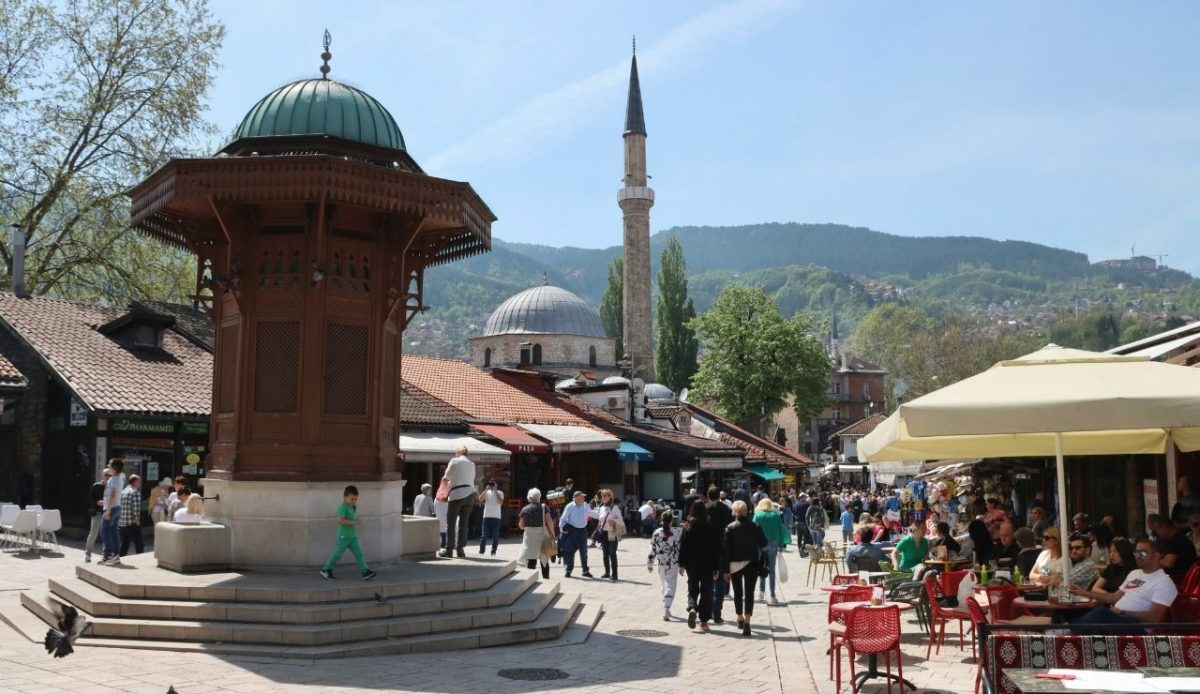
Sarajevo reveals its depth through short-range shifts between different historical periods. Ottoman streets, Austro-Hungarian buildings, and modern districts sit within walking distance, allowing travelers to observe how each era shapes the present. Visitors often mention that coffee culture and everyday conversation explain the city’s history as effectively as museums. Social media posts highlight how insight develops gradually through time spent in various neighborhoods. Public areas encourage steady observation rather than rushed sightseeing. Many travelers leave with a clearer understanding of the city’s layers than they anticipated while planning.
14. Tbilisi, Georgia
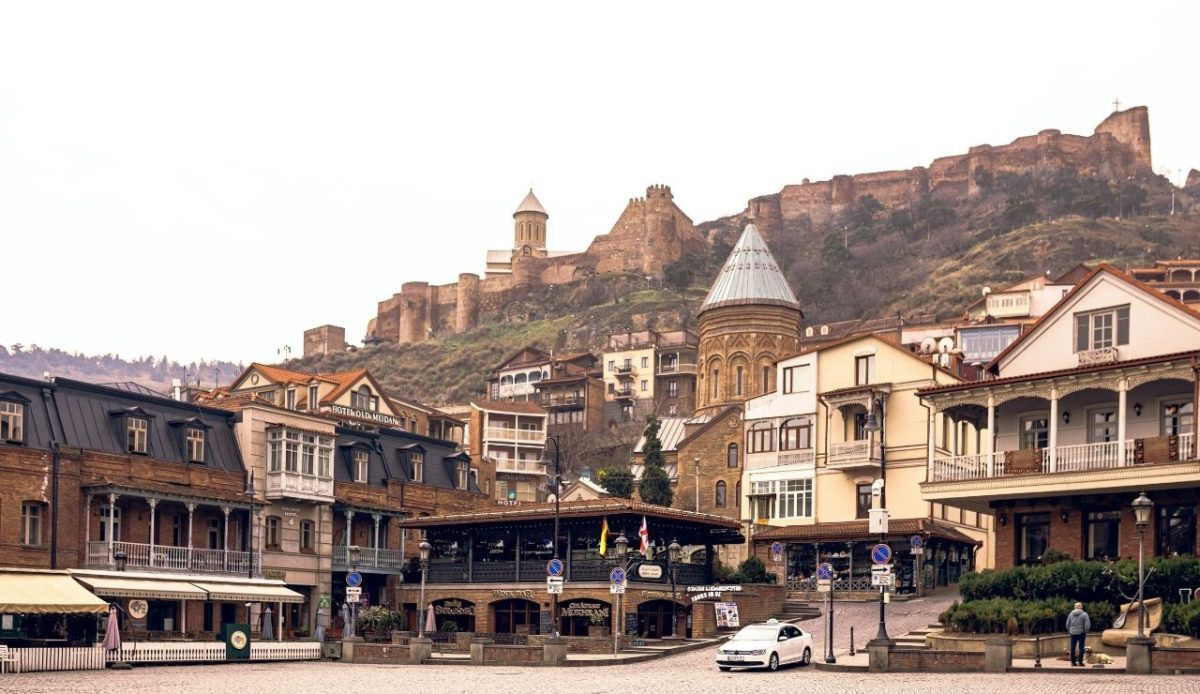
Tbilisi frequently exceeds expectations by offering variety without requiring strict routes or planning. Hillside neighborhoods, bath districts, and modern cafés exist within short distances, allowing flexible exploration across full days. Travelers note that moving between areas feels intuitive and rarely demands detailed navigation. Food and wine appear in daily routines rather than structured experiences, helping the city feel accessible. Social media posts highlight that unplanned interactions and steady movement shape memory more than single attractions. Many visitors say Tbilisi felt more expressive and personal than expected, leaving a strong impression after departure.
