
Airport security in 2026 feels tighter because screening is changing fast. At many airports, travelers now encounter facial recognition, advanced imaging, automated checks, and more monitoring than before.
These upgrades are presented as a smarter way to keep flights secure while reducing delays. The promise is a system that can screen more people, identify threats faster, and move passengers through terminals with less friction.
But experts still debate whether these visible changes truly make flying safer. Some see progress, while others argue that parts of modern airport security still function more as reassurance than protection.
Biometrics Are Changing the Airport Experience
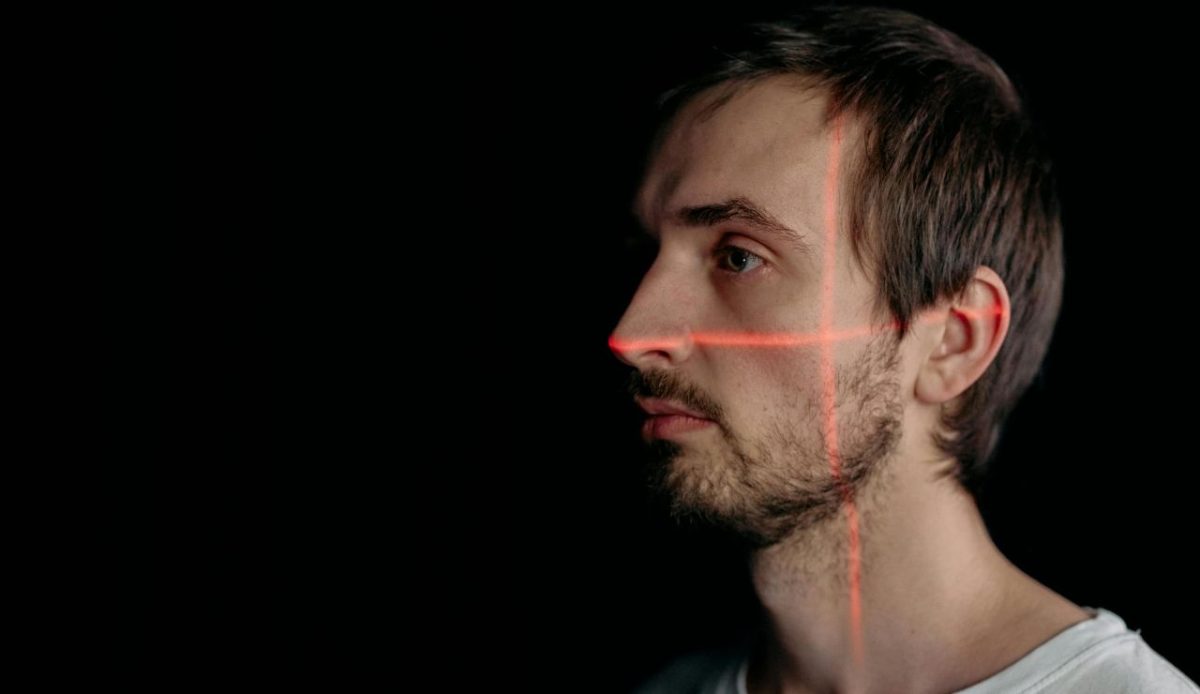
One major change is the wider use of biometric identity checks. At some airports, facial recognition is replacing manual document reviews, allowing travelers to move through security or boarding with fewer physical checks.
Airport operators say these systems improve speed and reduce human error. Combined with digital processing, they are meant to verify identity more quickly while helping staff focus on higher-risk situations.
Still, privacy concerns remain. Experts continue debating how consent, data storage, and opt-out rules should work, especially as these systems expand faster than public understanding of how the information is used.
New Scanners Make Screening Feel More Advanced
Another visible shift is the deployment of CT scanners and AI-assisted screening tools. These systems create detailed images of bags and help identify suspicious items with less reliance on traditional visual inspection alone.
Supporters say this allows security staff to detect threats more accurately while reducing other inconveniences. In some locations, improved scanners are already changing rules around shoes, liquids, and electronics in carry-on bags.
That makes airport security feel both stricter and more modern. Even when some steps are relaxed, the technology behind the checkpoint can make screening seem deeper and more invasive.
Experts Still Question How Much Safer It Is
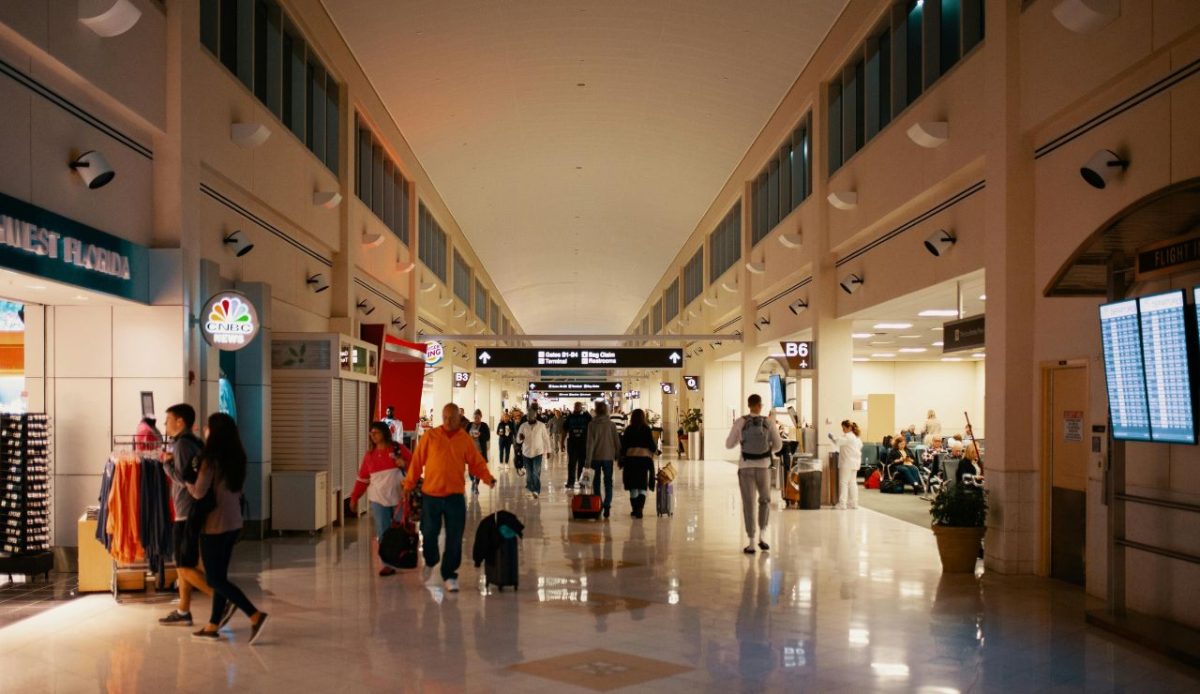
Despite these upgrades, experts do not agree on how much safer the average traveler really is. Critics often point to the concern that highly visible procedures can create confidence without always delivering consistent results.
Past covert security tests have raised doubts about how reliably checkpoint systems catch prohibited items. Those findings continue to shape the argument that visible screening intensity is not the same as real-world effectiveness.
This is where the term security theater enters the debate. It describes measures that may look serious in public, even if their value to safety is still contested by specialists.
Some Threats Exist Beyond the Checkpoint
Another reason the debate continues is that some major risks may exist beyond the passenger checkpoint. Aviation analysts often note that insider threats, staff access, cargo systems, and airside operations can matter as much as carry-on screening.
That means a tougher checkpoint does not automatically address every vulnerability. A traveler may face more scrutiny at the front of the airport while weak points remain elsewhere in the system.
Experts argue that real aviation safety depends on intelligence, coordination, and layered risk management. In that view, what passengers experience in line is only one part of a larger security picture.
The Future Focuses on Speed and Prediction
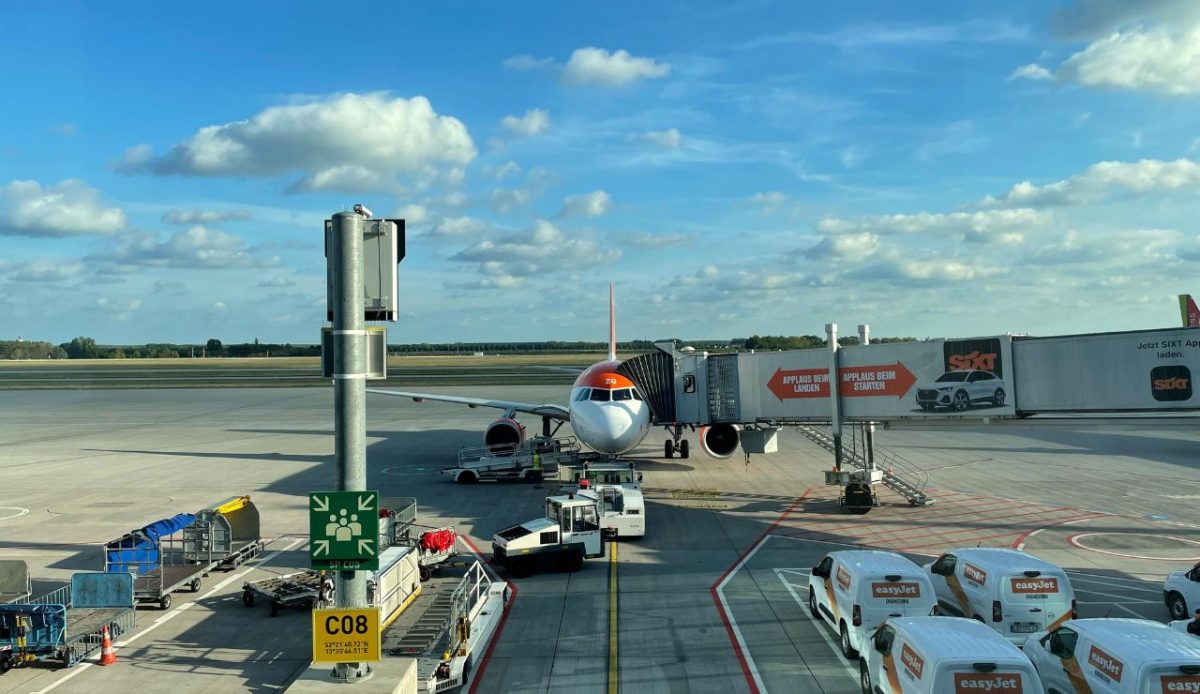
Looking ahead, airport security appears to be moving toward a model that promises both control and convenience. Industry planners describe a future where biometrics, AI, and automated tracking create a smoother path from curb to gate.
The goal is not only to react to known threats, but to build a more predictive system that manages crowds, flags unusual behavior, and supports faster decisions as passenger numbers rise.
Even so, the central question remains unsettled. New tools may improve efficiency and detection, but experts still disagree on whether tighter, more technological security consistently produces a safer aviation system overall.
