
The bag drop counter looks routine until one small problem sends you repacking, reprinting, or waiting for help.
Bag drop feels like the easy part of flying: roll up, weigh the suitcase, attach the tag, and walk away. But the first morning of a trip is when small baggage problems hit hardest. A heavy suitcase, a loose label, or one item packed in the wrong place can turn a smooth airport arrival into a slow scramble. These five mistakes are common because they happen before travelers feel fully awake, and each one is easier to fix at home than at the counter.
The Overweight Suitcase

An overweight suitcase is one of the fastest ways to turn bag drop into a public repacking session. The issue is not just the fee, although that can be annoying. It is the delay that happens when a traveler has to open a bag, move shoes or toiletries into another suitcase, and hold up the line while everyone waits.
- Why it matters: weight limits can vary by airline, route, cabin, and loyalty status.
- What to check: weigh the bag at home after it is fully packed, not before the last-minute extras go in.
- Quick fix: keep a foldable tote or packing cube near the top for fast reshuffling.
If the bag is already close to the limit at home, assume the airport scale may not be your friend.
The Unchecked Bag Tag
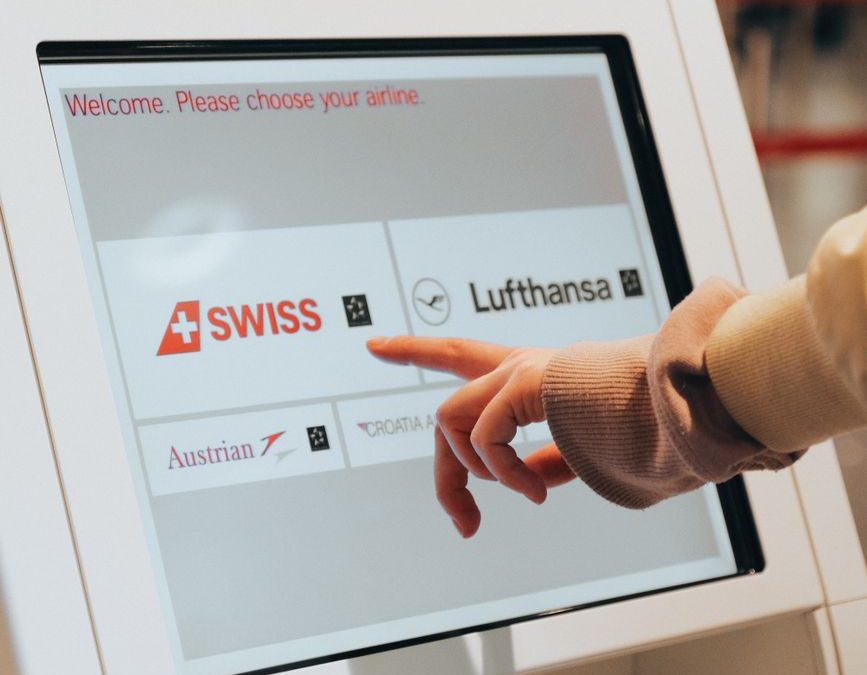
Self-service bag tags save time only when they are attached correctly and matched to the right traveler. A tag printed for the wrong passenger, placed over an old barcode, or wrapped so the scan code is hidden can send the bag drop agent into troubleshooting mode. That often means reprinting, checking identification again, or asking the traveler to step aside.
- Why it matters: the tag is the bag’s routing instruction through the airport system.
- Who it affects: families and groups are especially prone to swapping tags by accident.
- What to check: confirm the name, destination airport, and flight before the bag leaves your hand.
Remove old airline tags and stickers before you leave home so only the current barcode is visible.
The Loose Strap
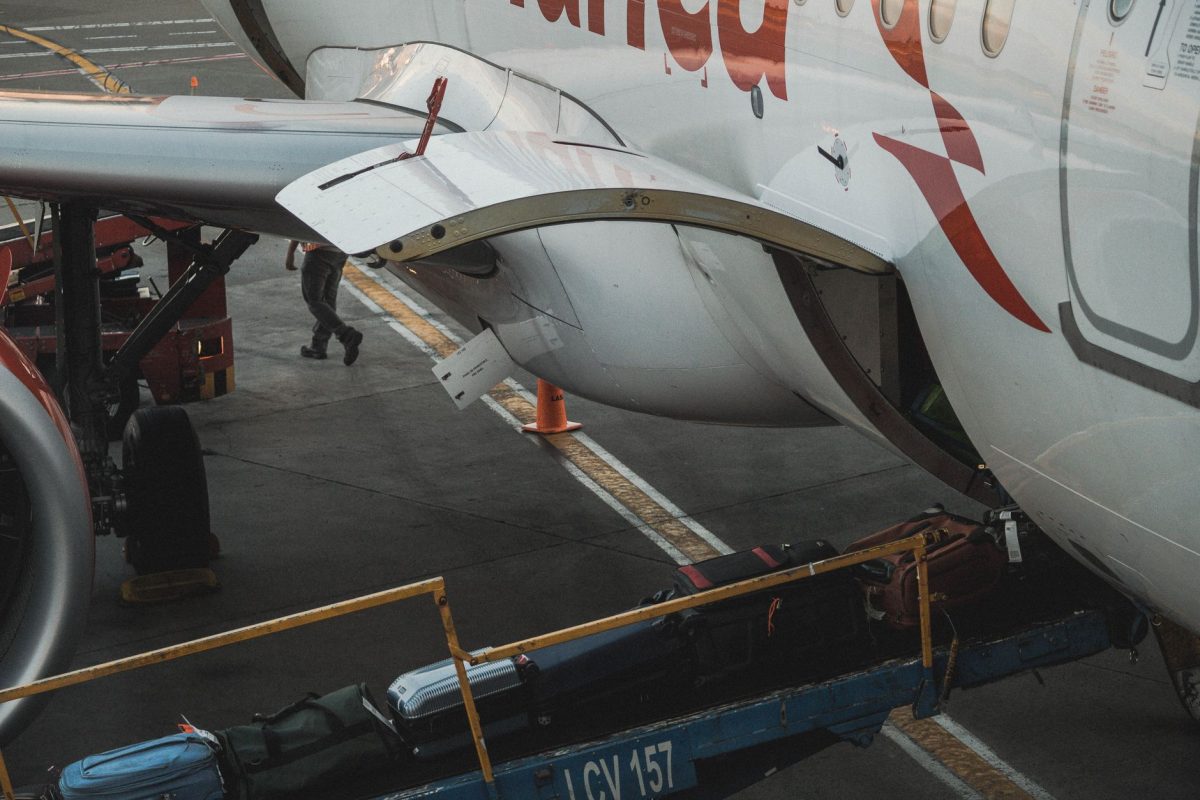
A loose strap, dangling handle, or half-zipped exterior pocket can slow a bag before it ever reaches the plane. Anything hanging off a suitcase may snag on a conveyor edge, catch during handling, or force staff to pause and secure it. Even when nothing breaks, the extra attention can create a delay at the counter or later in the baggage system.
- Why it matters: bag drop is designed for smooth, compact luggage shapes.
- What can go wrong: straps can tear, pockets can open, and tags can get pulled loose.
- What to check: tuck backpack straps, tighten compression bands, and close every zipper before the line.
A neat suitcase is easier to scan, lift, and route than one with parts flapping around.
The Checked Power Bank

Packing a power bank in a checked suitcase can create problems because spare lithium batteries and portable chargers are generally expected to travel in carry-on baggage, subject to airline and security rules. If a checked bag is flagged, the traveler may be called back, the bag may need extra screening, or the item may have to be removed. None of that is what anyone wants during an early departure.
- Why it matters: battery rules are about safe handling during flight, not convenience.
- Who it helps: anyone traveling with chargers, camera batteries, e-readers, or work devices.
- What to check: review your airline’s battery limits and keep spare batteries accessible in your personal item.
When in doubt, put the power bank in your carry-on before the suitcase is zipped.
The Late Counter Arrival
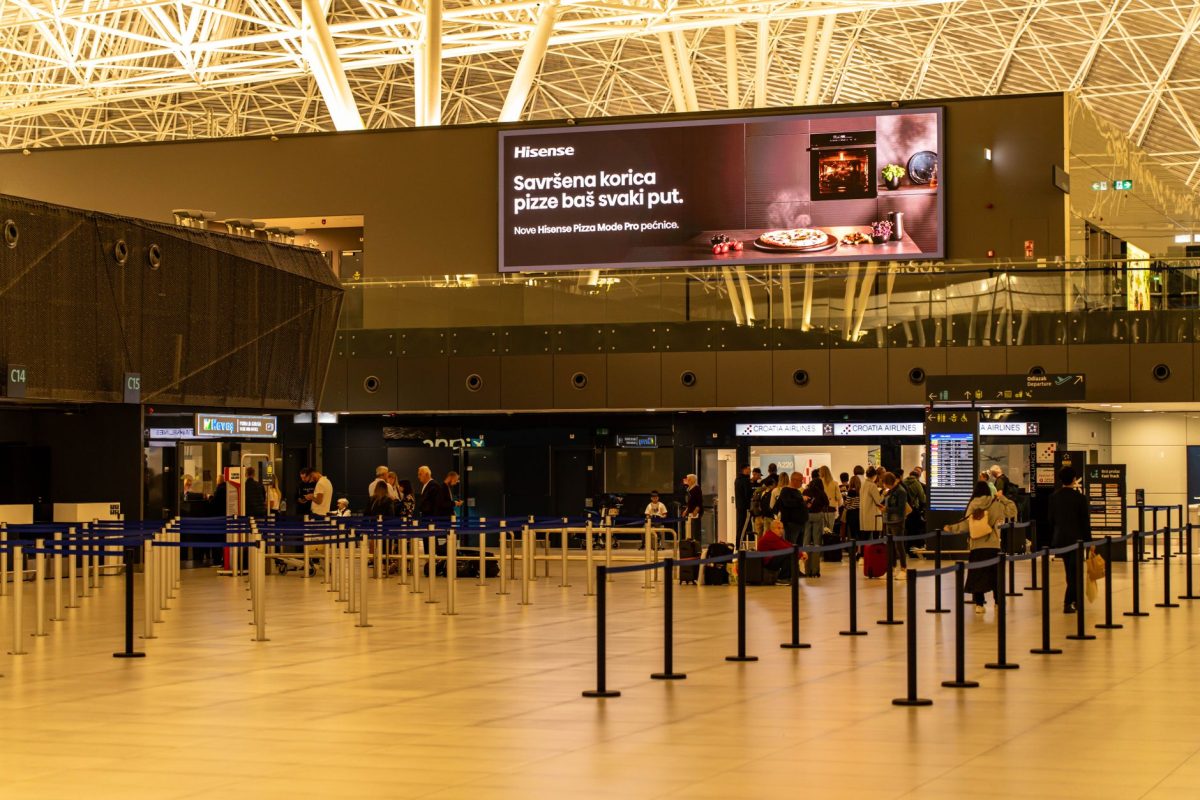
Arriving late for bag drop is different from arriving late with only a carry-on. Checked luggage has its own cutoff time, and that deadline can come before boarding begins. A traveler may still be able to reach the gate, but the bag may not be accepted if the counter or automated drop has closed for that flight.
- Why it matters: morning lines can build quickly when several flights open at once.
- What can go wrong: a slow kiosk, document check, or overweight bag can eat the last safe minutes.
- What to check: look up your airline’s bag drop cutoff for the exact airport and route.
For checked bags, the goal is not just getting to the airport; it is clearing bag drop with a buffer.
The easiest bag drop fixes happen before the ride to the airport: weigh the suitcase, clear old tags, secure straps, move batteries to carry-on, and check the airline’s cutoff time. A few quiet minutes at home can prevent the kind of counter delay that makes the first morning of travel feel rushed before the trip has even started.
This article was created with AI assistance and reviewed for clarity, sourcing, and editorial quality.
