
The slowest part of a morning flight can happen before security, especially when a checked bag turns a simple airport arrival into a line-hopping scramble.
Morning flights look efficient on paper: fewer errands first, less traffic for some travelers, and a full day waiting at the destination. Then the bag-drop area gets involved. A missing app check-in, a suitcase that tips the scale, or the wrong counter row can burn the cushion you thought you had. These five small bag-drop mistakes are easy to overlook at home, but they are exactly the kind that can make an early airport run feel late before you even reach security.
The App Check-In Gap
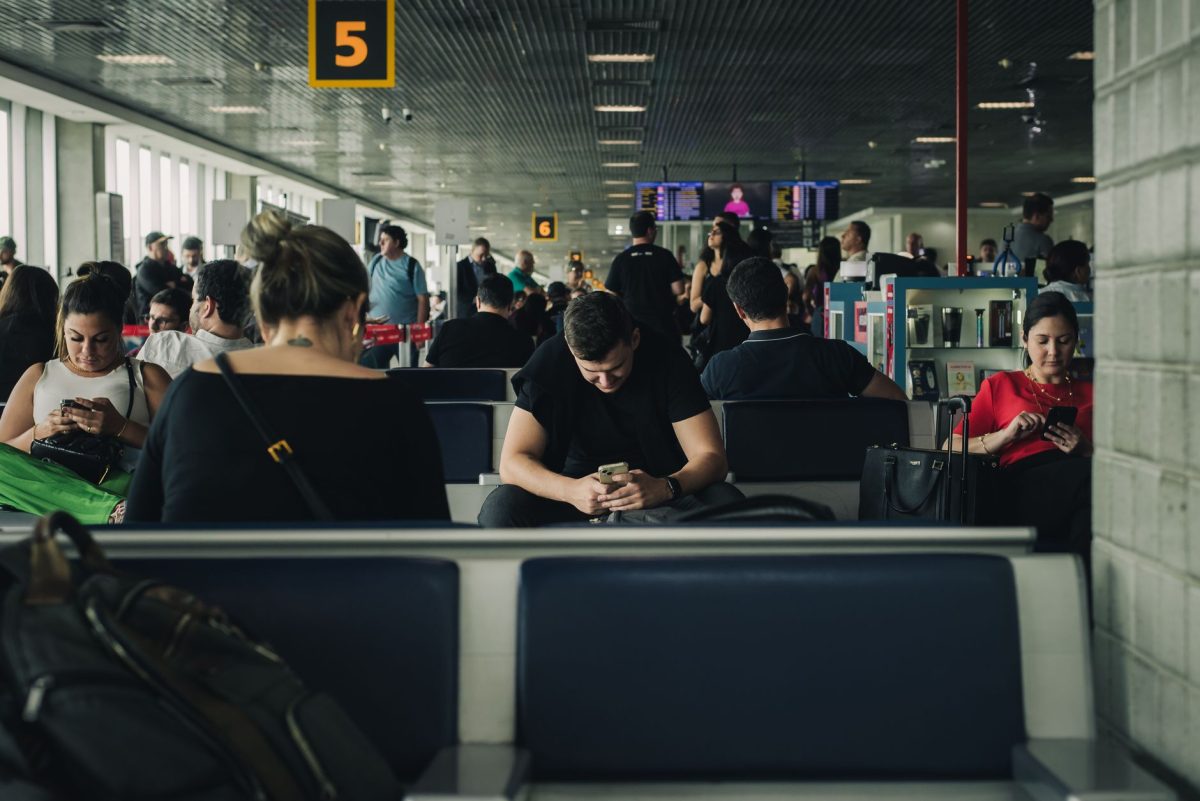
Online check-in is not just a boarding pass shortcut. For many travelers, it is the step that unlocks the fastest path to a bag tag, a self-service kiosk, or a designated bag-drop lane. If you wait until the airport to discover that your passport details, seat assignment, or travel document check is incomplete, the morning can shift from quick drop to full-service counter line.
- Open the airline app the night before and confirm every traveler is checked in.
- Make sure passport or ID details match the booking exactly.
- Screenshot boarding passes in case airport Wi-Fi is slow.
This habit helps families, groups, and occasional flyers most because one incomplete passenger can slow the whole party. If the app says you must see an agent, treat that as a time warning, not a minor note.
The Overweight Suitcase
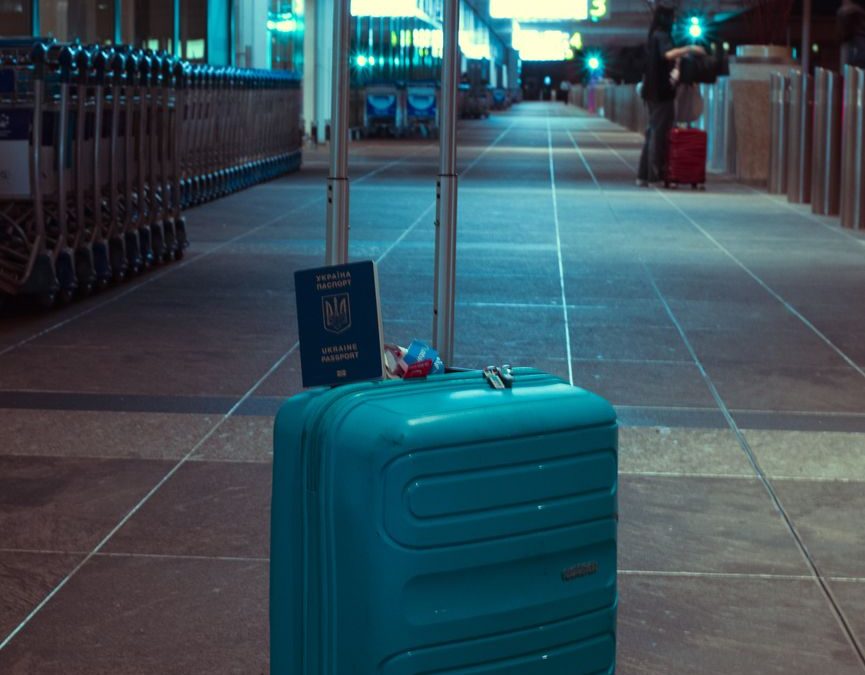
A heavy suitcase is a small problem at home and a public delay at the counter. Once the bag hits the airport scale, repacking becomes a floor show: jackets come out, shoes move to backpacks, and the line behind you keeps growing. Even when the fee is acceptable, the decision takes time because you may need to pay, repack, or move items between travelers.
- Weigh checked bags before leaving for the airport.
- Leave a little margin for souvenirs, damp clothing, or scale differences.
- Keep dense items like shoes and chargers easy to move if needed.
This matters most on early flights because there is less patience for surprise sorting at the counter. A cheap luggage scale or a quick weigh-in at home can protect the calmest part of the morning.
The Wrong Bag-Drop Row
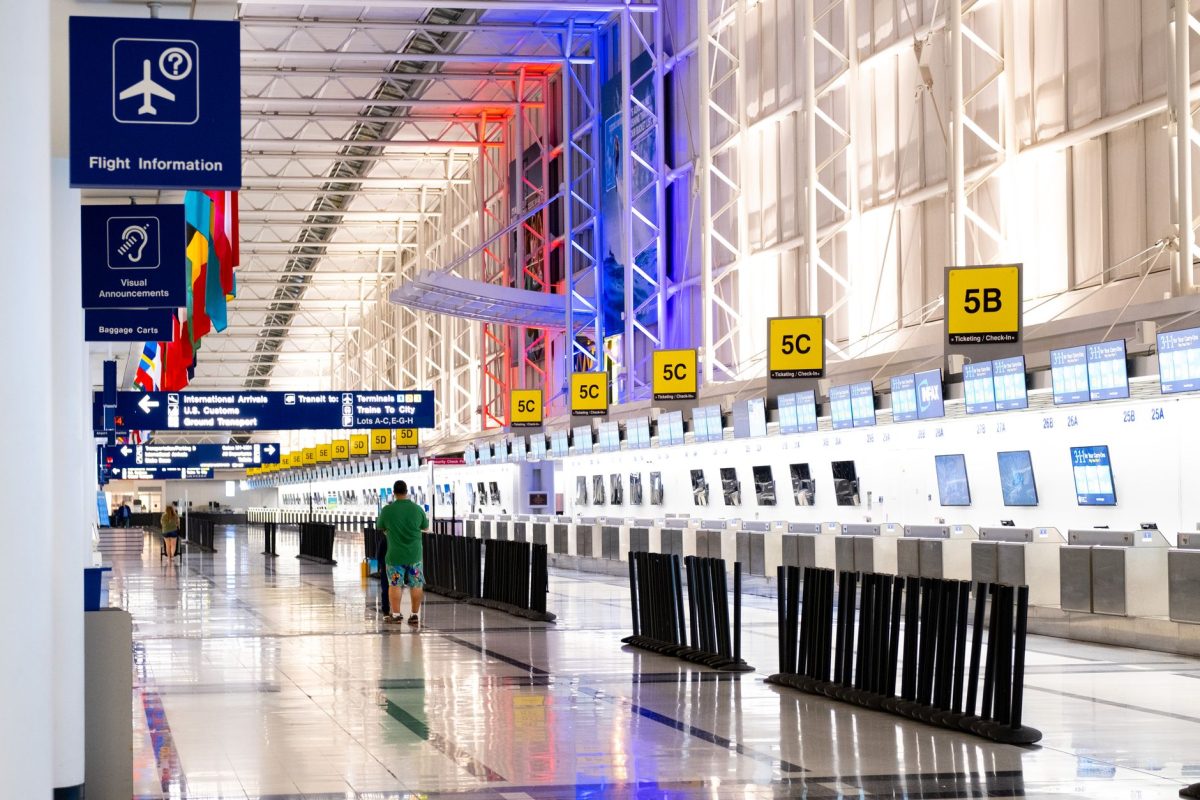
At large airports, the first counter with your airline logo is not always the right place. Some flights use separate rows for domestic, international, priority, self-tag, group travel, or partner airlines. Walking to the wrong zone can cost more time than the actual bag drop, especially if you only realize the mistake after standing in a slow-moving line.
- Check the airport app or departure board before joining any queue.
- Look for flight number, destination, or service class on the overhead signs.
- Ask a roving airport or airline employee before the line commits you.
This helps travelers using unfamiliar airports, codeshare flights, or early departures with limited staffing. The key is to verify the row first, then relax. A two-minute sign check can prevent a twenty-minute reset.
The Bag-Tag Jam
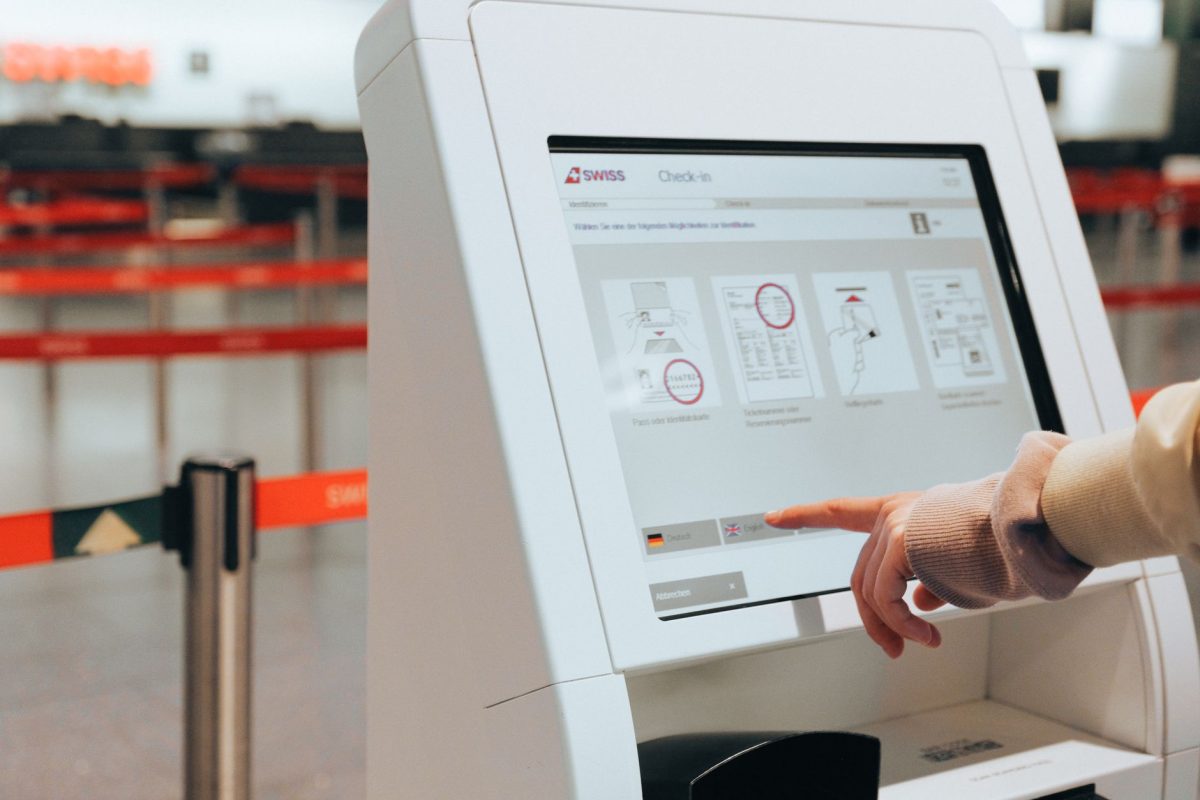
Self-tag kiosks are fast only when the traveler knows the sequence. The slowdown often comes from small things: scanning the wrong code, sticking the tag over the handle, missing the peel strip, or forgetting to keep the claim receipt. If the tag is loose, unreadable, or placed incorrectly, an agent may have to redo it before the bag can enter the system.
- Read the kiosk screen before tapping through.
- Attach the tag where it can hang cleanly from the suitcase handle.
- Save the small claim receipt until the trip is over.
This habit helps anyone trying to avoid the staffed counter. It also protects the traveler behind you, because a confident tag-and-drop rhythm keeps the line moving instead of turning each kiosk into a tutorial station.
The Oversize Counter Detour
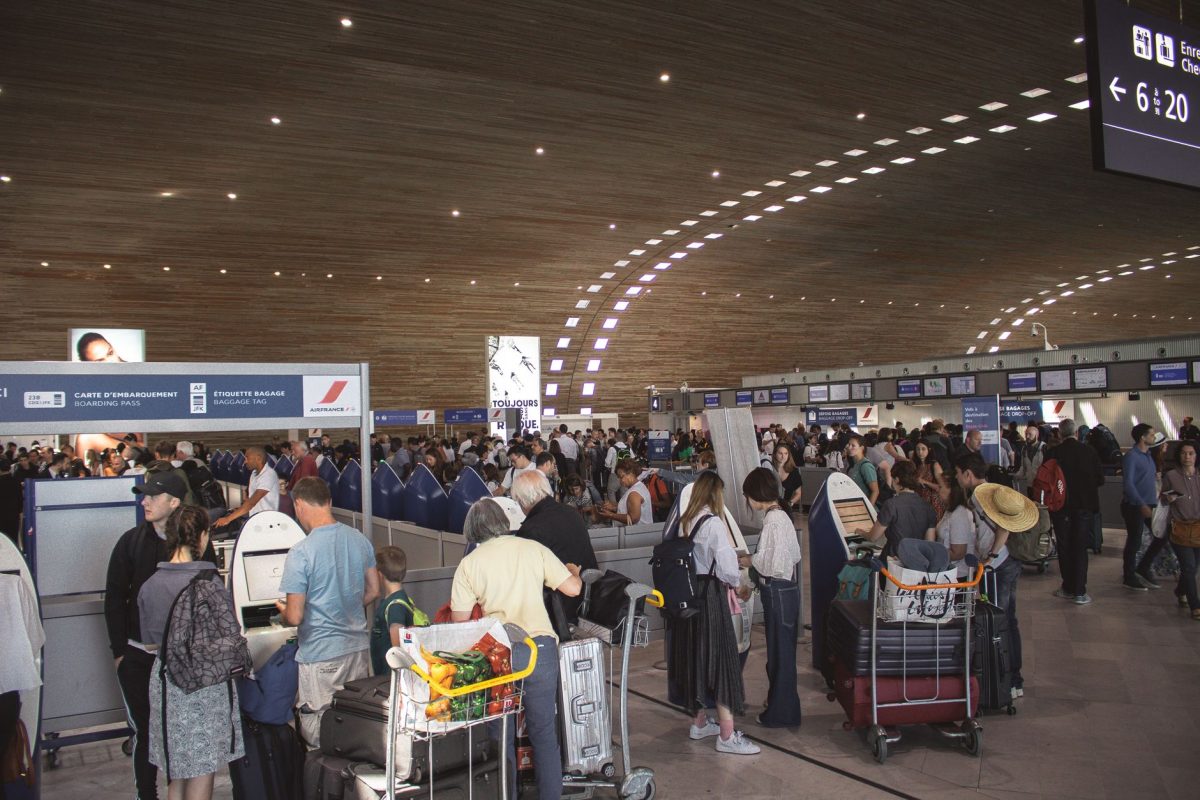
Special items rarely move like normal suitcases. Golf clubs, skis, strollers, car seats, musical instruments, and bulky duffels may need a different counter, an extra inspection, or a separate belt after the main tag is printed. The surprise is not always the fee; it is the extra walk across the terminal when boarding time already feels close.
- Check your airline rules for sports gear, baby equipment, and oversized bags.
- Look up where oversize baggage is accepted at that airport.
- Build in time for an agent to inspect or redirect the item.
This affects families and vacation travelers more than business flyers because their bags often include irregular shapes. If one item needs a detour, send one adult with it while the rest of the group keeps documents and carry-ons organized.
A smoother morning bag drop usually starts before the airport: check in, weigh the suitcase, confirm the correct row, understand the kiosk, and flag any oversize item early. None of these habits guarantees a delay-free trip, but each one removes a common decision point from the most rushed part of the day. Before your next early flight, treat bag drop as its own step, not just a stop on the way to security.
This article was created with AI assistance and reviewed for clarity, sourcing, and editorial quality.
