
A cheap train fare can stop looking cheap when the fine print clashes with your real travel day.
A city break by train feels simple: book the fare, pack light, arrive near the center. The trouble usually starts in the small print. A ticket can look flexible until the clock runs out, a connection is treated as separate, or a seat is not included when you assumed it was. Before your next weekend away, these are the ticket lines worth checking while you still have time to fix them.
The Exchange Window
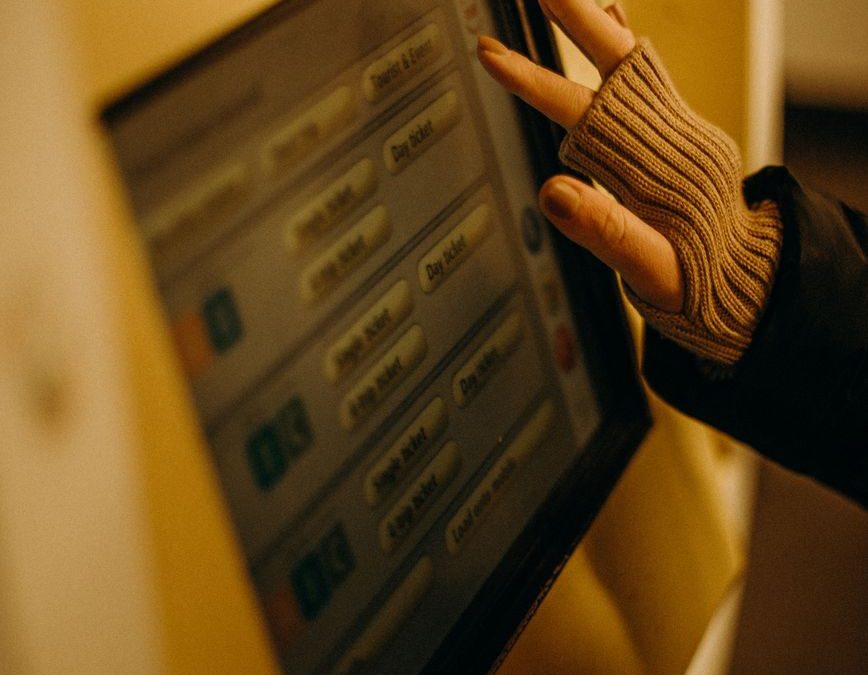
The exchange window is the part of the ticket that tells you when a change is still cheap, when a fee begins, and when the fare becomes locked. It matters most on short city breaks because plans shift easily: a late meeting, a longer lunch, or a delayed museum entry can push you toward a different train. Some rail operators allow changes until a set time before departure, while others reduce flexibility close to travel or after the train leaves.
- Check whether changes are free, paid, or not allowed.
- Look for the last change time, not just the departure time.
- Confirm whether a changed ticket becomes non-refundable.
What can go wrong: waiting until the platform to switch trains may leave you paying a new fare instead of a small fee.
The Named Train Rule
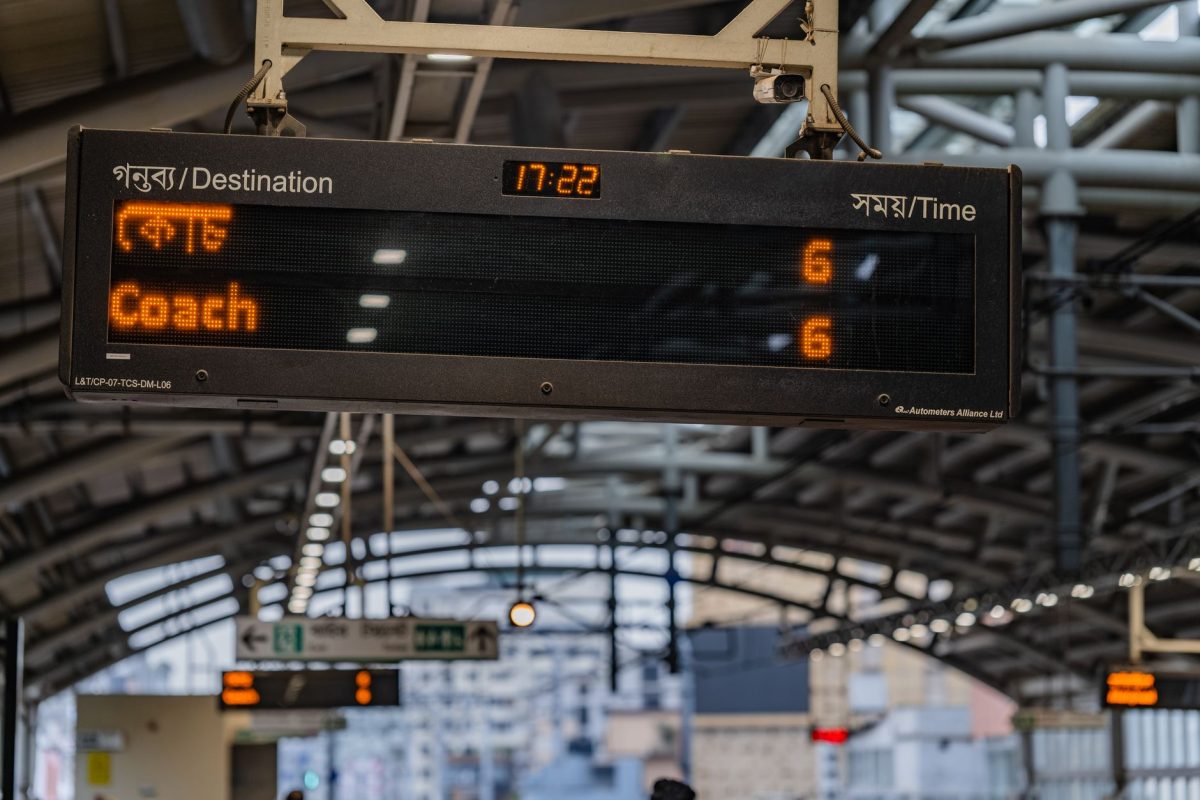
The named train rule is easy to miss because it hides behind friendly words like saver, advance, promo, or discounted. Many lower fares are valid only on the specific train printed on the ticket. That can be fine when your schedule is solid, but risky when your city break starts after a flight, a long drive to the station, or a tight hotel checkout. If you board an earlier or later train without permission, staff may treat the original ticket as invalid.
- Check the exact train number or departure time on the ticket.
- See whether the fare allows any train that day or only one service.
- Give yourself a bigger buffer if another mode of transport comes first.
Who it helps: travelers chasing the lowest fare but still needing real-world flexibility.
The Seat Reservation Line
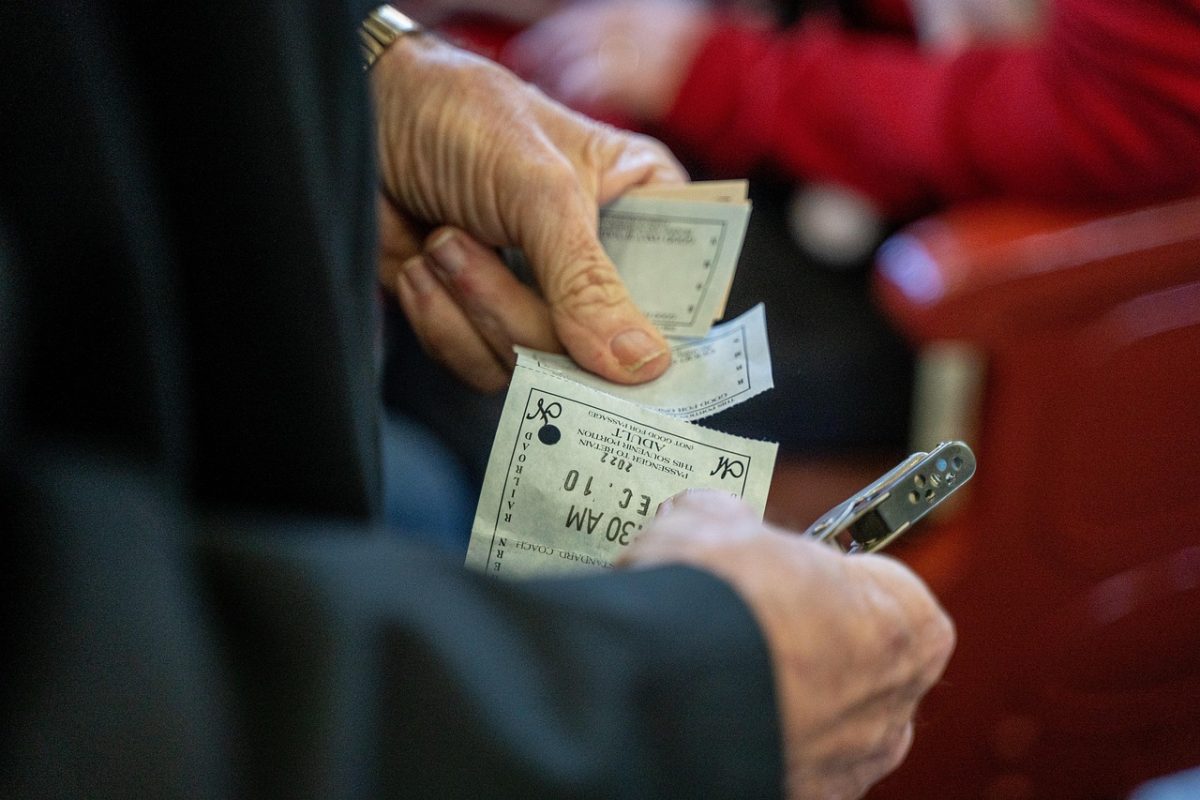
The seat reservation line tells you whether your ticket includes a guaranteed place to sit or only the right to travel. On some services, a reservation is mandatory and bundled into the ticket. On others, it may be optional, limited, or sold separately. This detail matters more on Friday evenings, holiday weekends, and popular city routes, when standing with a weekend bag for two hours can turn a bargain trip into a grind.
- Look for a coach number and seat number, not just a carriage class.
- Check whether seat selection costs extra before checkout.
- For families, confirm whether seats are together rather than randomly assigned.
What to check next: if the ticket says no reserved seat, decide whether the savings are worth the uncertainty.
The Split-Ticket Connection
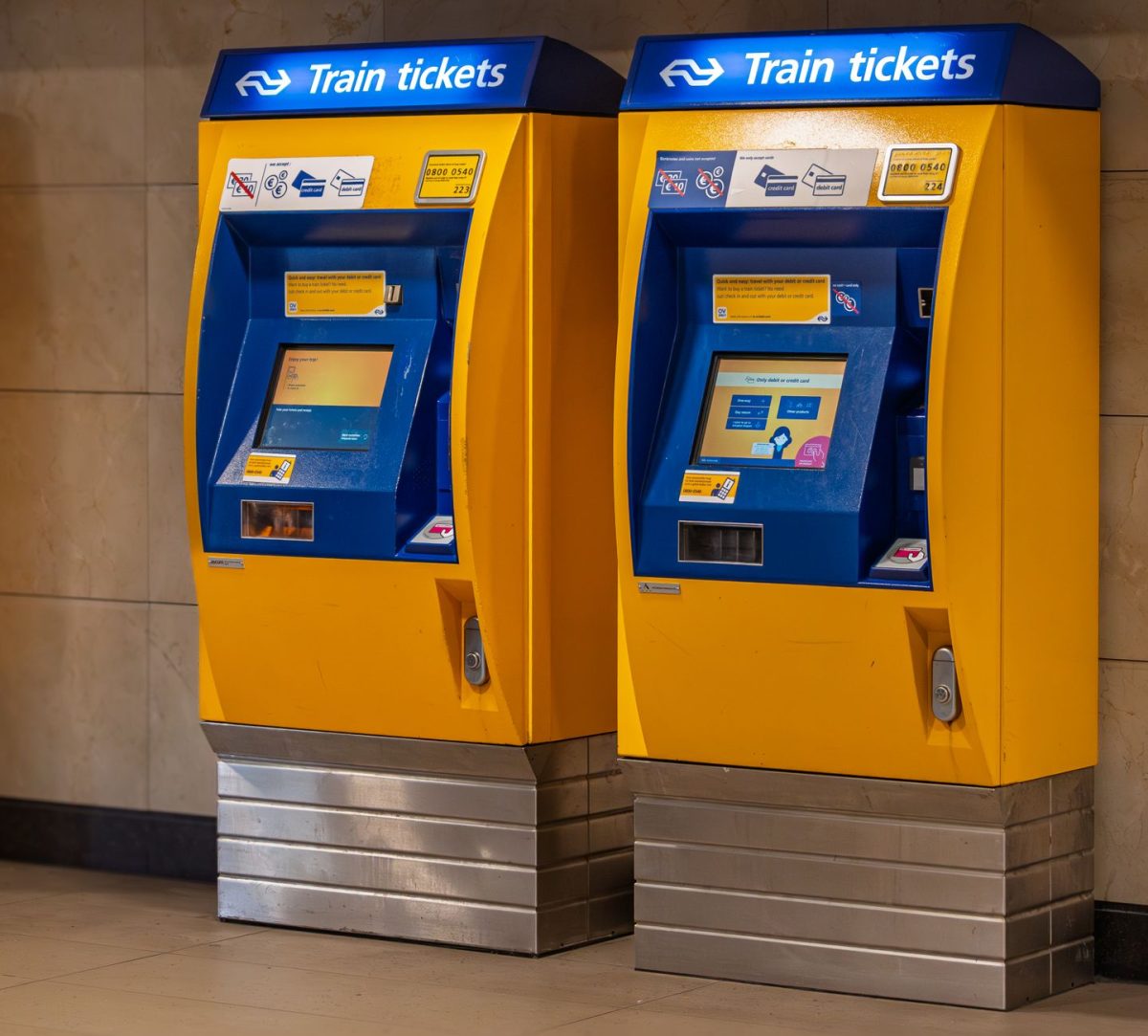
The split-ticket connection can save money, but it can also shift the risk onto you. If your city break itinerary uses separate tickets for different legs, each ticket may have its own rules for refunds, exchanges, and missed connections. A delay on the first train does not always mean the next operator or fare type will protect you automatically. The detail to study is whether the journey is sold as one through ticket or as separate purchases.
- Check whether all legs appear in one booking reference.
- Compare the minimum connection time with your actual station layout.
- Read the rules for each leg, not just the first train.
What can go wrong: a cheap connection can become expensive if you need to buy a replacement ticket at the station.
The Bike and Bag Allowance
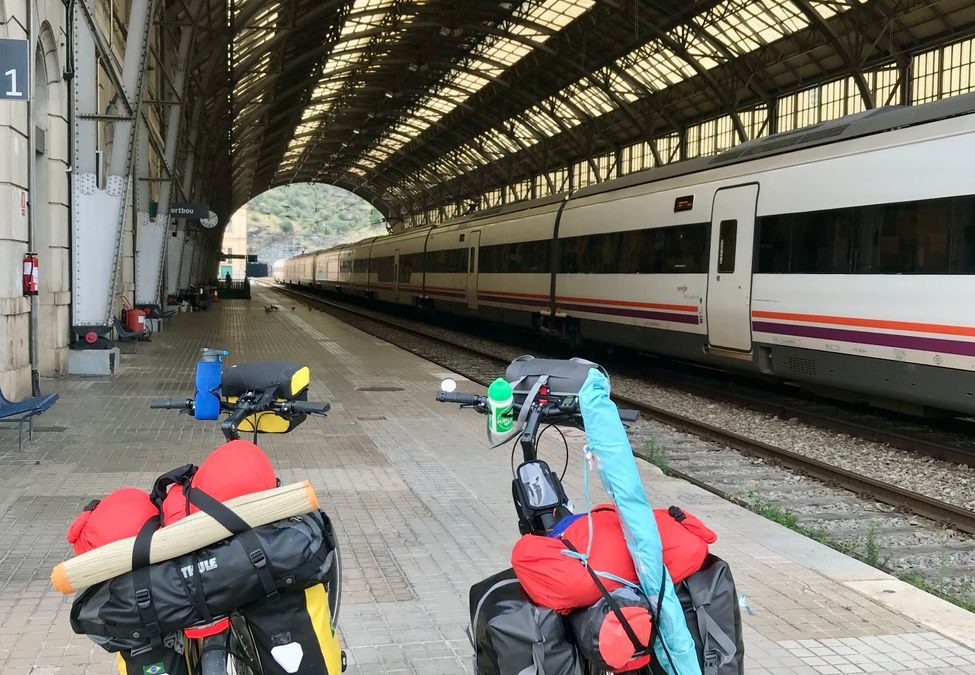
The bike and bag allowance is not always obvious during a quick fare search. City breaks often involve extras: a folding bike, a large suitcase, a stroller, skis, or shopping bags for the ride home. Some trains require bike reservations, limit oversized luggage, or charge for add-ons that were not part of the base fare. Even when enforcement varies, the stress usually appears at boarding, when there is little time to solve it neatly.
- Check size limits for bags before assuming a suitcase is included.
- Reserve bike space early if the route requires it.
- Look for rules on strollers, pets, and bulky sports gear.
Who it affects: weekend travelers packing more than a small backpack, especially on crowded intercity routes.
The cheapest train ticket is only the best deal if it still fits your trip. Before paying, slow down for the lines about changes, train validity, seats, connections, and add-ons. Save the ticket terms with your confirmation email, screenshot the fare rules, and check them again before the return journey. A minute of reading can prevent the most annoying kind of travel cost: the one you only discover when you are already at the station.
This article was created with AI assistance and reviewed for clarity, sourcing, and editorial quality.
