
The right stop is not always the biggest attraction. Sometimes it is the pullout that gives everyone ten minutes to reset before the next stretch of road.
A road trip can start to feel rushed long before anyone admits it. The signs are familiar: snacks become lunch, the best view flashes by the passenger window, and every stop feels like a negotiation. Choosing better pullouts ahead of time can change the rhythm of the whole day. These five roadside stops are small enough to fit into a drive, but useful enough to make the miles feel less like a race.
Sunrise Overlook
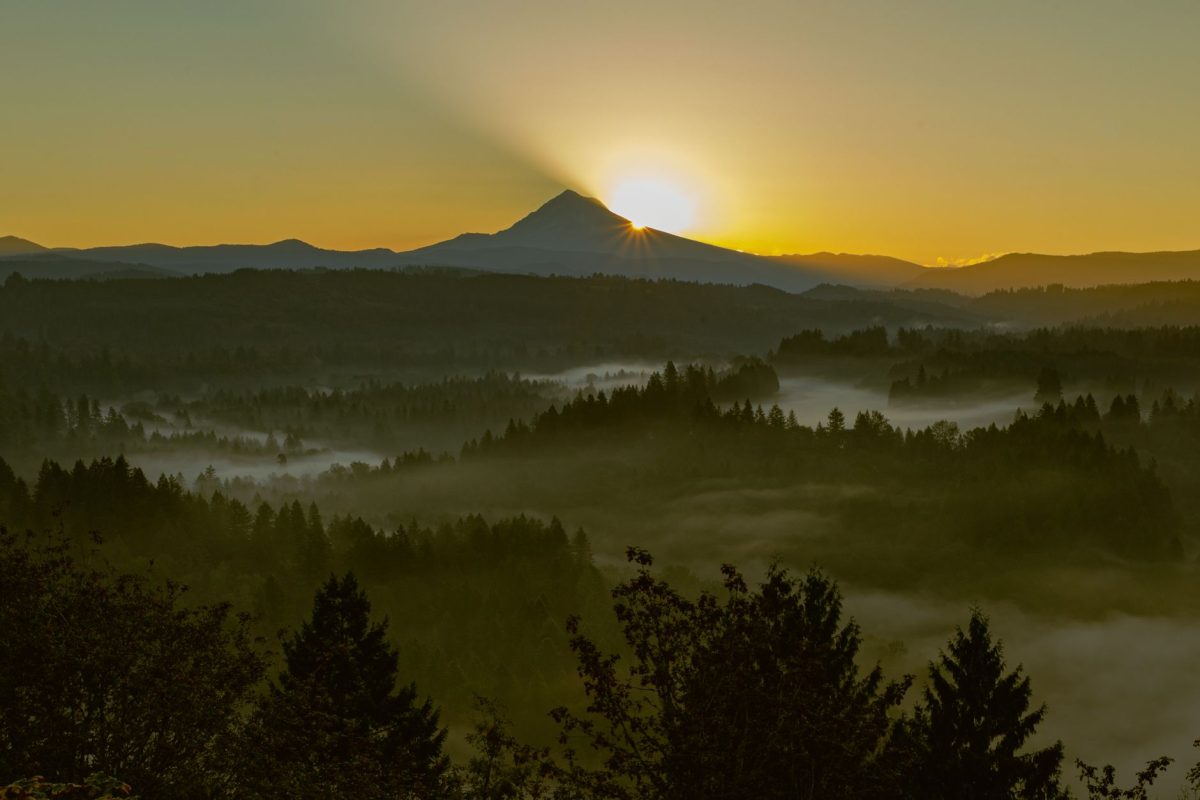
A sunrise overlook works best when the day has a long drive ahead and everyone is tempted to push straight through. Stopping early gives the trip a clear first reward before traffic, heat, and crowded parking lots build up. It also helps drivers take a real break instead of treating coffee and fuel as the only pause.
- Check first: whether the pullout faces east or has an open horizon.
- Watch for: limited shoulder space, fog, or icy pavement in colder months.
- Who it helps: early risers, photographers, and families who need a calm start.
The mistake is assuming every overlook is equally good at any hour. Some are forgettable at midday but memorable for ten quiet minutes at first light.
River Picnic Area
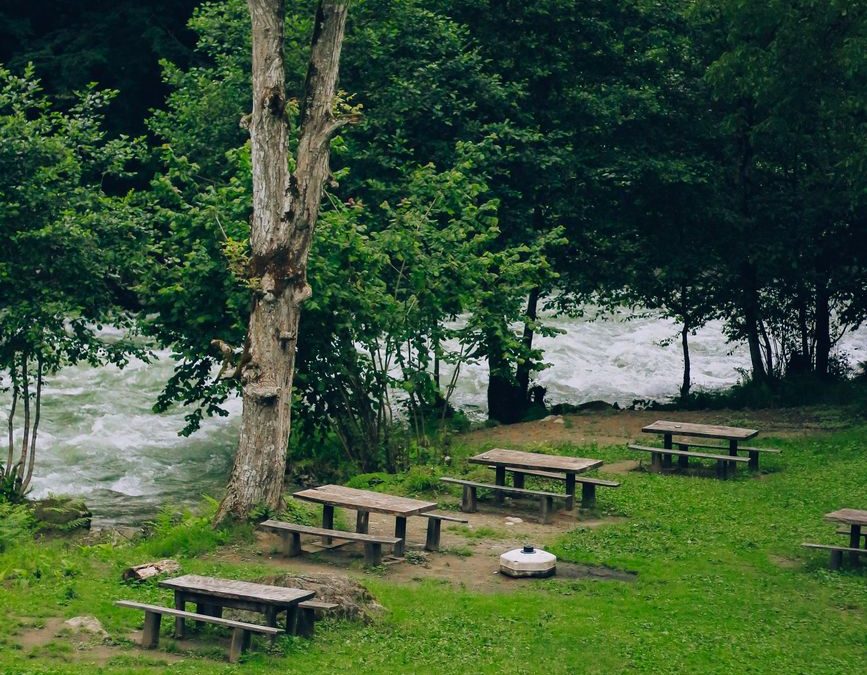
A river picnic area can save a travel day from becoming one long chain of drive-thru meals and cramped seats. It gives passengers a reason to get out, move around, and eat without feeling like they are losing half the afternoon. The sound of water also makes even a short stop feel more restorative than a gas station bench.
- Check first: whether tables, trash cans, and restrooms are actually available.
- Watch for: muddy banks, fast water, mosquitoes, or seasonal closures.
- Who it helps: families, dog owners, and anyone trying to avoid another expensive roadside meal.
The key is keeping the stop simple. Pack food where it can be reached quickly, or the picnic becomes another unpacking project.
Visitor Center Viewpoint
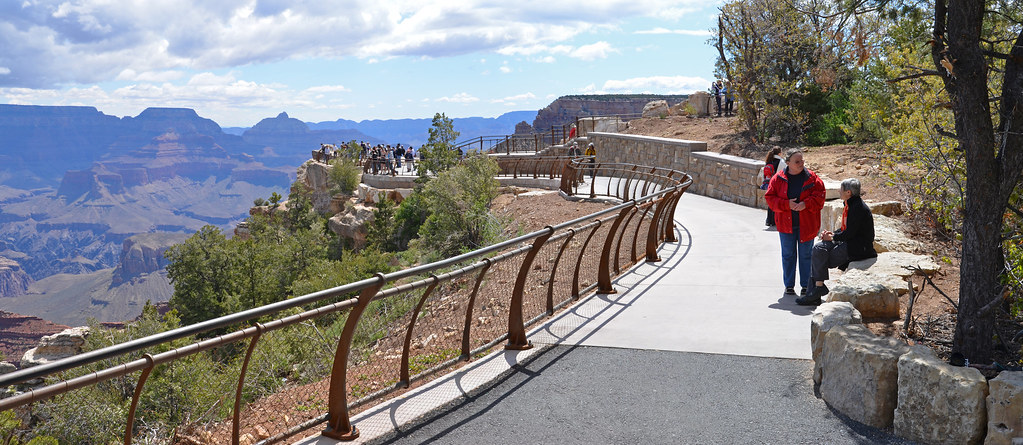
A visitor center viewpoint is useful because it combines scenery with answers. Instead of guessing which road, overlook, or restroom comes next, travelers can use one stop to reset the plan. This is especially helpful in national parks, state parks, scenic byways, and rural areas where phone service may fade at exactly the wrong moment.
- Check first: hours, parking limits, and whether the viewpoint is outside the building.
- Watch for: lines for restrooms, tour bus arrivals, or gift shop distractions.
- Who it helps: planners, first-time visitors, and drivers deciding whether to continue or turn back.
Do not treat it as just a souvenir stop. A quick look at maps and road conditions can prevent a rushed detour later.
Trailhead Turnout
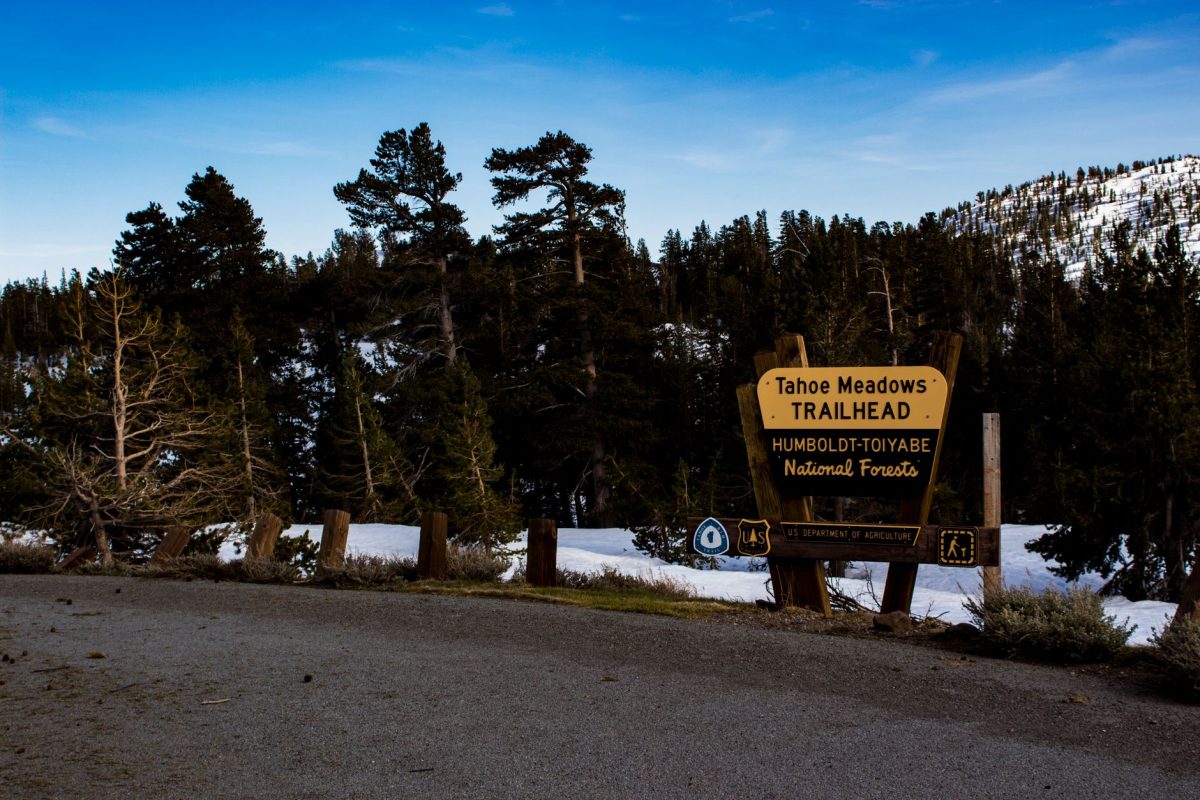
A trailhead turnout is ideal when the group needs movement but does not have time for a full hike. Even a ten-minute walk to a creek, meadow, or viewpoint can break up the stiffness of a long drive. It also gives restless passengers a specific task instead of another vague stop to stretch.
- Check first: trail length, surface, elevation gain, and whether the route is clearly marked.
- Watch for: no-service areas, overflowing lots, hunting seasons, or weather changes.
- Who it helps: active travelers, couples, and families with kids who need to burn energy.
The wrong trailhead can waste time quickly. If the map is unclear or the lot feels unsafe, use it as a stretch stop and move on.
Lake Boat-Ramp Pullout
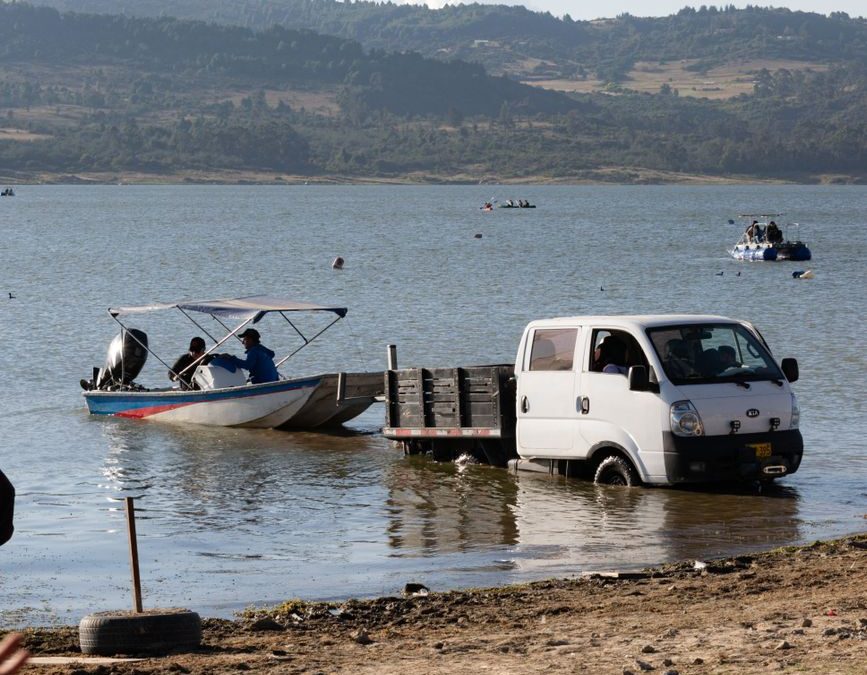
A lake boat-ramp pullout can be one of the easiest ways to add breathing room to a road trip, especially on routes that skim reservoirs, state recreation areas, or quiet shore roads. The view is usually open, the stop is easy to understand, and passengers can step out without committing to a major attraction. It can also be a practical place to reorganize the car before the next leg.
- Check first: whether public parking is allowed and if fees apply.
- Watch for: boat trailers backing up, slippery pavement, and no-parking zones.
- Who it helps: drivers who need a mental reset and travelers who want water views without a long detour.
Use extra care around ramps. They are working access points, not just scenic photo spots.
The best pullout is not always the one with the biggest sign. It is the stop that fits the hour, the weather, the people in the car, and the road still ahead. Before your next long drive, mark a few possible overlooks, picnic areas, visitor centers, trailheads, and lake stops. Then treat them as flexible pressure valves, not obligations. A road trip feels less rushed when the pauses are chosen on purpose.
This article was created with AI assistance and reviewed for clarity, sourcing, and editorial quality.
