
Some travel gear solves a real problem. Some just solves the anxiety you feel while packing.
The most tempting travel gadgets usually promise the same thing: less stress, more comfort, and a suitcase that behaves. Then the trip ends, the gadget gets wiped off, folded up, or shoved into a closet, and it quietly misses every vacation after that. The issue is not always that the product is bad. Often, it is too bulky, too specific, too awkward in public, or too easy to replace with something already in your bag.
Neck Pillow

The neck pillow is the classic pre-trip purchase: soft in the store, practical in theory, and oddly difficult to love once the journey starts. It helps some long-haul flyers, especially people who can sleep sitting up, but it can also become a bulky souvenir of your own optimism. Many travelers discover that it pushes their head forward, gets warm around the collar, or dangles awkwardly from a bag for the rest of the day.
- Why it gets abandoned: it takes up space even when clipped outside a carry-on.
- Who may still need it: overnight flyers, bus travelers, and anyone with a tested sleep routine.
- Check next: whether it compresses, washes easily, and actually supports your neck in a real seat.
Try it before the trip if possible. A pillow that feels fine for five minutes can feel annoying after five hours.
Packing Cubes
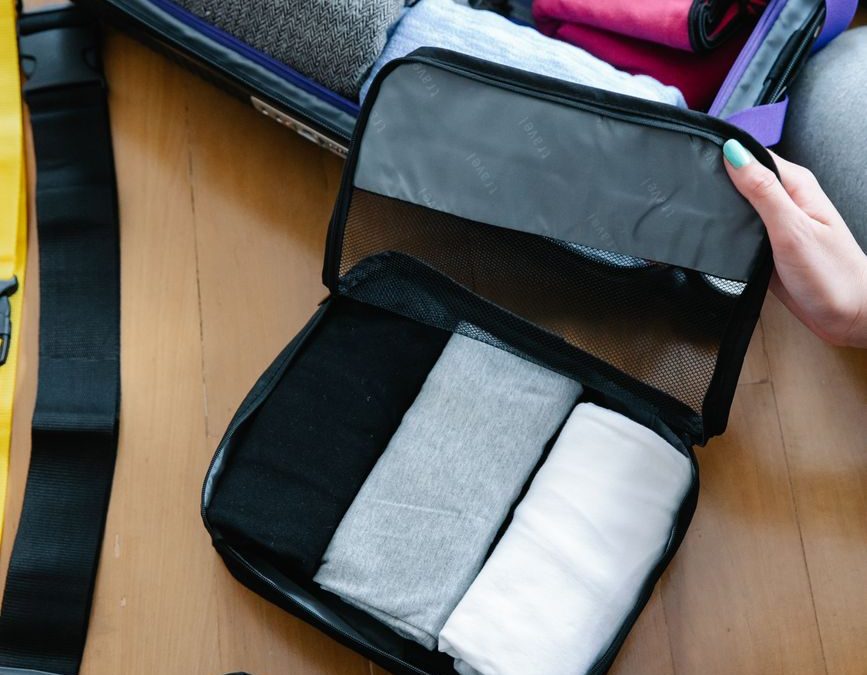
Packing cubes look like the answer to suitcase chaos, and for some travelers they are. The problem comes after the first trip, when the neat system turns into another set of tiny bags to locate, unzip, wash, and repack. They can be great for families, multi-stop trips, or anyone sharing luggage. But travelers who already pack lightly may find that cubes add structure without saving much usable space.
- Why they get abandoned: they create a packing method you have to maintain every time.
- Who they help most: parents, cruise travelers, backpackers, and people changing hotels often.
- What can go wrong: overstuffed cubes become hard bricks that make a carry-on less flexible.
Before buying a full set, test one cube for underwear, swimwear, or chargers. If you do not reach for it again, the six-piece bundle was probably unnecessary.
Portable Luggage Scale

A portable luggage scale feels like a clever defense against surprise baggage fees. It can be genuinely useful for international flights, strict budget airlines, or souvenir-heavy trips. Still, many people use it once, confirm their bag is fine, and then forget it exists. If your usual trips are short, carry-on only, or booked with airlines you know well, the scale may spend more time in a drawer than in your personal item.
- Why it gets abandoned: it solves a problem that does not happen on every trip.
- Who should keep one: frequent flyers, shoppers abroad, students, and travelers checking large bags.
- Check next: battery type, weight limit, and whether the display is easy to read while lifting.
The best test is simple: if you rarely check luggage, borrow one before buying your own.
Universal Travel Adapter
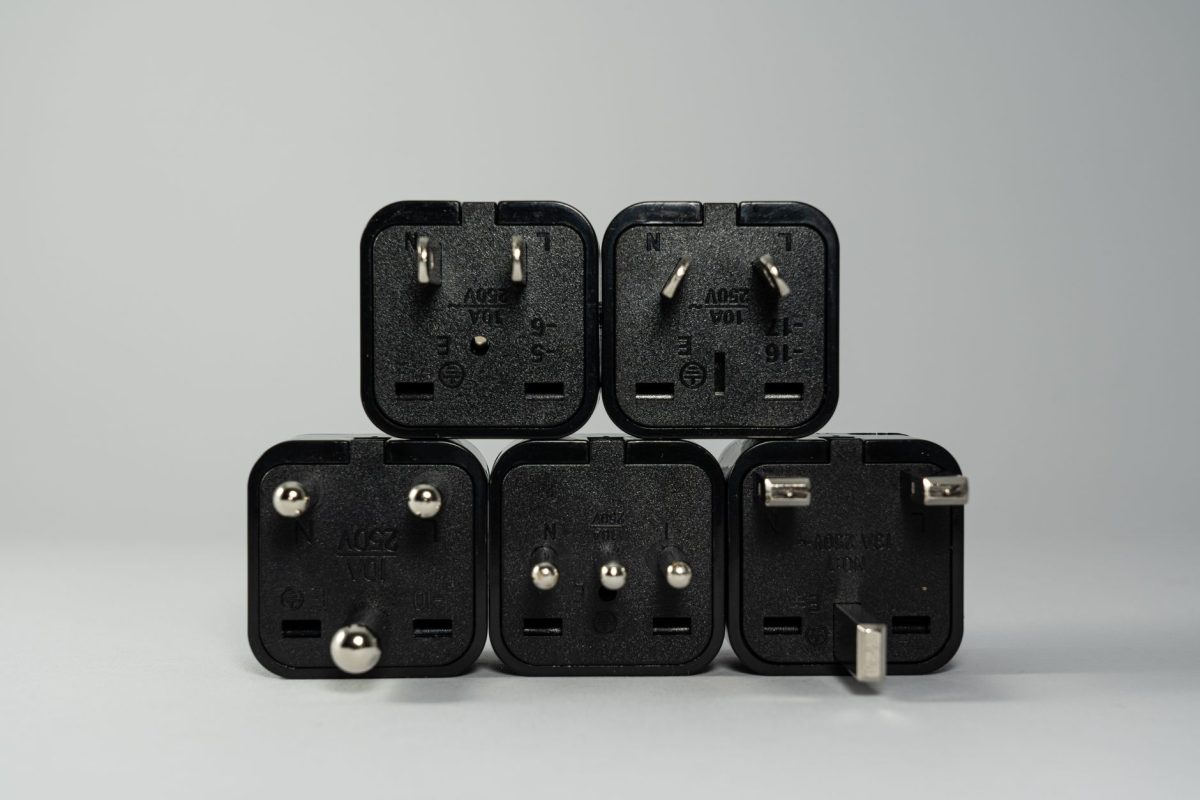
The universal adapter is one of those purchases that feels responsible, especially before a first overseas trip. It can be essential when plug shapes change from country to country. The catch is that it is easy to buy more adapter than you need. A bulky all-in-one block may be awkward in loose outlets, may cover a second socket, or may not convert voltage for devices that require it. After one big trip, it often disappears until the next international itinerary.
- Why it gets abandoned: domestic trips and USB-friendly hotels make it unnecessary most of the time.
- Who it helps: international travelers carrying phones, laptops, cameras, or e-readers.
- What to check: plug type, USB-C ports, voltage compatibility, and whether it is a true converter or just an adapter.
If you travel to one region repeatedly, a smaller country-specific plug may be easier to pack than a universal cube.
Waterproof Phone Pouch
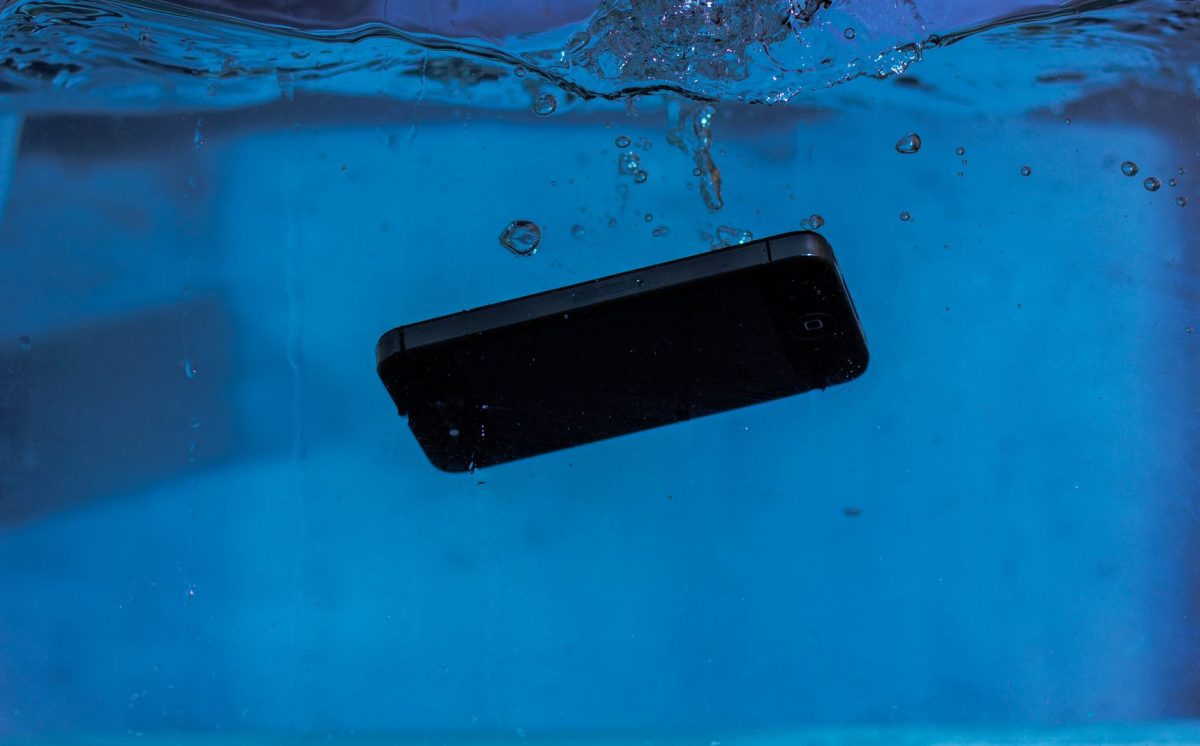
A waterproof phone pouch seems essential when the itinerary includes beaches, boats, waterfalls, or water parks. On the first trip, it may feel like cheap insurance. After that, many travelers realize they do not love taking photos through plastic, wearing a pouch around the neck, or trusting a seal that has been sitting in a drawer since last summer. It can still be smart, but only if it matches how you actually behave around water.
- Why it gets abandoned: it is trip-specific and easy to forget until you are already packing.
- Who should use one: kayakers, snorkelers, cruise passengers, and families spending full days near water.
- What can go wrong: worn seals, trapped condensation, and touchscreens that are harder to use when wet.
Test it with tissue paper in a sink before trusting it with your phone. A five-minute check can prevent a very expensive vacation mistake.
The smartest travel gadget is not the one with the most clever pitch. It is the one you will pack without debating it. Before buying, ask whether the item solves a problem you face often, works with your actual luggage, and is easy to clean, charge, or store after the trip. If the answer is no, renting, borrowing, or skipping it may leave you with more space and fewer forgotten accessories.
This article was created with AI assistance and reviewed for clarity, sourcing, and editorial quality.
