
The giveaway is rarely a camera. It is usually a small pause, a bag, a menu move, or a transit mistake that tells locals someone just arrived.
Most travelers worry about looking too touristy, but locals are not usually judging the camera around your neck. They notice the tiny friction points: where you stop, how you order, when you ride, and what you carry through a crowded street. These habits are common, harmless, and easy to fix once you know what they signal.
The Sidewalk Map Huddle

The fastest giveaway is not being lost. It is stopping in the exact place everyone else needs to pass. Locals tend to read the flow of a sidewalk the way drivers read traffic, so a sudden cluster around a phone map stands out quickly. It can also create tension in narrow old-town streets, subway exits, market lanes, and museum entrances.
- Why it matters: blocking foot traffic makes you easier to notice and easier to bump.
- What to do instead: step beside a wall, doorway edge, plaza bench, or shop window before checking directions.
- Who it helps: families, commuters, delivery workers, and other visitors moving through tight spaces.
The Ticket Machine Freeze
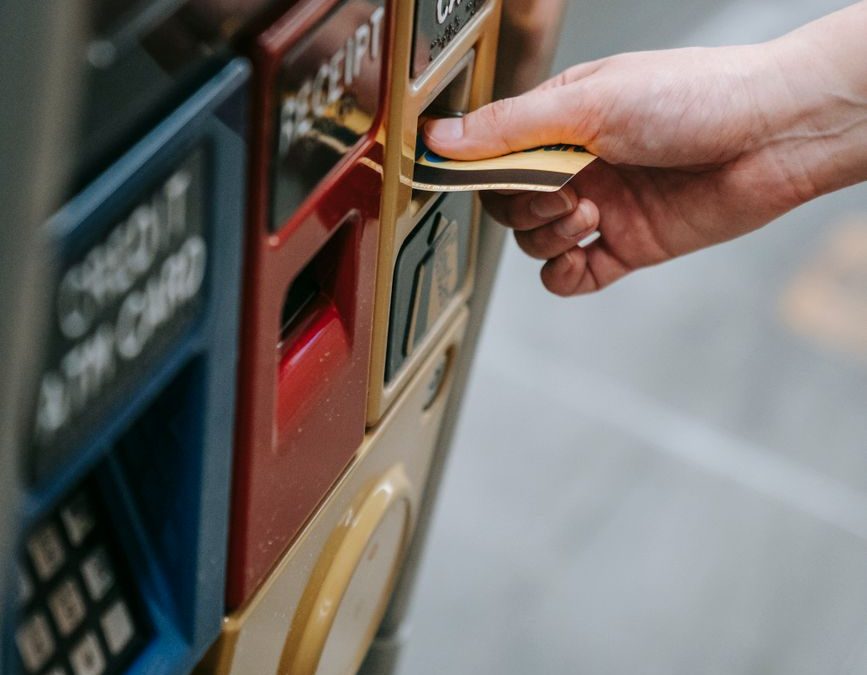
Transit systems often reveal first-time visitors before they reach the platform. Locals usually know which card, app, gate, or fare zone they need, while newcomers pause at the machine and try to decode buttons under pressure. That hesitation is normal, but it becomes stressful when a line forms behind you or a train is about to leave.
- Why it matters: fare mistakes can mean missed trains, extra charges, or awkward turnstile moments.
- What to check next: look up reloadable cards, contactless payment rules, and airport transfer fares before arriving.
- Small fix: move to the side after buying the ticket so you can check the platform without holding the queue.
The Photo Menu Point
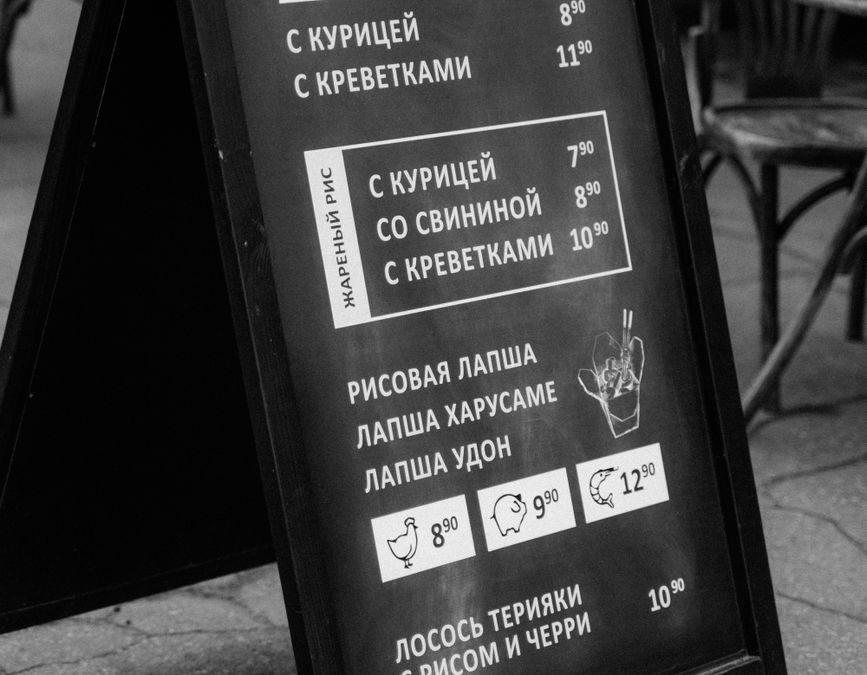
Pointing at food photos is practical when you do not speak the language, but it can also mark you as brand new to a neighborhood. In many tourist districts, the loudest photo menus sit in high-traffic areas where prices, portions, or quality may vary widely. Locals are more likely to scan where residents are eating, what hours a place keeps, and whether the menu changes with the day.
- Why it matters: you may end up paying more for a meal that feels less local than expected.
- Who it affects: travelers with allergies, picky eaters, or tight budgets need extra clarity before ordering.
- What to check next: compare the posted menu, crowd mix, and service charge before sitting down.
The Peak-Hour Suitcase
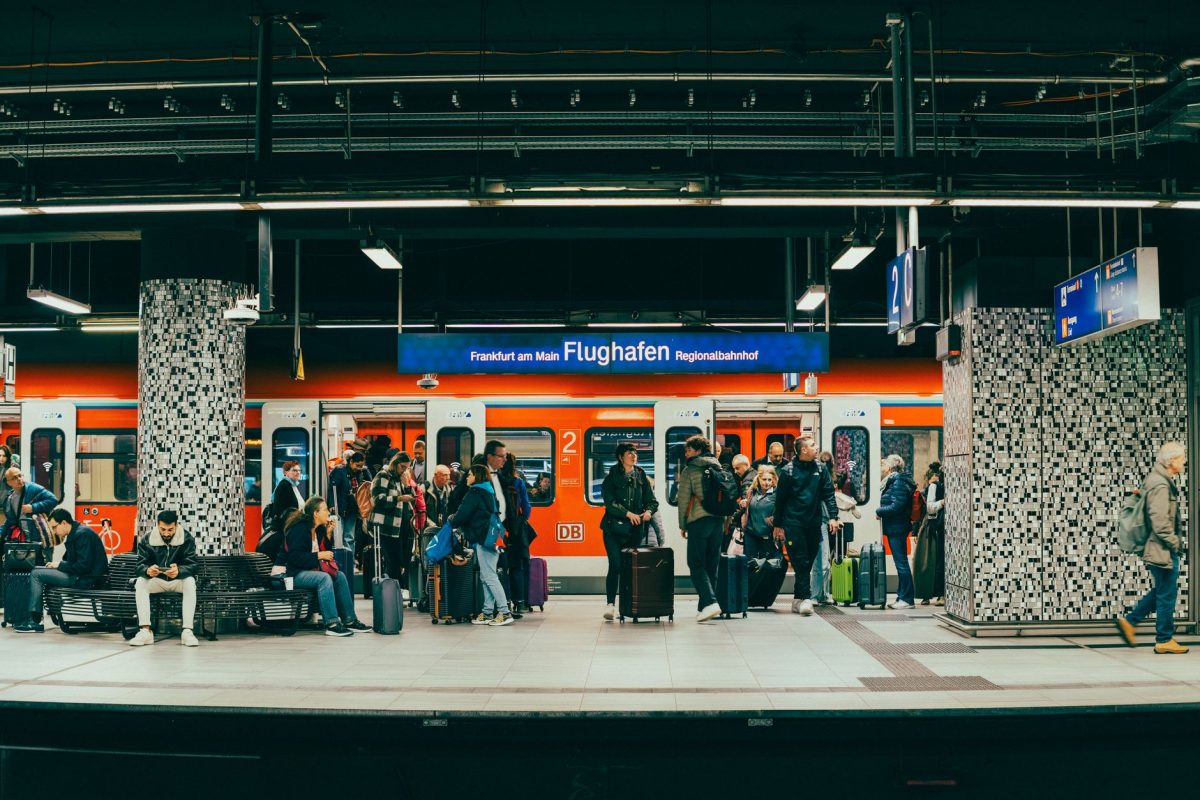
A suitcase at the wrong time can announce a new arrival from half a block away. Locals know which staircases are cramped, which trains are packed, and which sidewalks become impossible during school runs or office rush. A rolling bag that stops at every curb or blocks a train door can turn a simple transfer into a public obstacle course.
- Why it matters: crowded transit leaves little room for luggage, especially near doors and escalators.
- What can go wrong: wheels catch on cobblestones, bags tip on stairs, and people behind you lose patience.
- Better move: travel outside peak hours when possible, or use luggage storage before sightseeing.
The Landmark Selfie Block
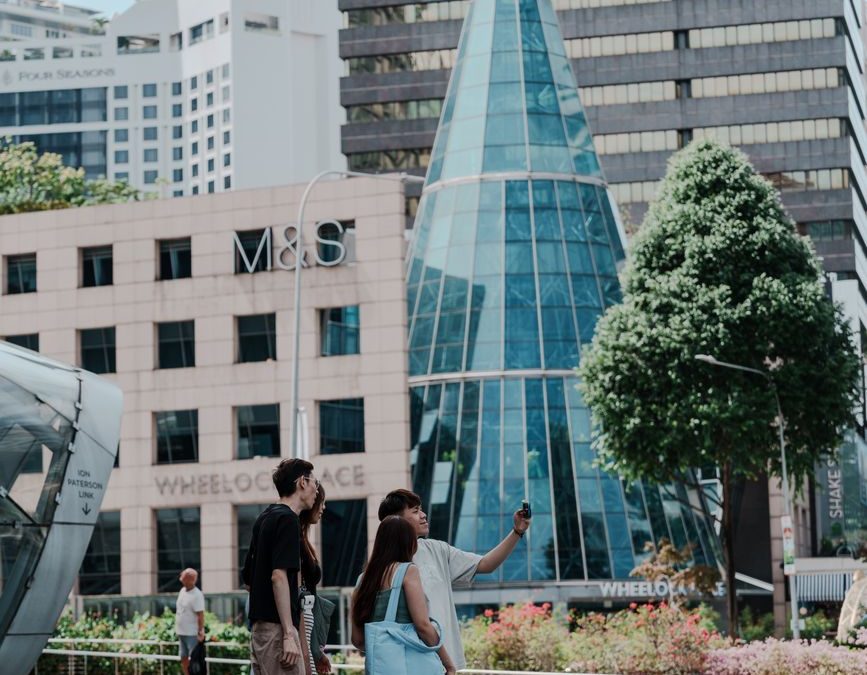
Everyone wants the landmark photo, but first-time visitors often take it from the busiest crossing point instead of the best viewing spot. Locals notice the pose, the sudden stop, and the backpack swing that happens right where people are trying to pass. The photo may also come out worse because the closest angle is not always the most flattering one.
- Why it matters: blocking a bridge, stairway, or station exit can frustrate people and create small safety risks.
- Who it helps: your group, other tourists, guides, and locals all benefit when the walkway stays open.
- What to check next: look for a side plaza, overlook, or marked photo area before posing.
Looking like a first-time visitor is not a travel failure. It usually means you are paying attention, learning the place, and trying not to miss anything. The trick is to pause out of the flow, check the basics before pressure hits, and watch how people around you move through the same space. Do that, and you will still feel curious without broadcasting confusion.
This article was created with AI assistance and reviewed for clarity, sourcing, and editorial quality.
