
America has no shortage of places to watch birds, but some locations stand in a class of their own. Certain spots draw birders back year after year because of what shows up, how reliably it shows up, and how accessible the experience is.
From boreal bogs buried in Minnesota snow to subtropical Texas valleys where the bird life looks more like Central America than the continental U.S., the variety is staggering. These nine hotspots represent the best of what the country has to offer, spread across different regions, seasons, and bird families.
1. South Padre Island and the Lower Rio Grande Valley, Texas
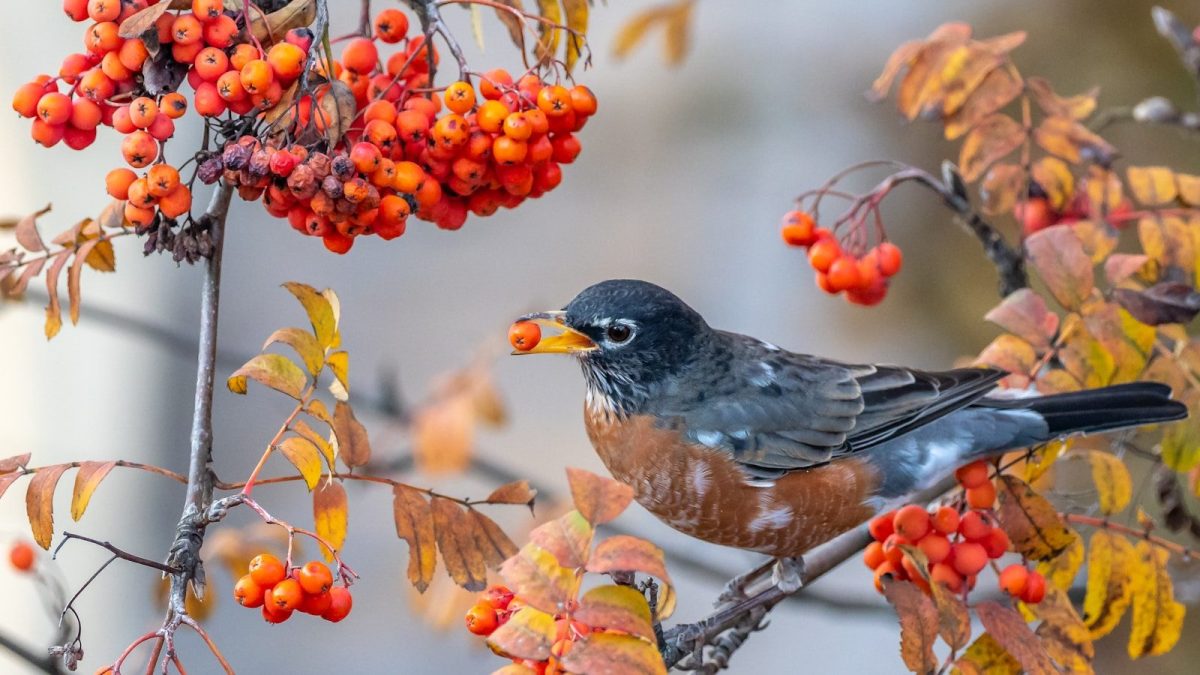
The Lower Rio Grande Valley sits at the meeting point of two major flyways and shares a border with Mexico. Over 500 species have been recorded there, roughly half of every species ever documented in the United States. South Padre Island pulls in huge numbers of migrants during spring, when warblers, tanagers, and flycatchers drop into the first coastal vegetation after crossing the Gulf of Mexico overnight.
The World Birding Center operates nine sites across the valley, covering riparian forest, open wetlands, and everything in between. The best time to visit is April through May. The Rio Grande Valley Birding Festival takes place each November.
2. Magee Marsh Wildlife Area, Ohio
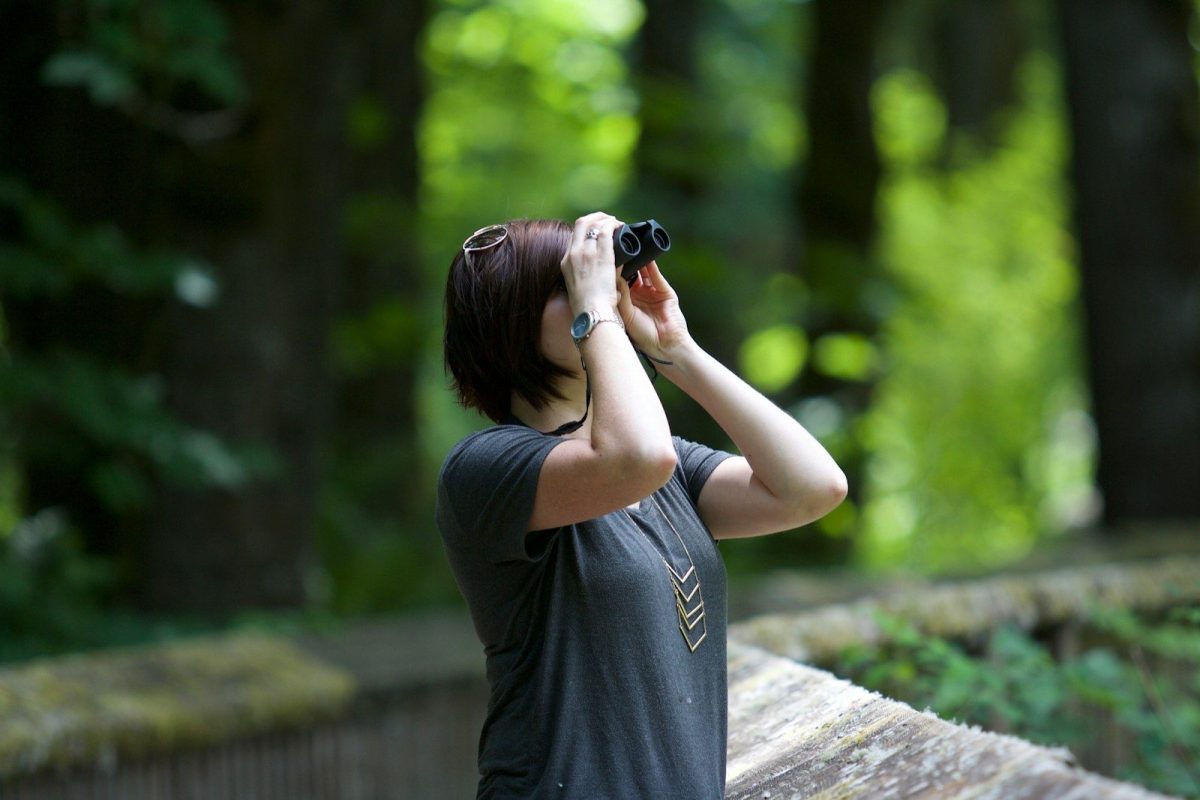
A narrow boardwalk along the southern shore of Lake Erie becomes one of the most extraordinary birding spots in North America every May. Northbound migrants stop to refuel before crossing the lake, piling into the vegetation right alongside the trail.
During the Biggest Week in American Birding festival, 30 or more warbler species in a single morning is a routine outcome. Many birds perch at eye level within arm’s reach, making Magee Marsh just as rewarding for first-timers as it is for dedicated listers. The best time to visit is the first two weeks of May.
3. Southeast Arizona’s Sky Islands
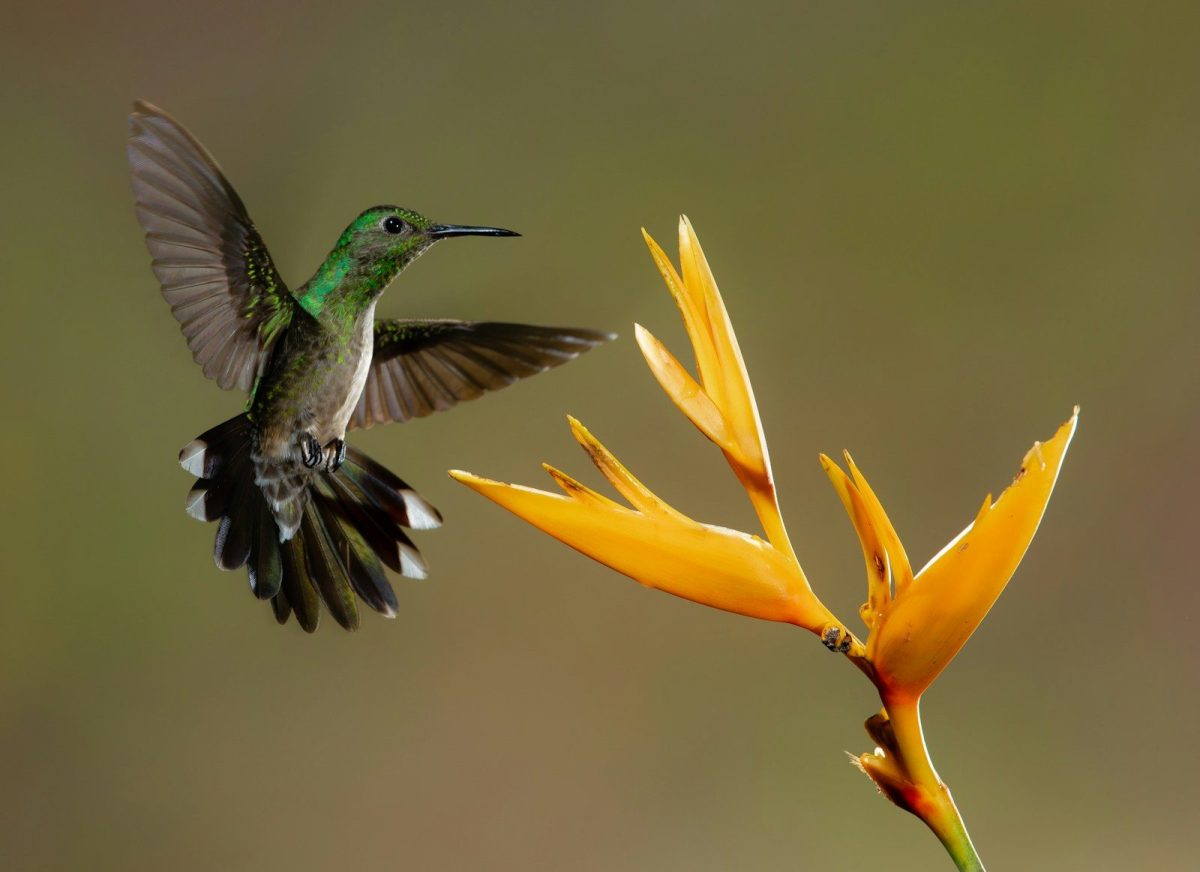
The mountain ranges rising from the Sonoran Desert in southeastern Arizona sit as isolated ecosystems surrounded by desert, creating a zone where Mexican and American birdlife overlap in ways found nowhere else north of the border.
Madera Canyon, Ramsey Canyon, and the community of Portal serve as the main hubs. Hummingbird feeders regularly attract up to 15 species in a single afternoon during summer, and Elegant Trogons nest reliably in the sycamore canyons each year. The best time to visit is late April through September for hummingbirds and Mexican specialties.
4. Everglades National Park, Florida
The Everglades offers some of the most visually dramatic bird watching in the country. Sawgrass prairies, mangrove tunnels, and shallow sloughs support enormous numbers of wading birds, all visible in open view.
During the dry season, concentrations of birds at shrinking water sources reach numbers that are genuinely difficult to process. Anhinga Trail near the Royal Palm area consistently delivers close encounters with nesting birds that show little concern for nearby visitors. The best time to visit is December through March.
5. Pribilof Islands, Alaska
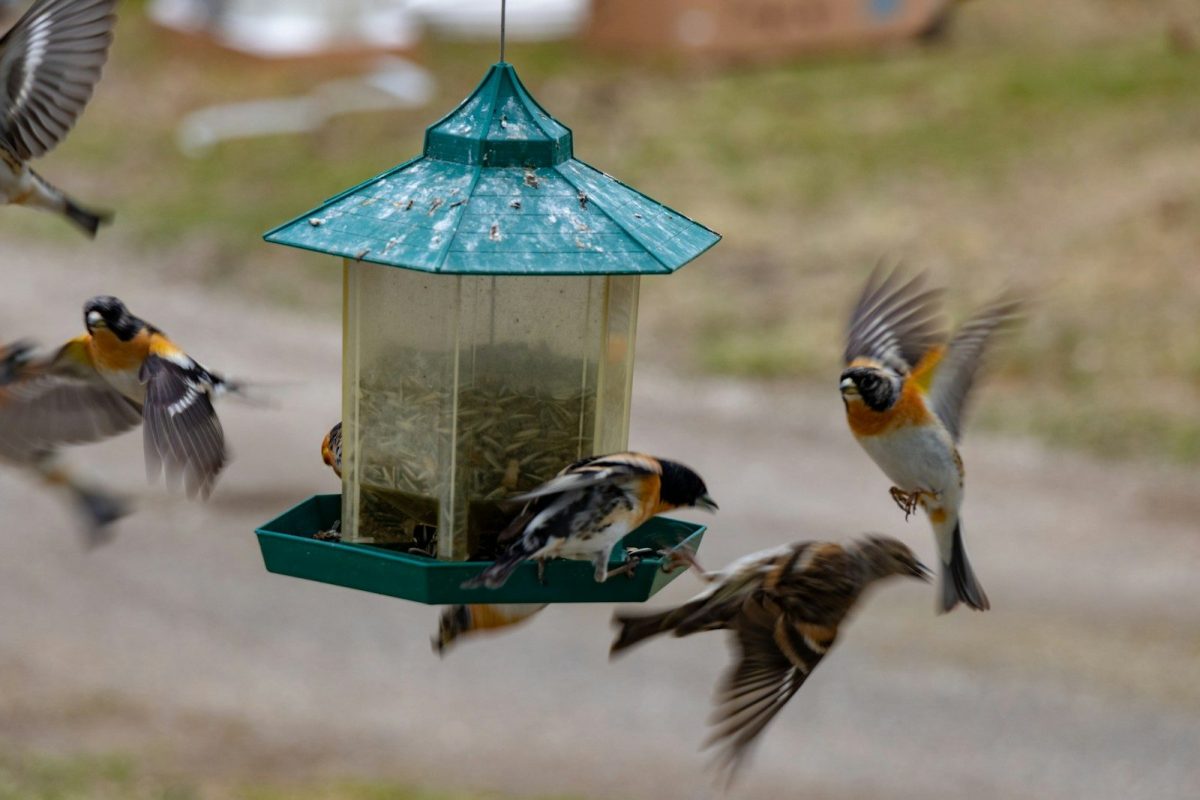
St. Paul Island sits in the Bering Sea roughly 800 miles southwest of Anchorage, directly in the path of Asian migrants blown off course during migration. Siberian Rubythroats, Bramblings, and Common Rosefinches appear here with a regularity that draws birders willing to manage the remote logistics.
The island also supports massive seabird colonies, including Red-legged Kittiwakes, Thick-billed Murres, and multiple auklet species. The best time to visit is late May through early June.
6. Cape May Point, New Jersey
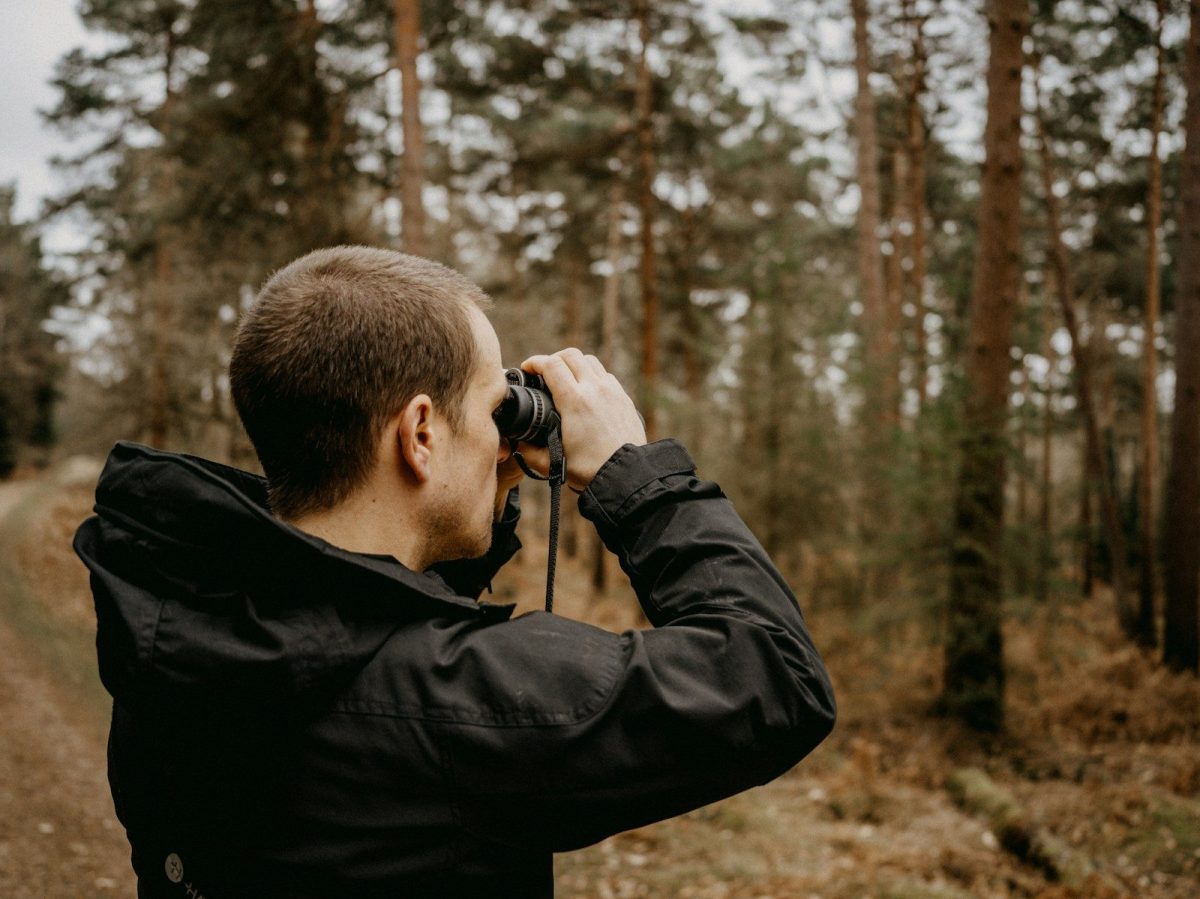
Cape May funnels southbound migrants into a narrowing peninsula each autumn before they face the Delaware Bay crossing, producing concentrations of raptors, passerines, and shorebirds that few locations can match.
The Cape May Bird Observatory has run continuous hawk counts since 1976. On a strong October day with northwest winds, thousands of Sharp-shinned Hawks stream past the hawk watch platform in a matter of hours. The best time to visit is September through November.
7. Point Reyes National Seashore, California
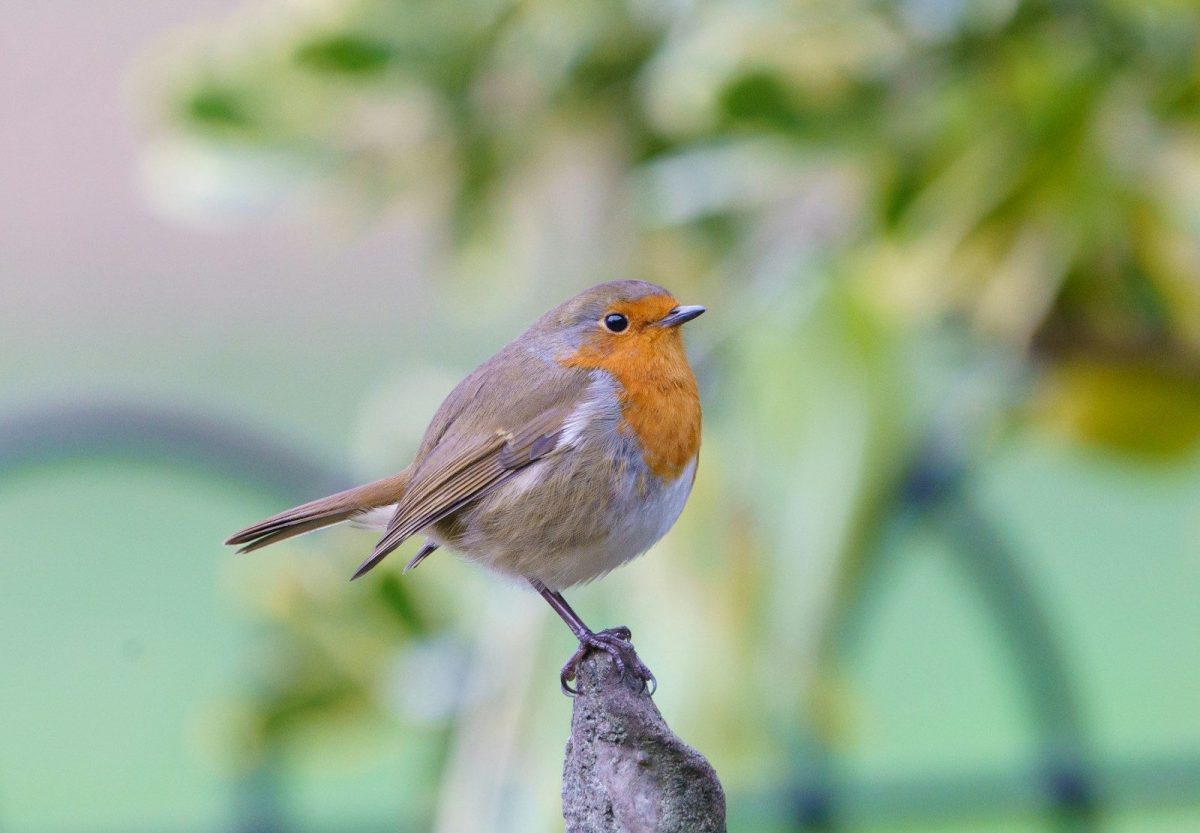
Point Reyes sits slightly west of the mainland coastline, making it one of the top vagrant-catching spots on the West Coast. Over 490 species have been recorded here.
The Lighthouse offers views of pelagic seabirds passing offshore, and the willow thickets along Bear Valley Creek reliably turn up eastern warblers and flycatchers that have traveled thousands of miles off course. The best time to visit is October for fall vagrants. December through April for wintering shorebirds and waterfowl.
8. Sax-Zim Bog, Minnesota
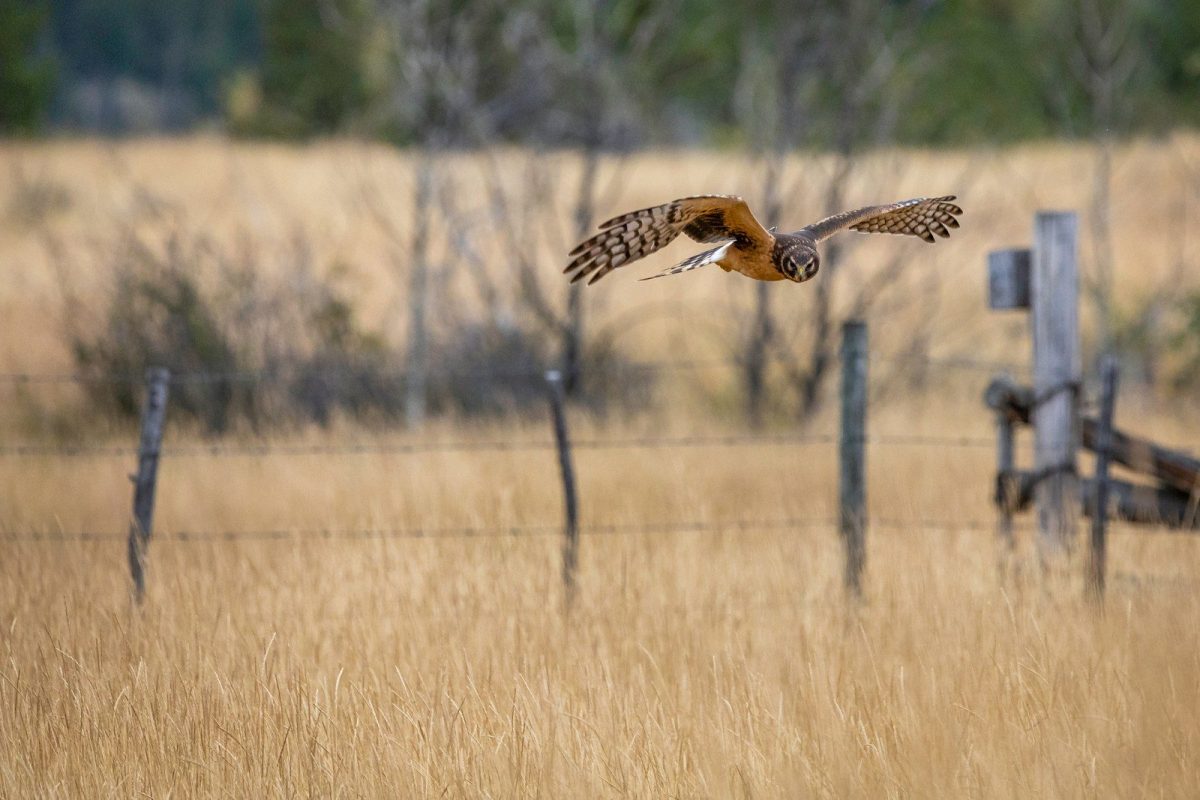
Sax-Zim Bog sits north of Duluth in a vast boreal peatland, making it one of the most accessible places in the lower 48 to find species that ordinarily stay deep in Canadian wilderness. Great Gray Owls work the open bogs at dawn and dusk. Northern Hawk Owls perch on exposed spruce tops in plain view.
The Friends of Sax-Zim Bog maintains a welcome center and trail network that has turned the area into a properly organized winter birding destination. The best time to visit is December through March.
9. Muleshoe National Wildlife Refuge, Texas
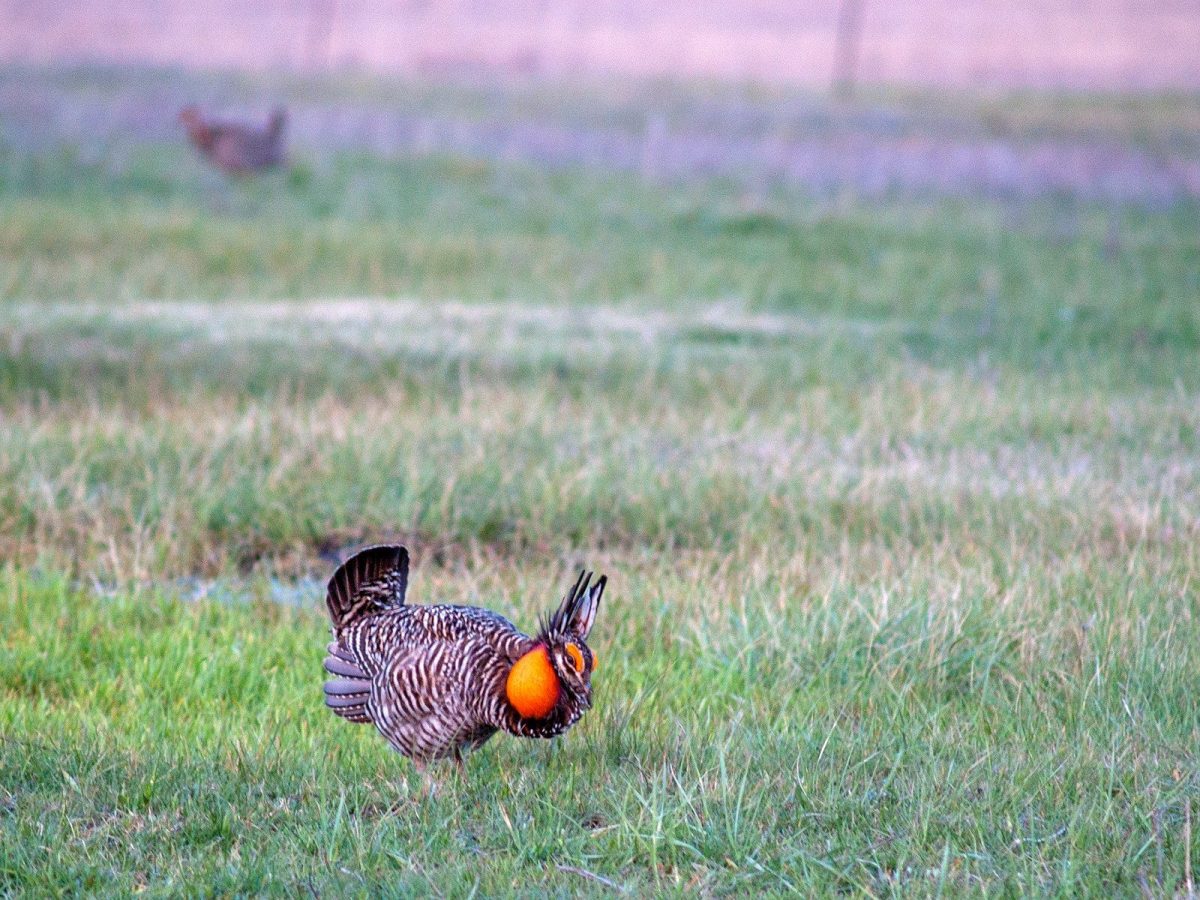
Muleshoe National Wildlife Refuge in the Texas Panhandle hosts one of the most visually overwhelming wildlife spectacles in the country. From November through February, hundreds of thousands of Sandhill Cranes descend on the saline lakes to roost each evening, their bugling calls carrying for miles across the open plains.
As the oldest national wildlife refuge in Texas, Muleshoe also draws Lesser Prairie-Chickens, Burrowing Owls, and large flocks of shorebirds when water levels cooperate. The best time to visit is November through January for the crane spectacle. April is strong for shorebirds and prairie-chickens.
