
Not every ski resort earns its reputation over decades and keeps it. Deer Valley, tucked into the Wasatch Range above Park City, Utah, has managed exactly that.
In 2026, with mountain tourism more competitive than ever, the resort continues to attract skiers who have options and choose it anyway. The reasons are worth examining one by one.
1. Skiing That Prioritizes You Over Crowds
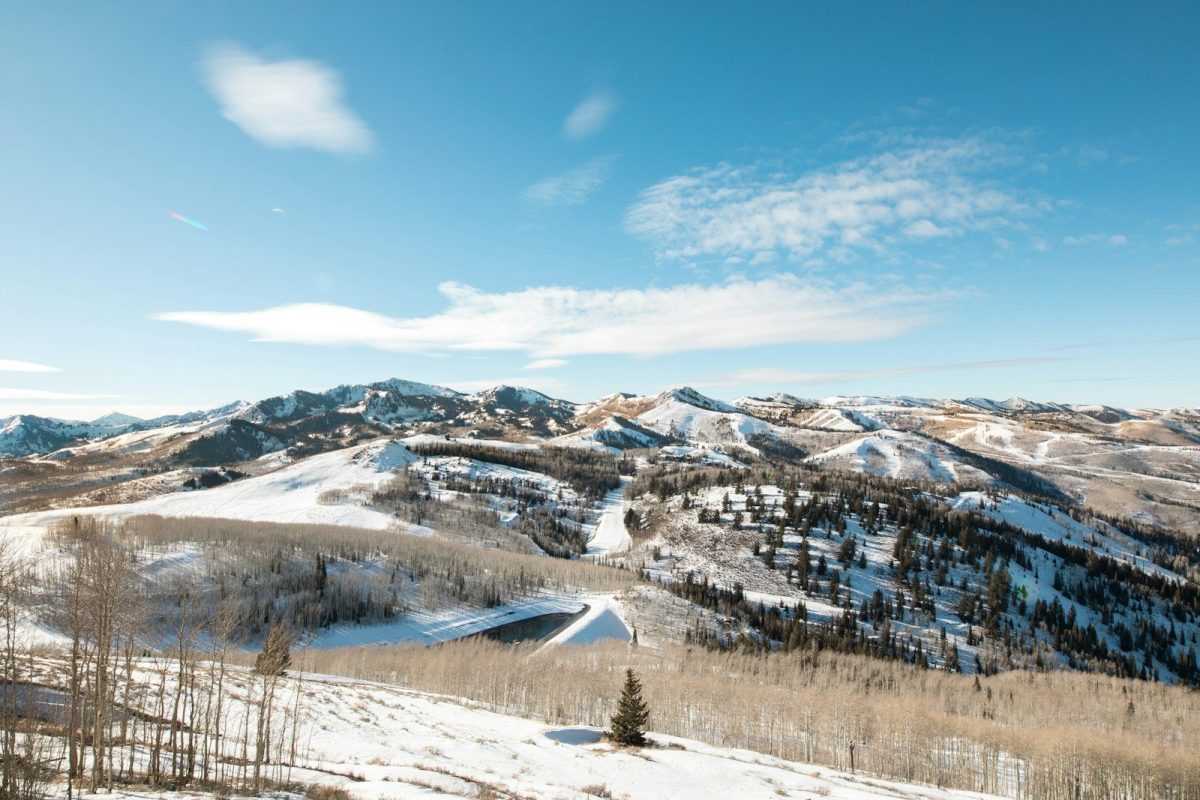
Deer Valley caps its daily ticket sales. That single policy separates it from almost every other major resort in North America, and the effect on the mountain experience is immediate and obvious. Lift lines move. Runs stay skiable throughout the day. The grooming crews have room to do their jobs, and skiers have room to do theirs.
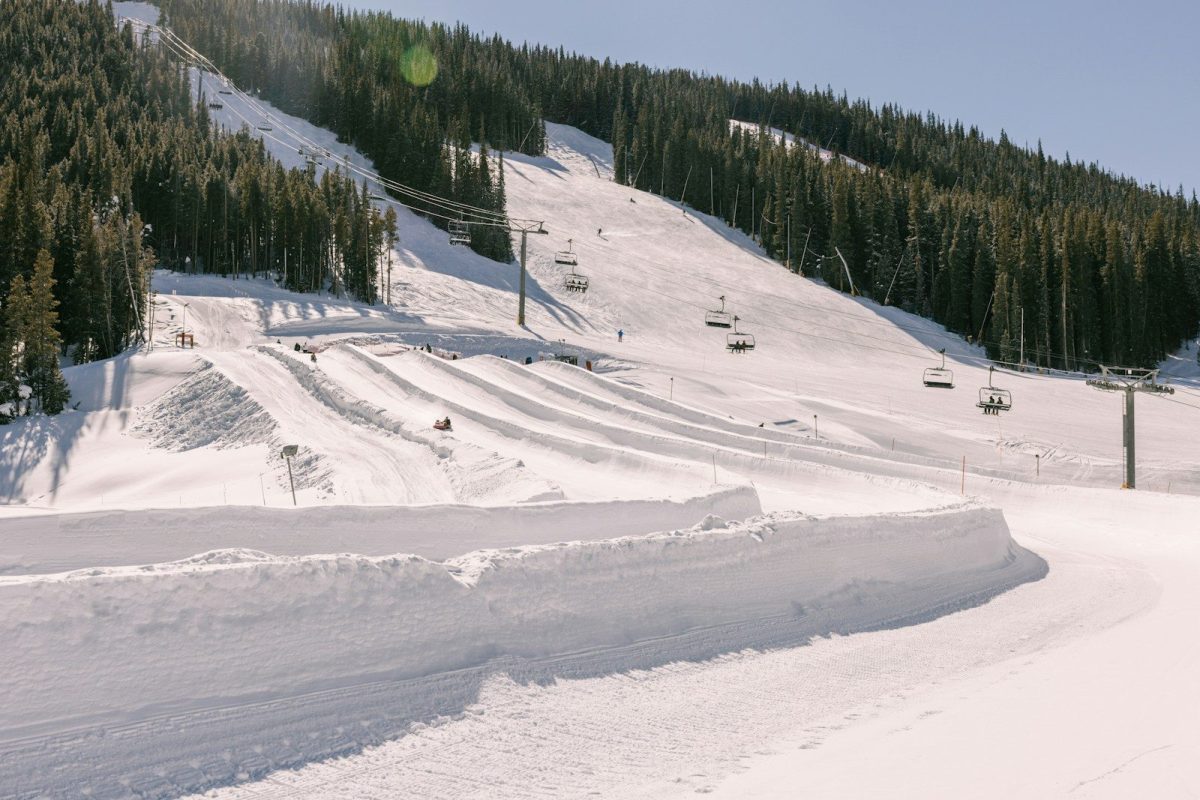
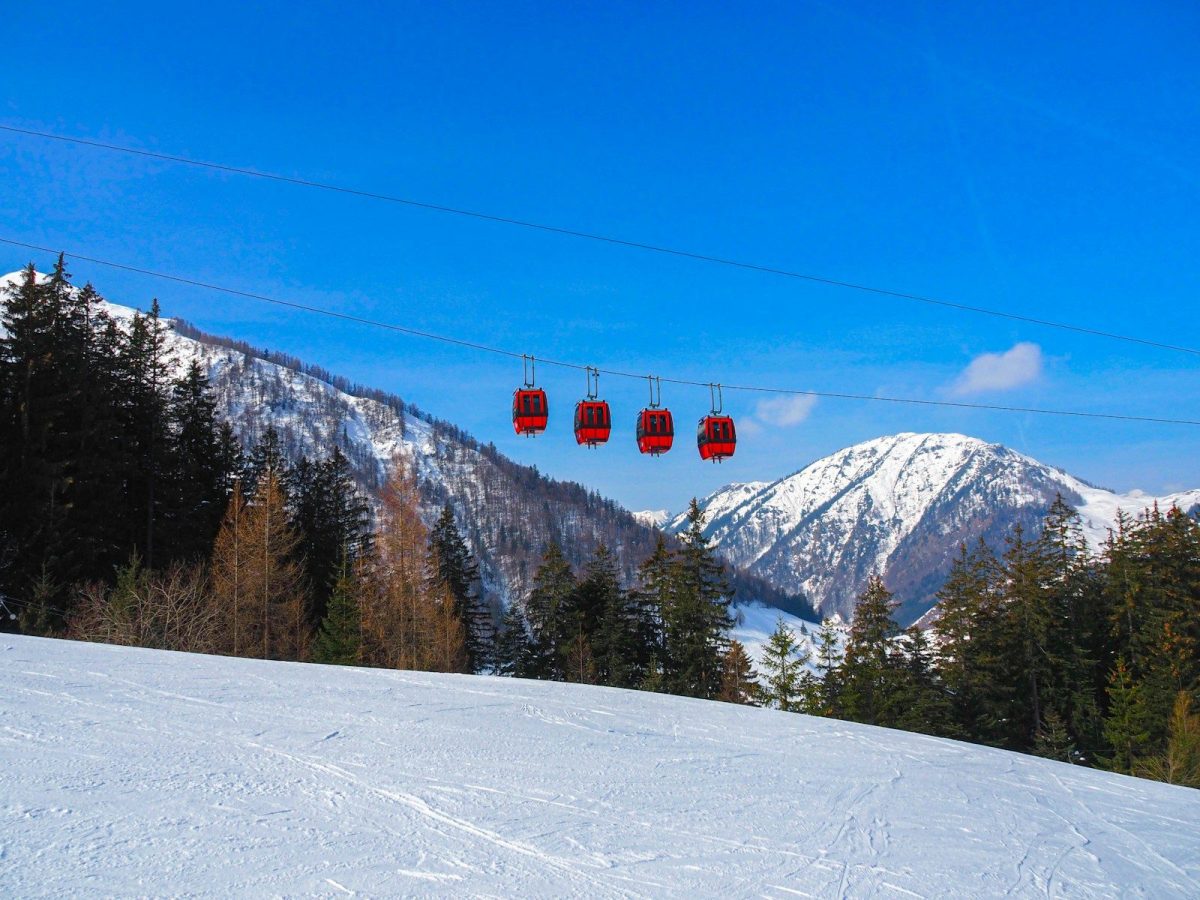
Across six mountain peaks covering more than 2,000 acres, high-speed gondolas and detachable quads move people efficiently without the bottlenecks that plague larger, uncapped resorts. The mountain feels managed rather than overwhelmed, and that distinction is felt on every run.
2. The Snow Quality That Built a Legend
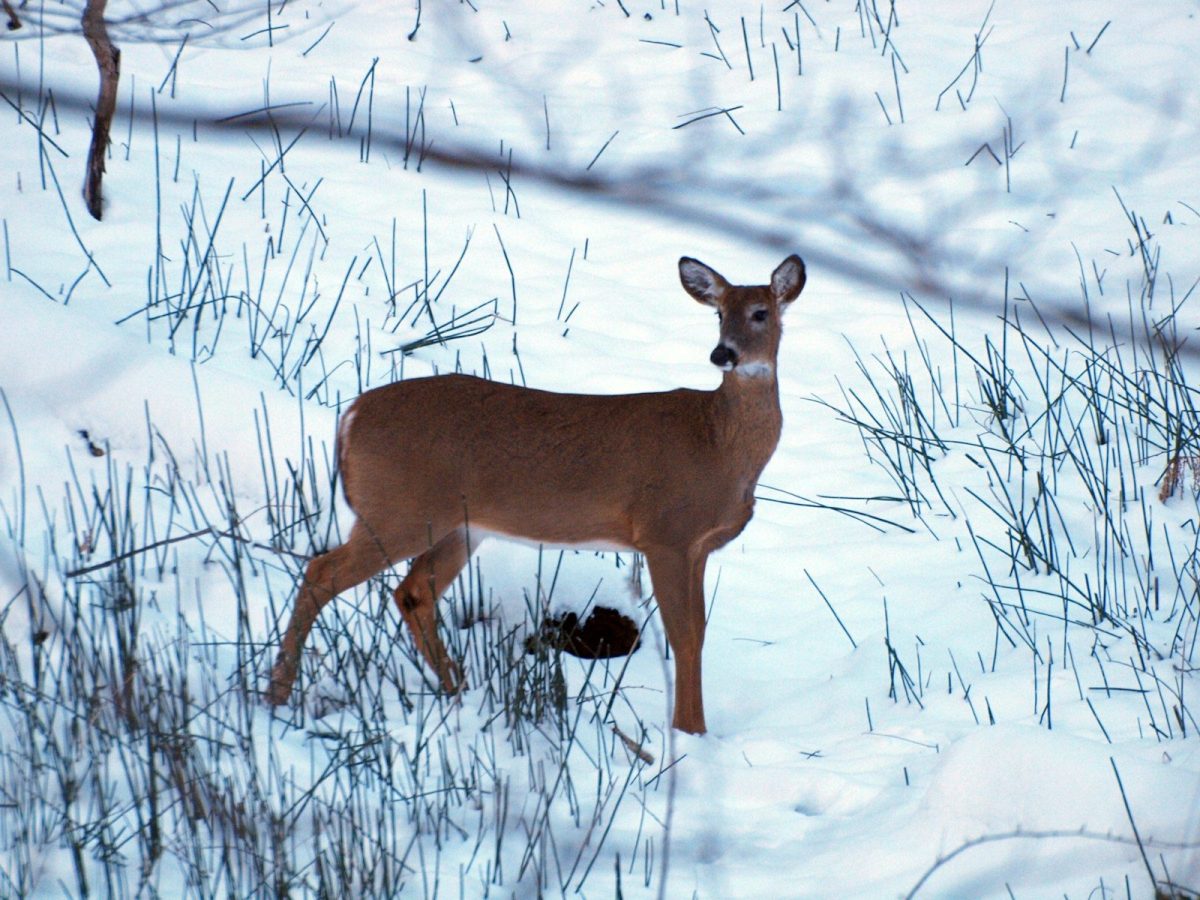
Utah’s official tourism slogan, “The Greatest Snow on Earth,” is not marketing exaggeration. Storms rolling in from the Pacific lose most of their moisture content by the time they reach the Wasatch Range, dropping snow with a water content of roughly 8 percent. The result is a dry, light powder that skiers have been traveling specifically to find since the 1970s.
Deer Valley averages around 300 inches of snowfall per season. Its predominantly north-facing terrain holds powder long after a storm clears, meaning untracked snow in the trees at Lady Morgan or Mayflower is still findable on a busy weekend by anyone willing to look.
3. On-Mountain Dining Done Differently
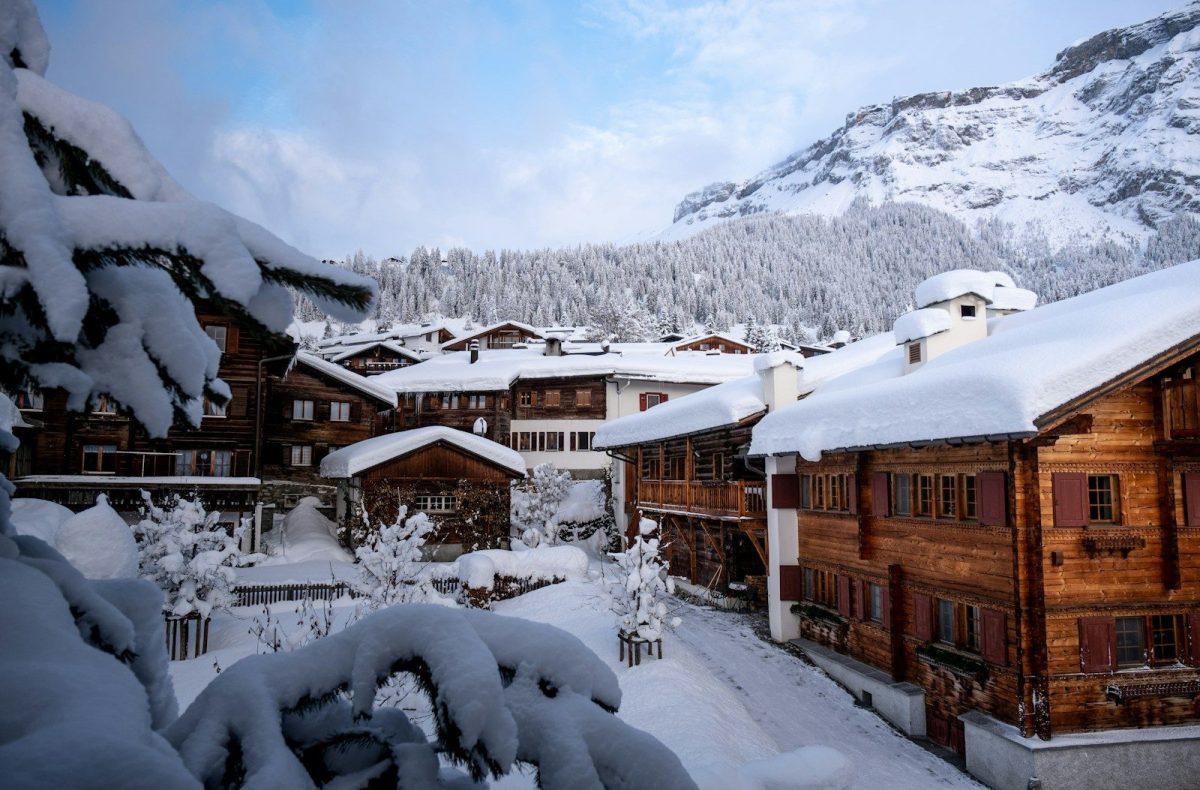
Most ski resorts treat lunch as an afterthought. Overpriced food served cafeteria-style in a crowded lodge is the standard. Deer Valley takes a different approach entirely.
The Snow Park Lodge and the mid-mountain Montage Deer Valley serve food that would hold its own in any city restaurant: housemade soups, carved meats, freshly baked pastries, and a wine list that does not feel like a compromise. Table service at 9,000 feet sounds like a minor detail until a skier has experienced it. After that, the standard cafeteria model becomes genuinely difficult to accept.
4. An Après-Ski Scene That Earns Its Reputation
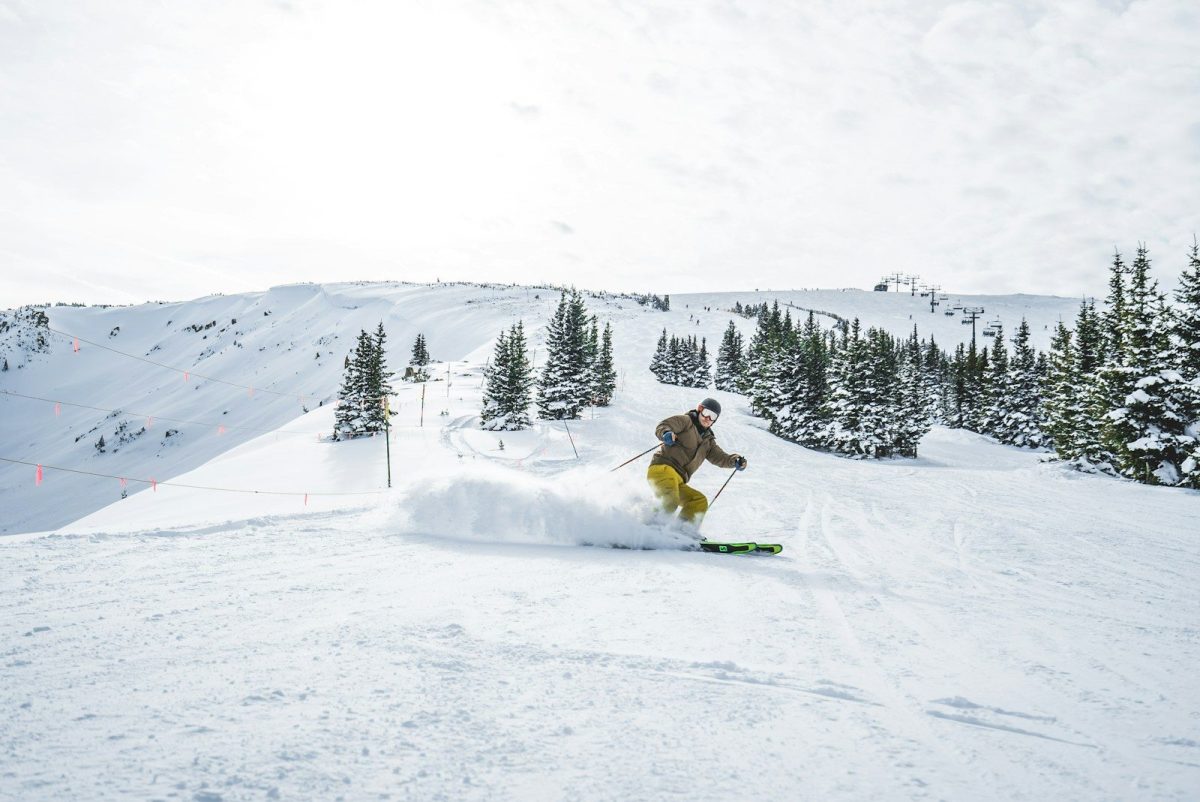
Park City, the town Deer Valley calls home, has grown into one of the most active small mountain towns in the American West. After a day on the slopes, Main Street delivers variety: rooftop fire pits, well-stocked cocktail bars, live music, and enough restaurant options that a week-long visitor could eat a different cuisine every night without repeating.
The Montage Deer Valley and the St. Regis Deer Valley anchor the luxury end, with heated outdoor pools, spa menus, and bars that stay lively into the evening. Independent spots like No Name Saloon carry enough local character to keep the scene from feeling like a resort brochure.
5. Terrain for Every Ability Level
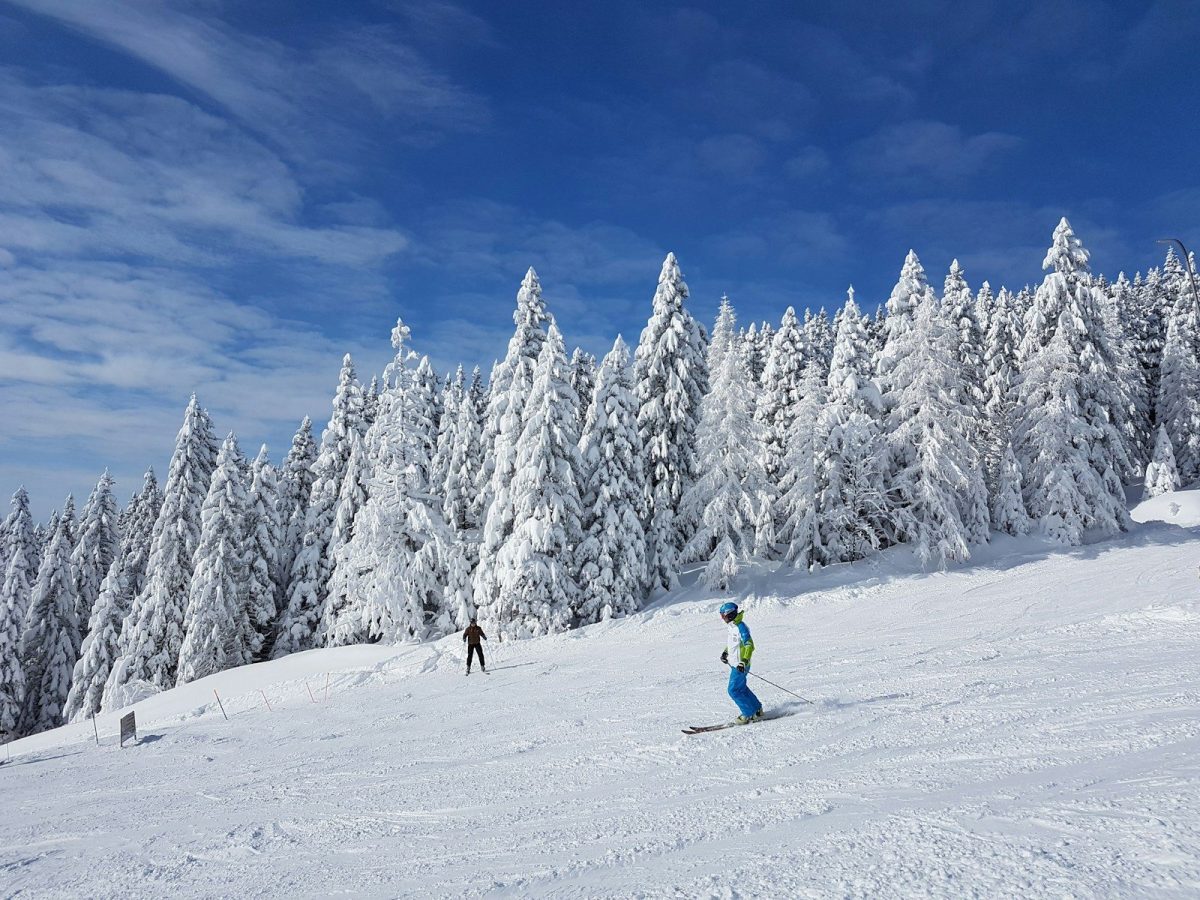
Deer Valley’s reputation skews toward intermediate and expert skiers, which is accurate but incomplete. Beginners have dedicated learning areas separated from high-traffic runs, removing the anxiety of a novice suddenly appearing in the path of an expert carving at speed.
At the other end, expert terrain in Daly Chutes, Grizzly Gulch, and Hanna Flats offers genuine challenge. The 2025-26 season saw expanded terrain in the Empire Canyon area, adding new intermediate groomers alongside additional black diamond options. The breakdown sits at roughly 21 percent beginner runs, 41 percent intermediate, and 38 percent expert.
6. Deer Valley in Summer Is Its Own Reward
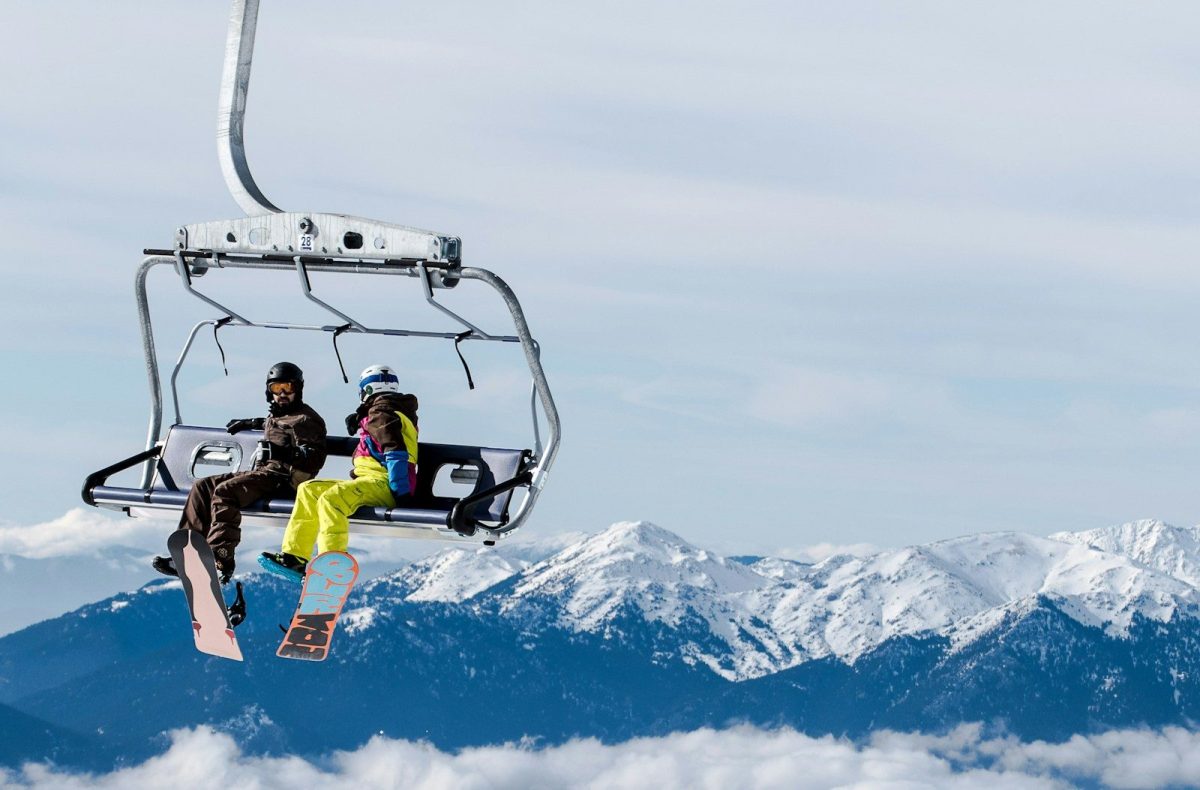
The resort’s summer calendar has grown to the point where calling Deer Valley a ski destination undersells it. Mountain biking trails cover the same terrain skiers carve in winter. The Deer Valley Music Festival brings outdoor concerts to an amphitheater set into the hillside. Hiking, fly fishing on the Provo River, and zip-lining fill out an activity list that gives mixed-interest groups something to work with, no ski boots required.
Visitors who arrive in July often leave wondering why they had mentally filed the place under “winter only.”
7. Getting There Is Easier Than Most People Realize
Salt Lake City International Airport sits roughly 45 minutes from the resort. For a world-class ski destination, that is an exceptionally short transfer. Vail and Aspen both require two to three hours of driving from their nearest airports. The geography alone makes Deer Valley worth considering for travelers who have historically dismissed Utah in favor of Colorado.
Direct international routes into SLC have expanded considerably, with connections now operating from London, Toronto, and several European hubs. Utah’s expanded I-80 corridor improvements, completed ahead of the 2025-26 season, have also made the winter drive more reliable during storm cycles.
8. Luxury Access at More Price Points Than Before
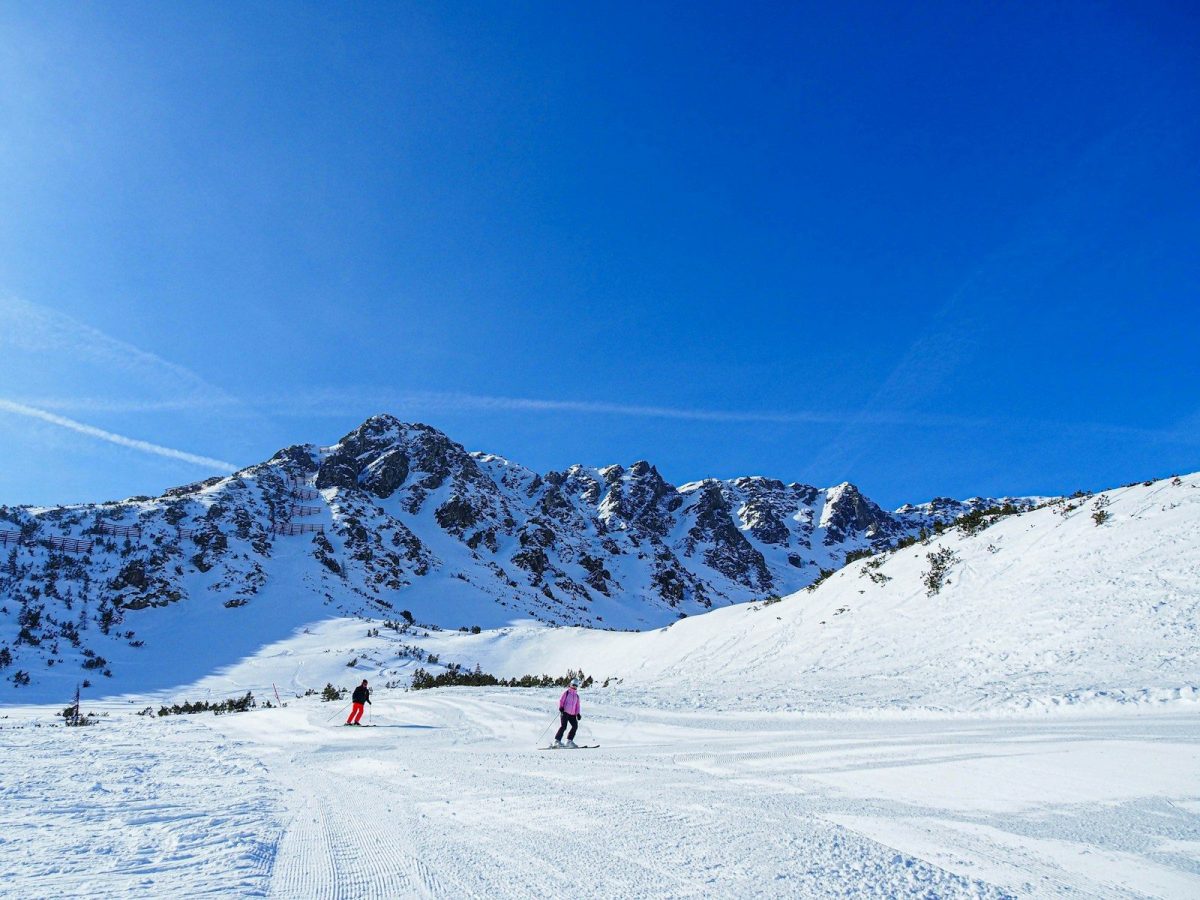
Deer Valley carries a premium price tag, and there is no reason to pretend otherwise. Peak-season lift tickets sit at the top end of the American market. The value calculation, though, requires more than a sticker price comparison. Fewer crowds mean more runs per day. Superior grooming means fewer icy surprises. Better food means less time lost to a cafeteria queue.
Lodging options have also widened. The Montage and St. Regis define the ceiling, but newer condo properties and independently managed rentals in the Jordanelle area now provide access to the mountain at price points that would have seemed out of reach a decade ago, particularly for early-season bookings.
A Resort That Has Earned Consistent Trust
Few mountain destinations have maintained this level of quality across decades without allowing standards to slip. Deer Valley’s consistency comes from an operational focus on the details that most resorts treat as secondary: crowd management, grooming schedules, food service, and terrain development.
In 2026, with ski travel options expanding and travelers more selective about where they spend their money, that consistency carries real weight. For anyone building a travel list and looking for a mountain destination that delivers on its reputation, Deer Valley belongs on it.
