
Spending time in the wilderness is unlike anything else on earth. You get to watch the sun rise and set over the mountains around you, you can hear the wind blowing through the beautiful pine trees above you, and you get to wake up far away from the usual noise of the city. But it’s important to remember that one of the biggest dangers in the wilderness is cold weather. Sometimes, it can be more dangerous than you might realize.
Hypothermia often sets in sooner than most people think. In extreme cases, heat loss occurs even in what would appear to be fairly moderate temperatures. Wet clothes, wind, and fatigue all contribute to heat loss. While modern technology has helped tremendously since 2026, hypothermia-related incidents still occur every year.
In order to stay warm while you are out in the wilderness, you have to prepare with these few proven techniques. These eight strategies can help hikers and campers stay comfortable and safe in cold conditions.
1. Layer Your Clothes
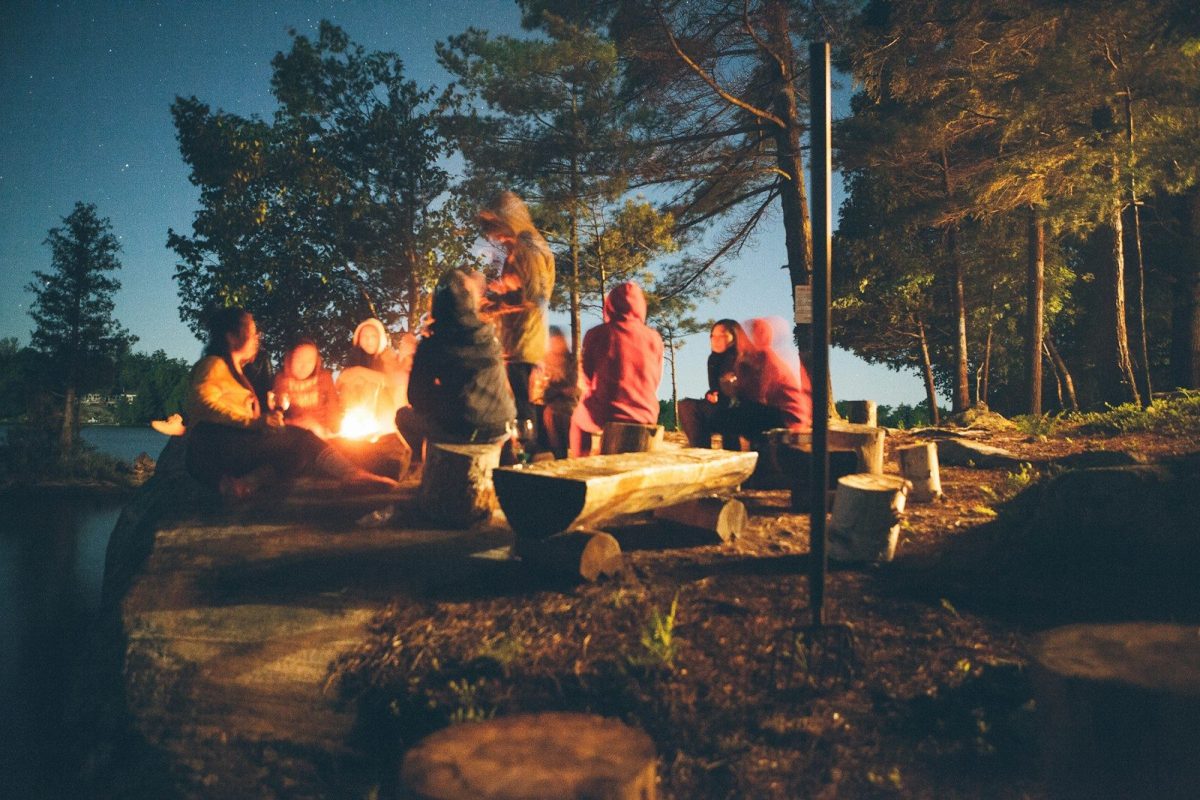
When you are spending time outdoors, it’s very important to layer your clothes properly. To properly protect yourself, you need to ensure that you are wearing three layers: a moisture-wicking base layer, an insulating mid-layer, and a weather-resistant shell.
The base layer will move sweat away from your body, so that your skin doesn’t cool down too much. You should avoid wearing cotton because it traps moisture and speeds up heat loss. It’s better to go for merino wool and synthetic fabrics because they dry quickly and continue insulating when when they get damp.
The mid-layer traps body heat. Fleece jackets, synthetic insulation, and down jackets all work well. The outer shell blocks wind, rain, and snow while allowing moisture to escape.
Managing layers throughout the day matters just as much as the clothing itself. Adding or removing layers before overheating or getting cold helps maintain a stable body temperature.
2. Choose Shelter Carefully
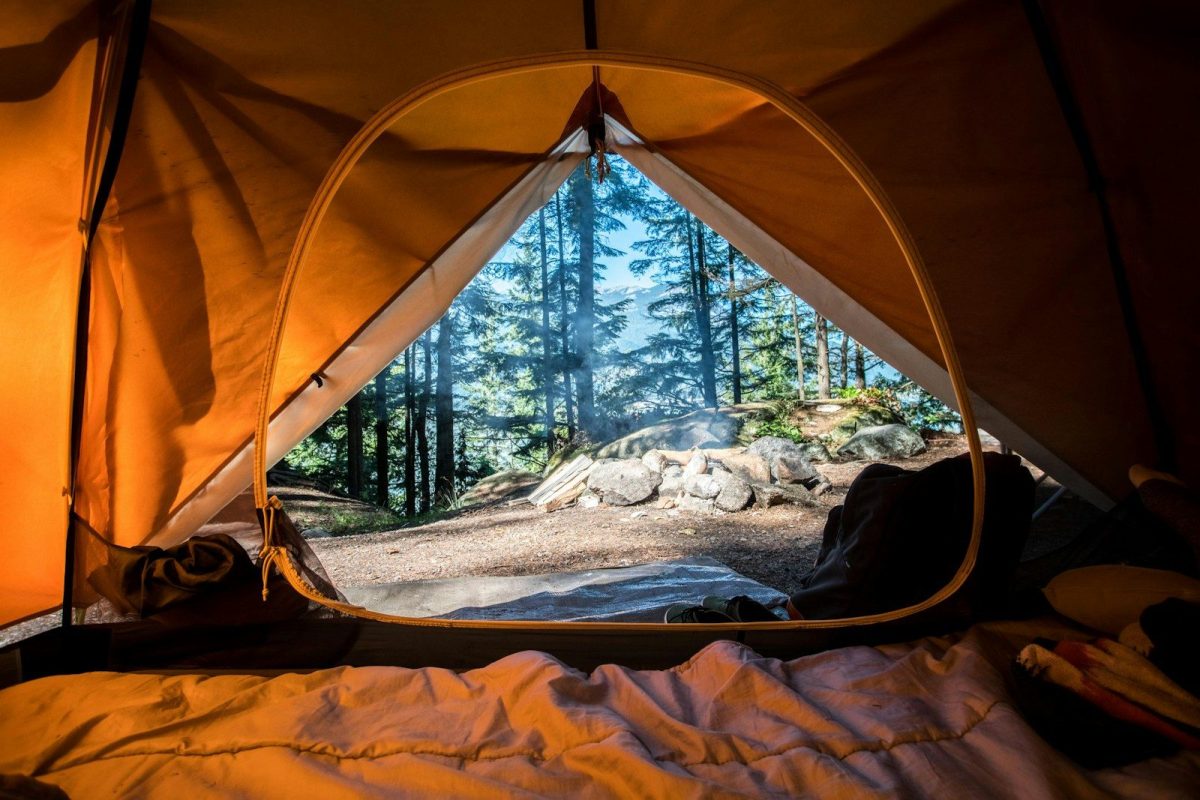
You need to have some sort of shelter to stay in during the nights because it is essential when it comes to warmth and comfort. If you don’t have a tent to sleep in, then always remember that trees, rock formations, or hillsides can help reduce exposure to cold wind.
Try not to rest in low areas, because they often collect colder air overnight, making valleys and depressions poor campsite choices. Slightly elevated ground is much better because it tends to stay a bit warmer.
Modern four-season tents are great because they provide strong protection in severe weather, while lightweight shelters and bivy sacks have improved a lot over the years because of advances in waterproof materials.
Sleeping pads are also really important. The ground removes heat from the body very quickly, especially during cold nights. An insulated sleeping pad creates a barrier that helps preserve body heat.
3. Eat to Stay Warm
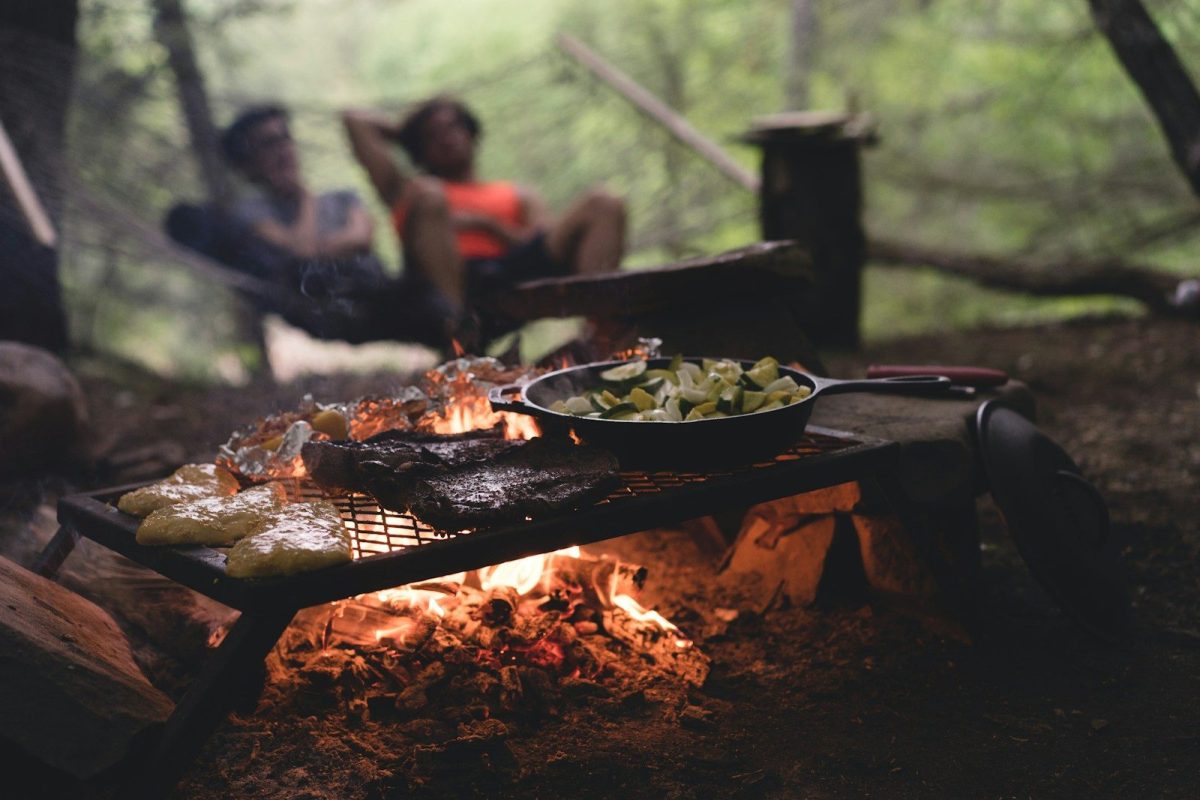
The body produces heat by burning calories. Cold weather increases energy demands because the body works harder to maintain core temperature.
High-calorie foods are especially valuable during cold-weather trips. Nuts, peanut butter, cheese, cured meats, chocolate, and energy bars provide concentrated energy without taking up much space. Warm breakfasts such as oatmeal with nuts or butter help prepare the body for low temperatures.
Hot drinks also improve comfort during cold conditions. Tea, soup, or broth during breaks can temporarily raise body temperature and improve morale.
4. Stay Dry
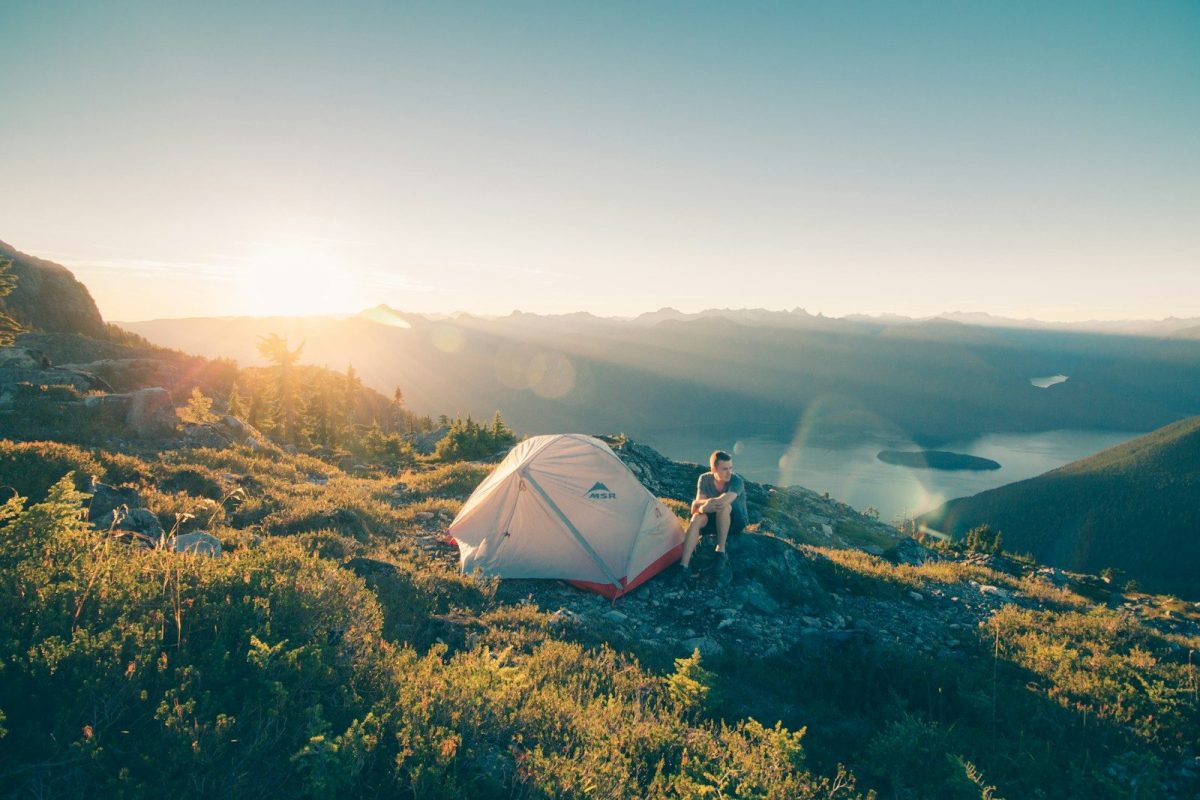
Wet clothing creates dangerous conditions when you are in a cold environment. Water removes heat from the body far faster than air, making damp clothing a serious risk.
Rain, snow, river crossings, and sweat can all create moisture problems outdoors. Waterproof and breathable rain gear helps block outside moisture while allowing sweat to escape.
Gaiters help keep water from entering boots during wet trail conditions. River crossings also require caution. Backpack hip belts and sternum straps should be unclipped before crossing moving water so the pack can be removed quickly if necessary.
Dry clothing is one of the strongest defenses against hypothermia.
5. Use Heat Sources Wisely
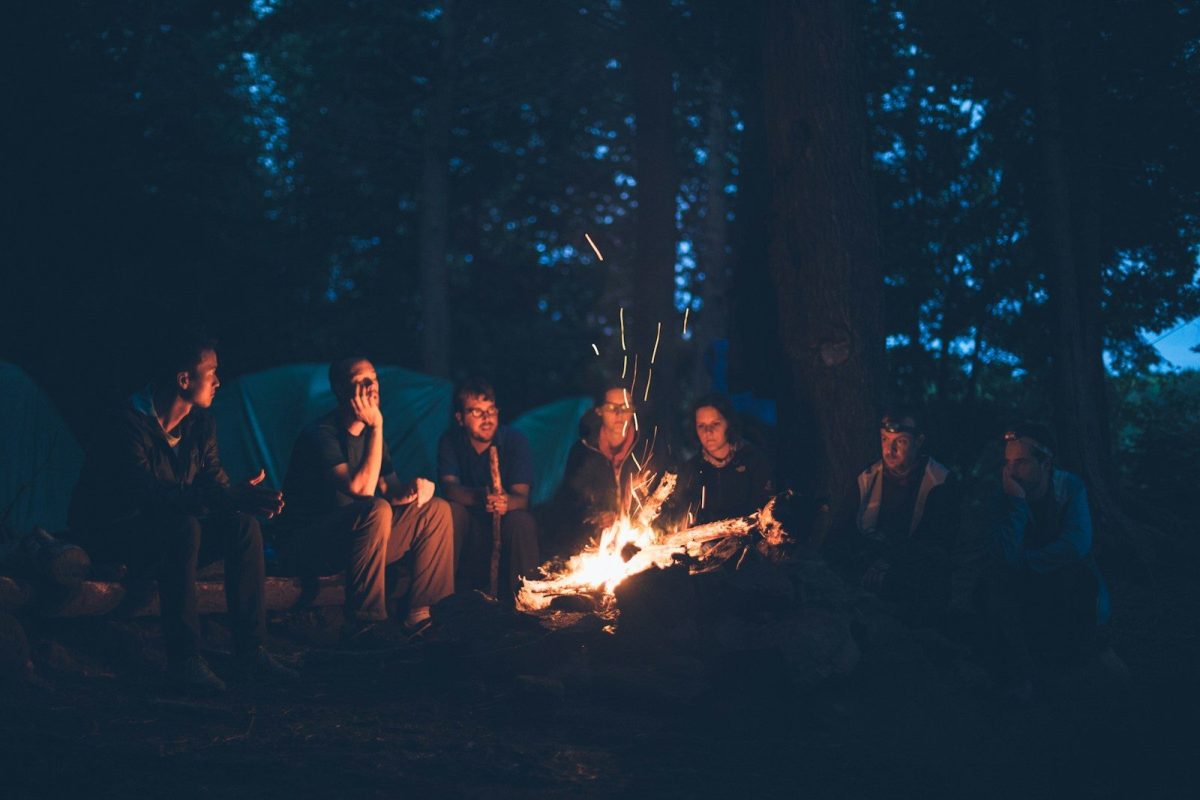
Campfires remain one of the most effective tools for warmth and comfort outdoors. Fires provide heat, dry damp gear, improve morale, and create a cooking source. Building and managing a fire properly remains an important wilderness skill.
At the same time, wildfire concerns and Leave No Trace practices have increased fire restrictions in many areas. Because of this, supplemental heat sources have become more common.
Rechargeable hand warmers, heated insoles, and compact heating devices now offer much better battery life and performance than older models. These tools can help maintain circulation during extended exposure to cold temperatures.
6. Protect Your Hands and Feet From The Cold
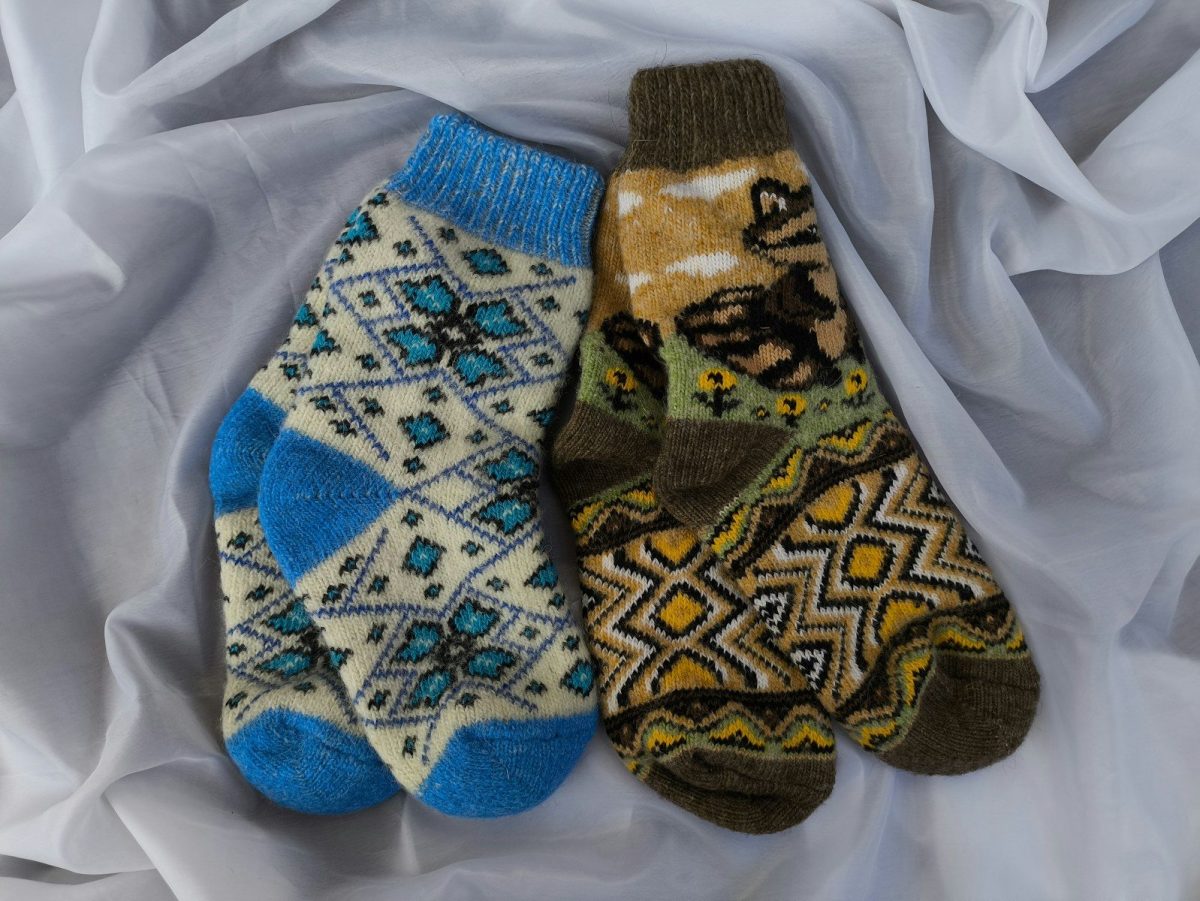
When the body gets cold, blood flow decreases in the hands, feet, ears, and nose to protect core temperature. Proper protection for extremities becomes essential in cold weather.
Thin glove liners paired with waterproof mittens provide both warmth and dexterity. Wool socks, especially merino wool, remain one of the best choices for cold-weather hiking because they manage moisture effectively.
Waterproof insulated boots designed for expected temperatures help prevent cold injuries during long days outdoors. Boot liners can also add warmth without adding much extra weight.
7. Use Modern Technology
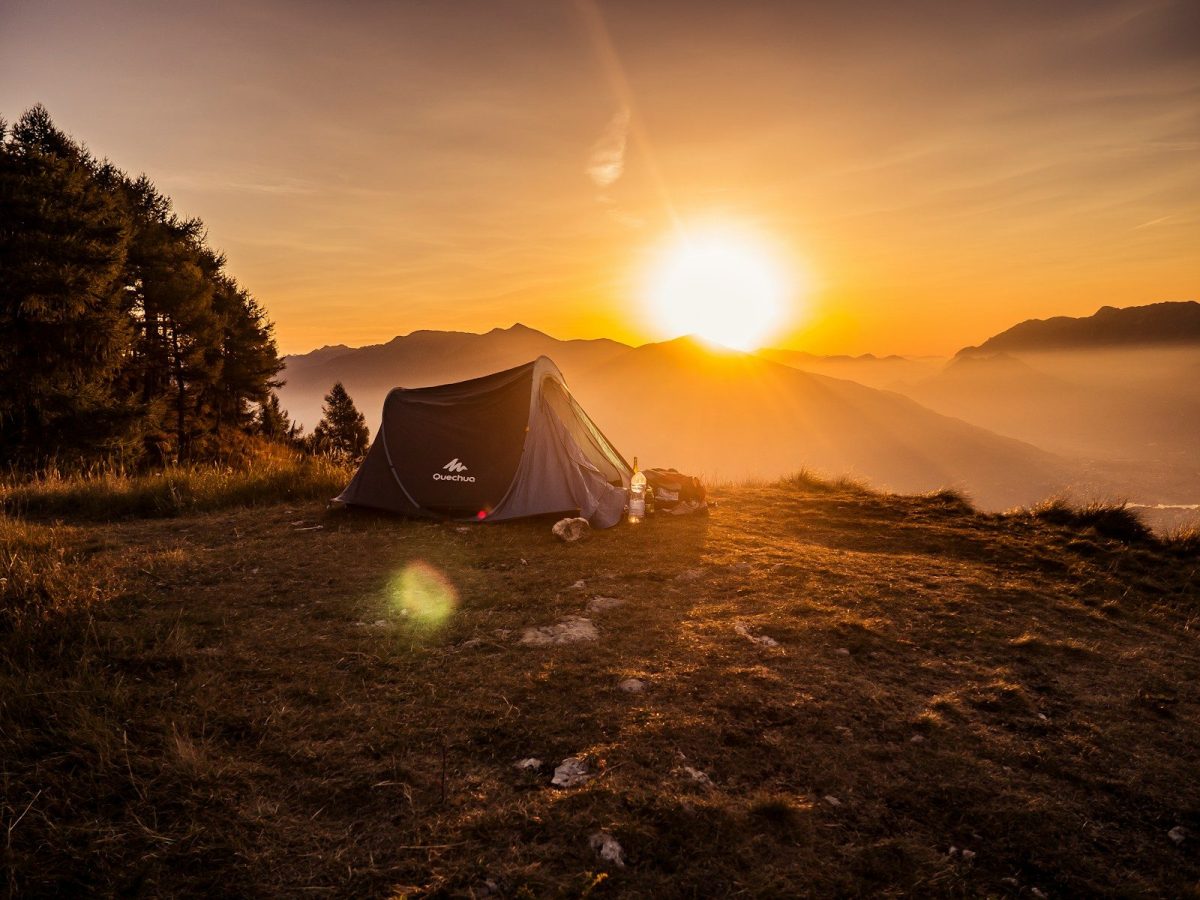
Outdoor equipment in 2026 performs better than ever. Hydrophobic down insulation now handles wet conditions more effectively, and some outdoor clothing uses graphene-enhanced fabrics for improved thermal regulation.
Wearable temperature monitors can identify dangerous drops in body temperature before symptoms become severe.
Weather forecasting has also improved greatly. Modern forecasting apps provide detailed hourly predictions for specific mountain ranges and campsites, allowing hikers to prepare for changing conditions more accurately.
8. Prioritize Sleep
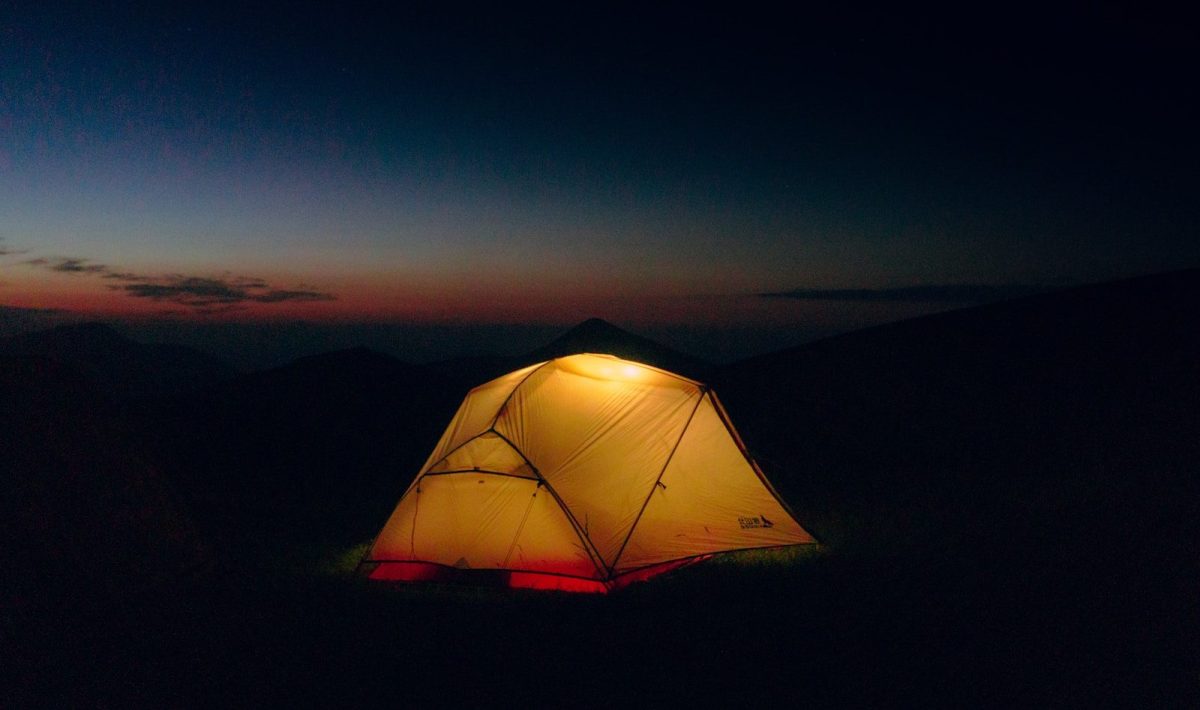
Cold conditions increase heat loss during sleep, making a reliable sleep system essential. Sleeping bags should be rated below the coldest expected temperature. Many experienced hikers choose bags rated at least ten degrees colder than expected overnight lows.
Sleeping bag liners add warmth and help keep bags clean. Light exercise before bed can also help raise body temperature before climbing into a sleeping bag.
Changing into dry clothing before sleep is equally important. Damp hiking layers reduce insulation and make sleeping bags less effective.
9. Preparation Makes the Difference
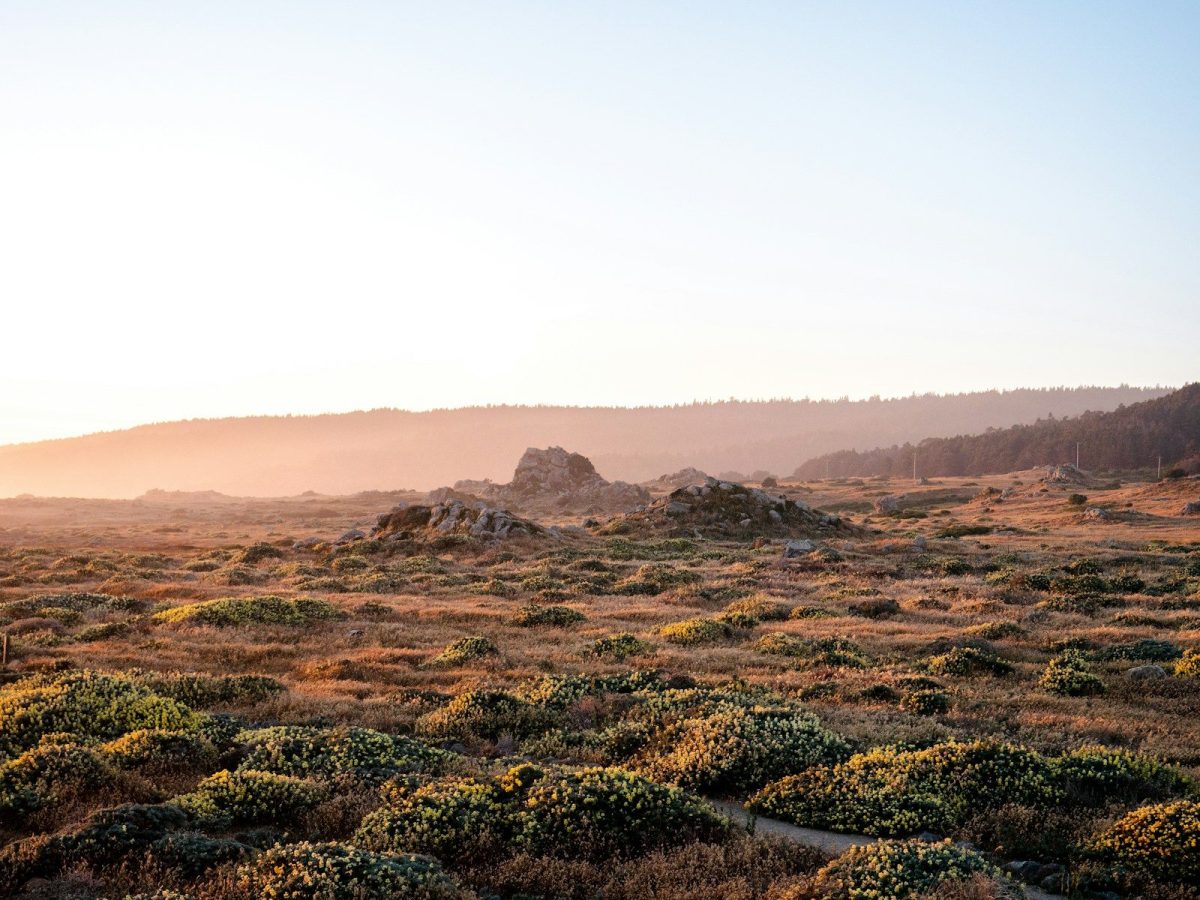
The wilderness is awesome, and it rewards preparation. Layering correctly, choosing shelter carefully, eating enough calories, staying dry, protecting extremities, using modern gear effectively, and prioritizing sleep all work together to maintain warmth outdoors.
The goal is not simply enduring cold temperatures. Good preparation allows people to enjoy the scenery, quiet, and freedom that make wilderness travel worthwhile.
