
Moving elsewhere is starting to occupy more minds across the U.S. With expenses climbing, politics wearing thin, and a broader curiosity about how other parts of the world function, talk of moving overseas has slipped into everyday conversation.
The best first step anyone can take before making such a big move is a lengthy trip. Not a two-week vacation, but a journey long enough to do grocery shopping, get lost, and experience a bit of real-life there. Here are the top nine destinations for people who are really considering a move.
1. Portugal
![boats docked near seaside promenade]](https://pub-8aee4a5c22f846f0b2663e654f389536.r2.dev/2026/05/mcAAdibl-prb-sjoubfs-1200x800.jpg "Thinking about Leaving the U.S.? These Are 9 Countries to Visit 1")
Portugal continues to rank near the top of almost every expat list, and that remains true in 2026. A couple can live comfortably in Porto for roughly what many people in a mid-sized U.S. city spend on rent alone. Lisbon offers a slower, more relaxed pace of life with the charm and beauty many larger European capitals struggle to match at the same cost. English is widely spoken in urban areas, and newcomers often notice how accustomed locals are to welcoming foreigners.
Portugal offers tax programs that can reduce your financial burden during the first few years of residency. Before making major financial commitments, it’s smart to speak with a local tax professional who understands the current rules.
2. Mexico
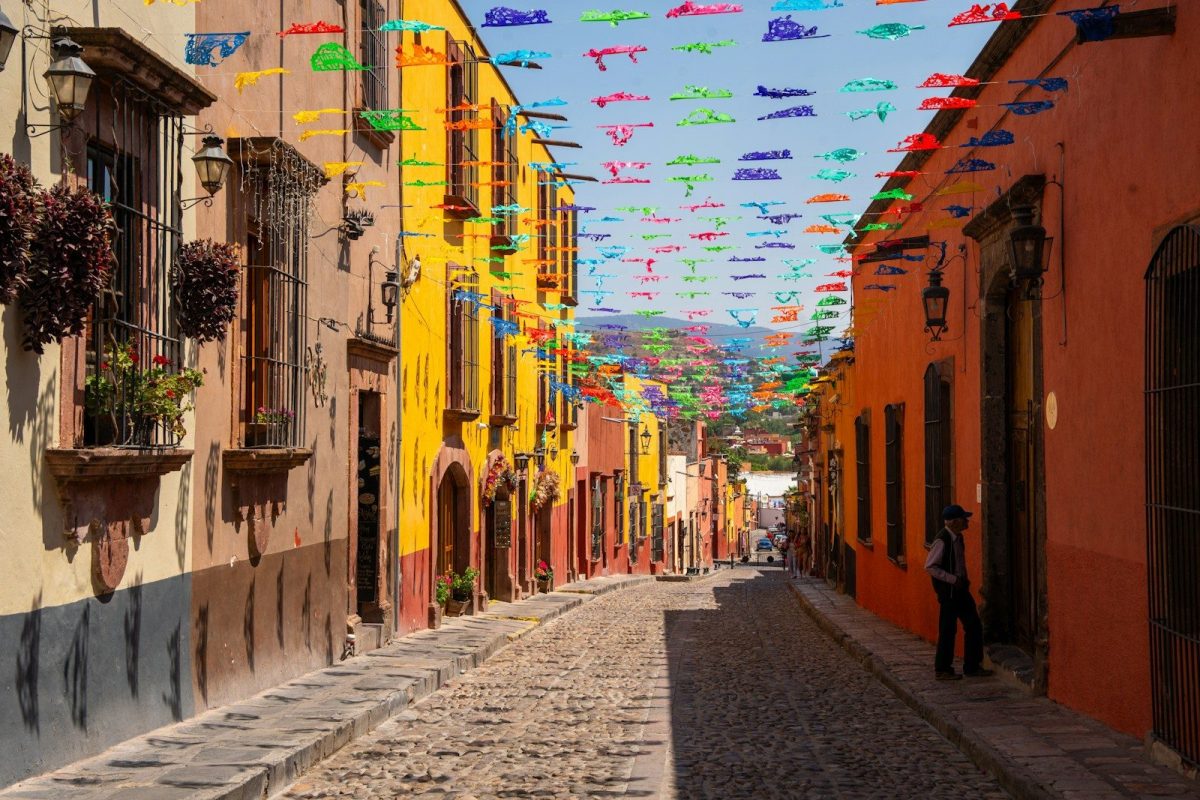
No country on this list offers the convenience of Mexico for Americans. The border is drivable, the time zones overlap, flights home are short, and the dollar stretches considerably. Mexico City has grown into one of the world’s great metropolises, with a food scene and cultural life that compete with any major capital. Oaxaca draws food travelers and artists. San Miguel de Allende has long suited retirees looking for colonial architecture and a built-in expat network.
Worth knowing: Safety varies considerably by region and neighborhood. Research your specific destination carefully and connect with established local expat communities before choosing where to settle.
3. Japan

Japan tends to produce a total recalibration of what visitors thought they understood about how a society could function. Trains arrive to the second. Healthcare is excellent and affordable. Crime rates are extremely low. Osaka and Fukuoka have growing international communities, and the government has expanded visa options meaningfully in recent years. Learning basic Japanese is important for long-term stays, but those who commit to it find a culture of extraordinary warmth waiting on the other side.
Worth knowing: Japan’s Digital Nomad Visa allows foreign nationals earning income from overseas employers to live in the country for up to six months.
4. Colombia
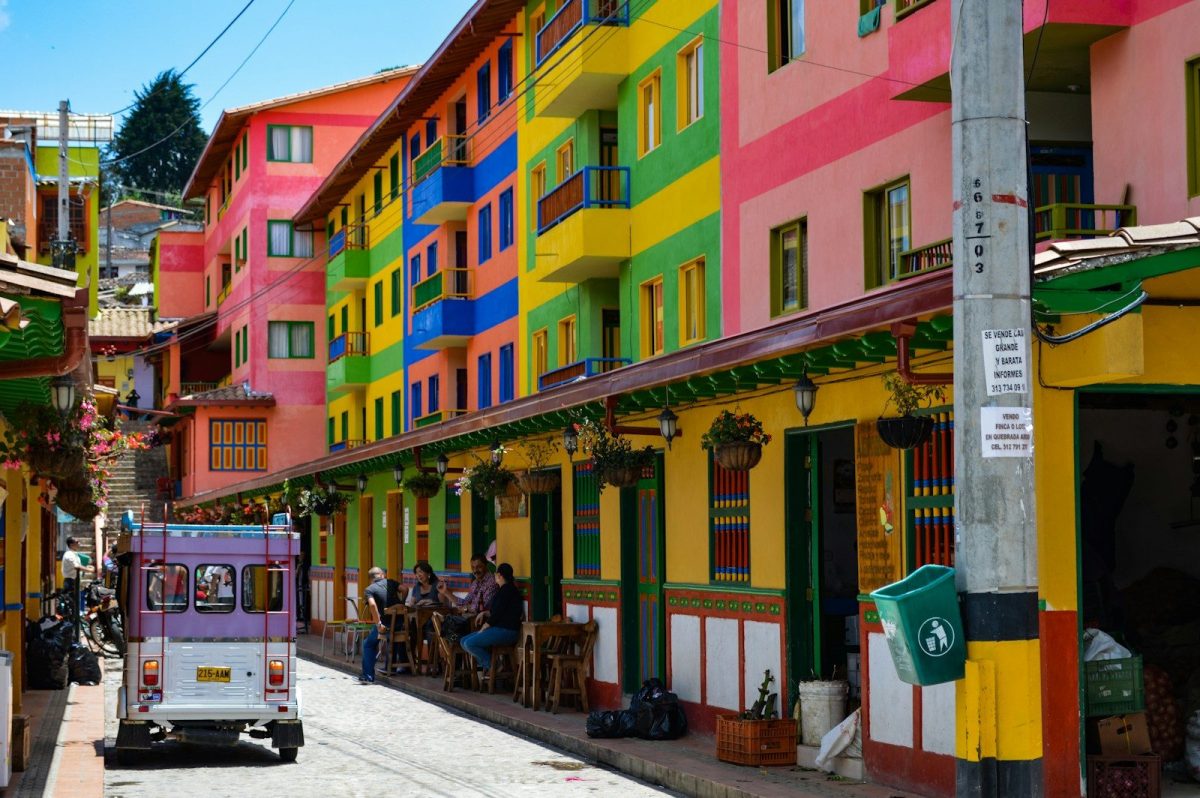
Medellín sits at roughly 5,000 feet of elevation, keeping temperatures in the low 70s year-round. Thousands of foreign residents now live there, drawn by that climate, a low cost of living, and an energy that more established expat destinations tend to lose once they become too well known. Cartagena offers something different: a walled colonial city on the Caribbean coast with a slower pace and a spectacular backdrop. Spanish fluency opens up Colombia considerably, both practically and socially.
Worth knowing: Colombia’s digital nomad visa allows stays of up to two years for those earning remote income from outside the country.
5. Greece
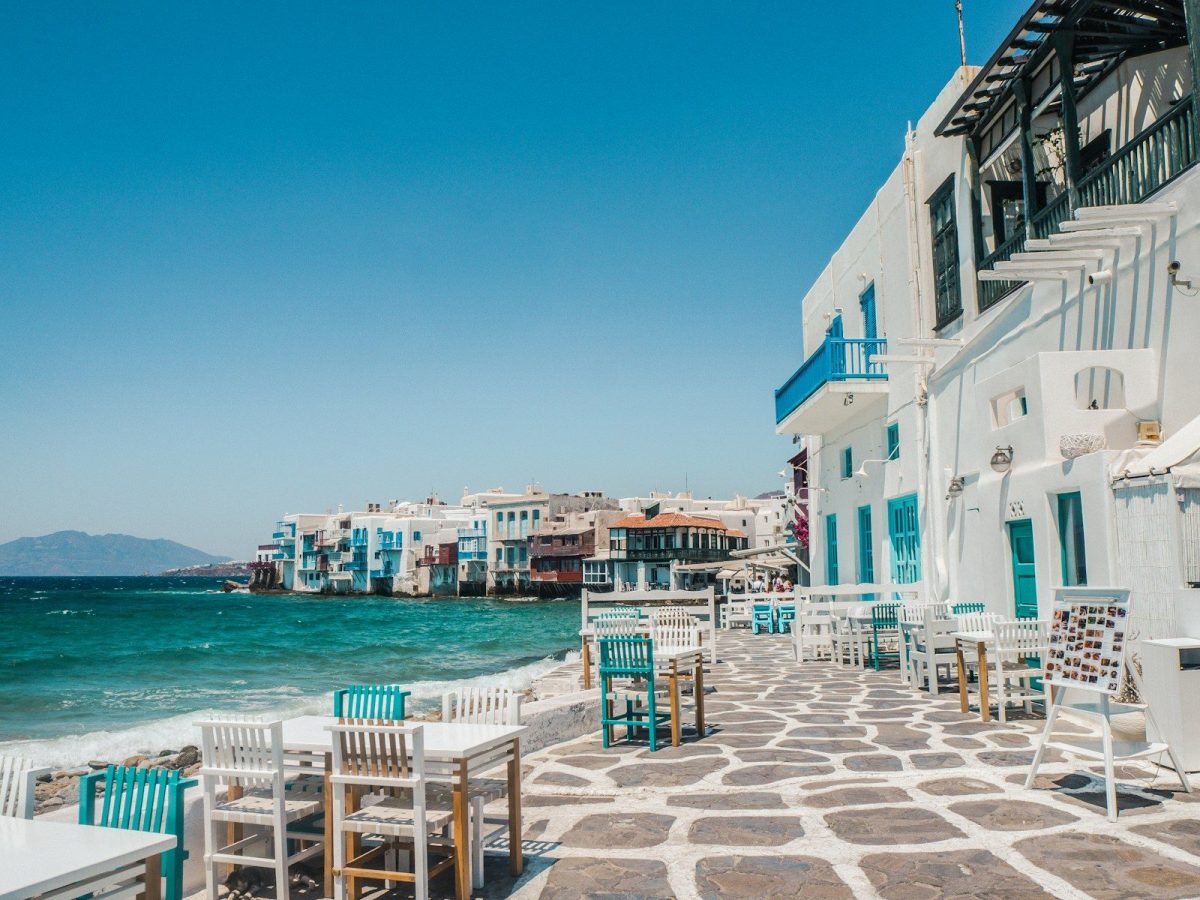
Outside of peak tourist season, life in Athens or on the islands moves at a pace set against modern urgency. The food is excellent because the ingredients are excellent, and the tradition of cooking well runs through the culture. Athens has matured into a cosmopolitan city with an evolved restaurant scene and housing costs well below those of Western European capitals. The Greek government has introduced visa programs aimed at remote workers, and the response has been strong.
Worth knowing: Greece’s digital nomad visa allows remote workers to live in the country for up to 12 months, with a possible one-year renewal.
6. Thailand
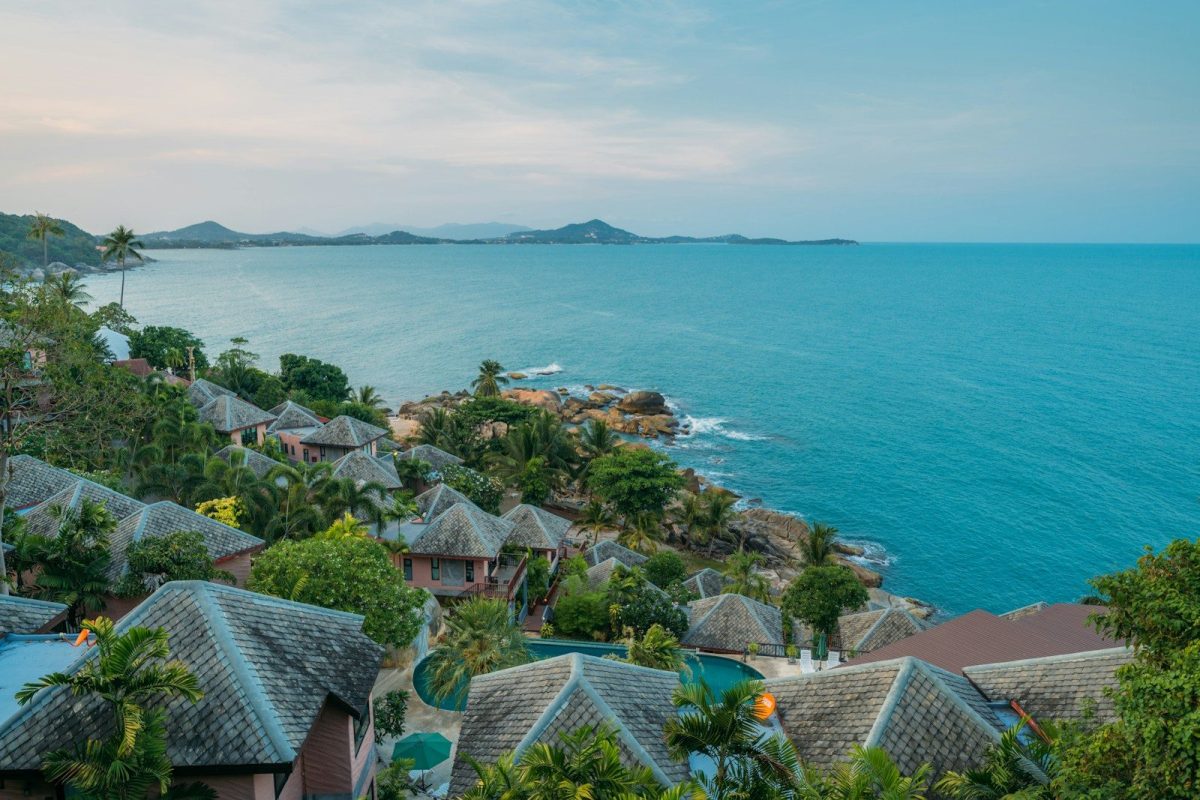
Thailand remains one of the most accessible countries in the world for Americans arriving with no prior experience living abroad. The cost of living is low at almost every level, and the standard of living available to someone earning a remote income is difficult to match elsewhere. Chiang Mai suits long-term residents with its cooler temperatures, mountain setting, and excellent food. Bangkok suits those who want one of the most stimulating urban environments on earth.
Worth knowing: Thailand’s Long-Term Resident Visa offers a 10-year stay for qualifying retirees and remote workers, along with notable tax advantages.
7. Germany
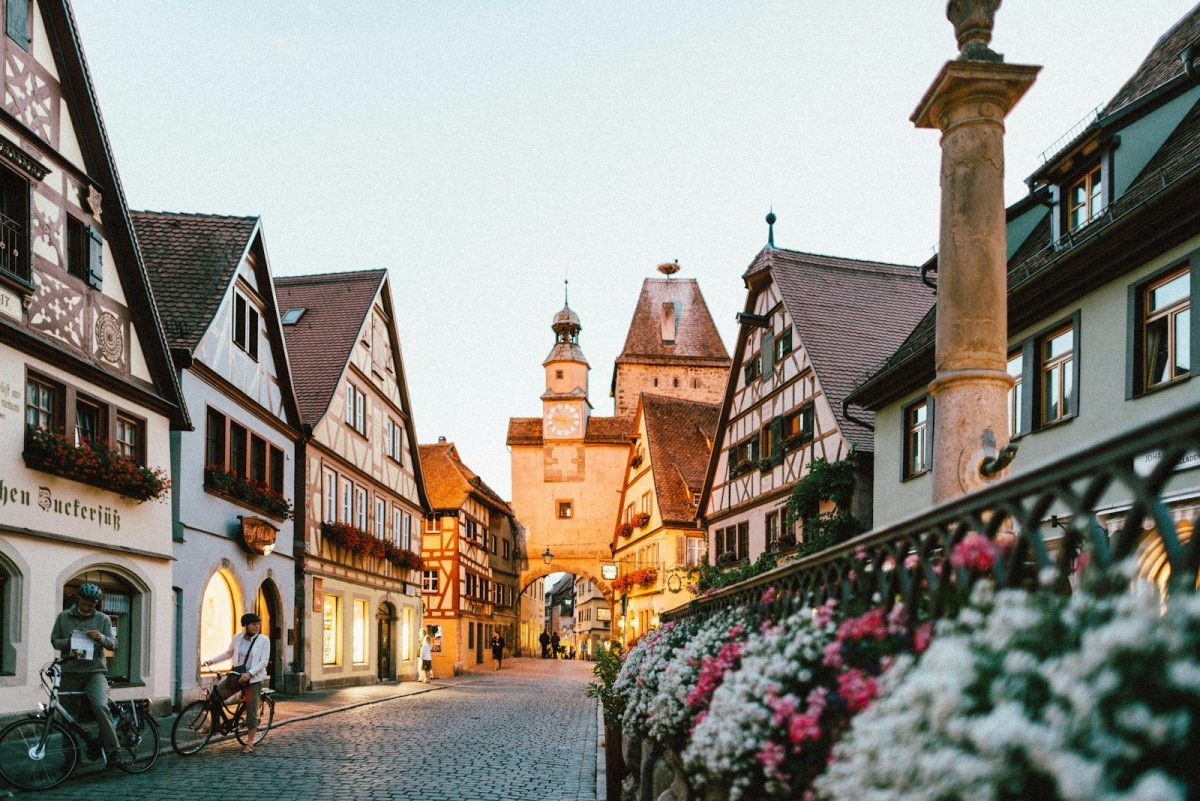
Germany suits Americans who want stability above everything else: strong institutions, excellent public healthcare, and an education system that is largely free even for international students. Berlin remains one of Europe’s most affordable major capitals. Munich is prosperous, polished, and surrounded by the Alps. Learning German is not optional for an integrated life there, but the payoff is access to a country that functions with a reliability that is easy to take for granted until you leave.
Worth knowing: Germany’s Freelance Visa offers a legal path to residence for Americans working independently in professional, technical, or creative fields.
8. Costa Rica

Costa Rica abolished its military in 1948 and redirected those funds toward education and healthcare. Decades later, the country has a literacy rate above 97% and a life expectancy that rivals the United States. The landscape covers two coastlines, cloud forests, active volcanoes, and roughly 5% of the world’s species in a country the size of West Virginia. The expat community is one of the largest in Latin America, and the transition from the United States is relatively smooth.
Worth knowing: Costa Rica’s Pensionado and Rentista residency programs are among the most accessible in the region, with clear income requirements and a straightforward process.
9. Italy
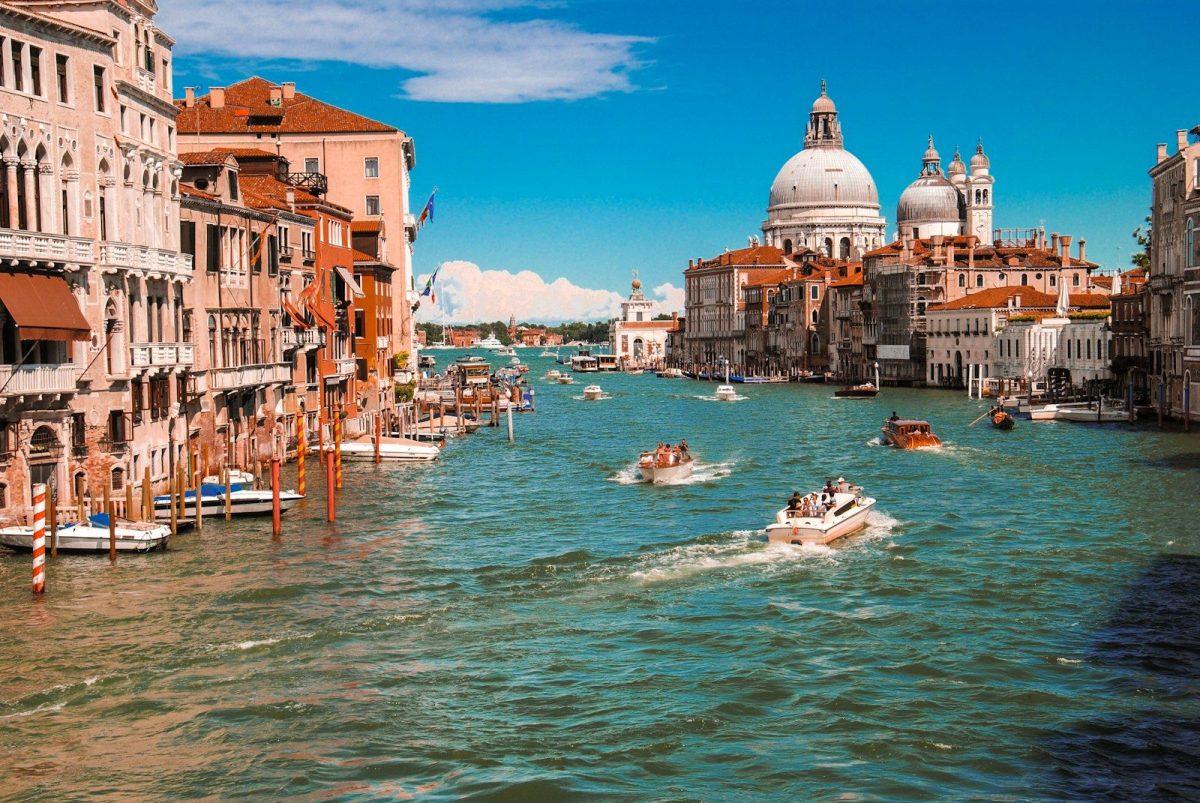
There is nowhere on earth quite like Italy when it comes to beauty. Living there rather than visiting changes the experience entirely, and residents consistently say it takes about a year to fully arrive in the daily-life version of the country. Rome, Florence, and Milan are the obvious entry points, but many American expats settle in smaller cities: Bologna for its food culture, Palermo for its history, Lecce for its Baroque architecture and southern pace. Italy has introduced tax incentives for foreign residents with income earned abroad, and villages in the south have drawn attention for deeply discounted properties offered in exchange for restoration commitments.
Regardless of which country appeals most, the most useful thing any American can do in 2026 is go. Book a stay of at least three weeks and treat it as serious research. The process of finding out tends to answer the question faster than any amount of reading.
Visa requirements and residency rules change frequently. Confirm current regulations with the relevant embassy or a qualified immigration attorney before making any decisions.
