
Some travelers have stopped chasing sun loungers and instead started chasing moose. Wildlife travel has become super popular across social platforms in the last year, and Canada has been benefiting from this. With 10 million square kilometers of boreal forest, tundra, coastline, and mountain wilderness, the country offers a scale of wildness that very few destinations can match.
By early 2026, the hashtag #CanadaWildlife had crossed 4 billion views on TikTok. The content driving those numbers is not polished or staged. The footages shows shaky handheld footage of grizzlies at river bends, midnight beluga sightings, and wolves quietly walking through snow. That rawness is exactly what keeps viewers watching and resharing the content. The nine trips below keep appearing in For You pages across North America, and each one holds up as a genuine, worthwhile travel experience.
1. Polar bear watching in Churchill, Manitoba
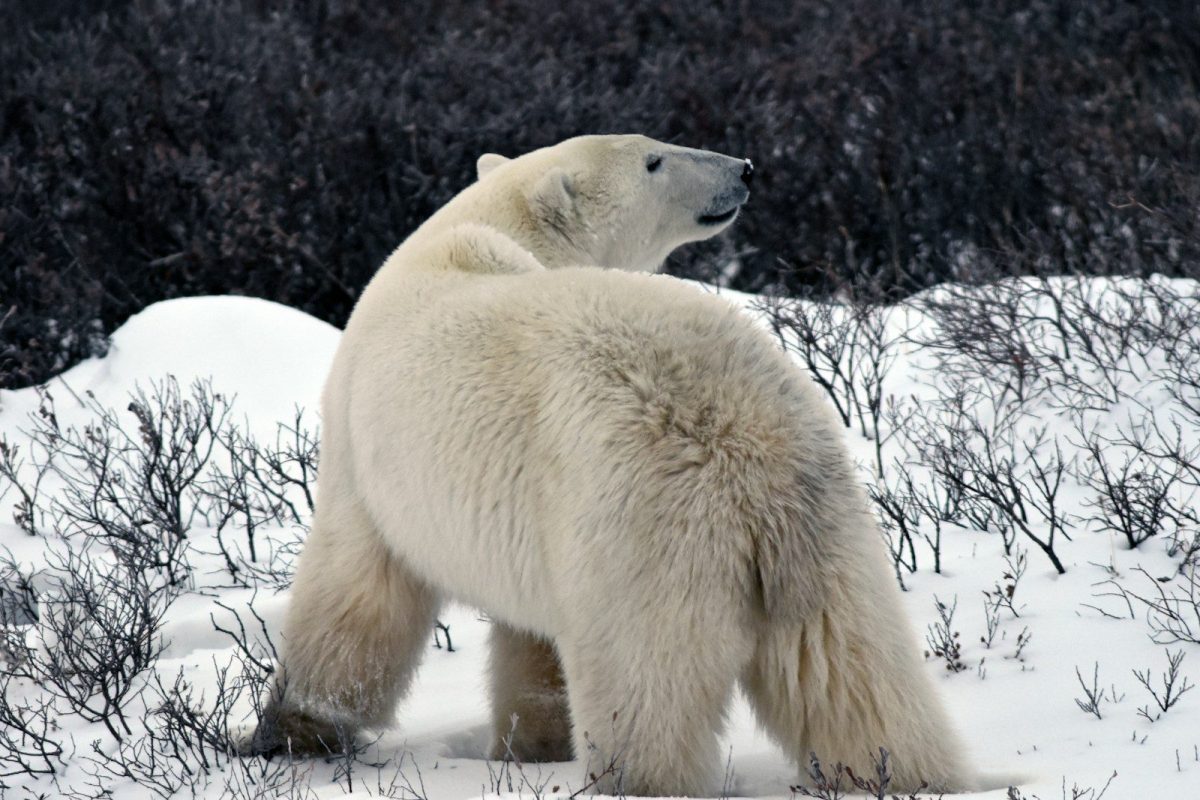
Churchill, Manitoba has carried the title of the polar bear capital of the world for decades, but TikTok gave it a whole new audience during 2025 to now. Every October and November, polar bears gather on the shores of Hudson Bay to wait for the sea ice to form. Tundra Buggy tours roll small groups of visitors directly into that gathering, producing footage that consistently stops scrollers cold.
The clips coming out of Churchill share a specific quality: a massive white shape materializes from the frost-dusted sedge grass, presses its nose against a vehicle window, and then simply stares. Cubs wrestle at golden hour. Bulls spar in slow, deliberate circles. The contrast between the flat, colorless tundra and the sudden presence of these animals gives the footage an almost surreal quality that translates well on small screens.
Booking your trip 12 to 18 months in advance is strongly recommended. Responsible tour operators cap group sizes, and Churchill’s limited accommodation fills up well ahead of peak season.
2. Beluga whale kayaking near Tadoussac, Quebec
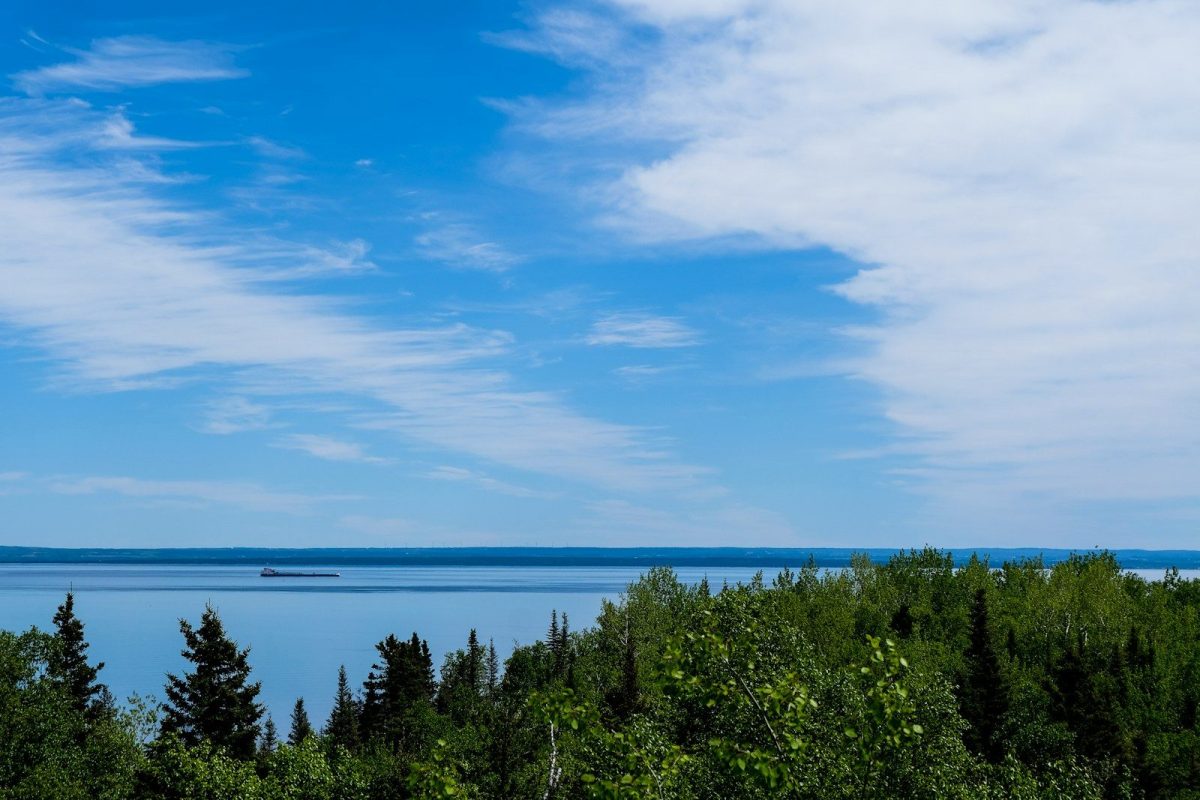
The point where the Saguenay Fjord meets the St. Lawrence River near Tadoussac, Quebec, is one of the most productive marine wildlife corridors in North America. Blue whales, fin whales, minkes, and humpbacks all pass through on seasonal migrations. The animals generating the most TikTok attention, though, are the resident beluga pods that live in the estuary year-round.
Belugas are intensely curious and famously vocal. Kayak tours operating under strict non-disturbance protocols place visitors in open water as pods glide alongside and beneath them. The whales click, whistle, and chirp in ways that carry clearly above the waterline. Creators who capture that audio and pair it with footage of white shapes moving just below the surface have found that the combination performs extraordinarily well.
July through September is peak season. Guided sea-kayak tours out of Tadoussac include detailed briefings on how to behave around the whales, and those guidelines exist for good reason.
3. Grizzly bear viewing in the Great Bear Rainforest, British Columbia
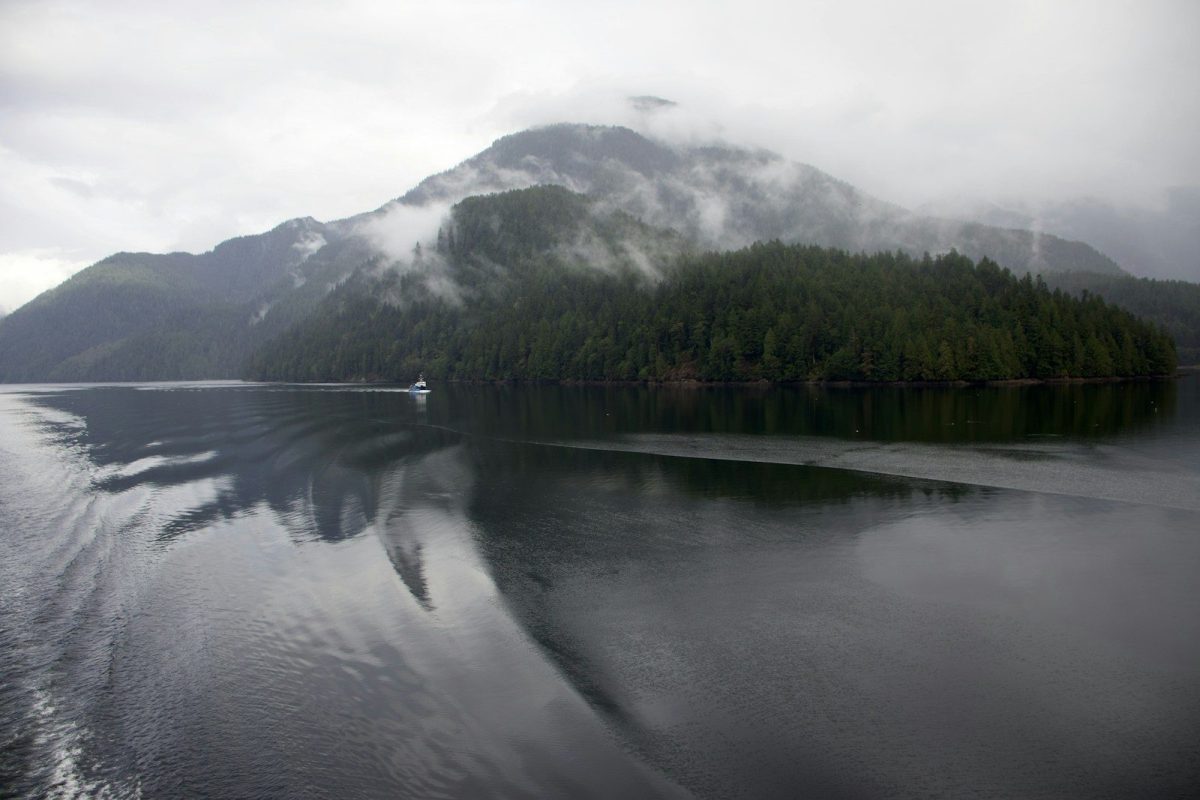
The Great Bear Rainforest covers 6.4 million hectares along British Columbia’s central and north coast. It is one of the last places on Earth where close-range observation of grizzly bears in undisturbed habitat is both possible and regularly achieved.
The footage from this region has a cinematic quality that is genuinely difficult to replicate elsewhere. Bears flip boulders in glacier-fed rivers to reach salmon beneath. The rare white Kermode bear, known locally as the Spirit Bear, emerges from undergrowth so green it reads as oversaturated on screen. Bald eagles circle overhead. Boat-based and lodge-based tours run by Indigenous-owned operators have seen their waitlists double since 2024, and the depth of ecological knowledge those guides bring to the experience adds a layer that pure wildlife spectacle alone cannot.
Seeking out tours operated by First Nations communities is the recommended approach. Those operators understand the land at a level that takes generations to develop, and tourism revenue flows back into the communities managing the area.
4. Bald eagle gatherings near Squamish, British Columbia
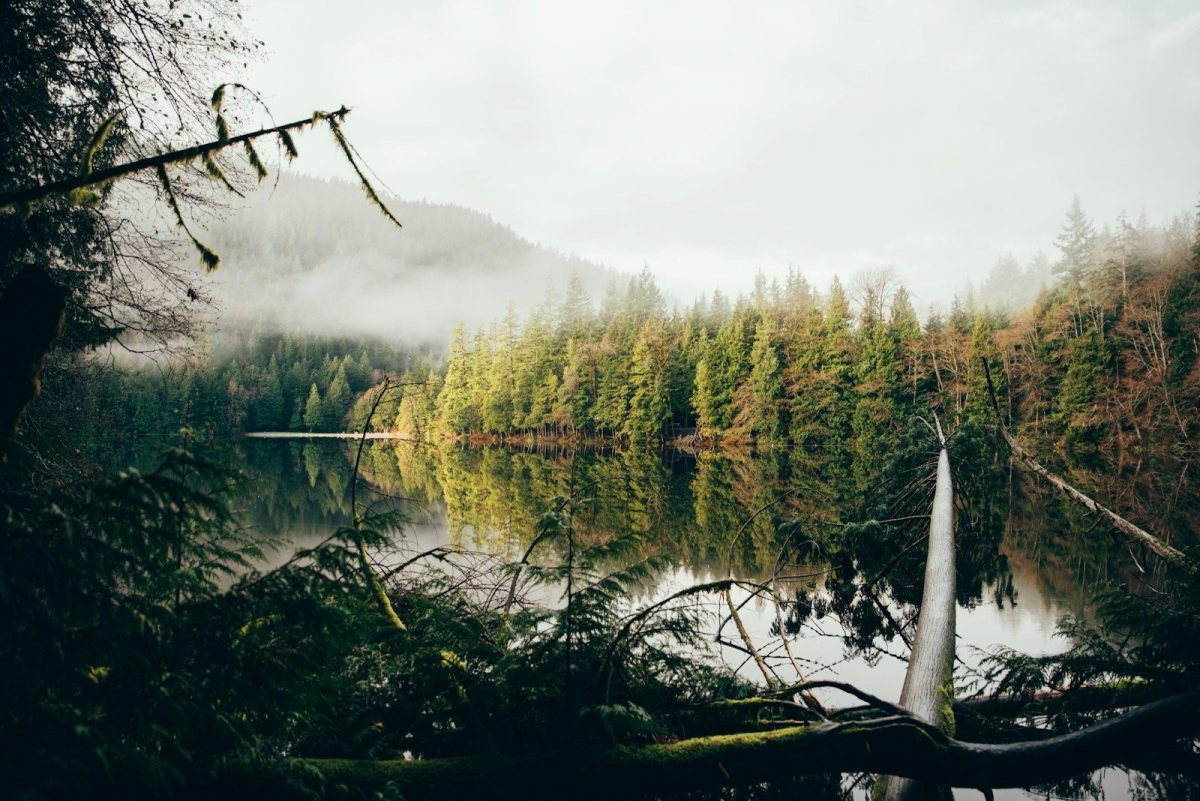
Each November and December, hundreds of bald eagles descend on the Squamish River valley to feed on spawning chum salmon. In strong years, counts exceed 3,000 birds. The gathering happens less than two hours from Vancouver, making it one of the most accessible large-scale wildlife spectacles on the continent.
The visual density is what drives the TikTok content from Brackendale. Bare cottonwood trees line up along the river, every branch occupied by white-headed birds. Eagles drop to the gravel bars and haul salmon from shallow water. The river surface itself churns with pink-and-red spawning fish. Day trips from Vancouver are entirely feasible, and the experience requires no boat, no specialized gear, and no advance permit.
Waterproof layers and binoculars are the practical essentials. Brackendale Eagles Provincial Park has viewing areas along the river that provide clear sightlines without disturbing the birds.
5. Wolf tracking in Banff and Jasper National Parks, Alberta
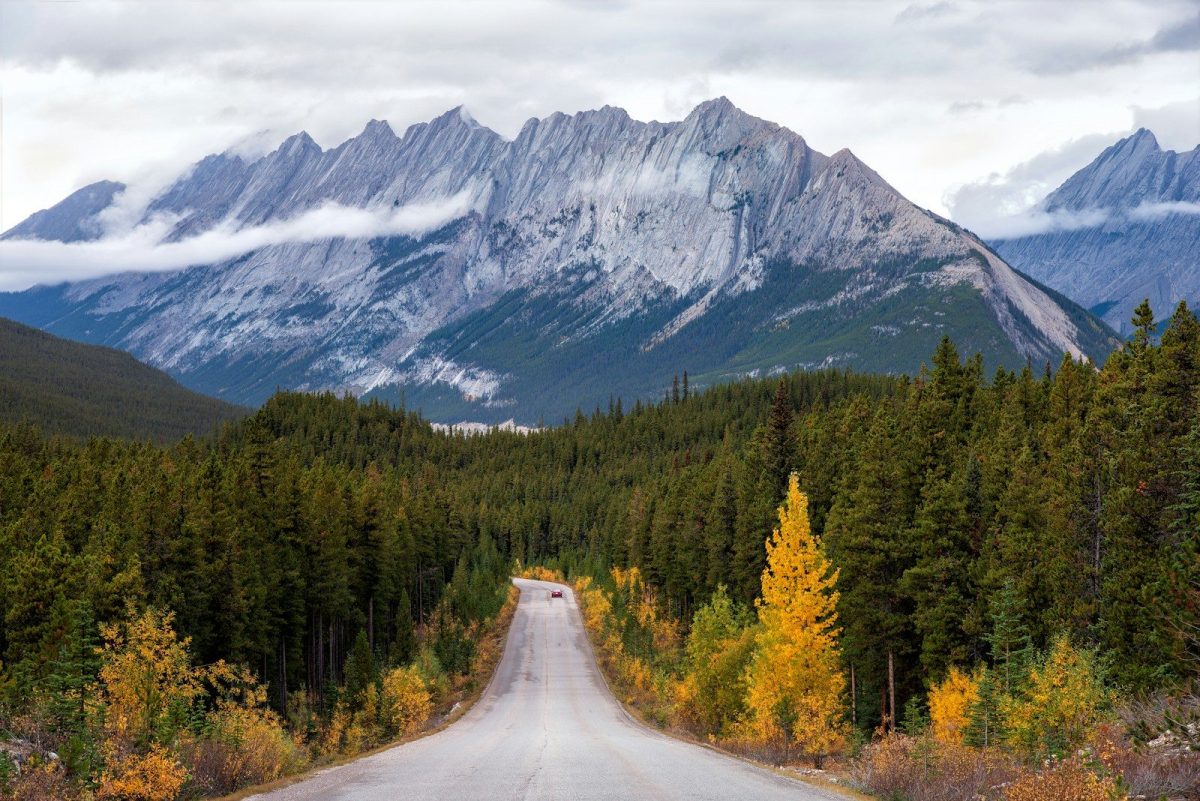
Banff and Jasper together protect one of the most intact mountain ecosystems in the temperate world. The wolf packs that roam the Bow and Athabasca valleys have built a genuine following on TikTok. In early 2026, footage of the Bow Valley pack crossing the Icefields Parkway at dawn accumulated over 30 million views in seven days.
Wildlife-focused tour operators now offer early-morning tracking excursions that use thermal imaging and acoustic monitors, technology that improves sighting odds without creating disturbance. Elk, bighorn sheep, wolverines, and lynx frequently appear as additional encounters. The Rocky Mountains provide a backdrop that elevates footage from every animal on that list.
The Icefields Parkway between Lake Louise and Jasper ranks among the great wildlife drives in the world. Driving slowly, pulling over at safe turnouts, and scanning open meadows at dawn and dusk gives independent travelers a real chance at meaningful sightings.
6. Harp seal pup watching in the Magdalen Islands, Quebec
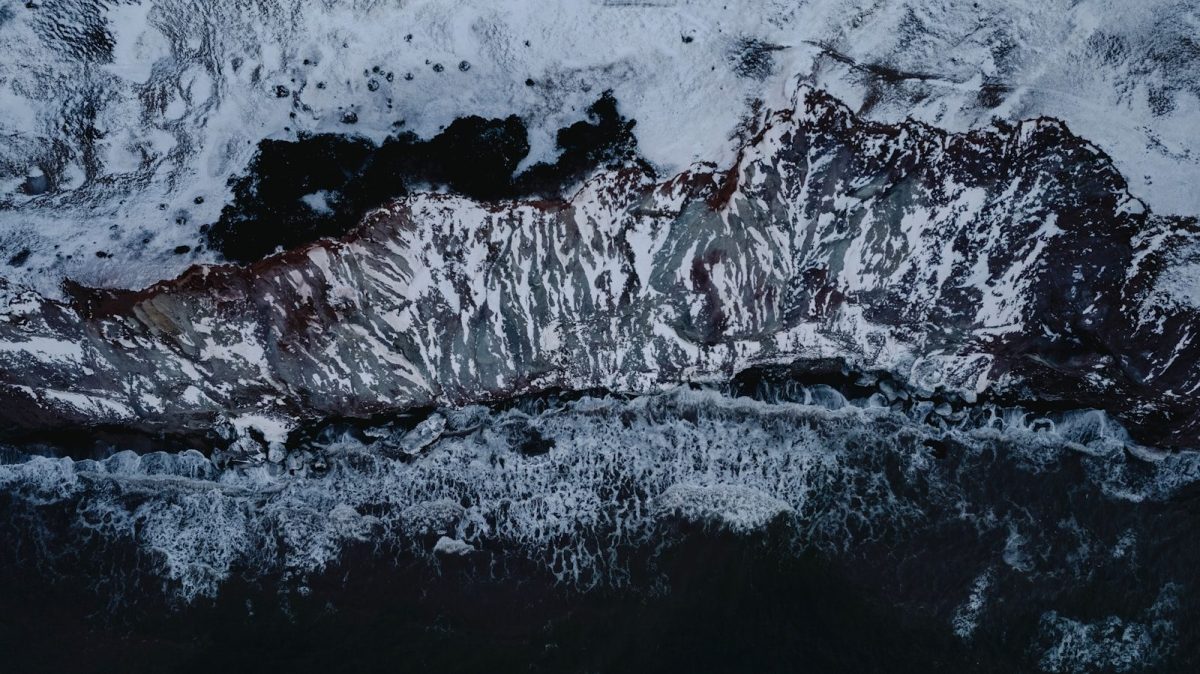
Each February and March, thousands of harp seal pups are born on drift ice surrounding the Magdalen Islands in the Gulf of St. Lawrence. The pups arrive with white coats, wide dark eyes, and no instilled fear of humans. The footage that comes out of these visits tends to generate an outsized emotional response from viewers.
Responsible operators fly small groups to the ice floes by helicopter for tightly supervised, low-impact visits. The pups at that stage are typically two to three weeks old, alert and vocal. The combination of the stark white ice, the pale pups, and the Gulf light creates images that require almost no editing to land on screen.
This experience has a narrow seasonal window and strict participant caps, both of which drive demand far above supply. Booking several months in advance is necessary. Trip insurance is worth purchasing given how heavily weather affects flight access to the ice. Temperatures regularly drop below minus 20 degrees Celsius, so cold-weather gear is non-negotiable.
7. Wood bison safari in Wood Buffalo National Park, Alberta and Northwest Territories
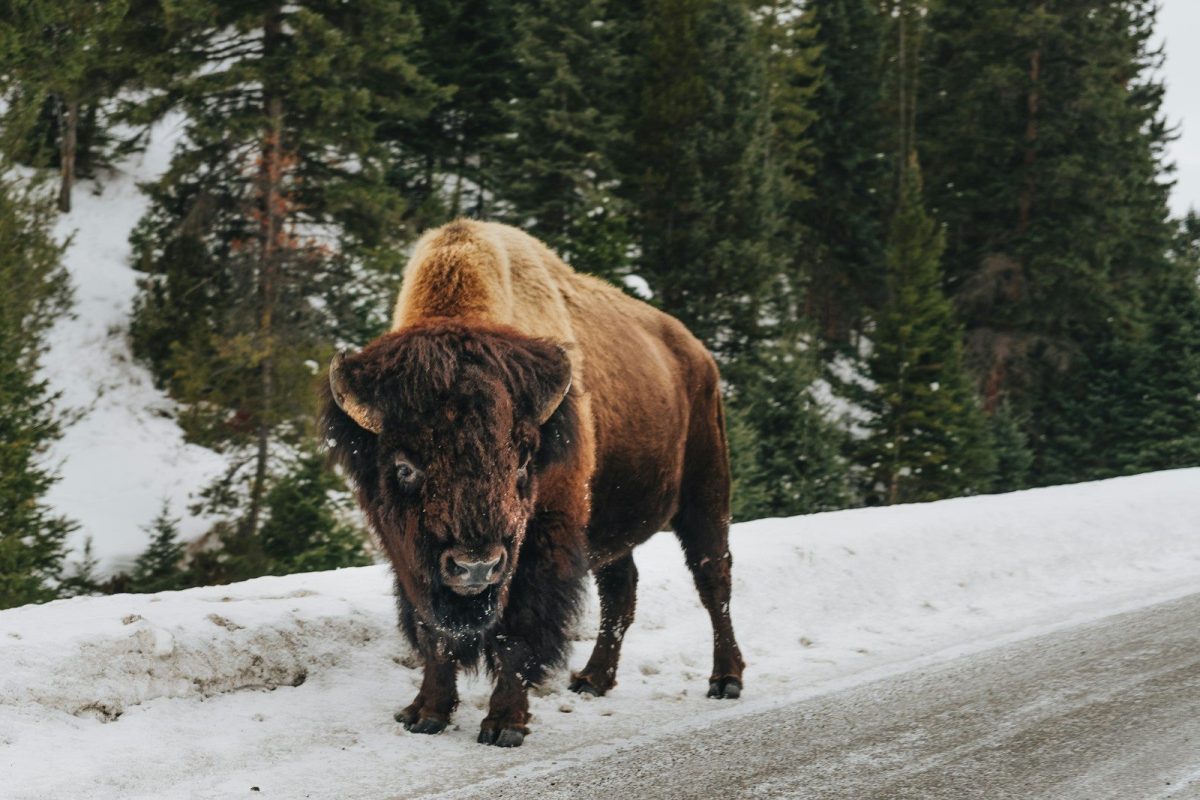
Wood Buffalo National Park is Canada’s largest protected area and one of the biggest on the planet. It is home to the largest free-roaming herd of wood bison in the world, numbering around 5,000 animals. The park also holds the only remaining natural nesting ground for the whooping crane, one of North America’s most critically endangered birds.
The scale of the terrain here is genuinely difficult to absorb. Vast boreal plains, salt flats, braided river systems, and the Peace-Athabasca Delta extend in every direction. TikTok creators who have traveled this far tend to post quiet, unhurried clips of bison moving across open plains like dark water. Those slower-paced videos perform surprisingly well against the usual fast-cut format. The stillness carries its own weight.
Fort Smith, Northwest Territories, serves as the main gateway. A rental vehicle is necessary. The park is enormous and public transportation does not reach it.
8. Orca watching off Northern Vancouver Island, British Columbia
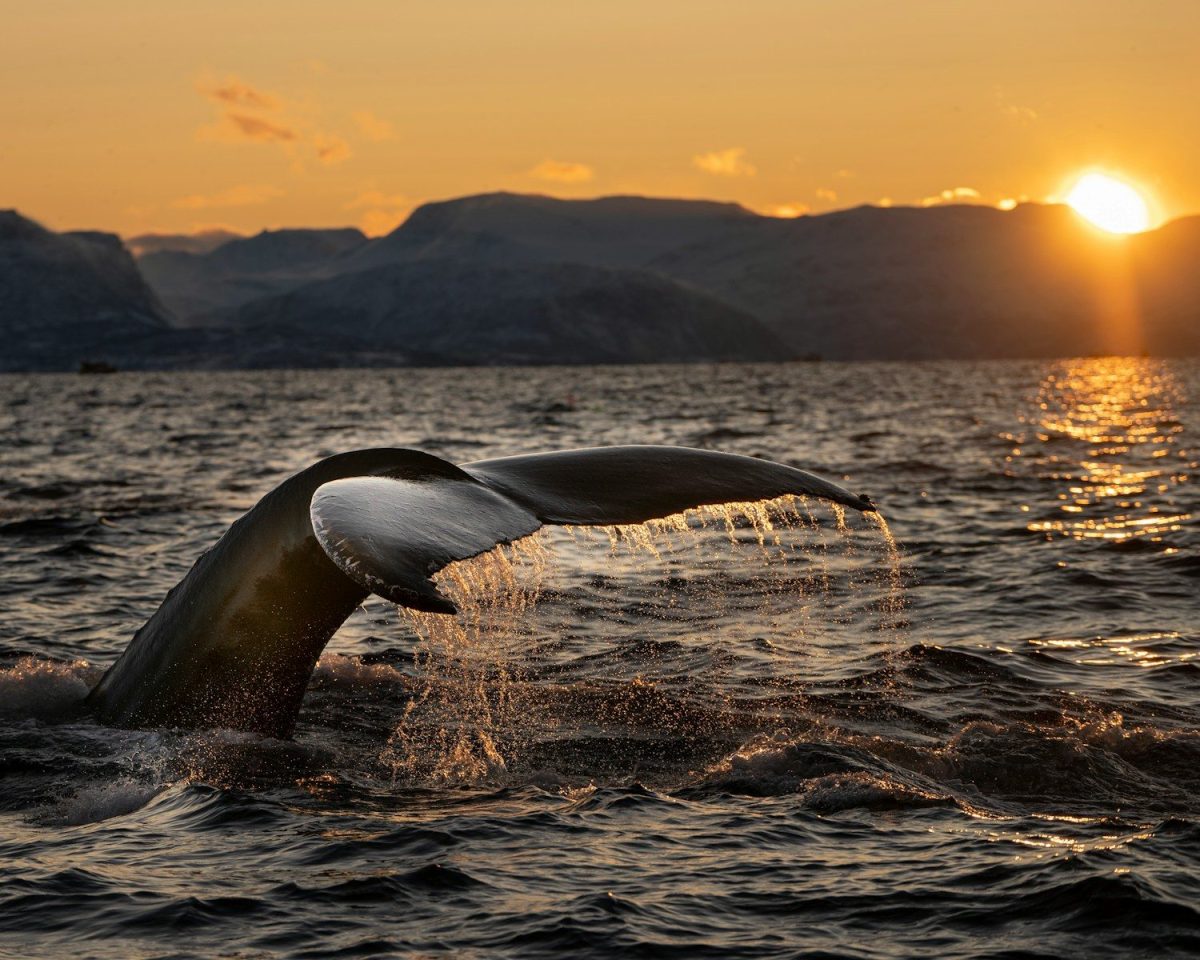
The waters around Johnstone Strait and the Broughton Archipelago, off the northern end of Vancouver Island, offer some of the most reliable orca viewing in the world. Both resident fish-eating pods and transient orcas pass through regularly, making encounters varied across the summer and fall season.
Zodiac-based tours out of Telegraph Cove and Port McNeill produce footage that is hard to achieve anywhere else. Dorsal fins cut the surface a few meters from the boat. Adults spy-hop, lifting their heads clear of the water to look around. The low, wet exhale of a surfacing whale carries on camera in a way that captures something beyond the visual. Hydrophone deployments let visitors hear the whales communicating underwater in real time, and that audio alone has gone viral multiple times across different creator accounts.
July through October provides the best conditions. Telegraph Cove is a very small community, so arriving with accommodation already confirmed is essential. Weather on that stretch of coastline changes without much warning.
Before You Go
The TikTok effect is real, and the pressure it places on wild places is real too. Churchill’s polar bear tours have become stricter in response to demand. The Magdalen Islands seal-watching operators have capped visitor numbers. Several of Banff’s most-filmed wildlife corridors now have seasonal closures to protect denning animals.
Booking through licensed, accredited operators is the baseline. Following guide instructions without exception is not optional. Maintaining appropriate distance, staying quiet, and keeping camera use from overriding basic respect for the animal in front of you are habits worth building before the trip, not during it.
Canada’s wildlife has survived ice ages, continental shifts, and centuries of human pressure. The responsibility of a 2026 traveler is to make sure it also survives the algorithm.
