
Cruising through Europe can be an amazing experience, especially for travelers with disabilities or reduced mobility. But it also raises important questions about access, safety, and passenger rights. Many people assume that rules in the European Union guarantee boarding for everyone, but the reality is a bit more complicated.
Here’s a simple, clear guide to what disabled cruise passengers should know before they travel.
Can a cruise line refuse a disabled passenger?
In some cases, yes, but only for safety reasons.
A cruise line may refuse boarding if it believes a passenger cannot be safely accommodated. This is usually related to emergency evacuation rules or ship design limits. For example, cruise ships must be able to evacuate all passengers quickly in case of an emergency. If a passenger using a wheelchair cannot be safely assisted during evacuation, the cruise line may decide not to allow boarding.
Ports can also play a role. If a port does not have proper equipment or safe access for boarding or disembarking, it may not be possible to complete the journey safely.
What rights do disabled cruise passengers have?
Under European law, specifically EU Regulation 1177/2010, disabled passengers and travelers with reduced mobility are protected.
In simple terms, this means:
- You cannot be refused travel only because of a disability
- You should not pay extra fees because of your disability
- You are entitled to assistance when boarding and leaving the ship
- You can receive help with luggage and mobility equipment
If a cruise line does refuse boarding, it must offer a clear choice. You should be able to either:
- Get a full refund, or
- Be rebooked on another trip at no extra cost
What changed after Brexit?
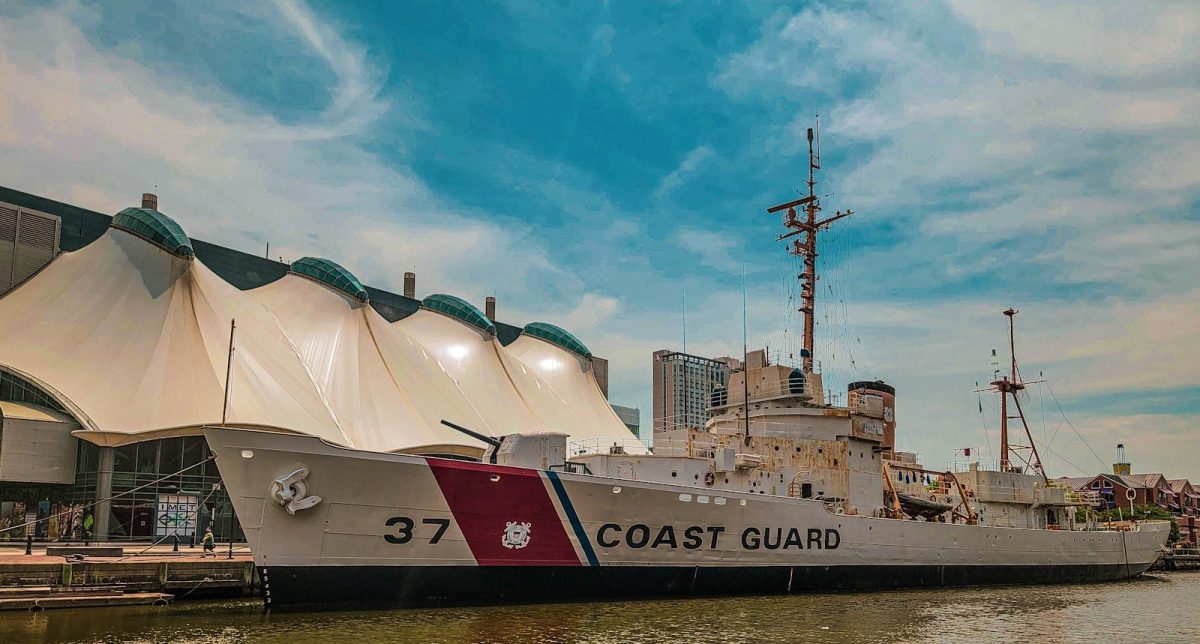
Photo by Grace Dadson on Unsplash
For travelers in the United Kingdom, the rules are mostly similar but handled differently.
Cruises departing from UK ports still follow similar protections. However, complaints are handled by the Maritime and Coastguard Agency (MCA) instead of EU bodies.
Passengers leaving from EU ports still follow EU regulations, so protections remain in place there.
How do you know if a port is accessible?
Not all cruise ports offer the same level of accessibility. Some have ramps, lifts, and trained staff, while others may have limited support.
Major UK ports like:
- Southampton
- Portsmouth
- Dover
usually provide assistance, but services can change depending on the cruise line and day of travel.
One important issue is tender ports. These are places where ships anchor offshore and passengers are taken to land by small boats. These boats are often not wheelchair accessible, which may mean some passengers have to stay onboard during stops.
Because of this, it is very important to check accessibility details before booking.
What to do if something goes wrong
If a disabled passenger feels they were treated unfairly, the first step is to contact the cruise line directly. Complaints should be made within about two months and should include booking details and any proof of what happened.
The cruise line is required to respond and explain its decision. If the issue is not resolved, passengers can escalate the complaint to the national enforcement authority in the country where the cruise started.
Final advice before you sail
The most important step is simple: always inform the cruise line or travel agent about any mobility needs at the time of booking. This gives the cruise company time to arrange proper assistance and reduces the chance of problems later.
With the right planning, cruise travel can still be smooth, accessible, and enjoyable for everyone.
Note: Accessibility policies and assistance services may vary depending on the cruise line and departure port. Always check with your cruise provider for the most up-to-date information.
