
Cruises can feel like floating resorts with endless temptations, but many extras come with steep price tags that add little to the experience. It’s easy for adults to get caught up in the convenience and excitement, only to face sticker shock when the final bill arrives. The good news is that you don’t have to spend a fortune to enjoy everything a cruise has to offer. By recognizing which costs are unnecessary, you can focus on what really matters: great food, relaxing days at sea, and memorable adventures in port. These are 9 common cruise expenses that often look appealing at first but end up being nothing more than wasted money.
1. Specialty Dining Every Night
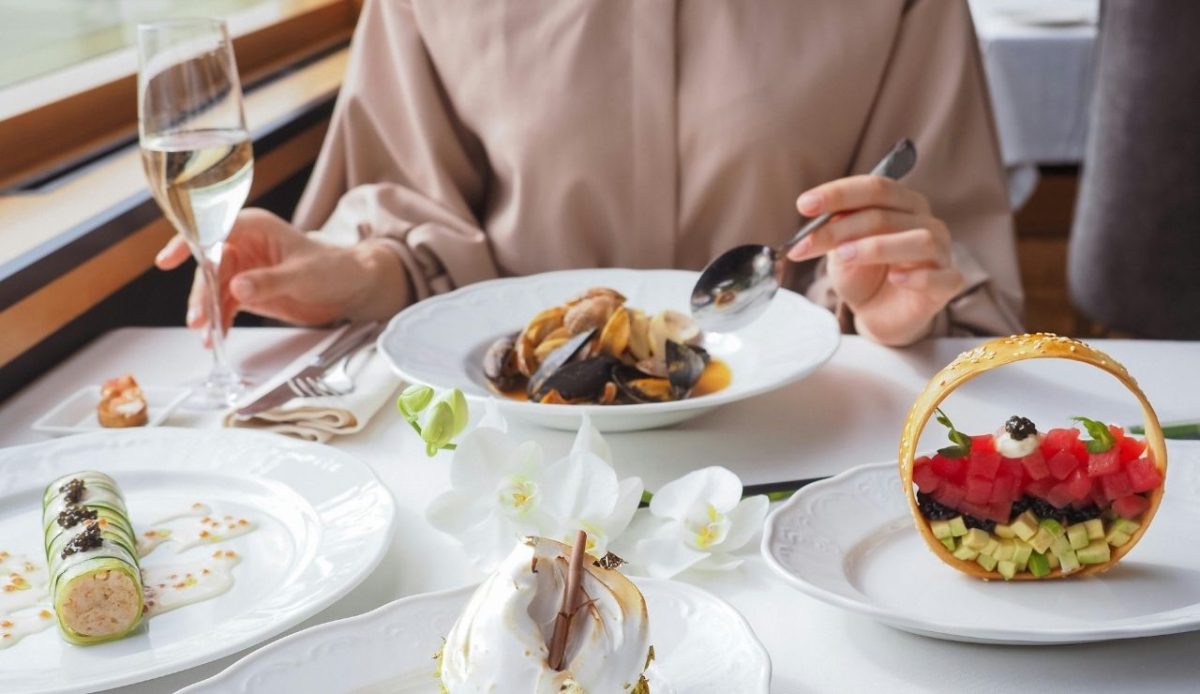
The main dining rooms and buffets on most ships already serve a wide range of high-quality meals at no extra charge. Cruise lines push specialty restaurants because they bring in extra revenue, but the food quality rarely justifies paying additional fees every evening. You might find one or two of these venues worth trying for a special occasion, but making them a daily habit will drain your budget fast. The included dining options are more than enough to enjoy a variety of dishes throughout your trip. Treating yourself once is fine, but nightly specialty dining is a classic money trap.
2. Unlimited Drink Packages

Unlimited drink packages are one of the biggest selling points for cruise lines, but they’re rarely worth the cost unless you plan to drink heavily every day. Basic drinks like water, tea, and coffee are already included in your fare, and alcohol or sodas can be purchased individually. Many adults realize too late that they didn’t drink enough to make the package pay for itself. If you only want a glass of wine at dinner or a cocktail by the pool, buying drinks one at a time is almost always cheaper. Save the package money for excursions or experiences that leave a lasting memory.
3. Cruise-Booked Shore Excursions

Booking excursions directly through the cruise line feels safe and simple, but the prices are often double what you’d pay with local operators. Independent guides in port usually offer smaller groups, lower rates, and a more personal experience. As long as you plan your timing carefully, you’ll get just as much—if not more—for your money. The ship’s excursions often pack travelers into buses or overbooked activities, while local tours provide more flexibility and authenticity. Doing a little research ahead of time helps you enjoy the same beach, hike, or city tour at a fraction of the cruise line’s cost.
4. Onboard Spa Treatments

Cruise spas are tempting with their quiet spaces and professional treatments, but the price tag is often far higher than what you’d pay at a salon or spa on land. A massage or facial that costs $80 at home can easily run $160 or more on board. Unless you’re willing to splurge for the convenience, you’re better off booking a treatment in port, where local spas provide the same level of service for less. For most travelers, the inflated onboard rates make spa visits a poor use of money. Save them for a rare indulgence rather than a regular part of your cruise routine.
5. Branded Souvenirs from Ship Shops

The ship’s gift shops are filled with T-shirts, mugs, and trinkets stamped with the cruise line’s logo, but these items are usually overpriced and lack real meaning. Many end up shoved in a closet once the trip is over. Instead, look for souvenirs in local markets and shops at your ports of call. Handmade crafts, regional foods, or small pieces of art carry far more connection to your experience. You’ll spend less money and return home with something that truly reflects your travels rather than a mass-produced item you could have bought anywhere.
6. Costly Wi-Fi Packages

Staying connected at sea sounds convenient, but cruise Wi-Fi is slow, unreliable, and often outrageously priced. Packages can run nearly as high as home internet, yet you’ll struggle with dropped connections and sluggish speeds. Unless you truly need access for work, it’s better to disconnect and enjoy the break. If you must check in, use free or low-cost Wi-Fi at port cafes, airports, or even mobile hotspots onshore. Paying premium rates on board for frustrating service ends up being one of the most avoidable wastes of money on a cruise.
7. Professional Photo Packages

Cruise ships are filled with photographers snapping staged pictures at every turn, from dinner tables to gangways. While the idea of having professional shots sounds appealing, the cost is often shocking. Individual prints can run high, and bundled photo packages cost hundreds. Most adults already carry phones with excellent cameras that capture personal, authentic memories. If you want one professional shot, wait until the end of the cruise and choose carefully. Buying every staged picture only drains your wallet for images you may never even frame.
8. Gambling at the Ship Casino

Cruise casinos lure travelers with flashing lights, upbeat music, and the chance of striking it rich. The reality is that odds always favor the house, and the thrill of chasing wins can make people spend far more than they intended. A few small bets for fun may be fine, but adults who don’t set strict limits often regret the final tally. Free shows, live music, and other onboard entertainment give you more lasting enjoyment without risk. Casinos exist to make money off guests, making them one of the easiest ways to waste cash at sea.
9. Laundry and Dry-Cleaning Services

Laundry is a hidden expense that often surprises travelers. Ships charge steep rates for basic washing, pressing, or dry-cleaning, and those costs add up quickly during a week-long trip. For adults who pack wisely, it’s cheaper and easier to bring enough clothes or do simple hand-washing in your cabin sink. Some ports even have laundromats where you can refresh items for a fraction of the price. Paying cruise line rates to clean socks, T-shirts, or casual wear is rarely worth it. A little planning saves money that’s better spent on activities ashore.
