
Historic towns depend on trust. Their landmarks are open to residents and visitors, yet stone, wood, and metal can be scarred in seconds. Police statements and court coverage in several regions have tied vandalism cases to teens and young adults in the Gen Z age range. The damage has ranged from graffiti and carving to cemetery destruction and arson, often in places marketed for walkable heritage. These examples stick to reported incidents and explain what was harmed, what restoration can and cannot fix, and how towns respond when public history is disrespected. Penalties are often set to cover restitution for labor and materials.
1. Sleepy Hollow, New York

Sleepy Hollow, New York, is a Hudson River village whose identity is tied to historic scenery and visitor access. On May 31, 2025, the Tarrytown Lighthouse was damaged after intruders broke windows, entered the structure, and set a fire that burned interior flooring and nearby items. Police said four people were taken into custody, including suspects aged 18 and 19 and two 17-year-olds handled through youth procedures. Tours were halted, and repairs became urgent because the lighthouse had recently been restored, making the losses feel immediate to residents. Cleanup required careful conservation to prevent the spread of soot and heat damage.
2. Winterset, Iowa

Winterset, Iowa, protects a park landmark called Clark Tower, built in the 1920s and treated as a community historic symbol. Police said graffiti and racial slurs were found across multiple levels of the stone tower in November 2025, and five people were charged, including four juveniles and a 19-year-old. Removal was described as labor-intensive because porous stone can hold pigment below the surface. The episode shows how one tagging night can force weeks of careful cleaning and limit access to a public viewpoint. Security video was used during the investigation, showing why cameras matter in open parks.
3. Nara, Japan

Nara, Japan, is a former capital where wooden temples and gates are preserved as active religious sites. In July 2023, police interviewed a Canadian teenager after he carved his name into a pillar at Toshodaiji Temple, a UNESCO-listed property within the historic town area. Temple staff reported the act quickly, and the incident drew public criticism because old timber records every scratch. Specialists can stabilize fibers and soften the mark, yet the original surface has been changed permanently, which is why penalties can follow even a brief act. The case was used to remind tourists that touch rules are enforced on sacred buildings.
4. Jerusalem, Israel

Jerusalem contains historic cemeteries that reflect the city’s multi-faith past, including the Protestant Cemetery on Mount Zion. In October 2022, Israeli police said two teenagers, ages 18 and 14, were taken into custody after more than two dozen graves were vandalized, with crosses toppled and tombstones damaged. Religious leaders described the act as targeted and hateful, and surveillance footage was cited during the investigation. Even when stones can be reset, the emotional injury to families and caretakers often lasts far longer than the cleanup process itself, affecting trust and communal memory.
5. Toowoomba, Australia

Toowoomba in Queensland is an older regional city with cemeteries that hold early settler and migrant histories. In August 2024, police took into custody three teenage boys aged 15 to 17 after hundreds of graves at Drayton and Toowoomba Cemetery were damaged, with headstones and crosses smashed. Families described the scene as devastating because many plots are still visited regularly. Authorities said the matter was handled under youth justice pathways, yet restoration still requires time, craftsmen, and records-work. Each broken marker must be matched to burial records before repairs can begin.
6. Carleton Place, Ontario
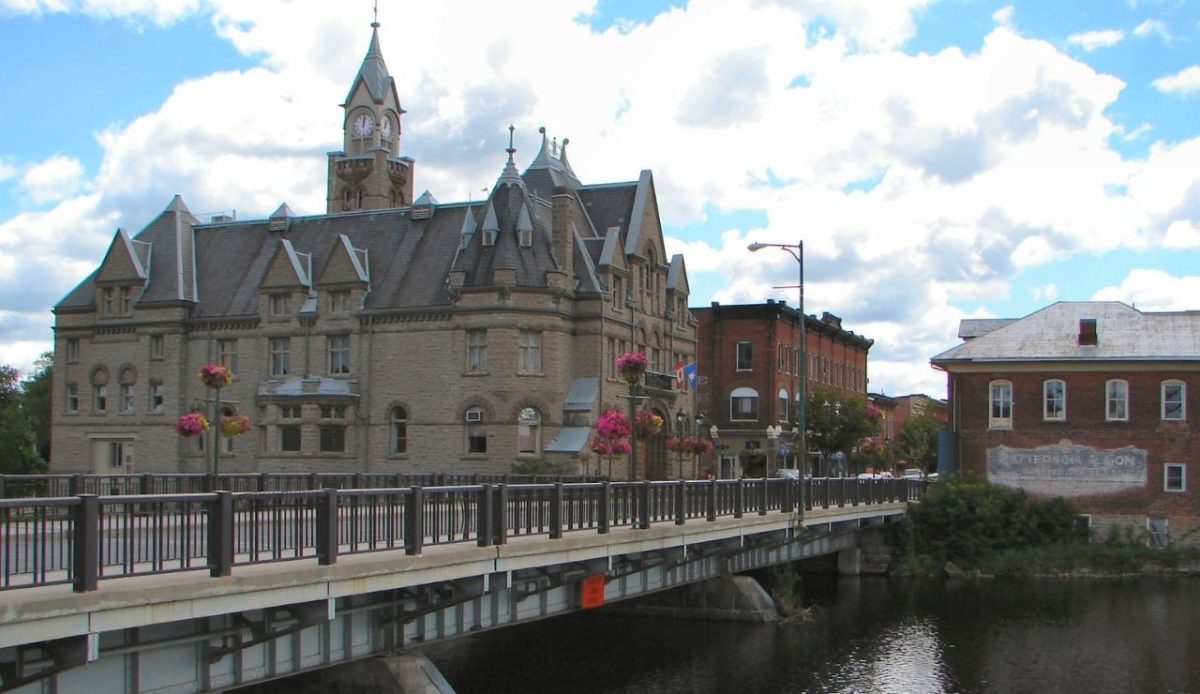
Carleton Place in Ontario has a nineteenth-century mill town character, with a compact main street and older stone buildings along the river. In February 2023, Ontario Provincial Police said a commercial property was vandalized with racially targeted graffiti, and three teenagers were charged with mischief. While one wall was hit, the impact spread across the town’s sense of safety because heritage streets are shared spaces. Crews removed paint carefully to avoid scarring the brick, and owners faced extra costs for cleanup and reporting. The case also showed how fast hateful markings can travel online and intensify fear.
7. York, England
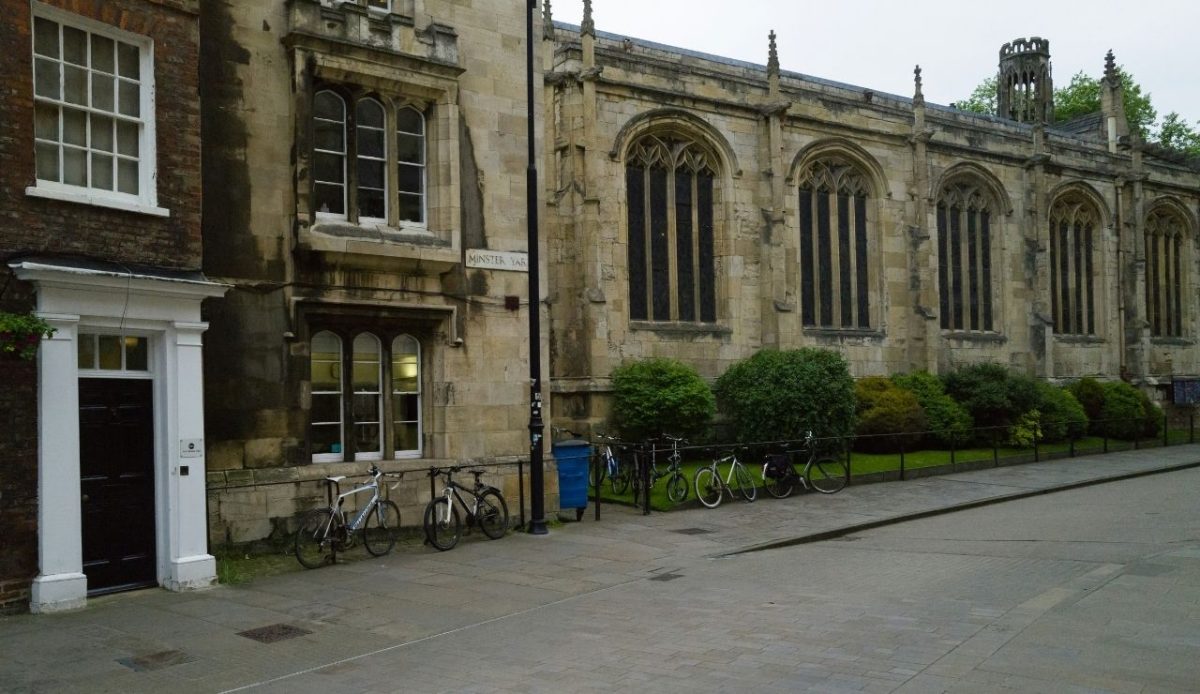
York in northern England is a walled medieval city where museums and stone lanes draw constant foot traffic. In January 2023, staff at York Castle Museum reported offensive graffiti on the exterior, and police said a 17-year-old was held on suspicion of racially aggravated criminal damage. The markings had to be removed without grinding away historic stone, so cleaning options were limited. The case highlights how a quick act can pull staff from education work into restoration planning and security rosters. Extra patrols were reported in the area, and the museum had to reassure visitors and locals.
8. York, Pennsylvania
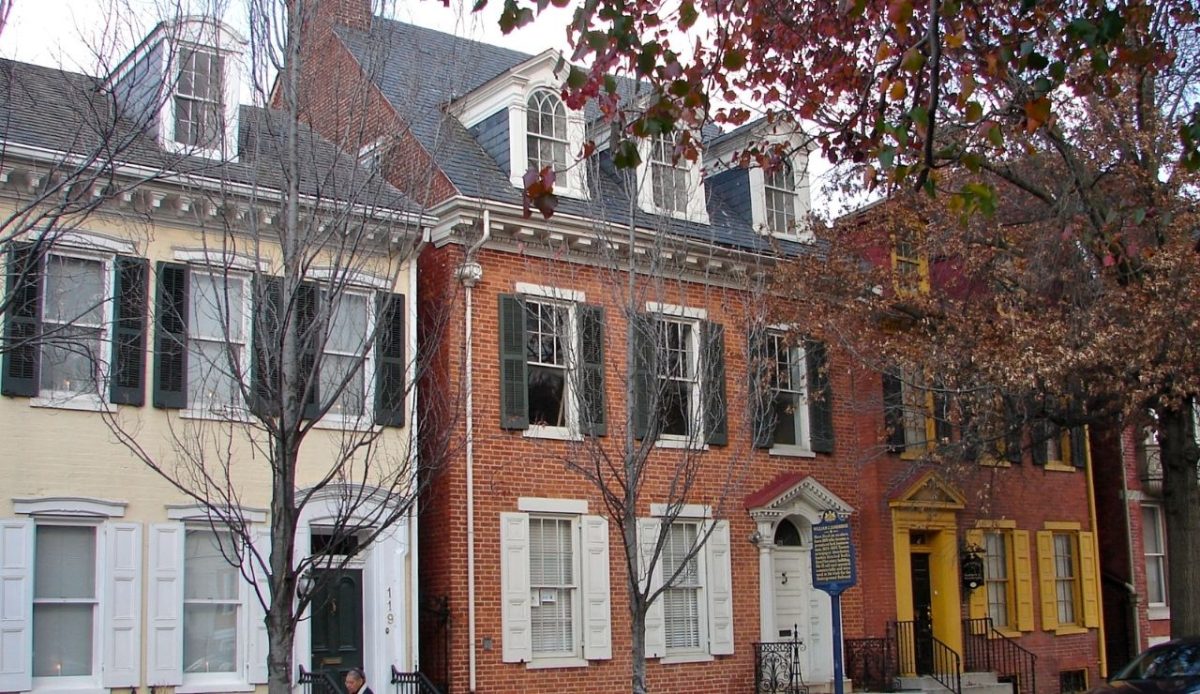
York in Pennsylvania has an older downtown with libraries, churches, and brick row buildings that reflect early American growth. In 2023, York City police said a 17-year-old suspect was linked to a graffiti spree that defaced about 101 properties, with damages estimated at over 27,000 dollars. The markings were not limited to one wall, so the historic feel of whole blocks was affected. Owners had to repaint, clean masonry, and file reports, while investigators mapped tags and timelines to connect separate incidents. Repeat cleanup can also fade older brick and mortar, creating a second layer of harm.
9. Portsmouth, New Hampshire

Portsmouth in New Hampshire is a colonial-era seaport with preserved streets and historic worship sites. In 2024, an 18-year-old turned himself in and faced charges tied to hate-motivated graffiti incidents from February 2023, including vandalism at religious buildings and damage to public signs such as a Black Heritage Trail marker. Officials treated the case as both property crime and civil rights harm. For a town that markets walkable history, repeated defacement can change how residents experience their own public spaces. Repairs were paired with calls for community service aimed at education and accountability.
10. Cookeville, Tennessee
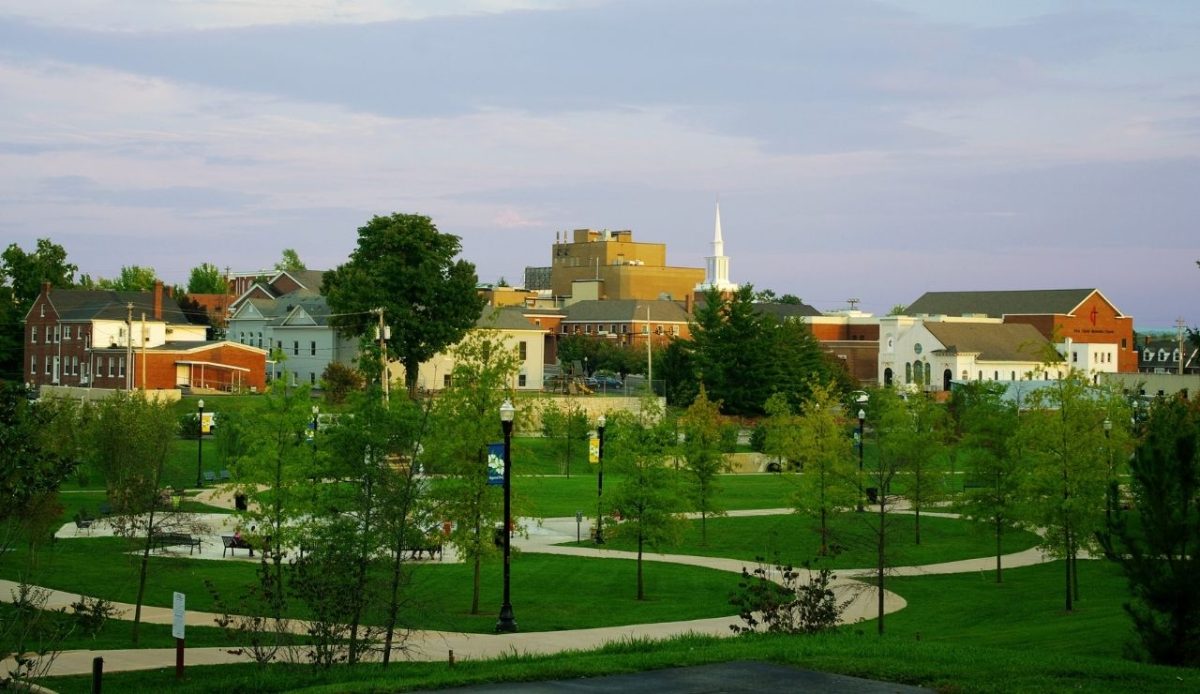
Cookeville in Tennessee has older burial grounds such as Cookeville City Cemetery, where headstones mark local families and veterans. In July 2025, officials reported that dozens of headstones were damaged and knocked over, and police later said a juvenile suspect was identified and charged with felony vandalism. Cemetery stones can crack at the base when toppled, and repairs involve resetting foundations, not only standing markers back up. The incident shows why many towns treat cemetery damage as an offense against shared memory, not a prank. Families also face delays while stones are cataloged and stabilized for safety.
