
Tourist scams that catch people off guard usually start as ordinary travel moments, like a cab ride, a quick exchange, or a friendly offer of help. They are easy to miss because the first steps feel normal and the extra costs appear in small increments. Across parts of Asia, travelers often describe the same pattern: a service looks official, language gaps add confusion, and the dispute shows up only at the end. Knowing where these tactics are frequently reported helps visitors slow down, check details, and keep control of money and documents. A few seconds of verification can prevent hours spent arguing or replacing cash.
1. Bangkok, Thailand
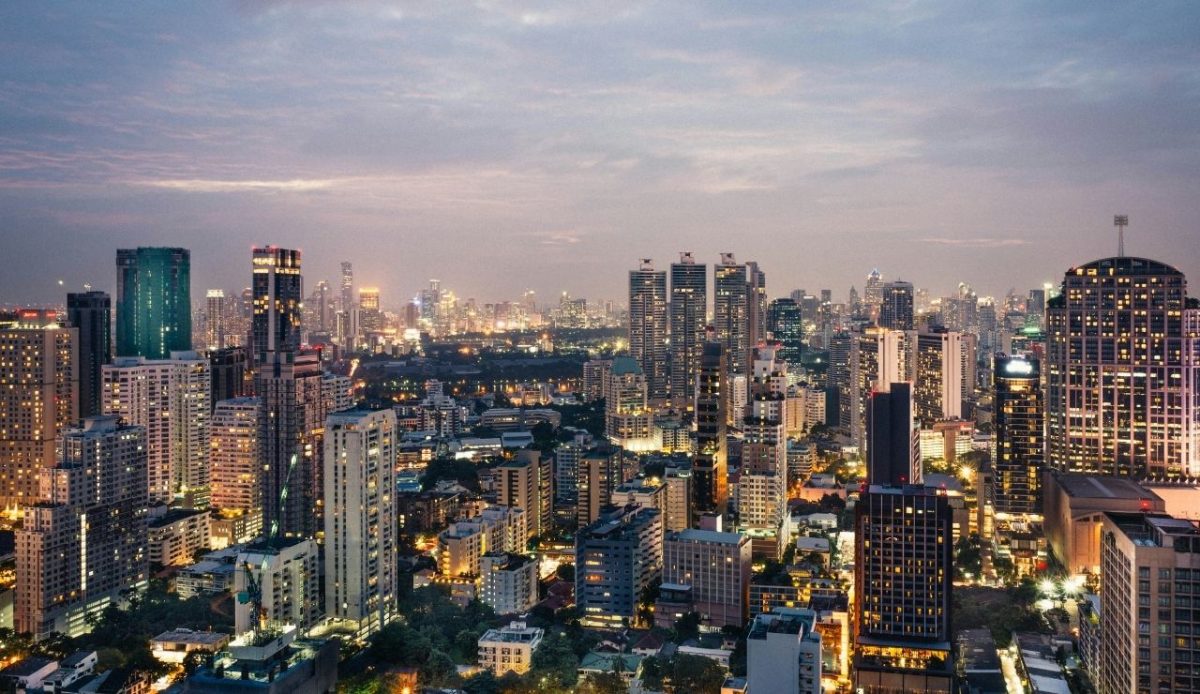
Bangkok scams are often linked to transport and sightseeing that appear routine. Some taxi drivers refuse the meter and propose a flat fare that seems fair until traffic detours inflate the trip. Visitors also report being told a major temple is closed for a ceremony, then being guided to a tuk-tuk that stops at shops paying commissions. Because the talk stays friendly and nothing looks illegal, the pressure is missed until extra fees stack up. Receipts are rarely given, so the loss is hard to challenge later. Even seasoned travelers can be caught when they arrive tired and accept the first offer outside a station.
2. Phuket, Thailand
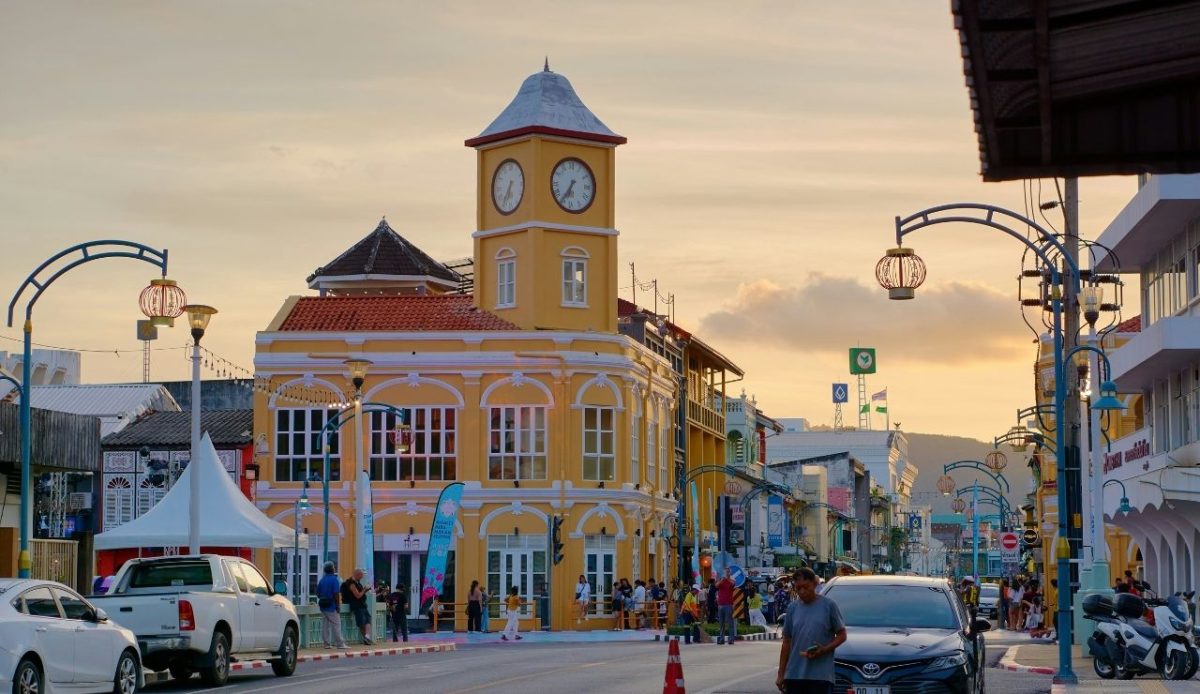
In Phuket, the most common complaints involve rentals that seem properly arranged. A jet ski or scooter is handed over with a quick walkaround, and small scratches are treated as normal wear. On return, new damage may be alleged, and a large payment is demanded on the spot. Passports or cash deposits are sometimes held, which shifts the negotiation. The scam is hard to spot because the contract looks official and the dispute is framed as routine policy. Photos taken at pickup can be the difference between paying and walking away. Many travelers only learn the pattern after hearing similar stories from others.
3. Bali, Indonesia

Bali visitors frequently mention money-changing tricks that unfold in seconds. An exchange counter may display a strong rate and count out rupiah quickly, then recount while chatting and quietly remove a few notes. The final stack looks close enough that a tired customer walks off. Problems appear later at a restaurant or ride payment when the wallet comes up short. Licensed changers and bank branches reduce risk, yet unmarked kiosks remain tempting near beaches. Counting the cash slowly in view of the clerk helps keep the transaction honest. Avoid handing over large bills until the calculator total is confirmed.
4. Hanoi, Vietnam
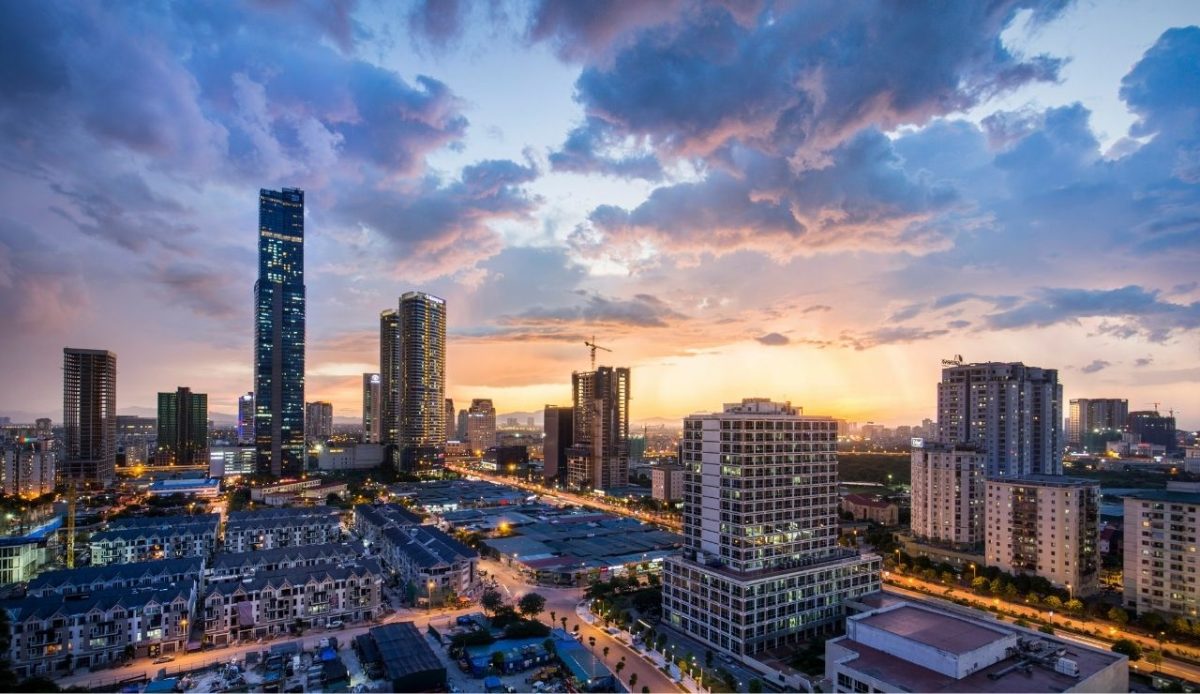
Hanoi scams are often reported around arrivals, where fatigue and unfamiliar currency reduce caution. Drivers may quote a price that sounds reasonable but relies on confusion with zeros when doing amounts are spoken fast. Others pose as official helpers, lift bags, then steer visitors to an unmetered car. The ride feels normal until the destination arrives, and a much higher total is demanded. Because the situation is treated as a simple misunderstanding, payment is often made to avoid escalation. Prebooked rides and checking the fare range before landing can limit surprises. Keeping small notes ready also reduces awkward change disputes.
5. Ho Chi Minh City, Vietnam

Ho Chi Minh City has similar transport issues, with scams that blend into the busy curbside scene. Unofficial drivers may approach with confident English and claim a taxi brand, then charge a fixed price far above normal. On the street, some cabs use tampered meters that climb rapidly once the car moves. Nothing seems wrong during the ride because the driver acts professionally and keeps the conversation light. The overcharge becomes clear only after a local shares the typical fare. Using reputable apps and matching the license plate to the booking reduces exposure. If cash is used, count change before exiting to block handoff tricks.
6. Phnom Penh And Siem Reap, Cambodia
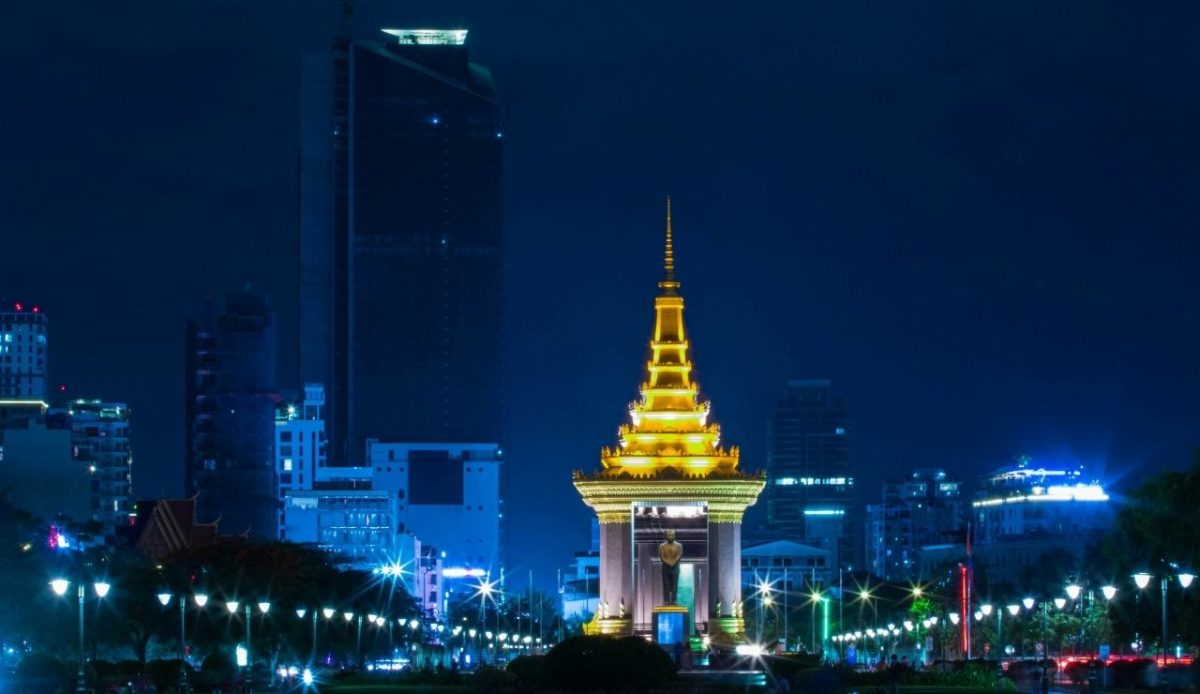
In Phnom Penh and Siem Reap, travelers report money problems that surface after the transaction, not during it. Counterfeit US dollars and note swapping can occur when change is given quickly in dim bars or crowded markets. A bill that looks worn may be accepted at first glance, then rejected by the next vendor, leaving the visitor holding the loss. Because US currency is widely used, the scam feels plausible, and arguments can be dismissed as confusion. Checking security strips and refusing torn notes lowers the odds of being stuck with bad cash. Paying with smaller denominations also reduces risky change.
7. Manila, Philippines
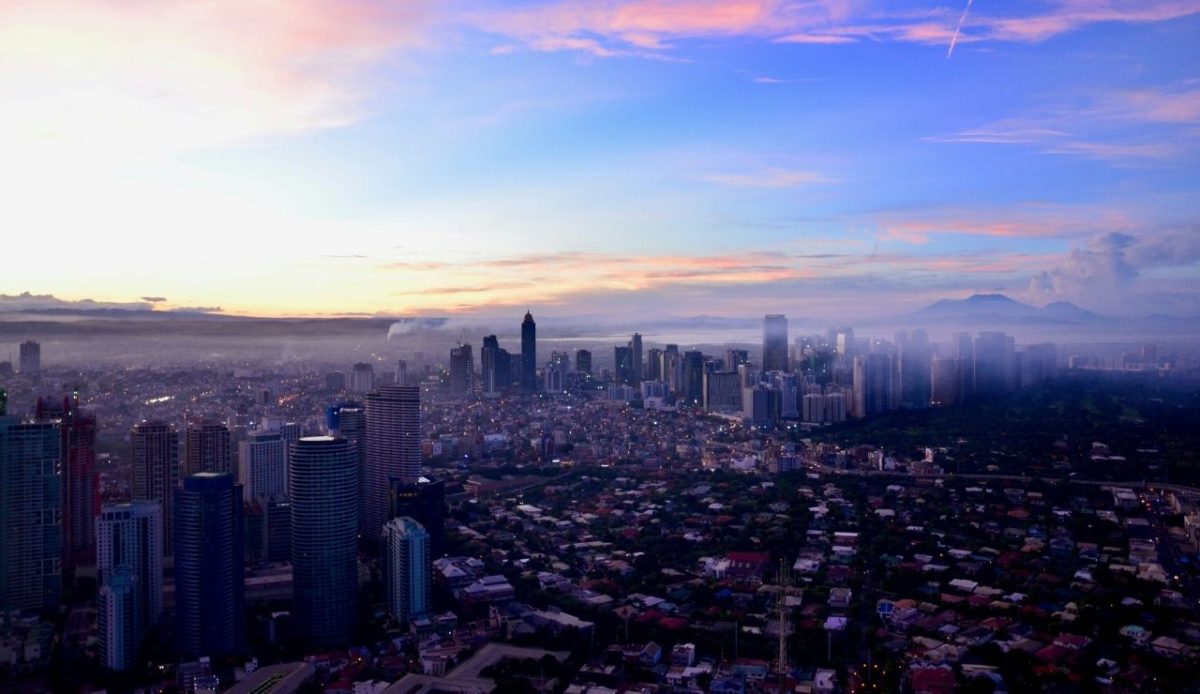
Manila complaints often center on small overcharges that hide inside city noise. Some taxis negotiate a price, then add extra fees for bags, tolls, or imagined penalties once the ride ends. In tourist districts, money changing can involve poor rates that are not obvious until receipts are compared, and a distraction may be used while bills are counted. Nothing about the interaction feels threatening, so travelers focus on reaching the hotel and miss the details. Confirming totals on a calculator and choosing established counters at malls can reduce these losses. Keeping valuables secured limits pickpocket risk on crowded sidewalks.
8. Beijing And Shanghai, China
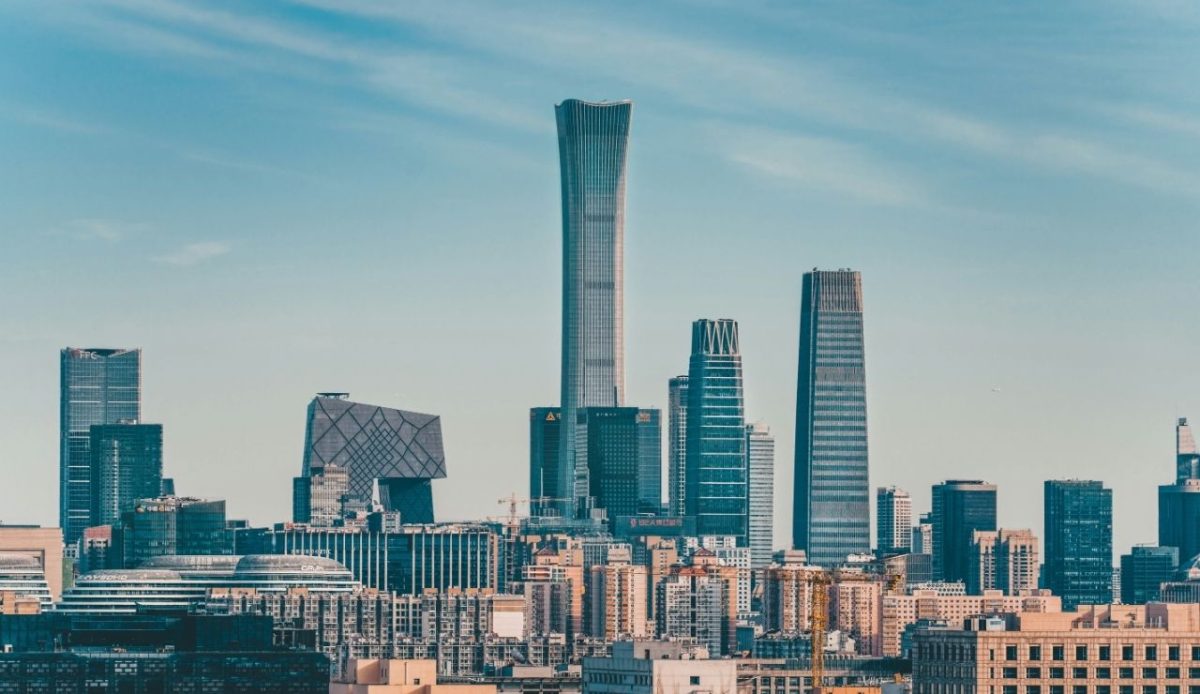
In Beijing and Shanghai, cash payment tricks are often described as blink and you miss it. A genuine bill may be taken and then replaced with a counterfeit while the driver keeps their hands low and the conversation steady. The visitor is told the note is fake and is asked to pay again, and embarrassment pushes quick compliance. Because the exchange is fast and calm, the scam can feel like an honest mistake. Using smaller notes, paying through verified digital methods, and watching the bill until it is placed away reduces opportunity. If a dispute starts, asking to stop near a police booth often changes the tone.
