
Travel looks very different from the way it did just a generation ago. New tools, shifting priorities, and changing lifestyles have created habits that travelers barely notice but that shape every trip. Teens, families, and even seasoned explorers are adjusting how they plan, pack, and spend their time on the road. From the way destinations are chosen to the items carried in a bag, these small shifts are now part of the journey itself, and the following habits show how travel is changing in quiet but lasting ways.
1. Using Phones as Travel Guides
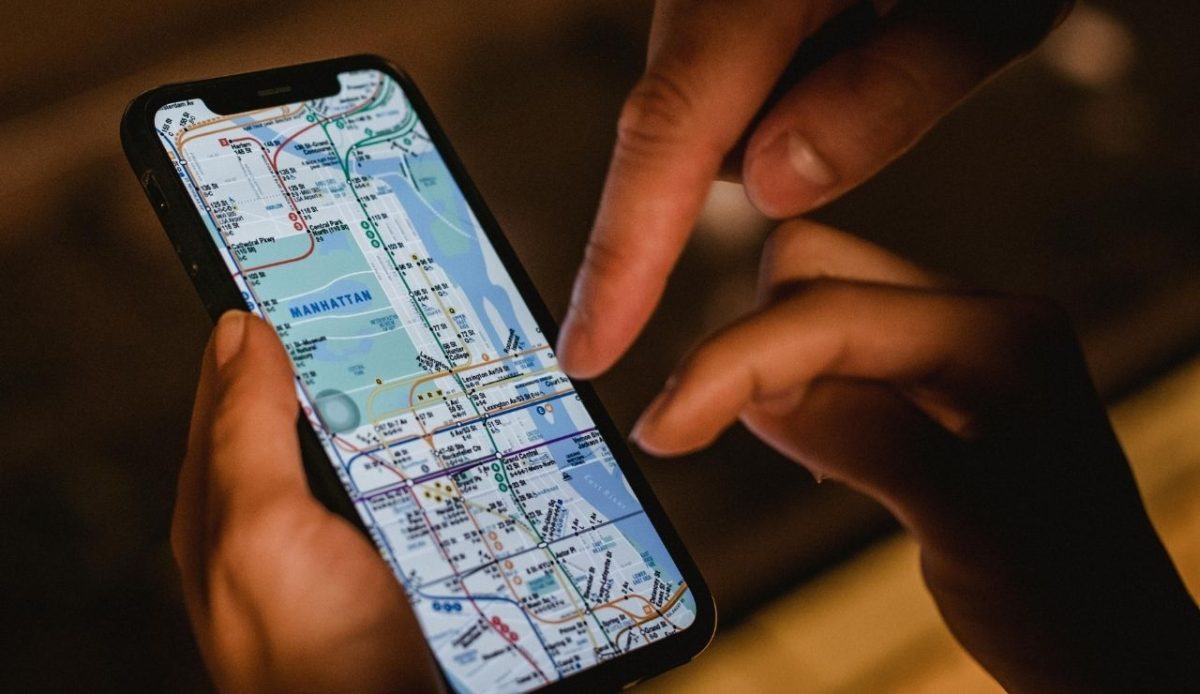
Smartphones have replaced many of the tools travelers once carried. Apps provide maps, instant directions, restaurant reviews, and even translations, reducing the need for paper guides. Teens often rely on them for planning on the go, while older travelers see how much easier it feels compared to folded maps or heavy books. The convenience makes travel smoother, though it sometimes reduces the chances of asking locals for advice. Phones have become the main guide, shaping how people experience both well-known and hidden places.
2. Booking Shorter Trips More Often

Instead of saving for a single long vacation each year, more travelers are booking smaller getaways throughout the calendar. A weekend in a nearby city or a quick flight to another state has replaced the idea of one big trip. Teens and families enjoy the variety, while adults find it easier to fit travel into busy schedules. The habit allows people to see more places over time but may also change how deeply they connect with each one. Travel feels more frequent, though sometimes less immersive.
3. Packing Lighter Than Before
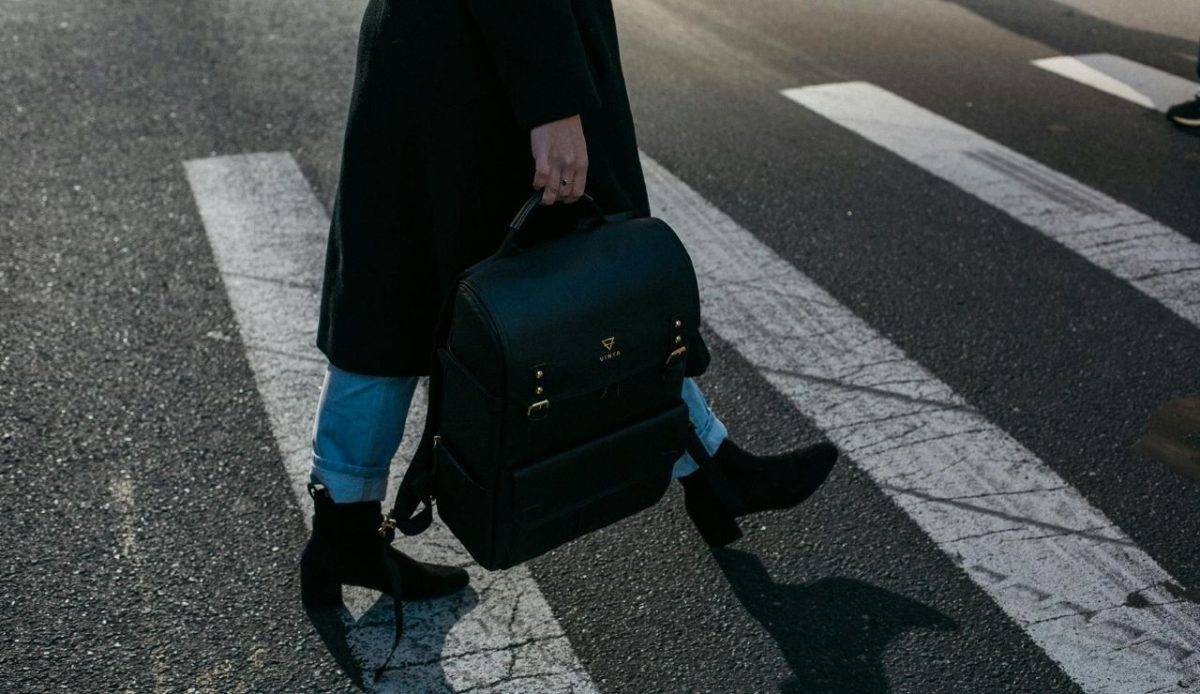
Suitcases filled with clothes and extras are giving way to lighter bags. Many travelers now prefer a single carry-on to avoid waiting at baggage claim or paying extra fees. Teens especially value the freedom of moving quickly, while parents notice the convenience of fewer items to manage. The shift reflects both practicality and a desire to focus on experiences rather than possessions. Travelers find that packing light not only reduces stress but also makes it easier to adjust plans along the way.
4. Choosing Experiences Over Souvenirs
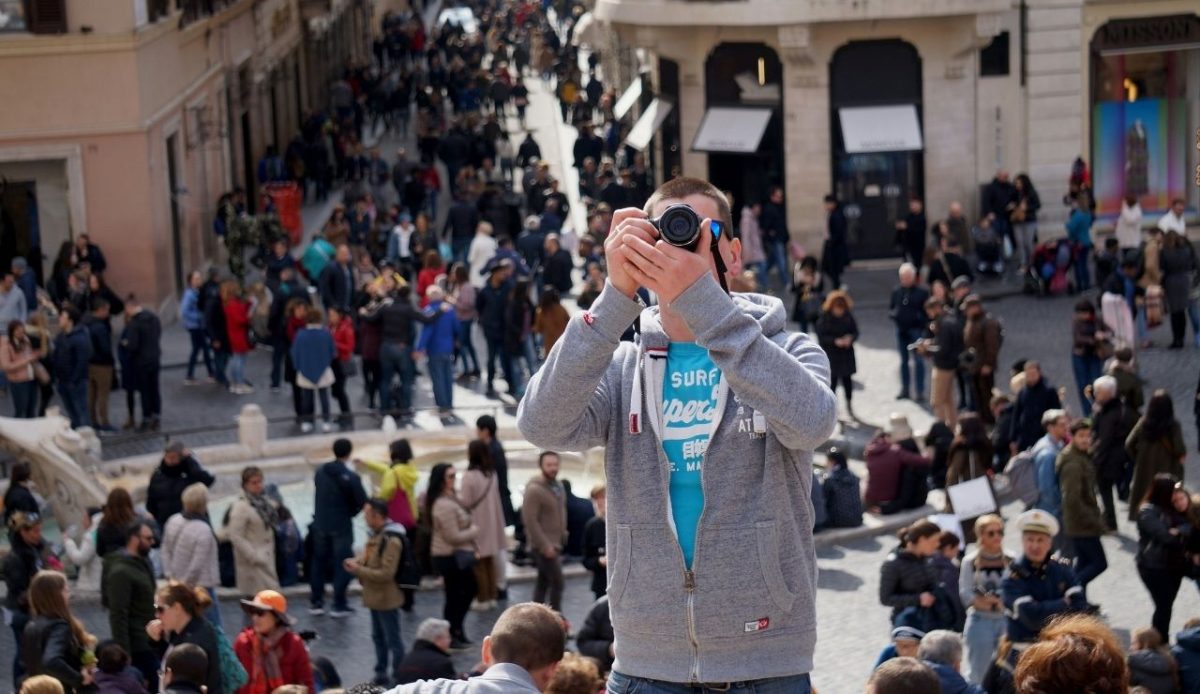
Travelers today focus less on shopping and more on making memories. Instead of filling suitcases with souvenirs, they spend money on activities like food tours, outdoor adventures, or cultural workshops. Teens may prefer capturing photos or videos to share later, while families enjoy experiences that create lasting stories. This shift reflects a growing desire to connect with a place rather than simply bring something home. The result is travel that feels more personal, where the highlight becomes what you did instead of what you bought.
5. Blending Work and Travel

Remote work has changed the way many people approach trips. Laptops and Wi-Fi make it possible to stay longer in new places while keeping up with responsibilities. Families may extend vacations if one parent can work from the hotel, while teens see older siblings or parents turning destinations into temporary offices. The habit blurs the line between work and leisure, offering freedom but also requiring balance. It has made extended stays more common and allowed travelers to experience daily life beyond the tourist routine.
6. Exploring Beyond Tourist Hotspots

Travelers are moving away from crowded landmarks and looking for quieter spots. Instead of only visiting famous sites, they explore small towns, local markets, or hidden natural areas. Teens may enjoy discovering places that feel unique, while families appreciate calmer settings with fewer crowds. This shift allows travelers to see a different side of a country and connect with local culture in a more relaxed way. The change does not replace popular attractions, but it adds depth to the journey and makes each trip feel more personal.
7. Caring More About Local Food
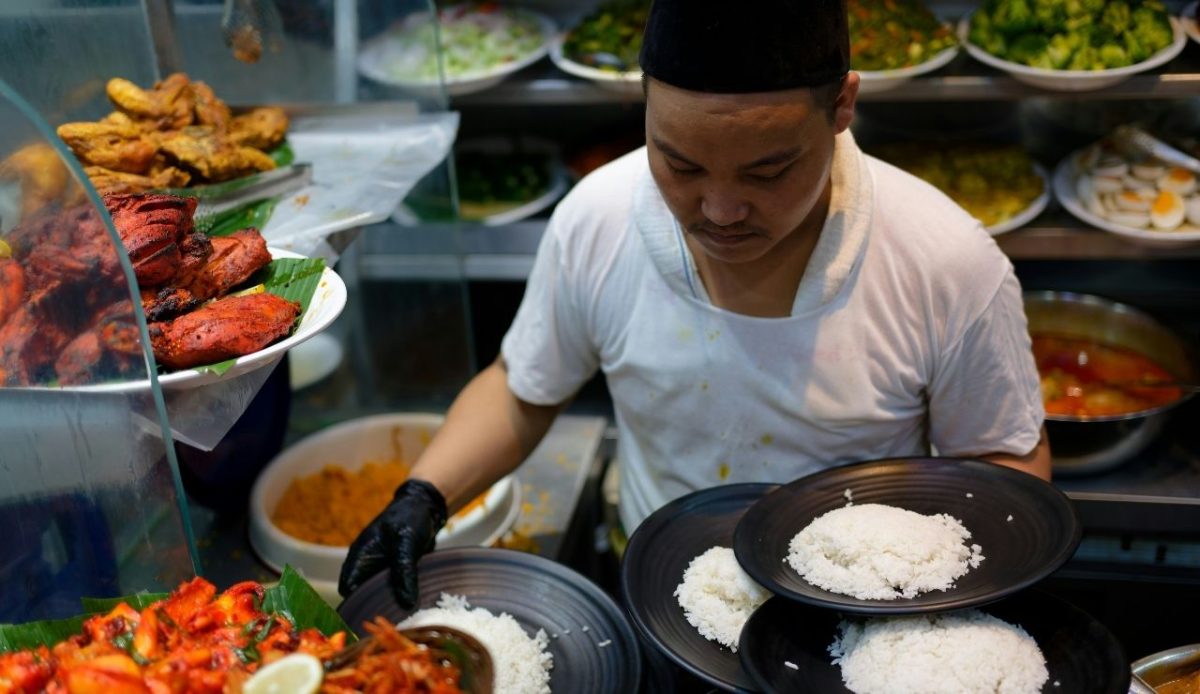
Eating has become an important part of the travel story. Visitors want to try dishes that locals enjoy instead of sticking to familiar chain restaurants. Teens often share food photos online, while adults savor traditional meals that connect them to the region. Street food stalls, family-run diners, and seasonal treats now play a bigger role in shaping memories. Choosing local food makes travel more flavorful and authentic, turning each meal into an experience that reflects the place itself.
8. Traveling With Fewer Printed Documents
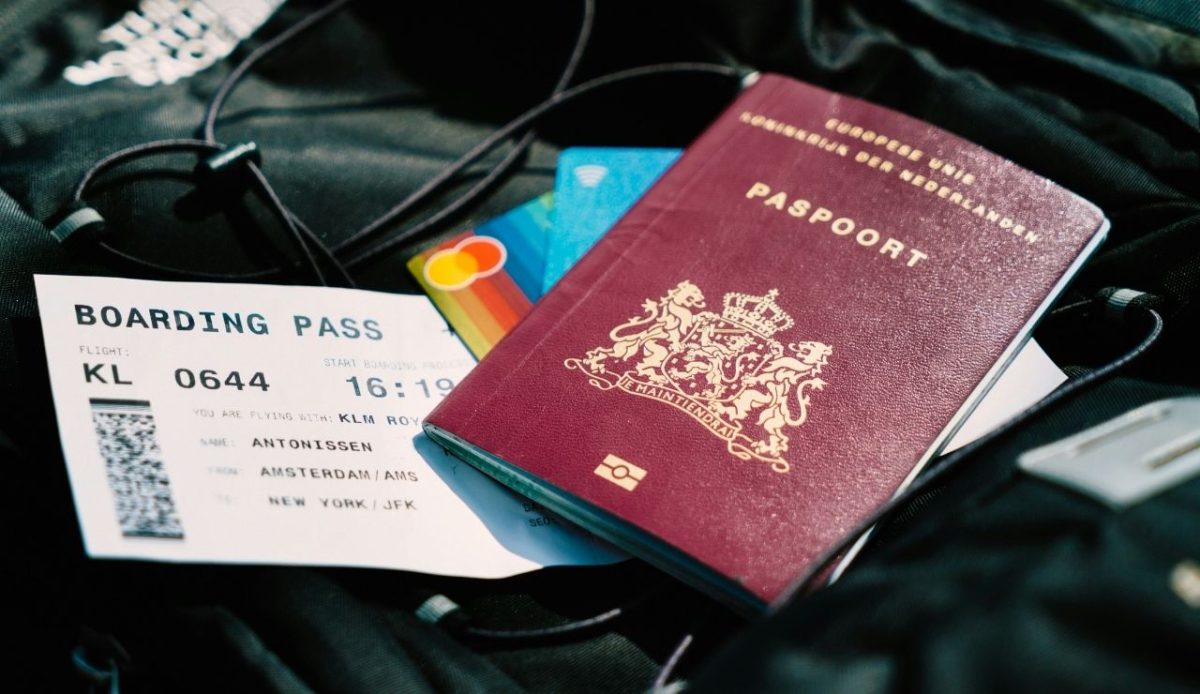
Paper tickets, maps, and confirmations are slowly disappearing from travel bags. Boarding passes, hotel reservations, and even train tickets now live on phones. This habit reduces clutter and makes planning easier, though it does rely on battery life and reliable connections. Teens often adapt quickly since they are used to digital tools, while older travelers may carry paper backups just in case. The shift shows how technology is changing the way people organize trips, making documents lighter but still essential in digital form.
9. Using Translation Apps to Connect

Language barriers feel less intimidating now that travelers can open apps for instant translations. Teens may use them to order food or chat with shopkeepers, while parents rely on them for directions or checking signs. The tools don’t replace real conversation, but they make it easier to connect when words would otherwise be a challenge. Sometimes even imperfect translations lead to shared laughter and warmer encounters. These apps have become part of the travel toolkit, helping visitors feel more confident in unfamiliar places.
