
RV travel gives people freedom on the road, but many rules have changed across the United States as safety, noise control, and land protection become bigger priorities. Some once common actions are now restricted, and many travelers still do them without realizing the consequences. These rules help protect roads, campgrounds, and public lands, and violations can lead to fines, warnings, or even removal from certain areas. Knowing what is no longer allowed helps travelers avoid problems and enjoy their trips with fewer interruptions.
1. Riding Without a Seat Belt While the RV Is Moving
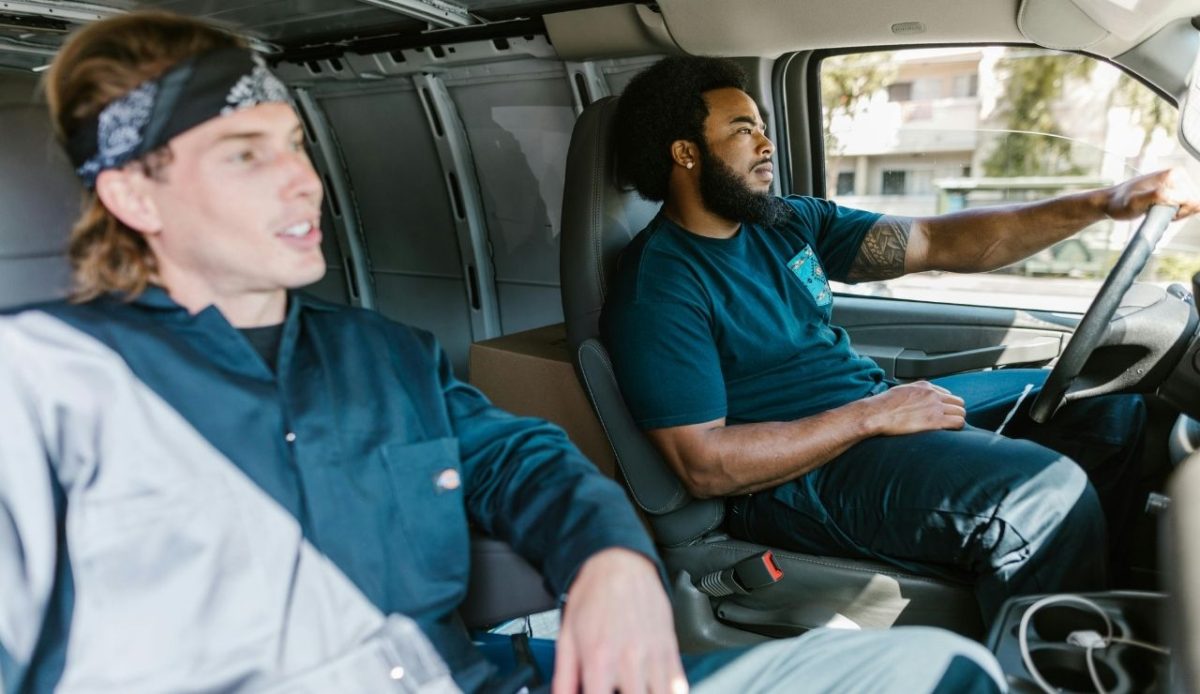
Many travelers still walk around inside the RV while it moves, but most states require everyone to stay seated with a seat belt on. The living space may feel stable, yet sudden braking or sharp turns can throw passengers into cabinets or furniture. Children face the highest risk when they climb on beds or move between seats during the drive. Officers can issue tickets if they notice unbelted riders, and insurance claims become harder after an accident. The best approach keeps everyone belted and ready before the RV moves, with bathroom breaks and chores saved for safe stops.
2. Sleeping Overnight Where Parking or Camping Is Not Allowed
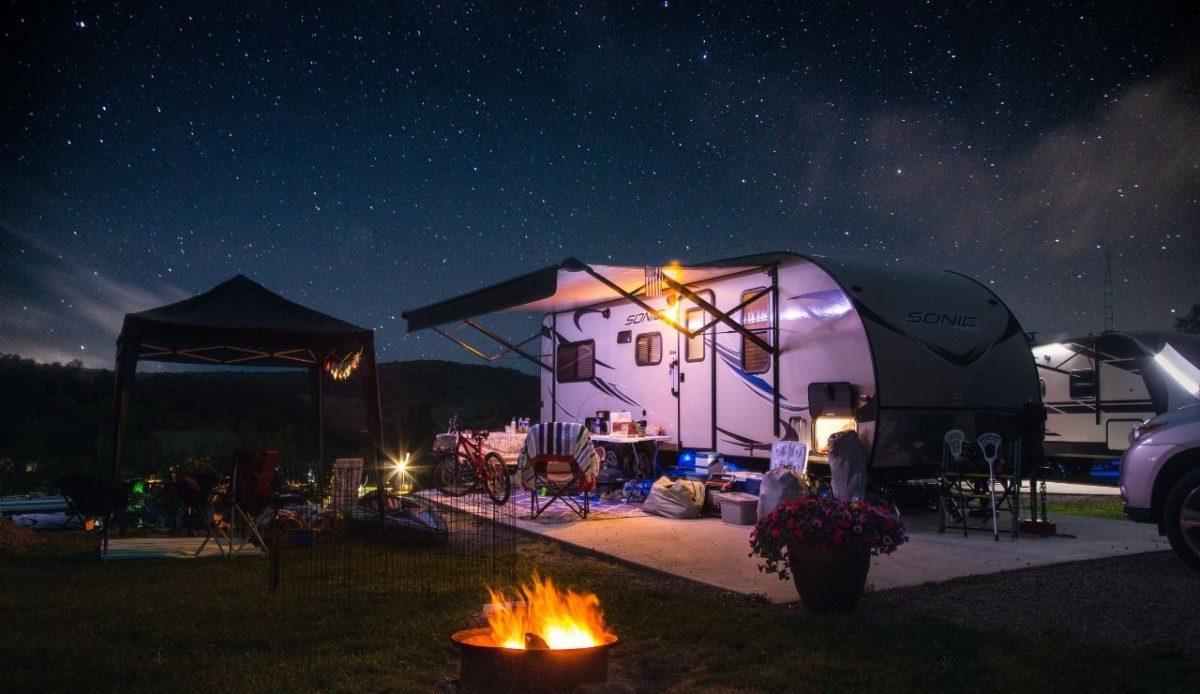
Many travelers assume any empty lot or pullout is fair game for sleeping, but rules vary widely across states and cities. Rest areas often limit stays to short rest breaks, and many parking lots prohibit overnight use. Ignoring posted signs can lead to knocks on the door, tickets, or towing. These rules help manage traffic, protect nearby businesses, and prevent long-term parking issues. Using legal options—such as public campgrounds, permitted store lots, or paid overnight programs—reduces stress and avoids middle-of-the-night relocations. Checking local rules before stopping helps avoid unexpected fines.
3. Keeping Open Alcohol Containers While the RV Is Moving
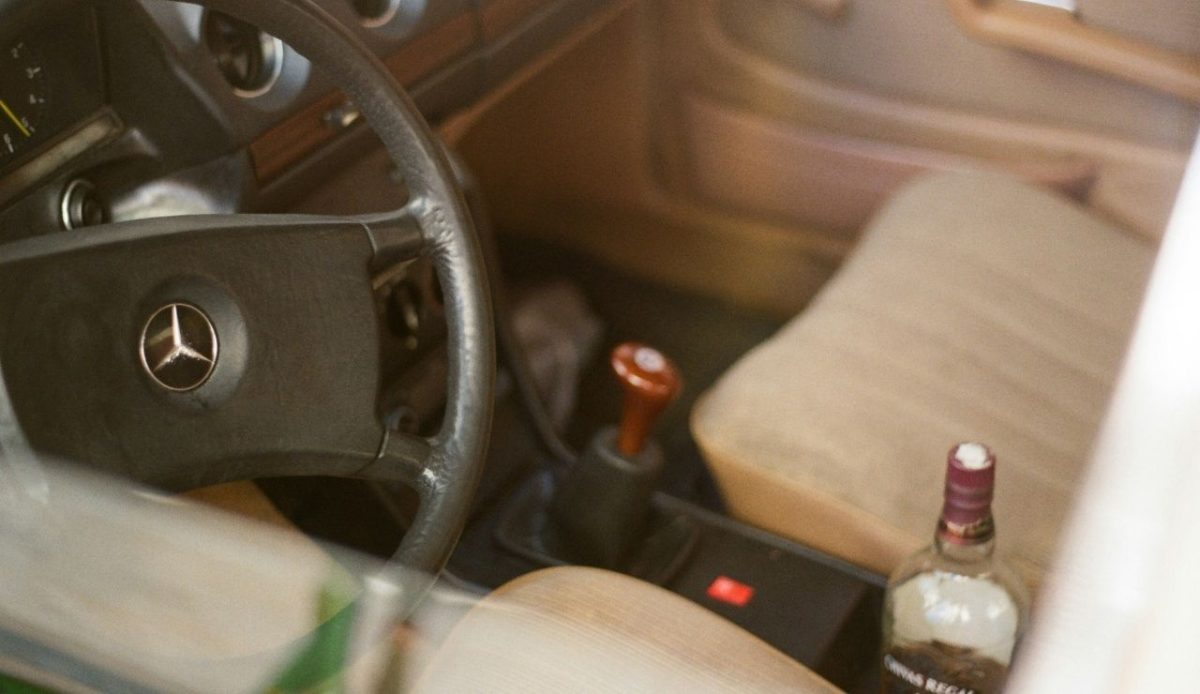
Open-container laws apply to RVs in the same way they apply to cars and trucks. Any open bottle, can, or cup with alcohol can create legal problems when the RV is on the road. Some states allow exceptions in closed living areas, but rules differ and often confuse travelers. Drivers face the most risk because any sign of drinking can raise suspicion of impaired driving. Passengers can also receive tickets if open containers are within reach of the front seats. Sealing all drinks before driving and waiting until the RV is parked for the night helps avoid trouble.
4. Carrying Cannabis While Driving or Crossing State Lines

Cannabis rules differ from state to state, and federal law still applies on interstate highways. Even if cannabis is legal in one state, carrying it into a stricter state can lead to legal issues. Officers may act if they believe the driver recently used cannabis or if containers appear unsealed or loosely stored. Because rules shift quickly, many travelers misunderstand what is allowed. The safest plan avoids carrying cannabis during multi-state trips and keeps any legal use separate from driving duties. This helps prevent fines, searches, and delays during traffic stops.
5. Launching a Drone in National Parks

Drone use is banned in nearly all national parks, but travelers still launch them for photos or videos. These bans protect wildlife, prevent noise in quiet areas, and keep visitors safe. Rangers watch popular spots closely and can issue fines or seize equipment when drones disturb trails, overlooks, or animals. Many travelers assume short flights go unnoticed, but enforcement remains strict. Instead of drones, travelers can use marked viewpoints and designated photo areas that offer safe ways to capture scenery without breaking rules.
6. Leaving Trash or Waste on Public Land
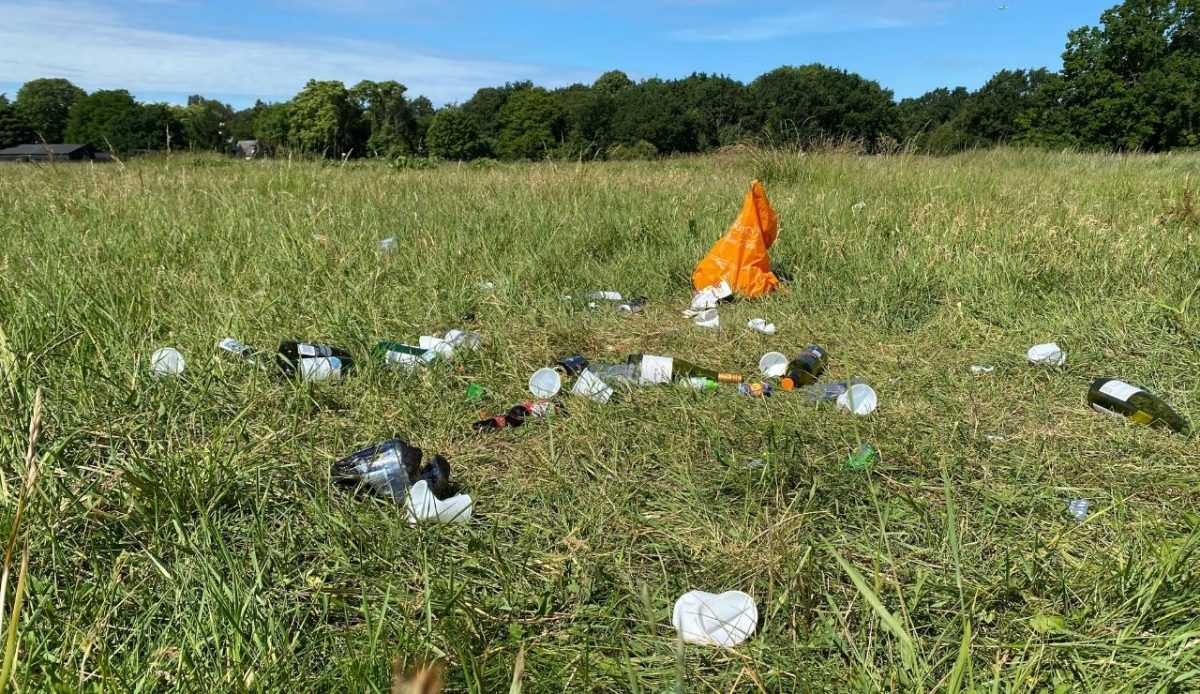
Leaving trash behind is one of the most common violations on public land. Bags, food scraps, broken gear, and loose items can harm wildlife and ruin natural areas for other visitors. Rangers check campsites and pullouts often and issue fines when waste is left behind. Cleanups require time and resources, leading to stricter rules in many regions. RV travelers should pack trash bags, secure waste, and remove everything when leaving a campsite. This simple habit keeps trails open, reduces closures, and helps protect shared outdoor spaces.
7. Ignoring Weight Limits on Roads and Bridges
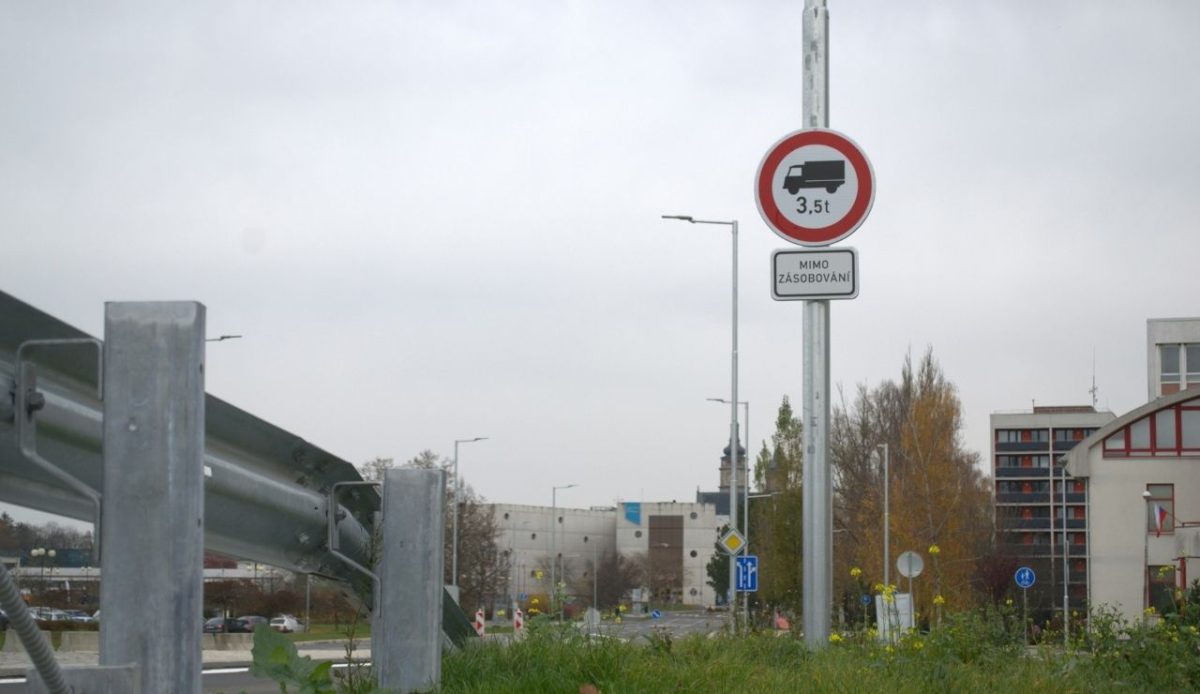
Some RV drivers pass over roads or bridges with posted weight limits, assuming the rule targets only large trucks. These limits protect roads and older structures that cannot support heavy loads. Ignoring them can damage surfaces, cause costly repairs, or create dangerous situations for the driver. Law enforcement monitors areas with repeated violations, and fines can be high. RV owners should know their vehicle’s total weight, including cargo and water tanks, and choose routes that support that load. Checking signs and transportation maps helps avoid unsafe paths.
8. Driving Through Tunnels With Propane Turned On
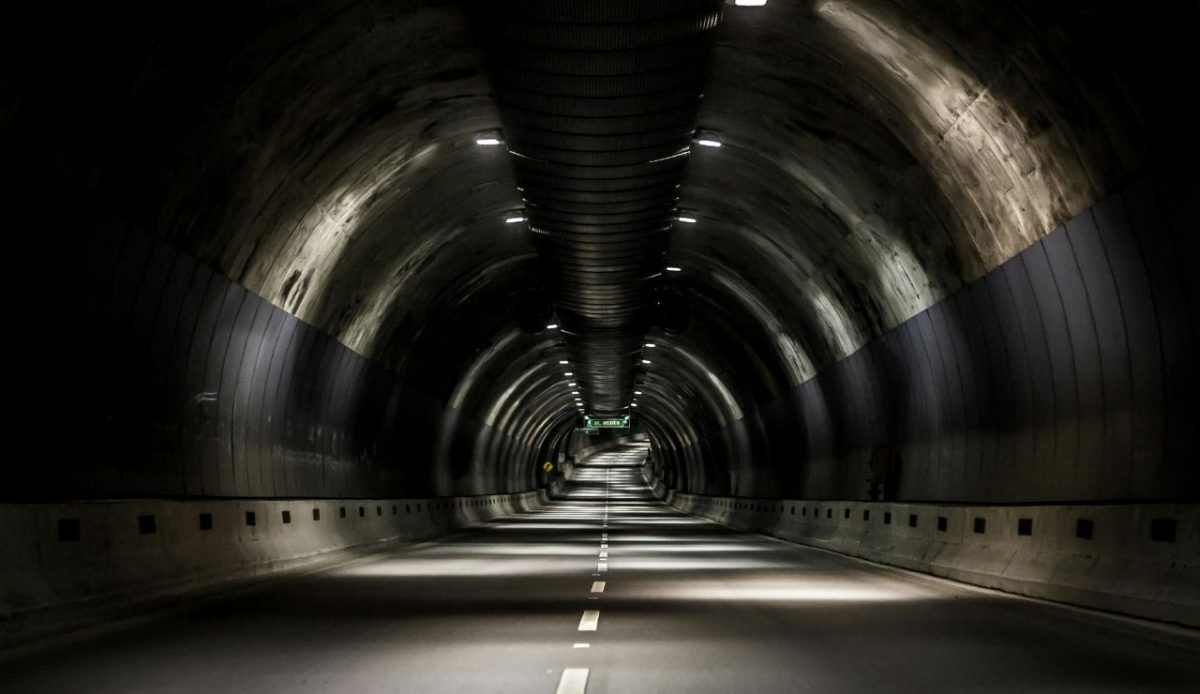
Many tunnels require propane tanks to be fully shut off before entry. Open valves pose a risk because even a small leak can cause a fire hazard inside an enclosed space. Tunnel inspectors may check propane lines, and drivers can face delays or fines if the tank is not secured. Some tunnels allow RVs only during specific hours or require special lanes. Before each trip, drivers should shut off propane, check posted rules, and confirm they follow the requirements. This avoids safety issues and prevents unexpected stops.
9. Leaving Campfires Burning Without Supervision
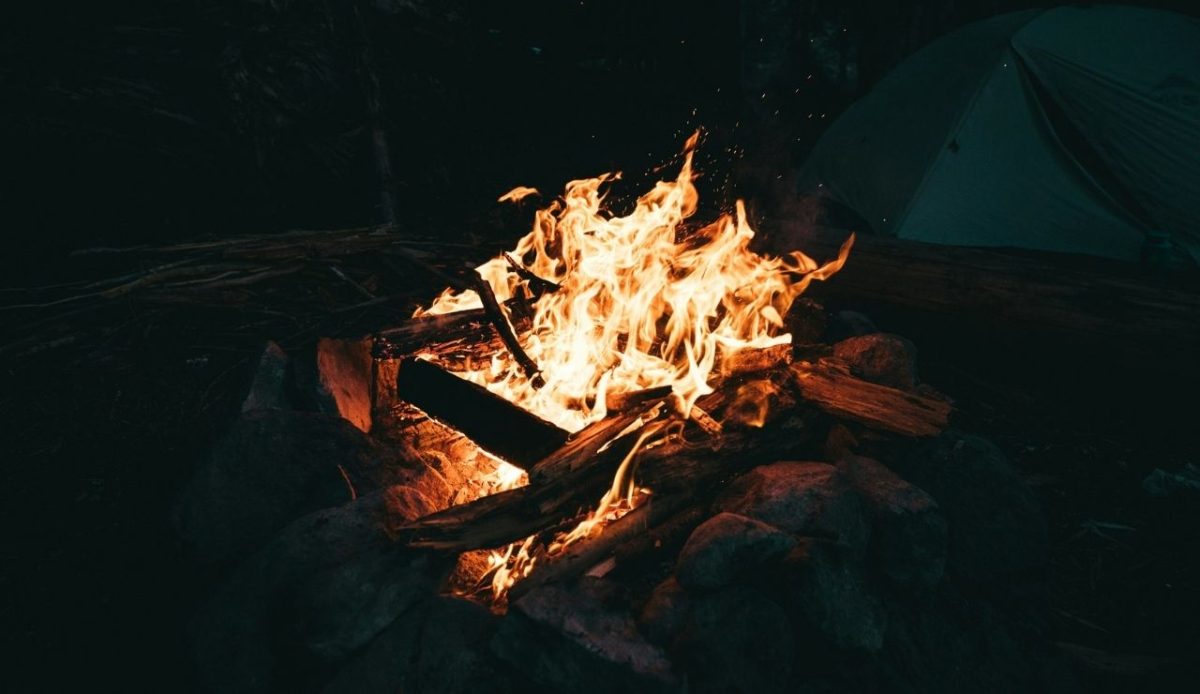
Unattended campfires cause many wildfires each year, and land agencies enforce strict rules about monitoring and extinguishing them. Some RV travelers still walk away from fires that appear small or nearly out, not realizing wind can ignite remaining embers. Rangers issue fines when they find warm ash or smoking fire rings. Travelers should drown the fire with water, stir the ashes, and make sure the area feels cool before leaving. This simple routine protects forests, campgrounds, and nearby homes.
