
Tanzania’s hunting tourism runs through leased hunting blocks inside game reserves and controlled areas managed by TAWA under the Wildlife Conservation Act. Access is not a simple gate fee. Activities, routes, and camps are tied to a licensed operator and an approved block.
Many visitors plan a safari assuming the rules match those of national parks. In hunting zones, authorization is checked against concession records, seasonal quotas, and activity type. A mismatch can mean refusal at an airstrip or checkpoint after long transfers.
The sections below name places where the admin mechanism most often traps travelers, including block allocation, permit scope, and reserve classification changes. The point is process risk, not wildlife behavior.
1. Selous Hunting Blocks
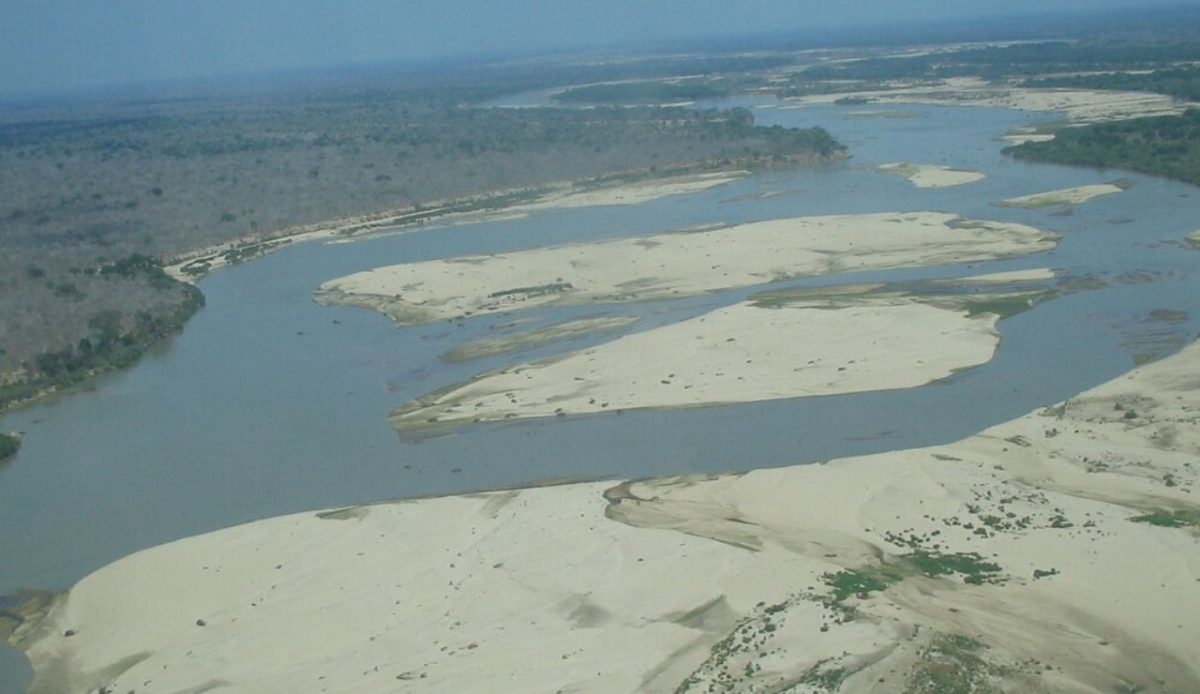
Selous Game Reserve has long been divided into hunting blocks leased to outfitters, a system used since the 1960s and later formalized under modern wildlife administration. The reserve was gazetted in 1974 and listed by UNESCO in 1982, which adds scrutiny to activities.
Travel plans fail when a booking is not linked to the exact block being entered. Rangers and operators check letters, permits, and camp authority against current allocations. If a broker sold space in a block they do not hold, entry can be refused.
Because transfers from Dar es Salaam are costly and timing is fixed by charter slots, the mistake becomes a trap. Rebooking often requires a new block, new fees, and a new flight plan, while deposits may be disputed.
2. Maswa Game Reserve
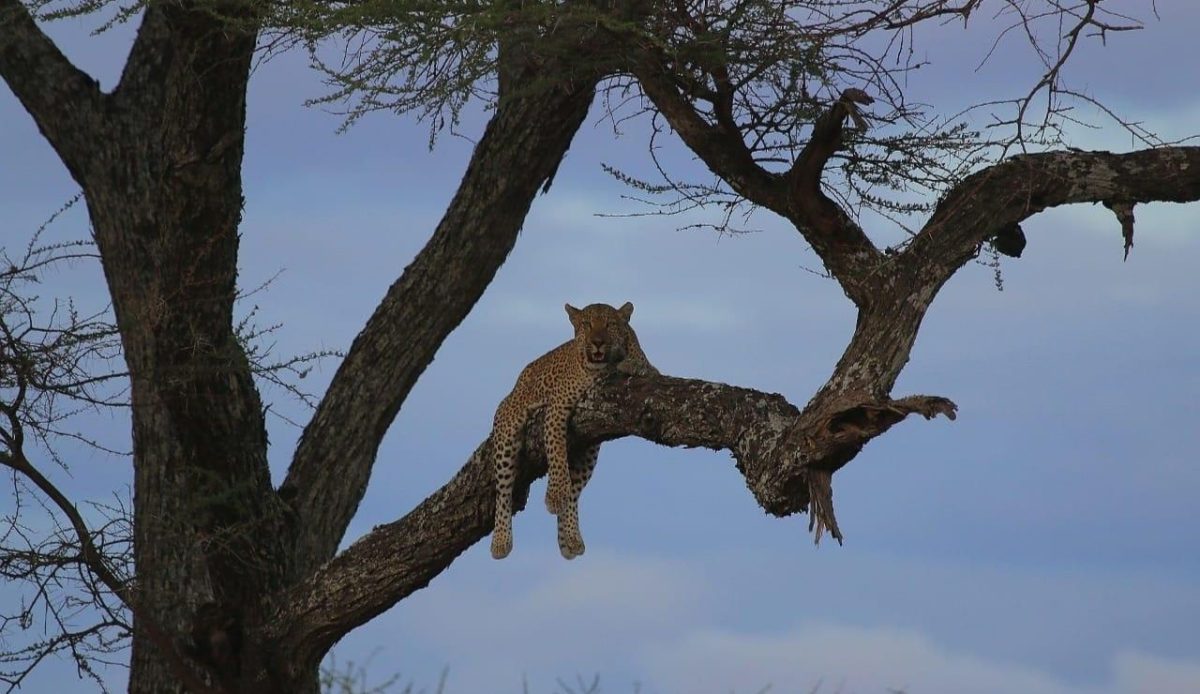
Maswa Game Reserve sits beside Serengeti tourism routes but operates under a reserve model where hunting concessions are issued. Boundaries of each concession matter, and seasonal hunting schedules can restrict where a vehicle may legally travel.
A common trap is mixing photographic logistics with a hunting block itinerary. Lodges outside the reserve may confirm rooms, yet the inside access depends on the concession holder’s authorization. Checkpoints can stop movement when the block name on the papers differs.
Once stopped, travelers must reroute around the reserve or pay for replacement transport arranged by the licensed operator. Fuel, driver days, and air transfers rise fast, and refunds are often limited by contract terms.
3. Moyowosi Reserve
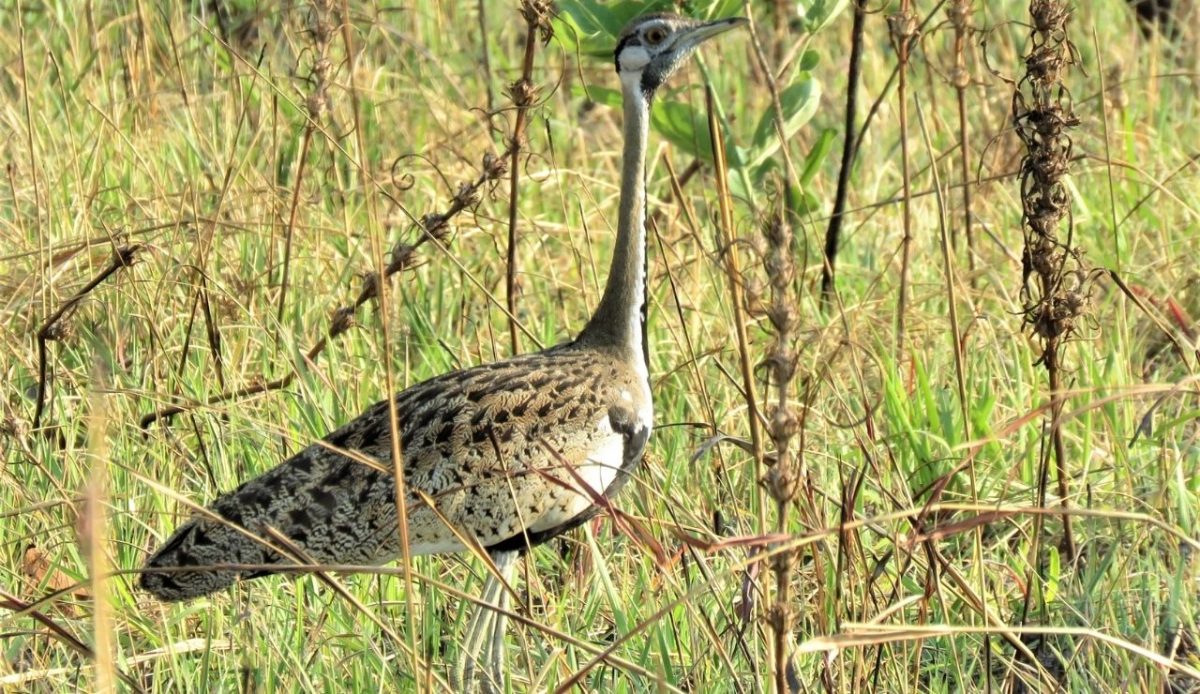
Moyowosi Game Reserve is in Kigoma Region, in Kibondo and Kakonko districts, and is part of the Ugalla Moyowosi and Kigosi Malagarasi ecosystem. It borders Kigosi National Park, so jurisdiction lines and access points are closely controlled.
Travelers are trapped most often by logistics tied to operator control. Entry is commonly done by charter into a bush strip, and the strip is managed through the concession. If permits were filed under another block or date, the flight lands with no legal entry path.
Road alternatives are limited, and distances are large, so the error turns into extra charters or a cancelled hunt. Because quotas and camp slots are time-bound, a short delay can collapse the full schedule.
4. Rungwa Game Reserve
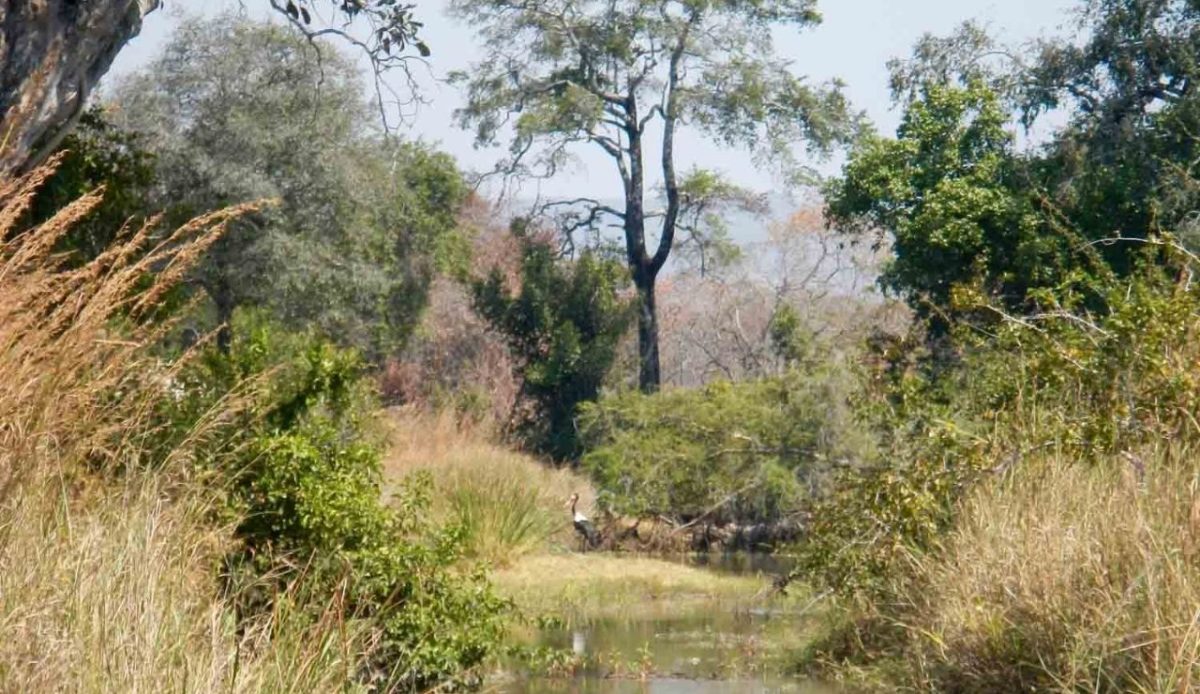
Rungwa is a miombo woodland reserve where hunting blocks and related concessions are widely used. The system relies on exclusive operating rights, so access is filtered through the operator holding the current concession for the chosen area.
The trap appears when travelers arrive with incomplete proof of block authority. Wildlife law treats hunting, grazing, and other activities in a game reserve as illegal without a permit. Checks are used to match guests, vehicles, and camps to the concession record.
If the record does not match, the party is turned back, and costs escalate. Reissuing documents can require operator coordination and travel to regional offices, while charters and staff time continue to be billed.
5. Lukwati And Piti
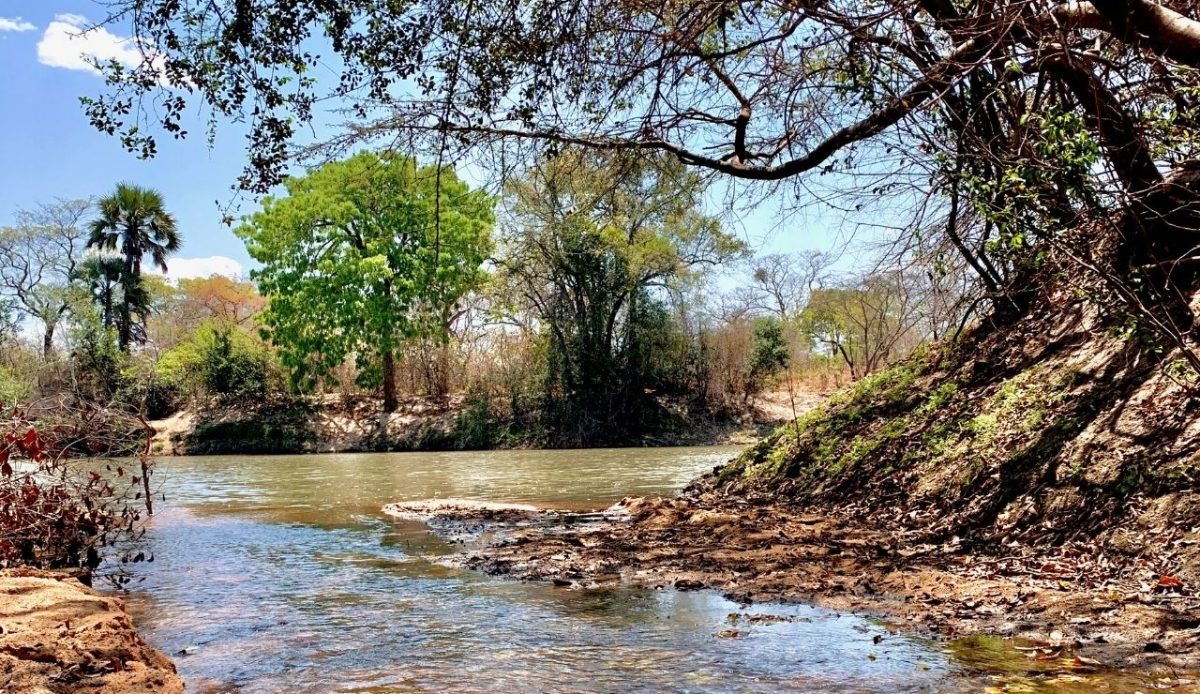
Lukwati and Piti Game Reserves run from the northeast shores of Lake Rukwa into miombo woodlands. The terrain is rugged and remote, which keeps access dependent on arranged logistics rather than public entry infrastructure.
Travelers are trapped when the booking chain is weak. A lodge confirmation is not enough if the operator lacks rights for the specific reserve segment. TAWA area controls can require verified authority for vehicles, guides, and camps operating inside the reserves.
With few nearby alternatives, denial forces a rapid pivot to other regions. That shift adds long reposition drives or expensive flights, and it can invalidate prepaid ground support, meat processing, or firearm handling services.
6. Lukwika Lumesule
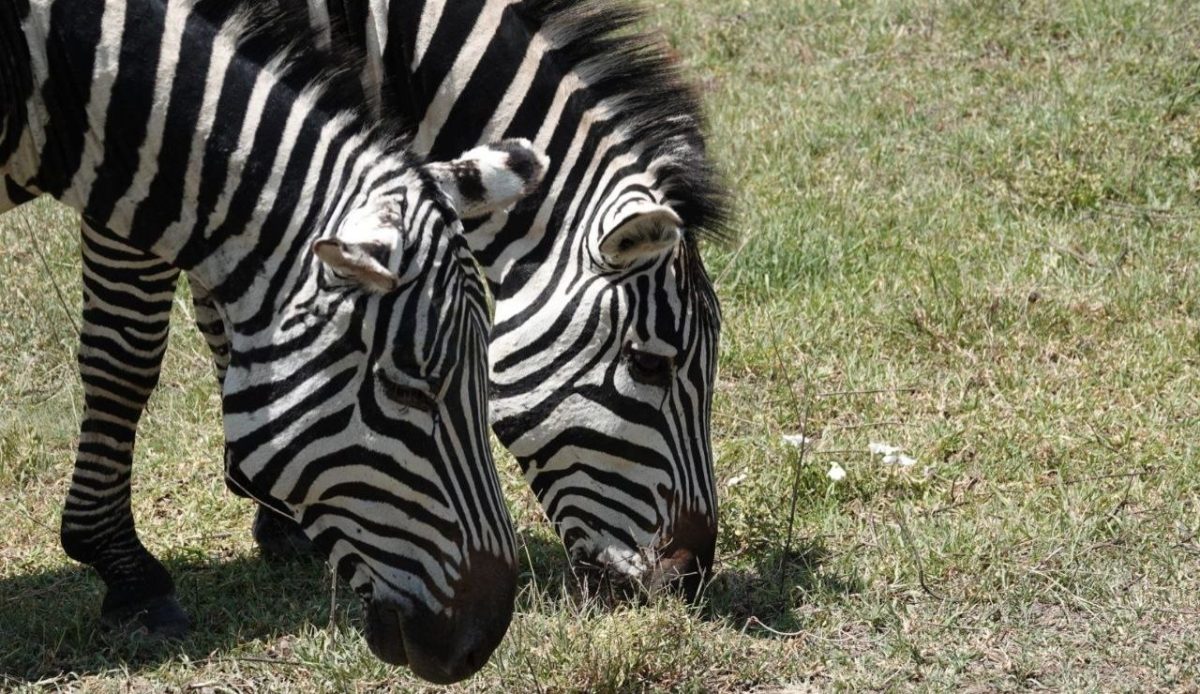
Lukwika Lumesule Game Reserve follows the Ruvuma River near the Mozambique border and includes controlled crossings such as the Unity Bridge area. Border proximity increases document checks and limits informal movement between camps and river sites.
Trips get trapped when travelers assume the reserve is a casual add-on to a southern circuit. Operator authorization must align with reserve rules, and routes may be restricted to approved tracks. Entry timing can be constrained by security procedures near the boundary.
If a plan depends on flexible river access or cross-border logistics, it can fail fast. The fix is usually a new routing and extra nights, since roads are slow and alternative reserves are far away.
7. Lake Natron Controlled Area
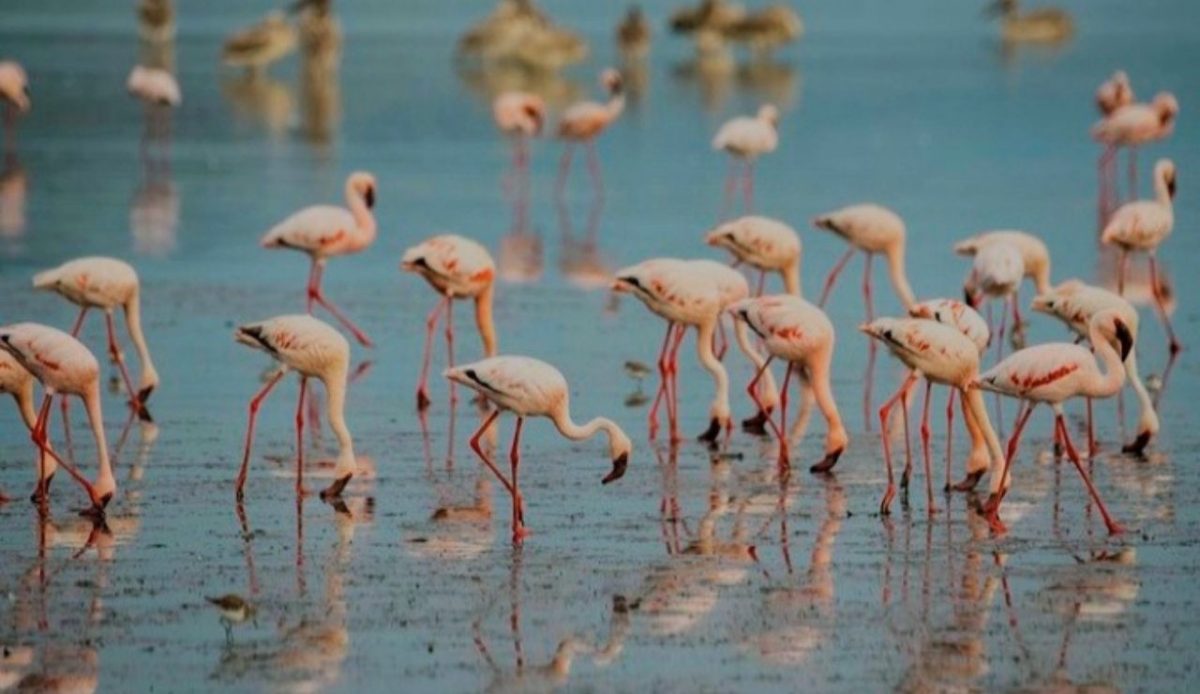
Lake Natron sits in a game-controlled area where hunting blocks have been marketed as Masailand concessions, including Natron South in some operator maps. Controlled areas allow regulated use, but the permitted activity is defined by the block category and allocation.
Travelers are trapped when block status is assumed instead of verified. If an operator’s allocation is being renewed, transferred, or disputed, the authorization letter may not match field enforcement. Vehicles can be stopped even when flights and camps were paid.
The region has few substitute camps and long drives over rough tracks. A failed authorization often means losing the narrow window for a hunt, while refunds depend on contract language and proof of operator fault.
8. Inyonga Controlled Area
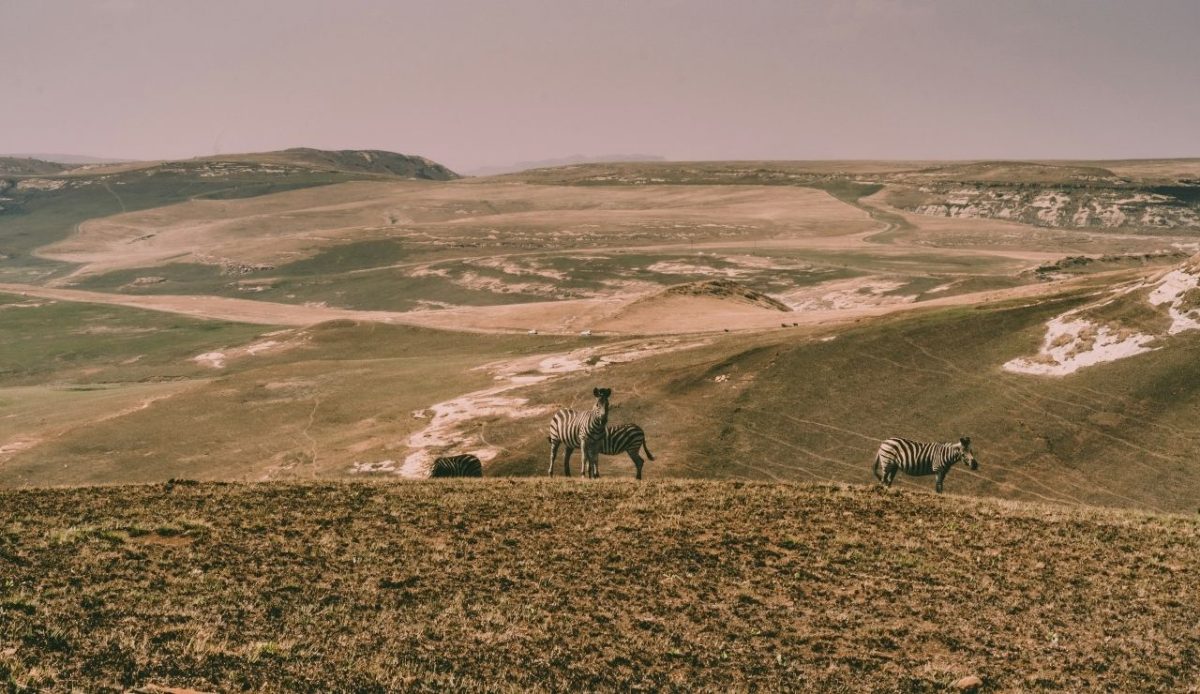
Inyonga Game Controlled Area is listed by TAWA as a Category II hunting block within the Katavi Rukwa ecosystem. That category sets what species and services can be offered, and it ties access to an operator who holds the block allocation.
The trap is the paperwork scope. Travelers may have a hunt contract but lack the matching block code, season dates, or service approvals used in the field. Controls are applied at entry points and during patrol checks, where the block category is referenced.
When the scope does not match, operations may be halted, and the party can be held in a camp while fixes are arranged. Delays are costly because staff, vehicles, and charter time continue to run.
9. Ibanda Kyerwa Area
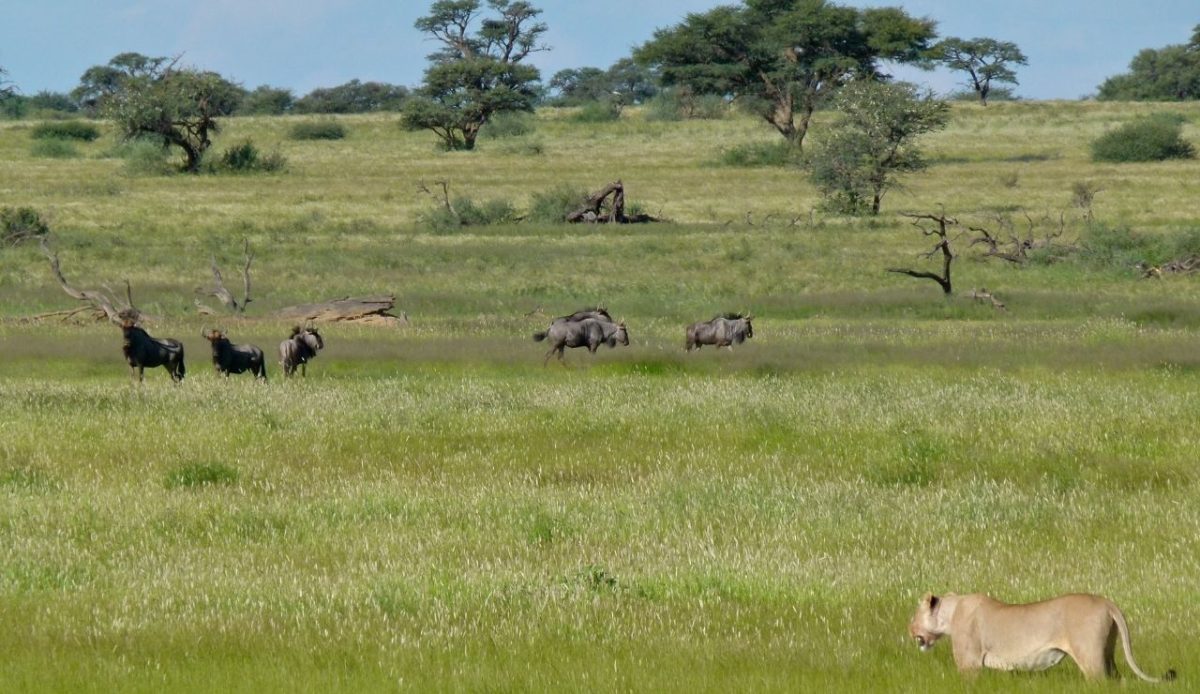
Ibanda was formerly managed as a game reserve but is now part of Ibanda Kyerwa National Park, established in 2019. That shift changes who manages access and what activities are allowed, since national parks follow different rules than hunting blocks.
Travelers are trapped by stale listings that still sell the area as a hunting reserve. A permit that was valid under a prior reserve category may no longer apply. Plans built on old concessions can fail when TANAPA park entry procedures are applied.
Because the park sits far in the Kagera Region near the borderlands, rerouting is not easy. The cost is not only entry denial but also lost charter positioning and wasted days on a fixed leave date.
