
While the idea of a nuclear war feels like science fiction, global tensions remind us that preparedness isn’t paranoia, it’s prudence. Geography, population density, and proximity to military targets all play major roles in survival odds. Across the U.S., some states stand out for their natural isolation, vast wilderness, or minimal strategic value. From remote mountain regions to inland plains, these states offer not just breathtaking scenery but also a safer refuge should the unthinkable ever occur.
1. Maine
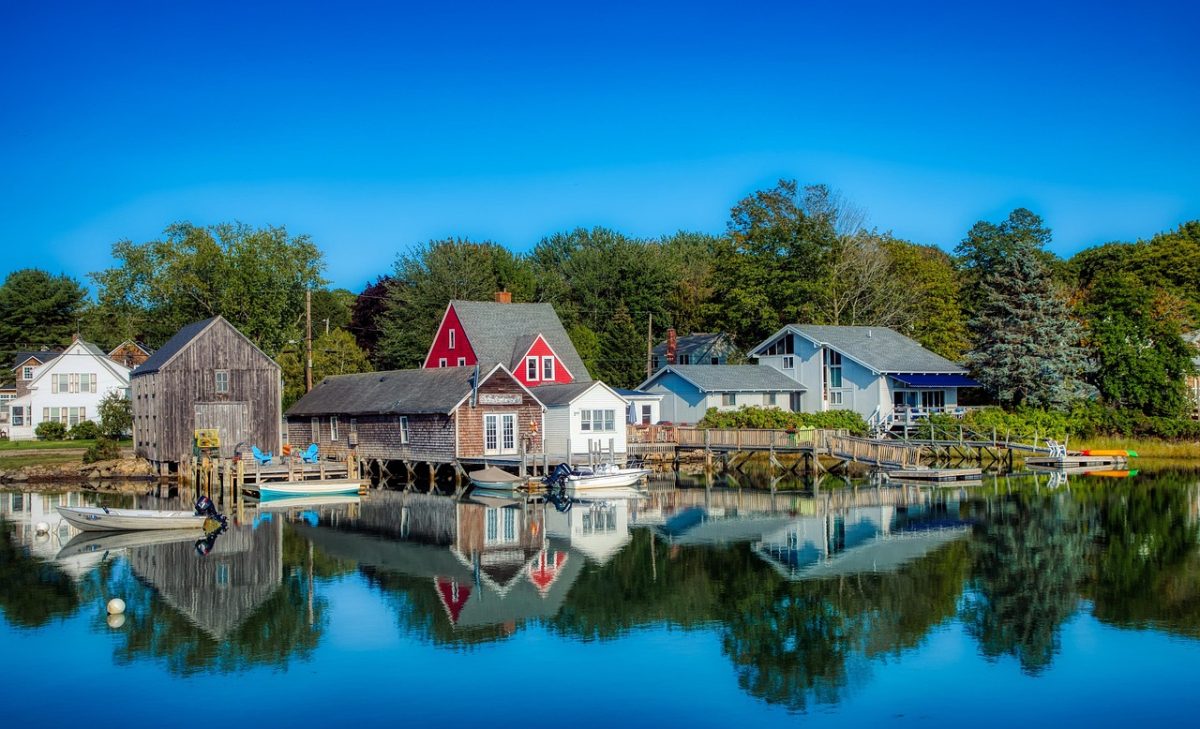
With its rugged coastline, dense forests, and limited urban sprawl, Maine offers isolation and self-reliance that few states can match. Its distance from major military bases and minimal industrial targets make it a prime safe zone. The state’s abundance of fresh water, farmland, and fishing communities supports long-term survival. Rural regions like Aroostook County provide vast, sparsely populated terrain ideal for sheltering away from fallout. Even in chaos, Maine’s quiet resilience and natural resources could help residents weather almost any global storm.
2. Montana
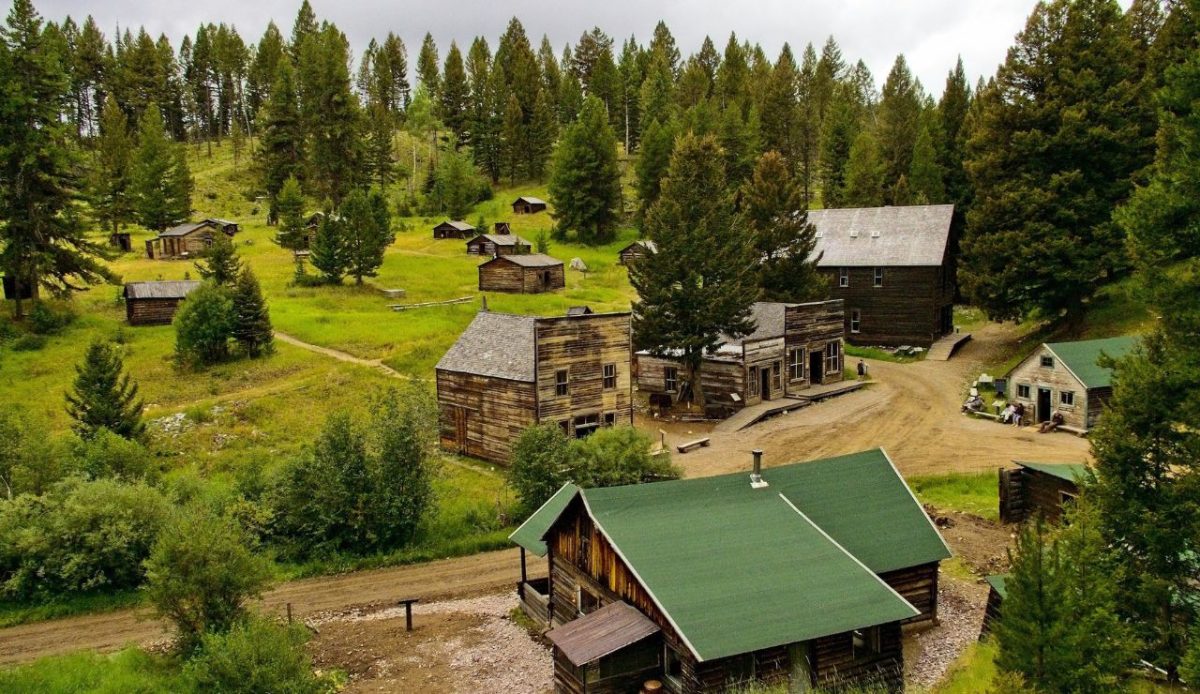
Montana’s sprawling landscapes and low population density make it one of the best places to ride out a disaster. Its wide-open spaces, clean rivers, and self-sufficient communities create natural buffers against large-scale threats. While it once hosted missile silos during the Cold War, most are now decommissioned. The state’s remoteness, access to fresh air and water, and resilient infrastructure offer practical advantages. For those seeking refuge amid nature, Montana’s valleys and mountain ranges provide both safety and solitude in uncertain times.
3. Oregon
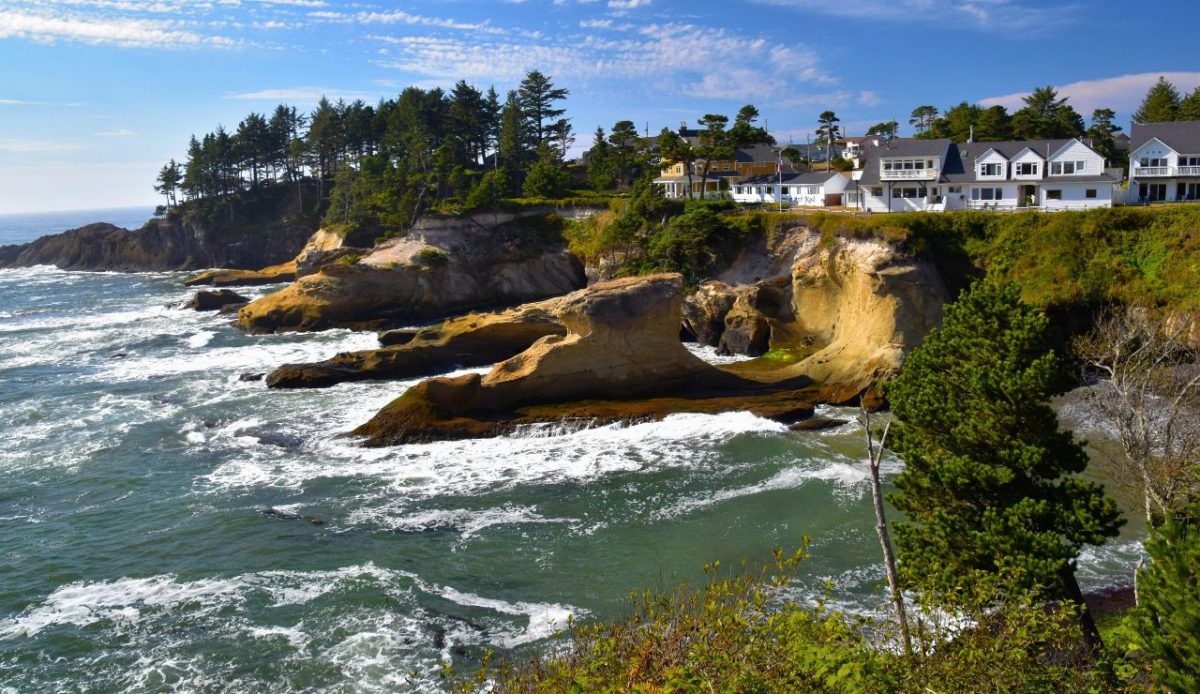
Beyond its natural beauty, Oregon’s inland regions are relatively shielded from major strike zones. Eastern and southern Oregon, far from Portland’s population centers, boast forested highlands and fertile valleys perfect for off-grid living. The state’s moderate climate, agricultural resources, and freshwater lakes support sustainable survival. Its coastal areas might face risks from fallout drift, but the interior remains protected by mountain barriers. Oregon’s balance of accessibility, environment, and preparedness culture makes it one of the most resilient corners of the country.
4. Idaho
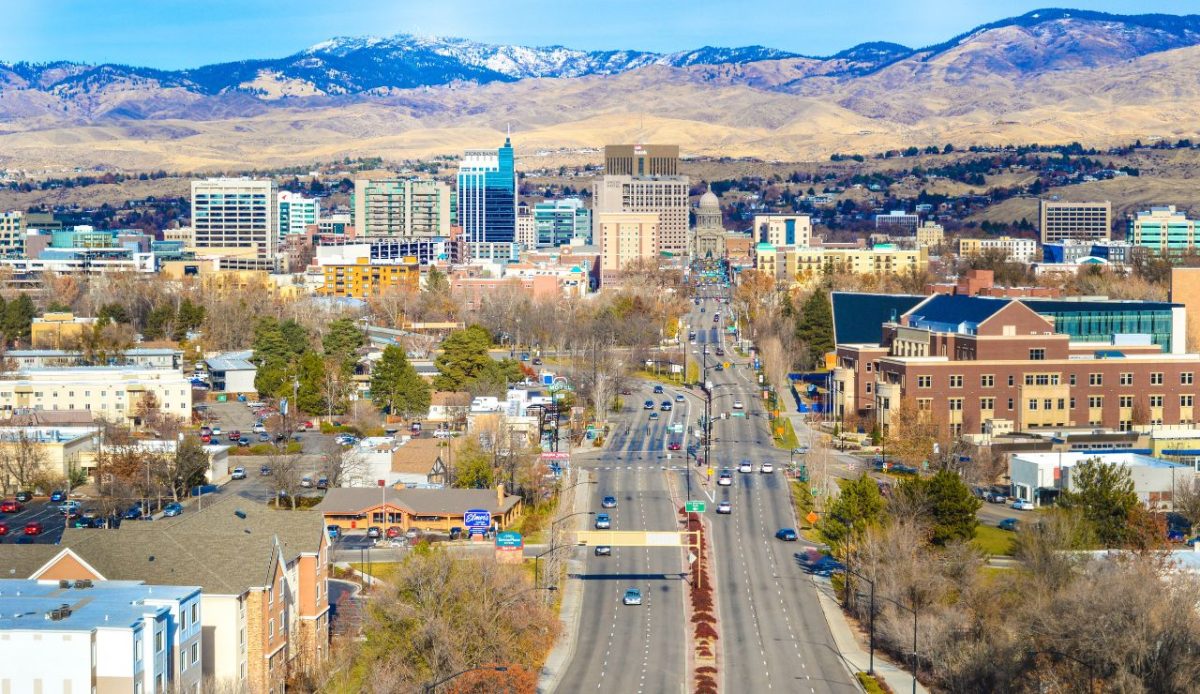
Idaho’s mix of rugged wilderness, low population, and abundant natural resources earns it a place among America’s safest states. Surrounded by mountain ranges and forests, much of Idaho is geographically insulated from major targets. Its rich farmland and freshwater sources ensure self-sufficiency, while small, tight-knit towns promote community resilience. The state’s extensive public lands also make it easier to find shelter or relocate. For those valuing independence, Idaho’s natural defenses and survivalist spirit offer a reassuring combination of peace and protection.
5. Utah
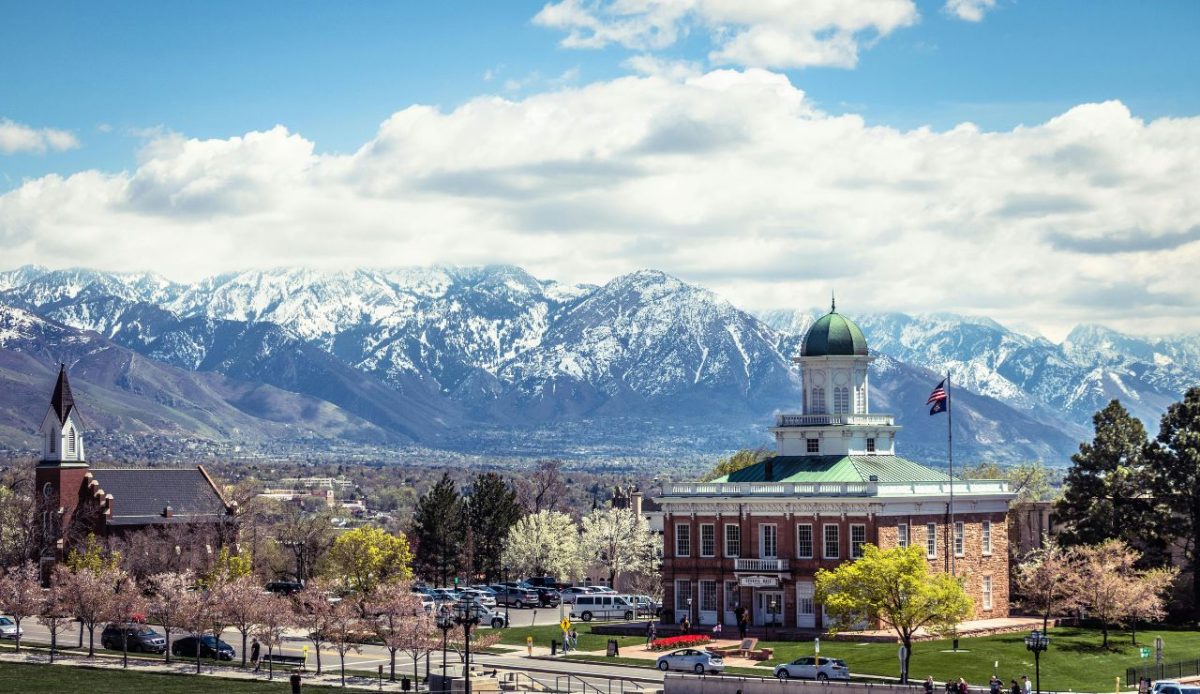
Utah’s vast desert landscapes, high plateaus, and remote canyons make it both beautiful and strategically safe. Outside Salt Lake City, much of the state remains sparsely populated, with minimal industrial or military significance. Its dry climate reduces fallout risks, while countless natural shelters, from red rock caves to secluded valleys, offer refuge. The state’s strong preparedness culture, shaped by history and geography, reinforces its readiness. Utah’s combination of seclusion, sustainability, and community resilience makes it a strong contender for long-term survival.
6. Vermont
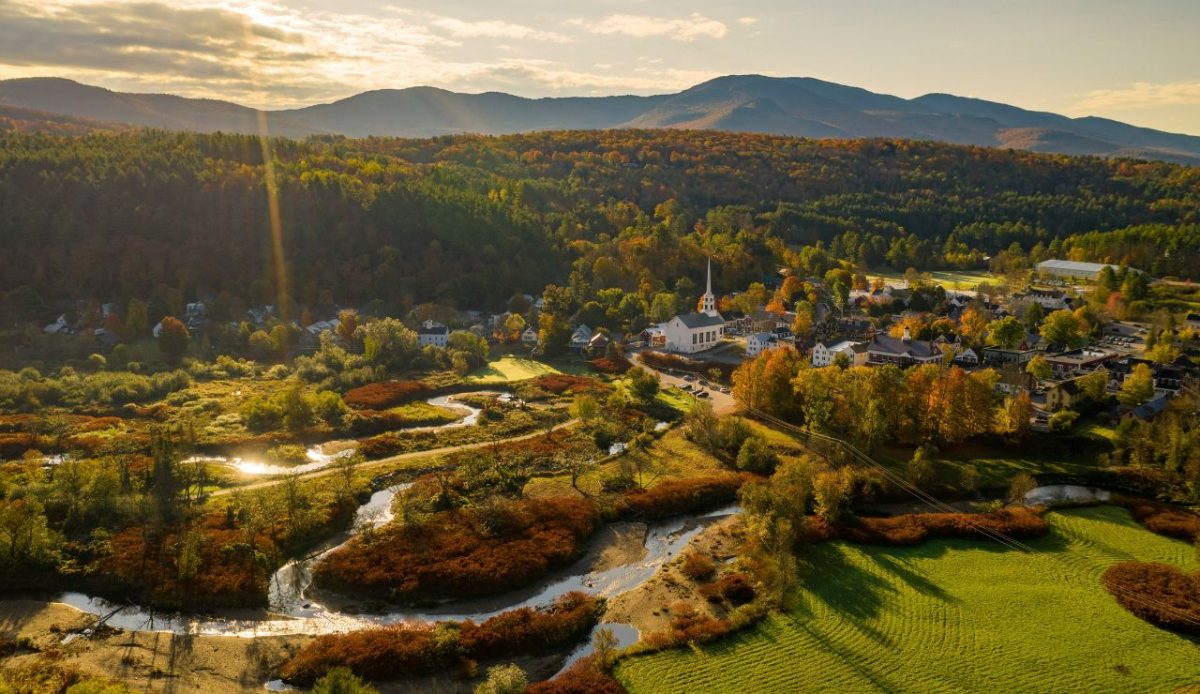
Small, green, and tucked far from major cities, Vermont’s isolation is its greatest strength. The state’s rolling hills and dense forests offer both concealment and natural resources. With no major military targets and a culture of independence, Vermonters are well-positioned for self-sufficiency. Clean rivers, fertile farmland, and low population density further enhance its safety profile. Its tight-knit rural communities know how to thrive off the land, making Vermont not just safe, but sustainable in even the harshest scenarios.
7. Alaska
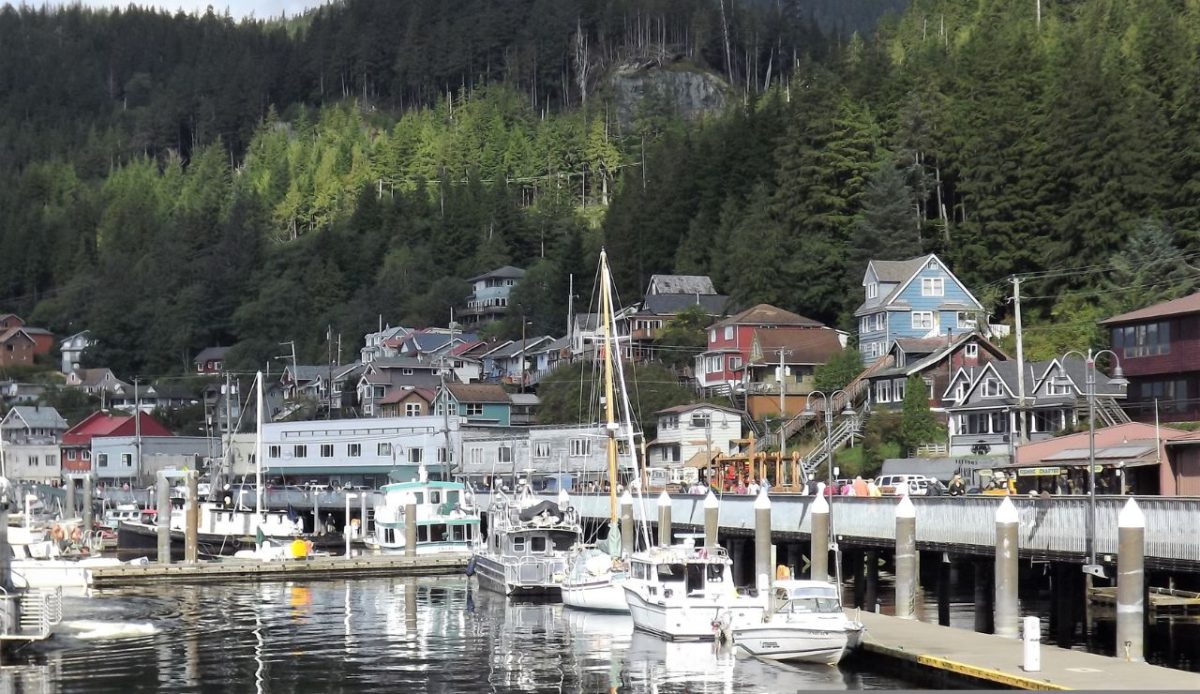
Alaska’s remoteness alone makes it one of the best survival spots on Earth. Far from the continental U.S. and global power centers, it’s shielded by sheer distance. The state’s vast wilderness provides clean water, fish, and game for sustenance. While winters can be brutal, those accustomed to its rugged lifestyle find independence easy to maintain. With limited strategic targets and an enormous landmass, Alaska offers true escape from population chaos, where nature, isolation, and resilience form the ultimate line of defense.
8. North Dakota
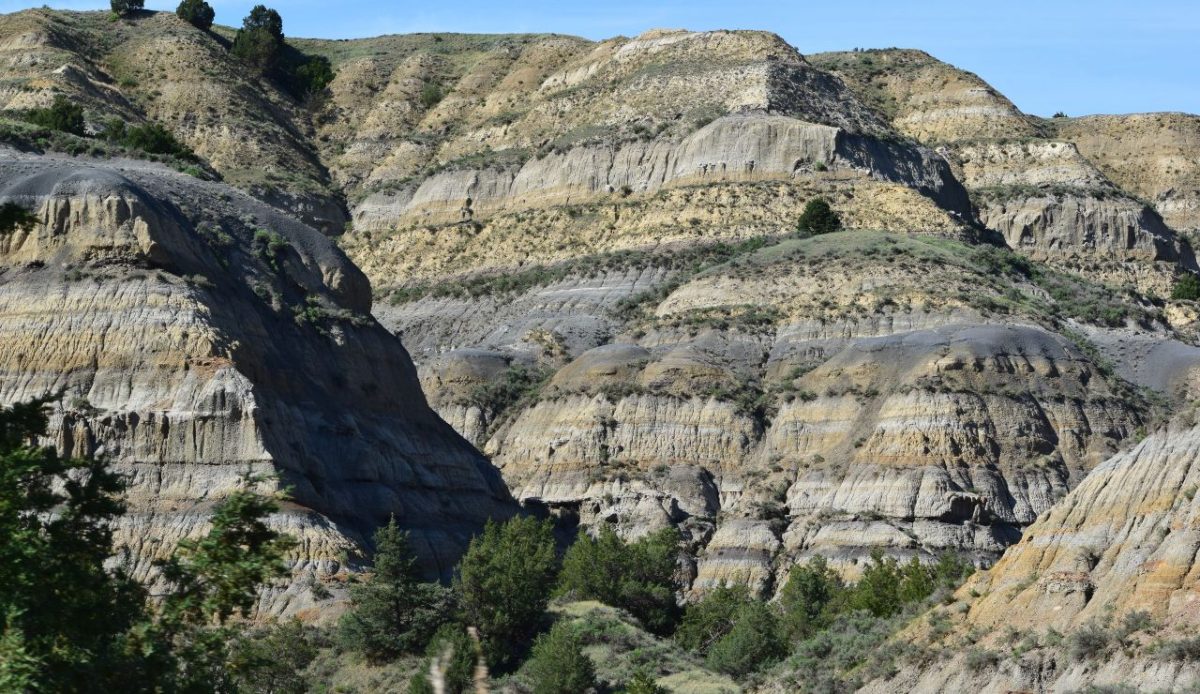
North Dakota’s expansive plains and low population density make it both overlooked and resilient. While it once housed Cold War-era missile sites, the state now remains largely agricultural and remote. Its open landscapes allow easy mobility and access to farmland, water, and wind power. Sparse urban centers reduce fallout concentration, while its central U.S. location minimizes coastal risks. For those prepared to handle the cold, North Dakota’s simplicity, self-reliance, and geography offer an ideal refuge from large-scale global threats.
9. Wyoming
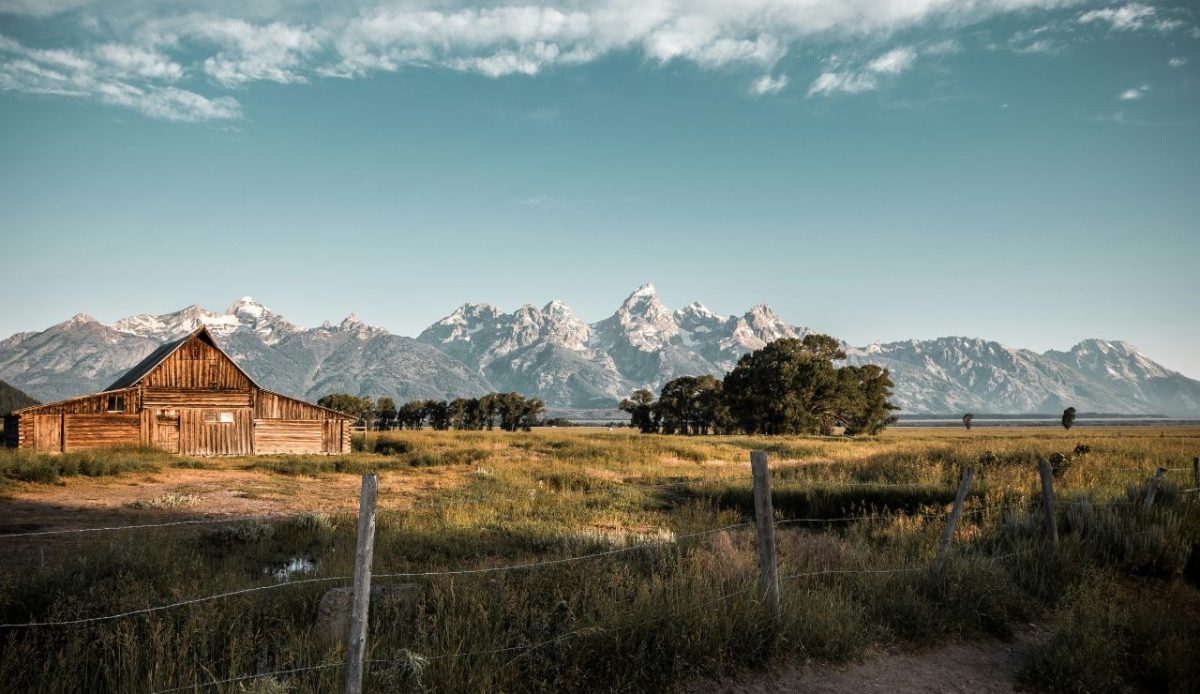
Wyoming’s vast wilderness, low population, and mountainous terrain make it one of the safest states during any crisis. Home to wide valleys, freshwater streams, and ample grazing land, it offers the resources needed for long-term survival. Away from major military or industrial zones, its small towns embody independence and resilience. The Bighorn Mountains and Wind River Range provide both shelter and security. Combining natural beauty with strategic safety, Wyoming represents the balance of isolation and livability most preppers dream of.
