
Across the United States, more people are replacing fixed addresses with homes on wheels. What began as a travel experiment has grown into a lifestyle that balances comfort, flexibility, and financial control. Families, retirees, and remote workers are proving that an RV can serve as both transportation and long-term housing. The change reflects how Americans now value mobility and experience more than ownership. Freedom, affordability, and adaptability have become the new cornerstones of what people call home.
1. Freedom to Travel Without Hotel Costs

RVs let people move at their own pace, waking up by a lake one week and in a red canyon the next. Without hotel reservations or rising nightly rates, travel becomes simple and affordable. Lodging is often the most expensive part of a trip, yet RV living removes that cost entirely. Travelers stay longer wherever they feel most comfortable, making the experience more personal and less hurried. Campgrounds now include laundry rooms, showers, and reliable internet, which make extended trips practical. Several states even provide affordable long-term camping permits that keep RV tourism growing year-round.
2. Pet Owners Prefer Their Own Space on the Road
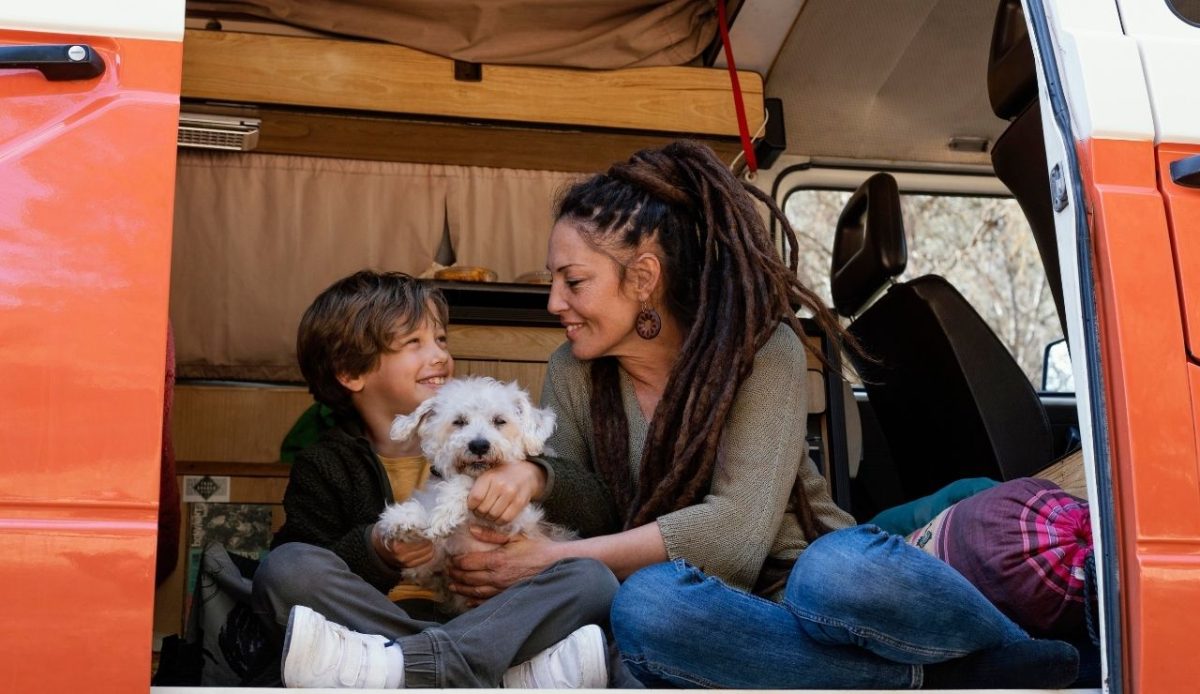
RV travel offers pet owners freedom and peace of mind. Animals stay nearby instead of being boarded or left with sitters, which reduces stress for both owner and pet. Most RV parks now include pet-friendly trails, wash stations, and fenced areas for play. Owners can maintain feeding schedules and exercise routines no matter where they park. Having pets along also provides comfort during long trips, creating a familiar sense of home. The ability to travel without separation has made RV living one of the most pet-friendly lifestyles in the country.
3. Remote Work Fits Perfectly With RV Life

As remote work grows, more professionals are turning RVs into mobile offices. Portable Wi-Fi systems, solar power, and compact workstations make it possible to join meetings from quiet beaches or forest clearings. Entrepreneurs and freelancers plan routes around stable connectivity zones while maintaining full productivity. This setup removes the limits of a fixed address and replaces commutes with scenic drives. The freedom to work from almost anywhere allows people to design days around both tasks and travel. RVs now serve as flexible offices that redefine what work-life balance looks like in America.
4. National Parks Feel Like the Backyard

For outdoor enthusiasts, RV living brings national parks closer than ever. Instead of planning vacations around limited time off, many now live near protected lands year-round. Waking up beside Grand Teton or Bryce Canyon becomes routine rather than rare. The proximity encourages physical activity, photography, and outdoor learning for children. Parks have expanded RV infrastructure with electrical hookups and water access, supporting longer stays. This close connection to nature creates a healthier rhythm of life and helps people appreciate the country’s natural diversity in a more personal way.
5. Families Want Shared Time, Not Big Houses
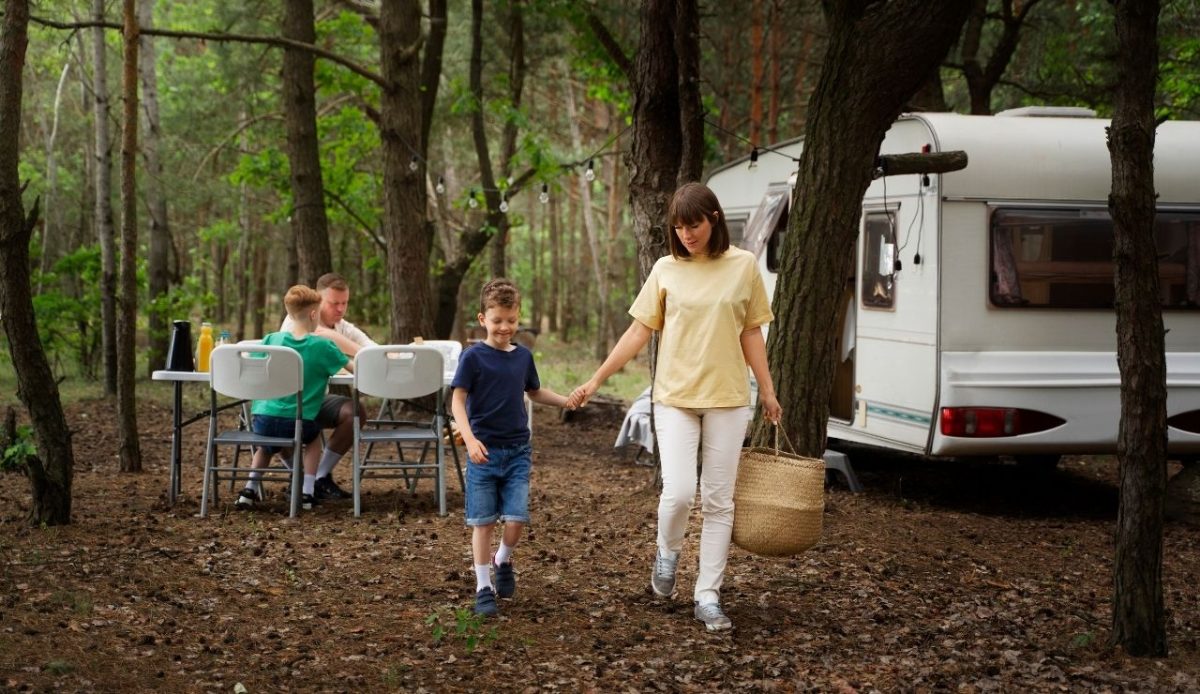
Families choosing RV life often describe it as a way to reconnect. With limited space, members spend more time together cooking, learning, and exploring. Conversations replace screens, and chores become teamwork. Parents use travel as a living classroom, teaching geography and science through direct experience. Kids gain adaptability and curiosity from constant movement and new environments. Living small teaches cooperation and gratitude in ways traditional homes rarely do. Many families say the shared challenges of road life strengthen relationships far more than additional square footage ever could.
6. Retirees Are Choosing Mobility Over Maintenance
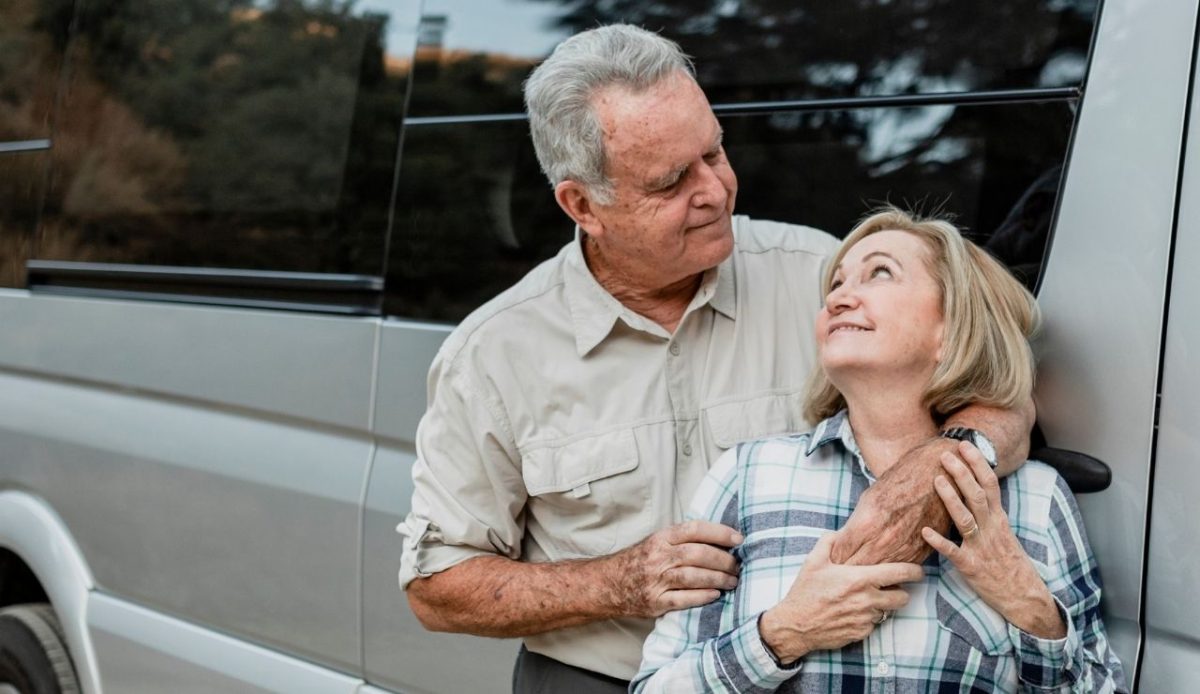
For retirees, the appeal of RV life lies in simplicity and freedom from upkeep. Without lawns, mortgages, or repair bills, they manage their resources efficiently and live at a slower pace. Travel keeps them active while RV parks offer healthcare access, security, and organized activities. Seniors often form travel groups that explore scenic routes together, maintaining companionship on the road. Many describe this chapter as liberating and practical, balancing adventure with stability. By downsizing to an RV, retirees gain control over their schedules and enjoy the rewards of movement without the weight of property obligations.
7. Modern RVs Feel More Like Small Apartments

Newer RV models are built with full kitchens, queen beds, climate control, and smart entertainment systems. The comfort level rivals that of studio apartments, yet the scenery changes at will. Improved insulation and energy efficiency make them livable in all seasons, while solar panels and advanced batteries reduce dependence on hookups. Travelers enjoy reliable power, water, and internet even in remote areas. Manufacturers now focus on storage, noise control, and lightweight materials that improve drivability. These updates have transformed RVs into compact, sustainable homes designed for long-term living without sacrificing convenience.
8. Americans Are Rediscovering Small-Town America
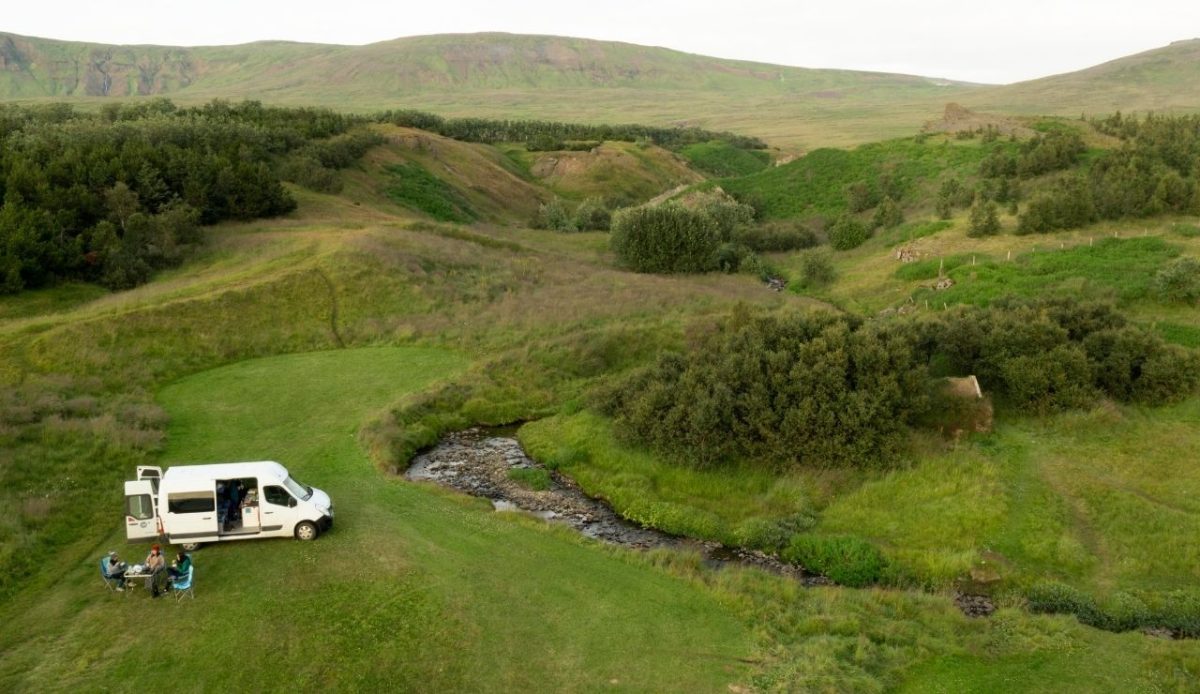
RV travel opens access to towns that rarely appear on standard travel itineraries. Visitors spend money locally, helping small diners, antique stores, and local markets survive outside major tourist circuits. Many travelers find small towns more affordable and welcoming for long stays. Local festivals, fairs, and farmers’ events connect visitors to genuine community life. Some towns have created RV-friendly zones to attract travelers during the off-season. This renewed interest strengthens local economies while giving Americans a clearer sense of their country’s variety beyond big cities and highways.
9. The Open Road Still Feels Like Freedom
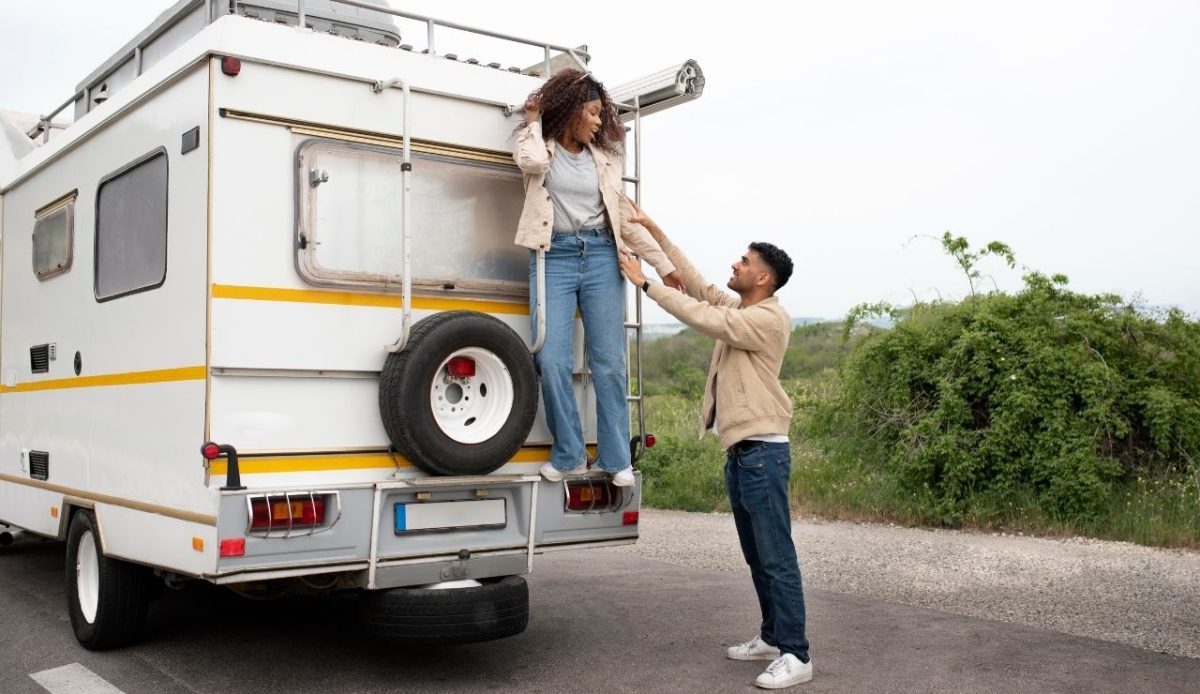
RVs continue to represent the American spirit of choice and independence. They allow people to decide where to live, how long to stay, and what path to follow next. Some treat RV life as a seasonal break; others see it as a full-time journey. The road connects travelers to both solitude and community, depending on their needs. Every trip offers control over pace and direction without losing the comforts of home. Independence and the belief that home is not a fixed address but wherever the wheels pause for the night capture why this lifestyle keeps growing.
