
Traveling abroad often means respecting local customs, including dress codes. In many countries, failing to adhere to clothing regulations can result in fines, denied entry, or public embarrassment. From religious sites to government buildings and cultural landmarks, rules are strictly enforced to maintain tradition, decorum, and local values. Being aware of local expectations helps travelers enjoy experiences without legal or social issues. This guide highlights nine destinations where tourists need to dress appropriately, offering tips to navigate cultural norms while exploring safely and respectfully.
1. Saudi Arabia
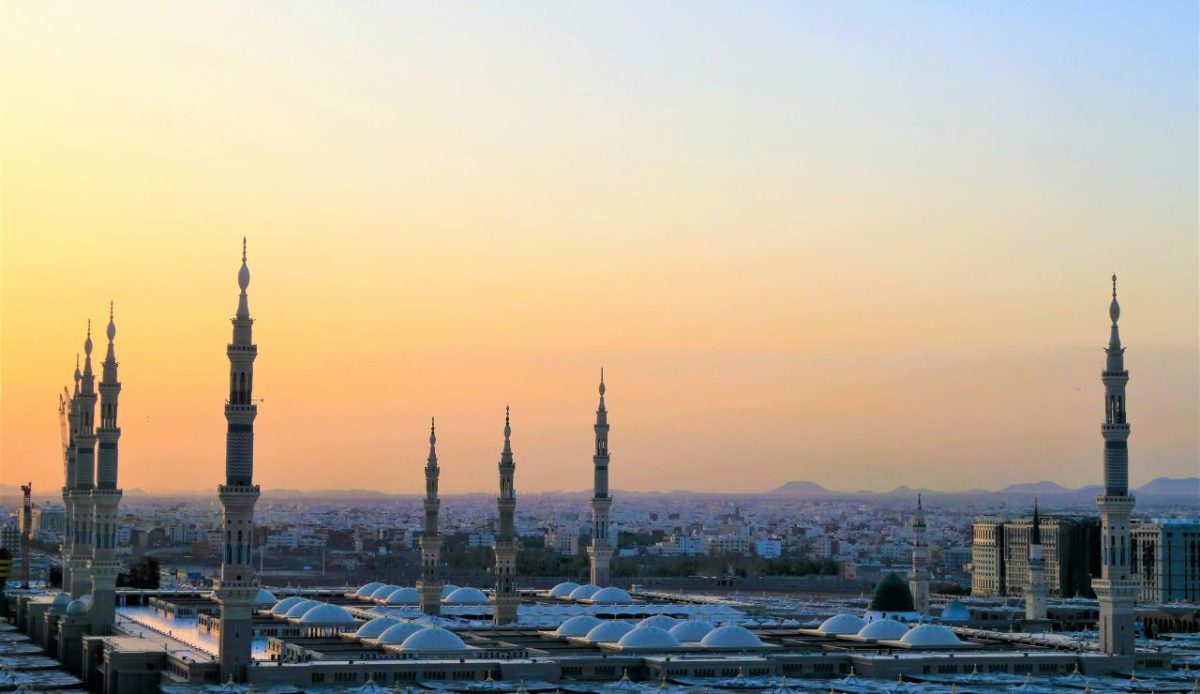
Saudi Arabia enforces strict public dress codes, particularly for women. Tourists are expected to wear modest clothing covering arms and legs, with women advised to wear an abaya and headscarf in public. Men should avoid shorts and sleeveless shirts in urban areas. Violating these rules can result in fines or being asked to leave establishments. Understanding the cultural context and respecting local norms ensures smooth travel. Tourists can explore cities like Riyadh and Jeddah while dressing appropriately, maintaining respect for local traditions, and avoiding legal consequences during their visit.
2. Iran
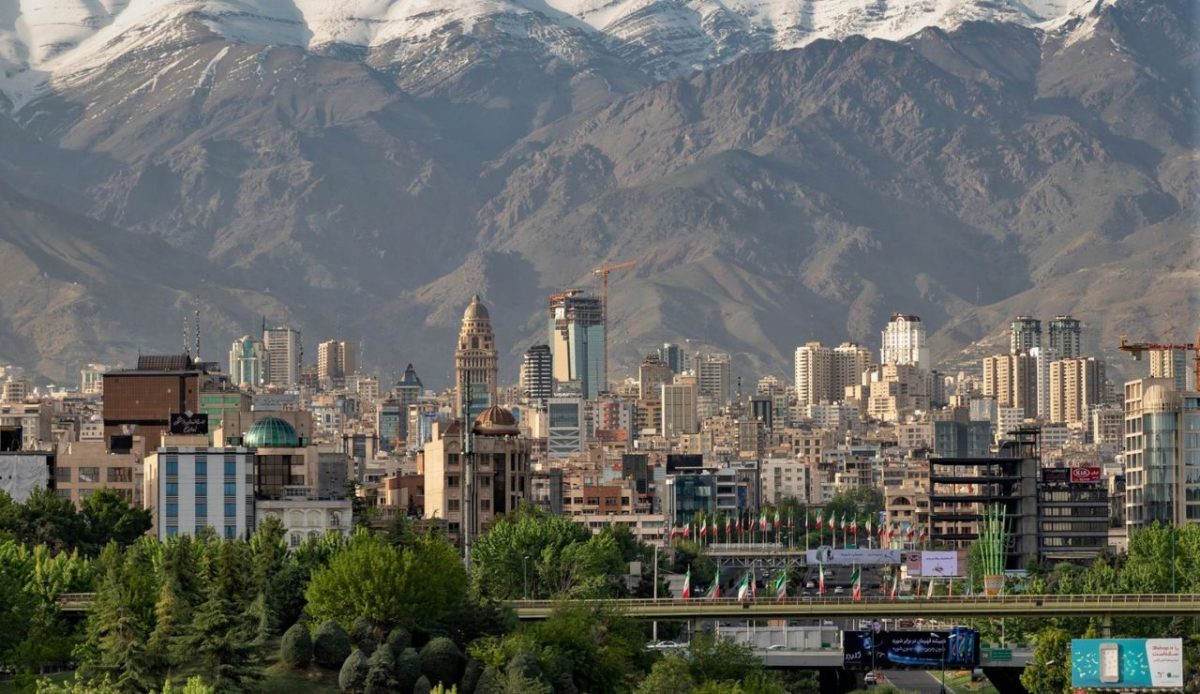
In Iran, modest dress is mandatory for both men and women. Women must cover their hair with a hijab and wear long coats or tunics with trousers. Men should avoid shorts and sleeveless tops in public areas. Violations can lead to fines or denial of entry to religious and cultural sites. Understanding these rules ensures respectful interaction with locals and smooth travel experiences. Tourists can enjoy historic cities like Isfahan and Shiraz by dressing appropriately. Observing Iran’s dress codes not only avoids fines but also demonstrates cultural awareness and appreciation for the country’s traditions and values.
3. United Arab Emirates

In the UAE, including Dubai and Abu Dhabi, modest clothing is expected in public spaces, especially near mosques, government buildings, and shopping malls. Women should cover their shoulders and knees, while men should avoid sleeveless tops and short shorts. Violations can result in fines or being denied entry to certain venues. Tourists can still enjoy beaches and leisure activities by following guidelines. Respecting dress codes ensures a positive travel experience and demonstrates consideration for Emirati culture. Awareness of these norms helps visitors blend in respectfully while exploring modern attractions and traditional sites alike.
4. Vatican City
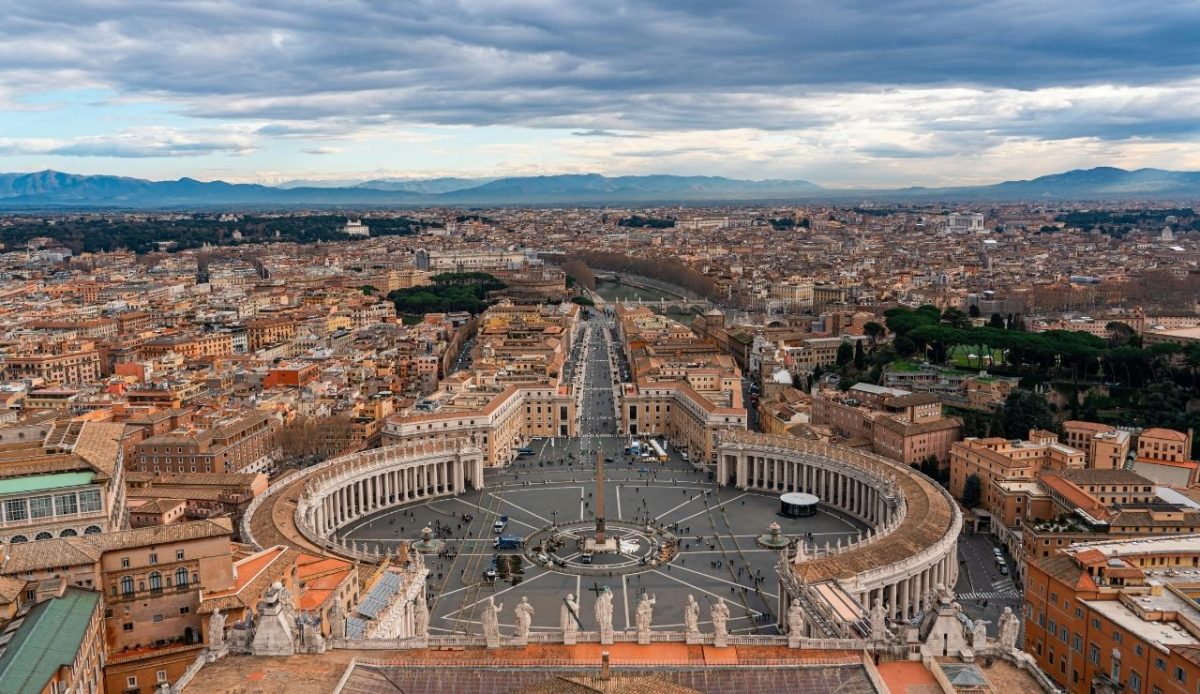
Vatican City enforces strict dress codes for entry into St. Peter’s Basilica, museums, and other religious sites. Shoulders, knees, and midriffs must be covered for both men and women. Shorts, sleeveless tops, and mini-skirts are prohibited. Security staff may deny entry or request tourists to cover up, sometimes with rented garments. Dressing appropriately allows visitors to admire religious art, architecture, and history without interruption. Understanding and respecting these rules demonstrates cultural sensitivity and ensures a smooth, meaningful visit to one of the world’s most iconic spiritual destinations.
5. Thailand
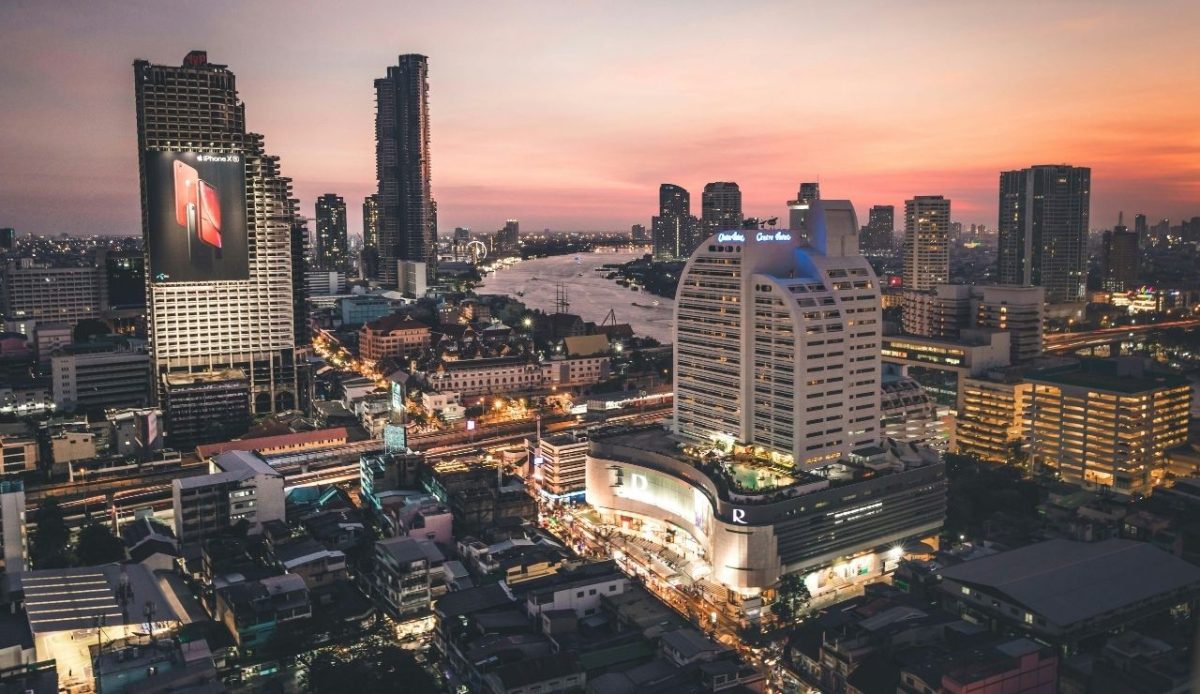
In Thailand, Buddhist temples require modest attire. Visitors must cover their shoulders and knees, remove their shoes, and avoid revealing clothing. Failing to comply can lead to fines or denied entry. Some temples provide wraps for tourists, but following rules in advance shows respect for religious practices. Tourists can enjoy Bangkok, Chiang Mai, and other cultural hubs while dressing appropriately. Observing these guidelines allows visitors to immerse themselves in Thailand’s spiritual and cultural heritage. Respecting temple dress codes fosters positive interactions with locals and ensures meaningful exploration of sacred spaces.
6. Turkey

In Turkey, mosques such as Hagia Sophia and the Blue Mosque require modest attire for entry. Women must cover their hair, shoulders, and knees, while men should avoid shorts and sleeveless shirts. Footwear removal is also expected. Violating these rules may result in fines or denied access. Travelers can enjoy Istanbul’s cultural and historical richness by preparing appropriate clothing. Understanding mosque etiquette ensures respectful visits and enhances the spiritual experience. Observing these dress codes allows tourists to connect with local traditions, admire architectural wonders, and explore cultural landmarks safely and respectfully.
7. Egypt

In Egypt, visiting mosques, historic temples, and cultural sites requires modest clothing. Women are expected to cover their shoulders and wear loose-fitting attire, while men should avoid sleeveless tops and shorts. Some sites may also request head coverings for women. Violating these rules can lead to fines, denied entry, or uncomfortable encounters with locals. Respecting dress codes ensures a smoother, culturally sensitive experience while exploring Cairo’s mosques, Luxor’s temples, or Abu Simbel. Observing these expectations allows travelers to immerse themselves fully in Egypt’s rich history without conflict.
8. Morocco
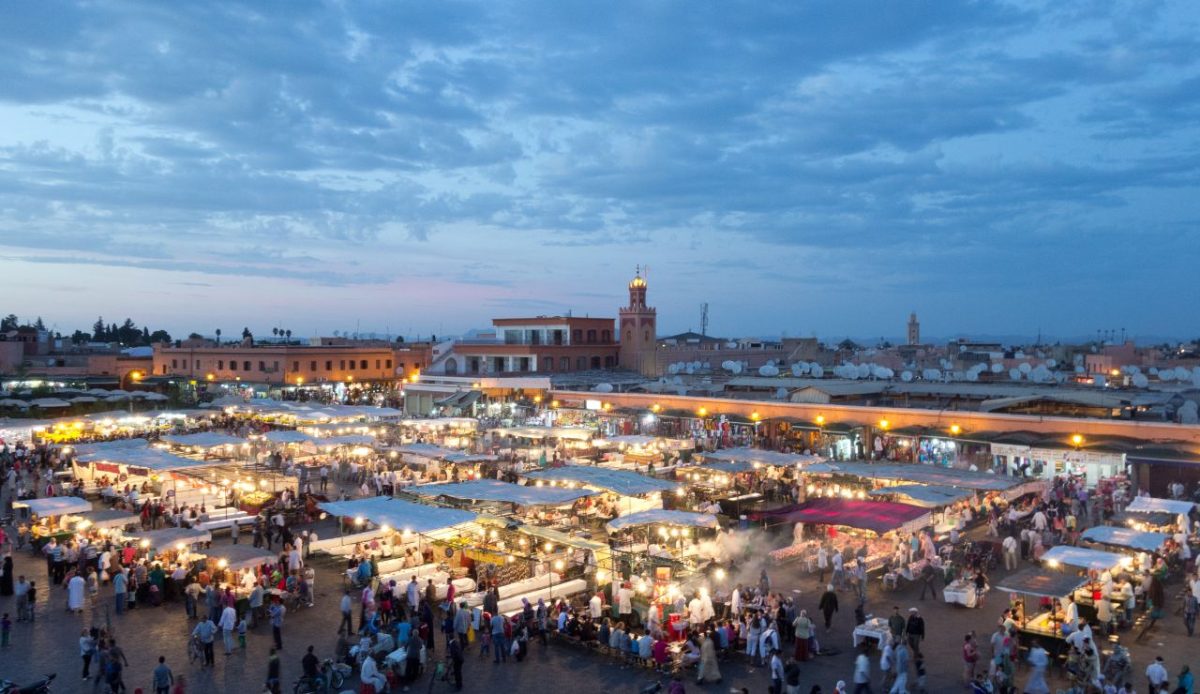
Morocco encourages modest attire, especially in religious or rural areas. Women should cover their shoulders and knees, while men should avoid sleeveless shirts and shorts outside tourist resorts. Violating local expectations can draw attention, fines, or restricted access to certain sites. Dressing appropriately fosters respect for Moroccan culture and ensures smooth interactions with locals. Travelers can explore cities like Marrakech, Fes, and Chefchaouen while observing customs. Being mindful of clothing requirements allows tourists to enjoy bustling markets, historic medinas, and scenic landscapes comfortably and respectfully.
9. Greece
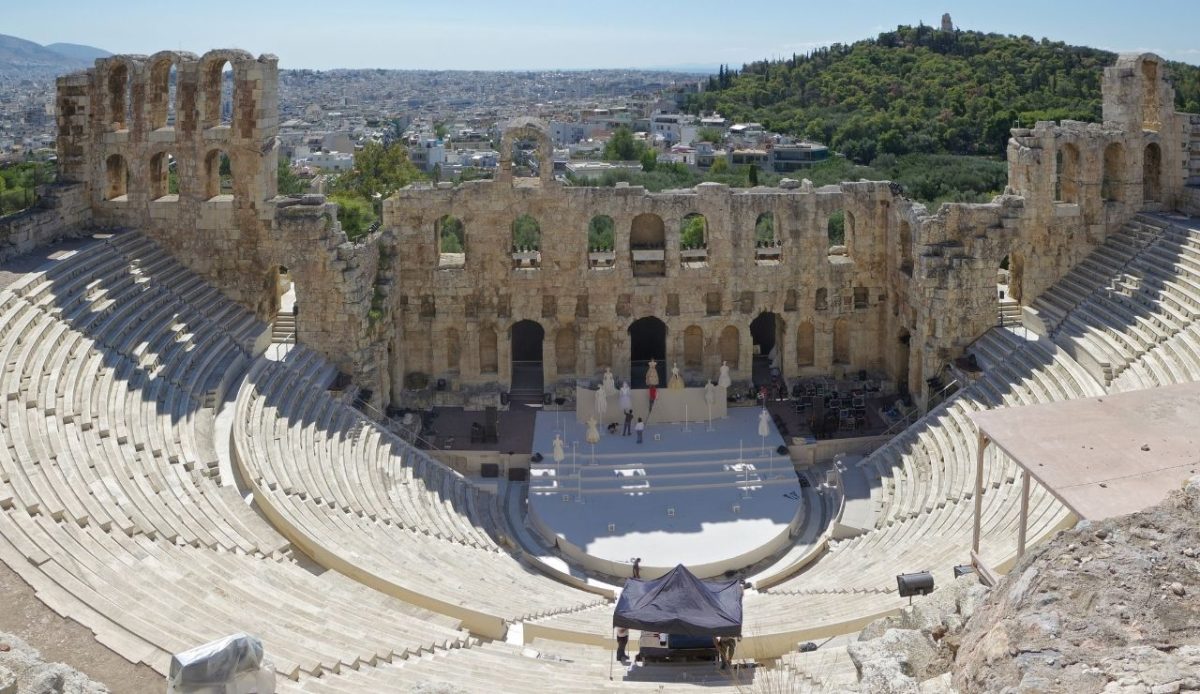
In Greece, particularly on islands with churches and monasteries, modest clothing is required for entry. Shoulders and knees must be covered, and revealing outfits may result in fines or denied access. Many religious sites provide wraps for visitors, but preemptive adherence shows cultural respect. Dressing appropriately allows tourists to explore historic chapels, monasteries, and traditional villages without incident. Observing these guidelines enhances the experience, letting travelers appreciate local customs, architecture, and art. Following Greece’s dress expectations ensures a smooth and respectful visit to its sacred sites.
