
Mexico’s coastlines stretch for more than 5,000 miles, covering three major bodies of water: the Caribbean Sea, the Pacific Ocean, and the Gulf of California. While Cancun has long represented the country’s beach image abroad, many other coastal towns tell a more complete story. Each destination reflects a different side of Mexican life, with some centered around community traditions and seafood markets, while others highlight art, history, and outdoor adventure. Together, they demonstrate the diverse nature of Mexico’s seaside culture. Travelers who look beyond Cancun will find smaller towns that balance natural scenery, comfort, and an authentic local rhythm that defines coastal Mexico today.
1. Tulum, Quintana Roo
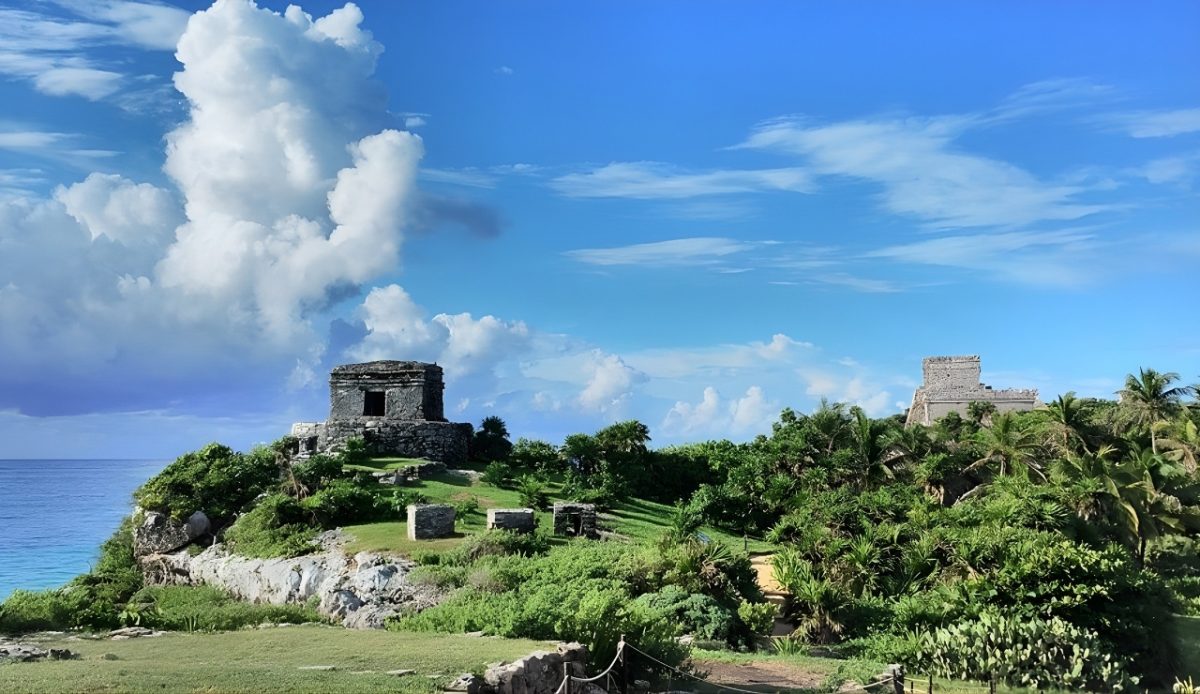
Tulum balances Mayan history with eco-friendly beach culture. Its beachfront hotels lean toward boutique stays built from wood and palm, while its inland area holds archaeological treasures, such as the Tulum Ruins, overlooking turquoise water. Visitors bike between cenotes such as Gran Cenote and Calavera, swim in calm lagoons, or explore Sian Ka’an Biosphere Reserve nearby. The food scene emphasizes fresh seafood and vegan options served in open-air restaurants surrounded by the jungle. Despite its popularity, early mornings and shoulder seasons still bring quiet moments that feel removed from resort crowds.
2. Isla Mujeres, Quintana Roo
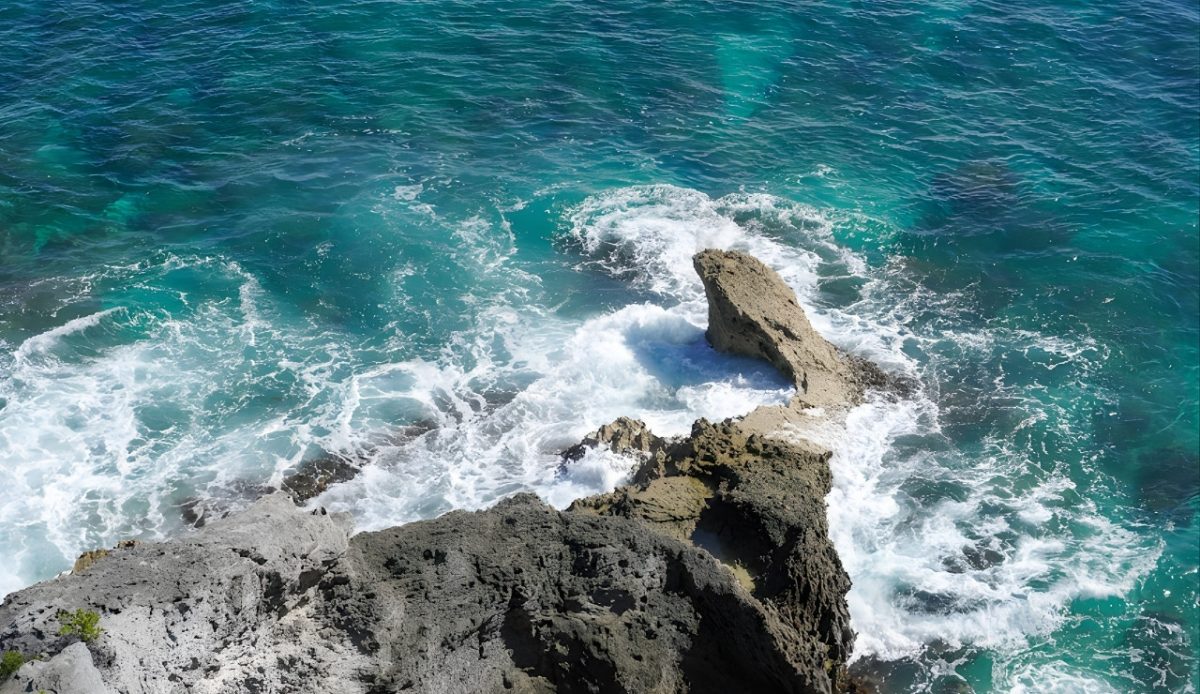
Just a short ferry ride from Cancun, Isla Mujeres delivers a calm contrast to the mainland’s bustle. The island’s charm comes from its walkable streets, pastel houses, and beaches like Playa Norte, where shallow water stays clear year-round. Golf carts replace cars, and snorkeling tours reveal coral gardens within the MUSA underwater museum. Local eateries serve fresh ceviche and grilled fish caught the same morning. Visitors often rent bikes to explore the south end, where Punta Sur has cliffside views of the Caribbean. Evenings slow down with sunset bars and handmade crafts along the main avenue.
3. Cozumel, Quintana Roo
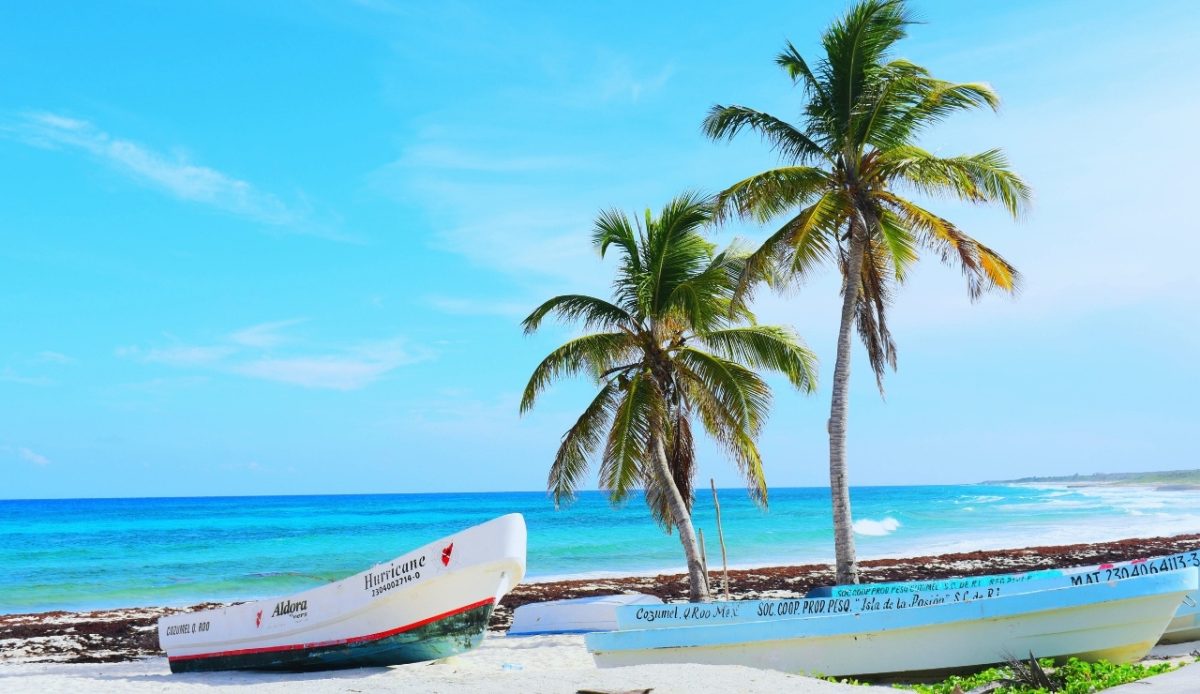
Cozumel draws travelers with world-class diving and small-town hospitality. Offshore reefs form part of the Mesoamerican Barrier Reef System, where guided tours showcase sea turtles, nurse sharks, and bright coral walls. San Miguel, the island’s main town, blends modern cafés with quiet plazas and local taquerías. Ferry service from Playa del Carmen makes Cozumel easy to reach, while inland routes lead to Mayan remnants and mangrove lagoons. Beaches like Playa Palancar and Playa Mia suit day visitors seeking calm water. Even with cruise ships nearby, the island keeps a relaxed rhythm once evening arrives.
4. Holbox, Quintana Roo
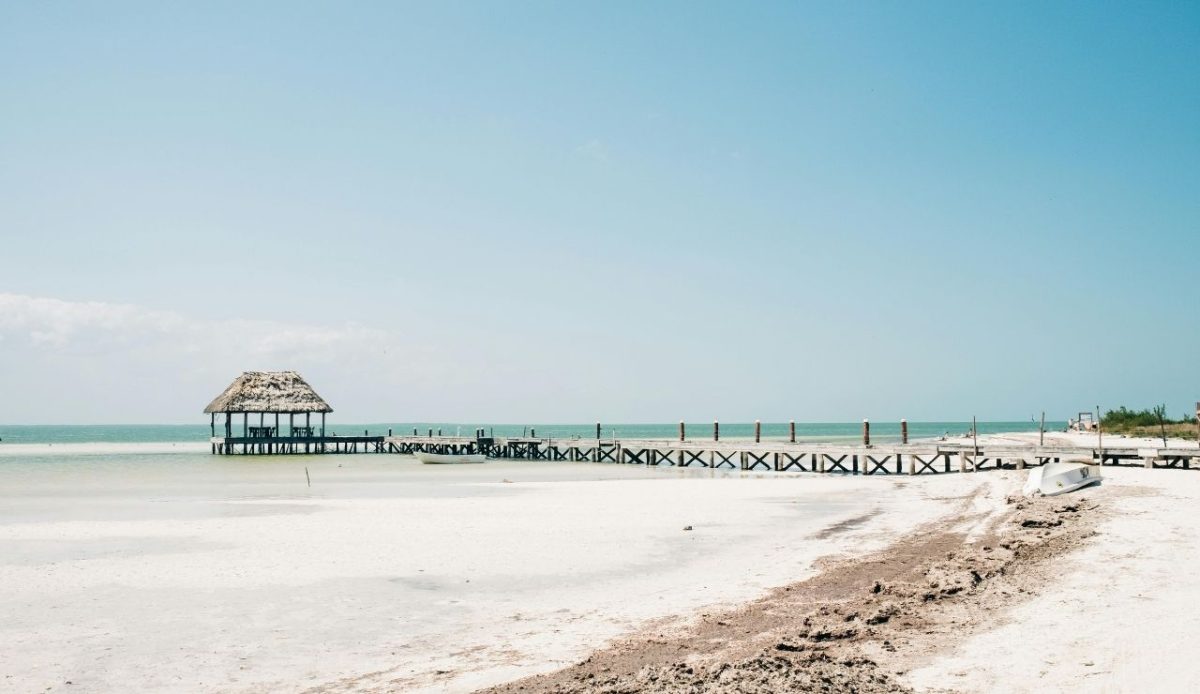
Isla Holbox is ideal for travelers seeking a simpler, car-free experience. Streets made of sand connect colorful guesthouses, local bakeries, and murals that capture the island’s creative energy. Holbox is part of the Yum Balam Nature Reserve, known for flamingos, whale sharks, and calm lagoons. Kayakers paddle through mangrove tunnels, while beachgoers watch sunsets stretch across shallow seas. The island’s size makes it perfect for exploration on foot or by bicycle. Dining focuses on casual seafood, and lobster pizza is a local favorite. With limited development, Holbox feels more like a coastal village than a resort destination.
5. Puerto Vallarta, Jalisco
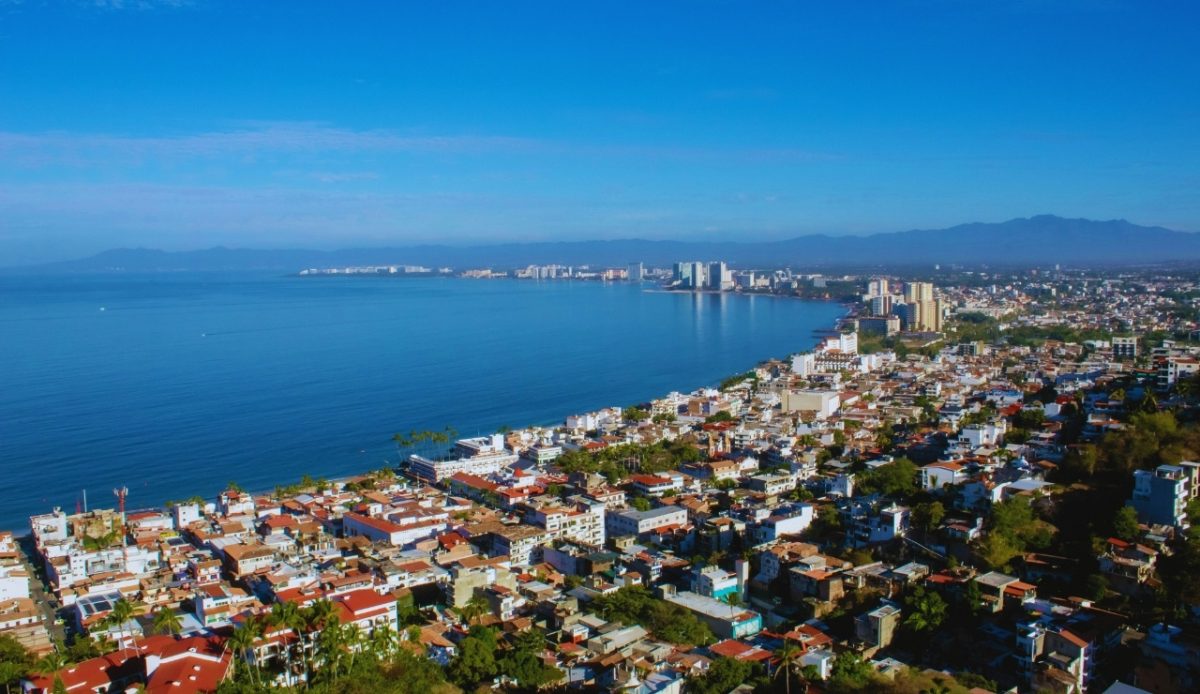
Puerto Vallarta pairs traditional charm with modern comforts, making it one of Mexico’s most balanced coastal cities. The Malecón boardwalk runs along Banderas Bay, lined with sculptures, local vendors, and oceanfront restaurants. The Romantic Zone retains cobblestone streets, artisan markets, and lively nightlife centered around beach clubs and rooftop bars. Nearby, visitors take boat trips to secluded beaches like Yelapa or hike through jungle trails in the Sierra Madre foothills. Puerto Vallarta is deeply tied to its fishing roots, with morning markets and community festivals that reflect Jalisco’s welcoming culture.
6. Sayulita, Nayarit
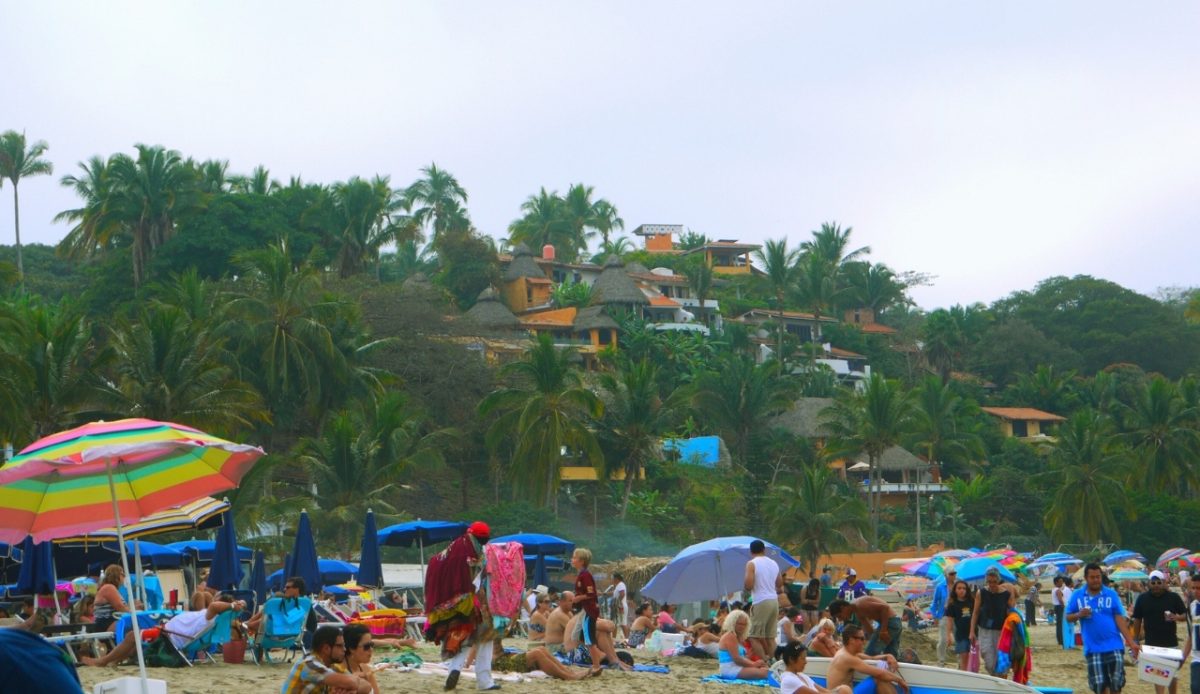
Once a small fishing village, Sayulita has grown into a surf and art hub on Mexico’s Riviera Nayarit. Its main beach has gentle waves ideal for beginners, while nearby Playa de los Muertos provides a quieter escape. Colorful streets are lined with galleries, surf shops, and taco stands that attract both backpackers and boutique travelers. The town’s relaxed rhythm allows mornings of yoga and afternoons of surfing or horseback rides along the shore. Local craft markets showcase handmade jewelry and textiles from nearby villages, giving Sayulita a creative, community-centered atmosphere that feels both casual and lively.
7. Zihuatanejo, Guerrero
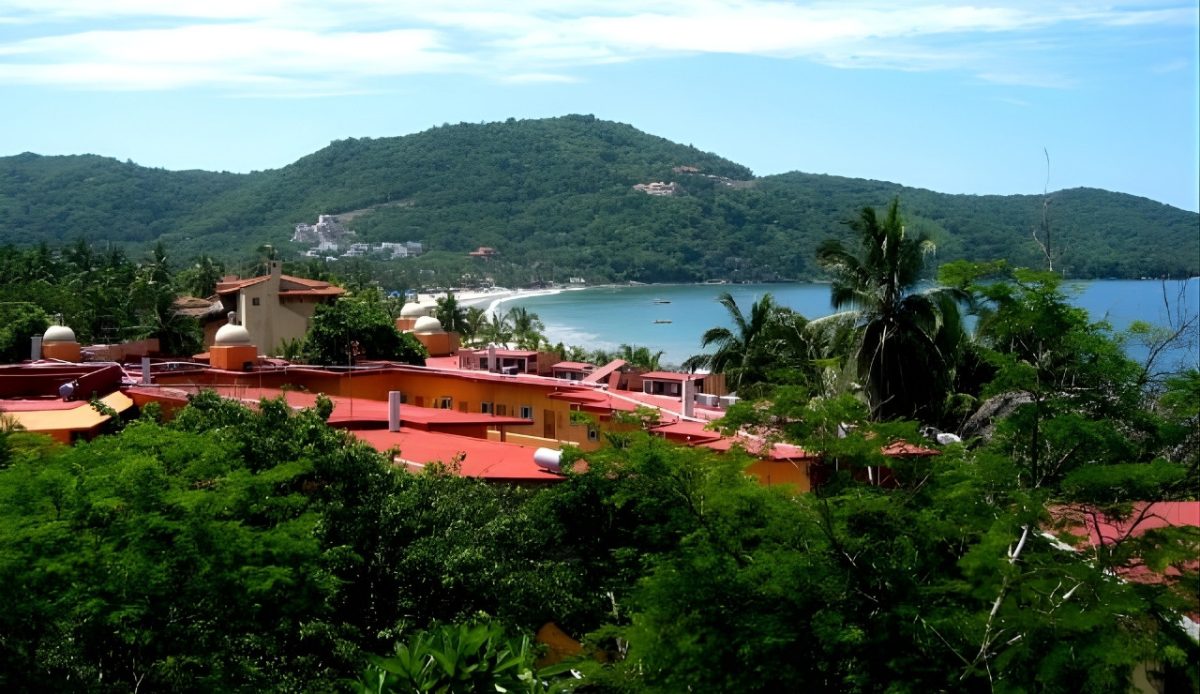
Zihuatanejo keeps the atmosphere of an authentic coastal town, even as neighboring Ixtapa draws resort crowds. Fishermen still bring their catch to Playa Principal at dawn, while travelers explore nearby Playa La Ropa for swimming and sailing. The town’s hillside streets overlook a calm bay surrounded by seafood restaurants and family-run inns. Visitors can take day trips to Playa Las Gatas by boat or join fishing charters that trace the same waters once used by local sailors. Zihuatanejo’s balance between tradition and tourism makes it a favorite for travelers seeking genuine coastal Mexico without heavy crowds.
8. Huatulco, Oaxaca
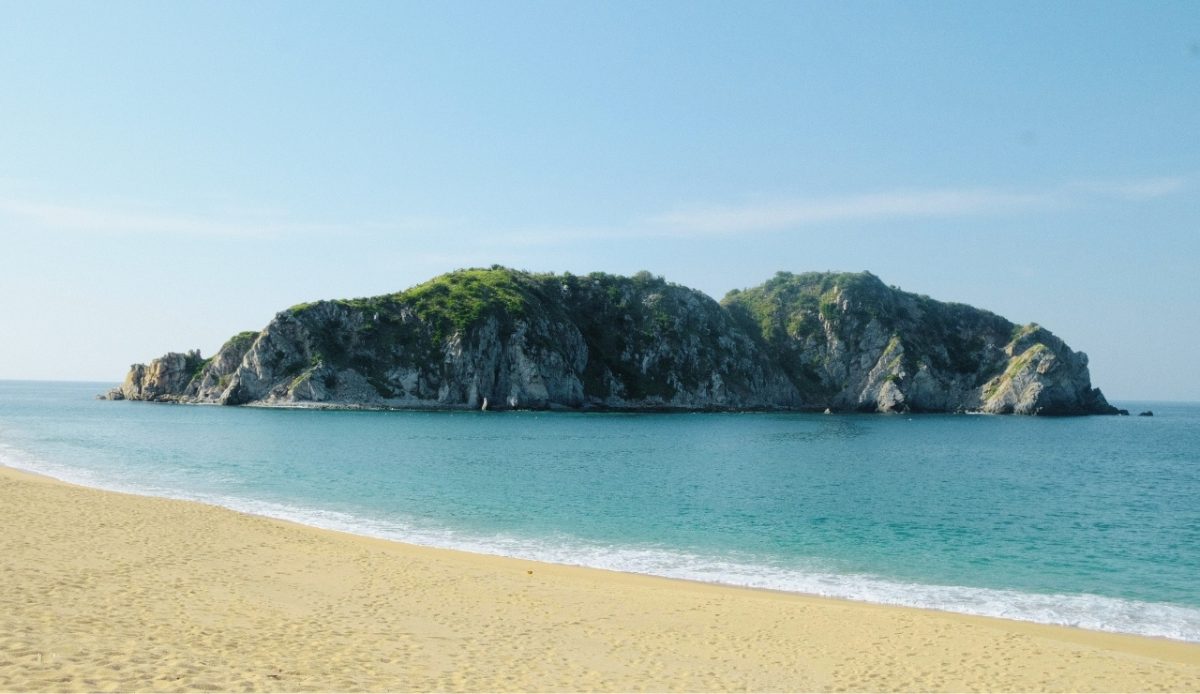
Huatulco is known for its nine bays and more than thirty beaches, many protected within a national park. Development here was planned around sustainability, keeping much of the coastline unspoiled. Snorkeling and kayaking reveal coral gardens and calm coves, while inland coffee plantations and waterfalls add variety beyond the beach. Crucecita, the main town, features markets, shaded squares, and seafood restaurants that stay active into the evening. Visitors can book boat tours to remote beaches such as San Agustín or Cacaluta, where the clear water feels almost private. Huatulco’s careful planning preserves both nature and comfort.
9. Mazatlán, Sinaloa
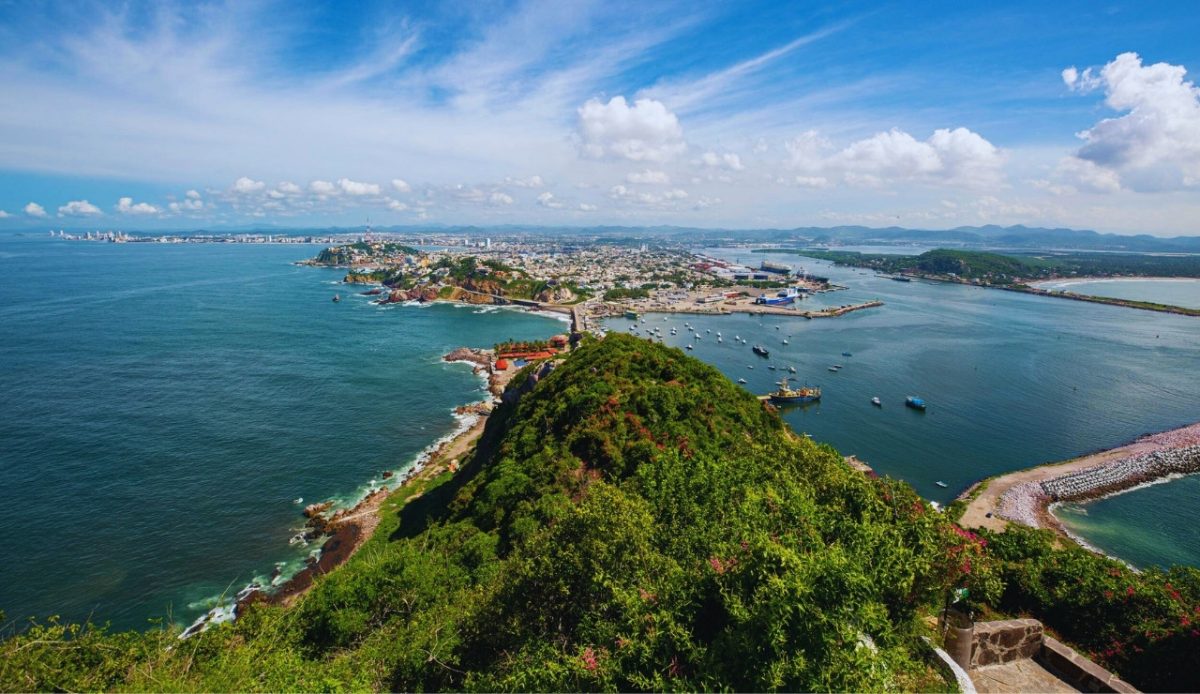
Mazatlán merges historic architecture with one of Mexico’s longest urban beaches. The city’s Golden Zone has hotels, seafood restaurants, and water sports, while its Old Town, or Centro Histórico, reveals restored theaters, plazas, and cafés housed in 19th-century buildings. The Malecón stretches for miles, ideal for biking or sunset walks along the Pacific. Travelers can visit Stone Island for a quieter beach experience or climb El Faro, one of the world’s tallest natural lighthouses, for panoramic views. Local cuisine highlights shrimp dishes and ceviche prepared from the morning’s catch, reflecting Mazatlán’s strong maritime roots.
