
Hanukkah brings visible changes to towns with strong Jewish communities, where public spaces reflect shared history rather than staged celebration. Menorah lightings appear in squares, bakeries prepare seasonal foods, and local calendars fill with concerts, lectures, and family gatherings. Visiting during this period allows travelers to observe how traditions function in daily life, not only inside synagogues but across neighborhoods, schools, and markets. These towns offer museums, historic districts, and walkable centers that remain active in winter, making the holiday feel integrated into ordinary routines instead of isolated events
1. Jerusalem, Israel
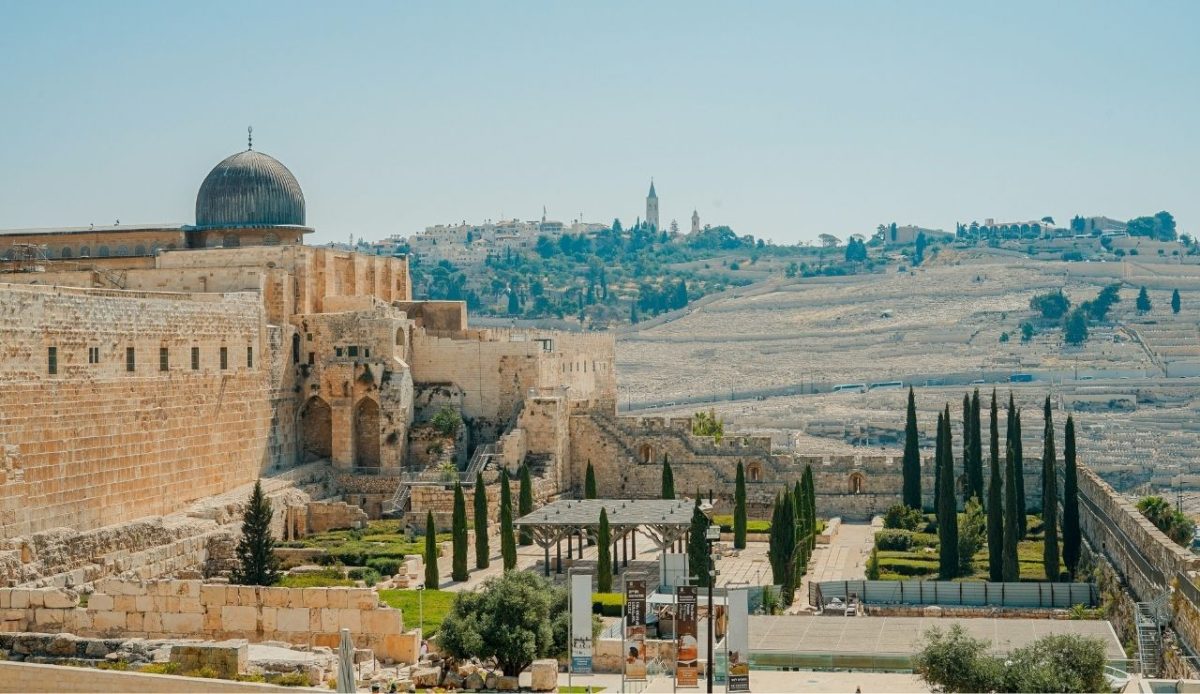
Jerusalem during Hanukkah combines ancient settings with modern public life. Large menorahs are placed at the Western Wall Plaza, while neighborhoods like Nachlaot display candles in windows and courtyards. The city organizes outdoor concerts, educational programs, and guided walks explaining the holiday’s origins. Markets such as Mahane Yehuda remain busy in winter, offering seasonal foods alongside daily shopping. Public transportation operates normally, allowing visitors to move between historic quarters, museums, and residential areas while observing how the festival blends into everyday city rhythm.
2. Safed, Israel
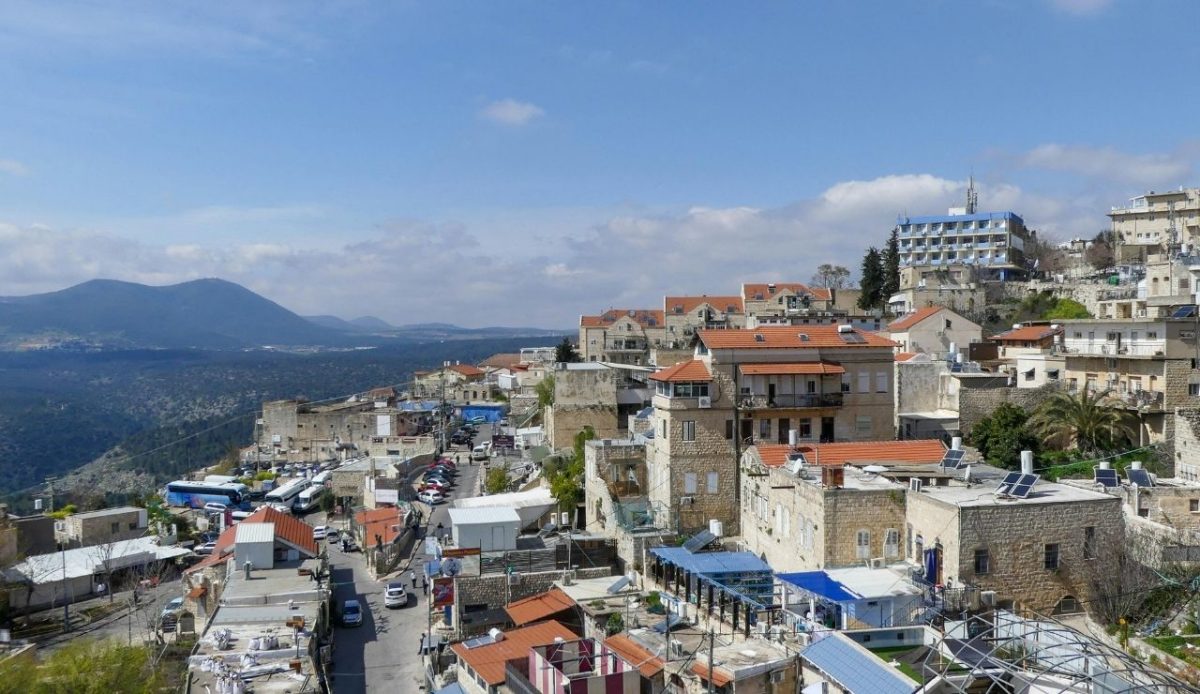
Safed offers a quieter Hanukkah experience rooted in religious history and art. Known for its role in Jewish mysticism, the town features stone alleyways where menorahs line windows after sunset. Small synagogues host prayer services and music events tied to local tradition. Winter weather keeps crowds limited, making it easier to explore galleries and historic sites at a relaxed pace. Visitors can join candle lighting ceremonies led by local families, providing insight into customs that have remained consistent across generations and are still practiced daily within tightly connected neighborhoods.
3. Tel Aviv, Israel
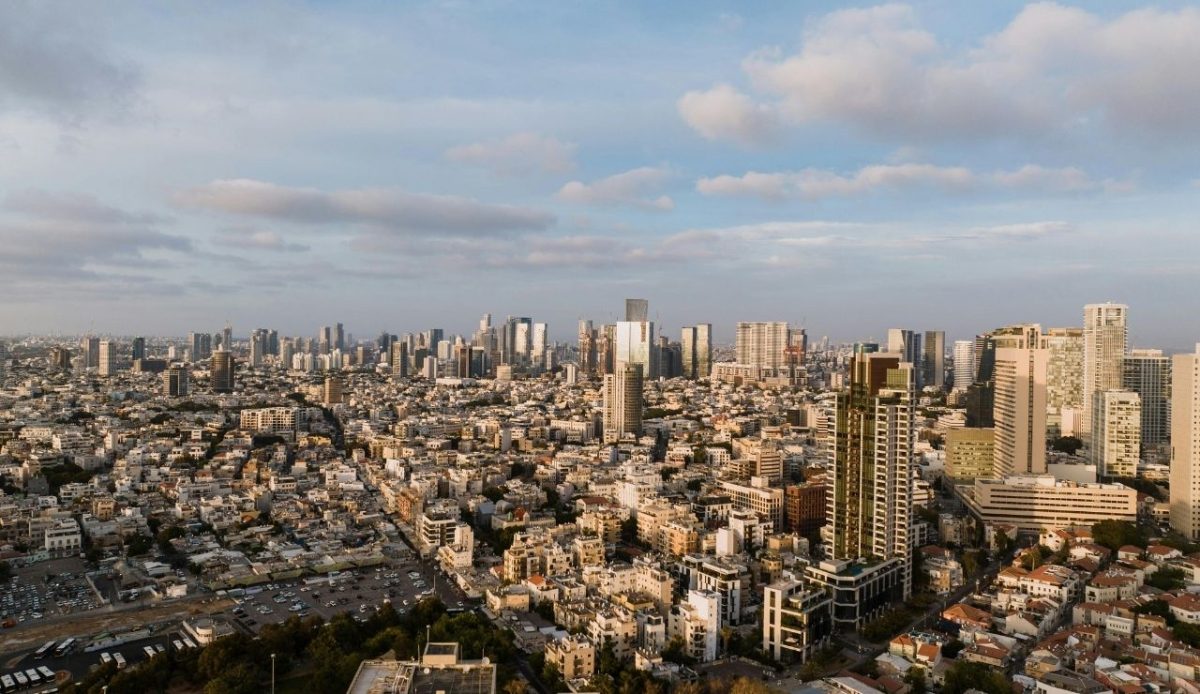
Tel Aviv offers a distinctly modern Hanukkah experience shaped by public life rather than historic quarters. Large menorah lightings take place in city squares, beaches, and near municipal buildings, often organized by community groups and local councils. Neighborhoods host outdoor concerts, family events, and food stalls that stay active well into the evening. Cafes, markets, and cultural venues continue regular schedules, allowing visitors to see how the holiday fits naturally into a fast-moving coastal city where tradition and everyday routines operate side by side throughout the week each year.
4. Brooklyn, New York
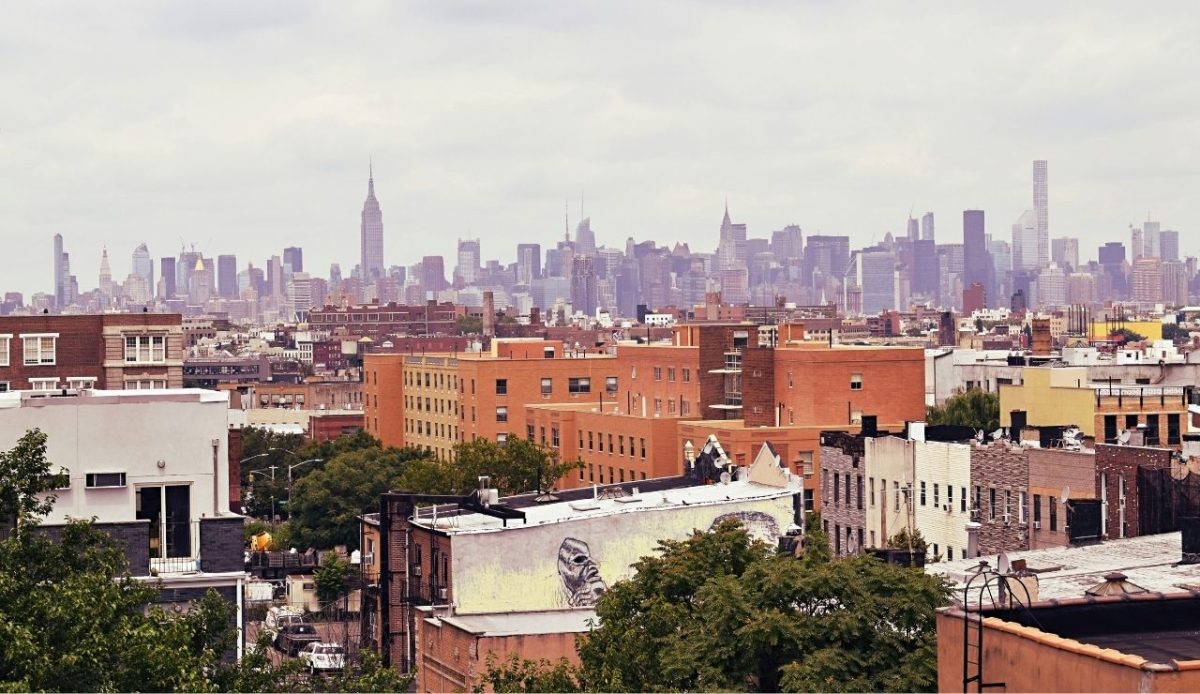
Brooklyn hosts one of the largest Jewish populations outside Israel, and Hanukkah is widely observed across several neighborhoods. Areas like Crown Heights and Borough Park feature public menorah lightings, street food vendors, and community concerts. Museums and cultural centers schedule holiday programs that explain symbolism and customs for broader audiences. Despite winter temperatures, streets remain active in the evenings, reflecting how religious tradition functions within a dense urban environment shaped by migration, housing patterns, and long-standing community networks that continue to support shared observance.
5. Lakewood, New Jersey
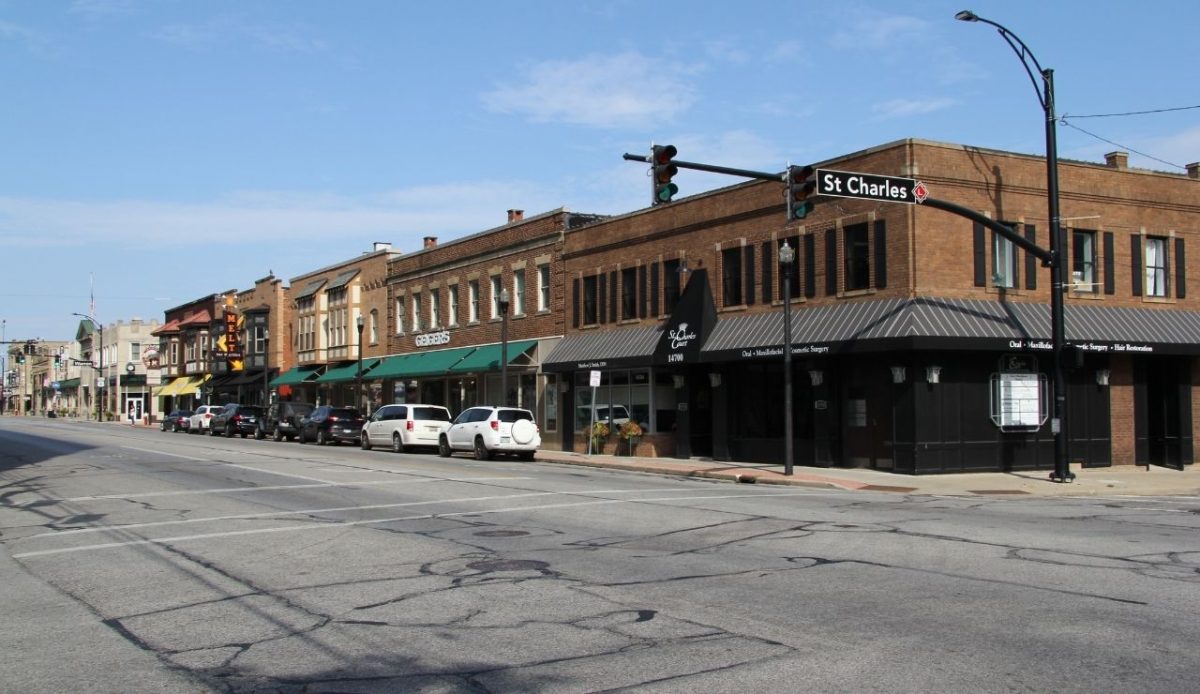
Lakewood’s Hanukkah atmosphere reflects its role as a major center of Jewish education. The town includes numerous yeshivas, community halls, and family-run shops that stay active during the holiday. Public events focus on learning sessions, children’s activities, and coordinated candlelightings rather than tourism-oriented displays. Visitors can observe how daily schedules adjust around prayer times and study commitments. Winter conditions do not reduce participation, as most activities are integrated into indoor communal spaces used year-round by residents of all ages, with schools and organizations coordinating throughout the week.
6. Antwerp, Belgium
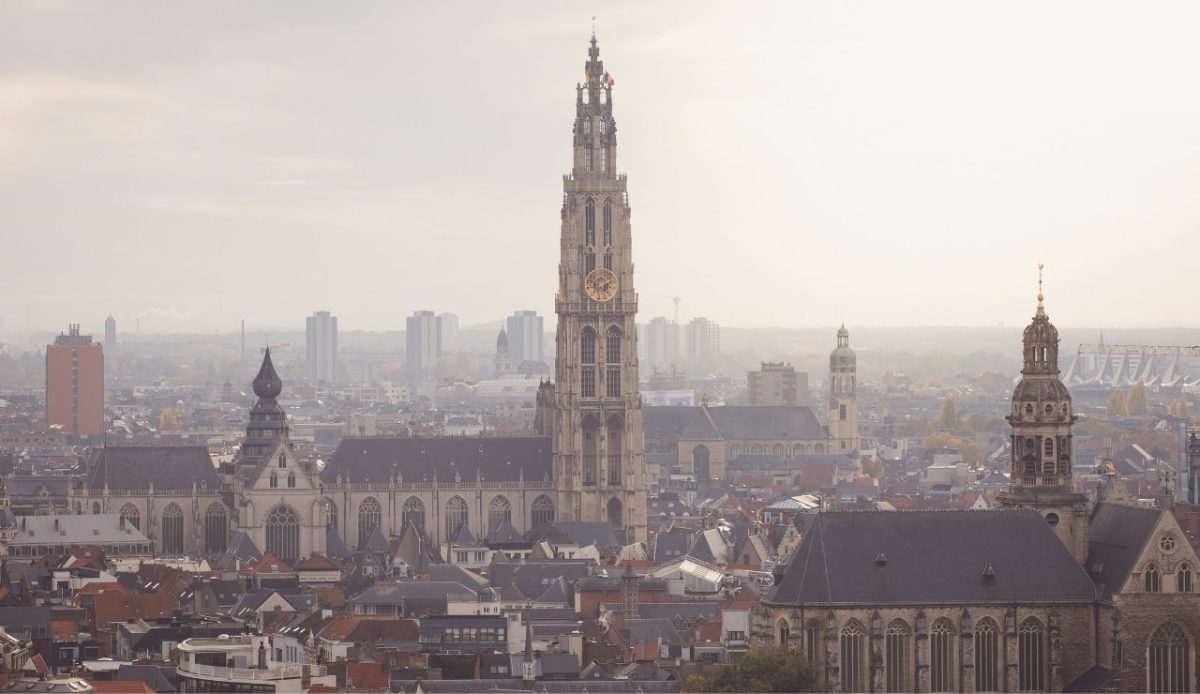
Antwerp maintains a long-established Jewish community concentrated near its central districts. During Hanukkah, synagogues and community organizations organize public menorah ceremonies and cultural talks. Kosher bakeries sell traditional holiday foods alongside everyday items, reflecting continuity rather than seasonal change. The compact layout allows visitors to walk between historic buildings, markets, and residential streets while observing candle lighting practices. Antwerp’s winter calm makes the holiday feel structured and communal instead of crowded, especially during evening observances and neighborhood gatherings.
7. Paris, France
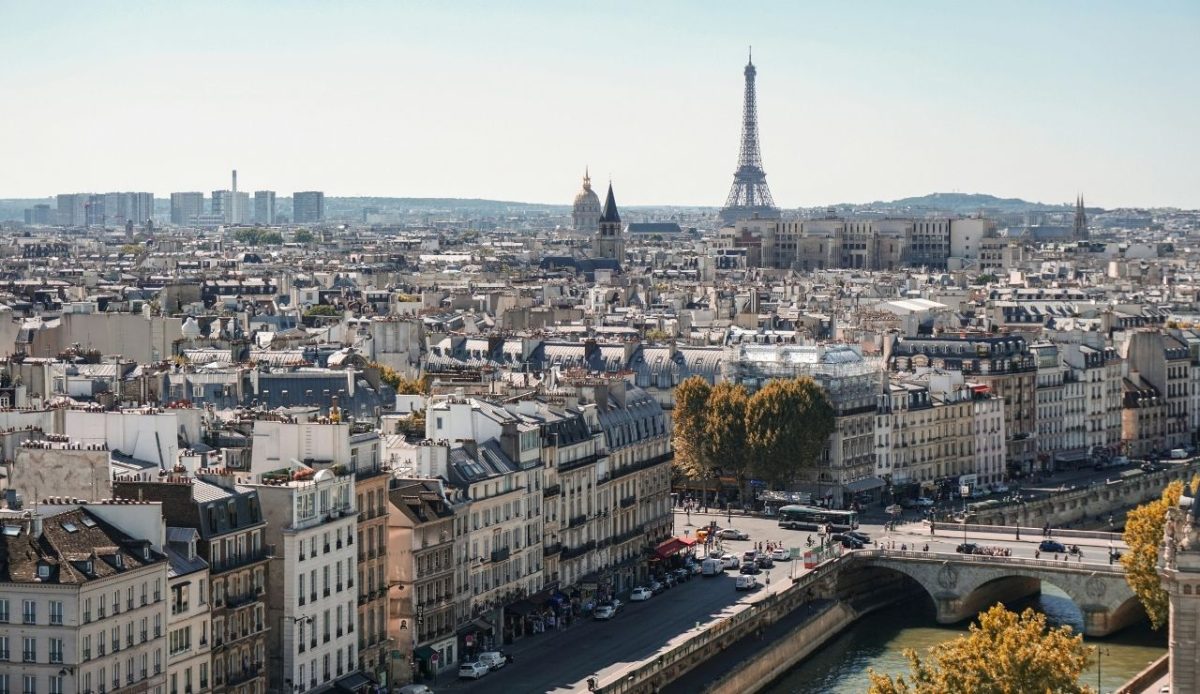
Paris offers a varied Hanukkah experience across several Jewish neighborhoods, including Le Marais and areas of the eastern districts. Public menorah lightings often take place in prominent squares, accompanied by music and speeches organized by local groups. Museums and cultural institutions provide exhibitions and lectures connecting French Jewish history to broader European narratives. Cafes and shops remain active during winter evenings, allowing visitors to see how religious observance continues alongside daily urban routines and seasonal city life across multiple districts, even during late night hours.
8. Montreal, Canada
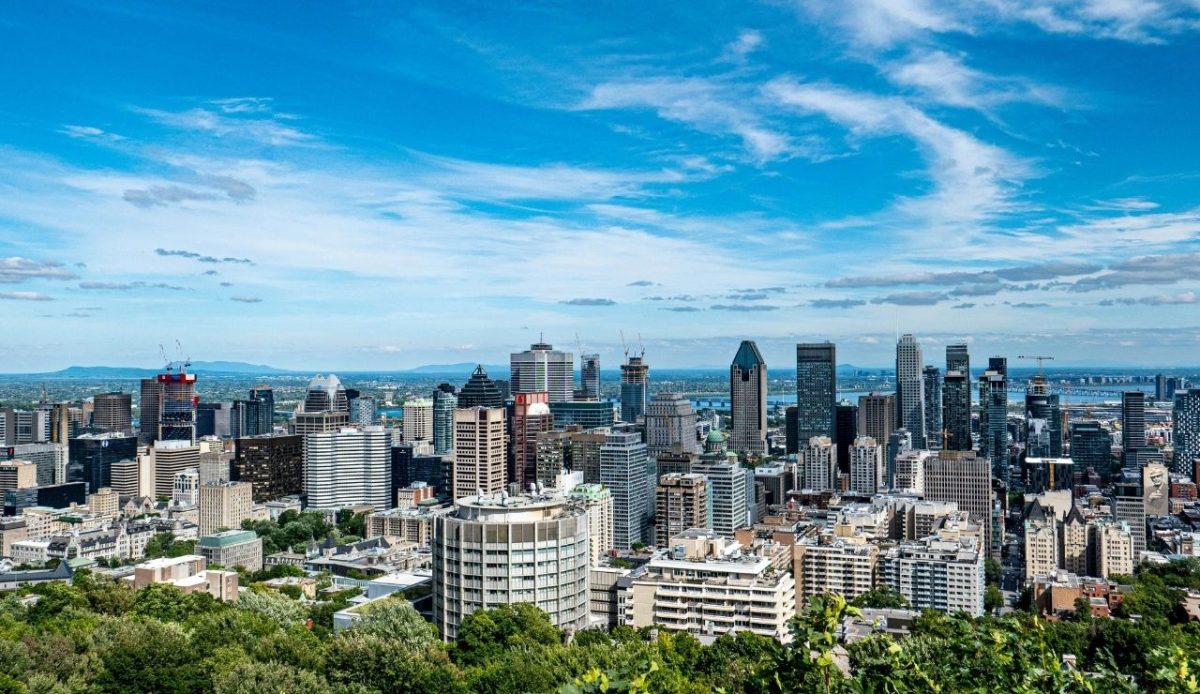
Montreal’s Jewish neighborhoods display Hanukkah traditions shaped by both European heritage and North American culture. Public candlelightings are held despite cold weather, often supported by community centers and schools. Local bakeries prepare holiday foods adapted to regional tastes, while educational programs explain customs in bilingual settings. Winter conditions encourage indoor gatherings, making events feel organized and family-focused. Visitors gain insight into how Jewish life adapts to the climate while preserving familiar practices across generations and maintaining strong local ties.
9. Prague, Czech Republic
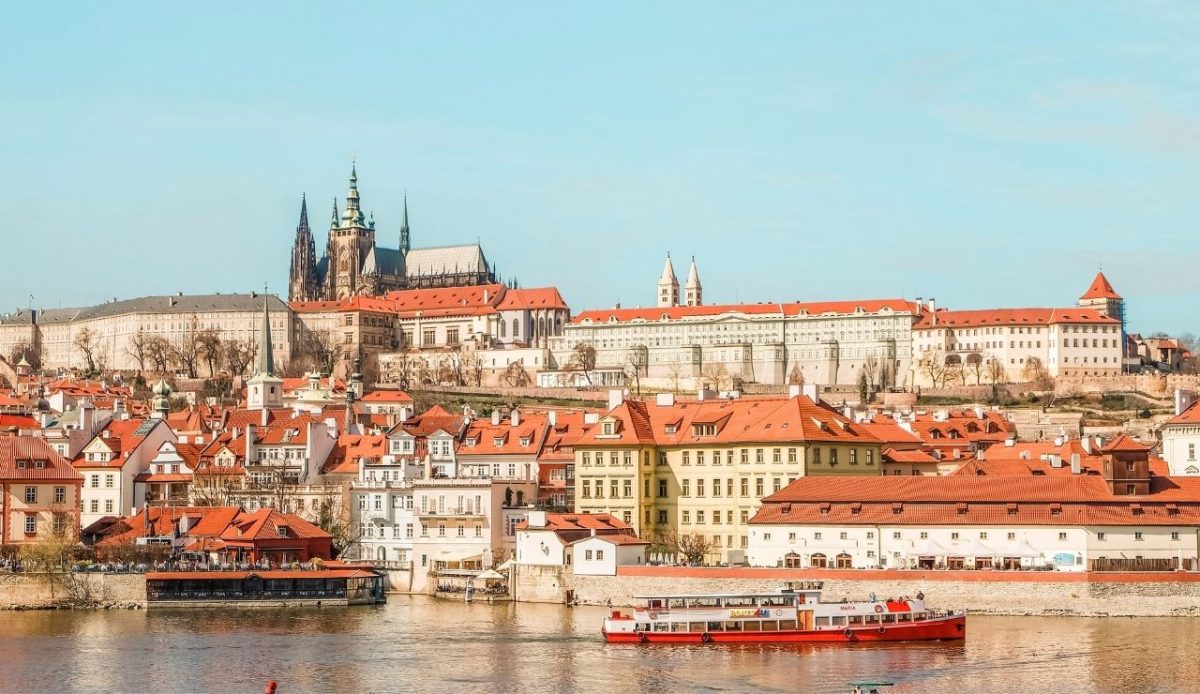
Prague combines historical context with contemporary Hanukkah observance. The Jewish Quarter features synagogues, museums, and cemeteries that provide background on centuries of community presence. During the holiday, menorah lightings and concerts take place within these historic spaces. Winter tourism is lighter, allowing visitors to engage with cultural programming without congestion. The city demonstrates how remembrance, education, and living tradition coexist within an urban setting shaped by complex history and continued local participation across generations, supported by active cultural institutions.
