
Travelers look for destinations that present history, local routines, and cultural traditions in a clear and accessible way. These nine places attract visitors who want dependable transport, structured access to major landmarks, and easy navigation through busy districts. Social-media feedback often notes that trip planning becomes simple when museums, markets, and community areas follow stable schedules. Each destination provides steady activity, well-organized services, and approachable cultural experiences that help visitors understand the area without confusion.
1. Kyoto, Japan

Kyoto attracts visitors who want direct access to historic districts, temples, and long-running traditions without complex planning. The city uses a dependable bus and rail network that helps travelers reach cultural sites quickly, including Gion, Arashiyama, and Higashiyama. Clear signage and steady foot traffic support safe walking across major streets. Many visitors note that shops, shrines, and small eateries operate with predictable hours, which makes it easy to schedule stops throughout the day. Tea houses, craft stores, and gardens allow travelers to learn about traditional practices in a structured way.
2. Fez, Morocco
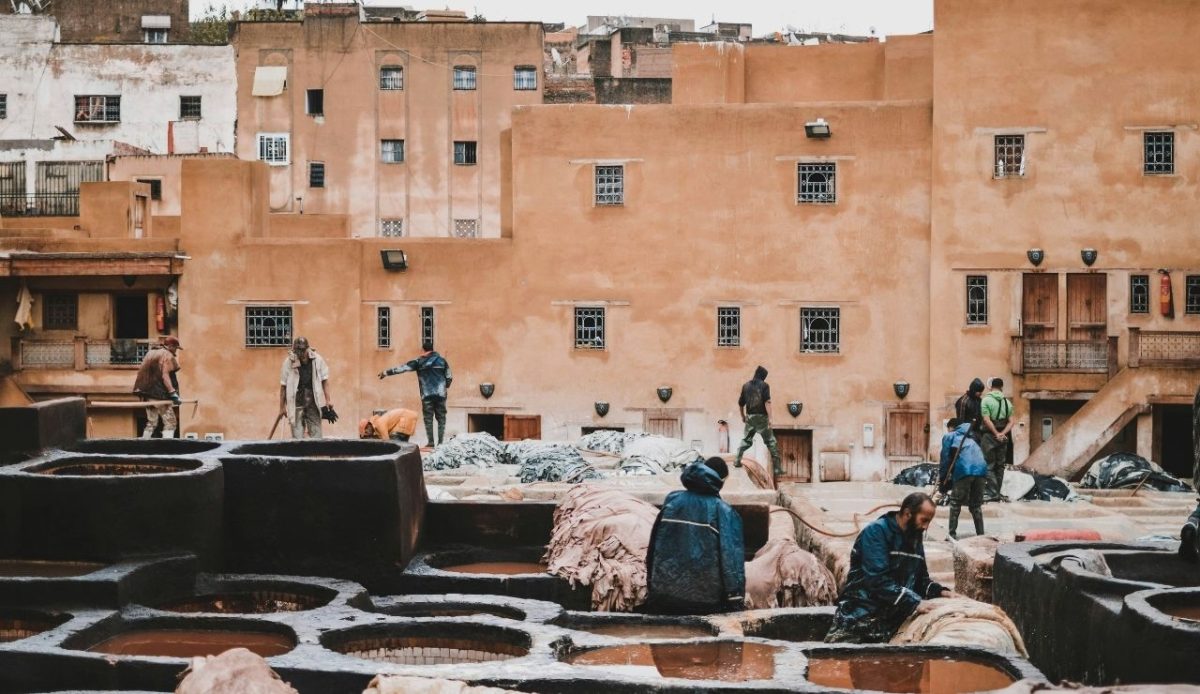
Historic markets shape how visitors experience Fez, and many travelers comment on the medina’s detailed layout and long-running workshops. Guided walks help newcomers understand routes that may feel confusing at first, and reviews often praise local guides who explain history simply and practically. Leather workshops, pottery centers, and spice vendors serve steady crowds, giving travelers clear points of interest throughout the day. Transport links to nearby districts make it easier to plan additional stops. Many visitors report that Fez helps them understand regional culture through daily observations, consistent business activity, and helpful guidance from workers who provide directions when needed.
3. Cusco, Peru
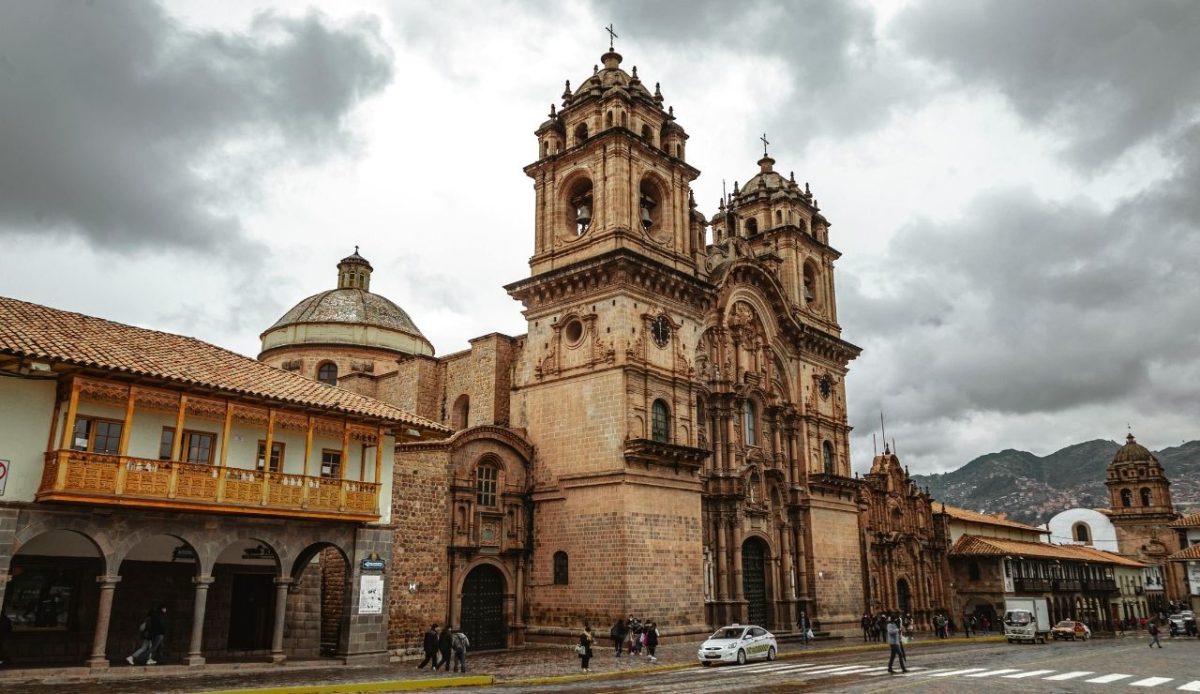
Cusco serves as a central point for travelers interested in Andean history and nearby heritage sites. The city center uses wide streets, organized plazas, and predictable foot traffic, which helps visitors move confidently between museums, markets, and viewpoints. Tour offices operate throughout the day and provide structured options for day trips, reducing planning stress. Many travelers mention that the altitude feels manageable when they pace their activities and use guidance from hotel staff. Restaurants and cafés open early and close late, providing access to meals during full sightseeing days.
4. Istanbul, Türkiye
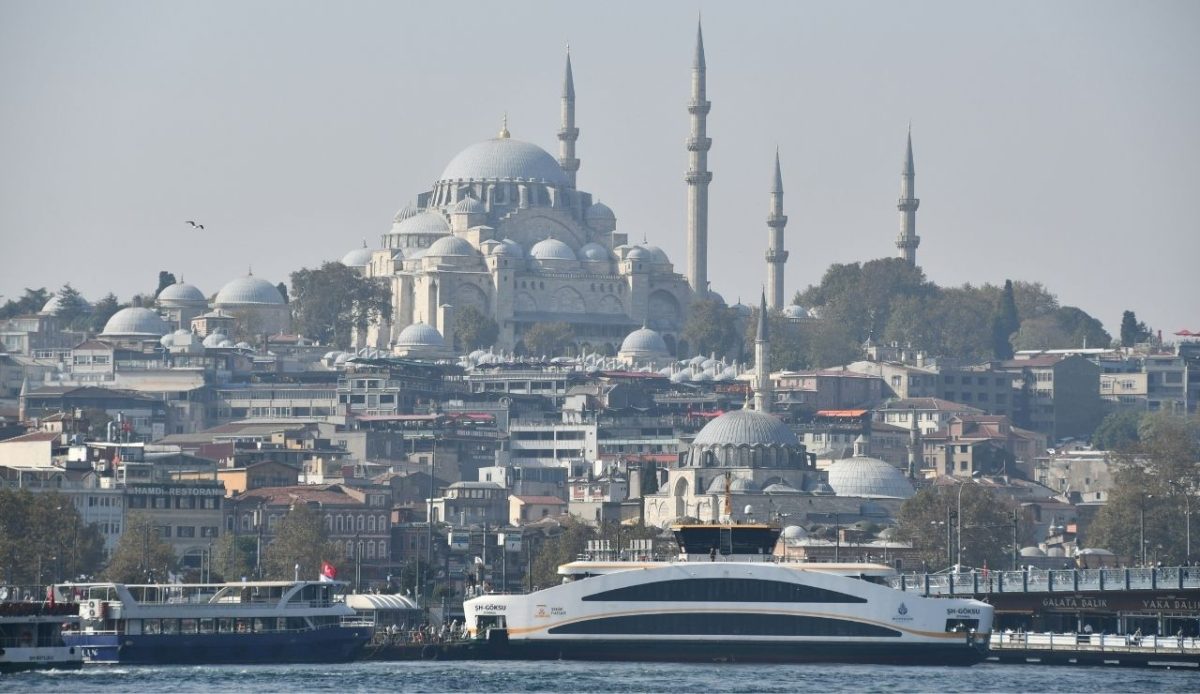
Public transit plays an important role in how travelers explore Istanbul, and many visitors mention that trams, ferries, and metro lines give them simple access to major districts. These routes link markets, mosques, museums, and waterfront paths in a clear and organized way. Ferries help visitors understand the overall layout quickly by offering direct views of both sides of the city. Restaurants and cafés serve steady crowds throughout the day, giving travelers reliable meal options. Online reviewers often highlight how easy it is to combine public transit with short walks, allowing them to cover several areas without delays or confusion.
5. Hoi An, Vietnam
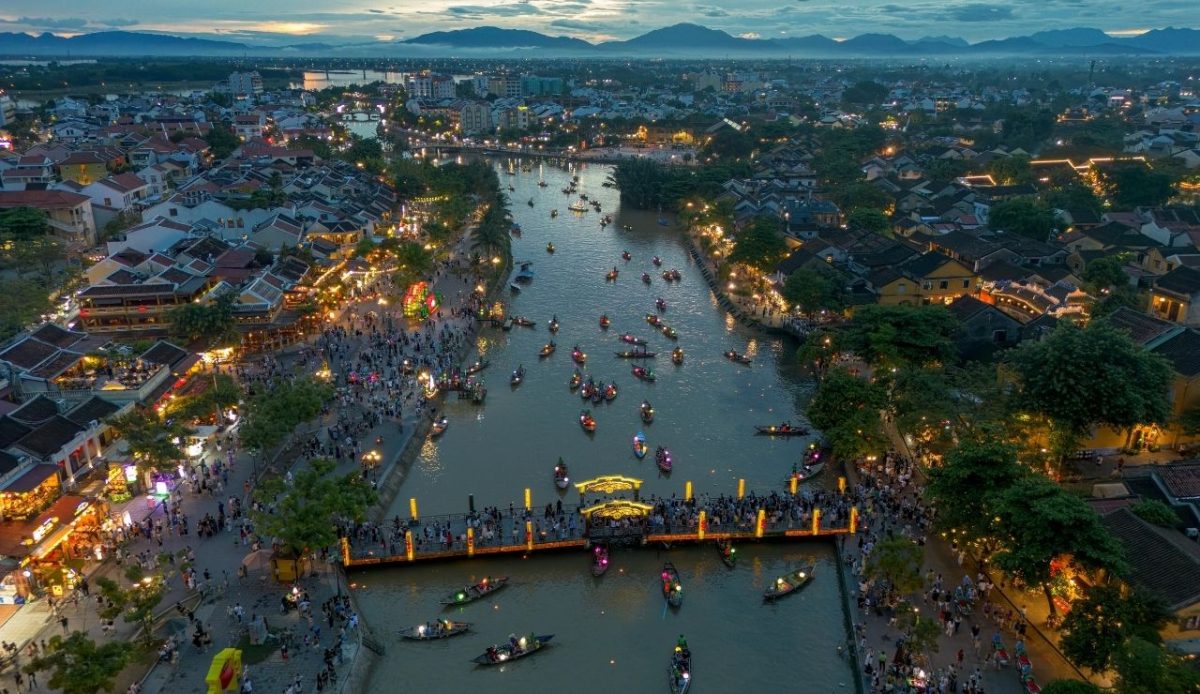
Hoi An offers a compact old town where visitors can explore historic sites without complicated planning. Streets stay closed to most vehicles during key hours, giving travelers safe walking routes between shops, cafés, and landmark buildings. Markets and riverside paths operate on consistent schedules, allowing visitors to follow clear routes throughout the day. Many travelers report that lantern walks, bike rentals, and cooking classes help them learn about local traditions in a hands-on way. Tailor shops use simple ordering systems, which visitors often praise for clarity and fast turnaround.
6. Cairo, Egypt
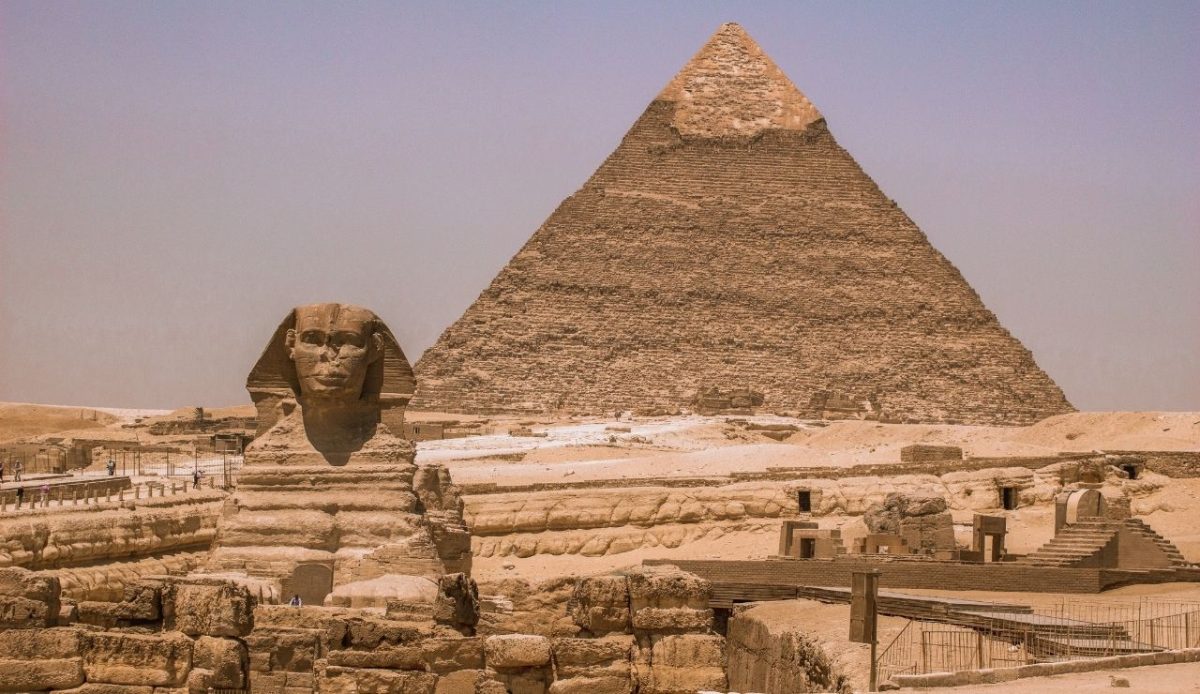
Cairo gives travelers direct access to major historic sites alongside active city districts that remain busy throughout the day. Many visitors begin with structured routes to the pyramids, museum zones, and old markets because these areas follow clear entry procedures. Ride-hailing apps and taxis help travelers move between districts without confusion, and hotel staff often provide simple instructions for planning day trips. Travelers note that early visits reduce wait times and allow more flexibility later in the day. Markets, small cafés, and riverfront areas operate with consistent hours, giving visitors reliable stops for meals and breaks.
7. Jaipur, India
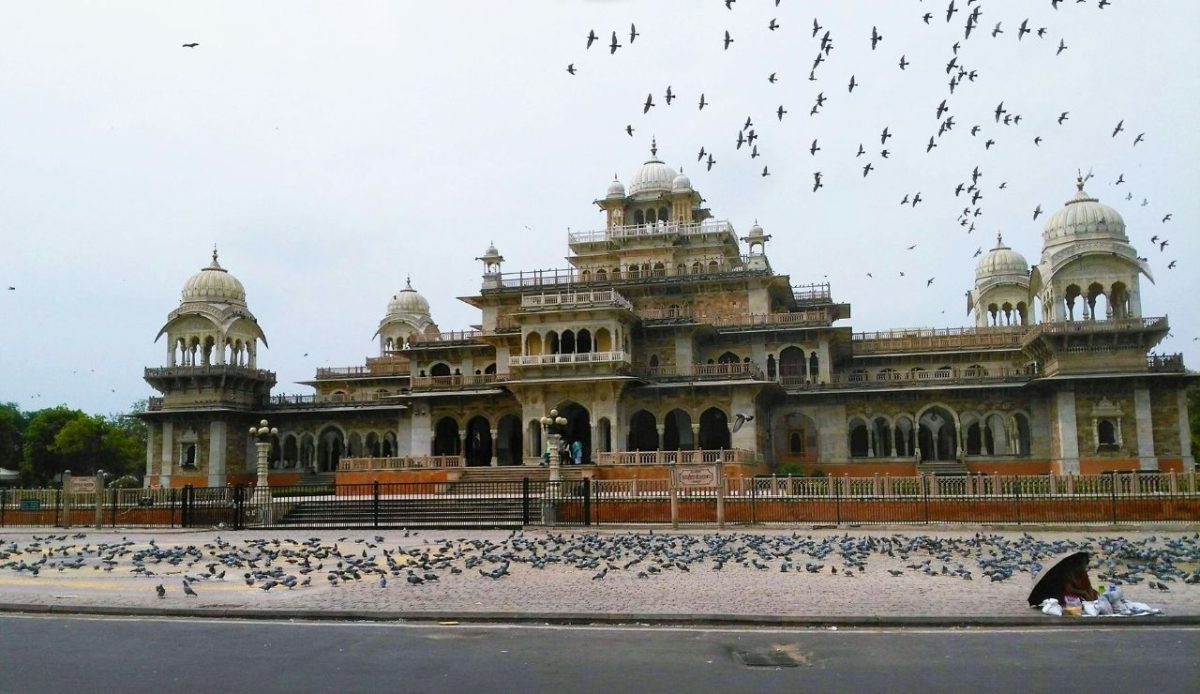
Historic design shapes many traveler experiences in Jaipur, and visitors often say they can cover forts, palaces, and workshops in one trip. Auto-rickshaws and app-based transport give predictable routes between major attractions, helping travelers avoid delays. Local guides explain architectural details and long-running craft methods in clear and simple language. Markets and food stalls operate across most hours, giving visitors easy access to meals and shopping options. Travelers frequently mention that Jaipur’s layout feels manageable because key routes link well-known areas.
8. Athens, Greece
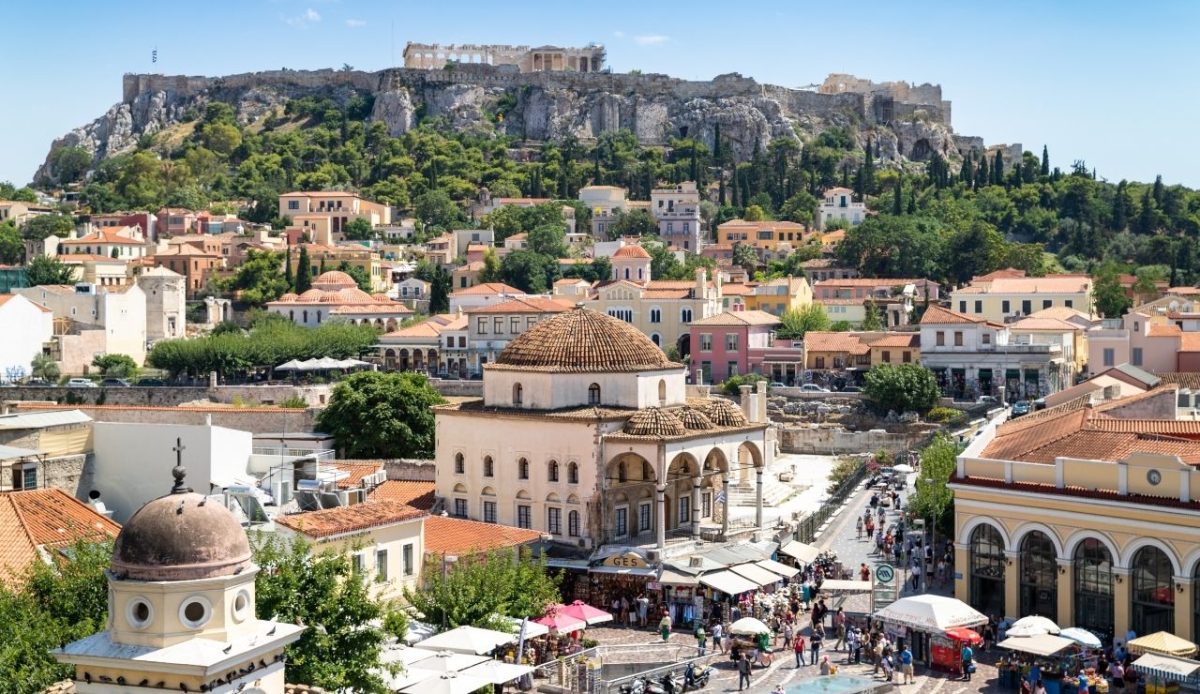
Athens organizes its central districts around well-known landmarks, making the city easy to understand even for first-time visitors. The metro connects the airport, port, and old neighborhoods through predictable lines, giving travelers straightforward access to major sites. Walking paths near the Acropolis, Plaka, and Monastiraki offer direct routes to museums, viewpoints, and restaurants. Many visitors note that museum guides and information centers provide clear instructions for planning routes. Online reviews highlight the convenience of mixing historic attractions with routine errands because active commercial areas sit close to major sites.
9. Mexico City, Mexico
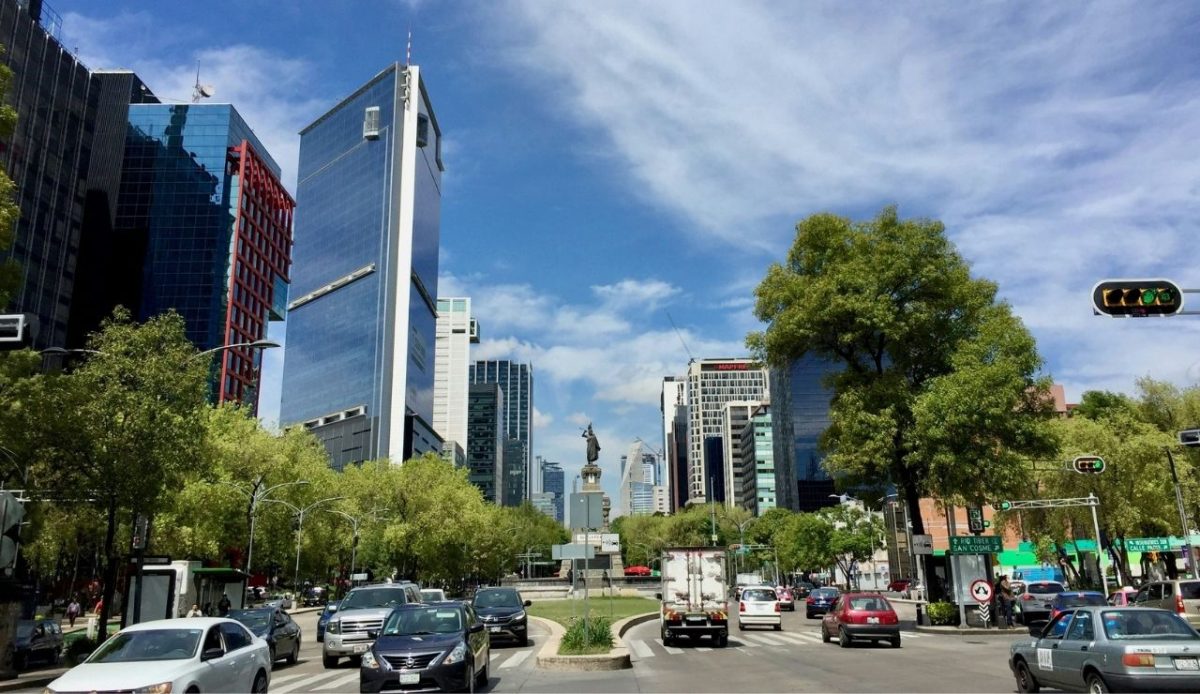
Food culture influences how many travelers explore Mexico City, and visitors often begin their plans around markets and well-known eating areas. The city’s metro, buses, and ride-hailing apps connect historic districts with museums, parks, and modern neighborhoods clearly and predictably. Travelers frequently describe Coyoacán and Roma as easy to walk due to steady foot traffic and visible signage. Guided food and history tours follow structured routes that help visitors understand cultural traditions without confusion. Online reviews mention that museum schedules and ticket systems remain consistent, which helps travelers organize long days with several stops.
