
The difference between a smooth first international trip and a stressful one often comes down to what you do before you leave home. Many travelers face unnecessary stress because they overlook basic but critical steps before departure. Airlines deny boarding when passports expire too soon. Banks freeze cards after spotting foreign transactions. Travelers strand themselves without cash when they rely only on plastic, or lose everything when they pack all essentials in checked luggage. These emergencies are common, not rare. This guide focuses on clear, preventable mistakes so you can avoid the headaches and start your journey with confidence.
1. Not Checking Passport Validity
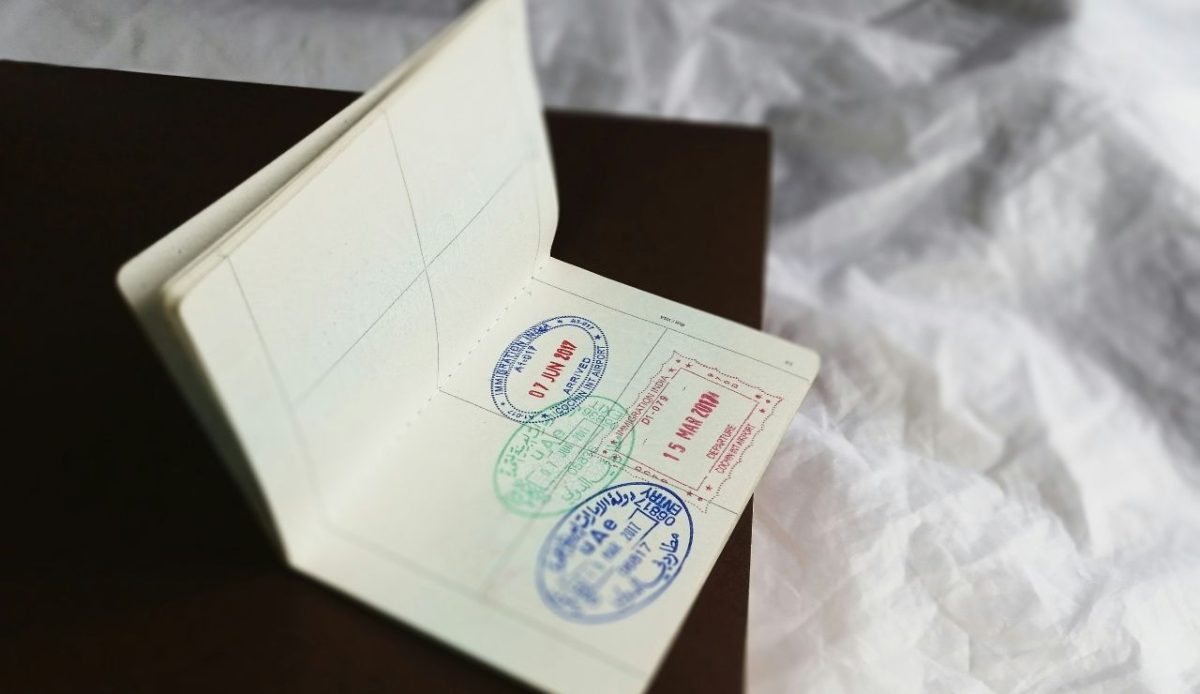
Many countries require your passport to be valid for at least six months beyond your planned return date. Some also need two or more blank visa pages. Check your passport’s expiration date and page count right after you book your trip. Renew it early if needed, since processing can take several weeks. Airlines may deny boarding if your passport does not meet entry rules. Keep a digital copy of your passport photo page in a secure cloud folder. This helps if your physical passport gets lost or stolen. Taking care of this early removes a major source of stress and keeps your trip on track.
2. Skipping Visa Research
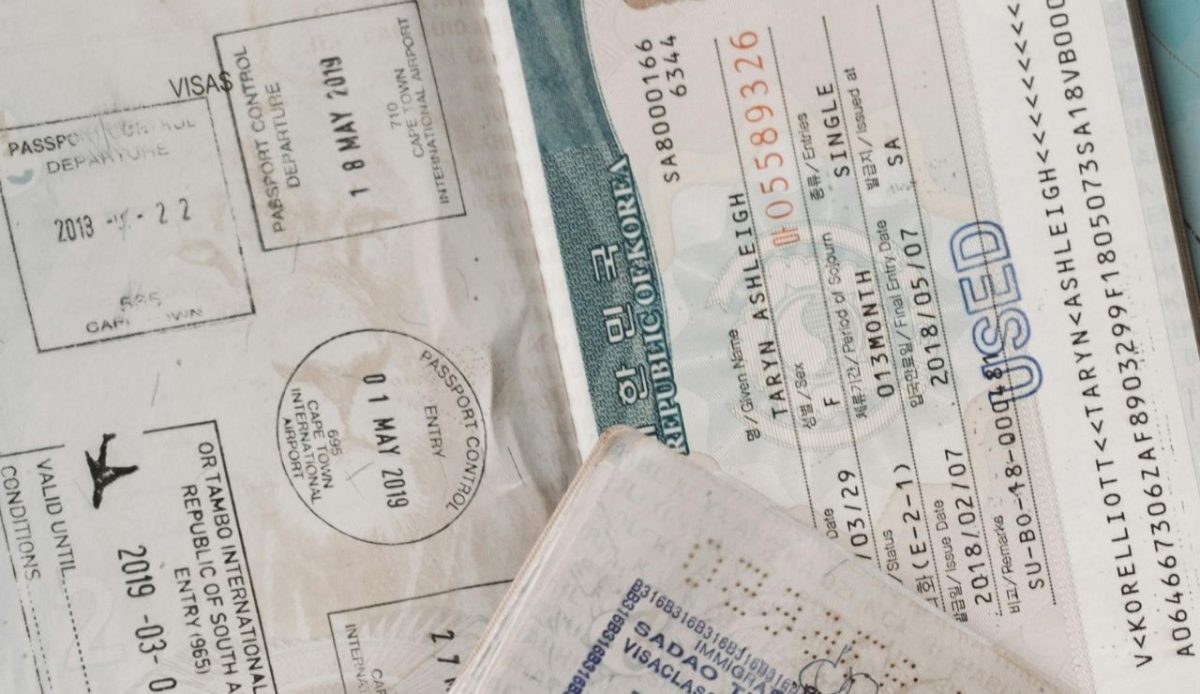
Visa rules depend on your citizenship and destination. Some countries allow short visits without a visa, while others require an application weeks or months ahead. Do not assume you are exempt. Visit official government websites or contact the embassy to confirm entry rules. Apply early if a visa is needed, because processing times vary widely. Mistakes on forms or missing documents can cause delays. Double-check every detail before you submit. If your trip includes multiple countries, confirm each one’s rules. A visa for one nation does not guarantee entry to its neighbors. Waiting until the last week often leads to disappointment or canceled plans.
3. Forgetting Travel Insurance

Your regular health insurance likely offers little or no coverage outside your home country. Travel insurance covers medical emergencies, trip cancellations, lost luggage, and flight delays. Many travelers skip this step to save money, but one accident can cost thousands. Compare plans based on your needs, paying attention to medical limits and baggage protection. Buy insurance within 14 days of your first trip payment to cover pre-existing conditions. Credit card benefits often have low limits and exclude major risks like medical evacuation. Read the fine print before you go. A solid policy often costs less than a dinner out but can save both your trip and your budget.
4. Relying Only on Cash or Only on Cards

Carrying just cash leaves you vulnerable to theft with no way to recover funds. Relying only on cards risks being stranded if your card is declined or frozen. Use a mix of both. Bring a small amount of local currency for immediate needs like transport or snacks upon arrival. Keep the rest of your cash in a secure money belt or hotel safe. Use a credit or debit card for larger purchases, but always have a backup card stored separately. Split your money and cards between your wallet, bag, and hidden pockets. If one stash is lost or stolen, you still have access to funds. Balance is key. Too much cash is risky, while no cash is inconvenient.
5. Ignoring Foreign Transaction Fees
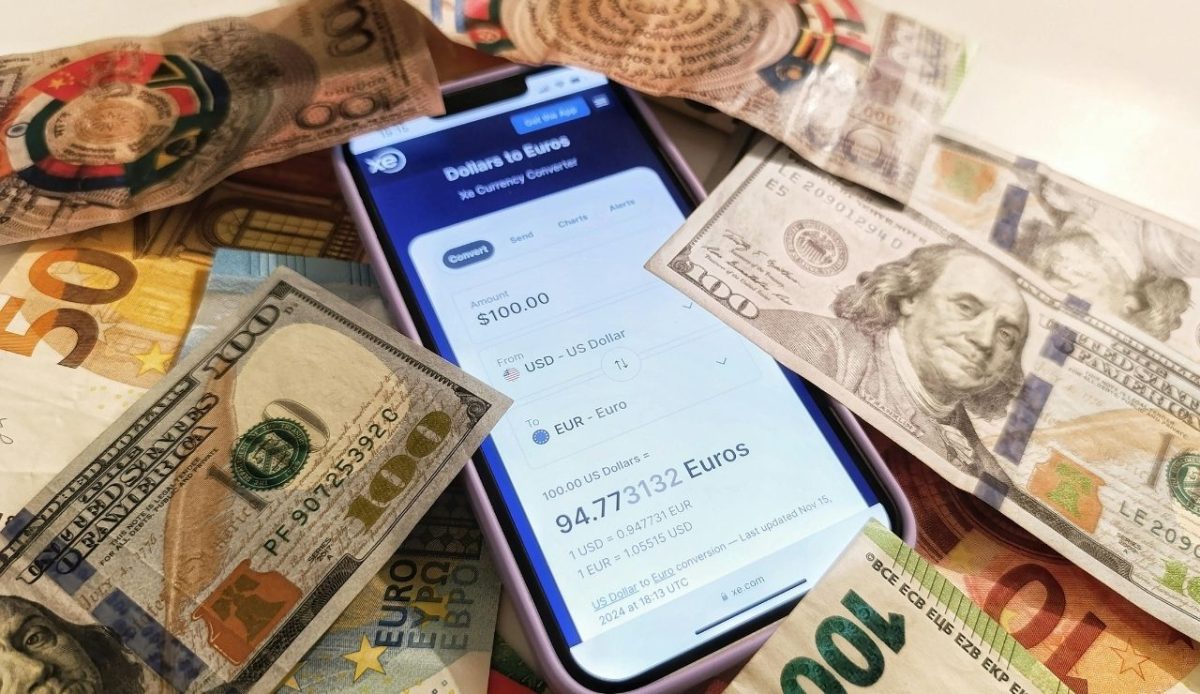
Many banks and credit cards charge a fee, usually 1% to 3%, for every purchase made in a foreign currency. These fees add up fast on a long trip. Before you leave, check which of your cards have foreign transaction fees. Switch to a card that waives them, since many banks offer travel-friendly options. Even if a card claims “no fees,” read the terms carefully because some still charge for ATM withdrawals. Always choose to pay in the local currency to avoid hidden conversion fees. Small charges may seem harmless, but they quickly eat into your travel budget. Choosing the right payment method keeps more money in your pocket.
6. Not Notifying Your Bank Before Travel

Banks monitor for unusual activity, and a foreign transaction often triggers a fraud alert. If you do not tell them you are traveling, they may freeze your card without warning. Call your bank or log in to your credit card accounts before you leave. Share your travel dates and the countries you will visit. Ask if your cards work overseas and if they use chip-and-PIN systems. Some cards only use chip-and-signature, which can cause problems at unmanned kiosks. Confirm your PIN works for ATM withdrawals. Having at least two payment methods provides backup if one fails. A quick notification saves you from being stranded without access to your own money.
7. Not Packing Essential Medications

If you take daily medication, bring enough for your entire trip plus a few extra days in case of delays. Keep all meds in their original labeled containers. Some countries ban common prescriptions or over-the-counter drugs, so check local laws before you go. Carry a copy of your prescription or a doctor’s note, especially for controlled substances. Pack a small first-aid kit with pain relievers, antiseptic wipes, bandages, and stomach medicine. Do not assume you can easily buy your usual brands abroad, since ingredients and availability vary. Store your meds in your carry-on, never in checked luggage. Losing access to essential medication is a crisis you can avoid with planning.
8. Overpacking and Ignoring Baggage Rules
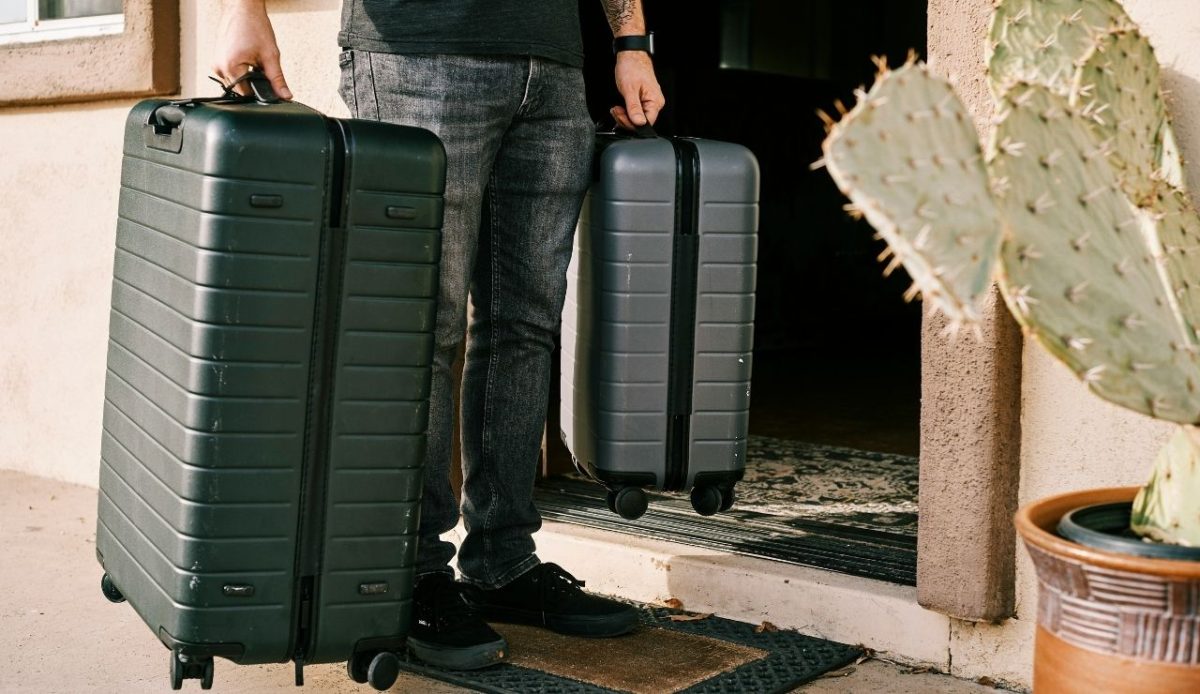
Heavy bags lead to extra airline fees and tired shoulders. Pack light by choosing versatile, quick-dry clothing in neutral colors. Avoid jeans because they are heavy, uncomfortable on long flights, and take a long time to dry if they get wet. Stick to layers you can mix and match. Wear your bulkiest shoes and jacket on the plane to save space. Use packing cubes to keep things neat and easy to find. Roll soft items like t-shirts to save room and reduce wrinkles. Check your airline’s baggage allowance, since many budget carriers charge for carry-ons over 7 kg. A good rule is to lay out everything you plan to bring, then remove half of it. Traveling light gives you more freedom to move, explore, and enjoy without dragging a suitcase everywhere.
9. Booking Tight Layovers for Connecting Flights
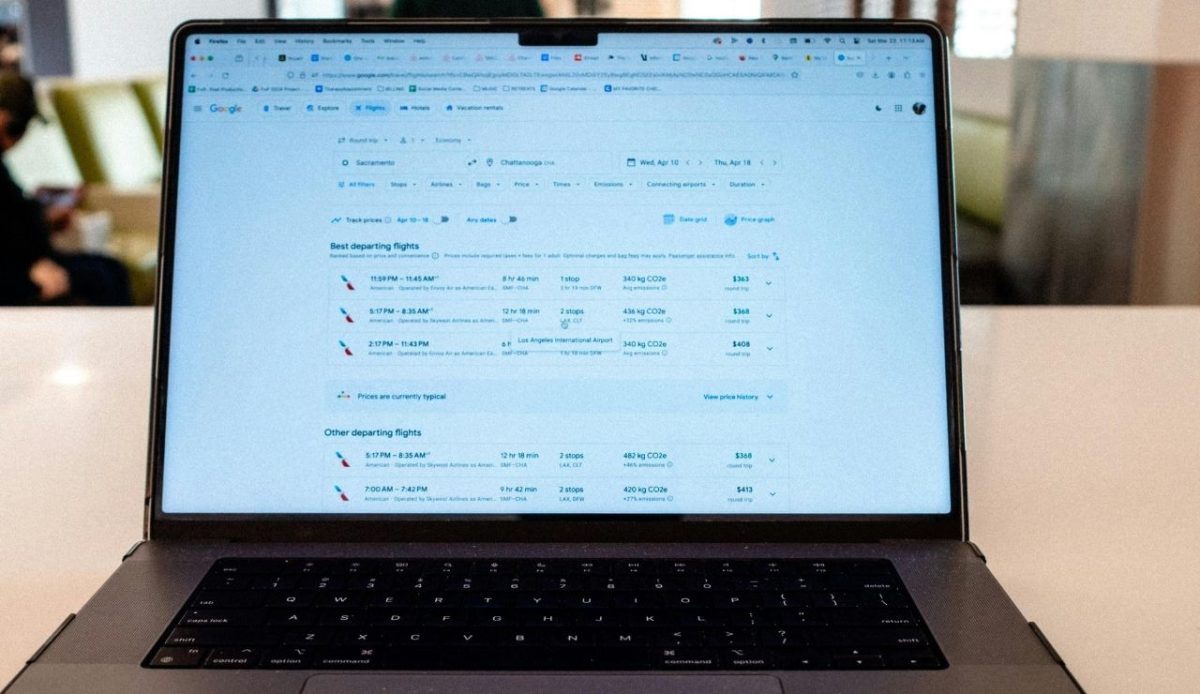
A short connection might save money, but it is risky. If your first flight is delayed, you could miss your next one. Airlines are not responsible if you booked separate tickets. Even on a single itinerary, tight layovers leave no room for long security lines, distant gates, or customs checks. Give yourself at least two hours for international connections. If you must change airports or clear immigration during a layover, allow three hours or more. Check the layout of your transfer airport, since some are huge and require shuttle rides between terminals. A missed connection can cost hundreds to fix and ruin the start of your trip. Paying a little more for a longer layover protects your whole journey.
