
Hawaii’s islands vary widely in culture, scenery, and pace, giving travelers more than postcard views. Each island expresses a different part of local life through farming, fishing, or volcanic activity that still shapes its land. Some feel remote, others urban and lively, yet all keep tradition visible through daily routine and careful limits on development. These differences make travel across the state more than just sightseeing. From volcanic plateaus to coral-lined beaches, each island tells a story about adaptation and preservation. The following nine destinations show how Hawaii meets every kind of traveler through landscape and community rather than luxury or scale.
1. Oahu
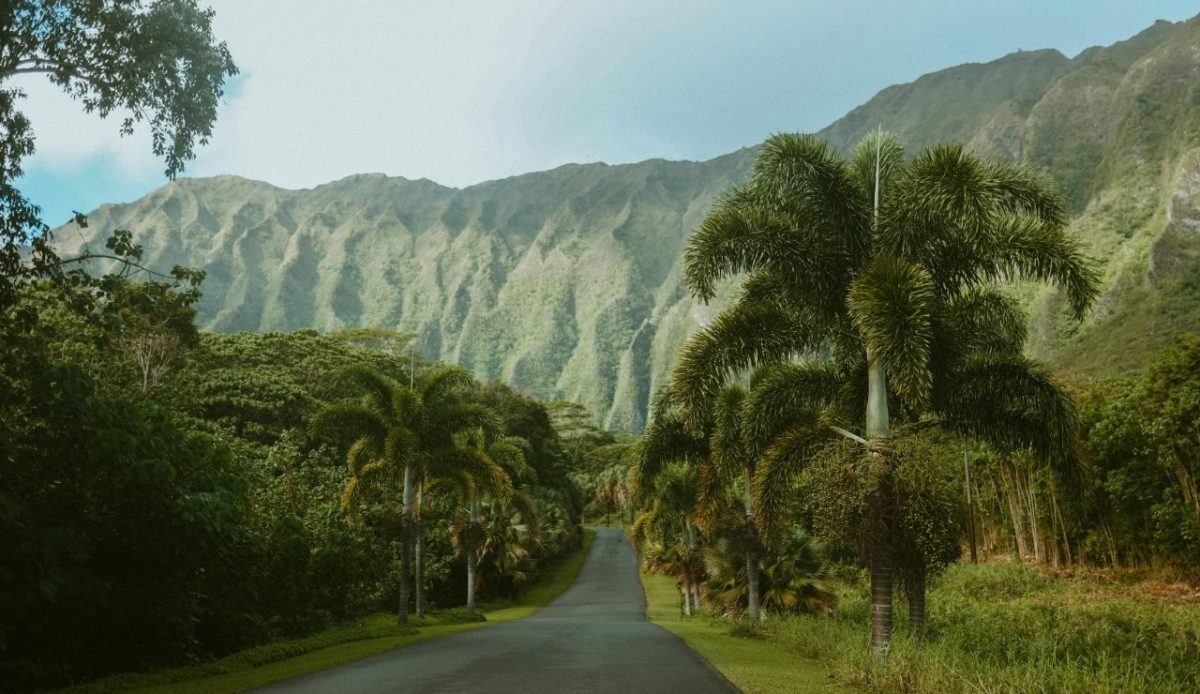
Oahu covers the center of the Hawaiian chain, connecting modern infrastructure with living history. Honolulu spreads along the southern coast beneath the volcanic ridge of Diamond Head. Waikiki’s shoreline draws steady crowds while the North Shore stays quiet and rural. Historic landmarks such as Pearl Harbor and Iolani Palace record Hawaii’s transformation from monarchy to statehood. Roads keep the island accessible without breaking its coastal balance, and small towns still depend on local trade. Oahu gives travelers a clear picture of Hawaii’s contrasts in one setting, combining urban activity with cultural and natural continuity.
2. Maui
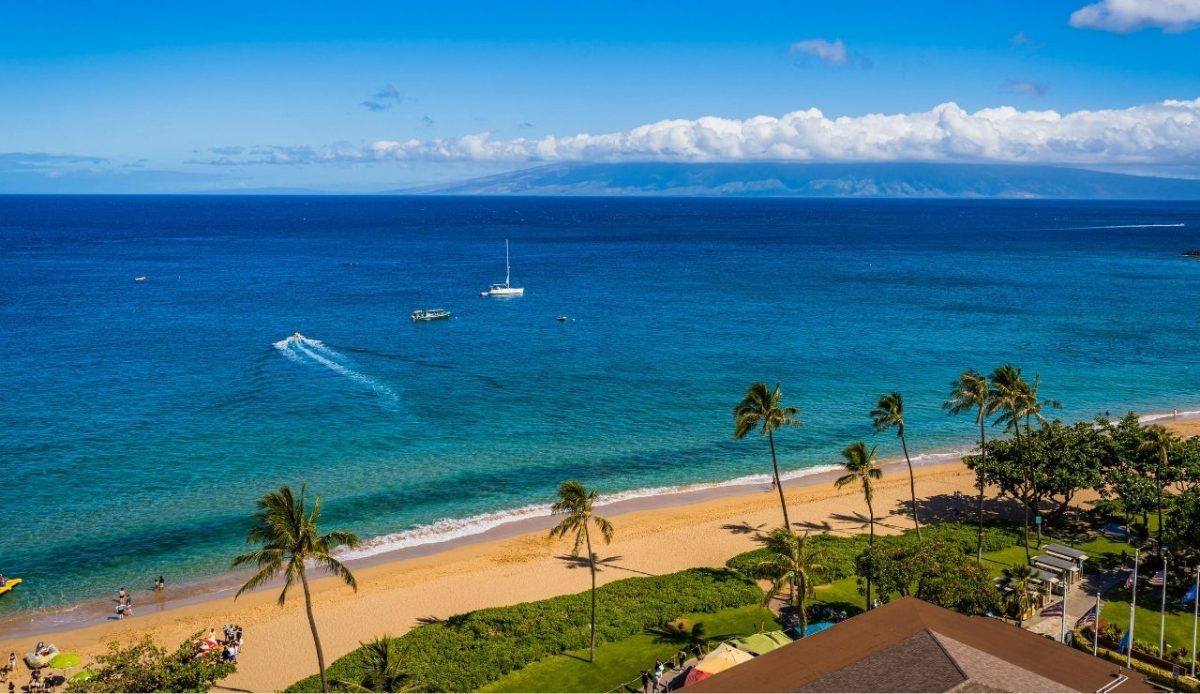
Maui links its major sights through a single curving road system that runs from mountain to coast. The Road to Hana crosses dozens of waterfalls and bridges before reaching secluded villages. Haleakalā’s summit provides open views across volcanic slopes that drop toward the sea. Towns such as Paia and Makawao rely on small shops and markets that mirror the island’s agricultural past. Southern beaches around Wailea remain calm and wide, giving swimmers and divers reliable access to clear water. Maui’s design keeps variety within reach, making exploration easy without losing its rural atmosphere.
3. Kauai
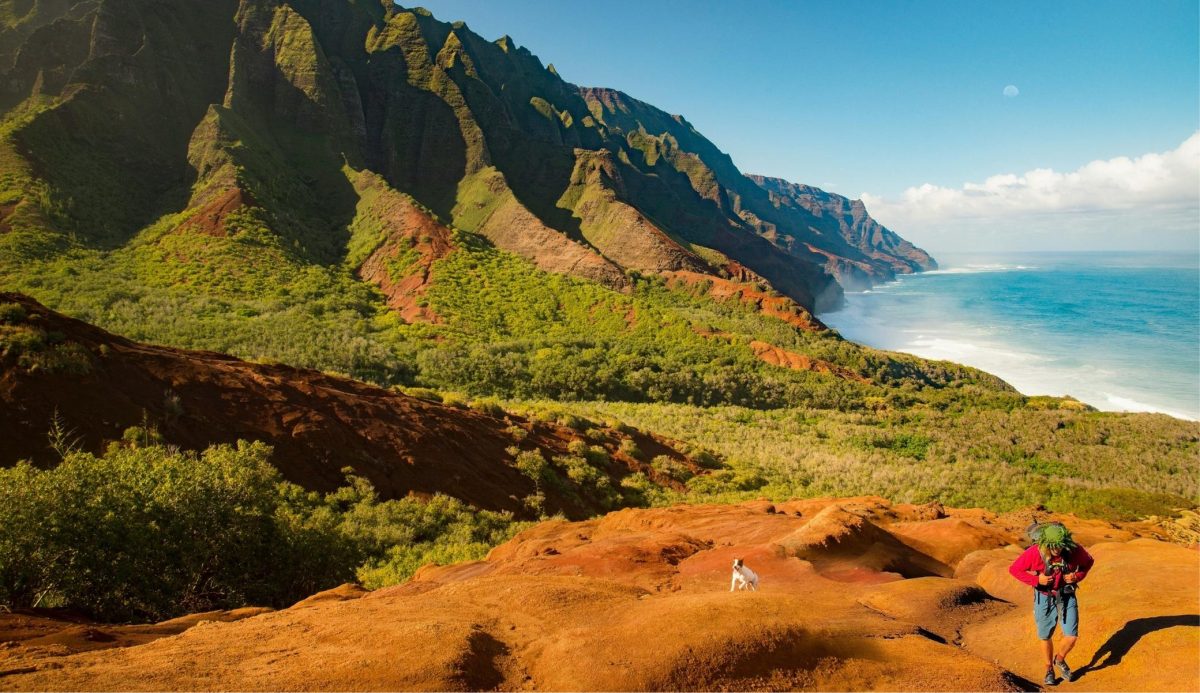
Kauai forms Hawaii’s oldest landscape, shaped by erosion and dense vegetation that keep most of it wild. The Napali Coast rises in cliffs accessible only by boat or narrow trail. Waimea Canyon cuts through the interior with red and green ridges visible for miles. In Hanalei, taro fields and small houses reflect the island’s farming roots. Strict limits on building height protect open views and natural airflow. Trails connect the rainforest to the coastline without heavy modification, preserving a direct link between human paths and native terrain. Kauai remains the island least changed by modern growth.
4. Molokai
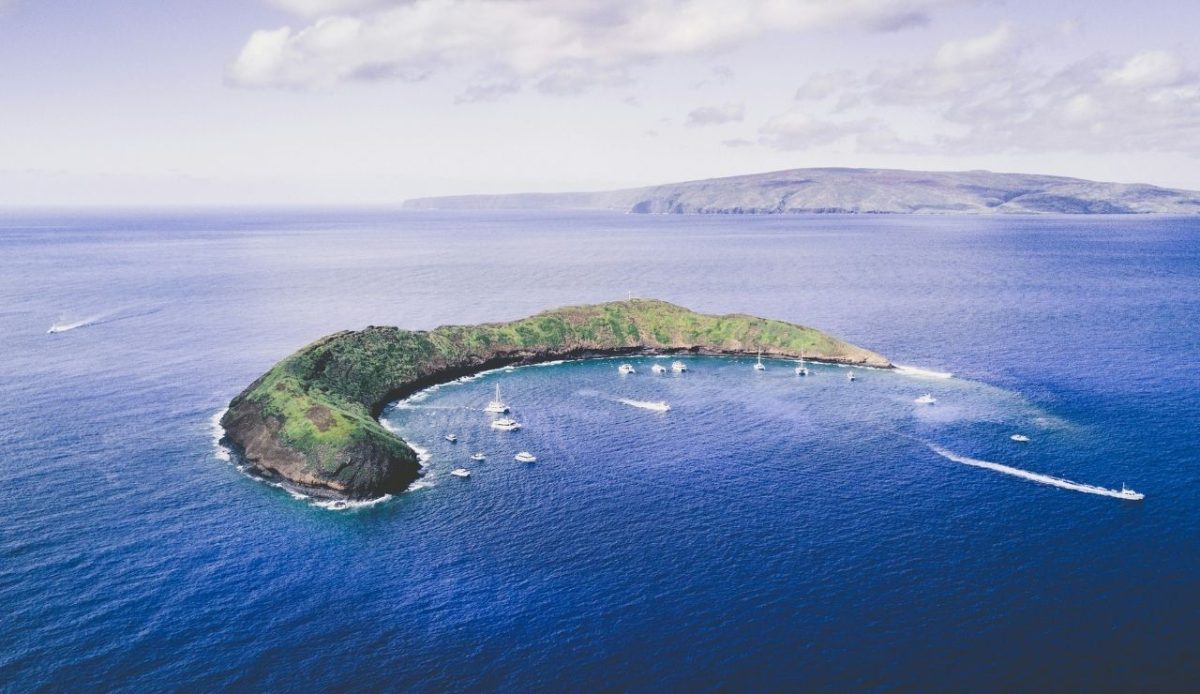
Molokai extends across flat farmland and rugged coastlines that still follow traditional rhythms. Kaunakakai, the central town, contains small groceries, a pier, and a few cafes that serve as gathering spots. The Kalaupapa Peninsula preserves a painful but vital chapter in Hawaiian history, now accessible through guided visits. Families continue to manage fishponds and taro fields along the shore, keeping ancestral skills active. There are no major resorts or high-rise hotels. The island’s economy depends on residents rather than tourism, making Molokai one of Hawaii’s most self-sustaining communities.
5. Niihau
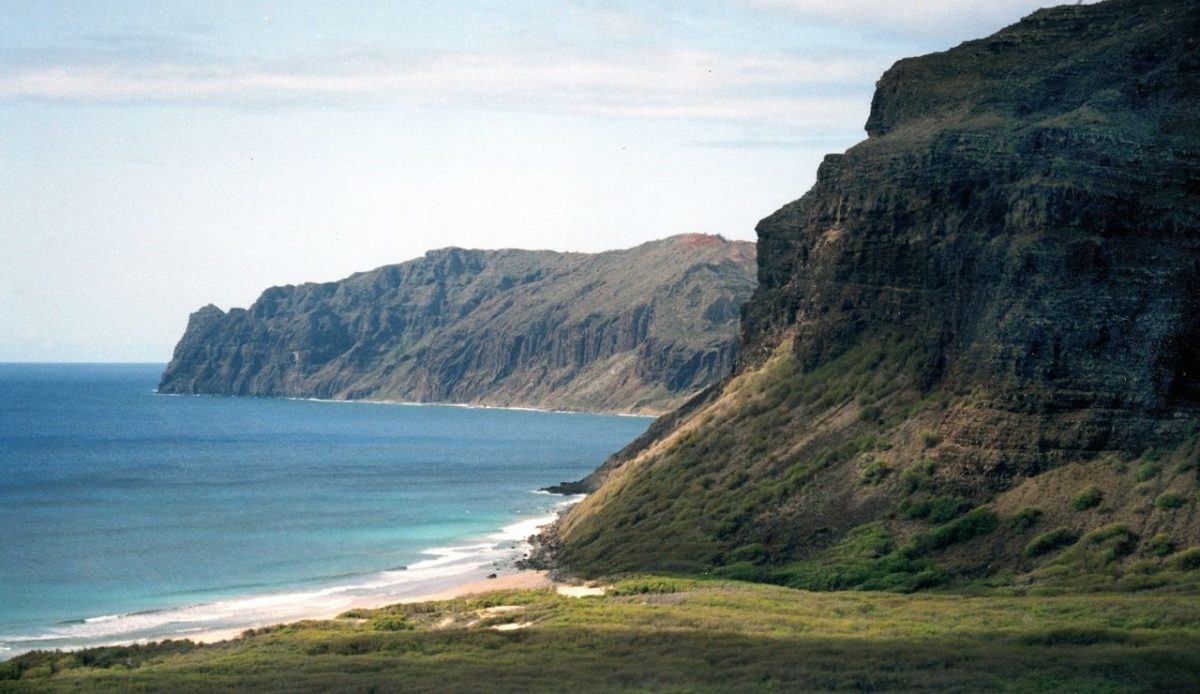
Niihau lies southwest of Kauai, separated by a shallow channel that limits easy approach. Privately owned since the 1800s, it remains closed to casual visitors. Entry requires an invitation or a chartered cultural tour. The terrain stays arid and open, with native grasses and nesting seabirds dominating the cliffs. Residents speak Hawaiian as their first language and depend on hunting, fishing, and subsistence farming. No paved roads, hotels, or utility lines disturb the landscape. Niihau stands as the most traditional of the islands, showing Hawaii before outside settlement altered its rhythm.
6. Kahoolawe
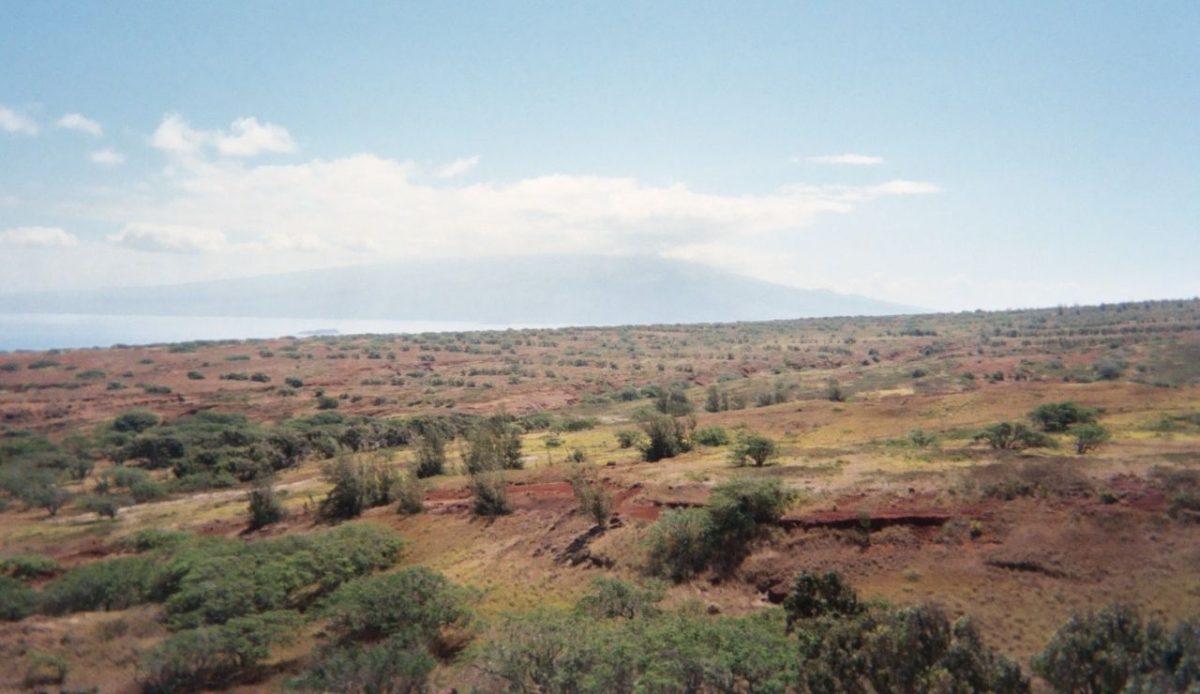
Kahoolawe occupies the smallest landmass in the Hawaiian chain, once scarred by military use but now focused entirely on renewal. Volunteers arrive by permit to help plant native species and stabilize soil. Archaeological sites record early settlement patterns long before modern contact. Because there are no permanent residents, every activity supports restoration goals. Transport, housing, and research follow environmental rules rather than comfort. The island now represents how Hawaii handles recovery by limiting human impact and focusing every visit on education and restoration. It stands as proof that conservation and cultural respect can share the same ground.
7. Hilo (Big Island)
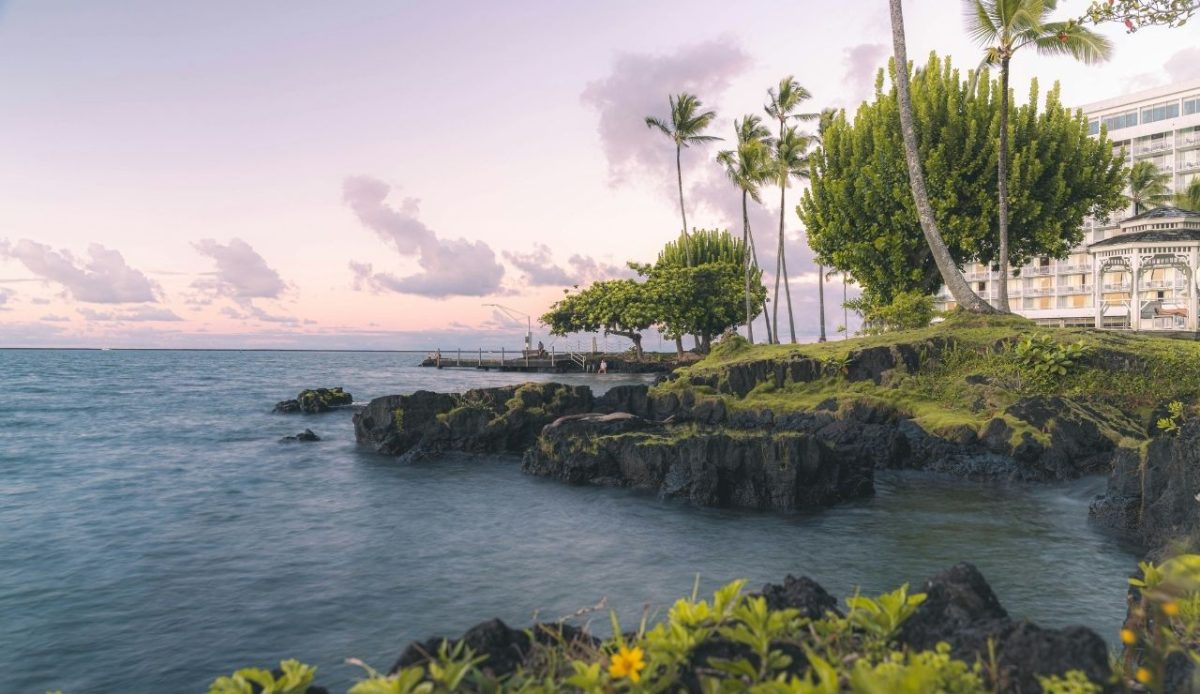
Hilo stretches along the Big Island’s windward coast, where rain falls almost daily and greenery grows thick. Downtown centers on a busy farmers’ market selling flowers, produce, and local crafts. Liliuokalani Gardens, Rainbow Falls, and Coconut Island all sit within a short walk, keeping outdoor access part of city life. The Pacific Tsunami Museum records how residents rebuilt after natural disasters while staying near the shore. Hilo’s buildings stay low and practical, designed for heavy rain and community use. The town shows how nature and economy work together without heavy tourism.
8. Kailua-Kona (Big Island)
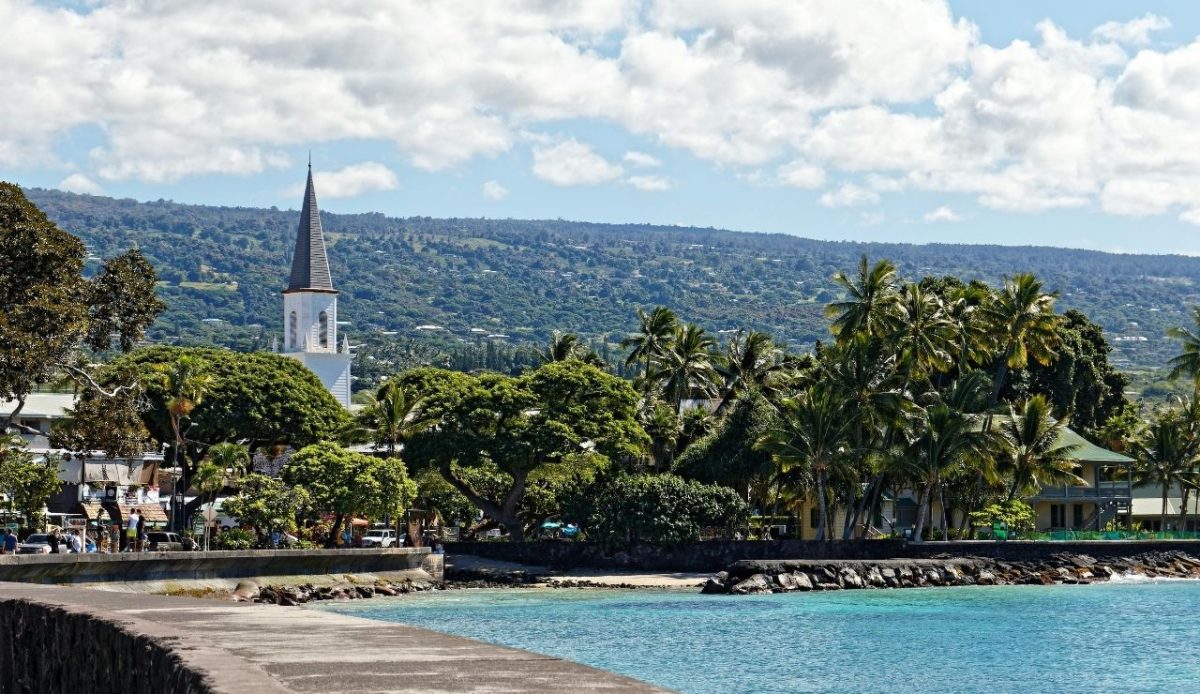
Kailua-Kona follows the western shoreline of the Big Island, set between lava fields and coral coves. Coffee farms rise inland where the air cools along the slopes of Hualalai. Along the coast, small harbors, shops, and historic churches line Alii Drive. Most buildings remain two or three stories high, leaving open views toward the ocean. Snorkeling sites such as Kahaluʻu Bay sit within minutes of downtown. The town’s connection between agriculture and shoreline defines its character, keeping commerce active without crowding the environment.
9. Wailea (Maui)
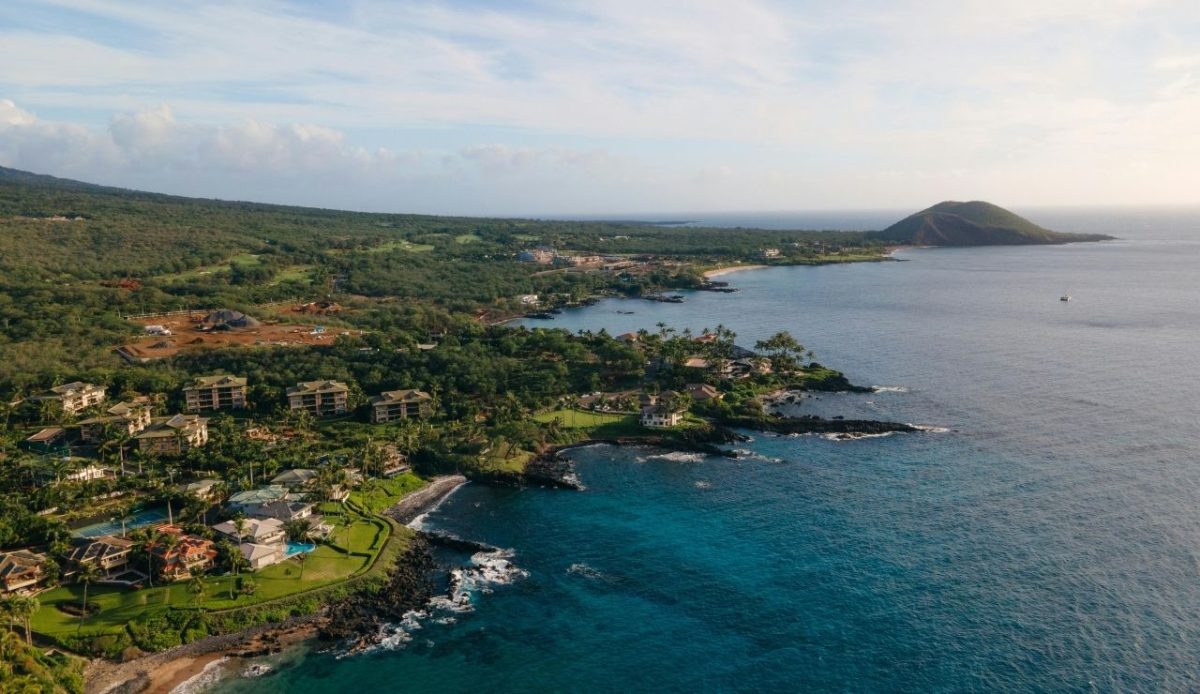
Wailea occupies a five-mile stretch of Maui’s southern coast planned for open beaches and quiet resorts. Public pathways connect each major hotel while preserving full shoreline access. Coral reefs and golf courses share the coast with parks designed for shade and walking. Construction rules cap most buildings under four stories, protecting ocean views. Restaurants and cultural events highlight Hawaiian traditions through simple performances and local food. Wailea’s layout keeps comfort in balance with its surroundings. Resorts, gardens, and public trails stay open to everyone, allowing the landscape itself to remain the main attraction.
