
Air travel keeps promising fewer lines and faster boarding, and on paper, going digital sounds like the obvious fix. No printers. No paper. Just a quick scan and you’re through. But here’s the thing. When airlines quietly phase out paper boarding passes, the small annoyances stack up fast. Dead batteries, glitchy apps, weak airport Wi Fi, and families juggling multiple tickets on one phone turn a simple step into a mini crisis. What used to be a reliable backup has become another tech dependency. For many travelers, the move feels less convenient and more fragile, especially when something goes wrong at the worst possible moment.
1. Ryanair

Ryanair didn’t just nudge passengers toward digital passes; it removed the paper option entirely for most routes. Here’s the thing. When a carrier makes something mandatory, every small hiccup suddenly matters. Phones die. Apps crash. Airport Wi-Fi slows to a crawl. Travelers who once printed a backup at home now have no safety net. Families juggling multiple passes on one device feel the stress most. It saves the airline money on kiosks and paper, but it shifts the burden to passengers who must stay connected and tech-ready from curb to gate. For older flyers or anyone without a smartphone, the change feels less like progress and more like a closed door.
2. Emirates
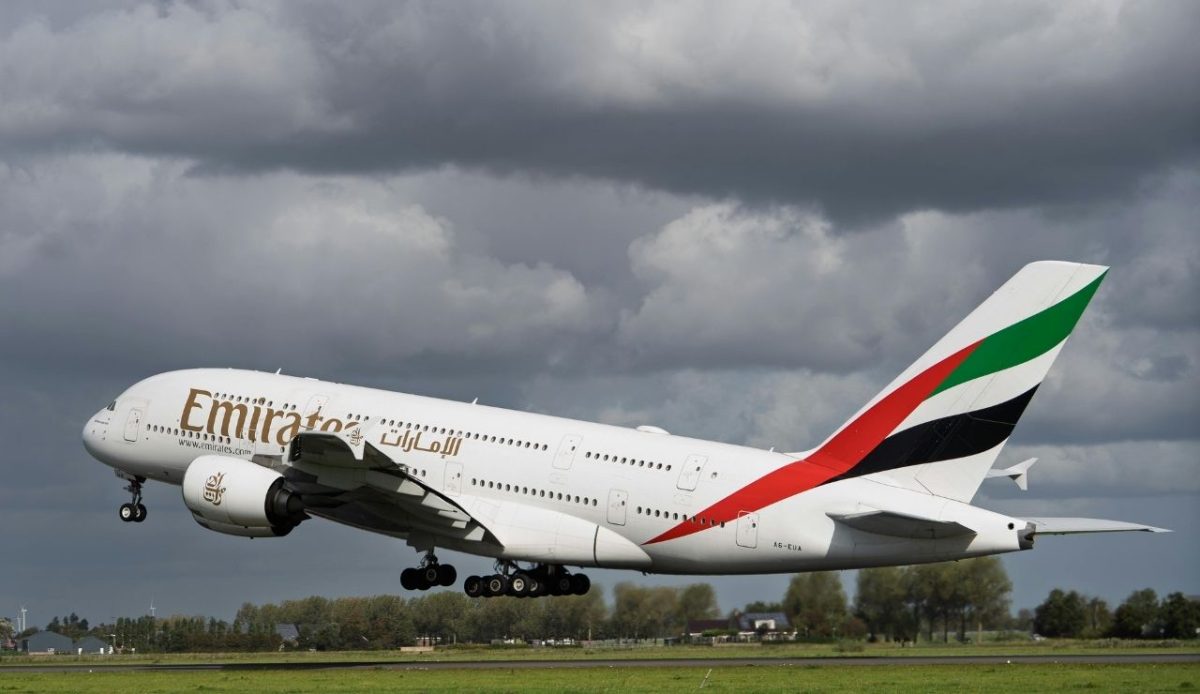
At its Dubai hub, Emirates has leaned heavily into mobile boarding and digital identity checks. The pitch is speed and efficiency. In practice, the experience depends on your device working perfectly inside one of the world’s busiest airports. Travelers connecting from long flights often land with low batteries or roaming issues, then must scramble to pull up an app before security. Paper used to be a simple fallback that required no signal. Without it, every step adds friction. The process is sleek for frequent flyers who live on their phones, but for occasional travelers, especially international visitors juggling visas and documents, the digital-only feel adds one more layer of stress to an already complicated journey.
3. Alaska Airlines
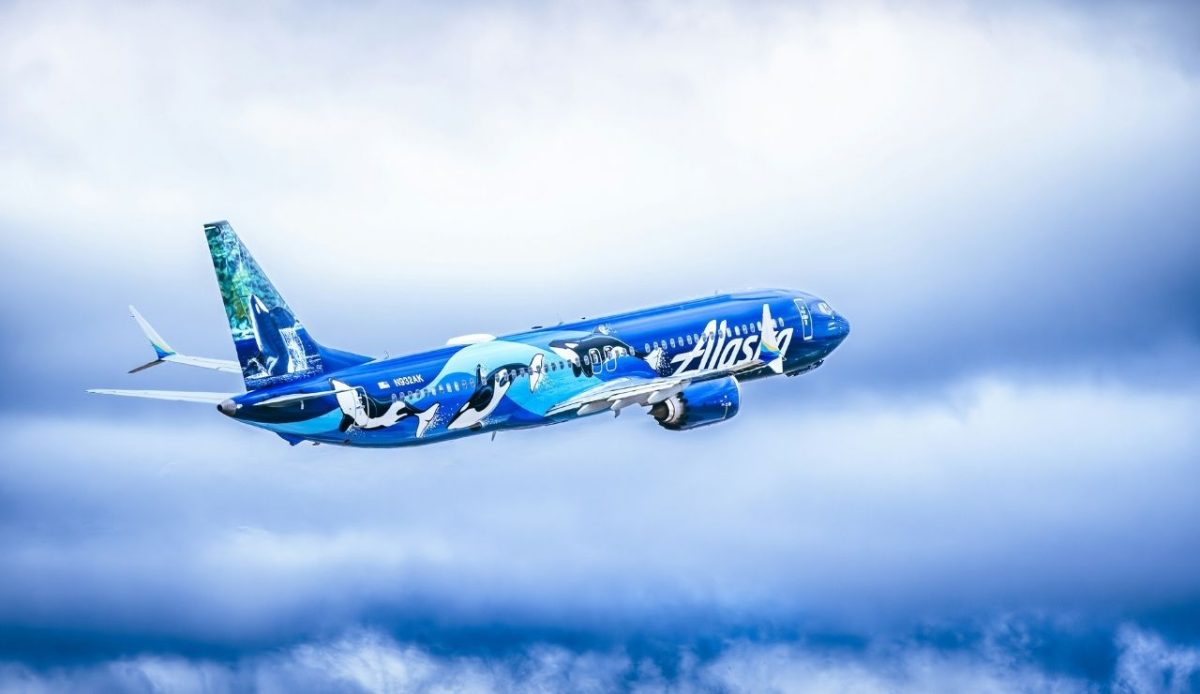
Alaska’s shift happened quietly. Kiosks stopped printing by default, and many travelers realized too late that their usual paper routine was gone. It sounds minor, but small habits matter when you fly often. A printed pass doubles as a quick reference for seat numbers and connections. With mobile only, people unlock screens repeatedly, scroll for emails, and worry about glare or cracked displays. Add gloves in winter or wet weather in Seattle, and suddenly a simple scan feels clumsy. The airline saves time and resources, but the passenger experience becomes dependent on battery life and app reliability. Convenience exists, but only if technology cooperates the entire way.
4. American Airlines

American adjusted its kiosks so boarding passes are no longer printed automatically. What this really means is that the burden of opting out moved to the traveler. Many people only discover the change when they walk away empty-handed. The mobile pass works fine most days, but airports are chaotic environments with dead zones and slow connections. When the screen freezes at the scanner, the whole line waits. Paper never buffered or needed an update. For families or older passengers, asking for help at the counter takes extra time that digital tools were supposed to save. Efficiency improves on paper, but for some customers, the process now feels less forgiving.
5. EasyJet
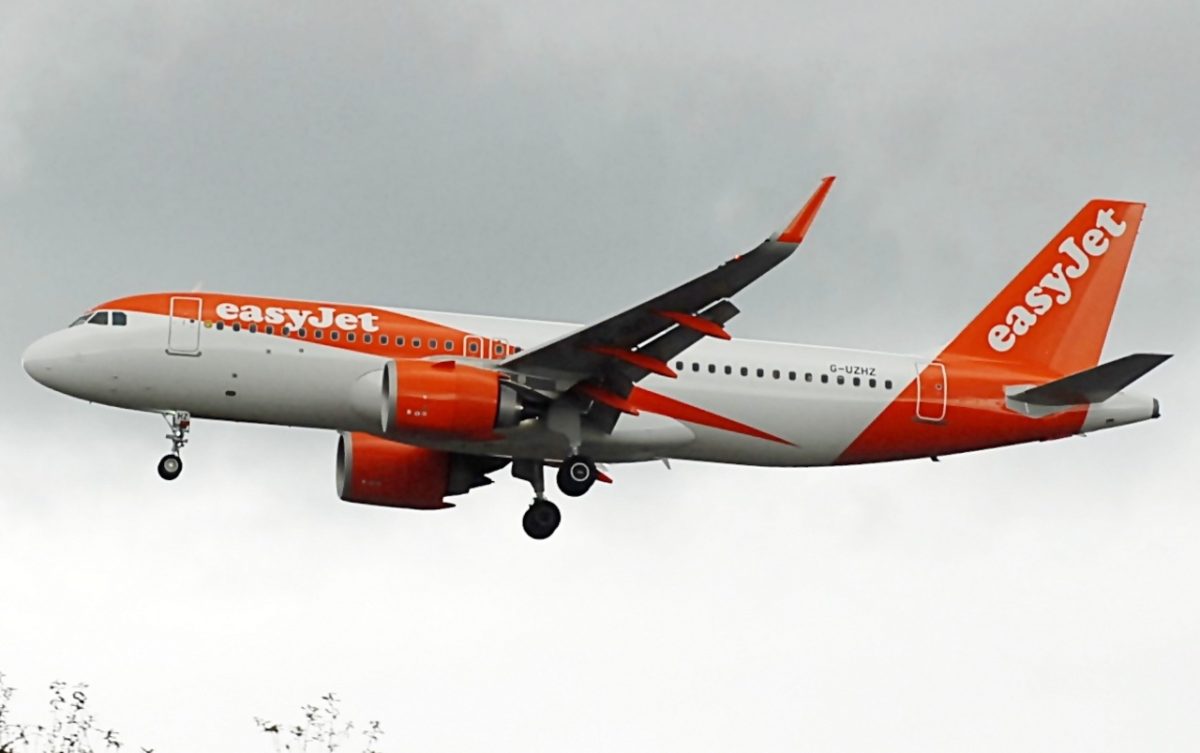
EasyJet markets digital boarding as the smarter, greener choice, and it clearly reduces printing costs. Still, low-cost travel often attracts families, students, and older tourists who prefer simple accommodations. When printing is discouraged or limited, those travelers feel cornered into downloading apps and managing accounts they may only use once a year. Budget flyers also stretch battery life carefully, especially on early morning departures. If the phone dies, options shrink fast. The shift makes sense from an operations standpoint, but it ignores how varied passengers really are. Not everyone wants to treat a boarding pass like a tech project before they even reach security.
6. Jet2
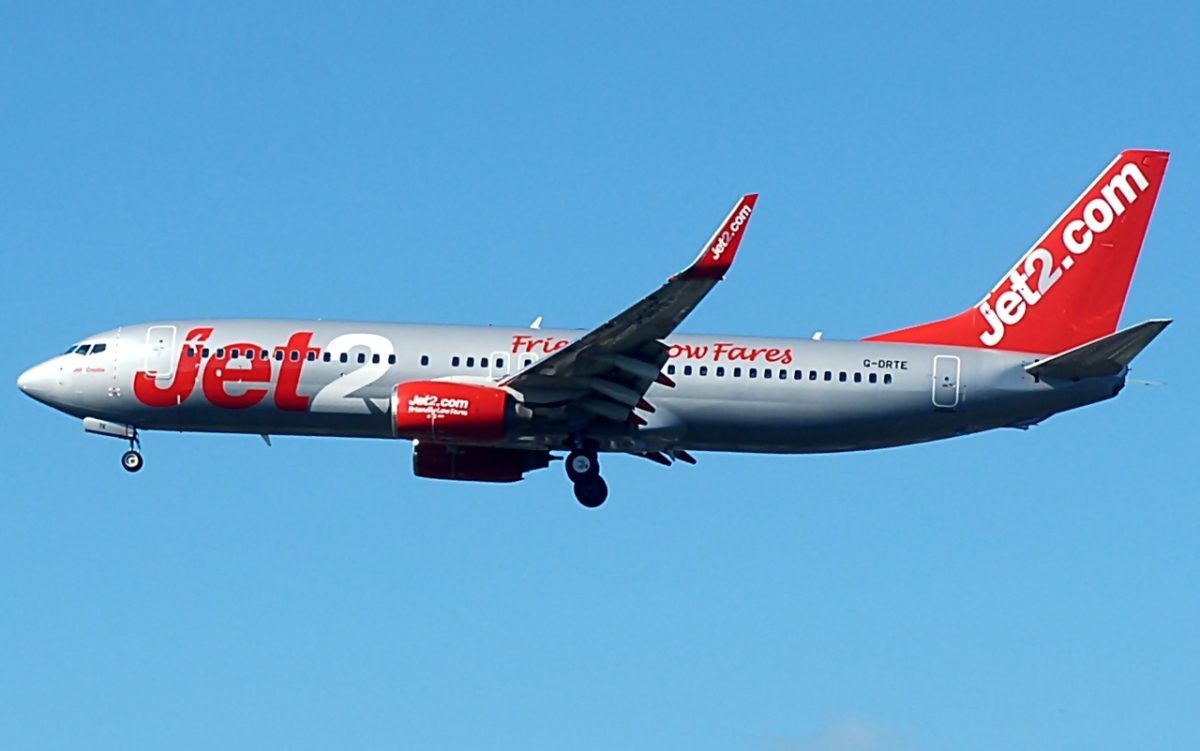
Jet2 caters heavily to vacation travelers, which makes the digital push feel slightly mismatched. Holidaymakers often travel in groups with kids, grandparents, and shared devices. Managing five or six mobile passes on one screen is awkward at best. When staff encourage digital first, it adds friction to what should be a relaxed start to a trip. Paper copies used to be handed out quickly and kept things moving. Now, passengers juggle screenshots, logins, and dim screens in bright terminals. The airline streamlines operations, but the human side of travel gets messier. For leisure flyers, convenience should mean fewer steps, not more.
7. Wizz Air
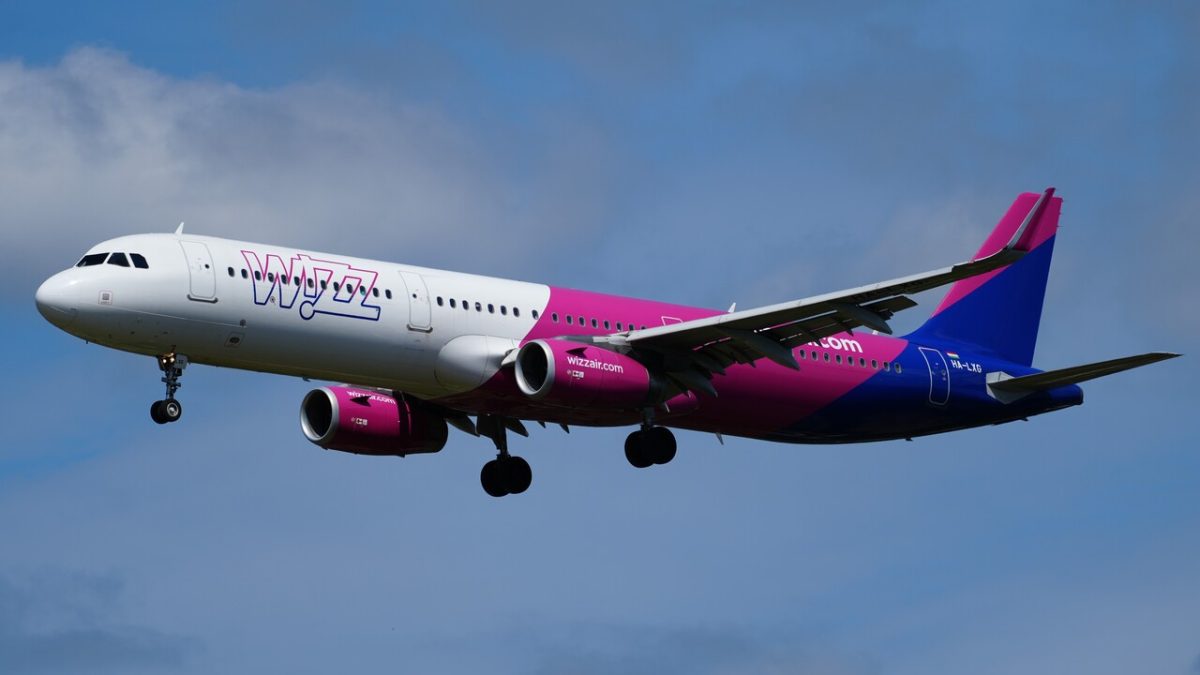
Wizz Air takes a different approach. Paper is still possible, but often comes with steep fees. That pricing structure effectively pushes everyone toward mobile passes, whether they like it or not. It feels less like innovation and more like a penalty. Travelers who prefer a printed backup end up paying extra for peace of mind. For ultra-budget flyers, those fees sting. The digital system works smoothly when everything aligns, yet it leaves little room for error. If your device fails, the fallback costs money. That dynamic creates tension at the gate and turns what should be a simple document into another expense to manage.
8. British Airways
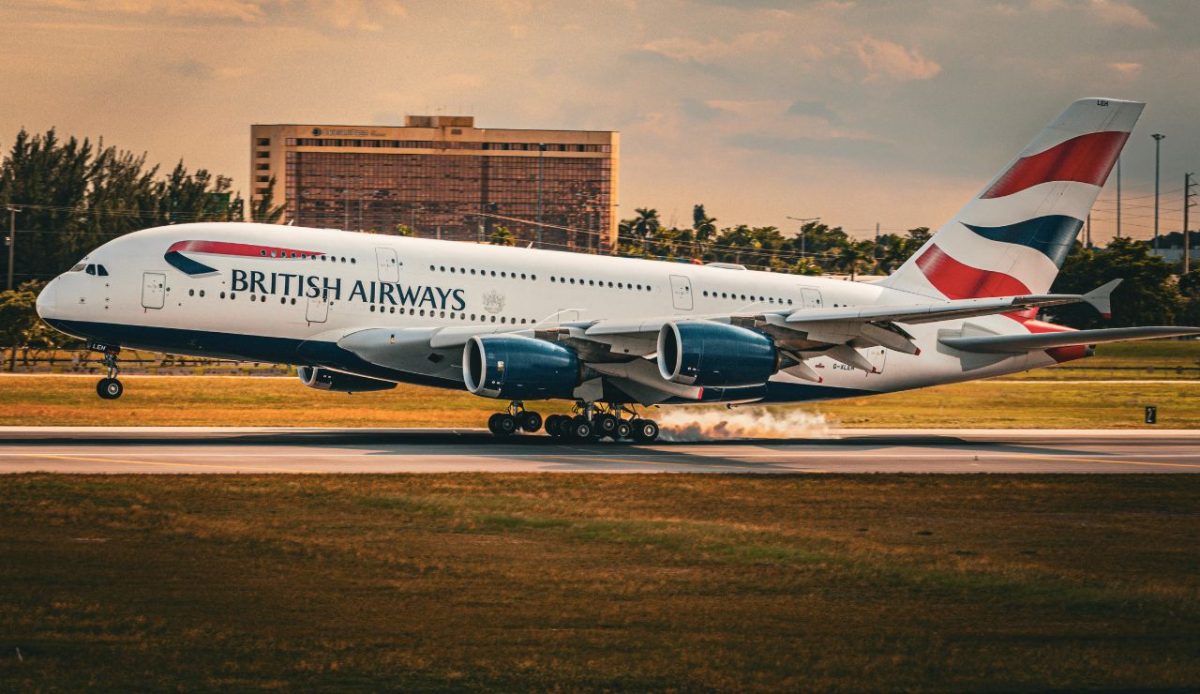
British Airways frames digital boarding as part of a premium, streamlined experience. For frequent business travelers, that promise holds up. Everything lives in a wallet app and moves quickly. But leisure passengers and infrequent flyers do not always share that comfort level. International travel often means juggling passports, visas, and connecting flights. Adding a mandatory app step complicates what used to be straightforward. When paper becomes secondary, those without the right tech feel out of place. The system looks modern, yet it quietly assumes everyone travels the same way. In reality, airports serve a broad mix of ages and tech skills that digital-first policies sometimes overlook.
9. TUI Airways
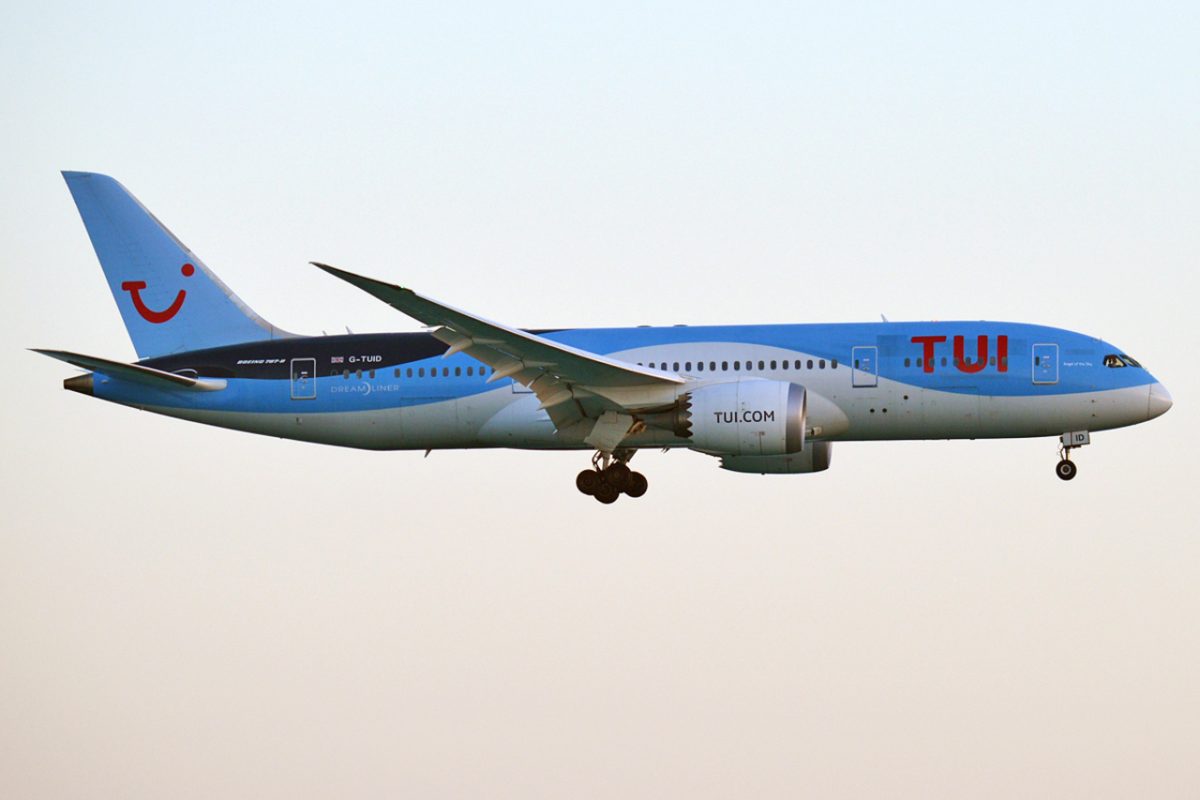
TUI focuses on holiday routes, and its growing preference for digital check-in follows the same efficiency logic as others. Yet the typical TUI customer is often traveling with kids, extra bags, and plenty of distractions. When boarding passes live only on a phone, every small delay multiplies. Parents dig through apps while managing strollers and passports. Paper used to be something you could hand to a child or grandparent. Now one device becomes the bottleneck. The airline reduces printing and speeds up counters, but the on-the-ground reality can feel more chaotic. Digital works best when hands are free. Vacation travel rarely looks that tidy.
