
Some of the world’s favorite destinations take on a different tone when the sun sets. Crowded beaches, lively markets, and historic districts can become quiet and unpredictable once tourists return to hotels. In many places, local authorities advise travelers to stay cautious after dark due to theft, scams, or limited public security. This list highlights popular vacation spots that are still enjoyable in daylight but require planning and awareness at night. Each example reflects recent safety updates from official travel agencies and trusted regional reports, helping travelers make informed decisions for safer evenings abroad.
1. Rio de Janeiro, Brazil
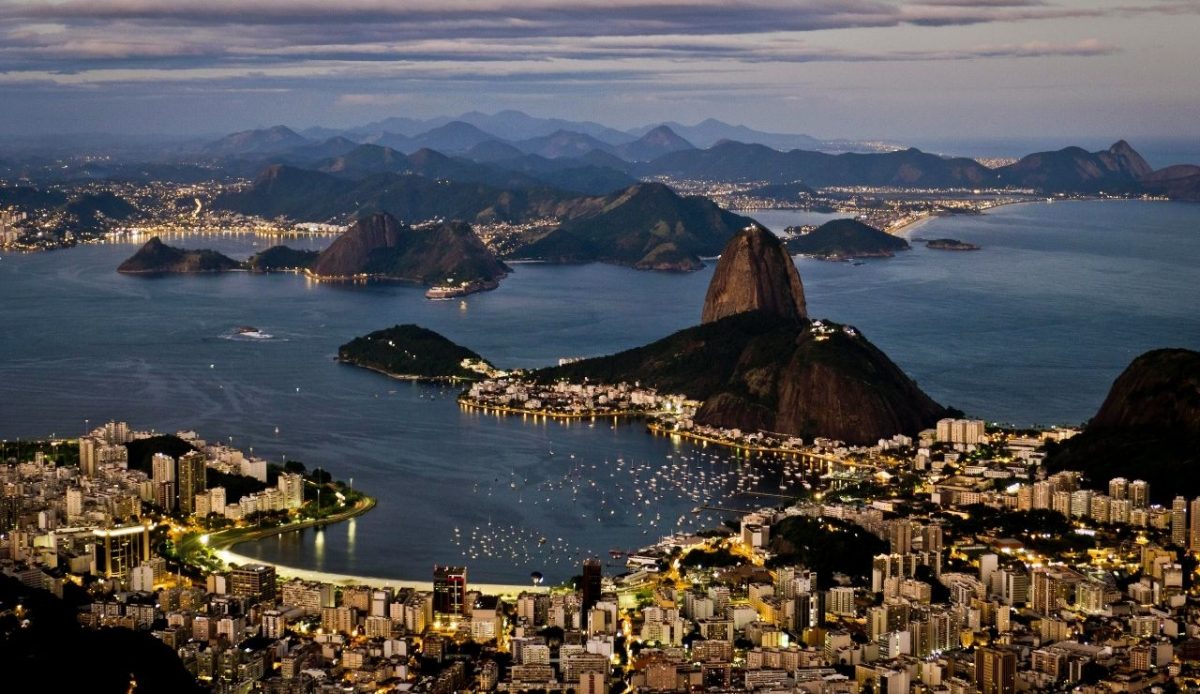
Rio’s stunning coastline draws crowds daily, but after dark, many beaches empty and crime rates rise. Visitors are often targeted for phones or jewelry near Copacabana and Ipanema, where lighting is limited in some stretches. Police suggest using licensed taxis, avoiding isolated sidewalks, and keeping valuables out of sight. Travelers should not explore hillside neighborhoods without guides, even during early evening hours. Most daytime attractions remain perfectly safe, and sticking to well-patrolled areas at night keeps the city’s energy enjoyable without unnecessary risk. Extra caution near festival zones such as Lapa helps prevent petty theft and late-night scams.
2. Johannesburg, South Africa
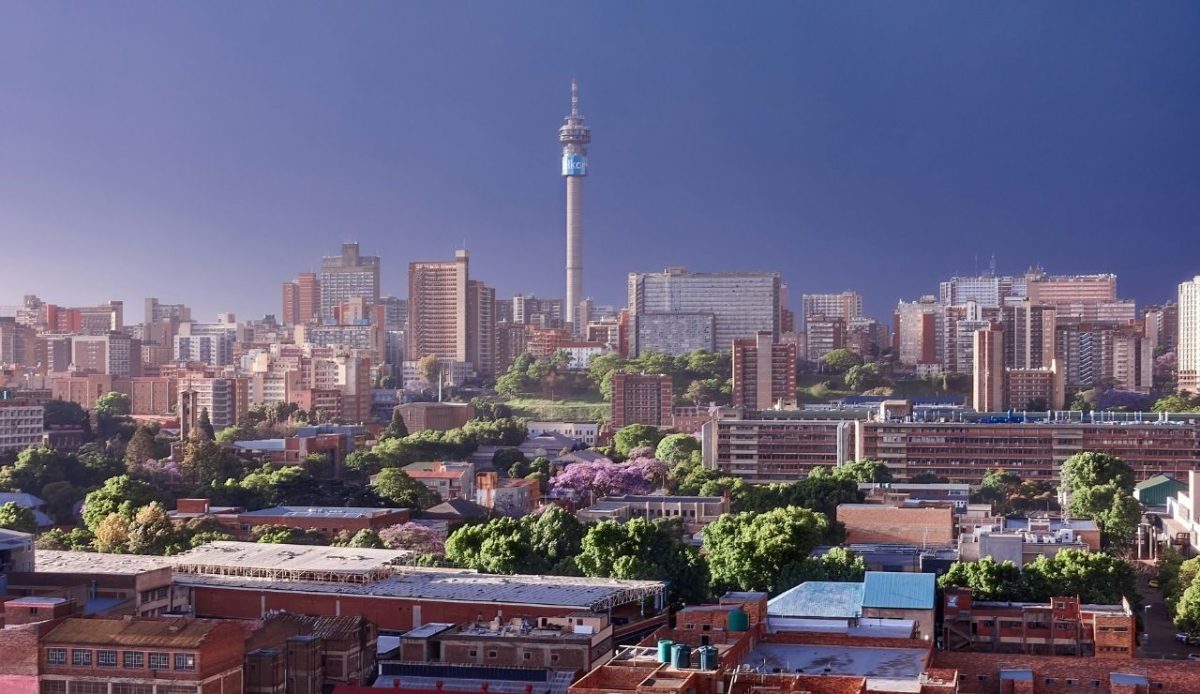
After sunset, the city’s downtown atmosphere changes quickly. Streets that feel lively by day often grow quiet, leaving visitors vulnerable to theft or harassment. Local advisories warn against walking near bus stations or public parks once traffic slows. Using a registered cab or rideshare arranged through hotels helps reduce exposure. Neighborhoods such as Sandton or Rosebank have visible security and remain safer for dining or shopping. Johannesburg rewards travelers who plan routes and avoid empty spaces once businesses close for the evening. Those who stay in monitored guesthouses often feel far more at ease at night.
3. Cape Town, South Africa
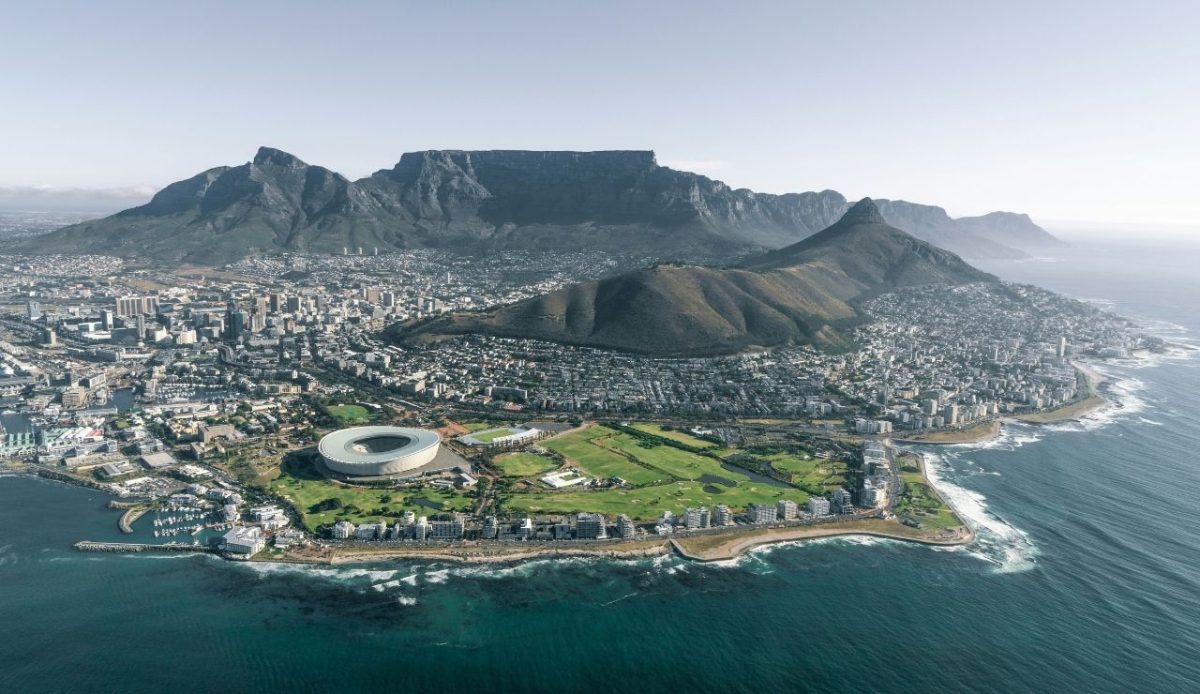
Cape Town’s natural beauty is unmatched, though visitors are told to be cautious during late hours. Robberies occasionally occur on mountain trails and in quieter suburbs after sunset. Police encourage tourists to end hikes before dark and rely on verified transport for evening plans. Coastal spots like Sea Point and the V&A Waterfront stay secure when crowds remain, but wandering alone through side streets should be avoided. Most of the city’s nightlife feels safe when travelers stay within popular zones and practice basic awareness. Checking local advisories before heading out helps identify temporary problem areas.
4. Kingston and Montego Bay, Jamaica
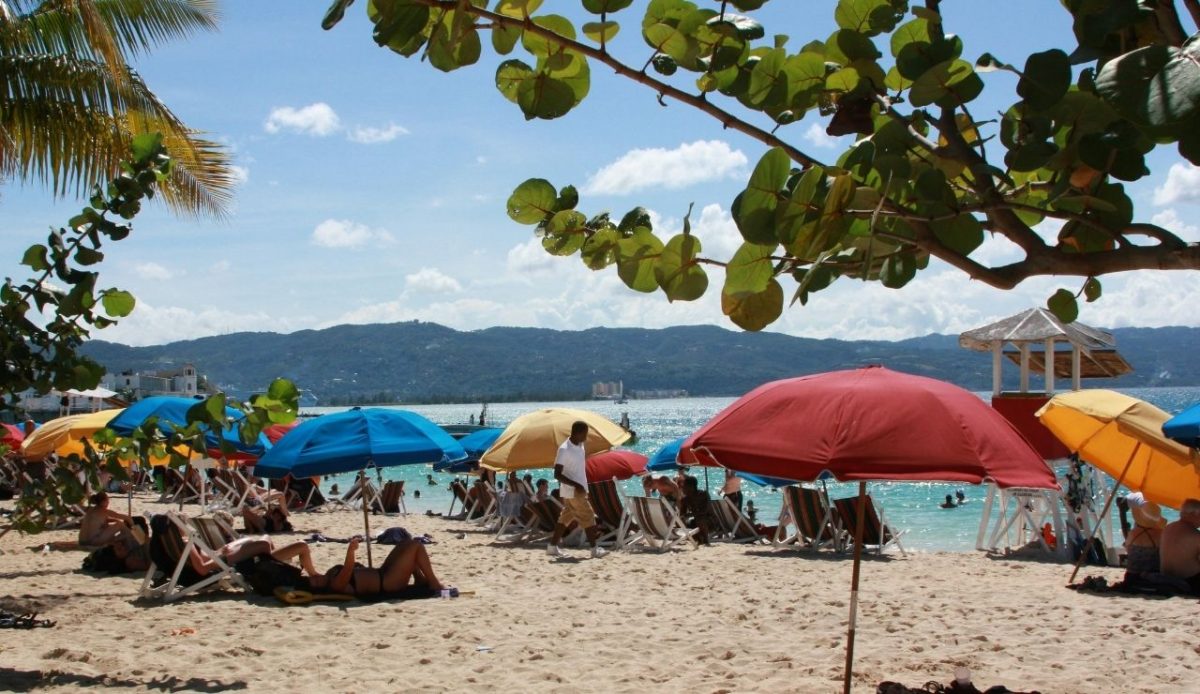
Nightlife in Jamaica carries a festive spirit, but certain districts experience spikes in petty crime once bars close. Incidents in downtown Kingston and outlying areas of Montego Bay often involve bag snatching or unlicensed taxis. Tourists are advised to use resort shuttles or hotel drivers for all late transfers. Group outings stay far safer than solo walks, and visitors should leave expensive items behind. Police presence remains stronger near major hotels, so sticking to these parts keeps evenings pleasant without serious safety issues. Using reputable tour companies also ensures secure rides to nighttime events and concerts.
5. Tijuana, Mexico
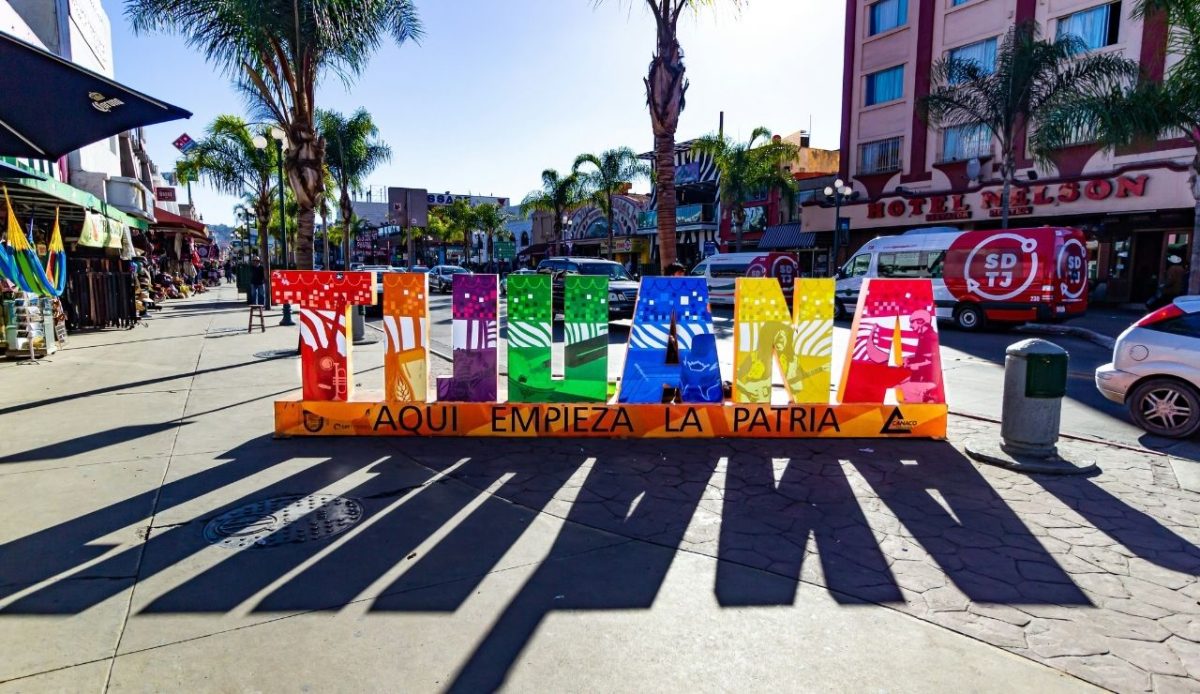
Tijuana’s nightlife remains lively, though recent advisories urge visitors to limit movement between bars after dark. Isolated streets and unmarked taxis have caused safety problems in recent years. The best option is to travel in small groups and rely on recognized drivers for returns to hotels. Border crossings and bus stations should be avoided at night when activity slows. Tourists who stay within central entertainment areas usually enjoy a hassle-free visit, proving that preparation is the best protection in this border city. Knowing basic Spanish phrases can also ease interactions and reduce misunderstandings.
6. Nairobi, Kenya
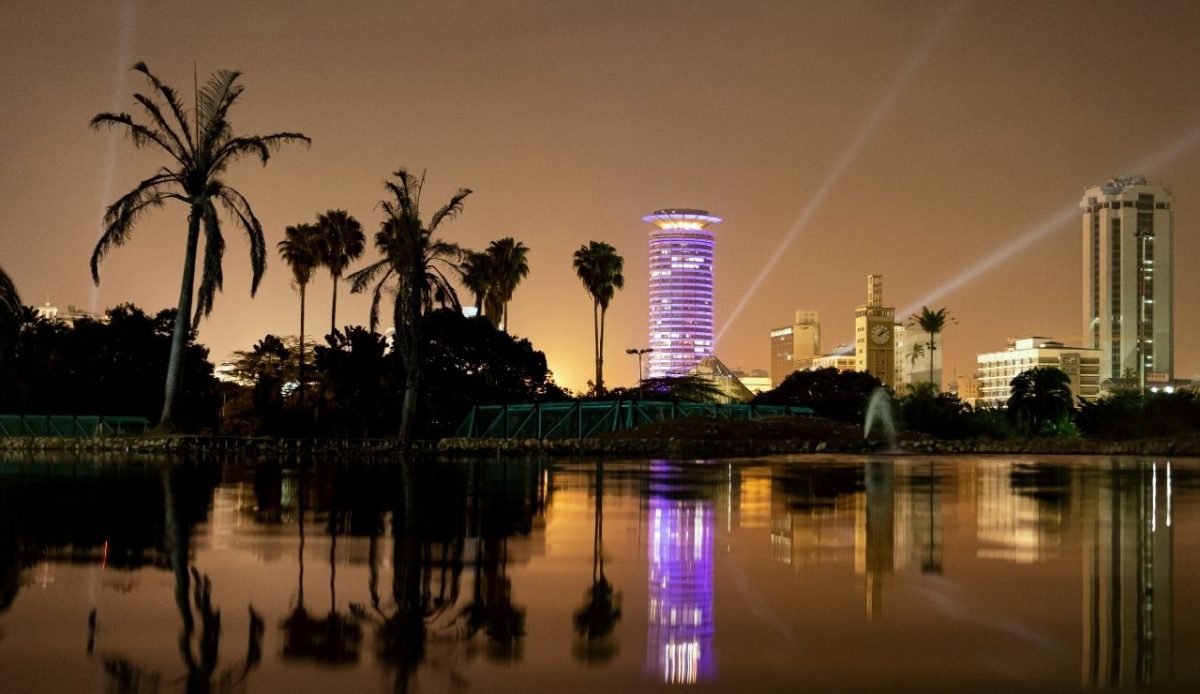
Kenya’s cities offer culture and coastline, though safety varies greatly between daylight and night hours. In Nairobi, theft reports climb after business closures, particularly near the central district. Mombasa faces similar concerns at ferry crossings and dimly lit areas. Travelers should prearrange rides, secure belongings, and avoid using street taxis after evening meals. Restaurants inside major hotels remain the safest nighttime choice. Visitors who plan can still enjoy the rhythm of these cities without running into trouble on quiet streets. Asking hotel staff about current safe zones helps keep movement efficient and stress-free.
7. Bangkok, Thailand
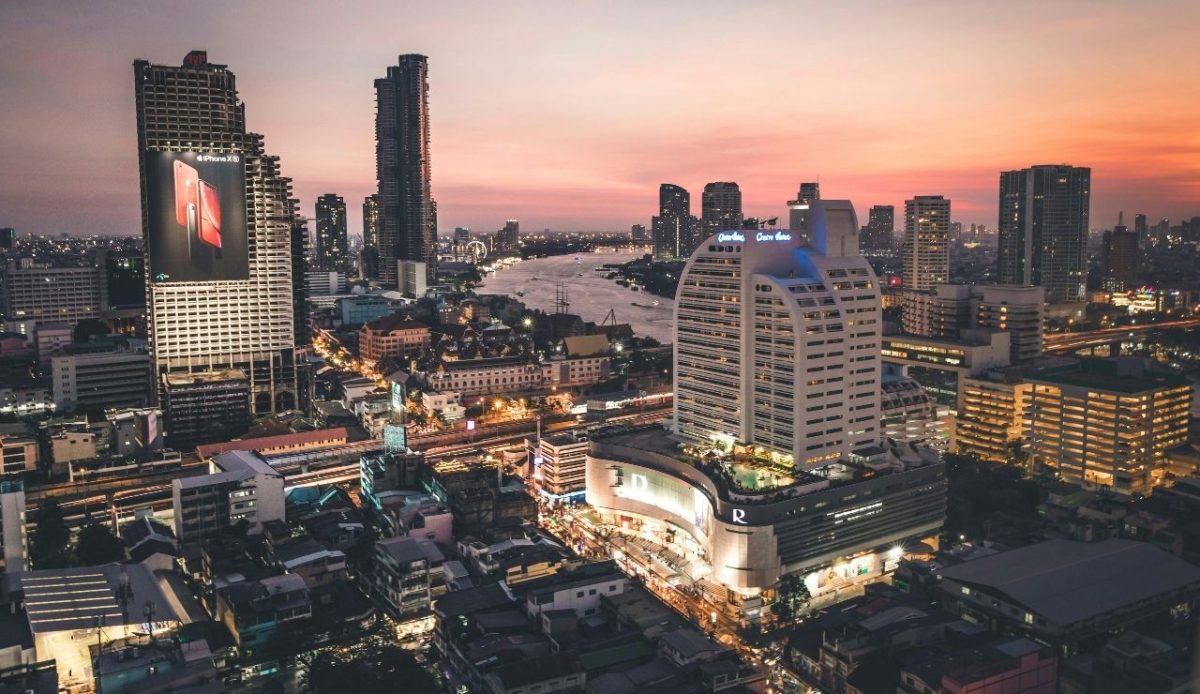
Thailand’s capital becomes electric at night, drawing visitors to markets and rooftop bars. However, nightlife zones also attract pickpockets and scammers who target distracted tourists. Common incidents include drink spiking or inflated taxi fares near entertainment strips. Police encourage travelers to monitor their beverages, use verified ride apps, and avoid carrying excess cash. Busy areas such as Asok and Silom are usually safe if visitors stay alert. A few simple habits, awareness, and trusted transport—turn Bangkok nights into worry-free experiences. Checking club reviews and safety ratings online also helps identify dependable venues.
8. Barcelona, Spain
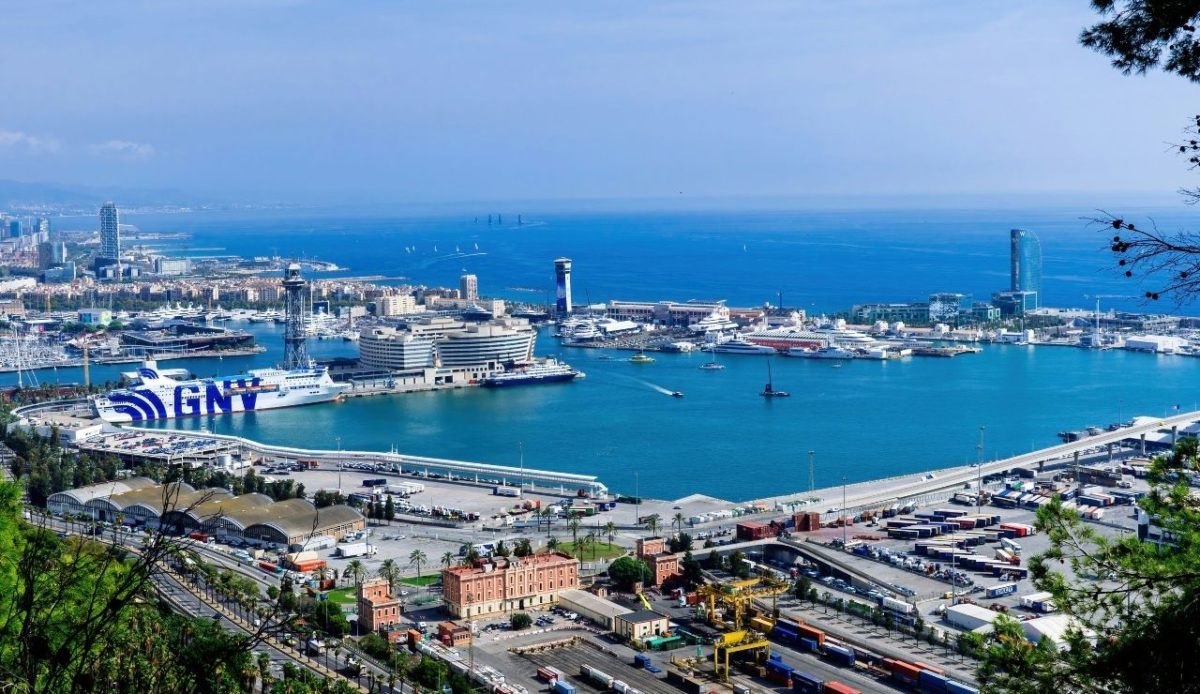
Tourists often underestimate how common petty crime is in Barcelona once the evening crowds gather. Pickpocketing thrives in dense areas like Las Ramblas and at city beaches where lighting can be weak. Authorities suggest keeping belongings in zipped bags and using caution when approached by strangers. After midnight, alleys in El Raval or the Gothic Quarter grow quieter and less secure. Choosing main streets and staying near public squares minimizes risk. Visitors who remain aware find the city’s nightlife enjoyable without unpleasant surprises. Using crossbody bags with hidden zippers gives extra security during late walks.
