
Across America, empty downtown spaces are being transformed into parks, markets, and modern developments that breathe new life into city skylines. Once-forgotten lots are now vibrant community hubs and creative landmarks redefining what urban living can look like. From the Midwest to the coasts, cities are reimagining their core areas in remarkable ways. Here are eight U.S. cities where vacant lots are changing downtown views and reshaping the future of urban life.
1. Detroit, Michigan
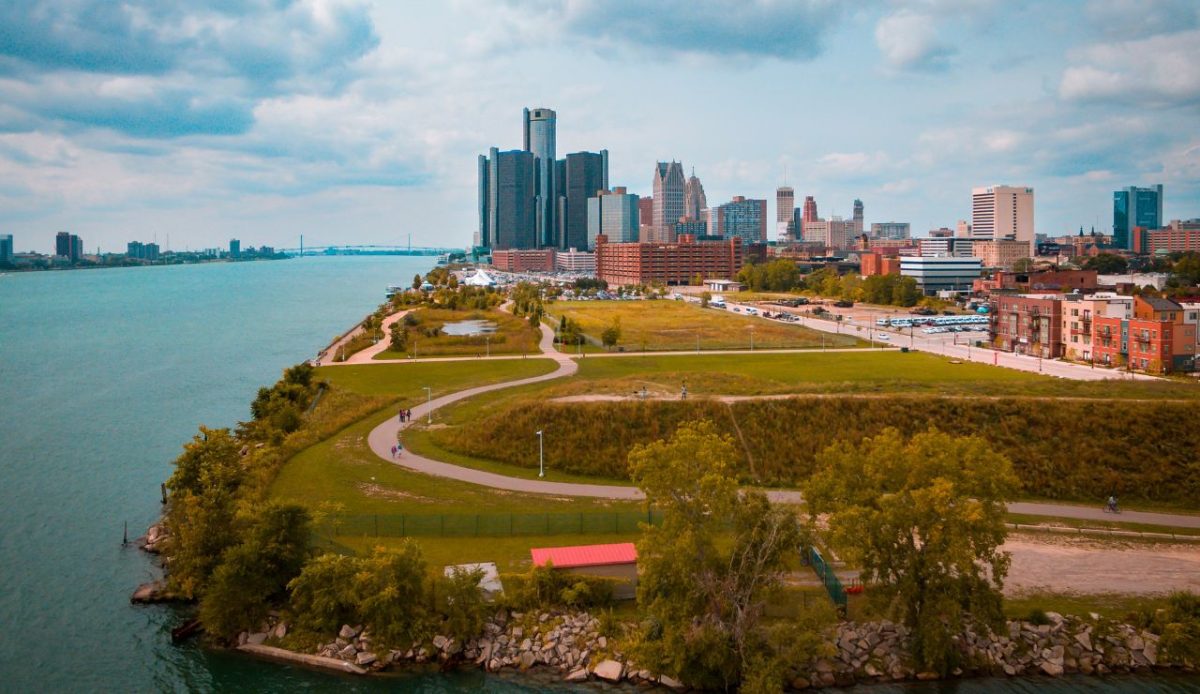
Detroit’s revival continues as vacant lots become gardens, green spaces, and new housing projects. What were once signs of decline are now growth opportunities. Community groups have turned empty blocks into urban farms and pop-up art spaces, helping fuel the city’s comeback. Developments like the District Detroit project are redefining the skyline with mixed-use buildings, apartments, and entertainment venues, a powerful symbol of resilience and reinvention.
2. Cleveland, Ohio
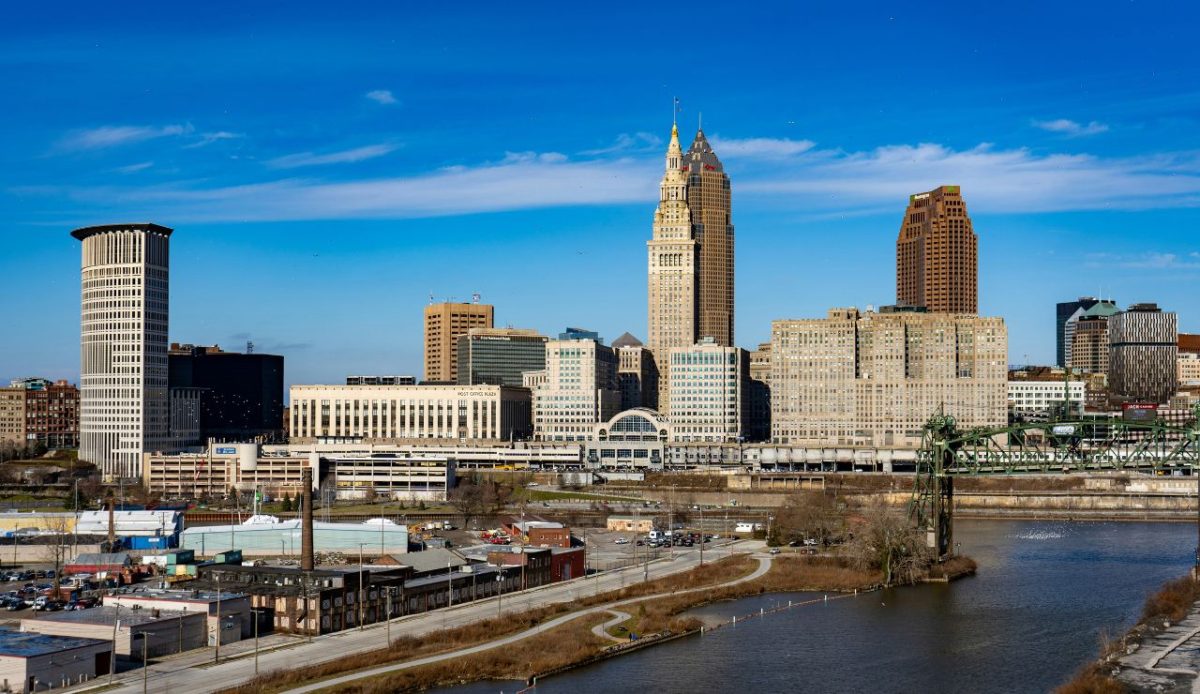
Cleveland’s downtown transformation is visible in once-empty stretches now bustling with activity. Vacant industrial spaces have given way to green parks, breweries, and art installations. The Flats East Bank area, for instance, has evolved from a neglected waterfront to a vibrant district with restaurants and apartments. These redevelopments highlight how Cleveland’s mix of creativity and community investment is breathing new life into its urban heart and reshaping its skyline for the better.
3. St. Louis, Missouri
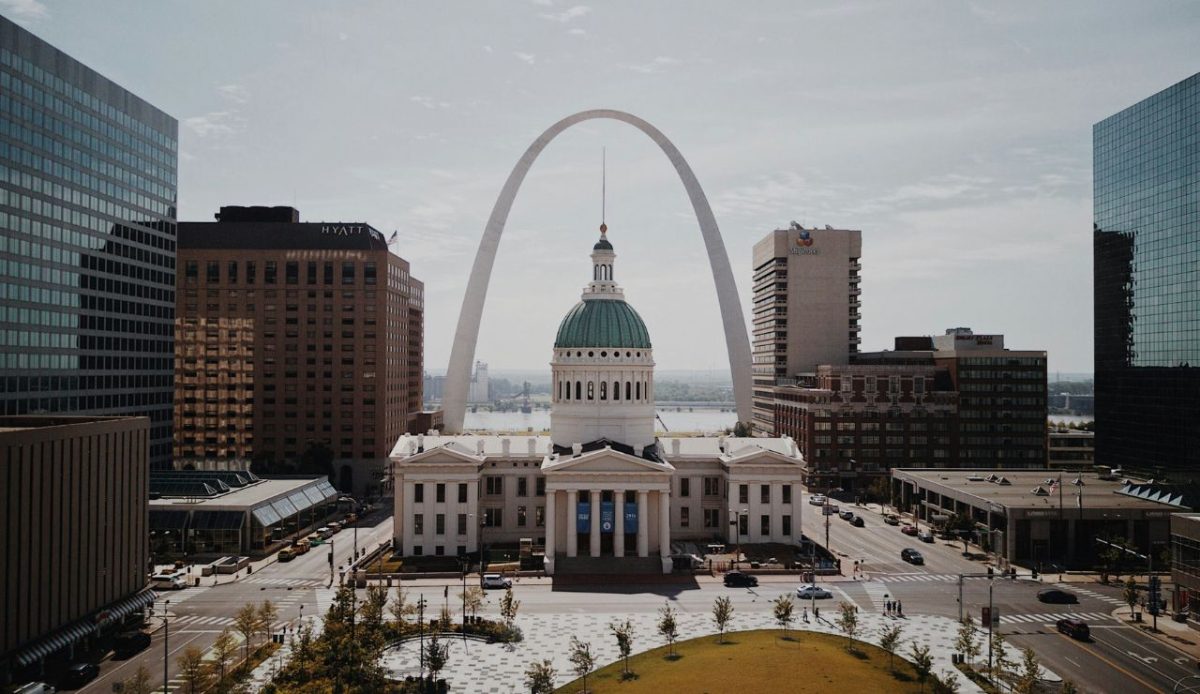
St. Louis is turning its downtown vacancies into bold new opportunities for growth. Projects like City Foundry STL have transformed abandoned factories into dining halls and event spaces, drawing locals and visitors alike. Empty lots near the Gateway Arch are being redeveloped into apartments and tech offices, blending history with modern design. The result is a downtown that feels renewed, a place where heritage, innovation, and community intersect beautifully.
4. Tulsa, Oklahoma
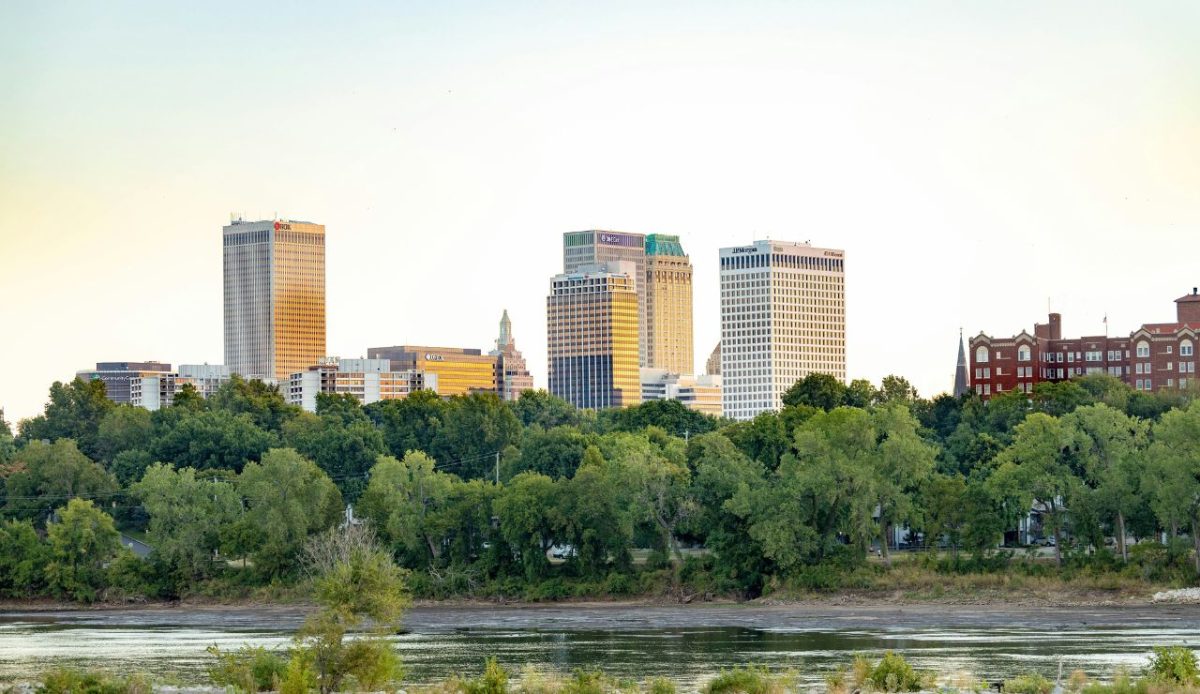
Once known for its oil boom, Tulsa is now experiencing a new kind of downtown renaissance. Vacant lots have become the foundation for mixed-use developments, outdoor gathering spots, and arts districts. The Gathering Place, one of America’s top urban parks, has inspired similar green projects across the city. From public art installations to renovated warehouses, Tulsa’s creative spirit is reshaping its skyline and proving that progress can be both practical and inspiring.
5. Pittsburgh, Pennsylvania
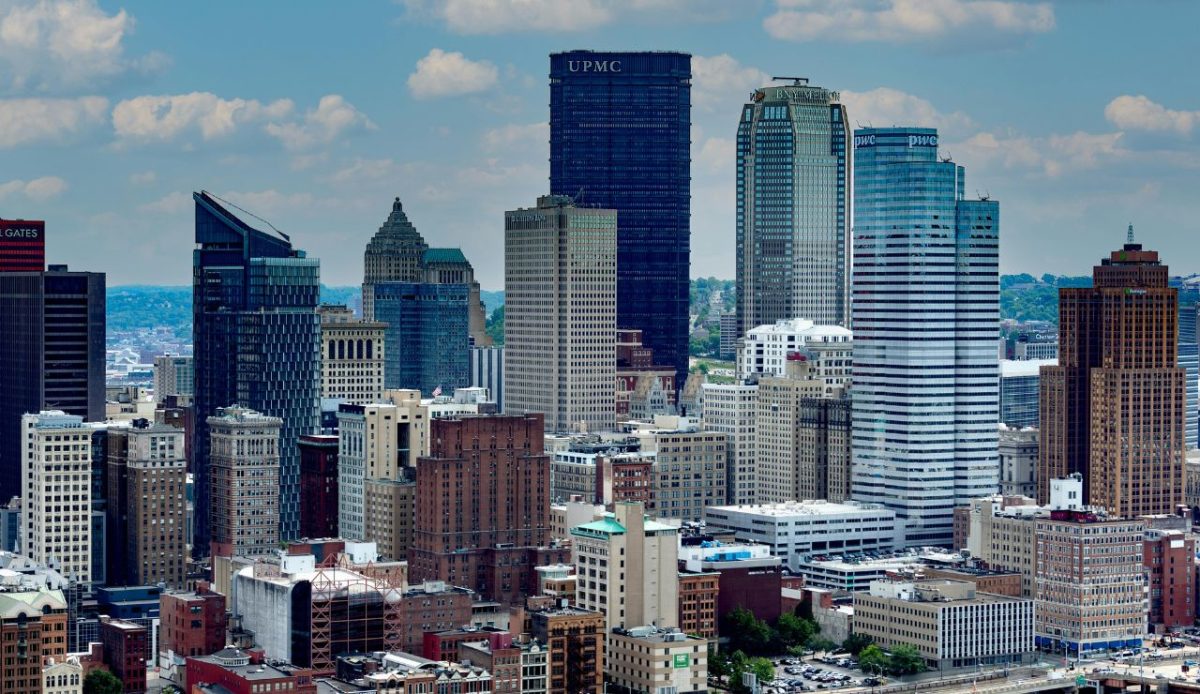
Pittsburgh has turned former industrial and vacant sites into thriving centers of innovation and green space. The city’s once-empty riverfront lots now host tech startups, parks, and bike trails that connect neighborhoods. Areas like Hazelwood Green and the Strip District showcase how sustainability and smart design can work together. With glassy new buildings and community-focused projects, Pittsburgh continues to reinvent itself as a model for post-industrial urban transformation.
6. Kansas City, Missouri
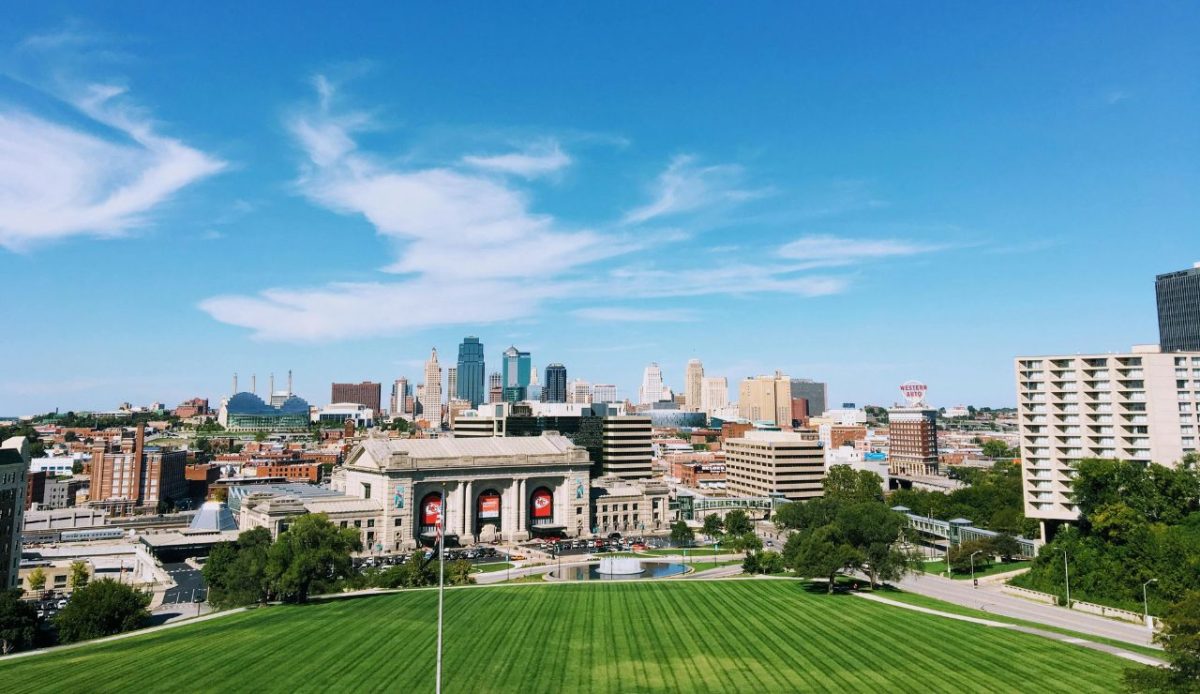
Kansas City’s downtown evolution is driven by creativity and adaptive reuse. Empty parking lots and old warehouses are being transformed into art galleries, housing, and entertainment spaces. Projects like the Power & Light District have redefined what downtown living looks like. New green plazas and murals add color to once-ignored corners. Through thoughtful design and community input, Kansas City is reshaping its skyline while keeping its Midwestern charm intact.
7. Buffalo, New York
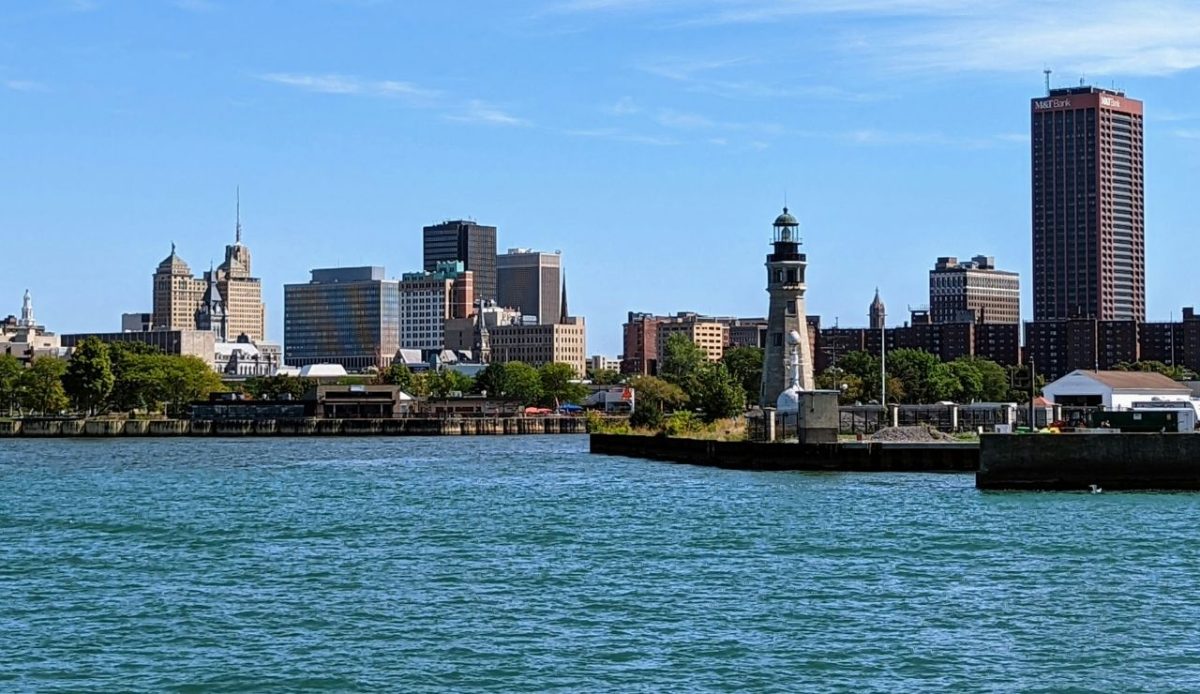
Buffalo’s downtown is booming thanks to revitalization efforts that have turned vacant lots into vibrant destinations. Areas once lined with abandoned buildings now feature open-air markets, mixed-use developments, and waterfront attractions along Canalside. Public art and seasonal events bring people back to the city center, creating energy and pride. Buffalo’s transformation shows how strategic urban renewal can celebrate history while paving the way for future growth.
8. Atlanta, Georgia
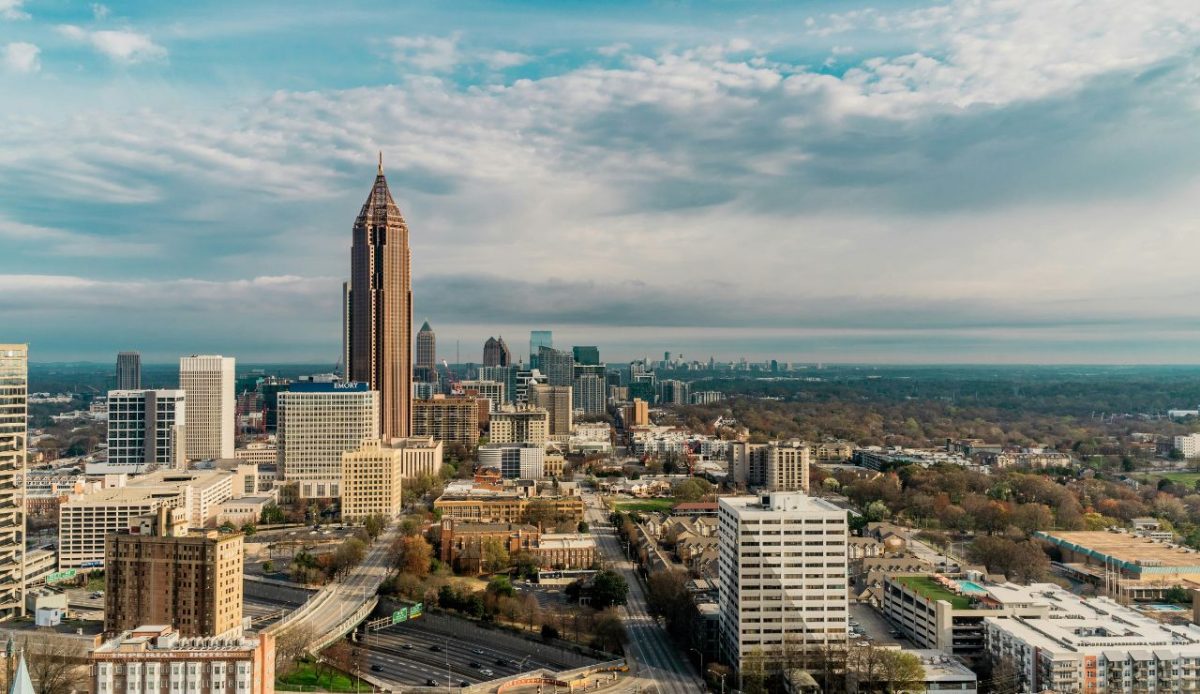
Atlanta is filling its downtown gaps with innovation and greenery. Vacant spaces have been repurposed into food halls, community plazas, and sleek residential towers. The Atlanta BeltLine project connects neighborhoods once divided by unused land, turning them into thriving corridors of activity. With more urban gardens and rooftop spaces appearing each year, the city’s skyline continues to evolve, reflecting both its southern roots and its modern, forward-thinking vision.
