
At some U.S. hubs, the toughest part of a trip starts after TSA. Central checkpoints feed into long corridors, and gate areas may sit far beyond trains, tunnels, or connector bridges.
One recent benchmark ranked large airports by the average walk time from security to the farthest departure gate, using TripIt’s interactive airport maps for measured routes. The eight airports below come from the longest end of that ranking.
These minutes assume a steady pace and clear paths. Add time for restroom stops, food lines, and boarding groups, especially when a late gate change sends you to the far end of a concourse during peak banks and weather delays.
1. Salt Lake City International Airport
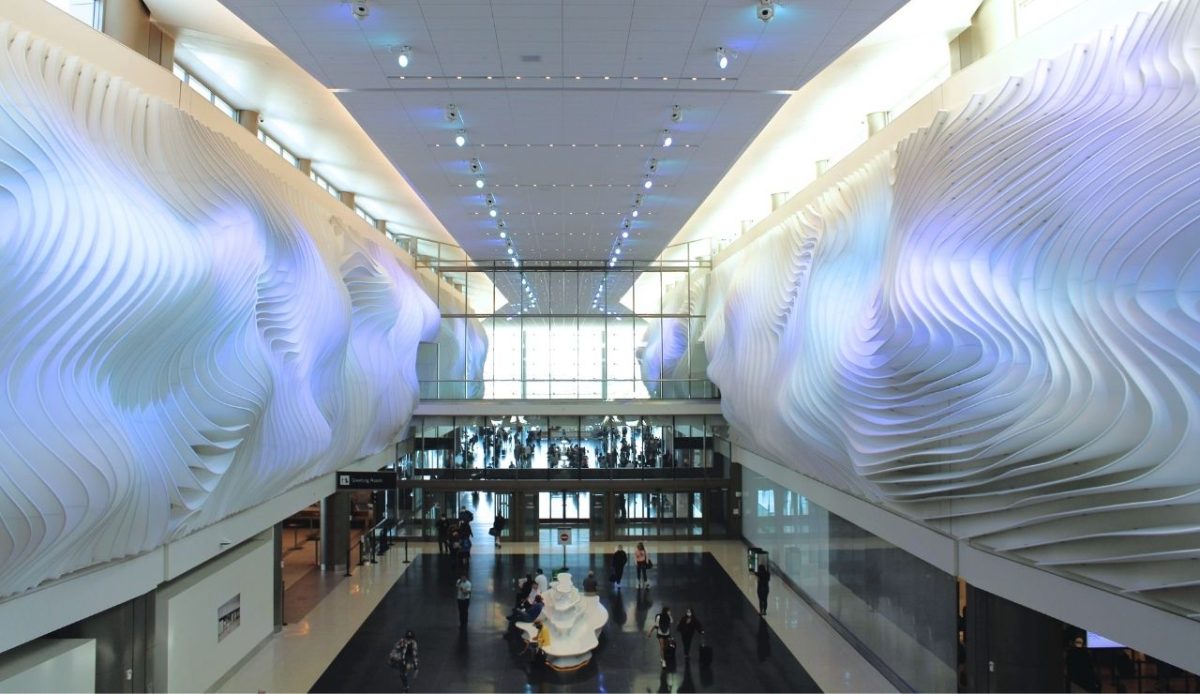
Salt Lake City International stands out for post-screening distance. The benchmark estimates a 19-minute walk from the TSA checkpoint to the farthest departure gate.
The design routes many passengers through a long connector to reach the B concourse. Travelators help, yet foot traffic often slows near pinch points, and a carry-on can make passing hard. Winter storms can also trigger gate swaps that push you farther.
If you have a short layover, aim for the closer checkpoint when options exist and consider requesting wheelchair support in advance. For most travelers, adding ten extra minutes reduces missed boarding and lowers stress on families.
2. Charlotte Douglas International Airport
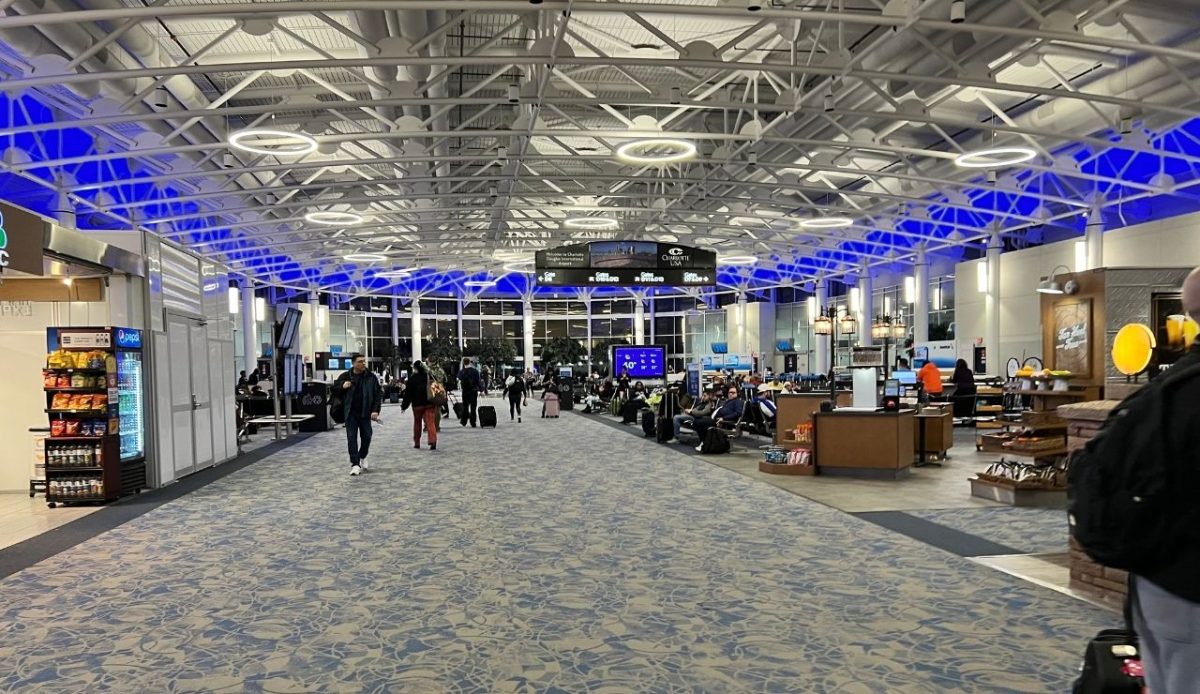
Charlotte Douglas International ties near the top for long walks. The benchmark lists an 18-minute walk from security to the farthest departure gate.
CLT is a major connecting hub, so gate assignments can shift quickly as aircraft rotate. Long, linear concourses mean you may cover substantial ground even without changing terminals. Added seating in Concourse A reflects how often passengers reach distant gates.
Build in time for the distance plus crowded corridors during banked departures. If you must stop for food, do it after you confirm the gate, since a last-minute change can add a long backtrack for families with strollers.
3. Washington Dulles International Airport
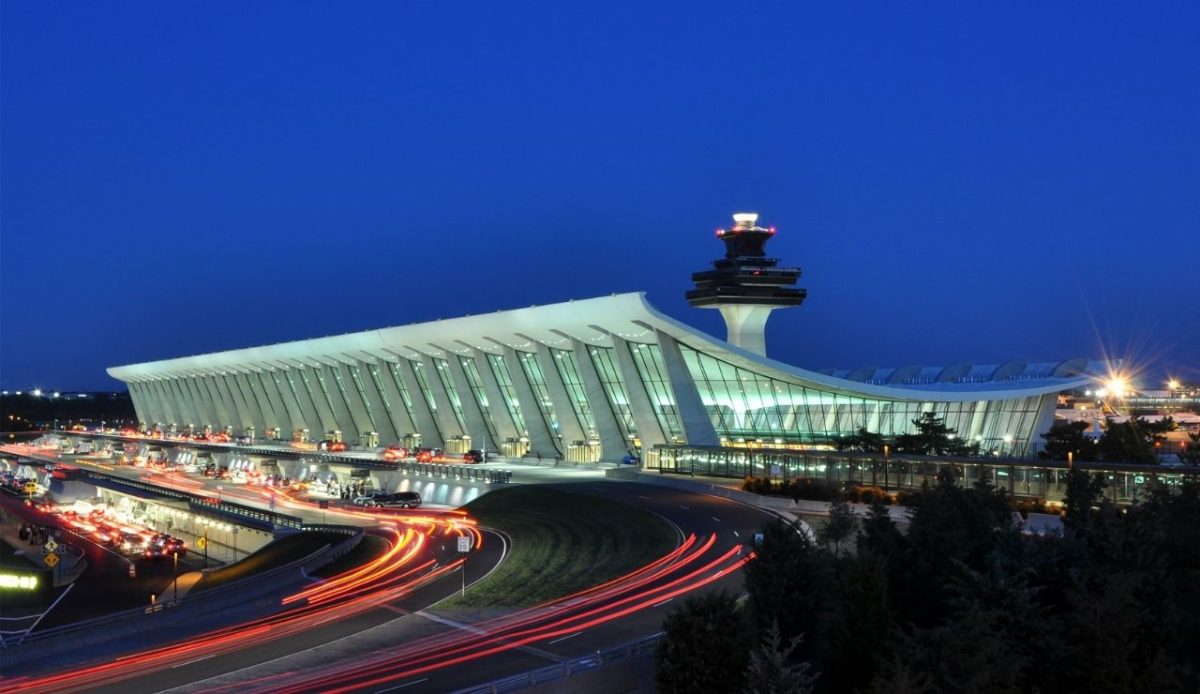
Washington Dulles International also posts an 18-minute walk from security to the farthest gate in the same ranking.
Dulles pairs a main terminal screening area with midfield concourses. AeroTrain rides handle part of the trip, but the time figure reflects the walking that remains after you exit the platform and head to the end gates. Mobile lounges are still used at times, which can change where you start walking.
For early morning flights, roadway traffic can be heavy, and the long airside walk adds another clock to manage. Check your gate after security and again after the train, and request assistance early if you need it.
4. Pittsburgh International Airport
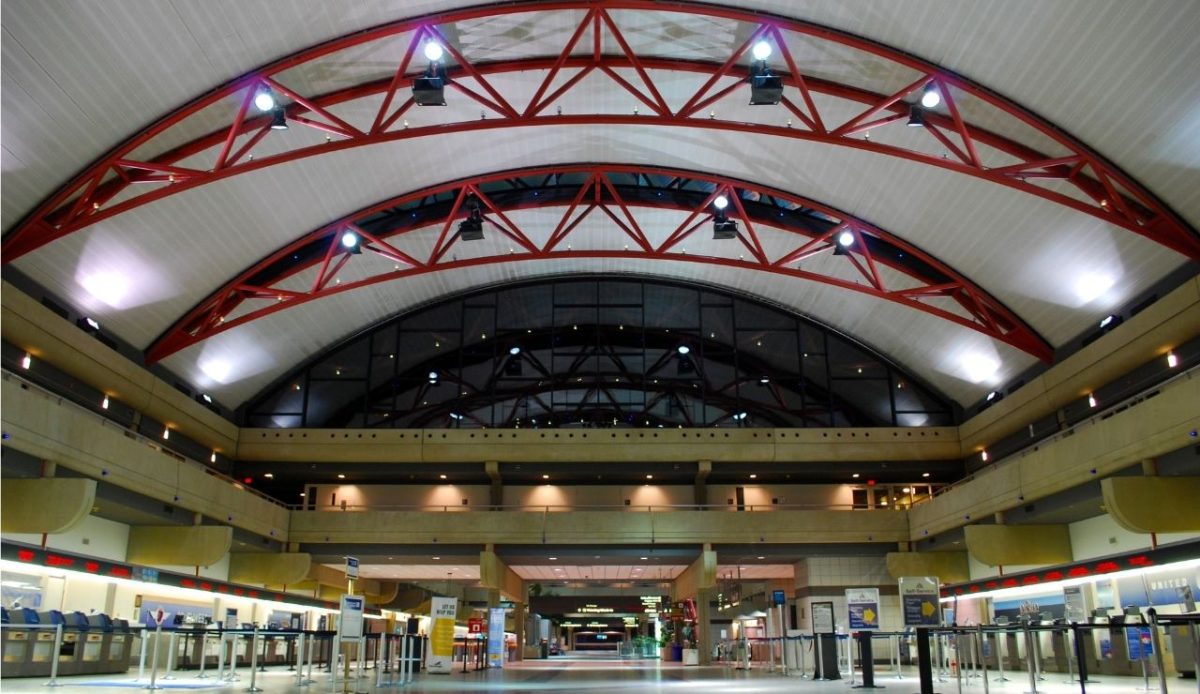
Pittsburgh International is smaller than many hubs, yet the benchmark still assigns an 18-minute walk from security to the farthest gate.
The airport uses a landside terminal for ticketing and screening, then an airside complex reached by an underground train. After the ride, some gates sit deep along the concourses, so the walk time adds up. During busy periods, escalators and passenger flow near the station can slow progress.
PIT publishes current TSA wait times, which lets travelers judge whether the walk or the line poses the greater delay. If your gate is far, head there first before shopping or dining.
5. Minneapolis Saint Paul International Airport
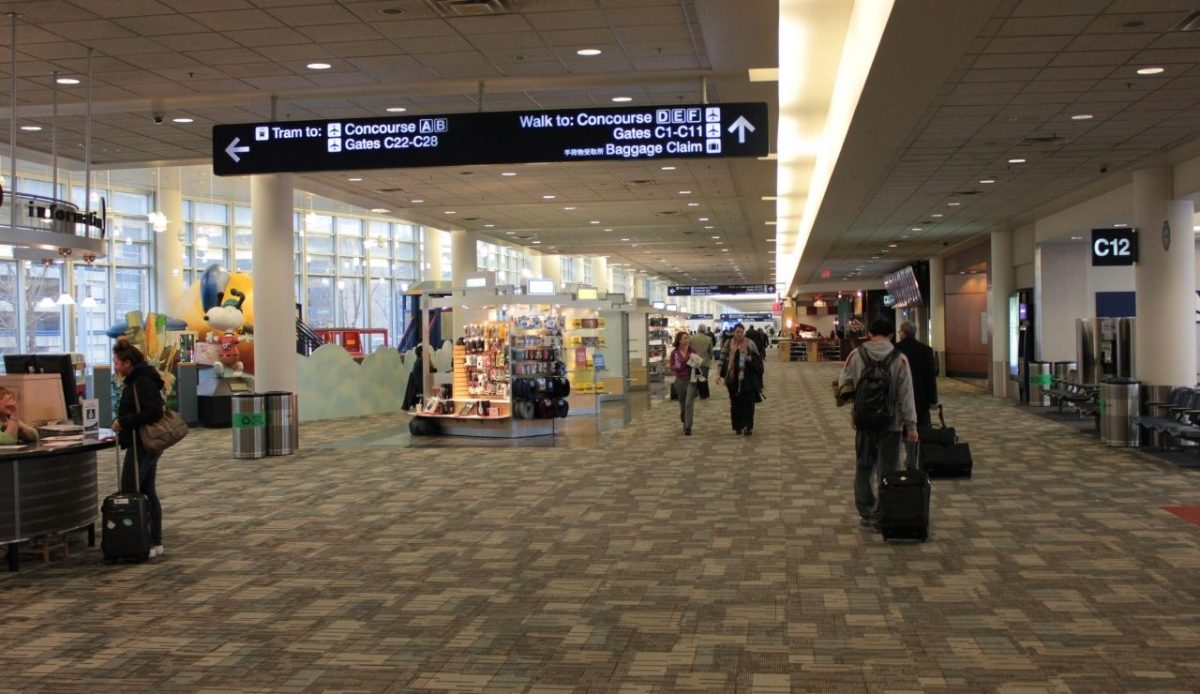
Minneapolis Saint Paul International reaches a 16-minute walk from security to the farthest gate in the comparison.
MSP handles heavy connecting traffic, which spreads departures across extended concourses. The walk can lengthen when passengers navigate food lines and restroom queues near busy intersections. Even small detours can push travelers close to boarding cutoffs.
Winter travel adds another layer, since bulky coats and boots reduce walking speed. After clearing TSA, confirm your gate location and proceed directly toward your concourse before stopping for amenities.
6. Daniel K Inouye International Airport
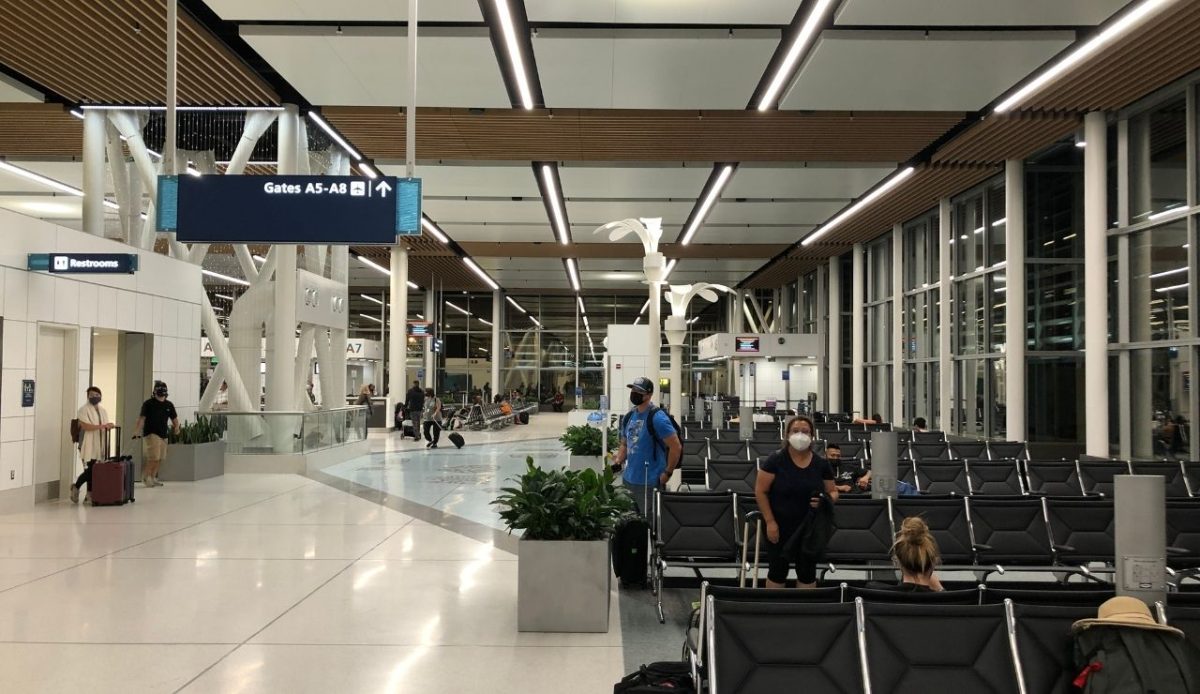
Daniel K Inouye International Airport in Honolulu posts a 14-minute walk from security to the farthest departure gate in the ranking.
HNL spans multiple terminal sections with connector corridors. Depending on checkpoint location, passengers may cover significant ground before reaching remote gates. The estimate reflects continuous walking without extended pauses.
Families carrying beach gear or traveling in larger groups often move more slowly through junction areas. Planning a direct route and limiting unnecessary stops can prevent last-minute rushing.
7. Denver International Airport
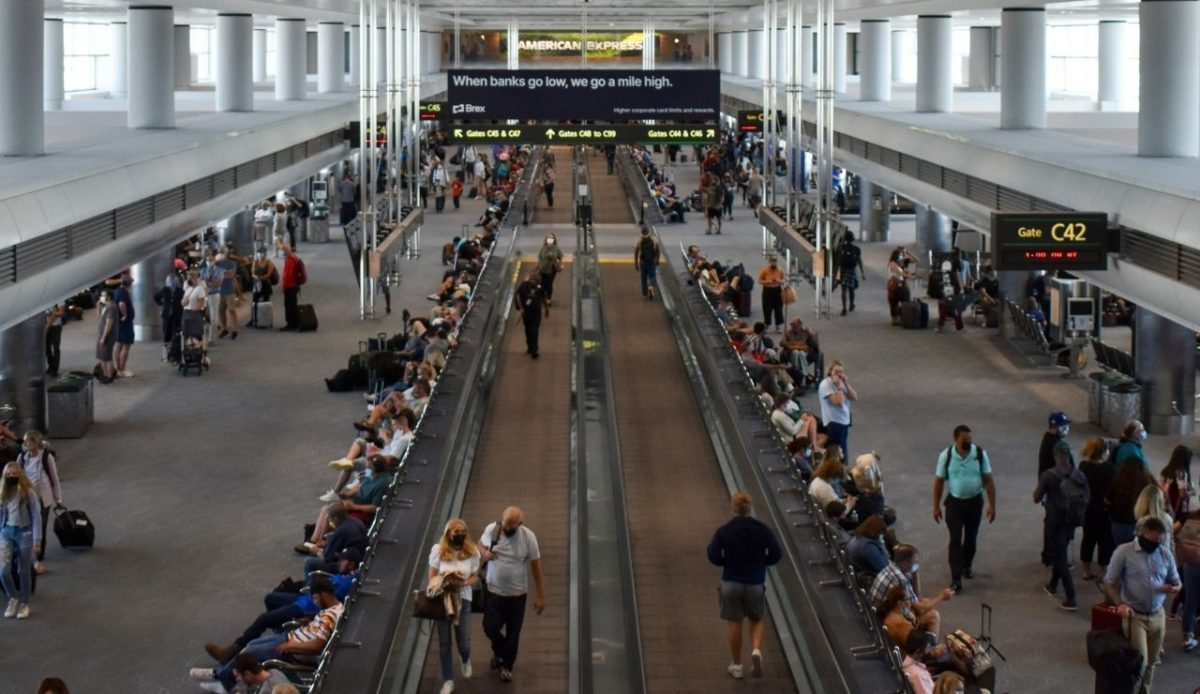
Denver International is listed at 14 minutes from security to the farthest gate in the same measurement set.
After screening, passengers board an underground train to reach concourses A, B, or C. The walk continues once riders exit at their station, particularly toward the end gates in Concourse B. The airport’s wide footprint contributes to longer airside movement.
Treat the train ride and corridor distance as one combined transfer. If boarding begins soon, prioritize reaching your gate before exploring central retail areas.
8. LaGuardia Airport
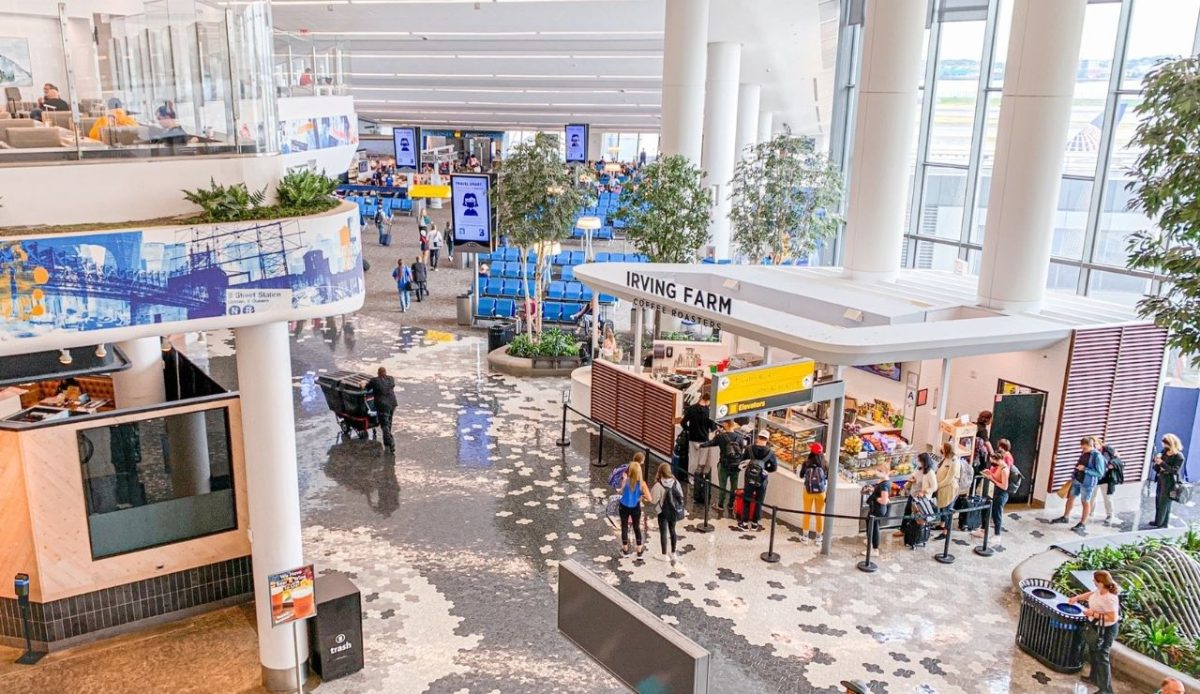
LaGuardia comes in at a 14-minute walk from security to the farthest gate on the benchmark list.
Recent redevelopment expanded concourse layouts and centralized screening, which improved passenger flow but increased the distance to some departure areas. Gates positioned deep within new terminals require steady movement through extended corridors.
External traffic often receives blame for delays, yet internal distance plays a measurable role. Checking monitors immediately after security and heading directly to your assigned gate helps manage time effectively.
