
Across Indonesia, ancient kingdoms, coral reefs, and mountain villages reveal traditions that reach far beyond any single island. From the volcanic heart of Java to the distant shores of Papua, the country’s heritage combines faith, art, and the natural world in unique ways. Temples rise from misty valleys, underwater gardens shimmer in clear water, and highland communities maintain customs passed down through generations. Travelers who visit these destinations see how daily life continues to reflect history, environment, and human connection across this vast island nation. The following places highlight some of Indonesia’s most remarkable sites and cultural treasures that show its depth beyond Bali.
1. Borobudur Temple Compounds, Central Java
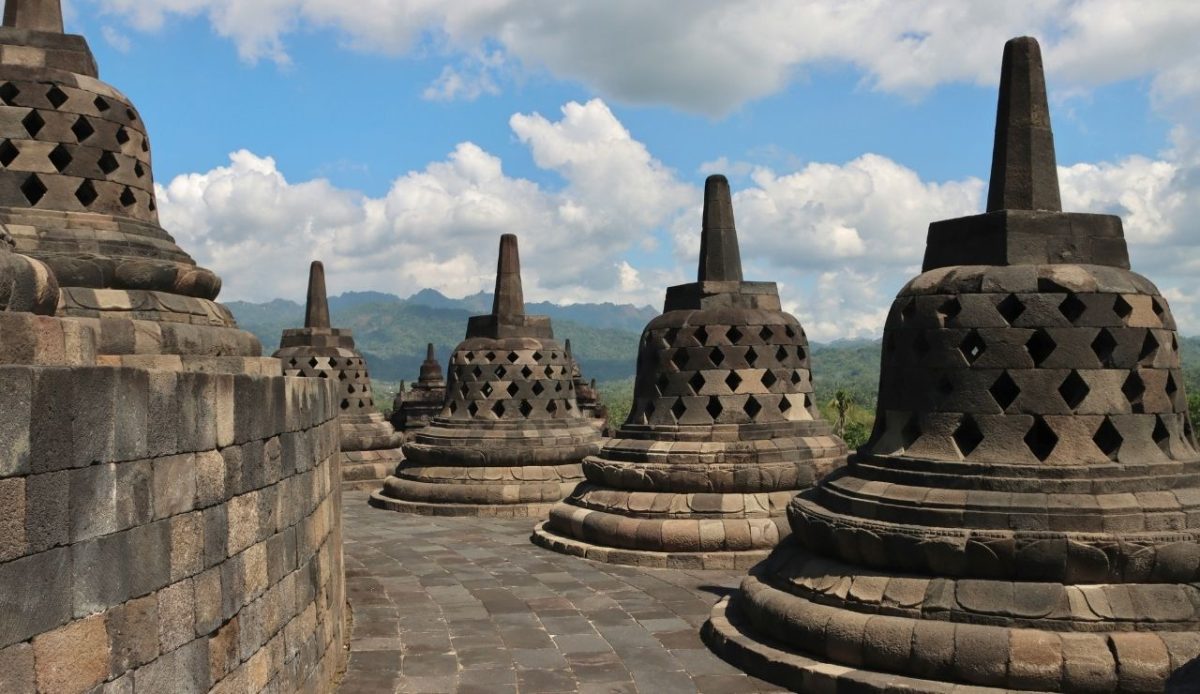
The Borobudur Temple Compounds in Central Java remain one of the world’s largest Buddhist monuments. Built during the 8th and 9th centuries, its layered terraces represent stages of spiritual progress carved in stone. Over 2,600 relief panels illustrate scenes from Buddha’s teachings, while bell-shaped stupas crown the upper levels. Surrounded by volcanic peaks and morning mist, Borobudur offers a meditative beauty that appeals to history lovers and photographers alike. Climbing its steps feels like tracing centuries of devotion preserved in the heart of Java.
2. Prambanan Temple Compounds, Central Java
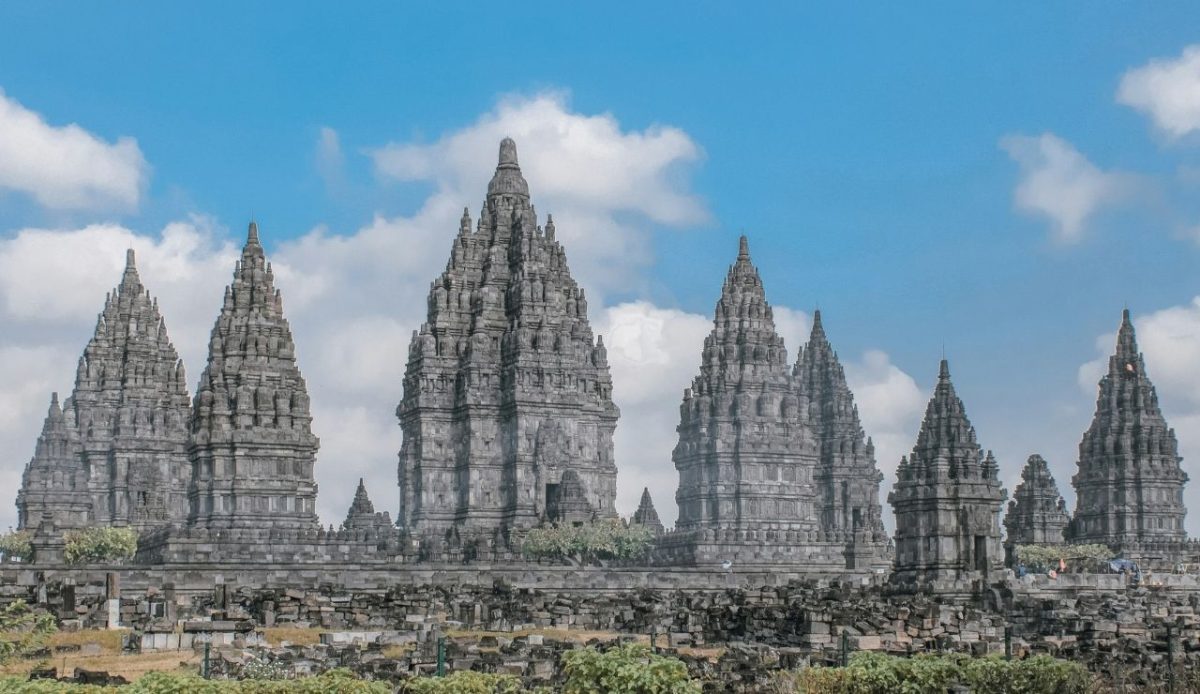
Prambanan, located near Yogyakarta, is Indonesia’s grandest Hindu temple complex and honors Brahma, Vishnu, and Shiva. Dating to the 9th century, its slender stone towers rise above the plains, covered with carvings from the Ramayana epic. Evening performances of the Ramayana Ballet bring the site’s mythology to life beneath soft lights. Visitors often pair it with Borobudur for a complete view of Java’s spiritual legacy. Restoration projects continue to protect its artistry from earthquakes and time, keeping Prambanan a living symbol of faith and resilience.
3. Komodo National Park, East Nusa Tenggara
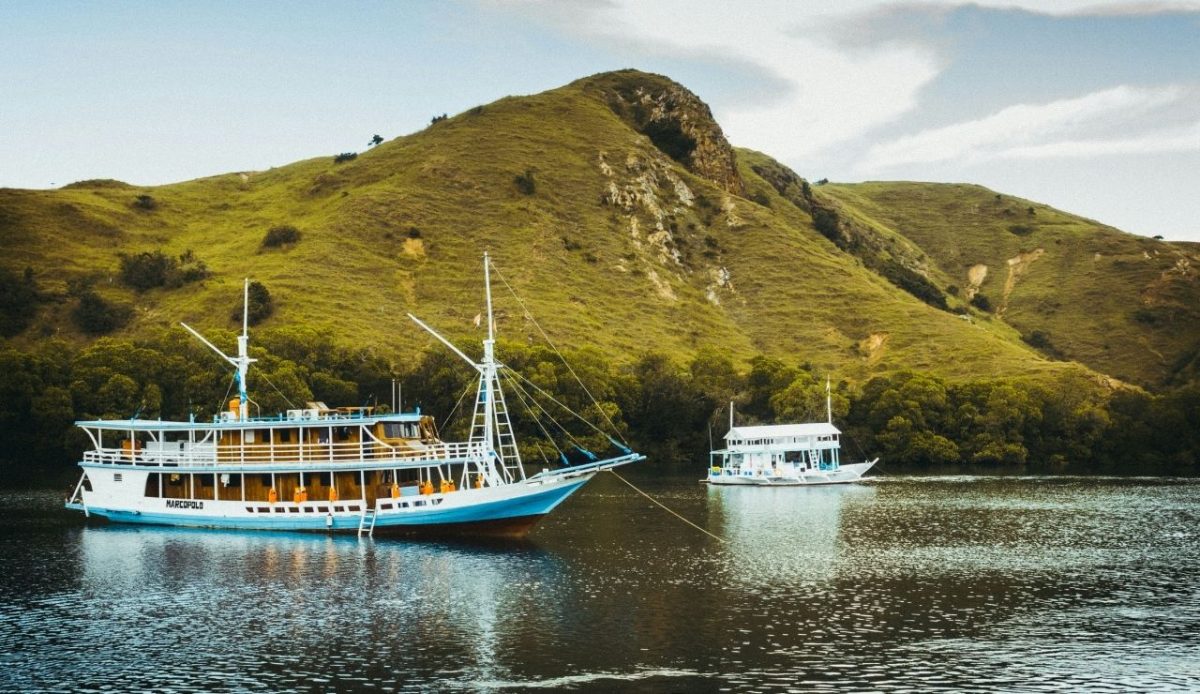
Komodo National Park spans volcanic islands covered with rugged hills and coral reefs alive with marine life. It is the last natural home of the Komodo dragon, the world’s largest lizard. Rangers guide visitors along trails that reveal these ancient reptiles in their wild habitat while explaining conservation measures that protect them. Snorkelers and divers explore coral gardens filled with rays, sea turtles, and bright fish. Accessible by boat from Labuan Bajo, the park blends raw beauty with careful management that allows wildlife and tourism to exist side by side.
4. Ujung Kulon National Park, Banten
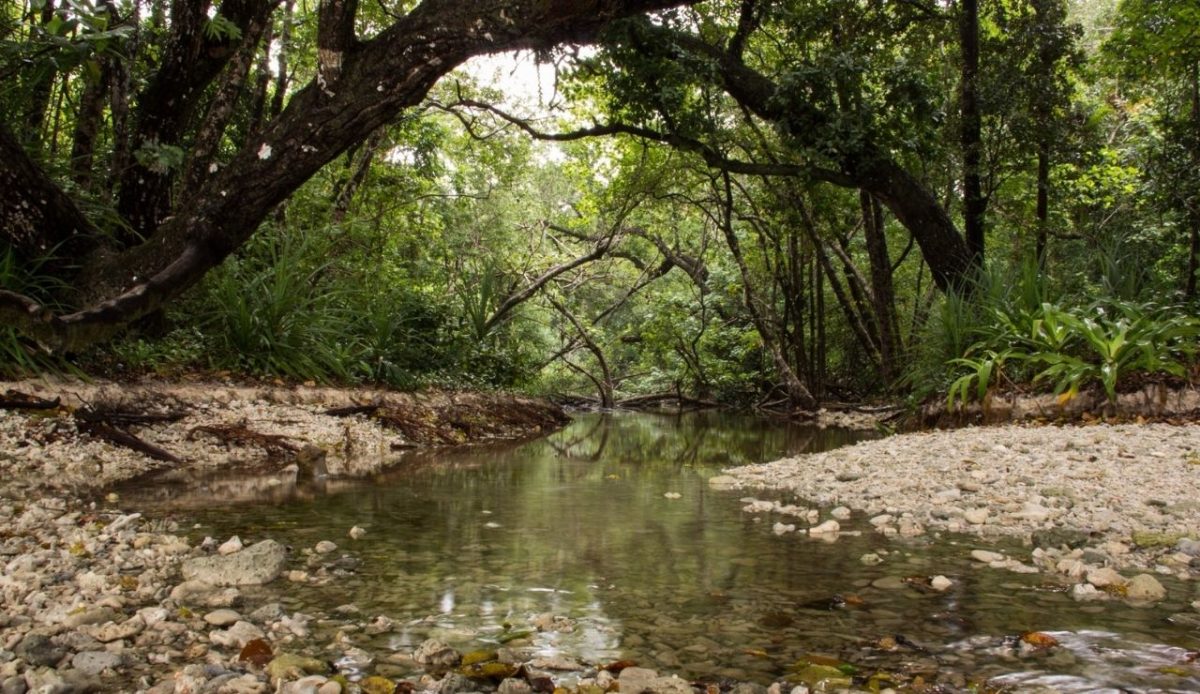
At Java’s western edge, Ujung Kulon National Park safeguards the rare Javan rhinoceros and one of Southeast Asia’s few remaining lowland rainforests. Its beaches, mangroves, and offshore islands were formed after Krakatoa’s eruption in 1883 reshaped the land. Boats from Carita or Labuan carry visitors to Peucang Island, where calm seas invite swimming and snorkeling among coral shallows. Guided treks through dense forest highlight hornbills, deer, and traces of rhinos rarely seen by the public. The park’s remote setting keeps its environment almost unchanged.
5. Lorentz National Park, Papua
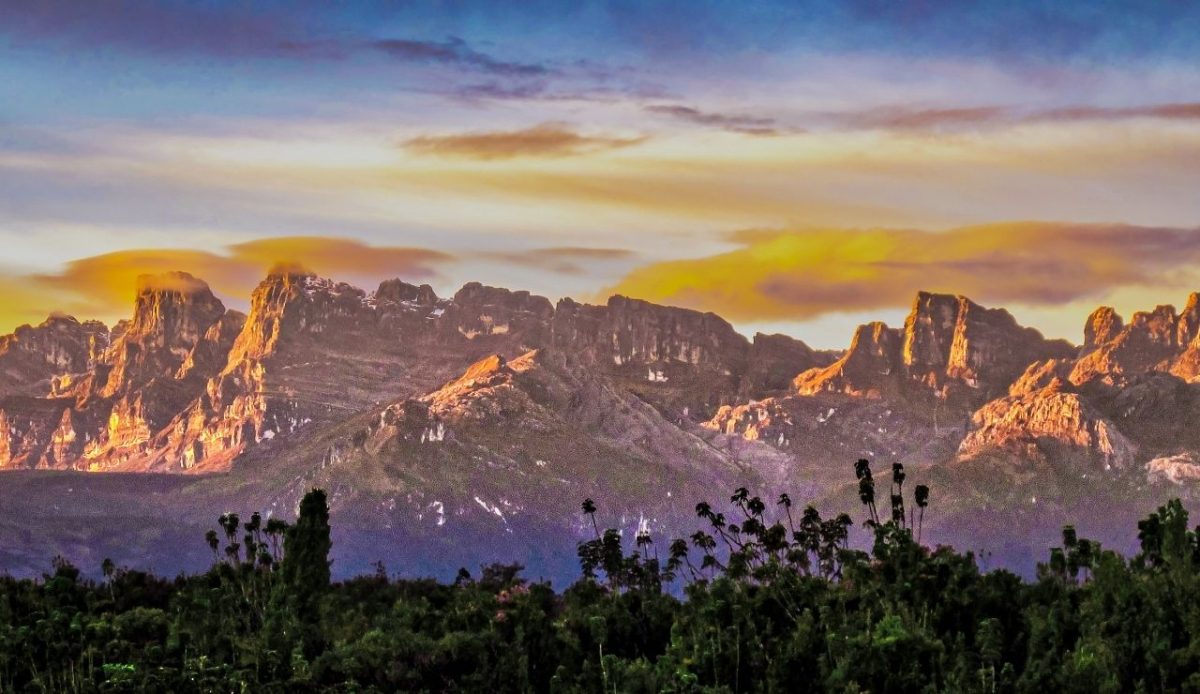
Lorentz National Park covers a vast range of ecosystems, from tropical mangroves to icy peaks surrounding Puncak Jaya. It is the only protected area in the world that extends from sea level to a permanent glacier. Within its boundaries live birds of paradise, tree kangaroos, and rare orchids, as well as Indigenous communities who maintain traditional ways of life. Access requires planning and local guides, but those who visit witness a wilderness that remains almost untouched. Lorentz stands as one of Indonesia’s greatest natural frontiers.
6. Raja Ampat Islands, Southwest Papua
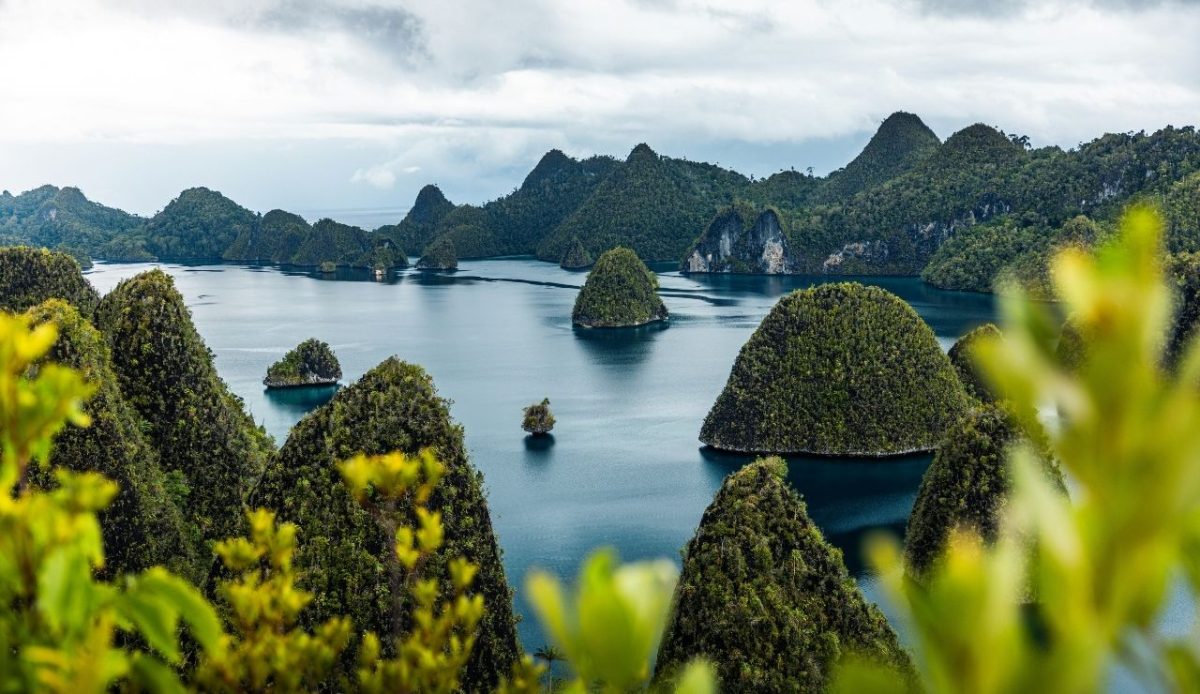
Raja Ampat is known worldwide for its crystal-clear waters and unmatched coral diversity. Over a thousand reef fish species thrive here, alongside manta rays and sea turtles. Towering limestone cliffs rise from turquoise lagoons, creating a setting ideal for diving and kayaking. Local villages host eco-lodges that support marine conservation while sharing Papuan traditions. Island-hopping among Misool, Wayag, and Arborek reveals hidden coves and breathtaking viewpoints. Raja Ampat shows how community-led tourism can protect fragile marine environments while providing meaningful travel experiences.
7. Wakatobi National Park, Southeast Sulawesi
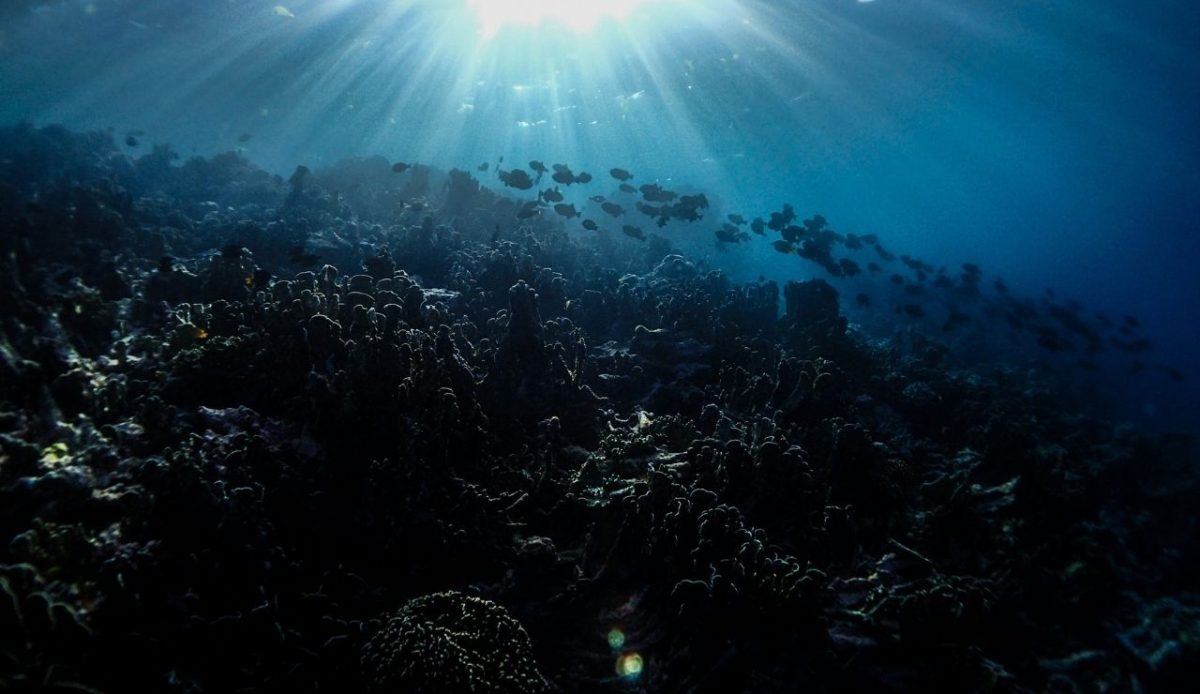
Wakatobi National Park spans four islands surrounded by coral reefs that remain among the healthiest in the world. Divers explore steep walls, caves, and lagoons filled with bright sea life, while local Bajau communities continue traditions of living above water in stilted homes. Marine research centers here collaborate with residents to preserve the reefs through sustainable tourism. Calm beaches, gentle winds, and clear seas make Wakatobi both relaxing and educational, giving travelers insight into how people and the ocean coexist in balance.
8. Tana Toraja, South Sulawesi
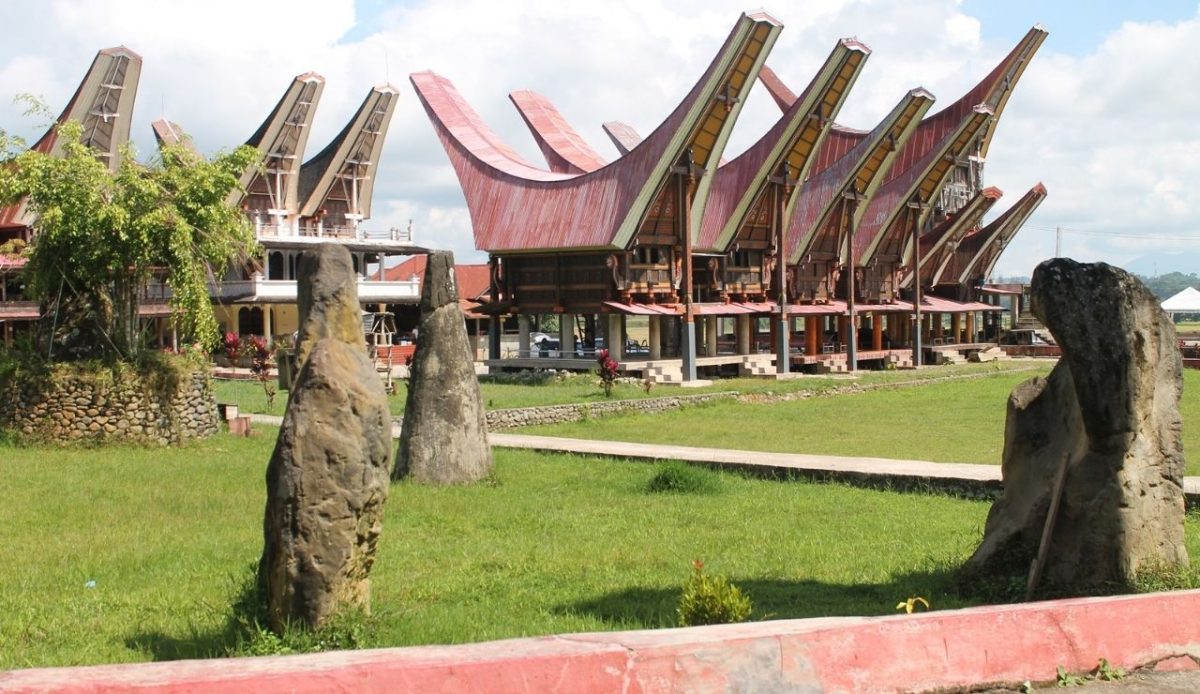
Tana Toraja’s mountain villages preserve distinctive architecture and spiritual customs that fascinate cultural travelers. The curved-roof tongkonan houses line terraced valleys, while ancestral rituals emphasize respect and continuity. Visitors can attend traditional ceremonies, visit wood-carving markets, or hike to scenic lookouts over rice terraces. Local guides explain Toraja beliefs about life and death, offering context for their elaborate funeral practices. The region remains one of Indonesia’s most memorable destinations for its authenticity and deep cultural meaning.
