
Costa Rica was once a tropical dream for American retirees and remote workers, with beaches, wildlife, and pura vida living. But beneath the postcard-perfect image, many expats are finding reality tougher than expected. Rising costs, complicated bureaucracy, and lifestyle challenges are prompting thousands to rethink their stay. What was once paradise now feels less attainable, as Americans seek new destinations that balance affordability, comfort, and long-term stability. Here’s why many are packing up and heading elsewhere.
1. Rising Cost of Living

Costa Rica’s affordability used to attract retirees and remote workers, but that appeal is quickly fading. Housing, groceries, and healthcare have all become significantly more expensive, with some cities now rivaling U.S. prices. Import taxes drive up costs for everything from cars to electronics, making everyday living far from budget-friendly. For many Americans on fixed incomes, the numbers just don’t add up anymore, pushing them to seek more affordable alternatives across Latin America.
2. Complicated Residency and Bureaucracy

While moving to Costa Rica sounds simple on paper, the reality of navigating its bureaucracy can be exhausting. Residency applications, legal paperwork, and renewals often involve long delays and unclear requirements. Many expats report frustration dealing with government offices and frequent policy changes. For those who hoped for an easy, stress-free relocation, the red tape has become a major reason to leave, especially when other countries offer smoother, more transparent immigration systems.
3. Healthcare Challenges for Expats

Costa Rica’s healthcare system is known for quality care, but it’s not always easy for foreigners to access. Private insurance premiums have surged, and the public system (Caja) often faces long wait times. Some retirees find themselves stuck between paying high out-of-pocket costs and waiting months for procedures. For Americans who moved seeking affordable healthcare, the gap between expectation and reality can be disheartening, prompting many to return home or relocate elsewhere in Central America.
4. Limited Job and Business Opportunities

Many expats dream of working remotely or starting small ventures, but Costa Rica’s economy doesn’t make that easy. Strict business laws, high import costs, and complex tax structures can overwhelm newcomers. Job opportunities for foreigners are limited, as local hiring laws favor citizens. Unless you have a solid remote job or investment income, sustaining a comfortable life can become difficult. For many, economic frustration overshadows the country’s natural beauty and laid-back charm.
5. Cultural Adjustment and Isolation

The pura vida lifestyle sounds idyllic, but cultural differences and language barriers can create feelings of isolation. Some Americans struggle to integrate with local communities or find the slower pace frustrating after years of fast-paced living. While many locals are friendly, relationships often take time to build. Over time, loneliness and cultural disconnect weigh heavily, leading expats to seek environments where communication, work culture, and social connections feel more familiar and accessible.
6. Infrastructure and Internet Limitations

Despite its progress, Costa Rica’s infrastructure still has gaps that frustrate digital nomads and retirees. Internet speeds can vary drastically outside major cities, and rural power outages are common. Roads in remote areas remain rough, making travel time-consuming. For those relying on consistent online work or modern conveniences, these inconveniences quickly add up. The lack of reliable infrastructure often pushes Americans toward countries like Mexico or Portugal, where technology and access are more dependable.
7. Growing Tourism Pressure
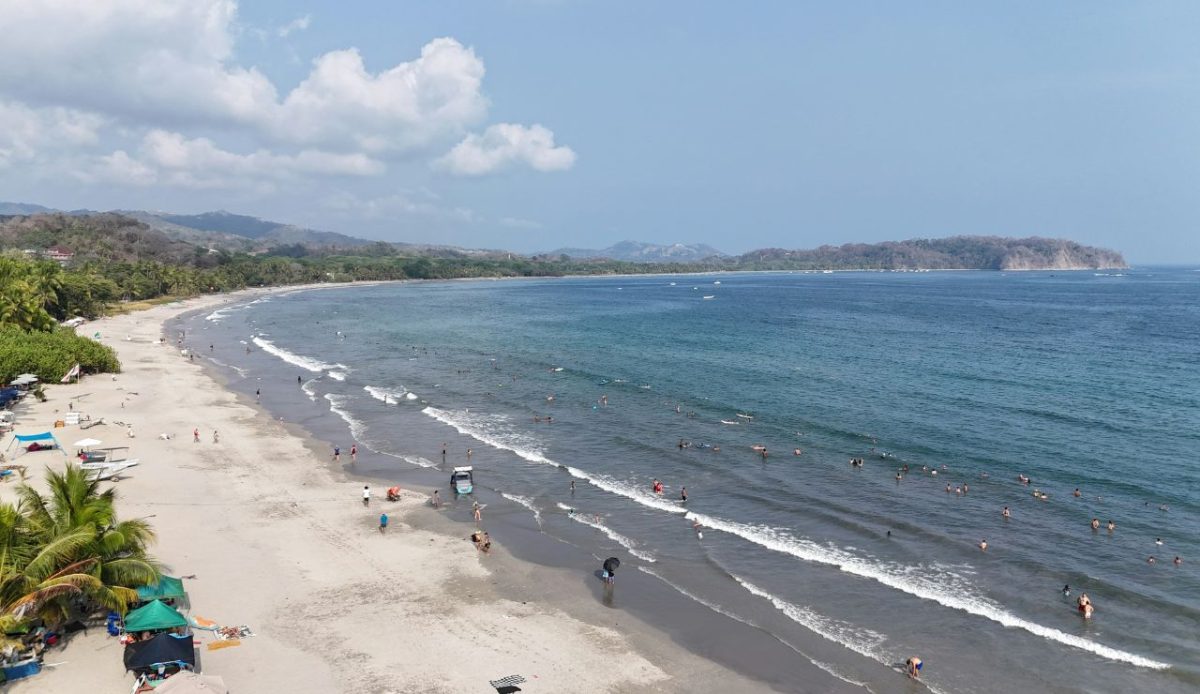
As tourism booms, once-quiet areas like Tamarindo and Nosara have become crowded and commercialized. While that’s good for the economy, it’s eroded the laid-back, peaceful vibe many Americans originally moved for. Rising demand has driven up housing costs and strained local resources. Some long-term expats now feel Costa Rica caters more to short-term visitors than residents. What was once paradise has turned into a busy resort scene, leading many to look for calmer alternatives.
8. Climate and Natural Challenges
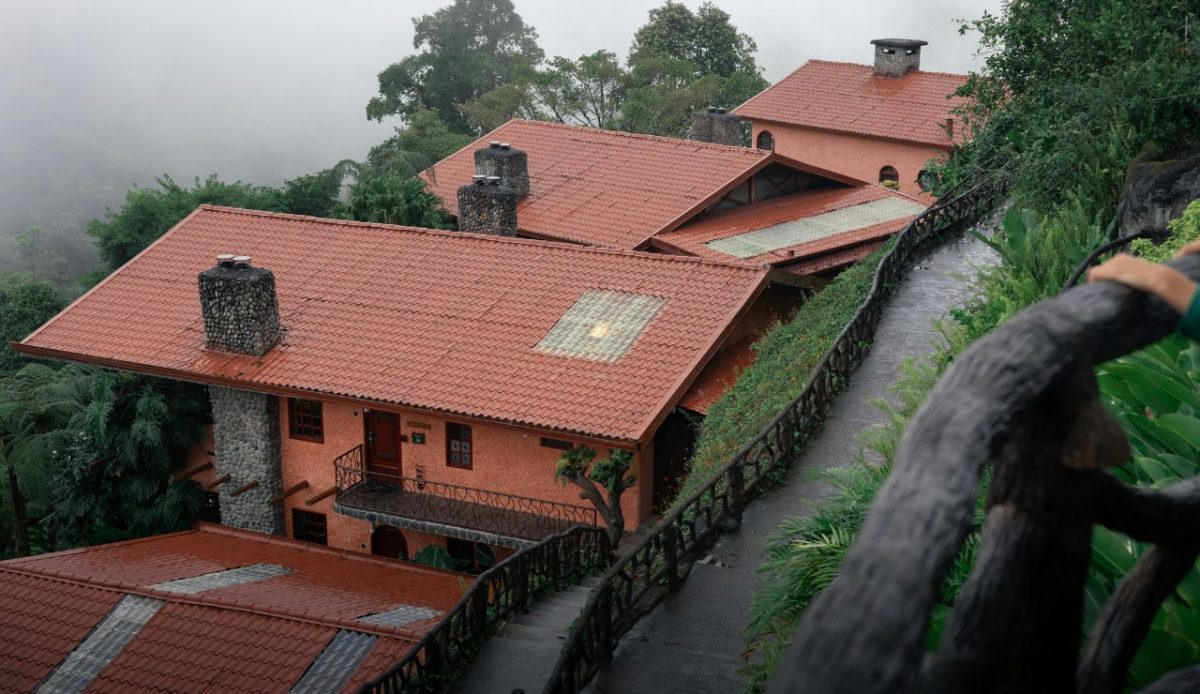
Tropical beauty comes with tropical problems. Increasingly unpredictable weather, heavy rains, and seasonal flooding affect many parts of Costa Rica. Humidity also takes a toll on homes, electronics, and health. For Americans unaccustomed to constant dampness or the high maintenance it requires, the novelty wears off fast. Add in occasional earthquakes and landslides, and the natural environment, though stunning, becomes a genuine challenge, pushing some expats to seek drier, steadier climates.
