
The East Coast’s boardwalks remain some of the most recognizable public spaces in American tourism. Built for both leisure and practicality, they link beaches with hotels, restaurants, and small businesses that have defined seaside life for over a century. Many have evolved through rebuilding, modernization, and regulation, but continue to deliver what visitors expect: the walkable access to the ocean, affordable entertainment, and food that connects to regional tradition. These boardwalks demonstrate how well-managed coastal spaces can balance nostalgia with modern convenience while keeping the focus on community, tourism, and everyday recreation.
1. Atlantic City Boardwalk, New Jersey
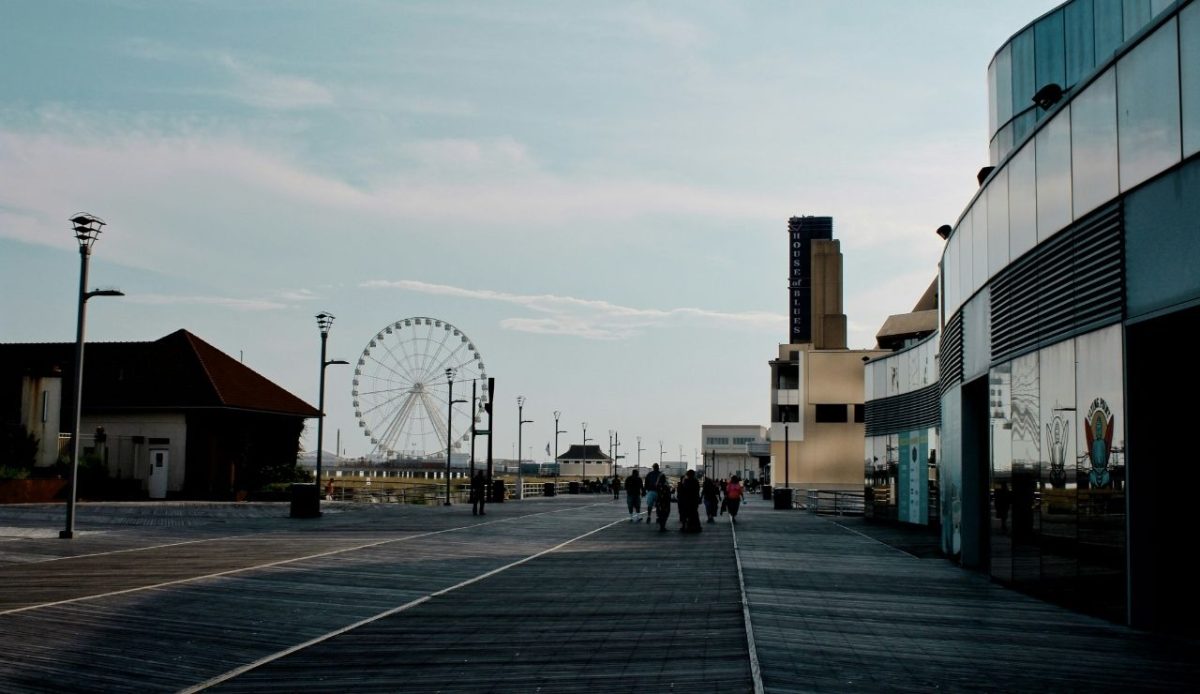
Built in 1870, Atlantic City’s boardwalk remains the first and longest in the United States. It spans roughly five and a half miles along the Atlantic Ocean, linking major hotels, casinos, and historic piers. Designed to protect hotels from sand, it quickly evolved into an entertainment center that defined the American seaside experience. Visitors can walk, bike, or take the traditional rolling chairs between stops like Steel Pier, the Hard Rock Hotel, and the Boardwalk Hall. Restoration work continues each year as heavy weather and ocean air wear the planks. Its long history, active nightlife, and mix of dining and shopping keep it one of the East Coast’s most recognized waterfront destinations.
2. Ocean City Boardwalk, Maryland
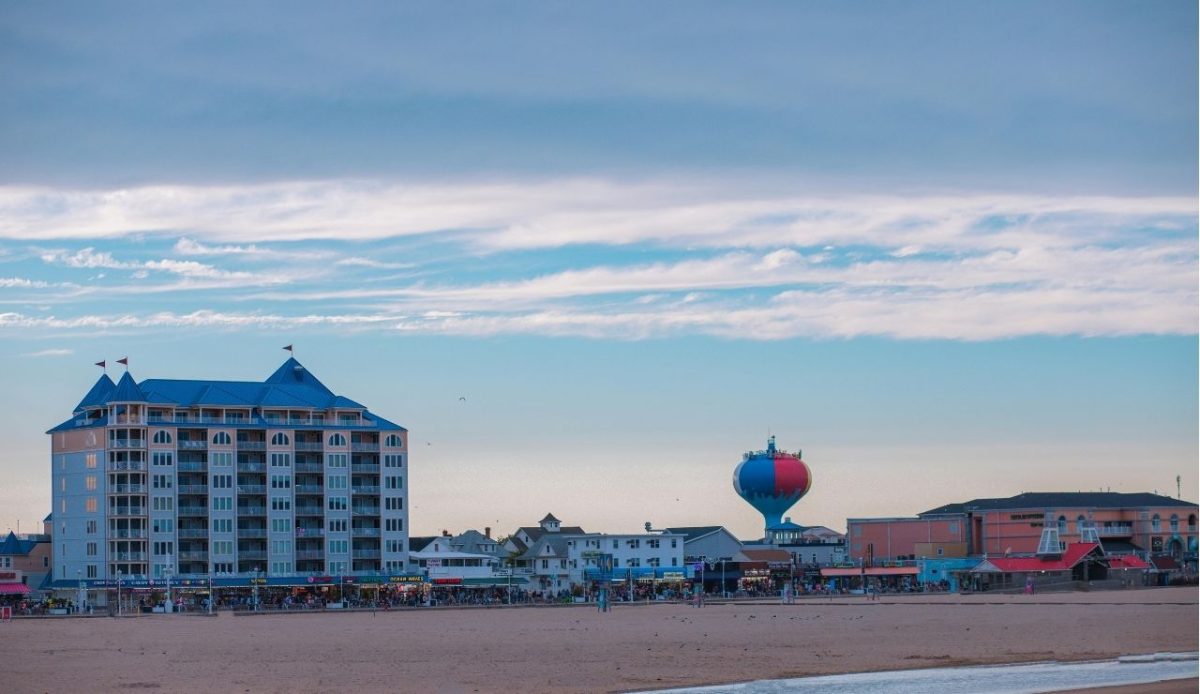
Ocean City’s three-mile boardwalk has been a central part of Maryland’s tourism industry for more than a century. The layout combines beach access, small amusement areas, and family-run food stands that have operated for generations. Fisher’s Popcorn, Thrasher’s French Fries, and Trimper Rides remain enduring fixtures. Visitors can walk, bike, or rent surrey bikes along the marked lanes while enjoying consistent ocean views. Maintenance and zoning keep the area safe, clean, and heavily patrolled during peak months. Seasonal festivals such as Sunfest and Springfest extend tourism beyond midsummer.
3. Coney Island Riegelmann Boardwalk, New York
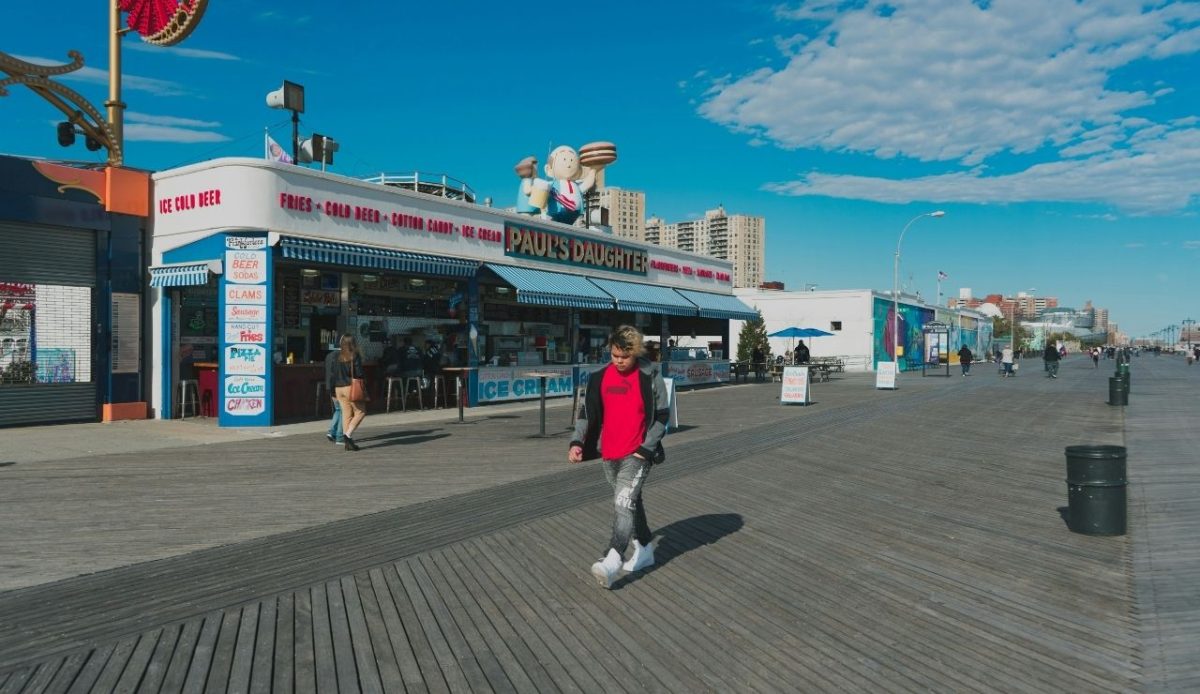
Completed in 1923, the Riegelmann Boardwalk remains one of New York’s most iconic public spaces. Its 2.7-mile stretch connects Brighton Beach to Coney Island’s amusement district, serving millions of visitors each summer. The boardwalk features Luna Park, Deno’s Wonder Wheel, and the Cyclone roller coaster, all protected as New York City landmarks. City maintenance keeps the chevron-patterned wood in usable condition despite constant traffic and coastal wear. The boardwalk’s accessibility via subway ensures steady footfall from residents and tourists alike. Food vendors such as Nathan’s Famous Hot Dogs and Totonno’s Pizza remain cultural fixtures.
4. Virginia Beach Boardwalk, Virginia
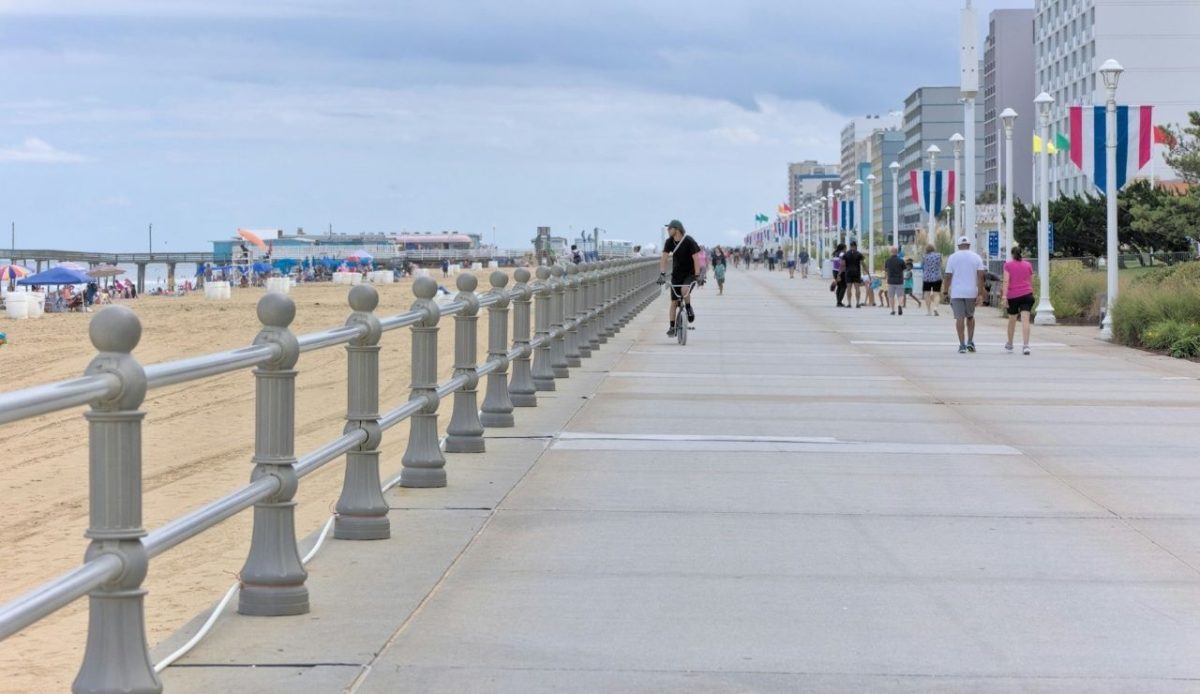
Virginia Beach’s oceanfront boardwalk extends for three miles between 2nd and 40th streets, lined with hotels, restaurants, and open stages. Unlike most northern boardwalks, it’s made of concrete and includes a 28-foot-wide parallel bike path, making it accessible for strollers, wheelchairs, and cyclists. Key landmarks include the 34-foot bronze King Neptune statue and several outdoor performance pavilions. Clean-up crews and security patrols maintain steady order, supporting year-round tourism. Local ordinances encourage outdoor dining and small markets along the promenade during warmer months. The boardwalk connects directly to the beach, allowing visitors to shift easily between the ocean and the commercial district.
5. Seaside Heights Boardwalk, New Jersey
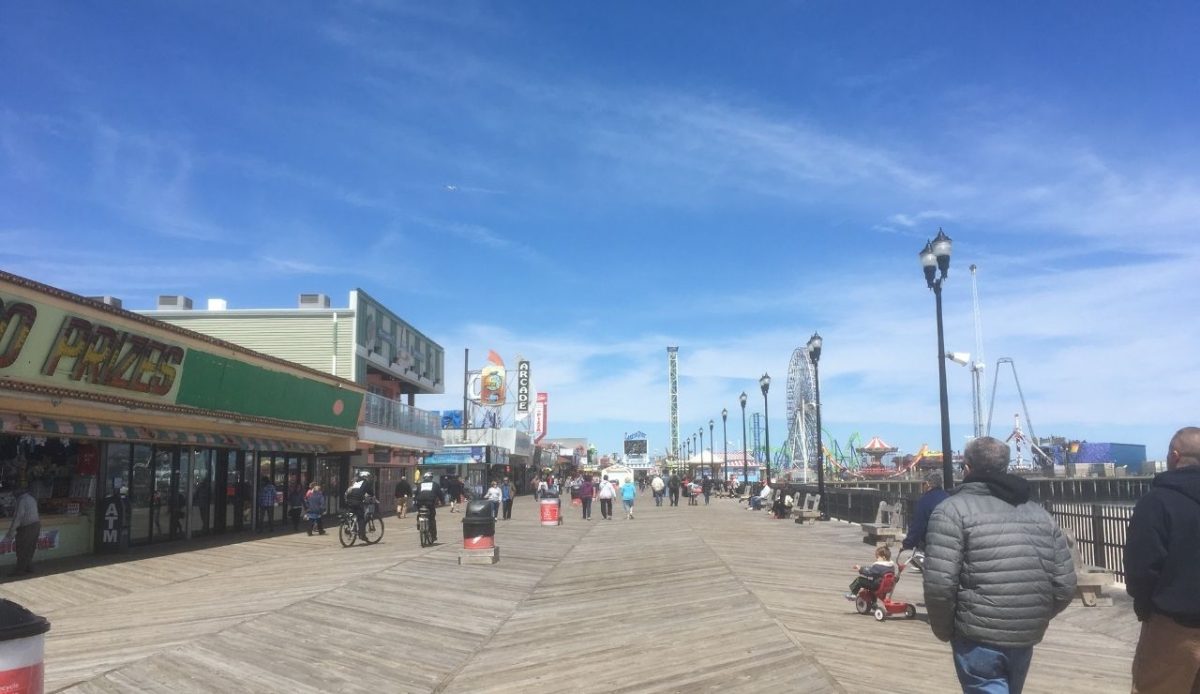
The Seaside Heights Boardwalk stretches about two miles along the Atlantic, offering the mix of energy and nostalgia New Jersey is known for. Casino Pier and Funtown Pier provide most of the entertainment, featuring roller coasters, arcade halls, and midway games. The beach access points are well marked, and lifeguards operate extended hours in peak season. The town continues to rebuild and upgrade after past storm damage, ensuring the boardwalk stays safe and functional. The area gained international recognition from its appearance on MTV’s “Jersey Shore,” but it continues to maintain family attractions alongside its nightlife options.
6. Rehoboth Beach Boardwalk, Delaware
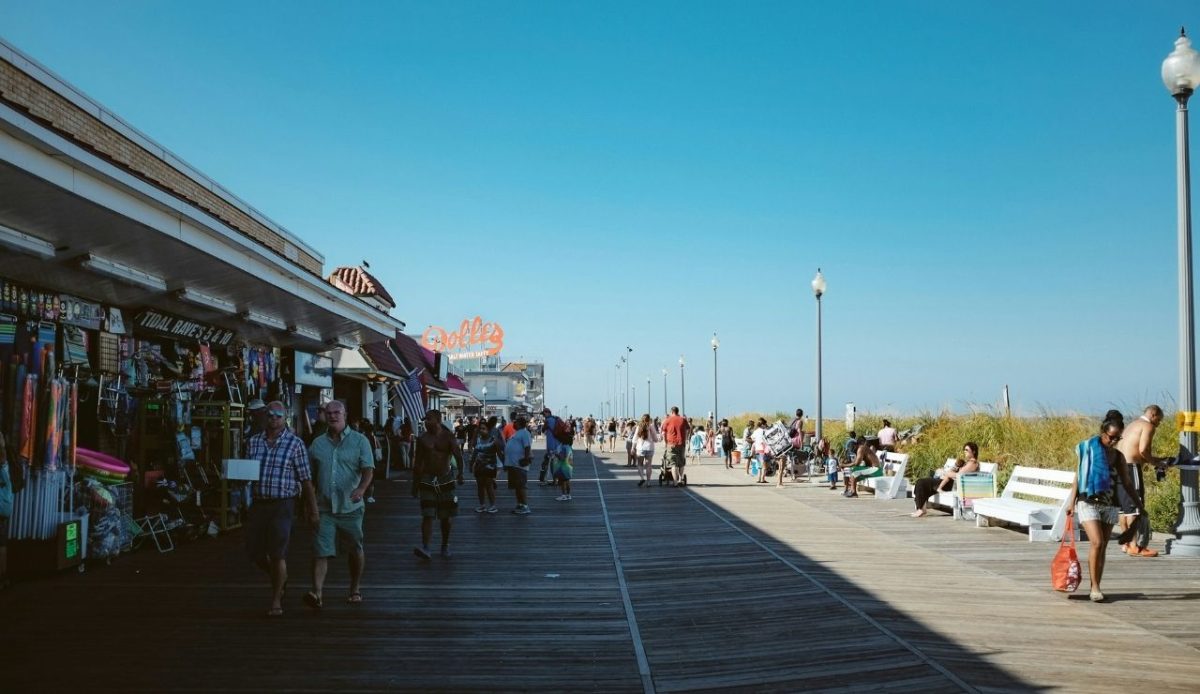
Rehoboth Beach has preserved its one-mile boardwalk with careful attention to accessibility and upkeep. The wooden walkway, rebuilt several times after coastal storms, now meets modern safety standards while keeping its classic seaside feel. Benches, small gardens, and shaded areas provide comfortable resting spots, and wide lanes help manage summer crowds. The boardwalk is known for Grotto Pizza, Dolle’s Salt Water Taffy, and local souvenir shops that have served families for generations. Concerts at the nearby bandstand and art festivals add to its community atmosphere. The absence of large-scale amusement rides keeps noise low and walking easier.
7. Myrtle Beach Boardwalk, South Carolina
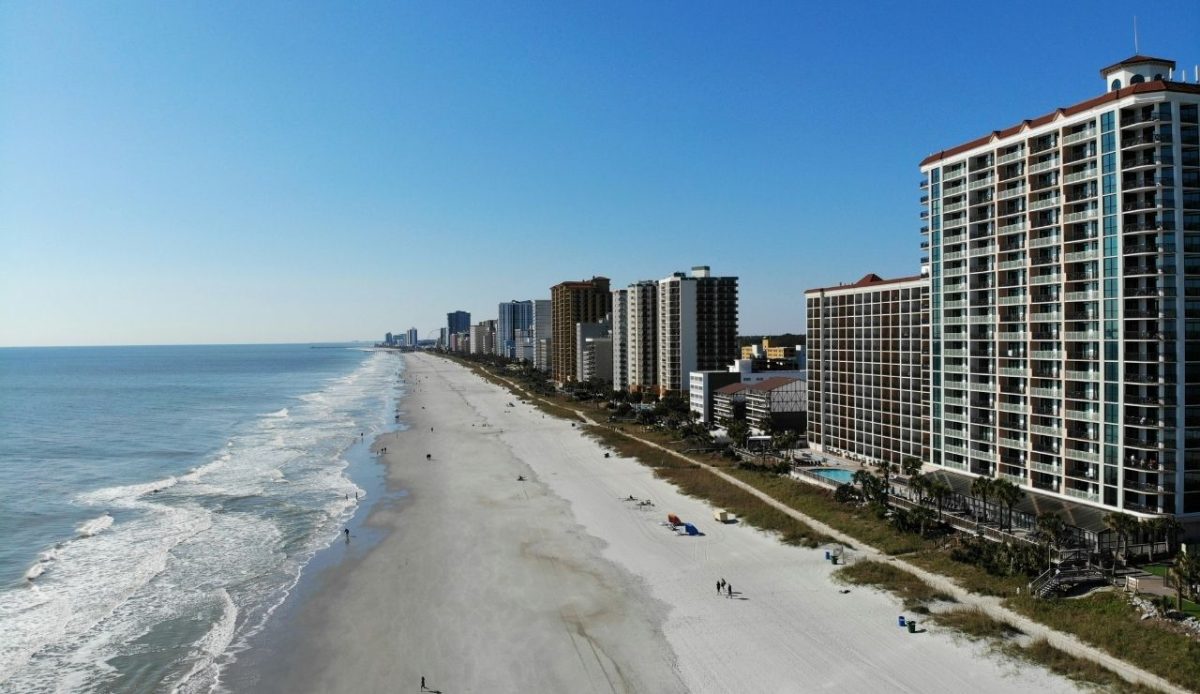
The Myrtle Beach Boardwalk runs for 1.2 miles through the center of one of South Carolina’s busiest coastal areas. Opened in 2010, it links several entertainment hubs, including Pier 14 and the Myrtle Beach SkyWheel. The walkway combines wooden and concrete sections designed for durability in a high-traffic zone. Throughout the year, it hosts fireworks, concerts, and community events that keep foot traffic consistent beyond the summer months. Restaurants, arcades, and small amusement attractions line the route, providing a mix of affordable dining and recreation. The city manages crowd flow with clear access points and frequent patrols.
8. Hampton Beach Boardwalk, New Hampshire
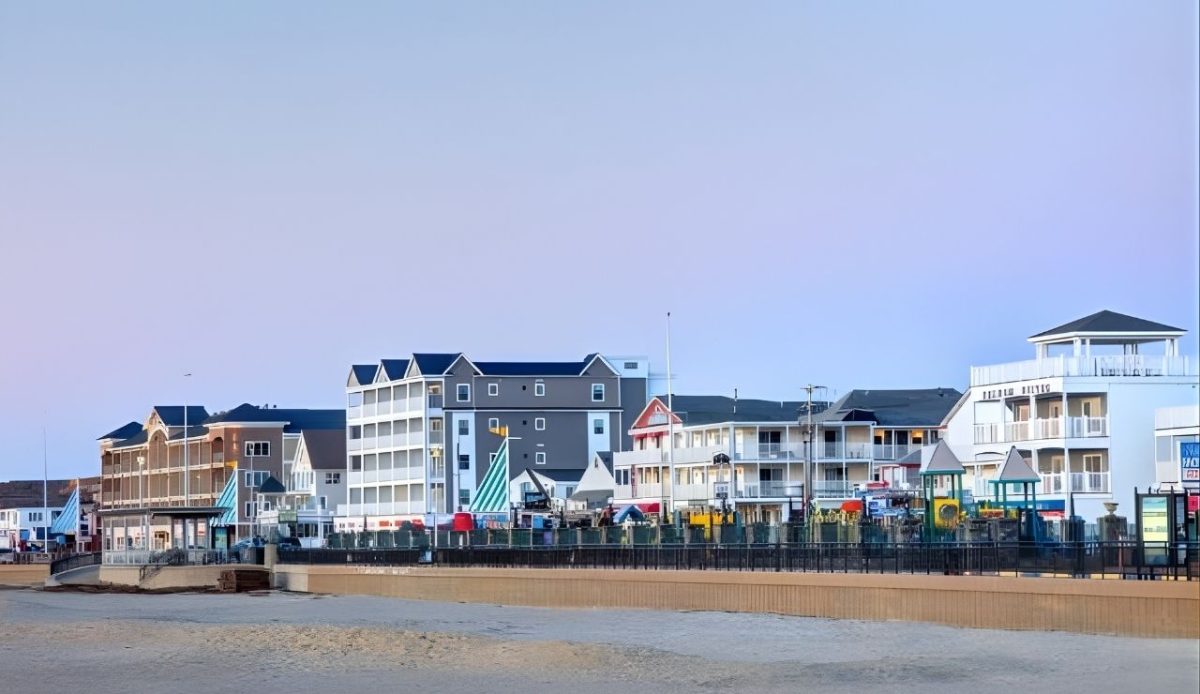
Hampton Beach’s boardwalk serves as the core of New Hampshire’s limited but lively Atlantic coastline. It runs parallel to Ocean Boulevard, placing visitors steps away from the sand, restaurants, and arcades. The layout is compact and straightforward, allowing easy access to lodging, parking, and beachfront shops. Seasonal events like fireworks displays, talent contests, and sand sculpture competitions add structured entertainment to the summer calendar. Maintenance crews ensure clean conditions during high season, and regulations help balance nightlife with family activity. The boardwalk’s smaller size keeps navigation simple and safe, while nearby hotels and motels maintain high occupancy through late summer.
