
France holds centuries of art, design, and history beyond the capital’s skyline. Across its regions, abbeys rise above tidal flats, bridges cross ancient rivers, and castles reflect the growth of European architecture. Many landmarks remain active sites of research and conservation, supported by visitor programs that explain their origins. Each place highlights how France combines preservation with public access, helping travelers understand the nation’s cultural and structural achievements.
1. Mont Saint-Michel, Normandy
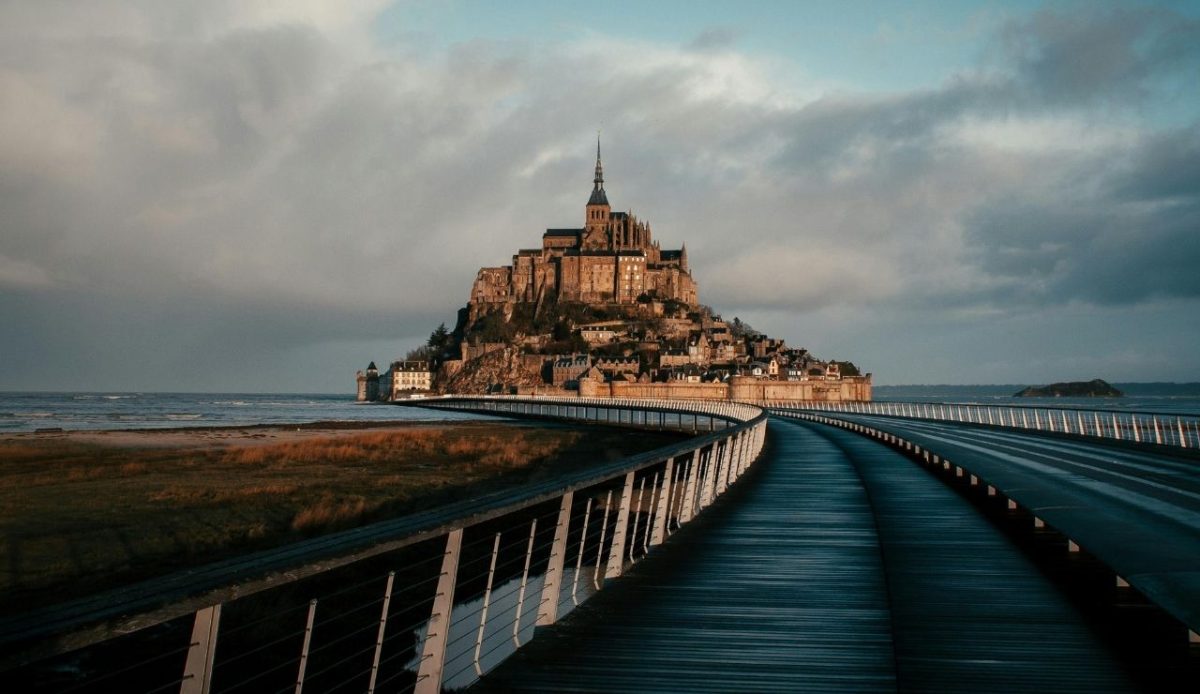
Mont Saint-Michel stands on a tidal island off the Normandy coast. Its abbey, first founded in the 8th century, combines Romanesque and Gothic elements that reflect centuries of expansion. The island becomes surrounded by water during high tide, forming one of France’s most dramatic natural defenses. A bridge now connects the mainland to narrow lanes leading up to the abbey’s terraces. Stone vaults, cloisters, and chapels show how monks balanced faith and engineering in one of Europe’s earliest pilgrimage sites.
2. Palace Of Versailles, Île-de-France
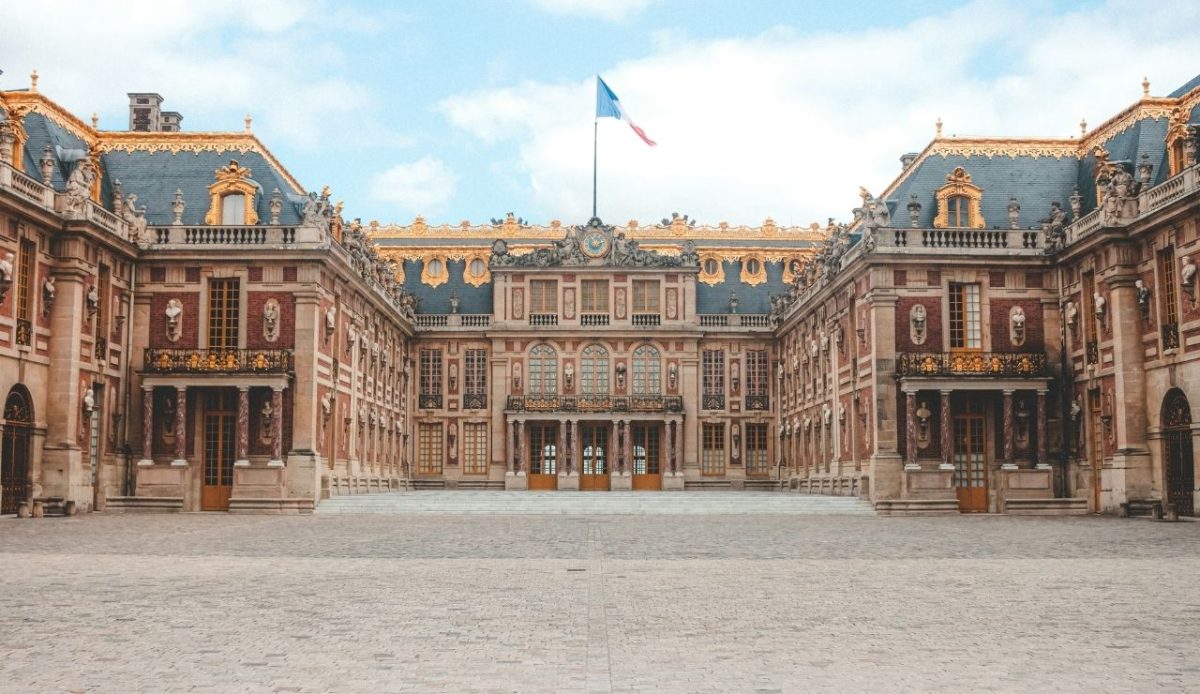
The Palace of Versailles represents royal authority during the reign of Louis XIV. Construction began in 1661, transforming a hunting lodge into a symbol of absolute monarchy. The palace contains over 2,000 rooms decorated with marble, gold, and mirrors. Its gardens, created by André Le Nôtre, use a network of canals, sculptures, and 50 fountains fed by 17th-century hydraulics. Visitors can explore royal apartments and see how architecture expressed power before the French Revolution altered the nation’s political order.
3. Pont Du Gard, Occitanie
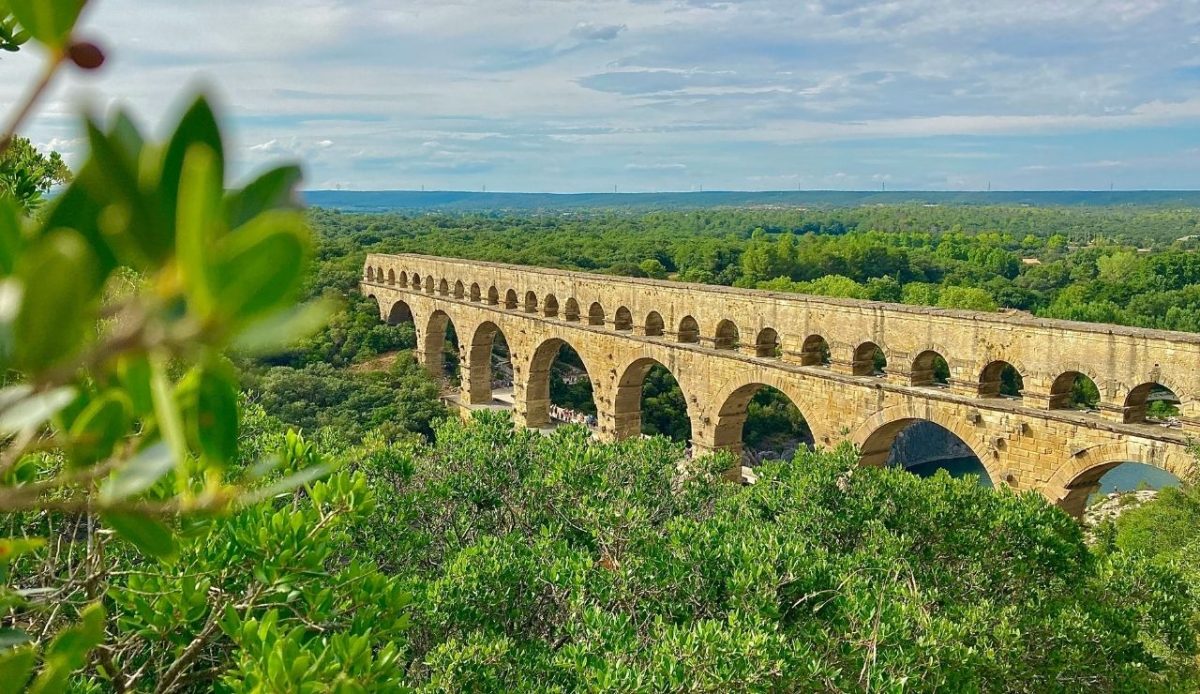
The Pont du Gard is a Roman aqueduct bridge built in the first century AD to supply Nîmes with water. Standing nearly 160 feet high, it carried about 9 million gallons daily through a 30-mile canal system. The bridge’s limestone blocks were fitted with exact joints, allowing stability without cement. Its three levels remain almost intact after two millennia of floods. A museum on-site explains Roman surveying methods, stone transport, and daily maintenance that kept water flowing for over 300 years.
4. Millau Viaduct, Aveyron
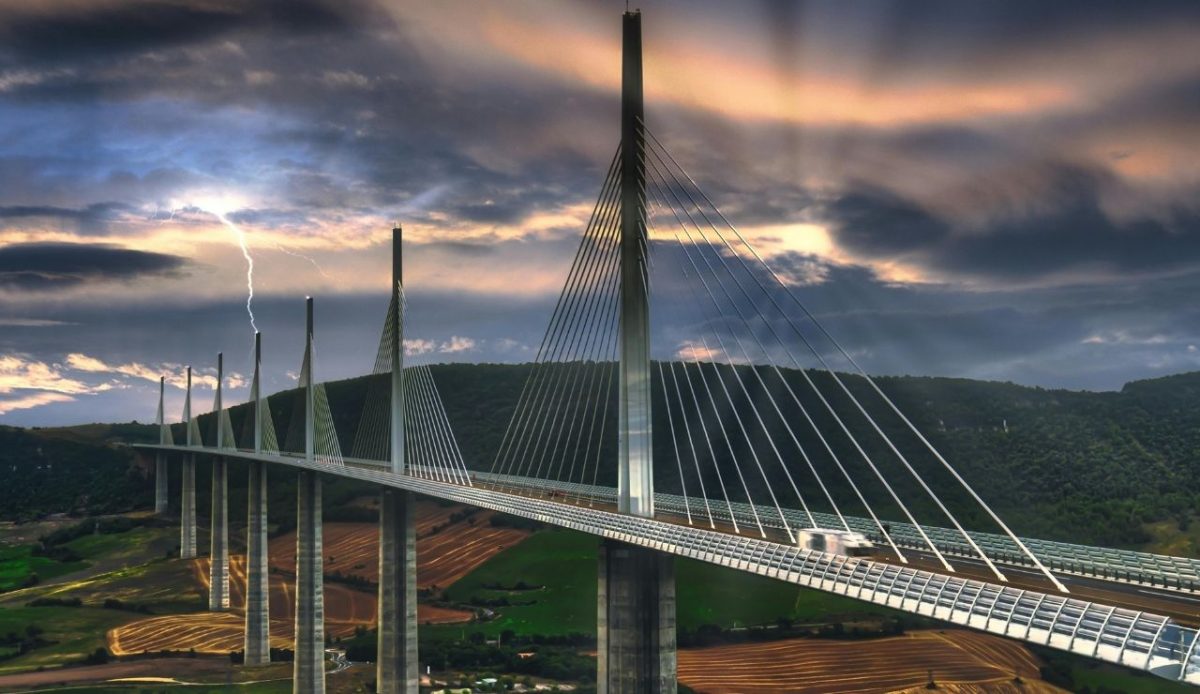
The Millau Viaduct, opened in 2004, crosses the Tarn Valley on the A75 highway. Designed by Michel Virlogeux and Norman Foster, its seven piers support a steel deck rising more than 1,100 feet above the valley floor. The structure spans 1.5 miles and was assembled using hydraulic jacks that slid the deck into position. Observation points near the visitor center describe wind monitoring, materials testing, and how the bridge improved safety by replacing a narrow mountain route.
5. Cité De Carcassonne, Occitanie
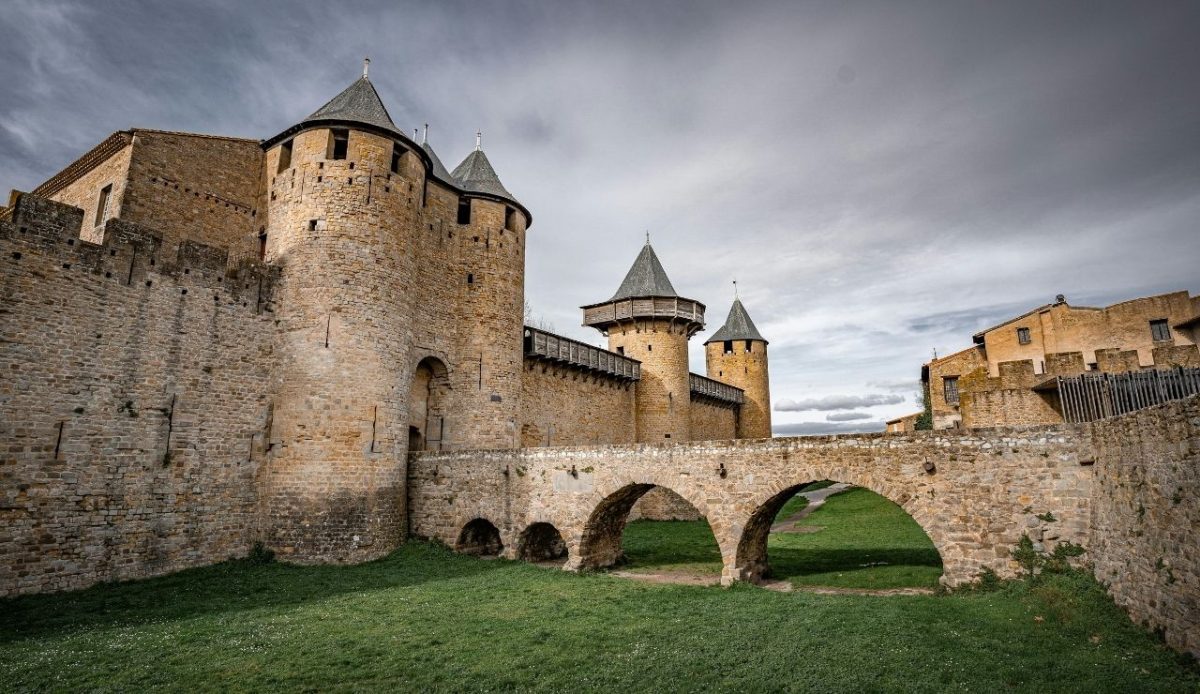
Carcassonne is a fortified city surrounded by double walls and 52 towers dating from the 12th century. Its strategic location between the Atlantic and the Mediterranean made it central to regional defense. The 19th-century restoration led by Eugène Viollet-le-Duc used historic records to rebuild roofs, battlements, and gates. Visitors can explore the castle museum, walk the ramparts, and view the Aude Valley from the battlements. Today, the site attracts millions annually as a preserved example of medieval urban design.
6. Château De Chenonceau, Loire Valley
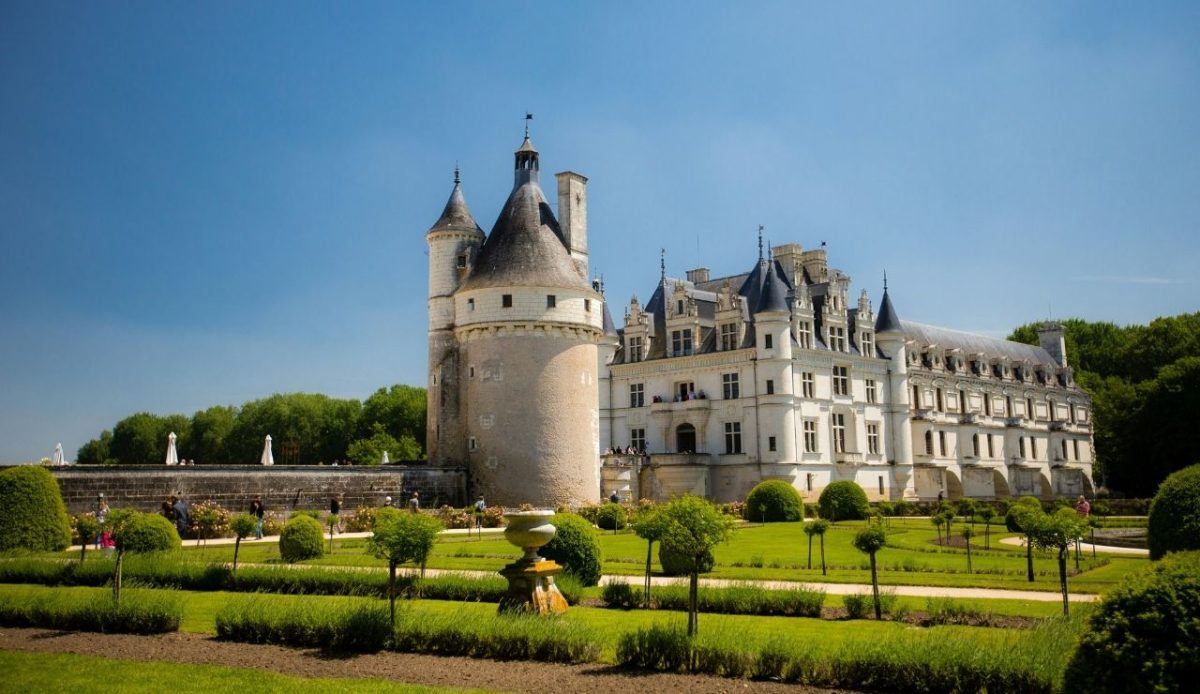
Château de Chenonceau stretches across the River Cher on stone arches that date to the early 1500s. Known as “the Ladies’ Castle,” it was influenced by powerful women such as Diane de Poitiers and Catherine de’ Medici. The interior holds period furniture, tapestries, and artworks by masters like Rubens and Tintoretto. Its galleries extend above the water, creating a rare architectural feature for its time. The gardens remain carefully maintained using designs based on 16th-century landscape records.
7. Étretat Cliffs, Normandy
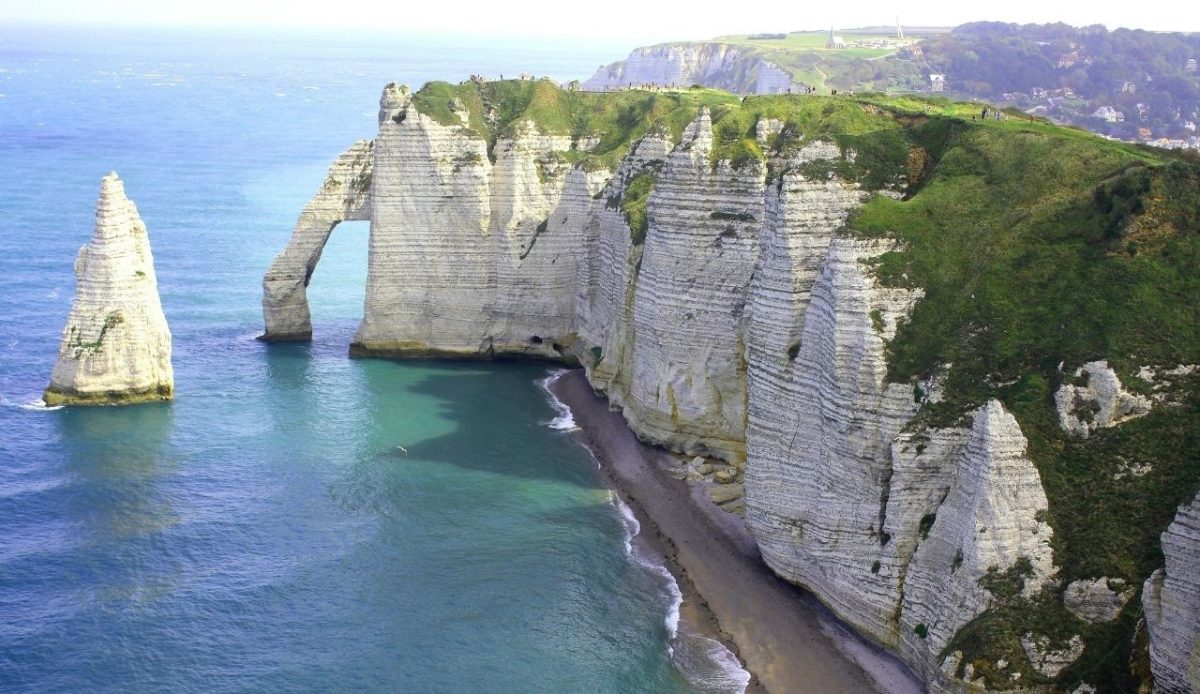
The Étretat Cliffs rise along the Alabaster Coast, shaped by erosion from waves and wind. Distinct formations such as the Arch and the Needle stretch into the Channel and remain among France’s most photographed natural sites. Artists, including Claude Monet and Gustave Courbet used the location to study light and form. The area now features marked trails, safety rails, and viewing terraces that protect the fragile chalk surface. Conservation groups monitor visitor access to preserve its geological stability.
8. Dune Du Pilat, Nouvelle-Aquitaine
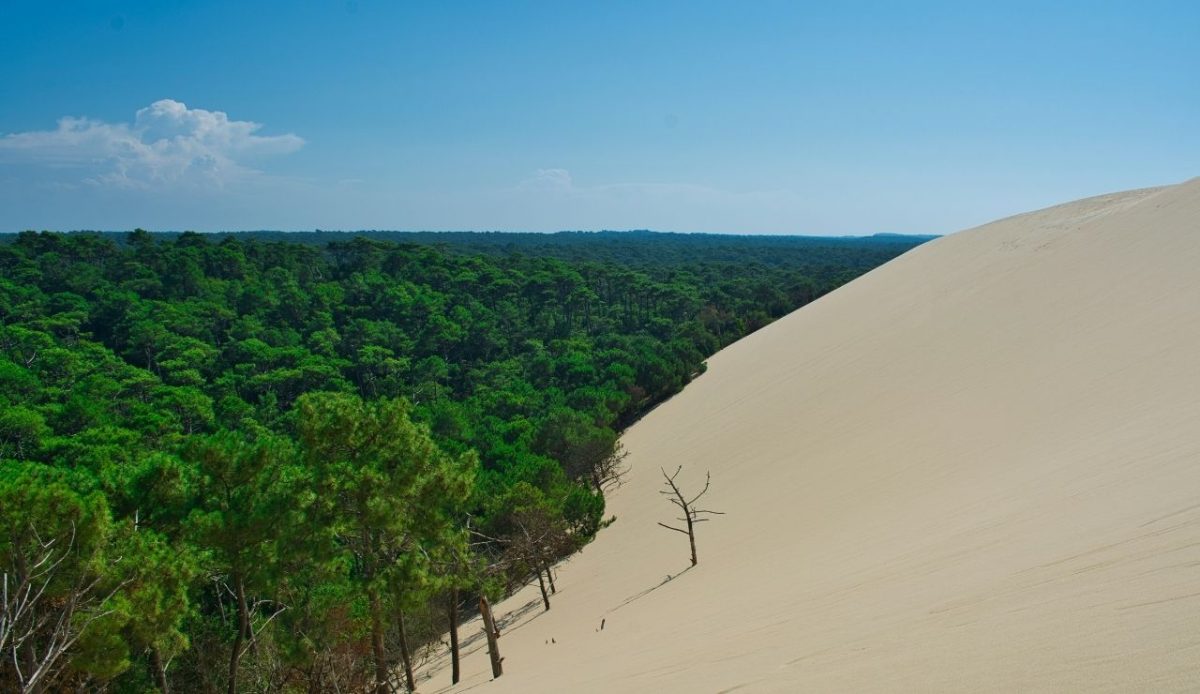
The Dune du Pilat, located near Arcachon Bay, reaches a height of around 360 feet and continues to shift slowly eastward each year. Wind pushes millions of tons of sand, gradually covering parts of the surrounding pine forest. Climbing is permitted on the maintained route with seasonal wooden stairs to reduce erosion. From the summit, visitors can see the Atlantic coast and the Banc d’Arguin reserve. Local studies track dune movement and coastal weather patterns for research and preservation.
