
Few experiences rival the thrill of spotting whales from the deck of a cruise ship. Whether gliding through icy northern waters or warm tropical seas, these majestic creatures offer unforgettable encounters for travelers who prefer to watch nature’s wonders from onboard comfort. From Alaska’s glaciers to Mexico’s bays, these eight cruise routes offer prime whale-watching opportunities, where every splash and tail flip becomes the highlight of your voyage.
1. Glacier Bay, Alaska
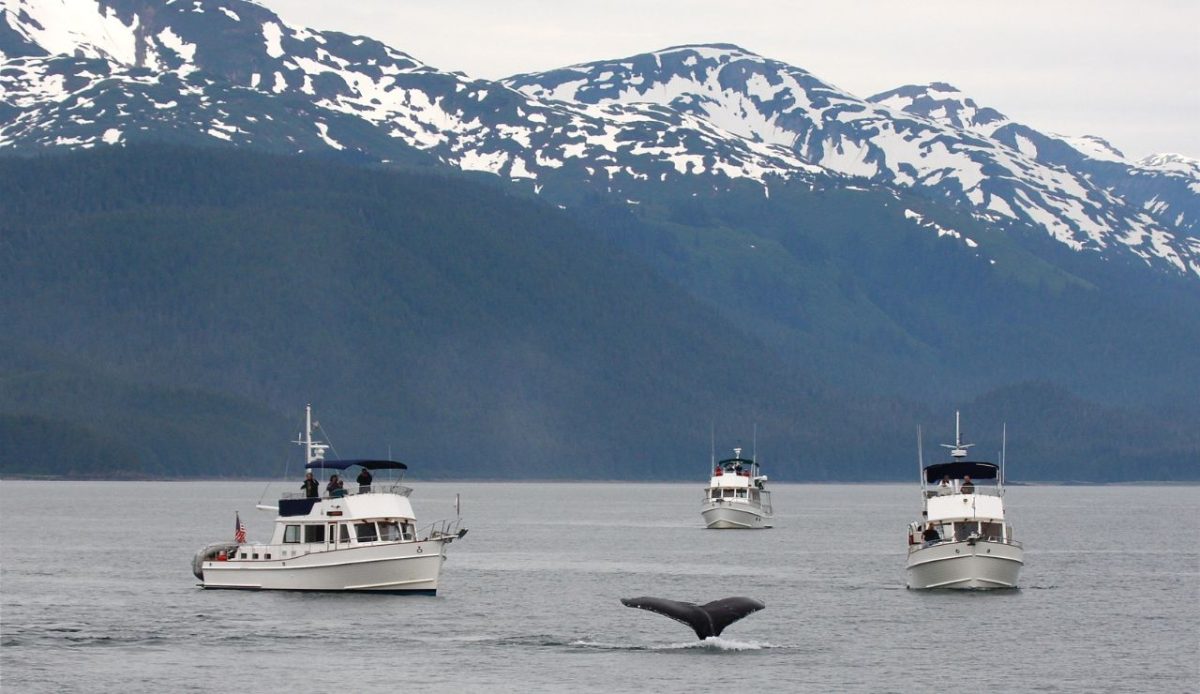
Glacier Bay is one of the world’s premier whale-watching destinations, where humpback and orca sightings are almost guaranteed. The cold, nutrient-rich waters attract whales from May to September, often visible near the ship’s railing or from upper decks. The calm, icy fjords amplify the sound of spouts and breaches, creating an immersive experience. Cruisers can witness these massive creatures feeding and playing against the stunning backdrop of towering glaciers.
2. Juneau, Alaska
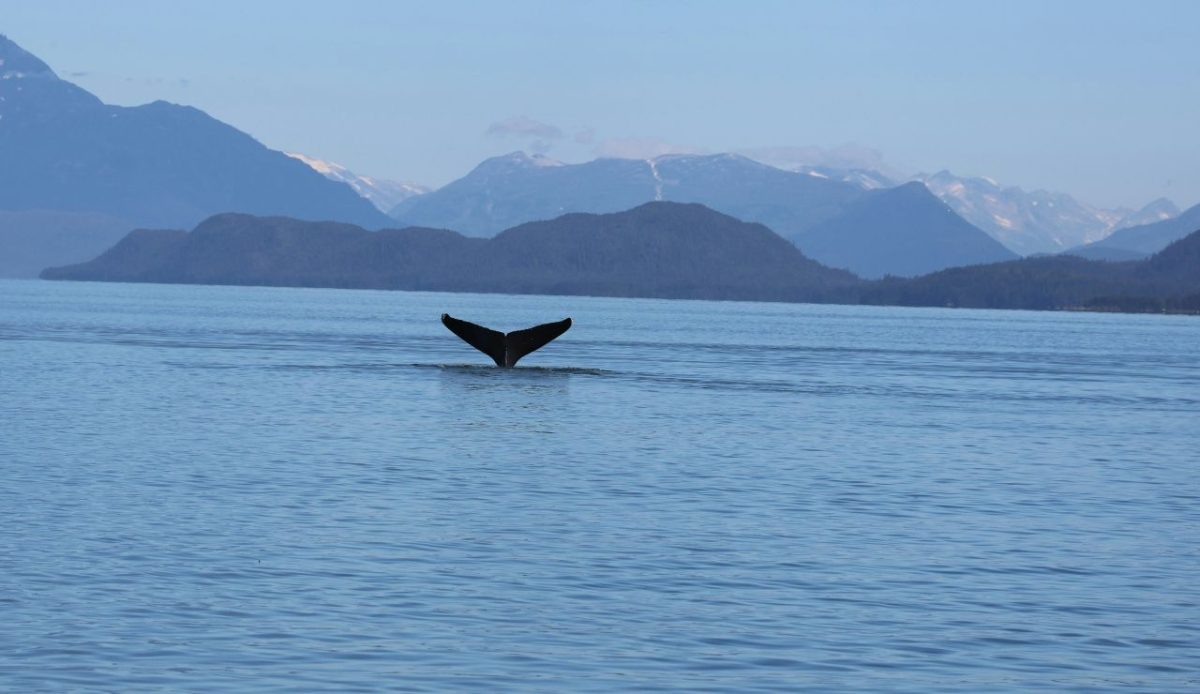
Juneau’s waters are teeming with marine life, making it another must-see stop for whale enthusiasts. From the ship’s observation decks, guests can often spot humpback whales bubble-net feeding, a rare and mesmerizing behavior. The surrounding mountains and forested shores enhance the spectacle as pods surface near the ship. Late spring through early fall offers the best viewing season, with almost daily sightings along this unforgettable stretch of Alaskan coastline.
3. Monterey Bay, California
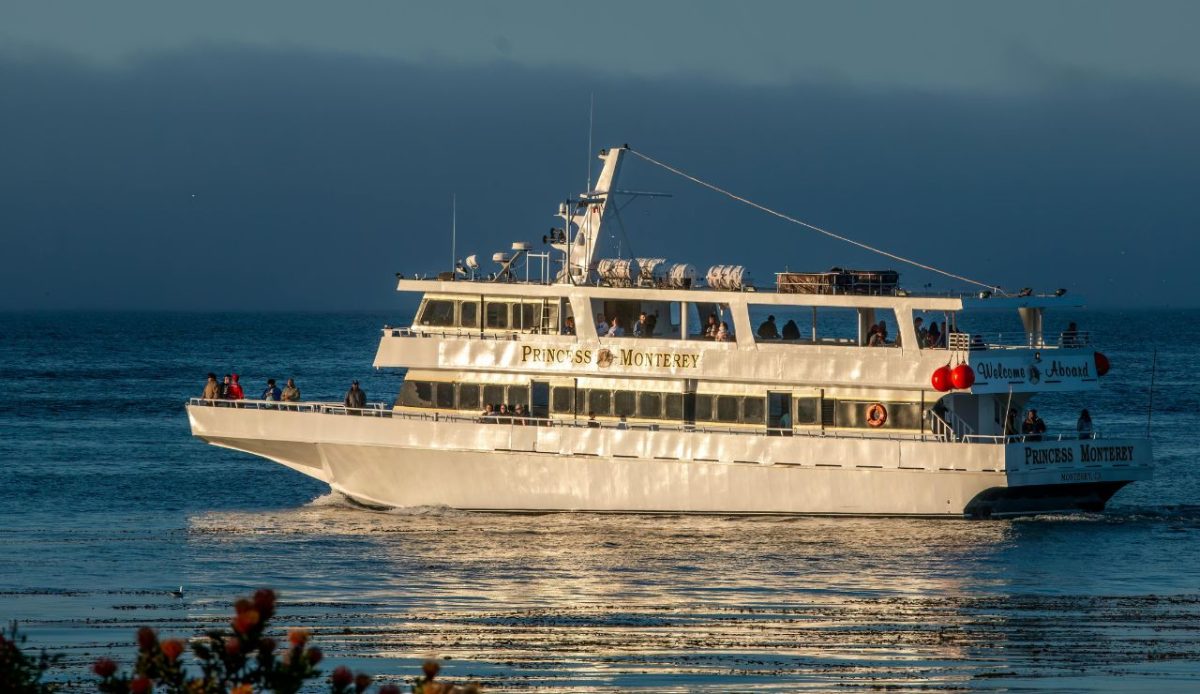
Sailing along California’s rugged coast near Monterey Bay gives travelers a front-row seat to the Pacific’s incredible marine life. Gray, humpback, and even blue whales migrate through these waters at various times of the year. From the ship’s balcony or upper decks, visitors can watch flukes rise from the waves and dolphins race alongside. The calm waters and mild climate make this one of the most reliable whale-watching routes in the continental U.S.
4. Cabo San Lucas, Mexico
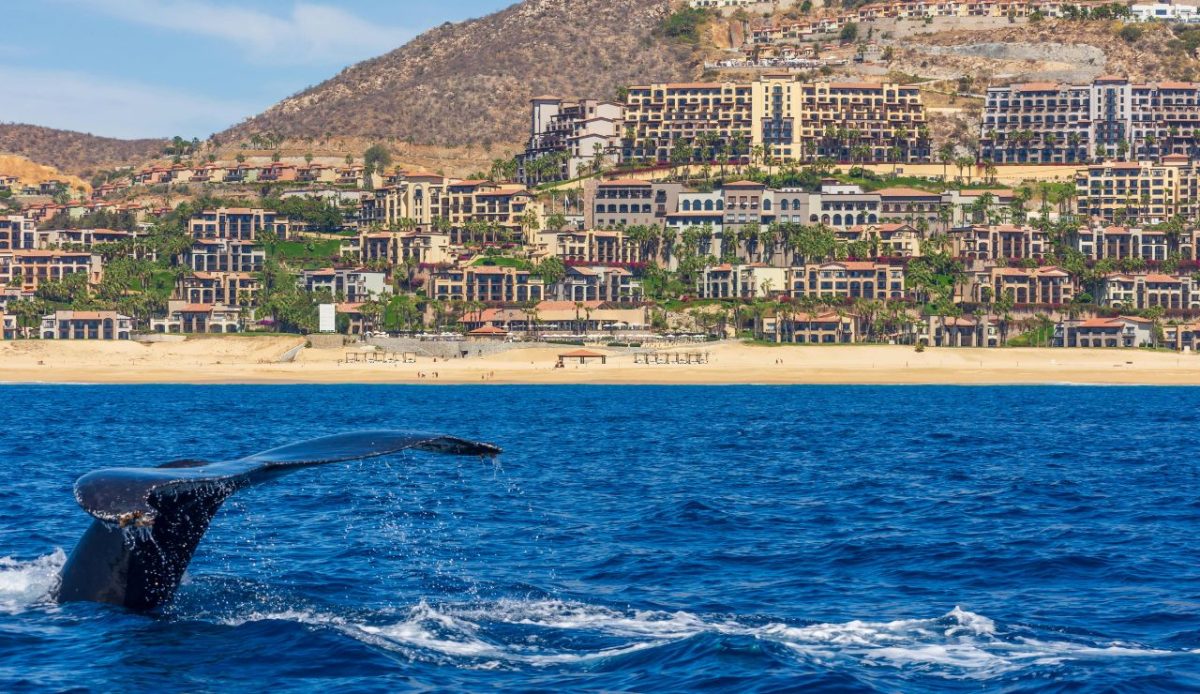
Cabo San Lucas is known for its golden beaches and striking rock formations, but offshore lies one of the world’s best whale-watching stages. From December to April, migrating gray and humpback whales fill these warm Baja waters to breed and nurture their young. Cruise passengers often witness dramatic breaches, tail slaps, and playful calves right from open decks. As the sun sets over the Pacific, the sight of whales silhouetted against fiery skies becomes an unforgettable highlight of the voyage.
5. Maui, Hawaii
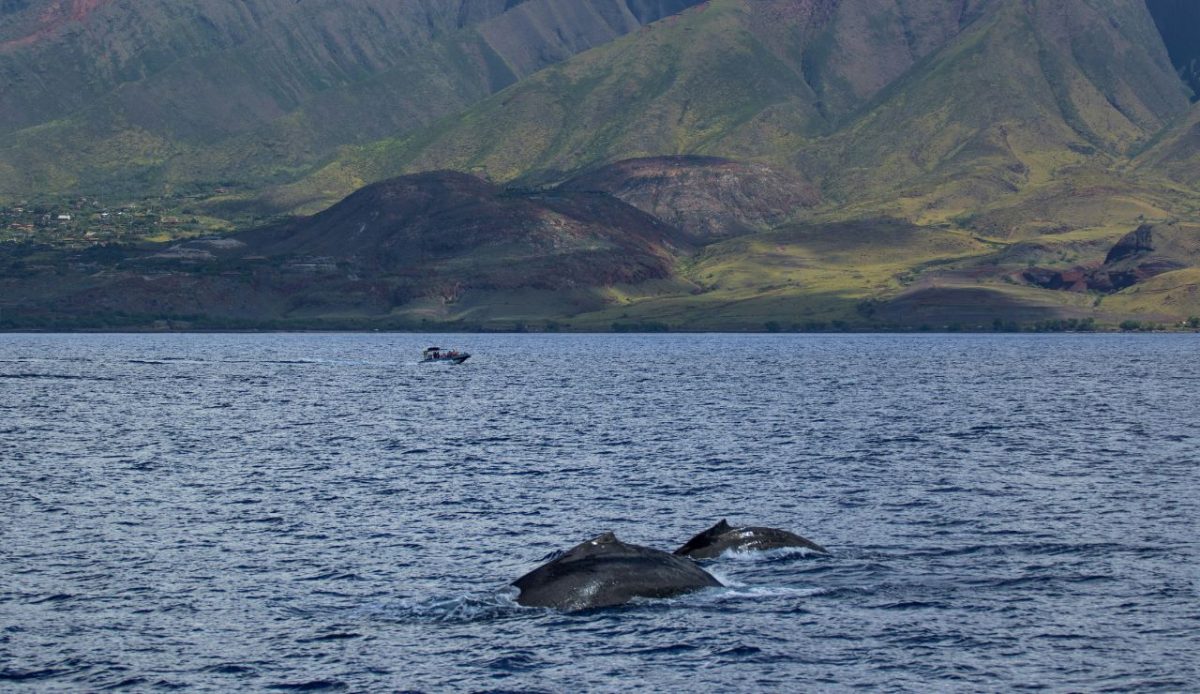
Each winter, thousands of humpback whales travel from Alaska to the warm waters of Hawaii to breed and nurse their calves. Cruises passing through the channels near Maui, especially Lahaina and Maʻalaea Bay, offer some of the best views right from the ship. Passengers can often spot tail slaps, fin waves, and breaching whales in calm, turquoise waters. The combination of tropical scenery and gentle giants makes this a once-in-a-lifetime experience.
6. Vancouver Island, Canada
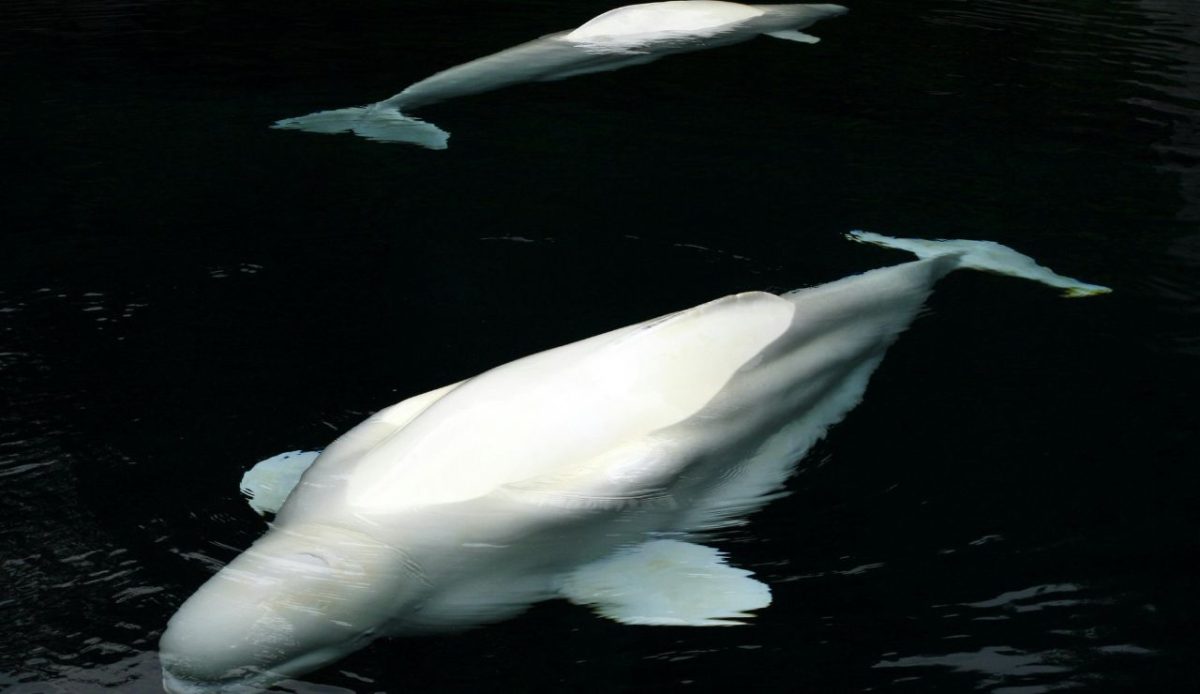
The coastal waters around Vancouver Island provide an incredible natural stage for orcas and humpback whales. From the decks of ships departing or arriving in Victoria or Vancouver, travelers can watch pods of killer whales glide through the Salish Sea. The area’s rich marine ecosystem also draws sea lions and dolphins, adding to the spectacle. Summer months offer peak visibility, turning every journey through British Columbia’s coast into a wildlife adventure.
7. Saguenay, St. Lawrence Marine Park, Quebec
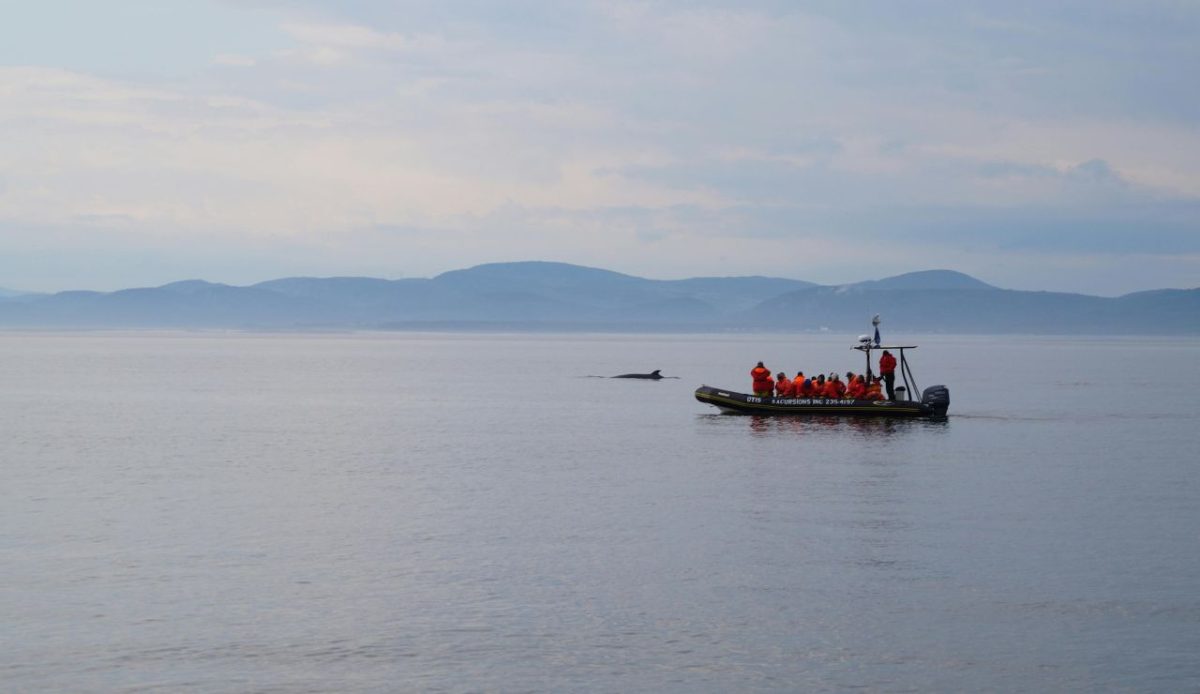
Located where the Saguenay River meets the St. Lawrence, this protected marine park is a sanctuary for belugas, minkes, and blue whales. Cruises sailing through these northern waters provide clear views from upper decks, especially near Tadoussac. The mix of cold freshwater and saltwater creates a nutrient-rich habitat that attracts whales throughout the summer. The park’s dramatic cliffs and calm channels make every sighting feel intimate and spectacular.
8. Antarctic Peninsula, Antarctica
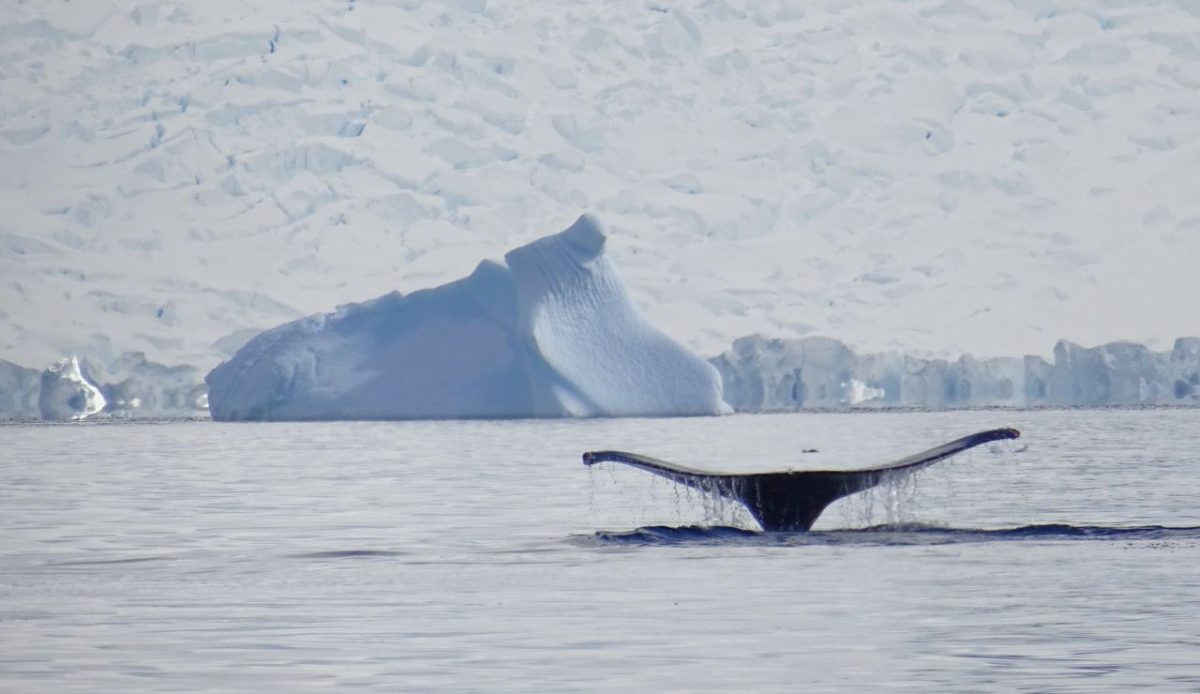
For adventurers venturing south, the Antarctic Peninsula offers an awe-inspiring setting for whale watching. From December to March, travelers can spot humpback, minke, and orca whales from the deck as they surface among icebergs and glaciers. The clear, reflective waters and 24-hour daylight enhance visibility, creating postcard-perfect moments. Watching whales in the world’s most remote environment is an extraordinary reward for those cruising to the ends of the earth.
