
Short-term rentals moved from spare rooms into whole homes, and beach towns tie that shift to tighter housing. Councils cite fewer long-term leases, higher prices, and rapid turnover on residential blocks. Noise and parking complaints added pressure.
Only towns with adopted restrictions are listed. Support comes from municipal pages, ordinances, or strong local reporting. A crackdown means a ban in key zones, a host on-site rule, a higher minimum stay, or a permit cap blocking new licenses.
Local goals differ, but enforcement is central. Many systems use citations, fines, and license loss, sometimes with platform monitoring. The eight examples below show coastal governments revising short-stay rules to protect housing.
1. Carmel By The Sea, California

Carmel by the Sea prohibits rentals under 30 consecutive days in the residential district. The city says the goal is to protect neighborhood character and keep homes from turning into visitor lodging.
The rule is simpler than the cap systems. Outside limited nonconforming situations, a short stay offer in a residential zone can trigger code enforcement, with online advertising used to document violations.
The practical effect is that tourists are steered toward hotels and permitted accommodations, while investors face less room to run whole-home vacation rentals. That reduces churn on streets and can relieve some pressure on local long-term supply.
2. Santa Monica, California

Santa Monica allows short stays only as home sharing, meaning a primary resident must live on site throughout the guest’s visit. Unhosted whole unit rentals for fewer than 30 days are prohibited, limiting investor listings near the beach.
Hosts must follow city rules and hold the required license, and platforms are expected to help block unlawful postings. The structure makes it difficult to run a unit that sits empty until tourists arrive.
The policy aims to protect long-term supply and reduce nuisance impacts tied to rapid turnover. Visitors still find options, but legal stays are centered on hosted rooms or hosted units where the resident remains present.
3. Miami Beach, Florida
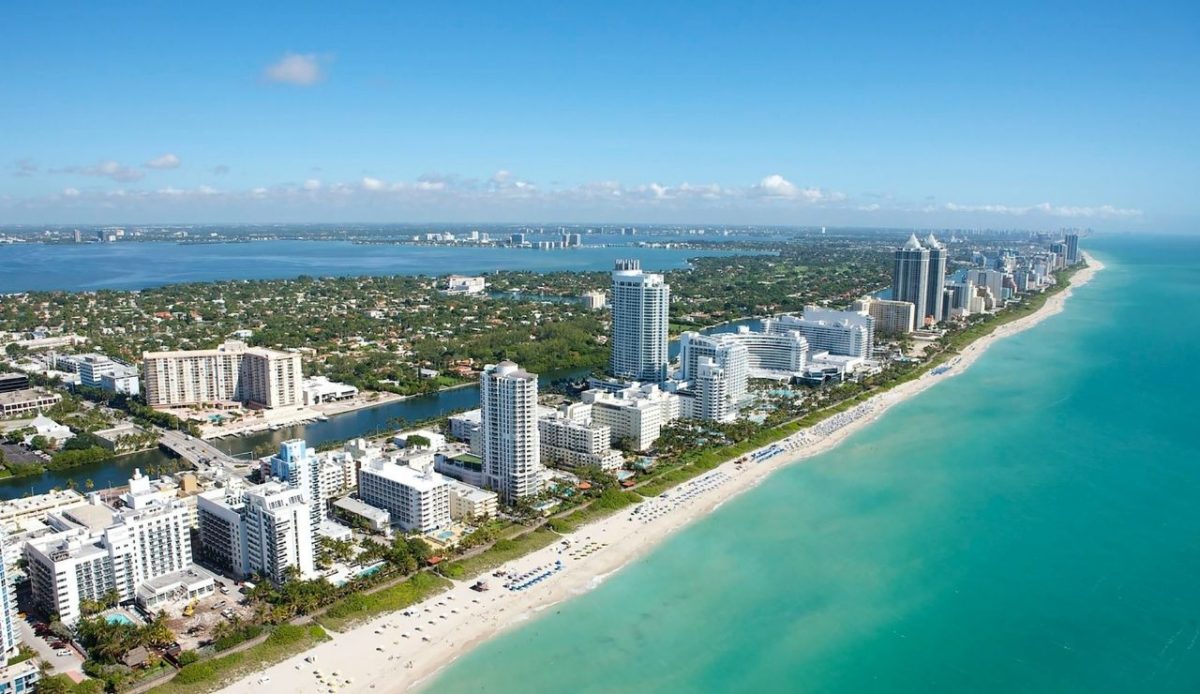
Miami Beach restricts short stays in single-family zoning by treating rentals below a long minimum term as a prohibited use. Enforcement cases cite online advertisements as proof when a house is promoted for stays shorter than the allowed threshold.
The city uses code enforcement, repeat offense tracking, and zoning-based rules that vary by district. That approach targets location-specific impacts rather than relying only on a tax or registration system.
The goal is fewer nuisance patterns and steadier blocks. Strict zoning also reduces the payoff for buying a house, mainly for visitor turnover, which can help long-term supply at the margin in high-demand coastal neighborhoods.
4. Newport, Rhode Island

Newport limits rentals under 30 days in residential zones unless the home serves as a primary residence. Owner-occupied setups may rent a small number of rooms with tight guest limits, which narrows the pathway for absentee operators.
The change was adopted through zoning rules, so the default in many neighborhoods is no short-stay activity. Registration and enforcement language makes illegal advertising a direct ordinance issue, not just a paperwork lapse.
For a tourism-focused waterfront city, the policy tries to keep housing from being converted into transient inventory. It also helps neighbors predict who is staying next door and for how long.
5. Honolulu, Hawaii

Honolulu limits short-term rentals mainly to resort-zoned areas and a few specified apartment zones, describing the policy as a way to preserve housing for long-term residents. Outside those areas, legal options are narrow.
Ordinance 22 7 raised the minimum stay outside resort zones from 30 days to 90 days, aiming to shut down typical vacation rental use in residential neighborhoods. Litigation and nonconforming use issues affect enforcement details, but the rule remains a constraint.
Owners must track zoning and the stay length they advertise. Residents gain fewer converted units and less churn where schools and services rely on year-round population.
6. Saugatuck, Michigan
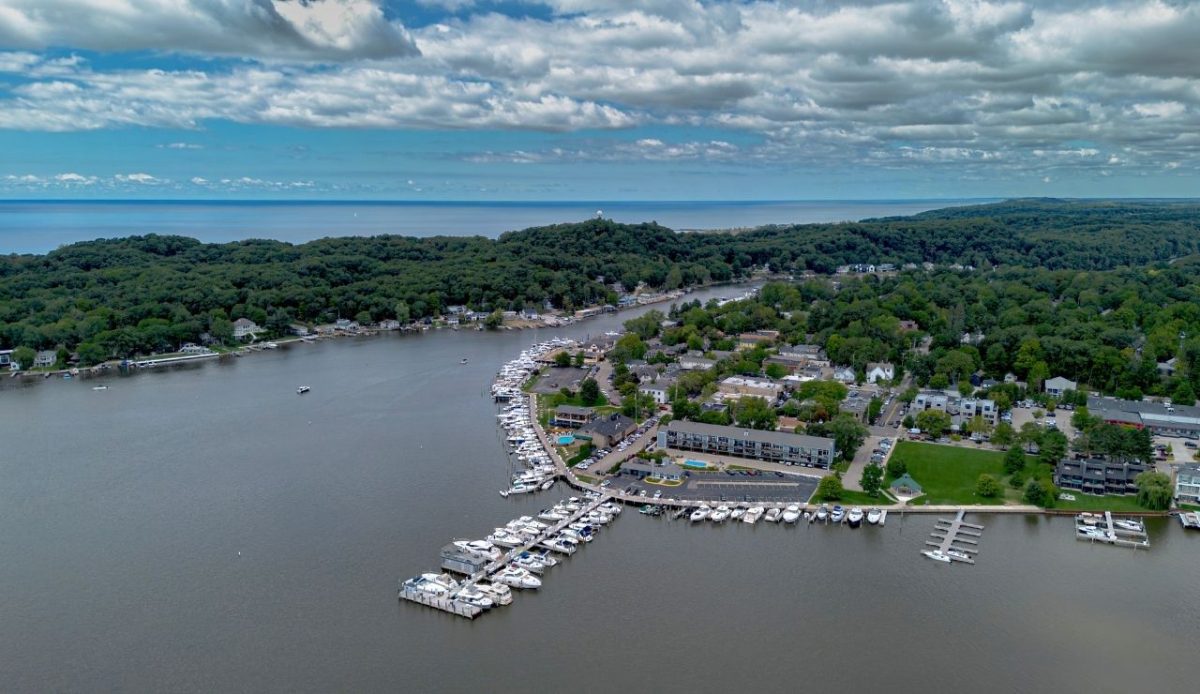
Saugatuck sets hard caps on short-term rental licenses in several R-1 neighborhoods near Lake Michigan. The city publishes maximum license counts by district, so once a cap is met, new licenses stop, and supply cannot keep expanding.
The cap model pairs density control with licensing duties, such as a local contact, occupancy limits, and posted rules. Because the limit is in ordinance language, it can be tracked in records and enforced without subjective case-by-case approval.
The goal is to prevent high turnover clusters while keeping some regulated visitor lodging that supports the local economy. It is a middle path between a full ban and an open market.
7. South Haven, Michigan

South Haven requires short-term rental registration and uses license classes with different operating limits. A key posted rule allows rentals, but limits stays to no more than two rental stays per seven-day period for certain registrations.
Applicants must show liability insurance and comply with city standards on occupancy and local oversight. The turnover limit reduces back-to-back weekend bookings, a pattern often linked to noise and parking conflicts during summer.
Instead of a ban, the city restricts frequency so homes are less likely to operate as constant tourist units. Residents get fewer unknown arrivals and more predictable streets during peak lake season.
8. East Haven, Connecticut

East Haven approved a shoreline-focused short-term rental ordinance aimed at disruptive rentals in beachside neighborhoods. It includes a residency clause that blocks owners who live in town fewer than 183 days per year from renting through platforms.
Permits are renewed annually, and rentals are limited to once every seven days unless the host is present. The ordinance also caps total rental days per year and uses daily fines plus permit suspension for repeat violations.
By controlling eligibility and frequency, the policy cuts supply more directly than basic registration. It also gives the town clearer tools to track repeat problem addresses and respond faster to neighborhood complaints.
