
Passengers are often in a hurry at airports, rushing through security and grabbing the first meal they see before boarding. It’s easy to forget that quick choices can cause real discomfort once the plane takes off. Foods loaded with salt, sugar, or preservatives might taste fine on the ground but can lead to bloating, fatigue, or nausea in the air. The cabin’s low humidity and limited space make digestion slower and dehydration more likely. A convenient bite before takeoff can seem harmless, but it often leaves travelers feeling worse midflight. Knowing which foods to skip helps keep energy steady and travel more comfortably from gate to landing.
1. Pre-Packaged Salads
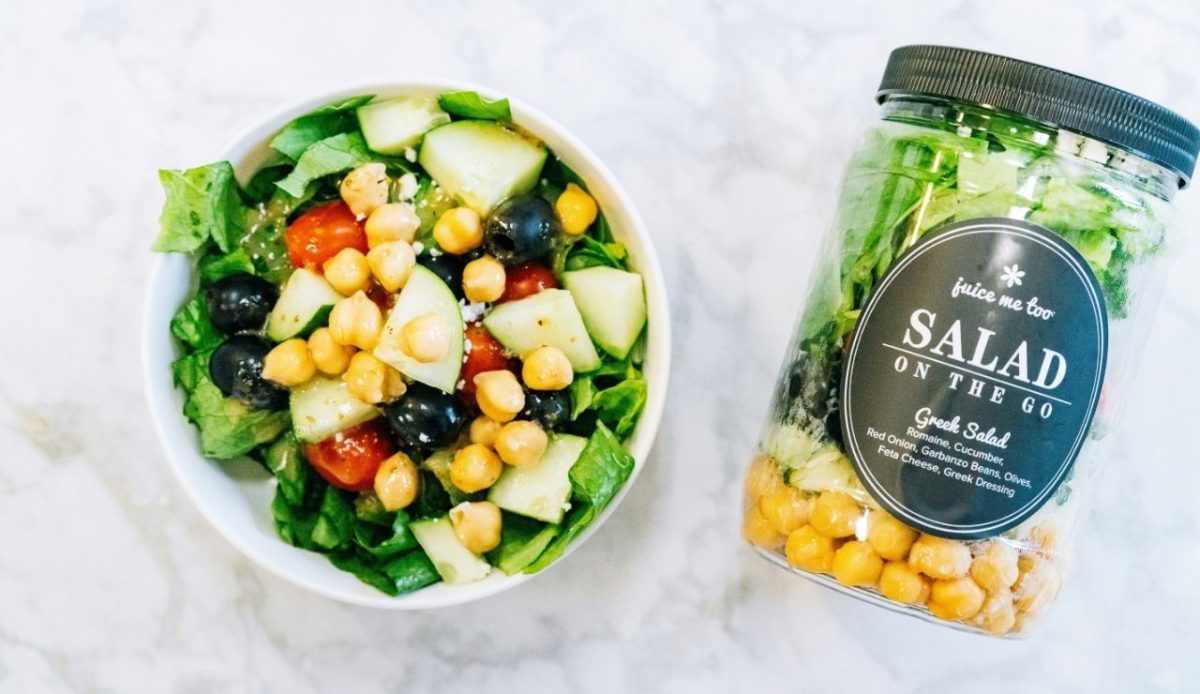
Pre-packaged salads are often marketed as a healthy choice, but most have been prepared long before you buy them. Even when kept cold, the greens wilt, the protein dries out, and bacteria can multiply if temperatures change during storage. Dressings are typically packed with salt, sugar, and stabilizers that hide age rather than preserve freshness. Some salads include ingredients like deli meat, cheese, or boiled eggs that spoil quickly once removed from proper refrigeration. For something lighter, look for freshly assembled salads at sit-down restaurants or grab fruit cups and whole-grain snacks prepared on-site that won’t risk food safety.
2. Heated Hot Dogs
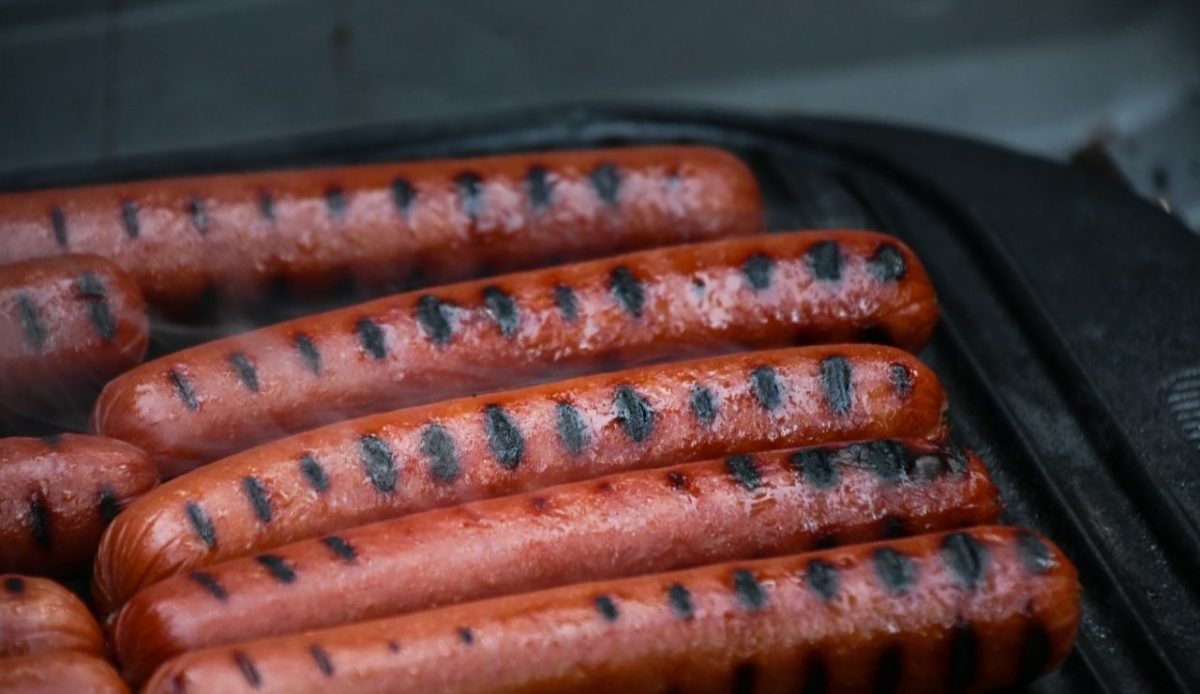
Hot dogs may seem like an easy grab, but airport versions are among the least reliable options. They are often reheated multiple times throughout the day as vendors try to keep them looking fresh under warmers. High sodium and nitrates used in the meat can worsen dehydration and bloating once you’re on board. Even the bun absorbs moisture and becomes dense, making it harder to digest during a flight. Add toppings like chili or onions, and you risk stomach upset from excess grease or acidity. If you want something hearty, choose a grilled chicken sandwich or wrap with vegetables instead.
3. Overpriced Bottled Juices
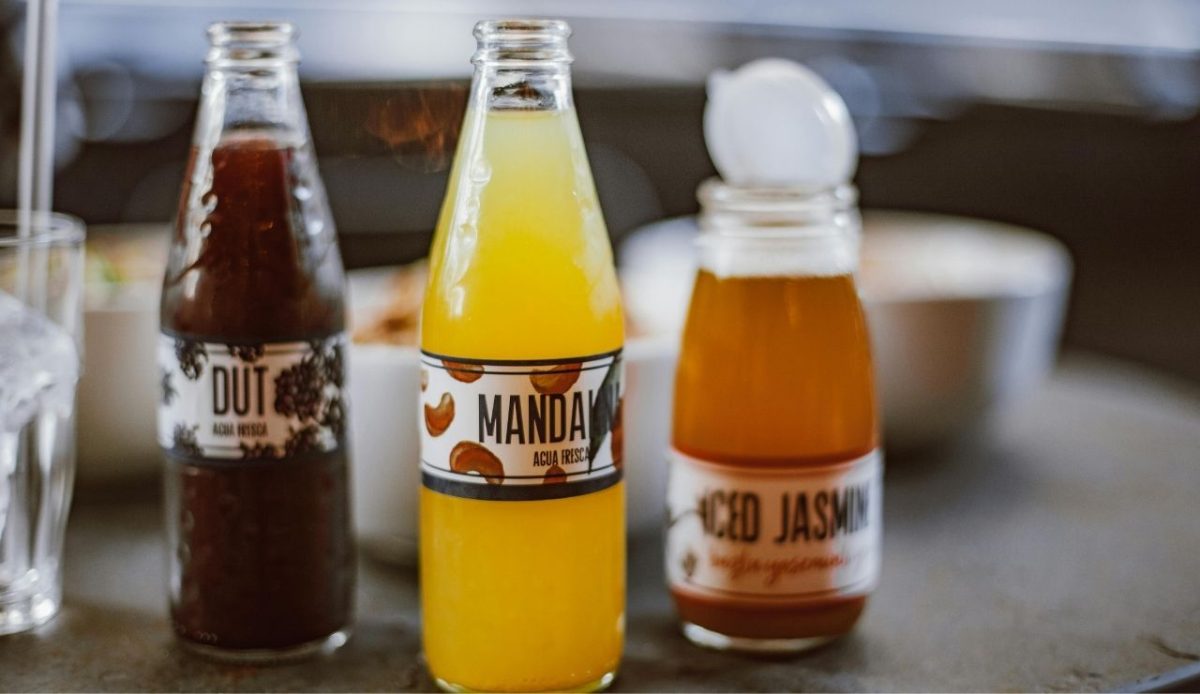
Bottled juices lining airport refrigerators often advertise “all natural” ingredients, but many contain concentrated syrups and added sugars. Drinking them before a long flight can cause a rapid rise and fall in blood sugar, leaving you tired as your trip begins. The sweetness also increases thirst, encouraging more fluid intake and restroom breaks midair. If you want something refreshing, choose fresh-squeezed juice made on-site or plain bottled water. Coconut water is another smart pick since it contains electrolytes that support hydration. Always read labels carefully, since some “healthy” juice blends have more sugar than a soda.
4. Fast-Food Combo Meals
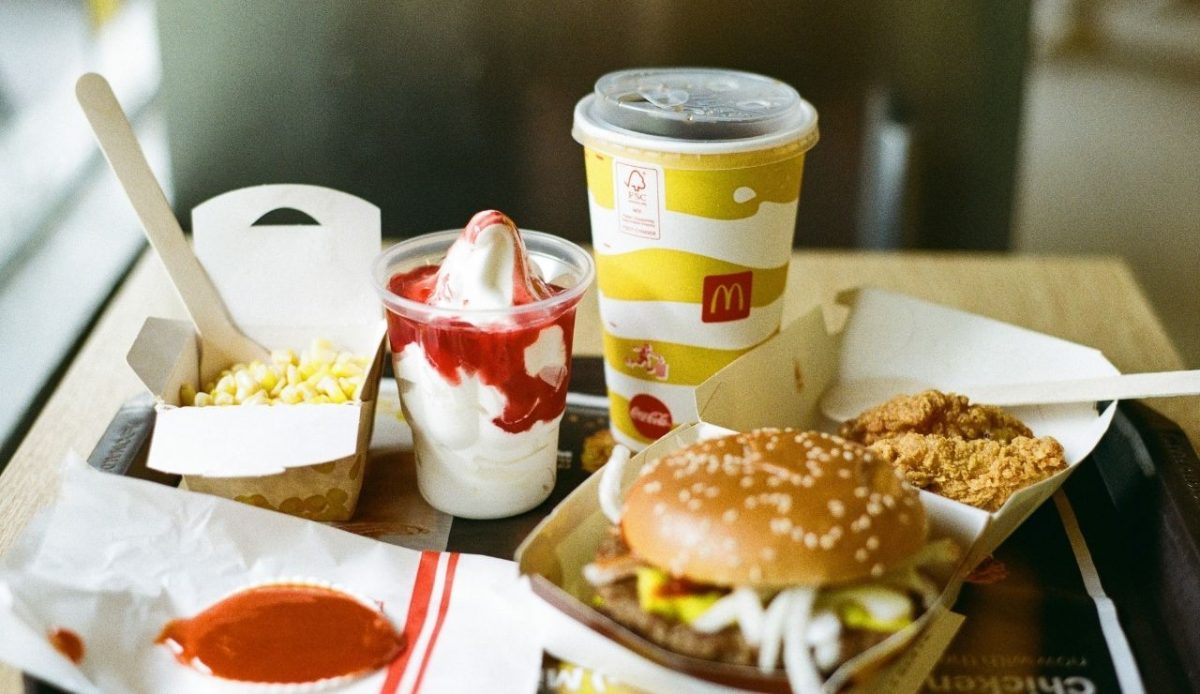
Few things smell better at an airport than freshly fried fries or a sizzling burger, but these combo meals are among the worst pre-flight choices. Heavy in saturated fat, salt, and refined carbs, they slow digestion, causing cramps and heartburn when sitting for hours. The high sodium content can also trigger water retention, making you feel puffy midair. Eating such meals before a long-haul flight increases fatigue because your body works harder to digest them in a low-oxygen environment. If hunger hits, order grilled items or skip the fries in favor of fruit or fresh side salads.
5. Grab-and-Go Sushi
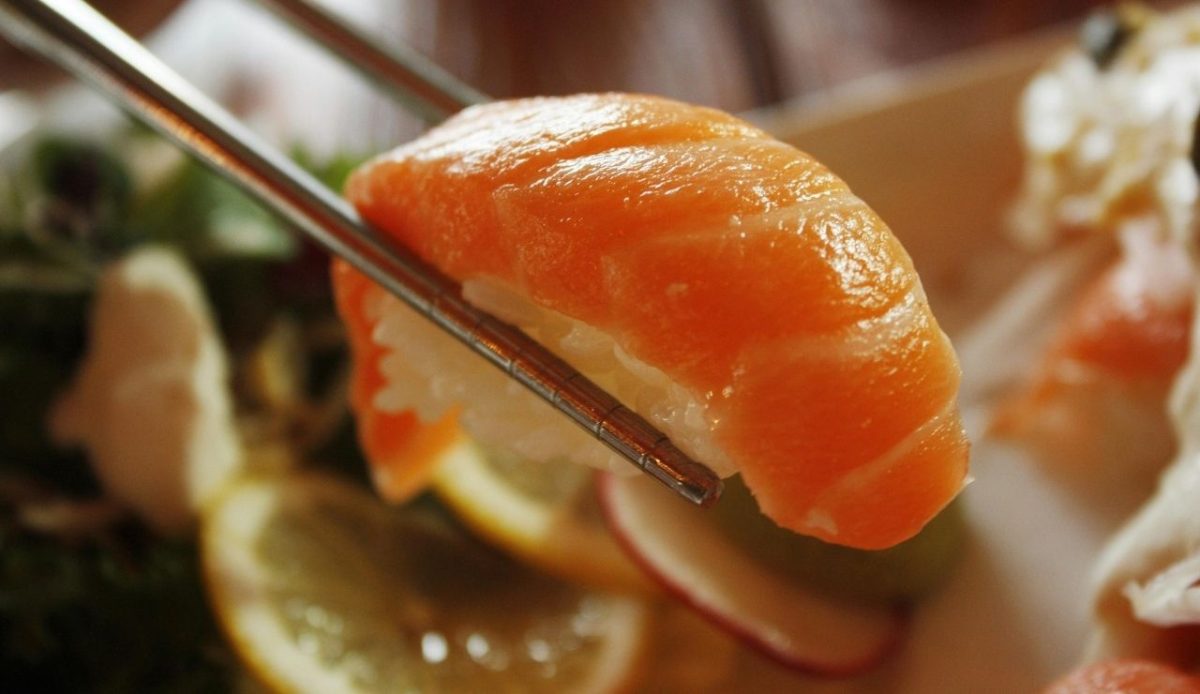
Airport sushi carries one of the highest risks of foodborne illness because freshness depends entirely on proper storage. Fish, rice, and seaweed require specific temperatures to remain safe, and even short lapses can allow harmful bacteria to grow. Sushi boxes might appear chilled, but many sit for hours before being placed in coolers. Rice becomes a breeding ground if left warm too long. Travelers often underestimate the risk because sushi looks neat and well-packaged, but spoiled seafood can cause serious illness. Unless it’s made to order by visible staff, skip sushi and pick cooked seafood or a rice bowl instead.
6. Airport Pizza by Slice
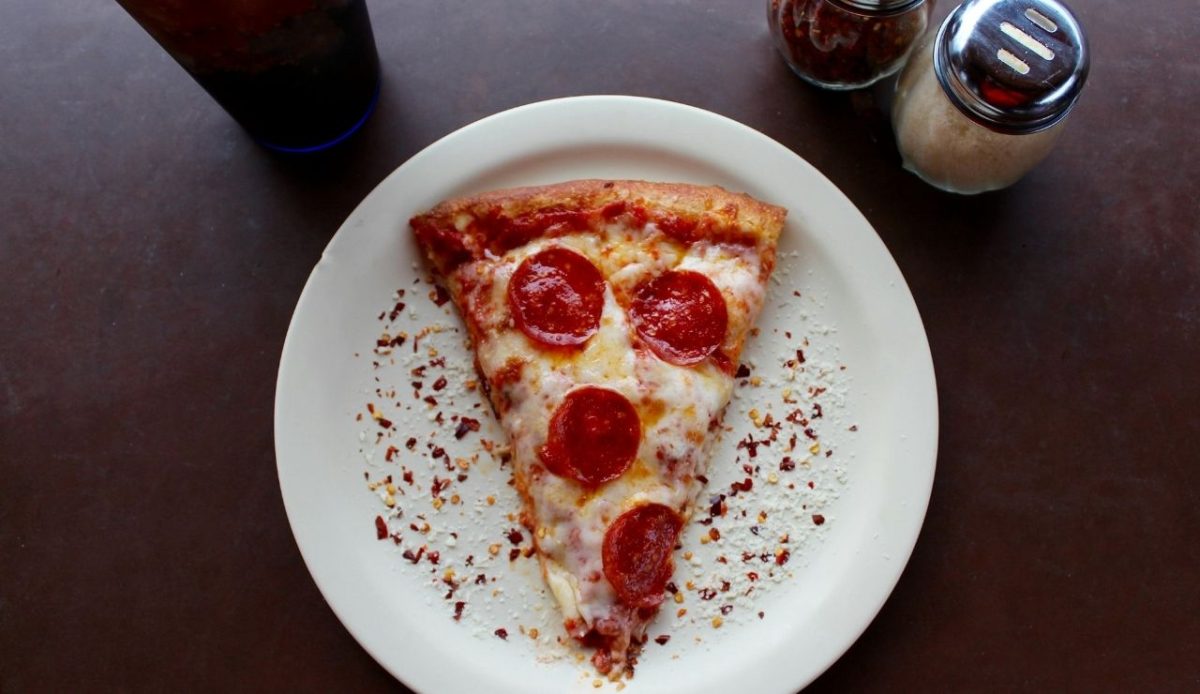
Pizza slices kept under heat lamps are among the most deceptive quick bites in airports. They look filling and familiar, but most are reheated from frozen batches made days earlier. The crust often turns rubbery, while cheese and toppings lose flavor and texture. Because slices sit at uneven temperatures, bacteria can grow beneath the cheese if not kept consistently hot. The heavy oil content also contributes to bloating and indigestion, especially once cabin pressure changes. A better option is freshly baked flatbread or a sandwich made to order at a café where ingredients are handled safely and served warm.
7. Convenience Store Sandwiches
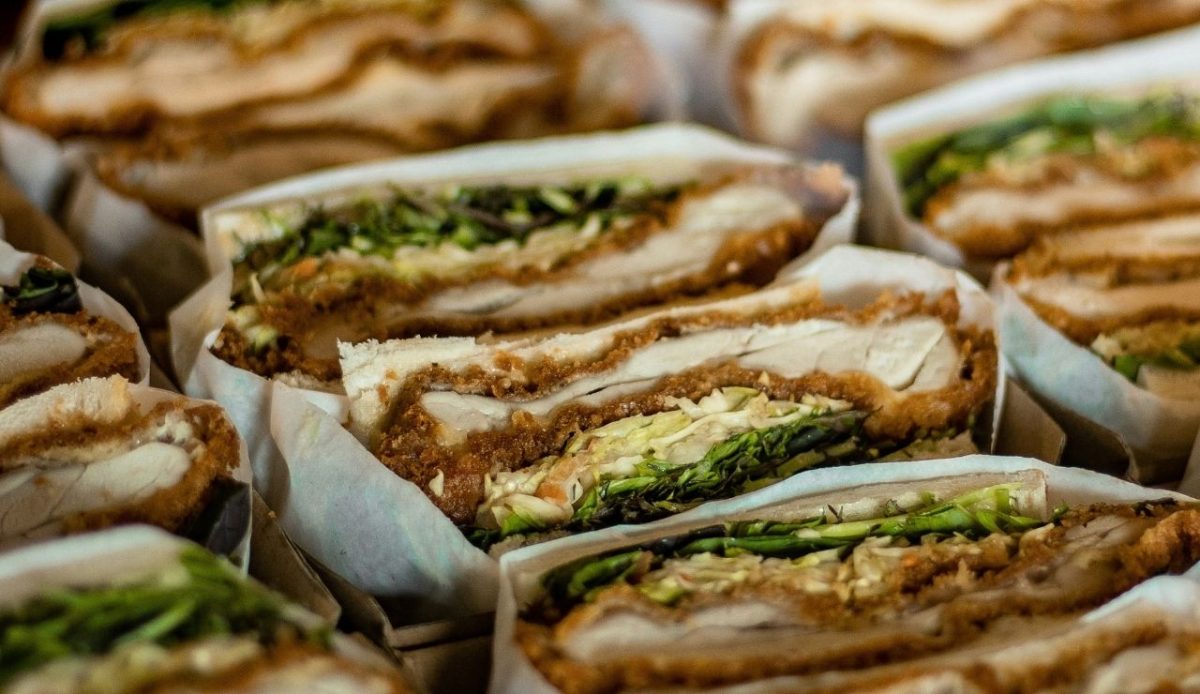
Cold sandwiches wrapped in plastic at airport kiosks often look reliable but are one of the most inconsistent food choices available. They may have been made hours or even a full day earlier, stored at uneven temperatures, and restocked several times. Ingredients like mayo, lettuce, or sliced deli meat lose freshness and can harbor bacteria if refrigeration lapses. Bread also becomes soggy, which makes it harder to digest during flights. These sandwiches rarely offer balanced nutrition and leave you unsatisfied midair. Buy a freshly made sandwich from a café where ingredients are assembled in front of you.
8. Shelf-Stable Bakery Pastries
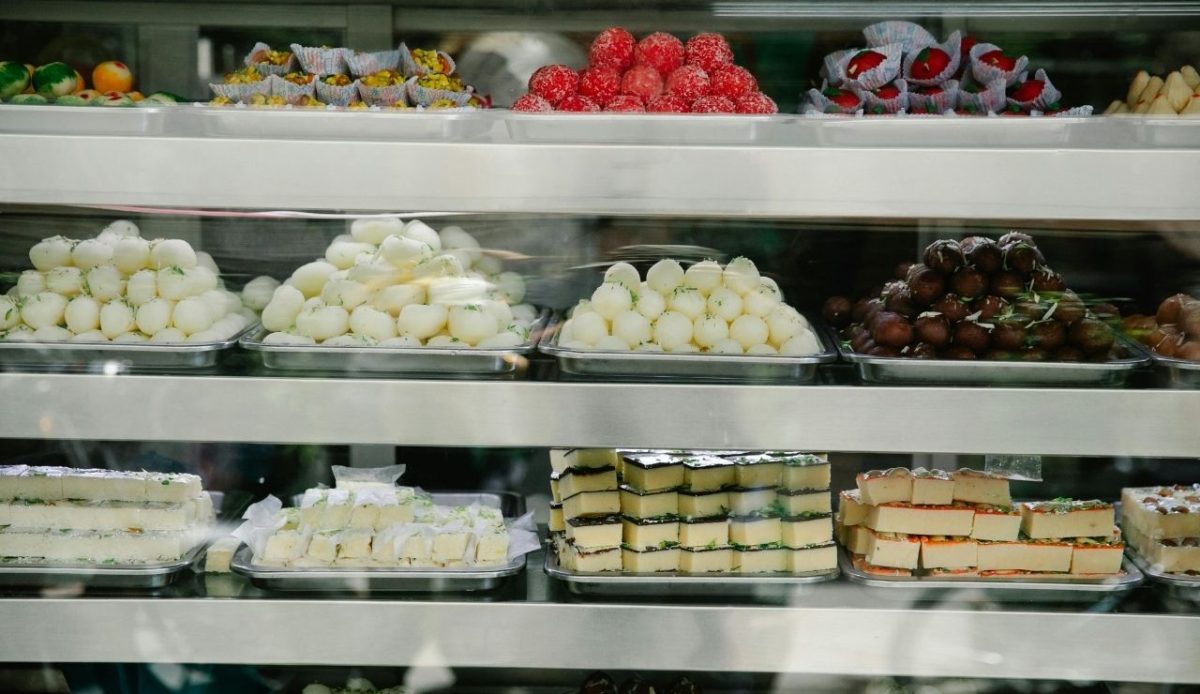
Pastries displayed in plastic wrap or sealed containers may look harmless, but they are typically made with refined flour, hydrogenated oils, and high-fructose syrup to keep them soft for days. These ingredients offer little nutrition and create a quick sugar surge that fades fast, leaving travelers tired and hungry again soon after boarding. Croissants, muffins, and cinnamon rolls also lack fiber and often contain hidden trans fats that make digestion sluggish. Instead, buy freshly baked goods at cafés with visible ovens, or choose protein-rich snacks like yogurt, granola, or almonds for steady energy.
