
Across the United States, some cities are grappling with cost-of-living increases that outpace wages and strain residents. Rising housing prices, expensive groceries, and higher service costs have made daily life challenging, even as these cities remain popular with travelers and new arrivals. Tourists often notice luxury hotels, fine dining, and bustling neighborhoods, but behind the scenes, locals face financial pressure. In this article, we examine seven U.S. cities where the cost of living is increasing faster than most residents can manage, offering insight into economic trends and urban lifestyles.
1. San Francisco, California
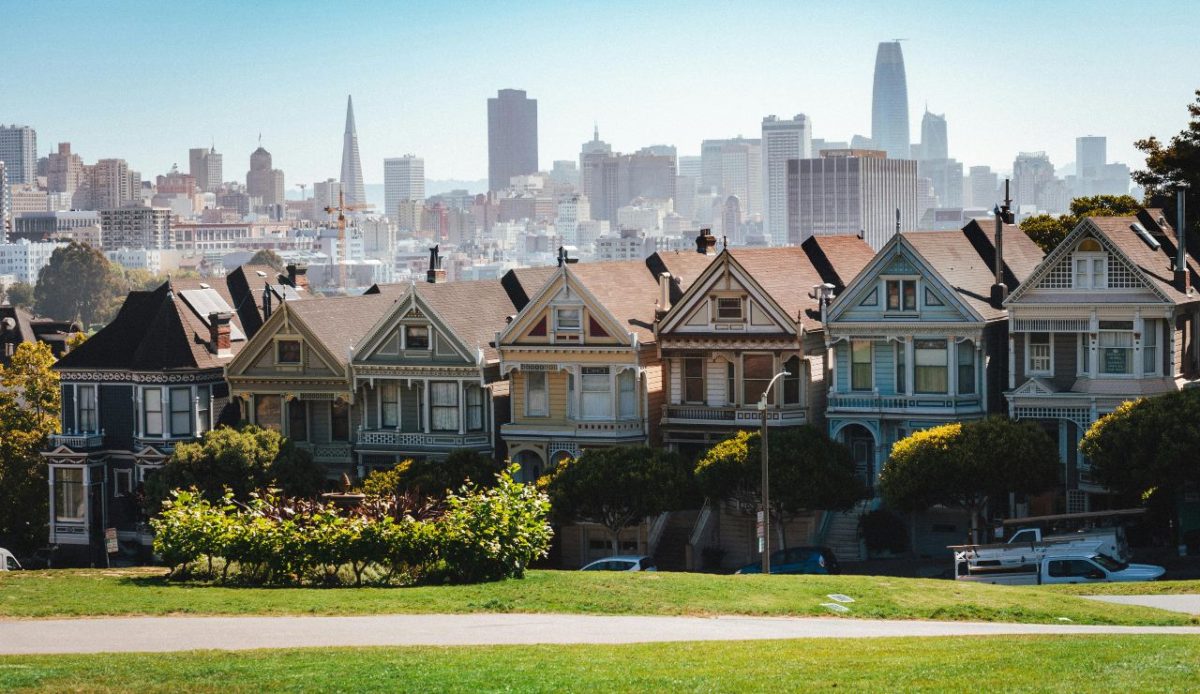
San Francisco has long been synonymous with high living costs, driven by booming tech industries and limited housing. Rent and property prices have skyrocketed, forcing many residents to move farther from the city or share accommodations. Daily expenses like groceries, transportation, and dining are also significantly above the national average. Despite the financial challenges, the city continues to attract visitors for its scenic waterfronts, iconic landmarks, and cultural events. Tourists may enjoy luxury experiences, but locals increasingly struggle to maintain a comfortable lifestyle in this rapidly inflating urban hub.
2. New York City, New York
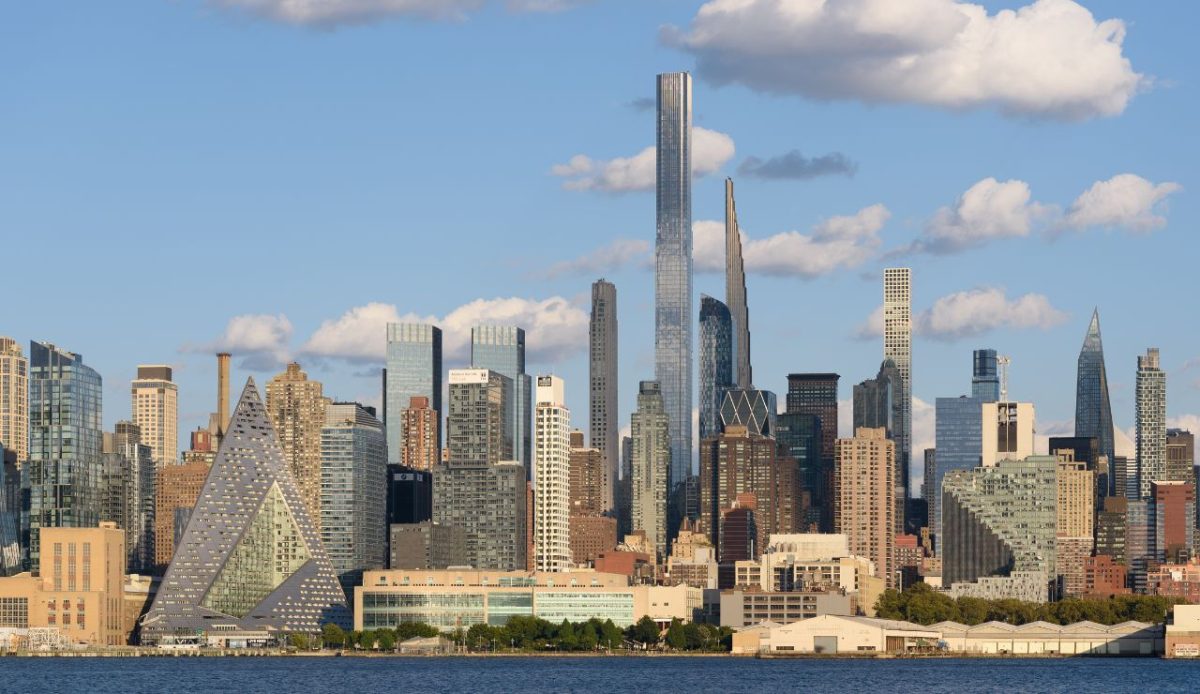
New York City remains a global destination for business, entertainment, and culture, but its cost of living has surged beyond what many residents can comfortably afford. Skyrocketing rents, pricey utilities, and higher taxes place pressure on households. Even necessities like groceries and public transportation are more expensive than in most U.S. cities. Despite this, tourists continue to flock to Manhattan, Brooklyn, and the cultural attractions that define the city. While visitors often see glamour and opportunity, locals contend with economic stress that affects lifestyle, savings, and long-term planning.
3. Los Angeles, California
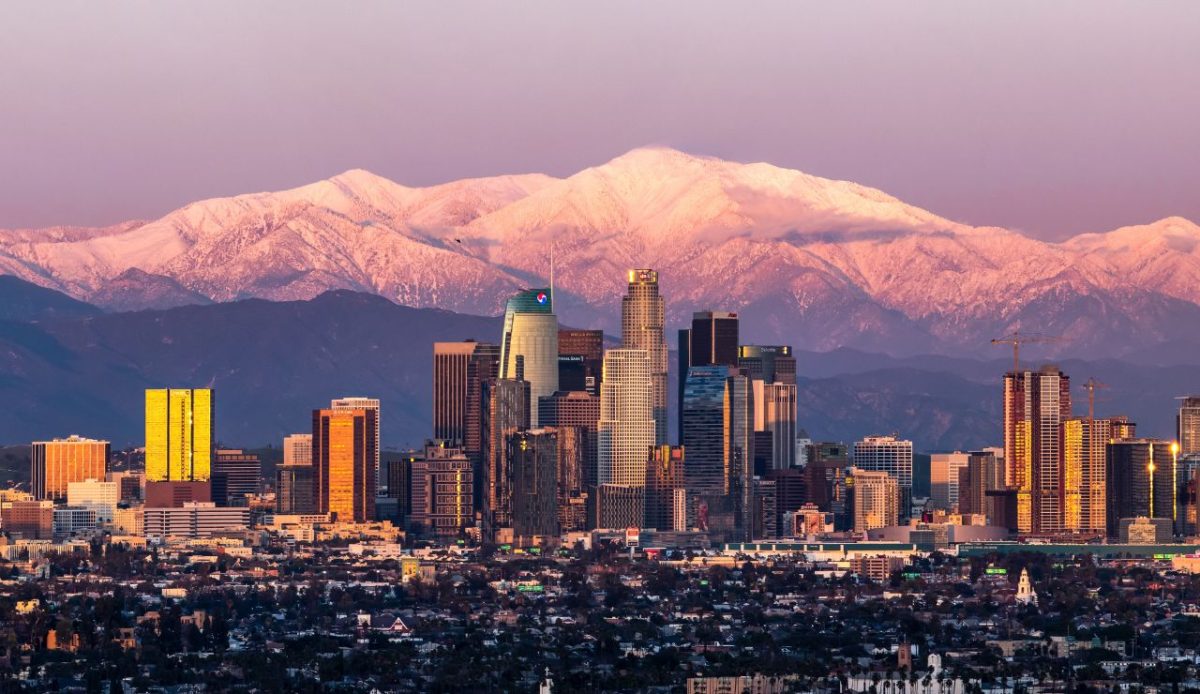
Los Angeles combines entertainment allure with extreme cost-of-living pressures. Housing costs are particularly steep, with both rentals and purchases climbing faster than average incomes. Everyday expenses, including food, transportation, and healthcare, are higher than the national average. The city attracts tourists for its beaches, Hollywood landmarks, and cultural diversity, but for residents, maintaining a stable budget is increasingly difficult. Many are forced to live in distant suburbs or share accommodations. LA’s rising expenses reflect a wider challenge faced by urban areas, balancing economic growth with affordability.
4. Seattle, Washington
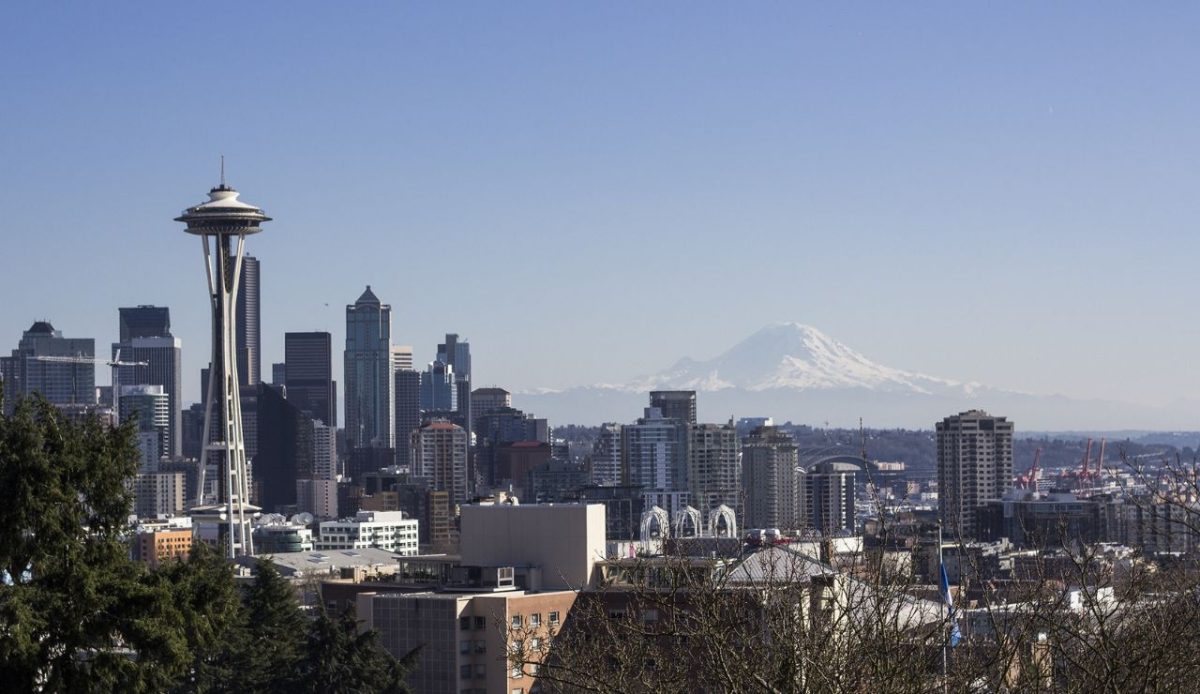
Seattle has experienced rapid economic growth, fueled by tech giants, but the city’s cost of living has outpaced most residents’ wages. Housing markets have tightened, with rent increases and home prices climbing sharply. Essentials like groceries, healthcare, and public services also carry premium prices. Despite the financial strain on locals, the city continues to draw visitors for its natural beauty, music scene, and cultural attractions. Travelers may not notice affordability challenges, but residents often struggle to find affordable housing and manage day-to-day costs amid the city’s booming economy.
5. Boston, Massachusetts
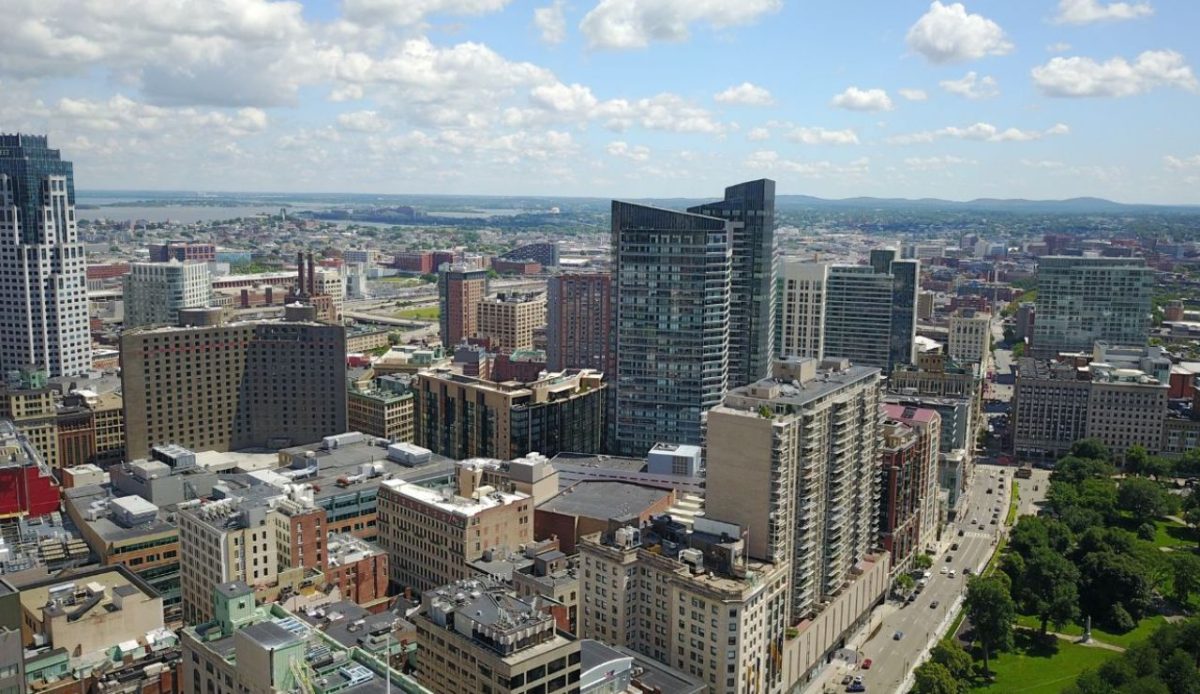
Boston, a hub for education and healthcare, faces rising costs of living that challenge many residents. Rent and property prices are steep, while expenses for transportation, groceries, and entertainment continue to rise. Despite this, the city remains vibrant with historical landmarks, universities, and cultural experiences. Tourists enjoy luxury hotels, fine dining, and rich historical sites, while locals contend with economic pressure affecting savings, housing stability, and daily life. Boston exemplifies a city where economic success drives tourism and innovation but leaves affordability out of reach for many long-term residents.
6. Miami, Florida
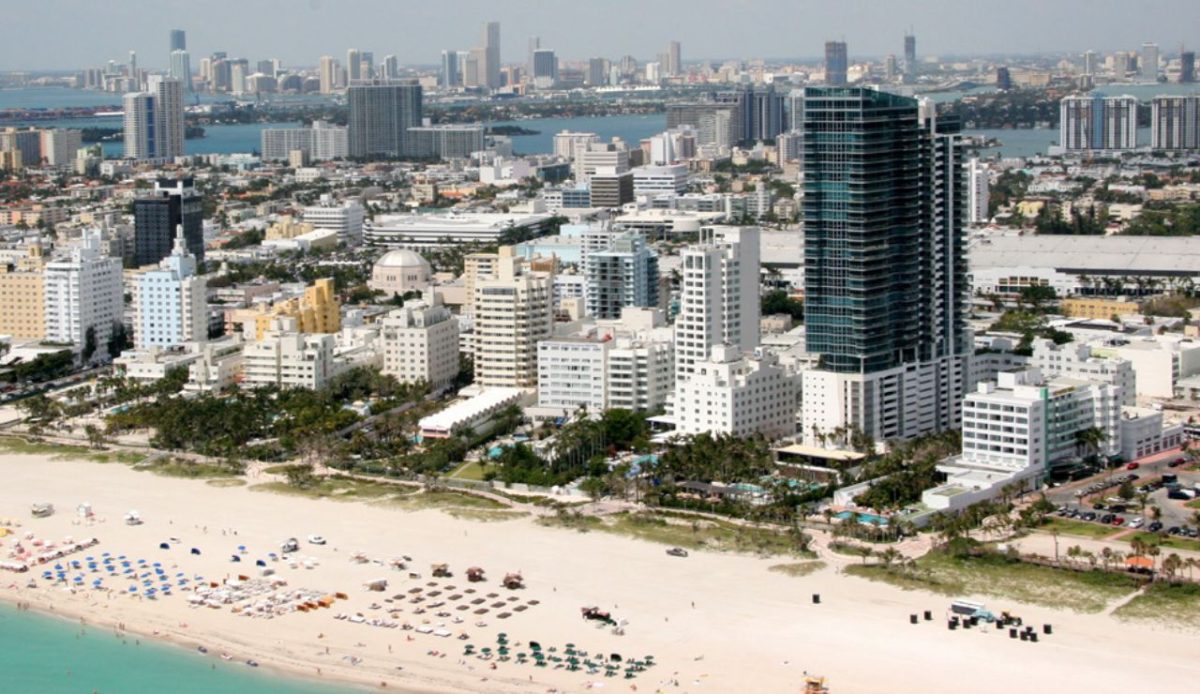
Miami’s cost of living has accelerated in recent years due to demand for coastal property, international investment, and tourism-driven markets. Housing costs, especially in trendy neighborhoods, have soared, while groceries, utilities, and transportation remain high. Despite these pressures, the city remains a major tourist destination for beaches, nightlife, and cultural events. Residents are increasingly challenged to balance living expenses with lifestyle desires, often moving farther inland or sharing accommodations. Miami illustrates the tension between economic growth, tourism demand, and affordability for the local population.
7. Denver, Colorado
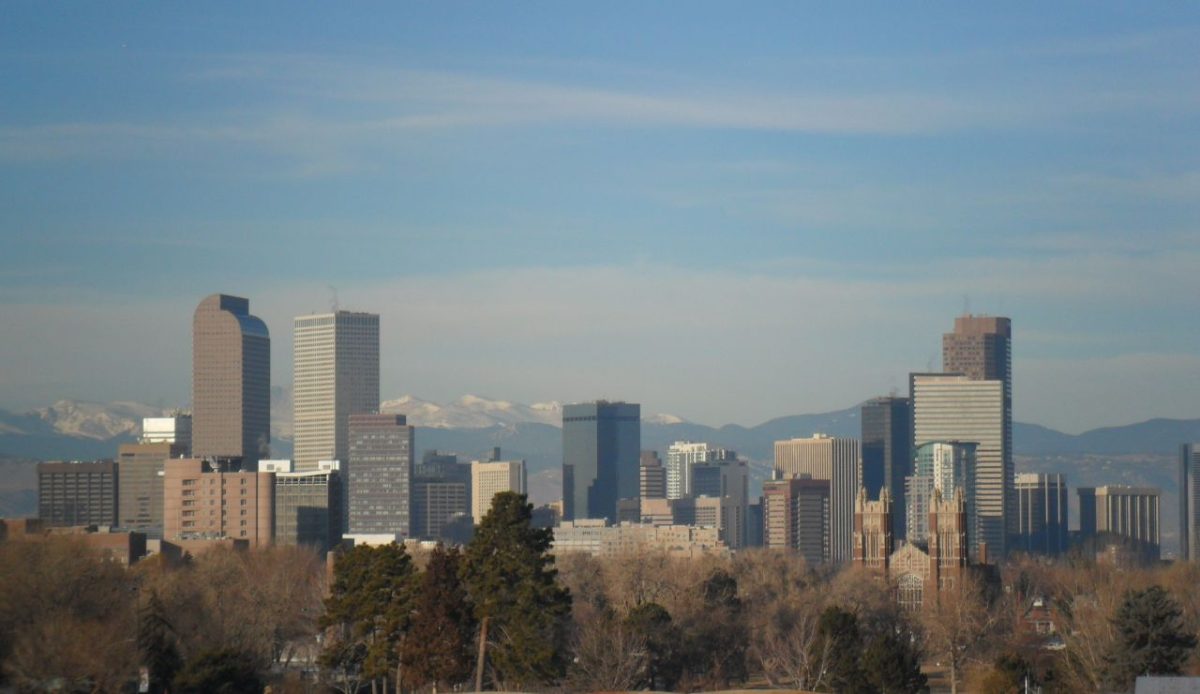
Denver’s rising popularity has brought both opportunity and economic pressure. Tech, outdoor recreation, and lifestyle appeal have driven demand for housing, causing rents and property prices to spike. Daily costs for groceries, healthcare, and services have also increased. While tourists enjoy the city’s craft breweries, mountain access, and cultural events, locals face affordability challenges that affect quality of life. Many are forced to relocate or adjust budgets to cope with inflation. Denver’s story reflects a broader trend in U.S. urban centers, where economic growth and rising costs collide for residents while attracting visitors.
