
National parks often bring to mind safaris, forests, or herds of animals, but many also protect culture, history, and human achievement. Some preserve ancient ruins, temples, and cities that earlier civilizations built and left as records of their lives. Others safeguard sacred places where communities still gather for prayer and ritual passed down through generations. Certain parks highlight geology, art, or astronomy, showing how landscapes became stages for both science and belief. For travelers, visiting these parks means exploring places where mountains, temples, and monuments reveal human presence alongside nature.
1. Mesa Verde National Park, USA
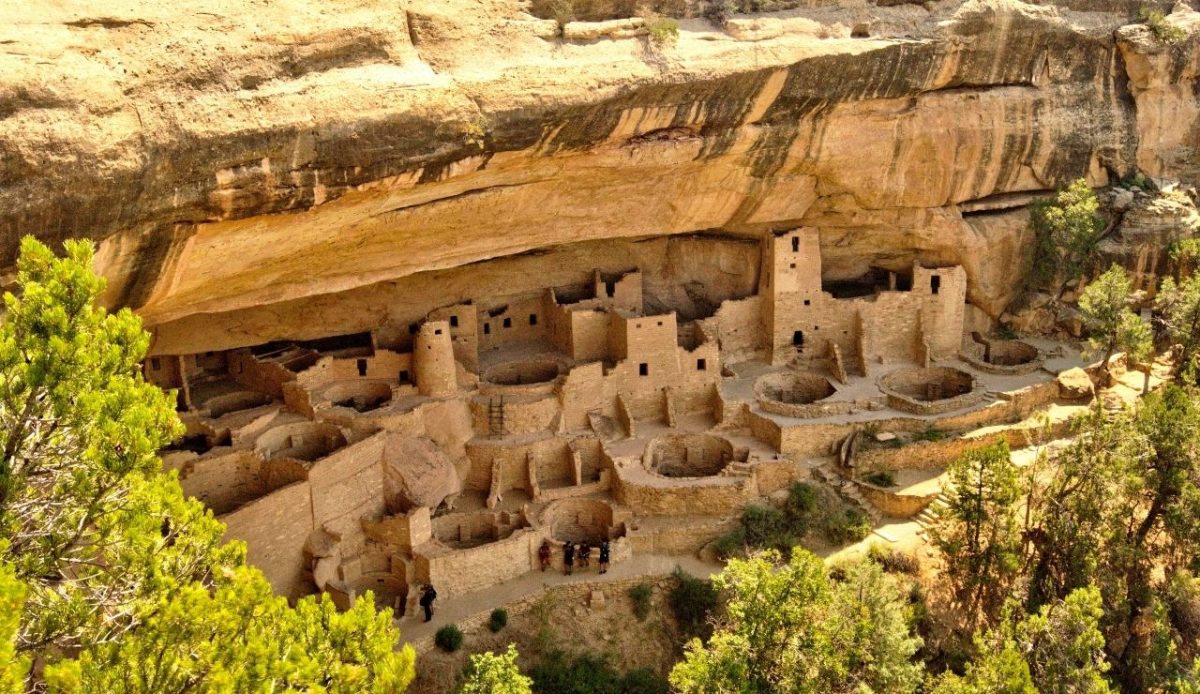
Mesa Verde in Colorado protects cliff dwellings once home to the Ancestral Puebloans. Visitors explore structures that people built into sandstone walls, including multi-story homes and ceremonial kivas. The park shows how people adapted to harsh environments with skill and community planning. Guided tours explain daily life, farming methods, and spiritual practices that shaped the culture. People carved petroglyphs into rocks, and they give insight into beliefs passed through generations. Mesa Verde offers not only a view of ancient architecture but also an understanding of the people who lived there. It remains one of the clearest links between nature and history in the United States.
2. Göreme National Park, Turkey
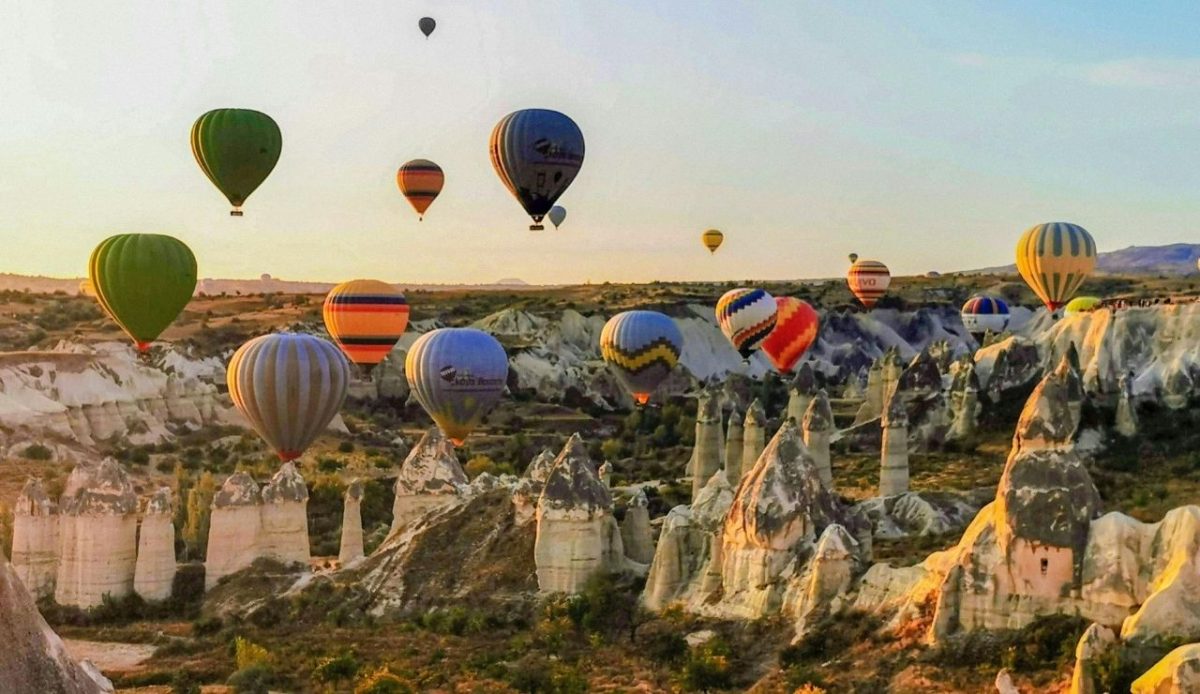
Göreme National Park in Cappadocia is famous for its fairy chimneys and soft volcanic rock that erosion has shaped into valleys and towers. More than a natural wonder, the park preserves rock-cut churches, monasteries, and homes that early Christians built. Artists painted frescoes inside the caves, and they reveal biblical scenes that survived for centuries. Travelers explore underground cities where communities once hid during invasions. Hot air balloon rides give aerial views of both nature and human-made dwellings that people carved into stone. Göreme is a place where geology and culture meet, showing how people created entire towns within a unique landscape.
3. Great Smoky Mountains National Park, USA
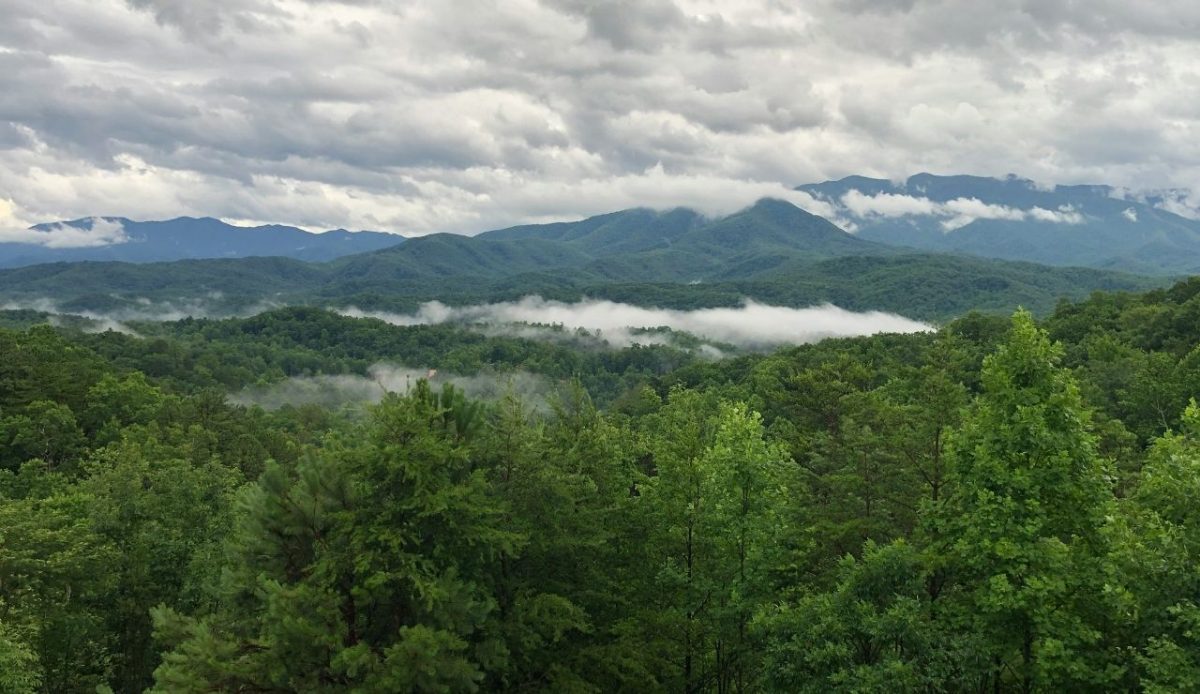
The Great Smoky Mountains, on the border of Tennessee and North Carolina, draw visitors for misty peaks and diverse forests. Yet the park also protects remnants of early American life. Settlers built log cabins, barns, mills, and churches that remain in the valleys. The Cades Cove area shows how communities farmed and worshiped, while cemeteries, carefully maintained, tell family stories. Cherokee heritage is also present, with trails and traditions reflecting the deep history of Native Americans in the region. The Smokies connect natural beauty with cultural memory, making them more than a place for hiking or spotting wildlife.
4. Sagarmatha National Park, Nepal
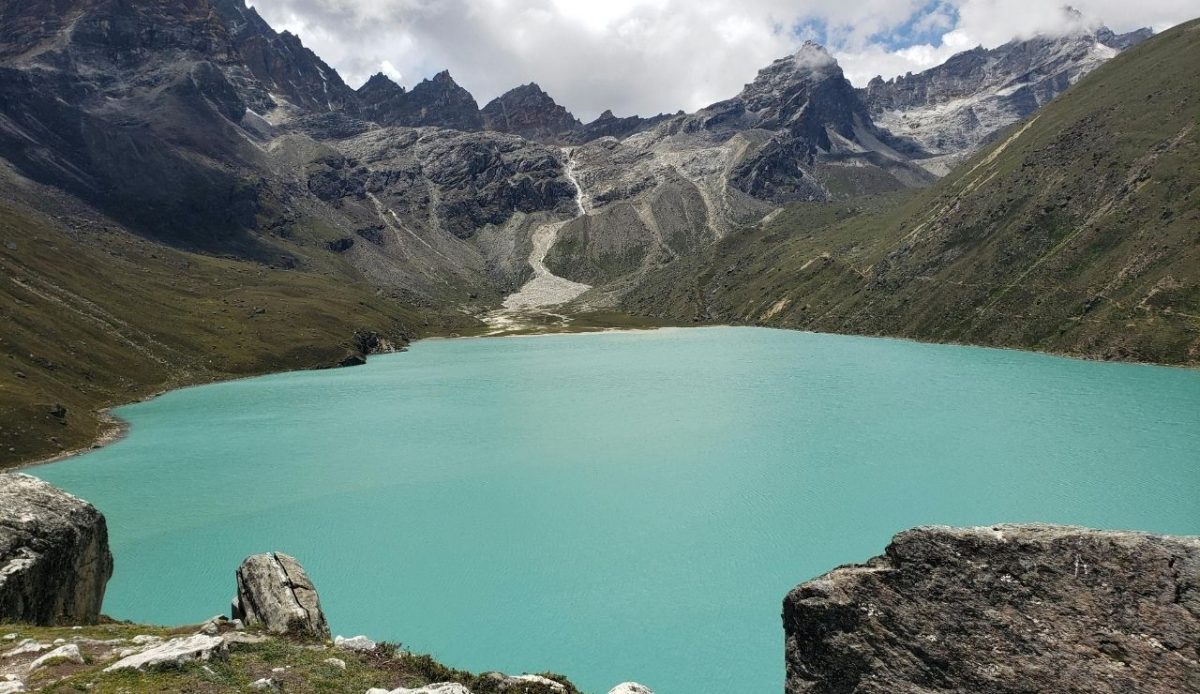
Sagarmatha, home to Mount Everest, draws climbers from across the globe, but the park offers more than mountains and glaciers. Sherpa villages scattered through valleys preserve traditions of hospitality, prayer, and mountaineering culture. Monasteries with colorful prayer flags connect daily life to Buddhist belief. Trails pass chortens and mani stones that artisans carved with sacred texts, reminding visitors of faith rooted in the Himalayas. Travelers learn how communities adapt to high altitudes through farming and trade. Sagarmatha shows the relationship between natural extremes and cultural resilience, making it a national park known as much for heritage as for dramatic peaks.
5. Tikal National Park, Guatemala
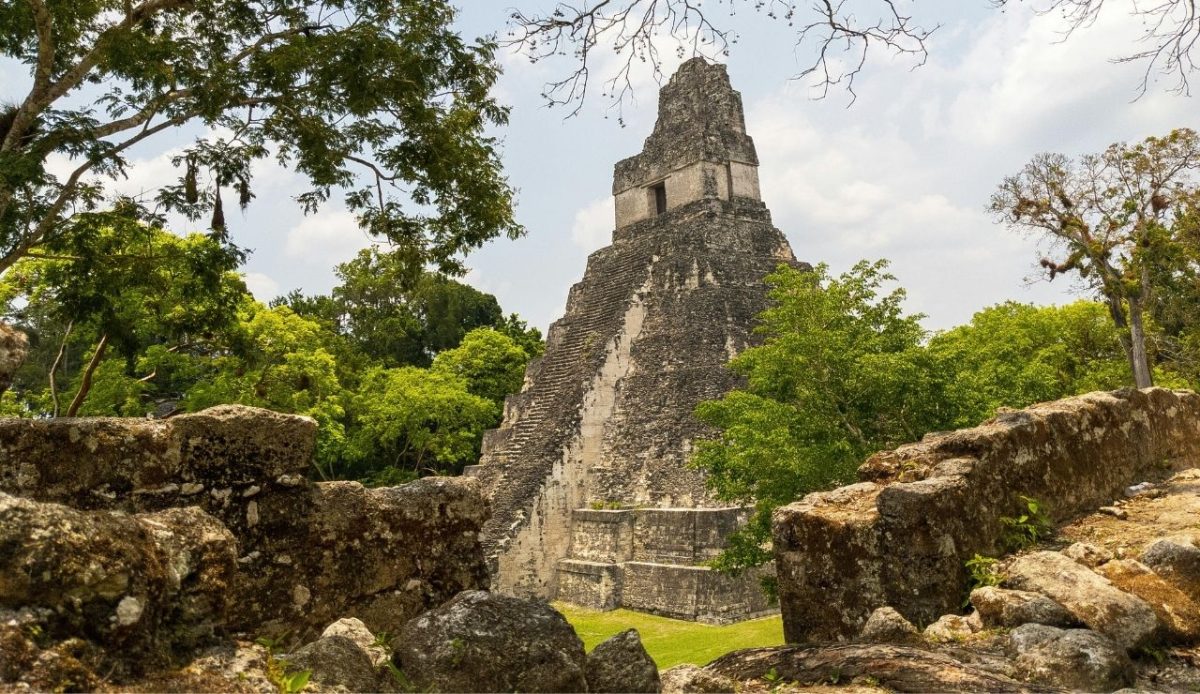
Tikal preserves the ruins of one of the greatest Mayan cities, a city that remained hidden for centuries within Guatemala’s rainforest. Travelers climb stone pyramids that rise above the jungle canopy, giving views once reserved for kings and priests. Temples, plazas, and ball courts reveal the complexity of Mayan society. Inscriptions on stelae record rulers and events, while nearby museums display artifacts that archaeologists uncovered during excavations. Howler monkeys and tropical birds add sound to the setting, but the heart of Tikal is its history. Visitors leave with a sense of walking through a city that shaped an entire civilization.
6. Petra Archaeological Park, Jordan
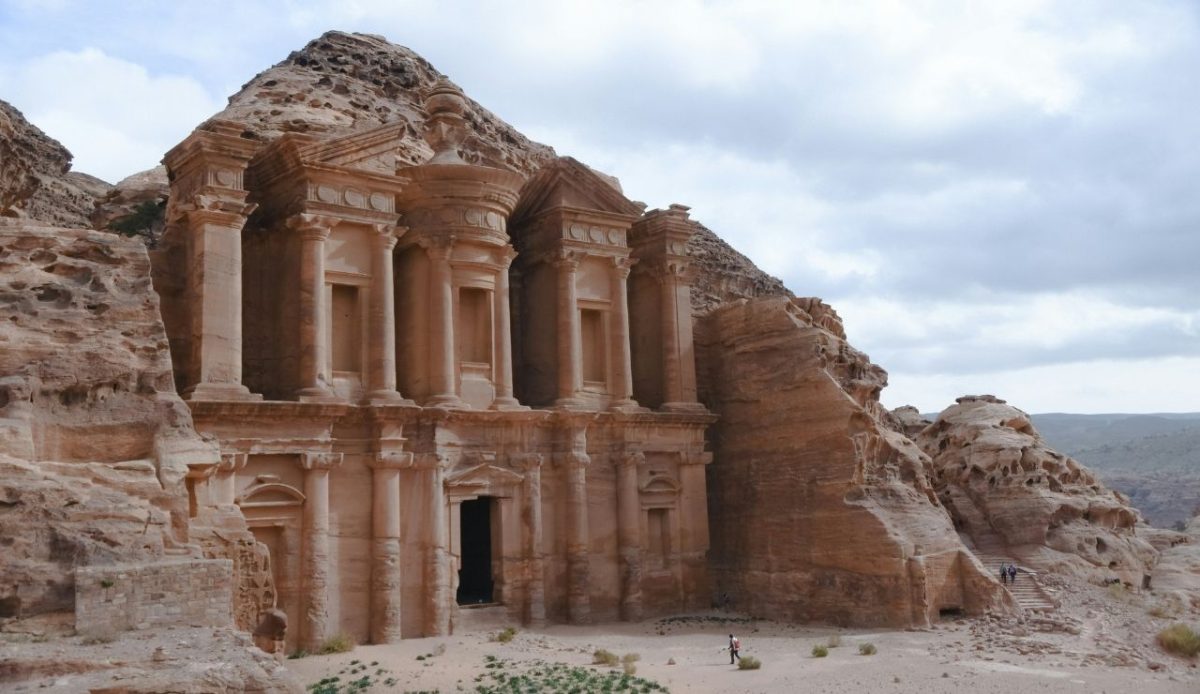
Petra, often called the “Rose City,” reveals temples and tombs that the Nabataeans carved into red sandstone cliffs more than 2,000 years ago. People walk through the narrow Siq canyon, where sunlight highlights intricate carvings on rock walls. The Treasury, Petra’s most famous structure, shows the artistry and engineering of an advanced culture. Beyond monuments, Petra includes water channels and storage systems that supported city life in a desert climate. Archaeologists continue to study the site, uncovering evidence of trade routes that linked Petra to Arabia, Egypt, and the Mediterranean. The park connects visitors to a civilization that combined creativity with survival.
7. Rapa Nui National Park, Chile
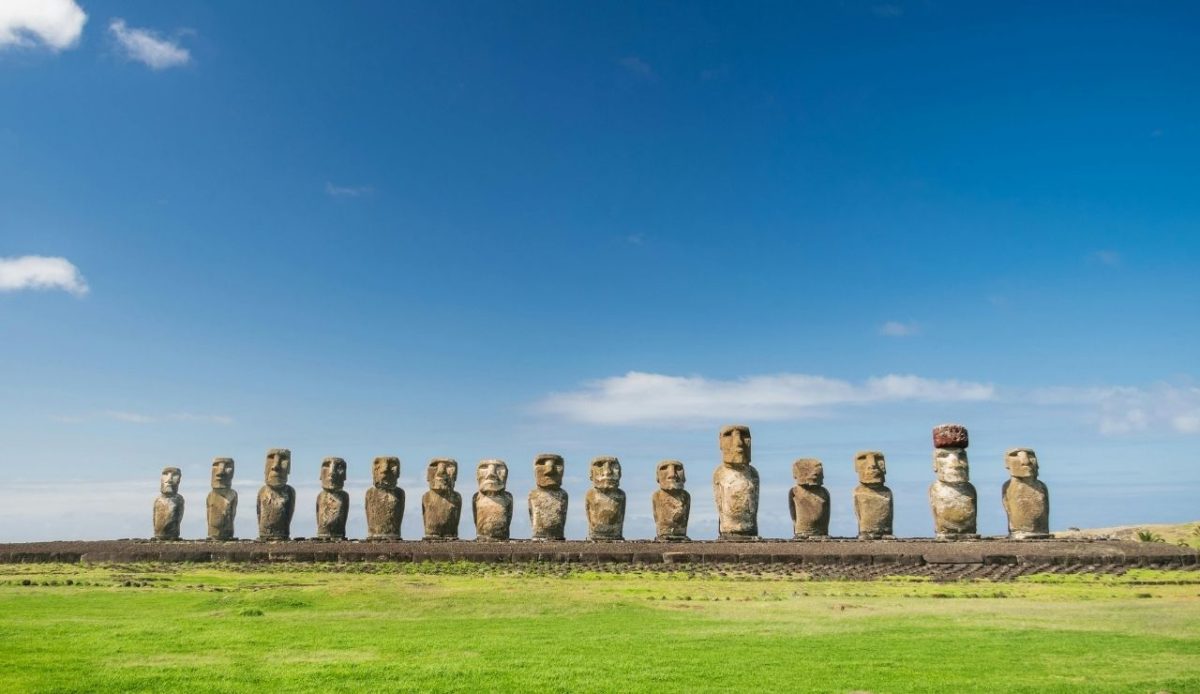
On Easter Island, Rapa Nui National Park protects the giant stone figures known as moai that the island’s early inhabitants created. Travelers hike across volcanic terrain to reach ceremonial platforms where the statues still face inland. Each figure represents ancestors who watched over communities. Archaeologists believe building and moving the moai showed both devotion and engineering skill. The site protects petroglyphs, caves, and villages that explain how people lived in isolation for centuries. Visitors gain insight into Polynesian culture while experiencing sweeping views of the Pacific Ocean. Rapa Nui remains one of the most striking examples of human creativity in a remote setting.
