
Traveling the world opens up unforgettable experiences, but safety should always be a priority. In certain destinations, tourist violence has become a real concern, with incidents ranging from armed robbery and gang-related crime to theft and political unrest. While millions still visit these places for culture, scenery, and history, travelers need to be aware of the risks and take precautions. Understanding where violent crime involving tourists is more common, whether from organized crime, civil instability, or opportunistic attacks, helps you make informed decisions and stay safe while exploring globally.
1. Acapulco, Mexico
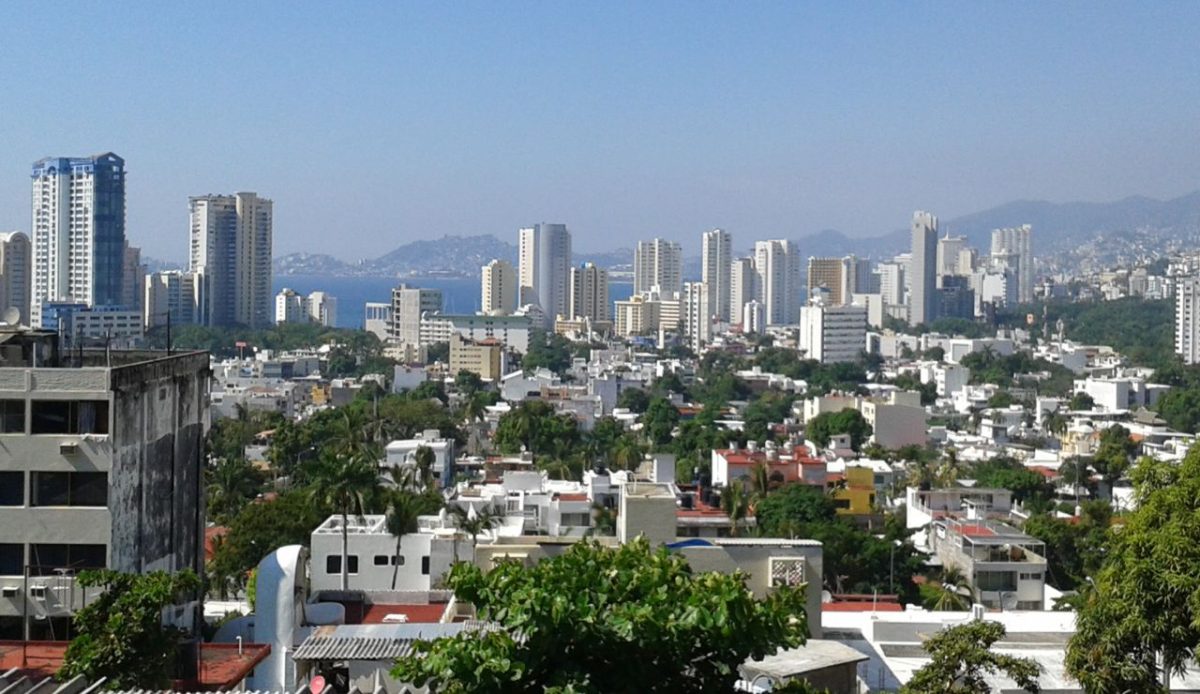
Once a premier beach destination, Acapulco has seen a surge in violent crime that affects visitors in recent years. Gang activity and drug trafficking contribute to armed robberies, shootings, and attacks in areas outside heavily monitored tourist zones. While resort districts still offer beachside fun, nightlife, and scenic views, the surrounding city has neighborhoods with high crime rates. Tourists are advised to stay in well-secured areas, avoid isolated streets, and use trusted transportation. Awareness and local guidance are essential, especially after dark, to minimize the risk of violent encounters.
2. Caracas, Venezuela
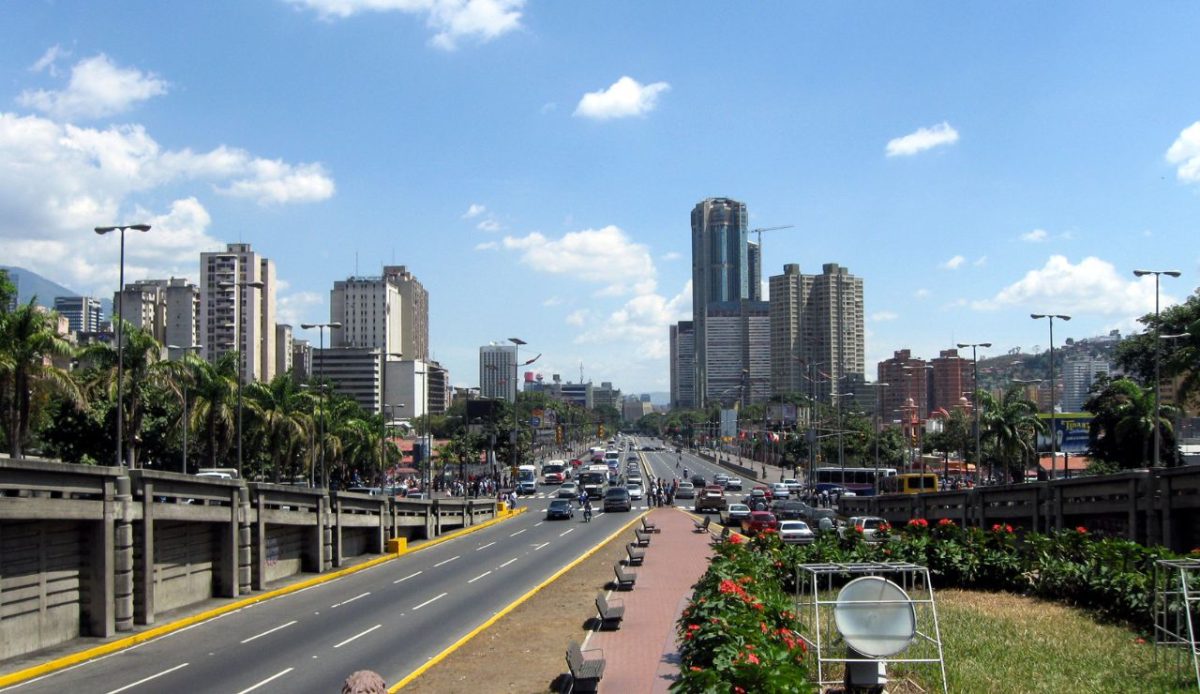
Caracas has one of the highest violent crime rates among capital cities worldwide, and tourists can be targets of armed robbery, kidnapping, or assault. Political instability, economic hardship, and limited law enforcement capacity contribute to widespread crime that affects both residents and visitors. Even in areas with major attractions, petty crime often escalates into violent confrontations. Travel advisories frequently recommend avoiding non-essential travel to many parts of Venezuela due to these risks. Visitors who choose to go should remain in secured zones, travel with experienced guides, and stay informed about local conditions.
3. Rio de Janeiro, Brazil

Rio de Janeiro is famed for its stunning beaches, Carnival celebrations, and vibrant culture, yet it also experiences significant gang-related violence and street crime. Tourists in crowded areas like popular beaches or transit hubs may be vulnerable to armed robbery, bag snatching, or muggings. Favela tours and sightseeing can be safe if arranged through reputable operators, but unplanned excursions into less secure neighborhoods carry real risks. Petty crime and violent incidents have been documented in tourist zones, with visitors advised to stay alert, secure valuables, and avoid isolated areas, especially at night.
4. San Pedro Sula, Honduras
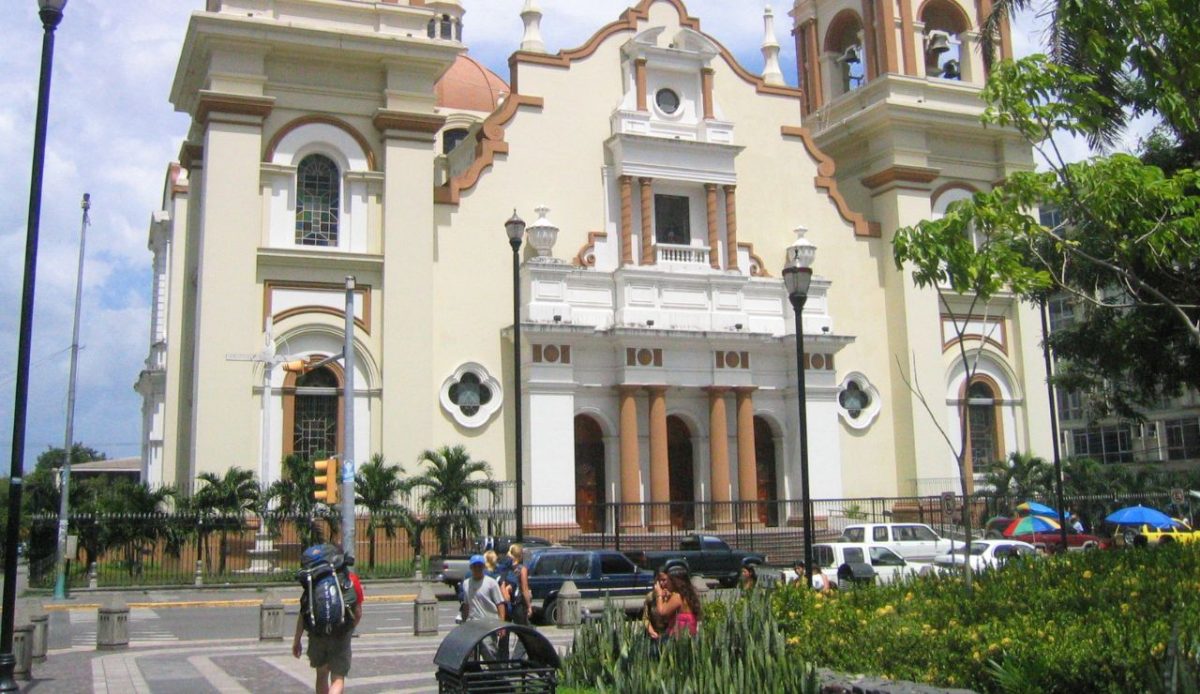
San Pedro Sula has historically been cited as one of the world’s most dangerous cities, with extremely high rates of homicides and violent crime. Gang activity, armed robbery, and kidnapping are pressing concerns, and travelers may inadvertently face danger when venturing beyond well-protected areas. While some tourists pass through on their way to eco-tours or cultural experiences, local authorities strongly encourage visitors to stay within secure zones and avoid independent travel at night. Using trusted guides, private transport, and staying alert to surroundings are critical safety practices in this Central American destination.
5. Port-au-Prince, Haiti
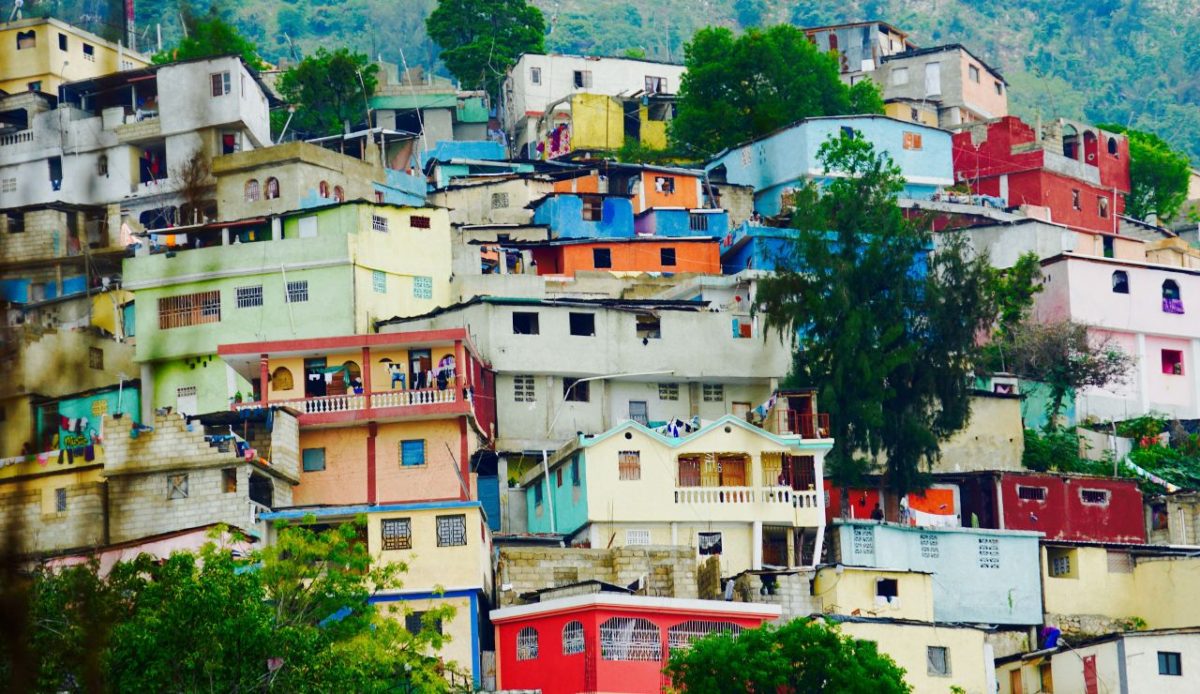
Political instability and gang violence in Port-au-Prince have led to frequent armed robberies, assaults, and kidnappings affecting both locals and foreigners. Limited law enforcement resources struggle to contain crime, and large parts of the city are considered high-risk for visitors. Travel advisories often recommend avoiding the Haitian capital entirely, particularly outside secured areas and tourist enclaves. Those who still visit for cultural or historical reasons typically rely on guided tours and security personnel to reduce risk. Extreme caution, up-to-date local insight, and strict adherence to safety protocols are essential here.
6. Turks and Caicos Islands
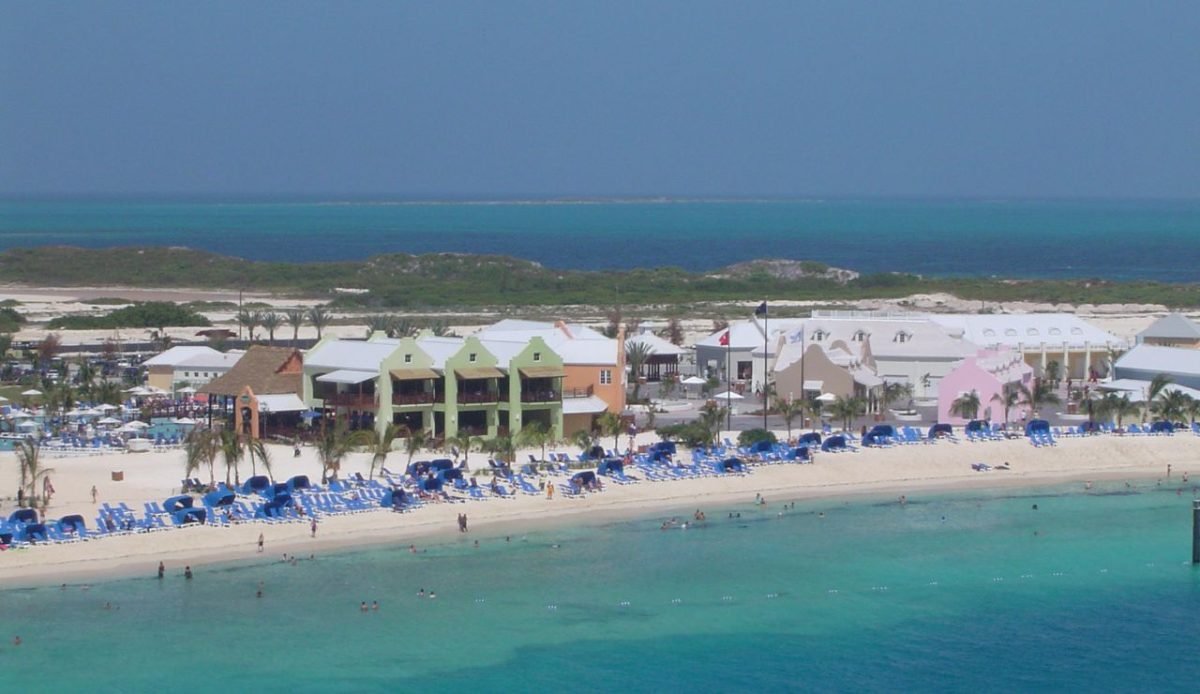
Despite its reputation as an upscale Caribbean getaway, the Turks and Caicos Islands have reported some of the region’s highest homicide rates, sparking safety concerns for travelers. Organized crime and violent disputes unrelated to tourism contribute to elevated murder statistics, prompting advisories for increased caution among visitors. While major resort areas remain comparatively safe, armed robberies and violent crime can occur in less monitored neighborhoods. Tourists are encouraged to stick to well-lit, populated zones and follow local guidance to reduce exposure while enjoying beaches and luxury resorts.
7. South Africa
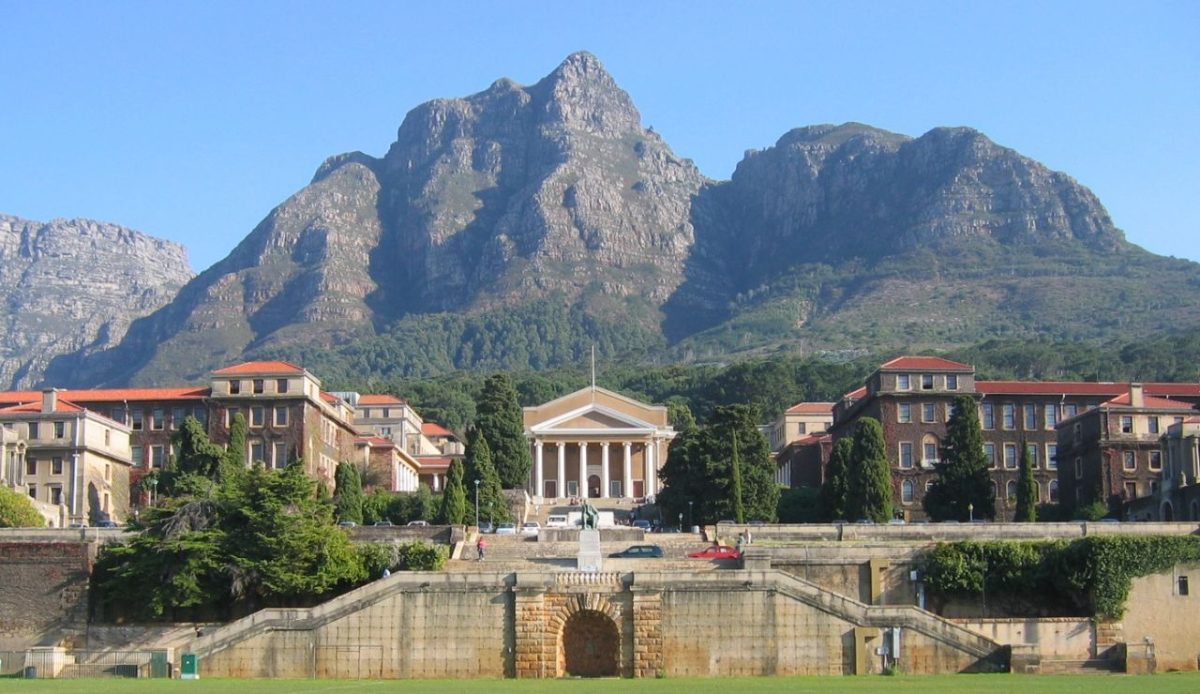
South Africa is a popular destination for safaris, wine regions, and cultural diversity, but it also registers some of the highest crime and violent incident rates in Africa. Robbery, assault, and carjacking are common in urban centers and tourist transit zones. While many visits are uneventful, authorities advise travelers to remain vigilant around major cities like Johannesburg or Cape Town, especially at night or in townships where crime is concentrated. Using trusted tour operators, avoiding poorly lit streets, securing belongings, and staying informed about local alerts help reduce risks in this high-crime destination.
