
Travelers often follow local customs they notice on arrival, yet many rules in popular destinations remain unseen until a problem occurs. A simple item in a backpack, an everyday habit from home, or a quick photo taken without checking the surroundings can create legal trouble in places with tightly defined standards. Some countries restrict clothing patterns, others regulate medications tourists consider routine, and several enforce conduct rules that differ sharply from what visitors expect. Knowing how these regulations work helps prevent situations where an ordinary action leads to questioning, fines, or delays during a trip.
1. Thailand
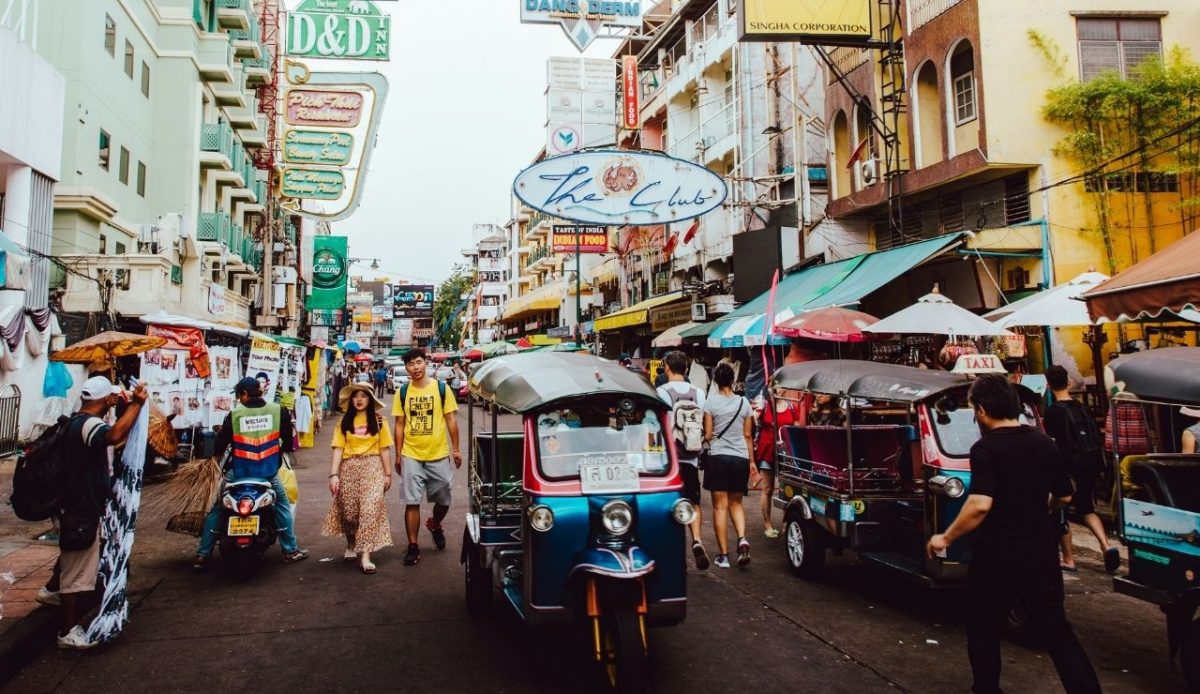
Thailand draws steady tourist crowds, yet visitors frequently overlook regulations that control how people behave in public spaces. The country bans e-cigarettes, and officers treat possession as a serious offense rather than a minor mistake. Travelers who pack common devices without checking rules risk fines or detention on arrival. Another sensitive area involves public treatment of the monarchy, as disrespect creates legal action even when the gesture seems accidental. Money on the ground, posters, and everyday remarks can lead to problems if handled carelessly. Awareness helps avoid unwanted attention.
2. Singapore
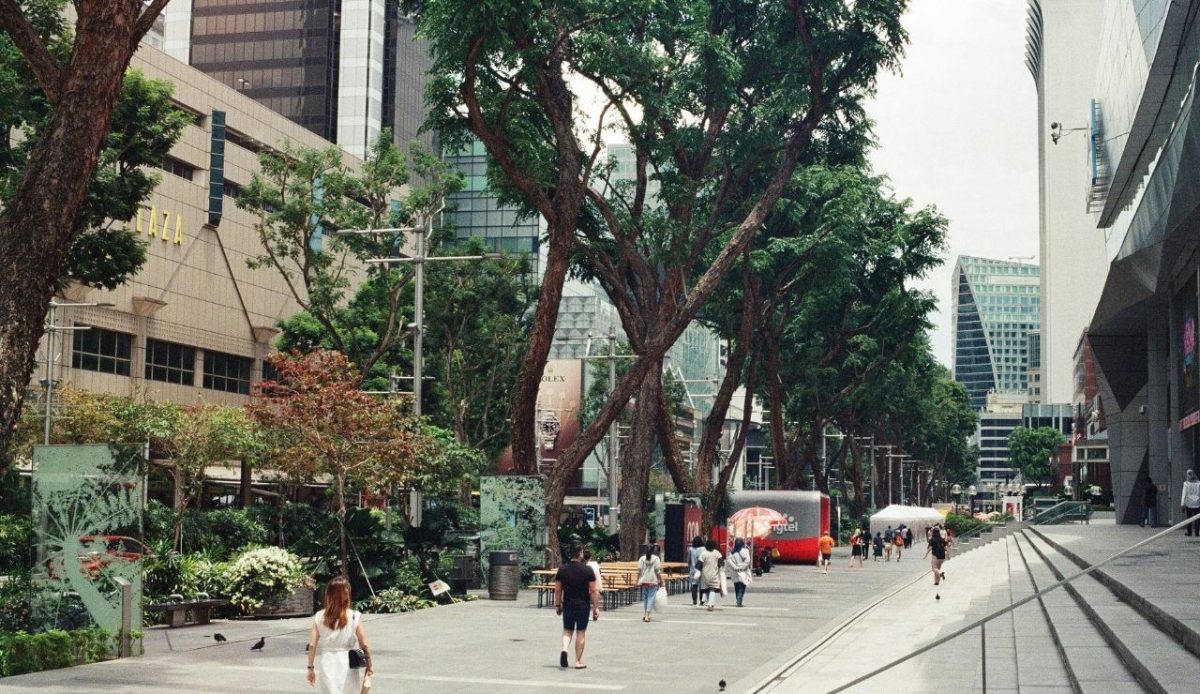
Singapore maintains order through rules that target behaviors many visitors consider minor. The city treats spitting gum or leaving waste in public as actionable violations and issues fines that surprise unprepared travelers. Using someone’s unsecured Wi-Fi network counts as unauthorized access under local law, which turns a casual phone connection into a legal issue. Public restroom rules also require attention, since not flushing can lead to penalties. These standards reflect the country’s approach to keeping shared spaces clean and safe, and travelers must quickly adjust by reading posted notices.
3. United Arab Emirates
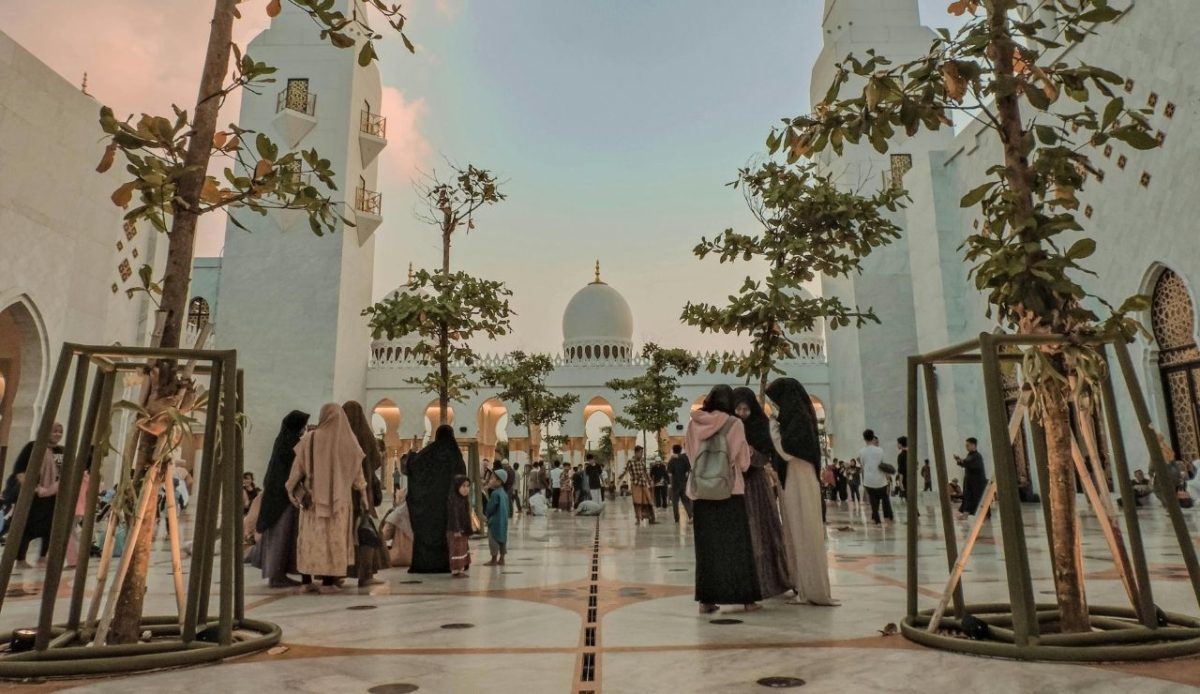
The UAE welcomes travelers, yet its strict approach to medication and conduct challenges visitors who pack familiar pills or follow casual habits common elsewhere. Many cold remedies, painkillers, and calming tablets require advance approval, and officers may detain travelers who arrive with controlled substances. Public behavior also carries weight, as gestures, loud arguments, and close physical contact can draw complaints. Authorities act quickly when conduct appears offensive. Understanding these limits helps travelers move through airports, malls, and transit areas without facing unexpected questioning or losing their belongings during checks.
4. Japan

Japan enforces firm limits on drugs that tourists often keep in their carry-on bags. Several allergy and cold medicines rely on ingredients that count as stimulants under local law, and travelers who bring them may lose the items or face longer interviews at the airport. Officers expect visitors to follow rules on labeling and documentation for any prescription. Public behavior also requires awareness, as quiet travel environments discourage phone use and loud conversation on trains. Preparing medication lists before departure helps avoid delays and confusion during arrival procedures.
5. Barbados and the Caribbean
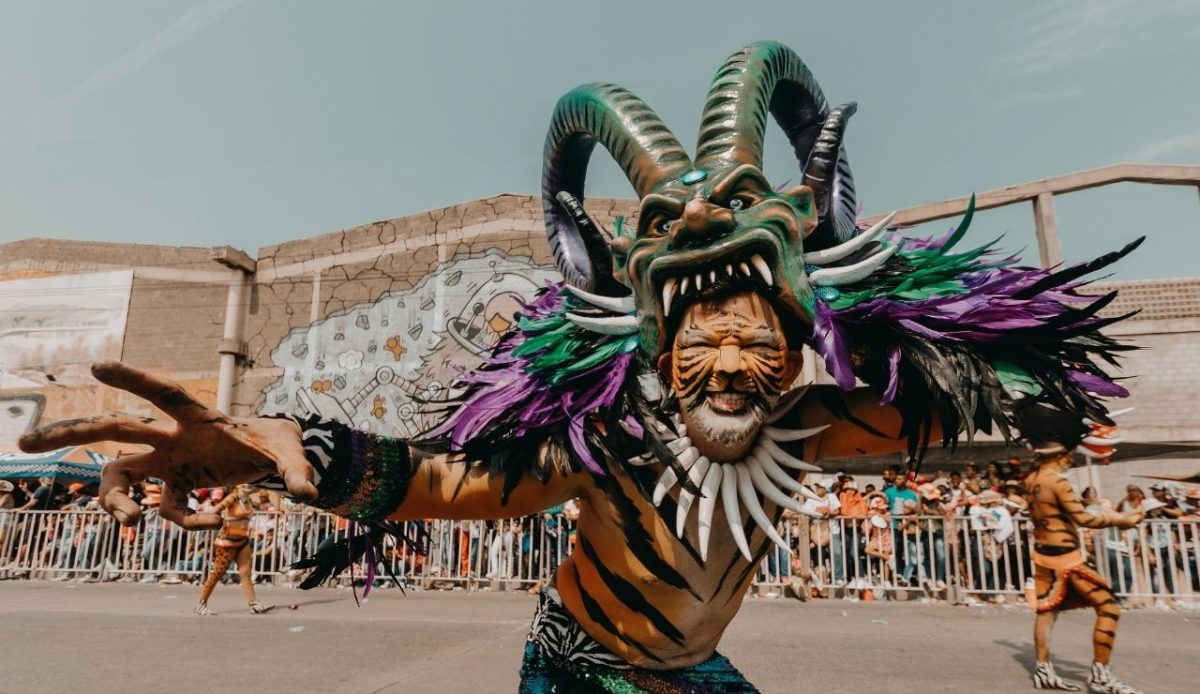
Across Barbados, St. Lucia, St. Vincent, and parts of Jamaica, wearing camouflage clothing is restricted to prevent confusion with military personnel. Tourists who pack patterned shorts, bags, or hats may have the items seized at the airport, and wearing them in town can cause legal trouble. Many visitors assume the rule targets tactical gear only, yet even casual beachwear can violate the standard. These countries enforce the ban consistently, which means travelers must sort through their luggage before arrival to prevent awkward encounters with officers and possible fines.
6. Sri Lanka
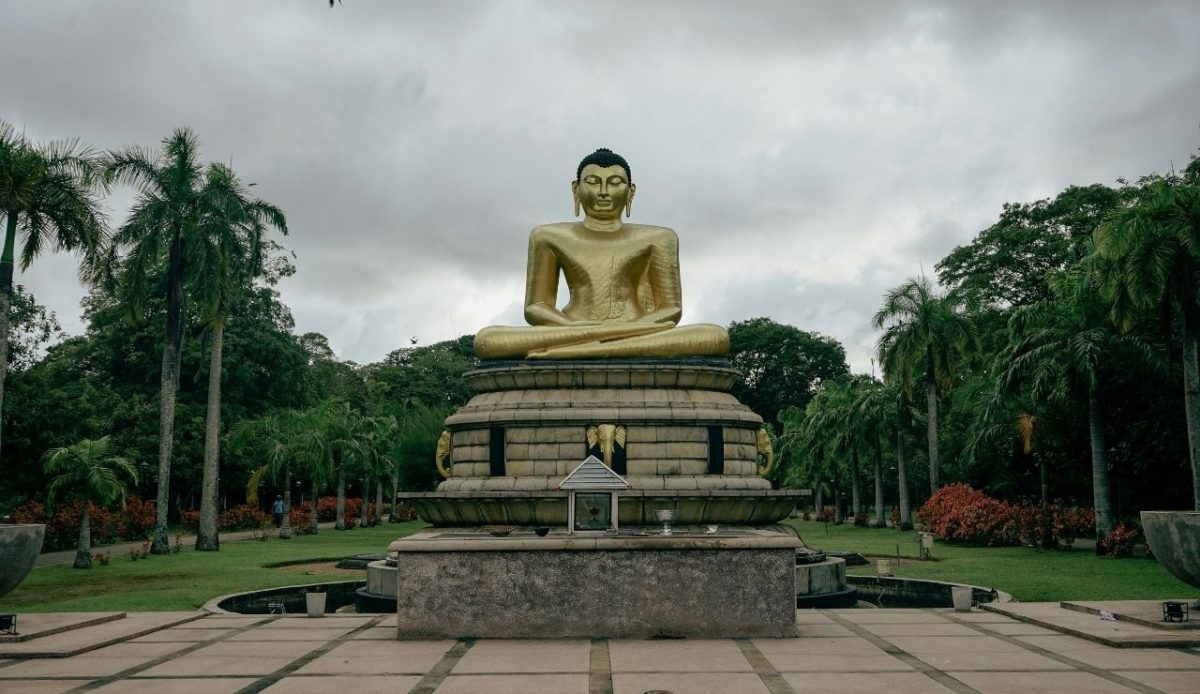
Sri Lanka treats religious respect as a serious matter, and visitors often misjudge how certain images should be displayed. Buddha tattoos create problems when worn on the leg, arm, or back, since officers may view the placement as disrespectful. Travelers have been detained or removed from the country after showing these tattoos in public. Photo behavior also needs attention, as turning away from a statue while taking a picture can offend local expectations. Reading posted rules near temples helps visitors avoid actions that may appear harmless to them but are unacceptable to residents.
7. Italy
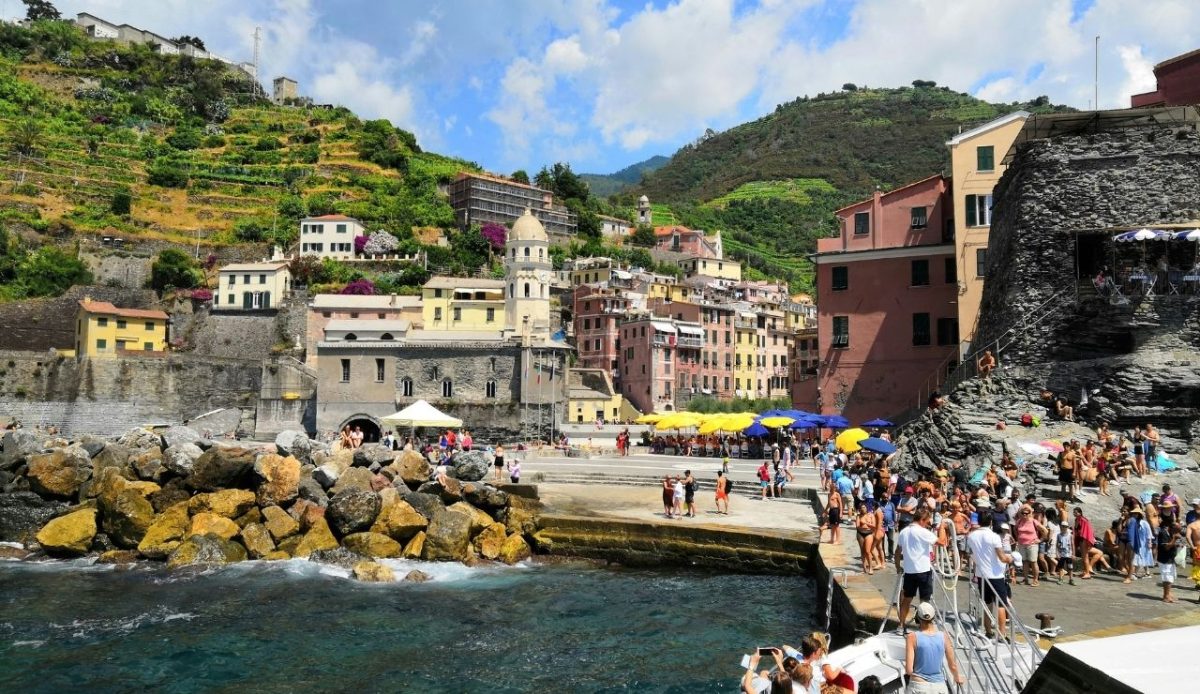
Italy protects its historic sites with rules that respond to crowding and damage from daily tourism. Travelers who hike trails in Cinque Terre with flimsy footwear may receive fines because the paths require proper stability to reduce rescue calls. Eating on monuments in Rome, Florence, or Venice can also lead to penalties, since officials work to preserve stairs, fountains, and plazas from spills and waste. Beach rules add another layer, as removing sand or stones counts as taking state property. Visitors avoid issues when they follow signs and pack suitable gear.
