
Homelessness is a growing crisis across many American cities, shaped by rising housing costs, mental health issues, and economic strain. While the problem exists nationwide, some urban centers are facing it at a far greater scale. These six U.S. cities report the highest levels of homelessness, from tent encampments to overwhelmed shelters. Understanding where and why this happens is key to addressing the deeper roots of poverty, housing policy, and support systems for vulnerable populations.
1. Los Angeles, California
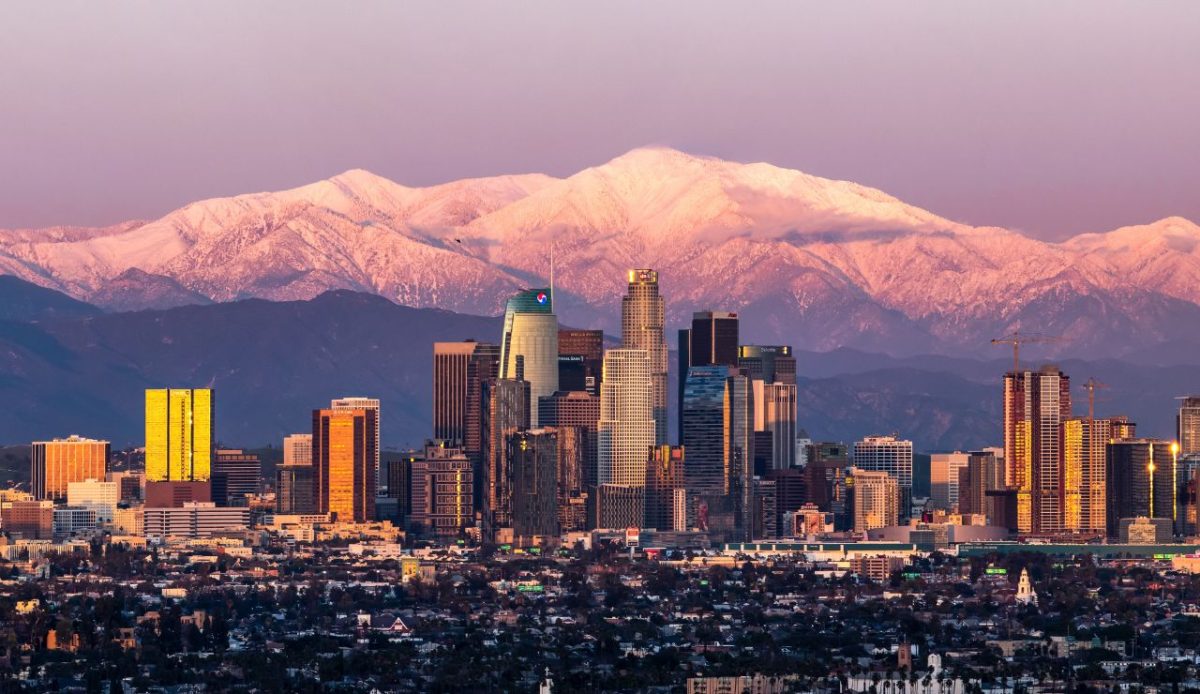
Los Angeles has the largest unsheltered homeless population in the country, with tens of thousands living on sidewalks, in tents, and in cars. The mild weather, high housing costs, and a shortage of shelter space make it a city where homelessness is especially visible. Skid Row has long symbolized the crisis, but the issue now spans every part of the city. Despite city and county programs, the numbers have continued to rise, revealing the limits of current solutions.
2. New York City, New York
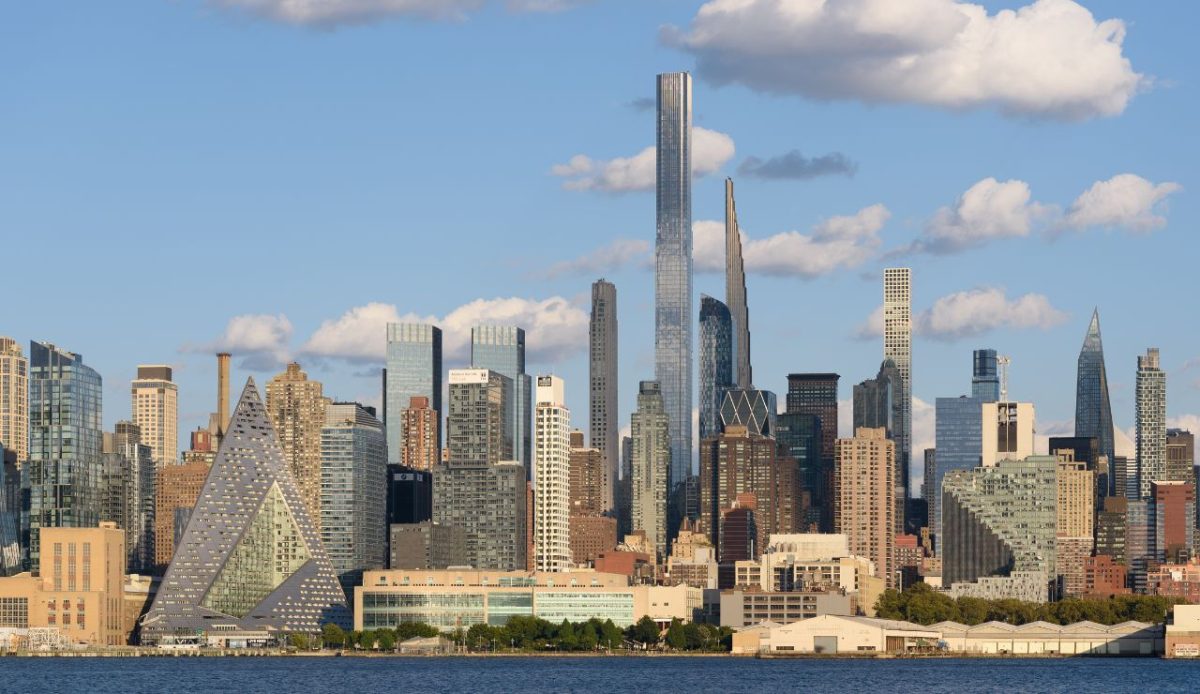
New York City has one of the highest total numbers of homeless individuals, though most live in shelters rather than on the streets. With a legal right to shelter, the city supports an extensive system of housing services. Still, thousands remain without permanent homes, and the crisis strains available resources. Rising rent, unemployment, and a lack of affordable housing contribute heavily. Even with its programs, the demand far exceeds what the system can handle.
3. Seattle, Washington
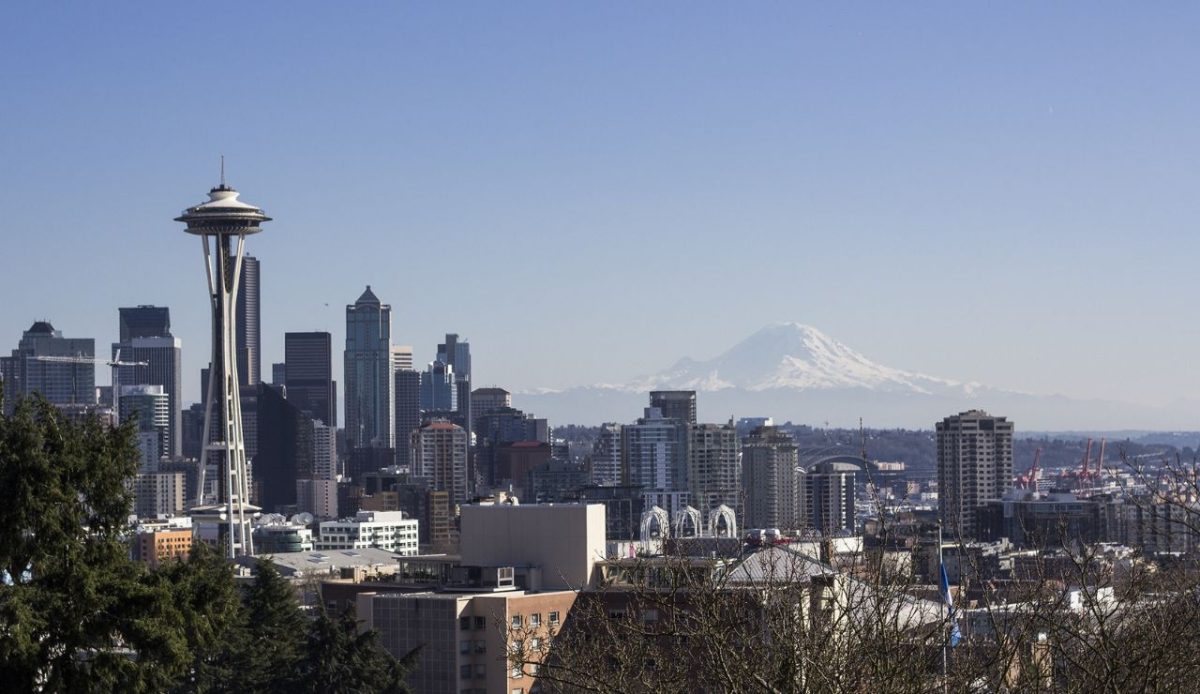
Seattle faces a significant homelessness crisis, with large encampments in parks, underpasses, and public spaces. Rapid economic growth has driven up rent and home prices, while services haven’t kept pace. Mental health and addiction are major contributing factors. The city’s response has included emergency housing and outreach, but the visibility of homelessness has grown. Many locals call for stronger long-term solutions beyond temporary shelters or police-led sweeps.
4. San Francisco, California
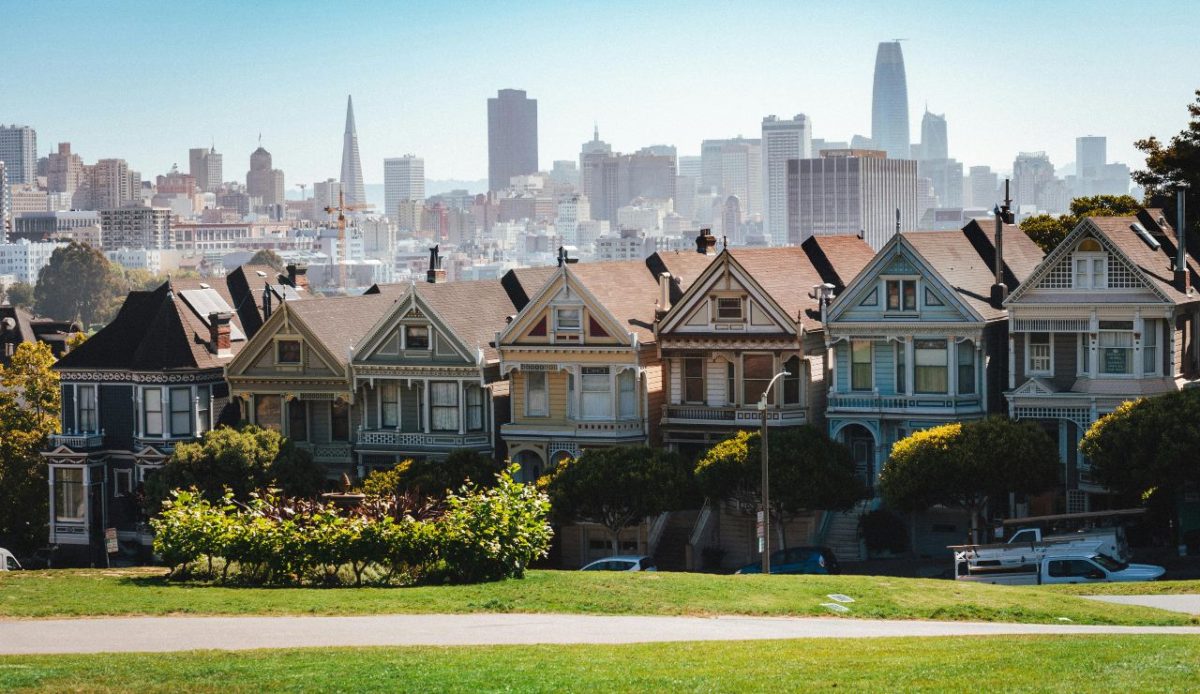
San Francisco is known for its progressive values, but it also struggles with a serious homelessness issue. The city has high housing costs, limited space, and a long wait for supportive services. Many unhoused individuals have complex needs, including mental illness and addiction. While billions have been spent on aid programs, visible homelessness remains widespread, especially in central neighborhoods like the Tenderloin. Public frustration and compassion exist side by side.
5. Phoenix, Arizona
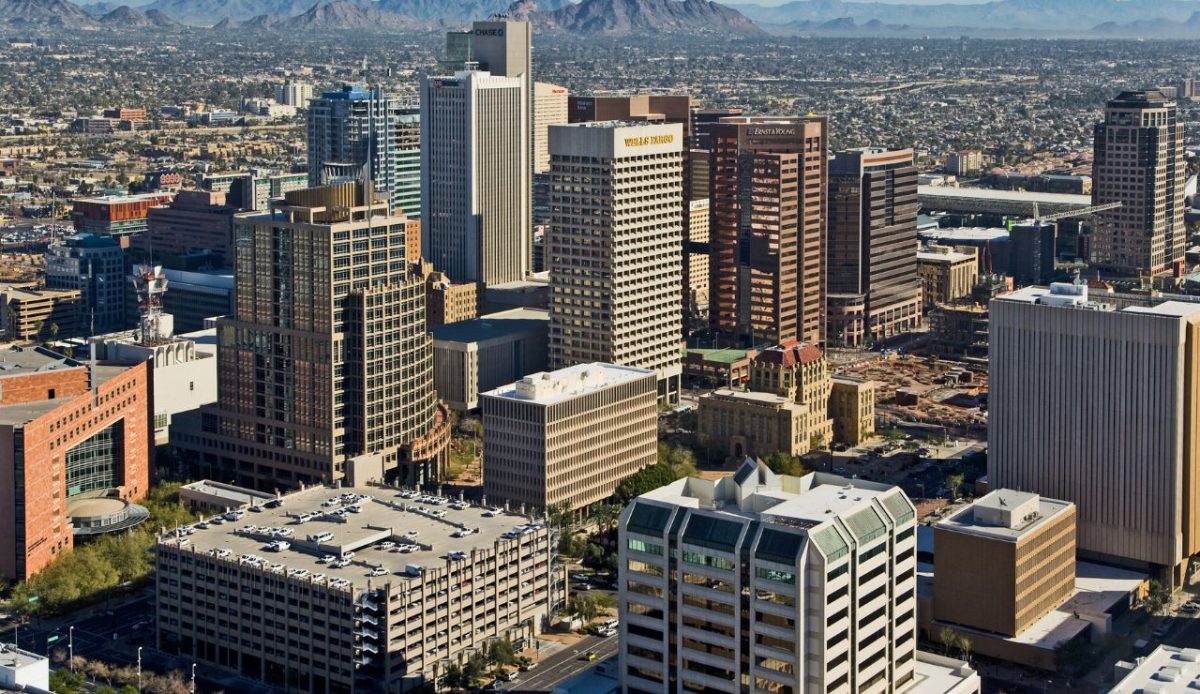
Phoenix has seen a sharp rise in homelessness in recent years, fueled by population growth, soaring rents, and limited shelter capacity. The city’s hot climate is both a danger and a reason many sleep outdoors. Encampments have expanded across the metro area, particularly in downtown zones. While outreach services exist, funding gaps and strained facilities limit their reach. The rapid increase shows how quickly homelessness can escalate without preventive housing measures.
6. San Diego, California
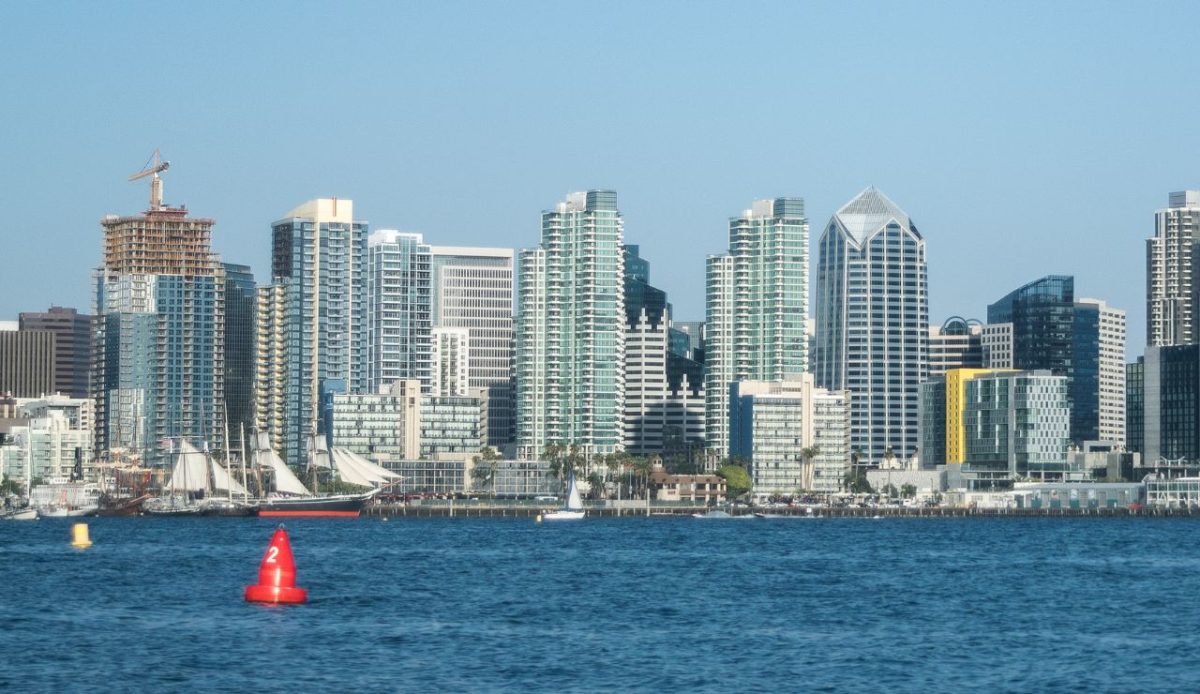
San Diego has the fourth-highest homeless population in the U.S., with many living unsheltered year-round. The temperate climate and high cost of living contribute to the problem, as does a lack of deeply affordable housing. Local officials have expanded shelters and mental health services, but waitlists remain long. Public safety concerns and community tensions often complicate efforts. Still, nonprofits and volunteers continue working daily to offer support and dignity.
